2026 Top Planetary Reducer Buying Guide for Global Suppliers?
In the fast-evolving landscape of engineering, the selection of a reliable Planetary Reducer is critical. This component not only affects efficiency but also impacts overall performance in various applications. Numerous suppliers offer these devices, each boasting unique features and specifications. With the demand for high-quality machinery on the rise, understanding the intricacies of Planetary Reducers becomes vital.
When choosing a planetary reducer, several factors must be considered. The gear ratio, load capacity, and backlash levels all play significant roles in performance. However, many potential buyers overlook these details. A misstep in selecting the right reducer can lead to operational inefficiencies and increased costs. Identifying a trustworthy supplier is equally important. Reliability and support go hand in hand with innovation.
Navigating this market requires a blend of expertise and awareness. As trends shift, suppliers must adapt. Staying informed about advancements ensures that your choice of a Planetary Reducer aligns with current needs. While there are numerous resources available, discerning which ones are authoritative can be challenging. This guide aims to clarify the complexities and assist buyers in making informed decisions.
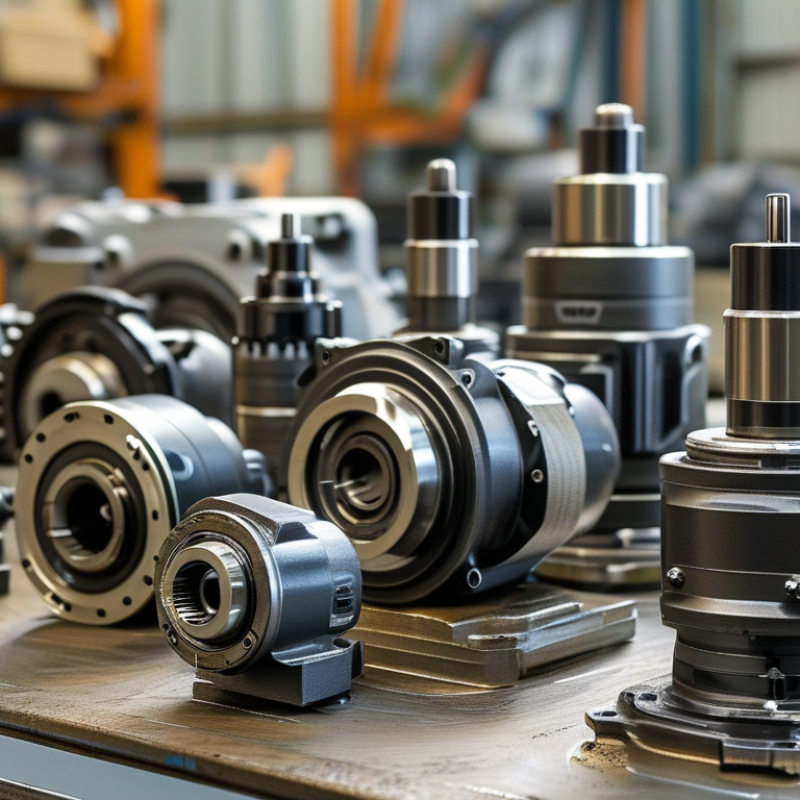
Understanding Planetary Reducers: Definition and Key Functions
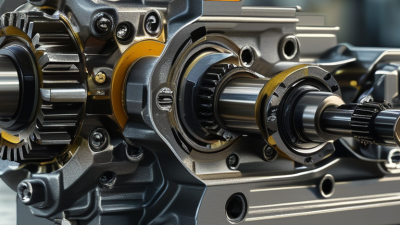
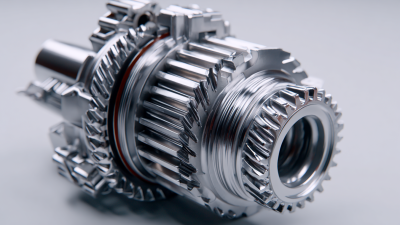
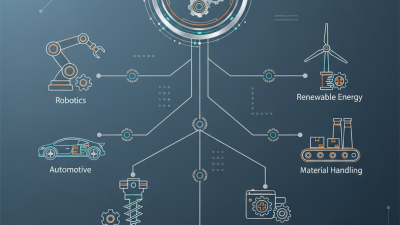
Planetary reducers are essential mechanical components in various industrial applications. These gear systems convert high-speed, low-torque input into low-speed, high-torque output. They excel in providing precision and efficiency, making them popular in robotics, manufacturing, and automotive sectors. Their compact design allows for space-saving in machinery without sacrificing performance.
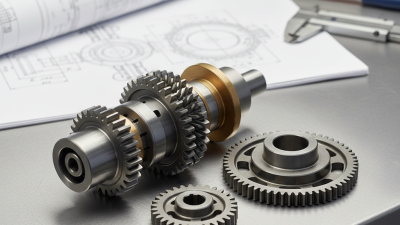
Understanding their operation is crucial. A planetary reducer consists of a sun gear, planet gears, and a ring gear. The sun gear drives the planet gears, which orbit around it. This mechanism distributes the load evenly, reducing wear and tear. However, the complexity of these systems means difficulty in maintenance and repair. Users must consider these factors when choosing a planetary reducer.
Selecting the right model requires careful assessment. Not all planetary reducers suit every application. It's important to evaluate torque requirements, speed ratios, and environmental conditions. Sometimes, technical specifications can be misleading. Understanding how these elements interact can lead to better decision-making.
Types of Planetary Reducers: Variants and Their Applications
When considering planetary reducers, it's essential to understand the different types available and their specific applications. Generally, these reducers fall into three main categories: spur gear type, helical gear type, and skew gear type. Each has unique characteristics that make them suitable for various industrial uses.
Spur gear planetary reducers excel in high-speed applications. They provide high efficiency and are known for their simplicity. Their robust construction makes them ideal for robotics and conveyor systems. According to recent industry reports, spur gears can achieve efficiency ratings of over 95%. This is crucial in applications demanding maximum output with limited power consumption.
On the other hand, helical gear reducers are preferred for moderate-speed applications. They offer quieter operations and can handle higher shock loads. These reducers are commonly used in material handling and automotive industries. The selection of the right reducer type can greatly impact operational efficiency and machine longevity. Careful evaluation of torque requirements and space constraints is necessary to optimize performance. The complexity of applications often leads to reconsideration of choices, emphasizing the need for tailored solutions.
2026 Top Planetary Reducer Buying Guide for Global Suppliers
| Type of Planetary Reducer |
Reduction Ratio |
Applications |
Advantages |
Limitations |
| Spur Gear Planetary Reducer |
3:1 to 100:1 |
Robotics, CNC Machines |
High Efficiency, Compact Size |
Limited Torque Capacity |
| Harmonic Drive Reducer |
100:1 to 300:1 |
Medical Equipment, Aerospace |
High Precision, Low Backlash |
Higher Costs, Heat Generation |
| Planetary Gearbox |
4:1 to 200:1 |
Automated Machinery, Vehicles |
Versatile, Robust Construction |
Bulkier, Weight Consideration |
| Worm Gear Reducer |
10:1 to 100:1 |
Conveyors, Packaging Machines |
High Shock Load Capacity |
Lower Efficiency |
| Bevel Gear Reducer |
5:1 to 30:1 |
Marine, Gear Drives |
Directional Change Capability |
Complex Design |
Factors to Consider When Selecting a Planetary Reducer
Choosing the right planetary reducer is vital for industrial applications. Several critical factors influence this decision. One primary consideration is the load capacity. Depending on the application, a reducer must withstand different load stresses. For example, a report from Industry Research states that planetary reducers can handle loads ranging from a few hundred to several thousand Newtons, depending on their design and size.
Another essential aspect is the gear ratio. The gear ratio affects the output speed and torque. A higher gear ratio often means more torque but less speed. According to recent data from Market Research Future, most applications prefer gear ratios between 10:1 and 100:1. However, understanding the specific requirements of each project can be challenging. Balancing speed and torque may require trial and error.
Additionally, the environment in which the reducer operates must be assessed. Factors like temperature, humidity, and potential exposure to dust or chemicals play a significant role. A report from Engineering Access indicates that many planetary reducers are rated for environments up to 120°C, but individual needs may vary. Addressing these variables is crucial for ensuring reliability and long-term performance.
Top Global Suppliers: A Comparison of Market Leaders
In recent years, the planetary reducer market has seen significant growth. According to a report by MarketsandMarkets, the market is expected to reach $3.6 billion by 2026. This growth is fueled by increased demand across various industries, including robotics and automation. Understanding the key players in this market is essential for buyers navigating their options.
Notably, certain suppliers stand out for their innovative approaches. They offer unique technologies that enhance performance while reducing energy consumption. Data from Grand View Research highlights that energy efficiency is a critical factor influencing buyer decisions. Performance metrics, such as torque density and durability, often distinguish market leaders from emerging companies.
Many suppliers are focusing on custom solutions to meet specific sector needs. This trend has introduced variability in product quality and pricing. Buyers must be cautious when evaluating suppliers, considering factors like reputation and customer reviews. Industry experts suggest a comprehensive analysis of past projects, which may reveal a supplier's reliability and expertise. Crafting informed purchasing decisions can lead to beneficial partnerships in this competitive landscape.
2026 Top Planetary Reducer Market Overview
Future Trends in Planetary Reducer Technology and Supply Chain
The future of planetary reducer technology is evolving rapidly. Advances in materials and production processes are driving improvements in efficiency and durability. Manufacturers are increasingly focusing on lightweight materials without sacrificing strength. This shift allows for more compact designs that can fit into tighter spaces while delivering higher performance.
Supply chain dynamics are also changing. Global events have highlighted vulnerabilities in traditional supply chains. Suppliers are now seeking more localized sourcing options to mitigate risks. This trend is prompting companies to rethink their relationships with component manufacturers. Collaborations are becoming more important to ensure reliability and speed.
Technological integration is crucial. Companies are exploring automation and smart technology in their production lines. Digital twins and AI-driven analytics are being adopted to optimize processes. However, there are challenges. Not all suppliers have the same level of access to these advanced technologies. Bridging this gap is essential for maintaining competitiveness in the market.

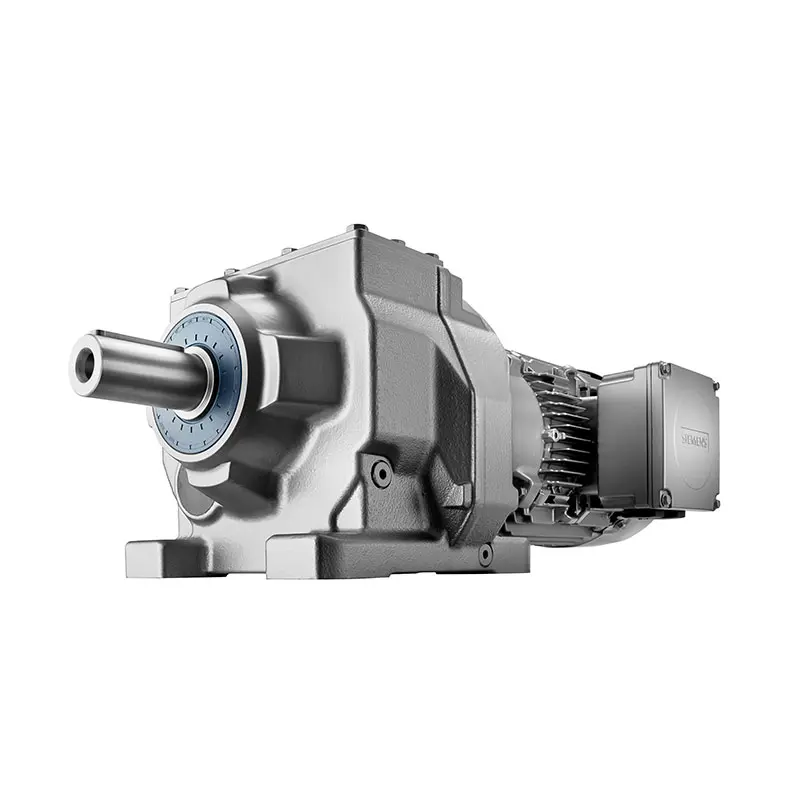 SIEMENS Helical Gearmotor Low Voltage
 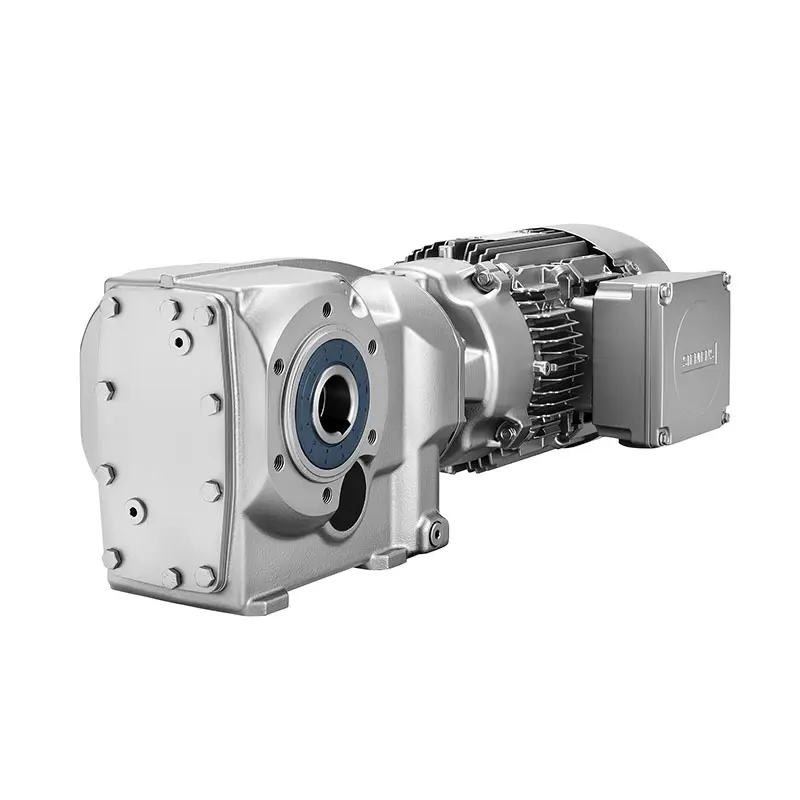 SIEMENS Bevel Helical Gearmotor
 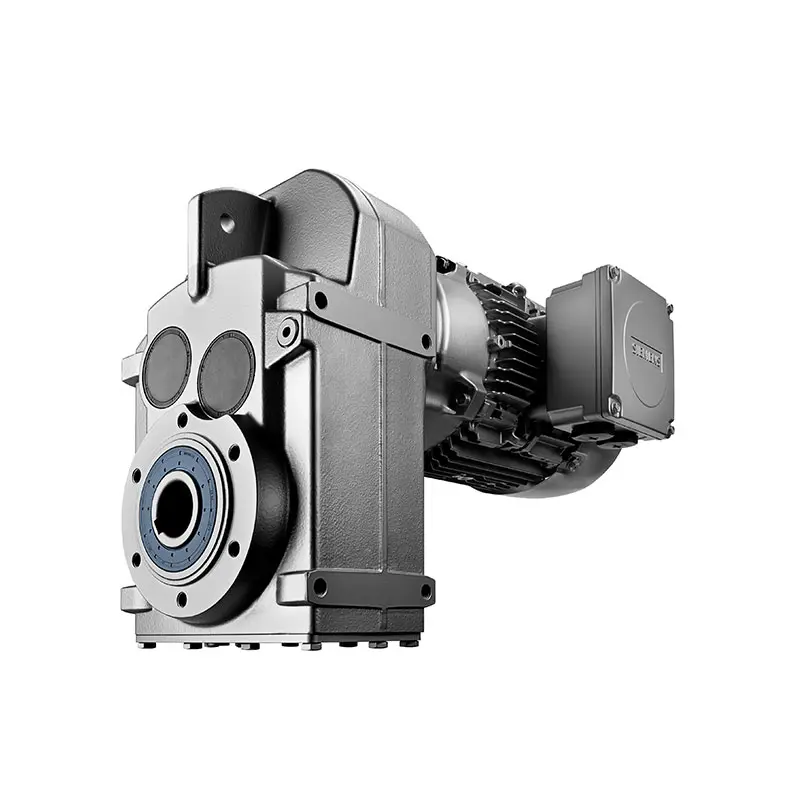 SIEMENS Parallel Shaft Gearmotor
 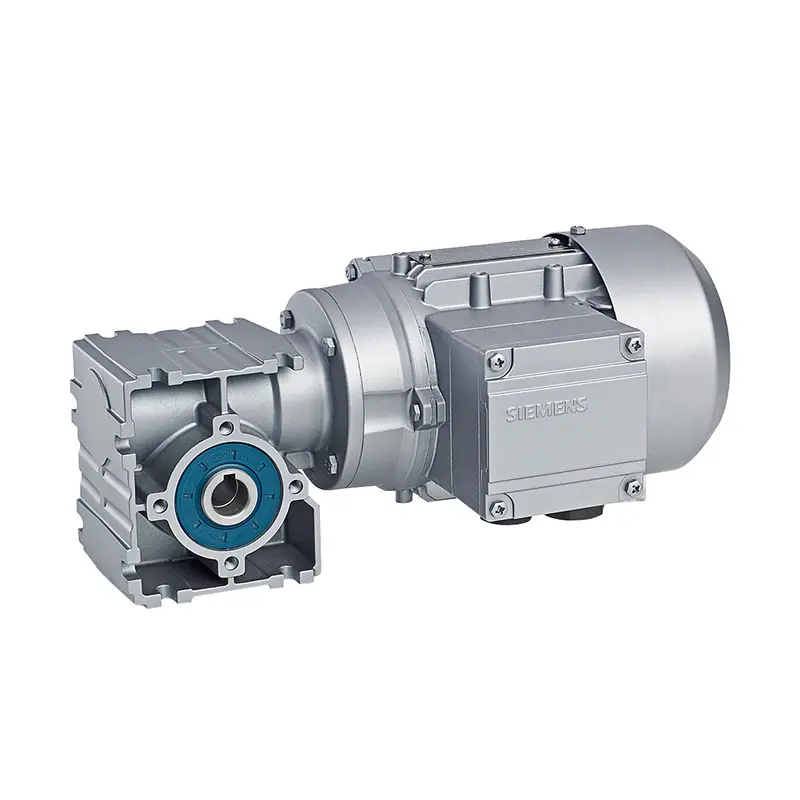 SIEMENS Worm Gearmotor Low Voltage
 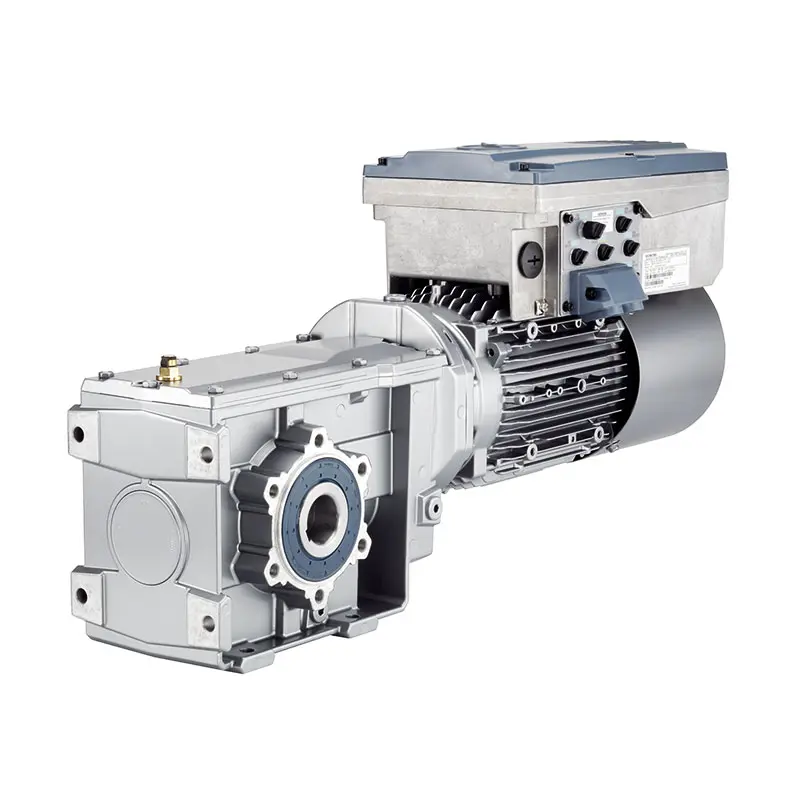 SIEMENS With Servo Motor Gearmotor
 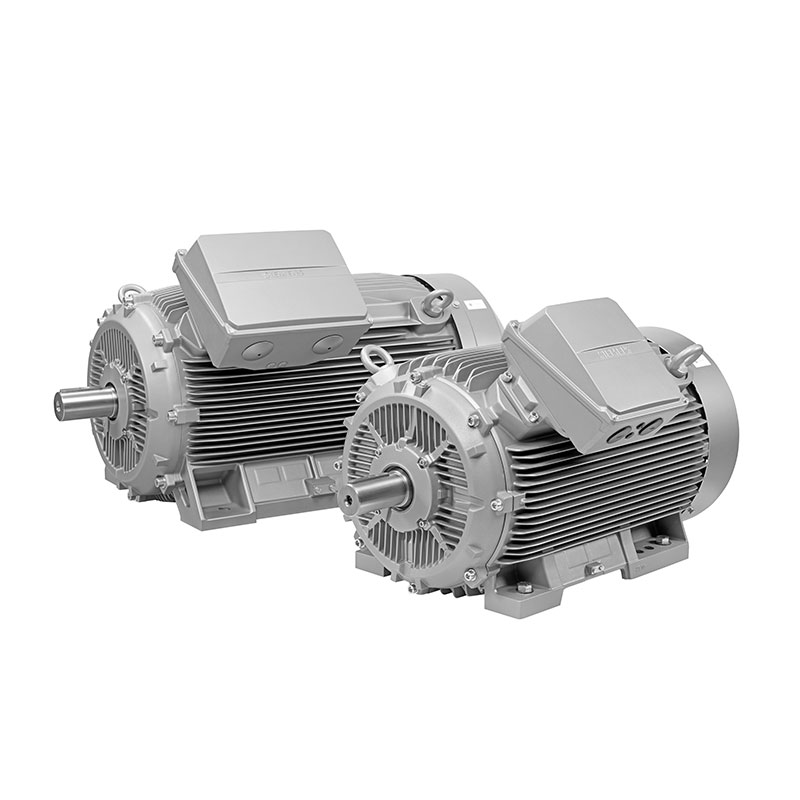 SIEMENS Low Voltage Motor Low Voltage
 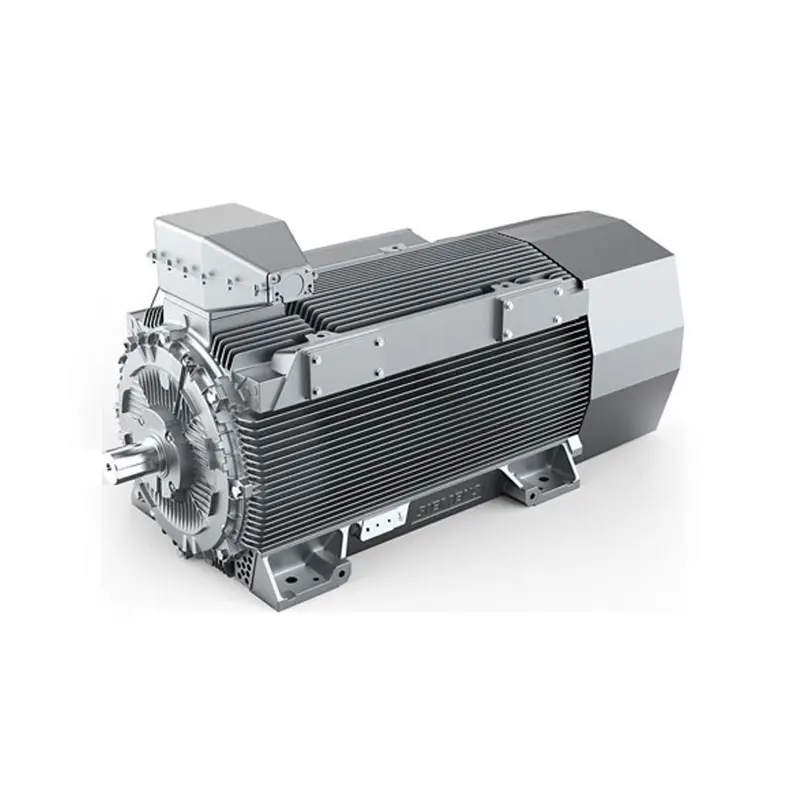 SIEMENS High Voltage Motor Low Voltage
 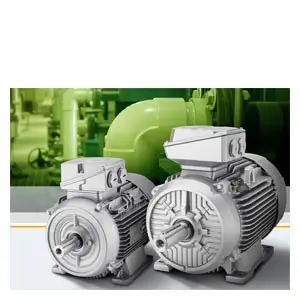 SIEMENS Marine Motor Low Voltage
 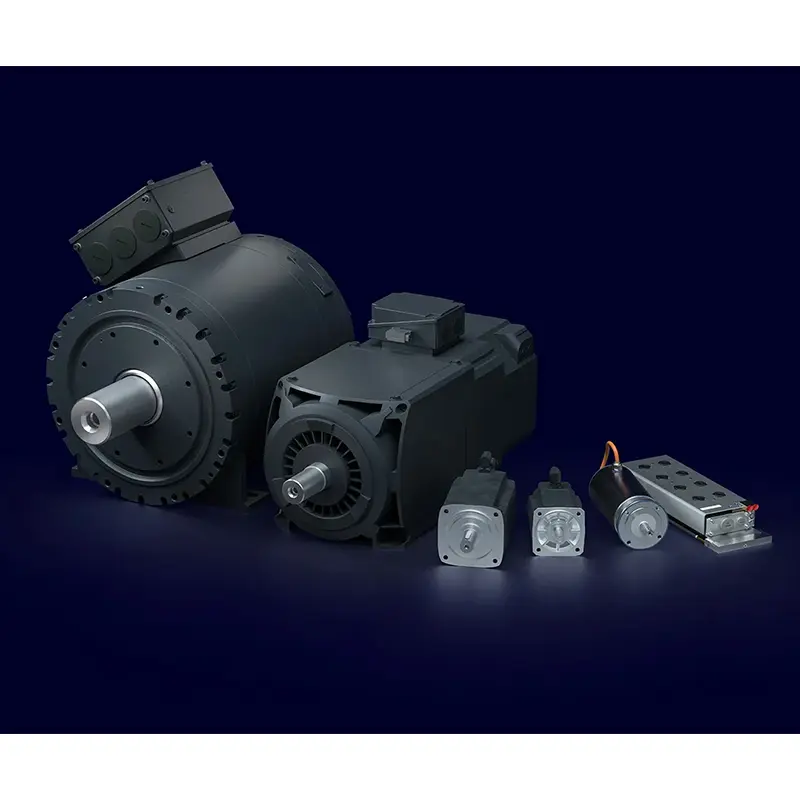 SIEMENS Servo Motor Low Voltage
 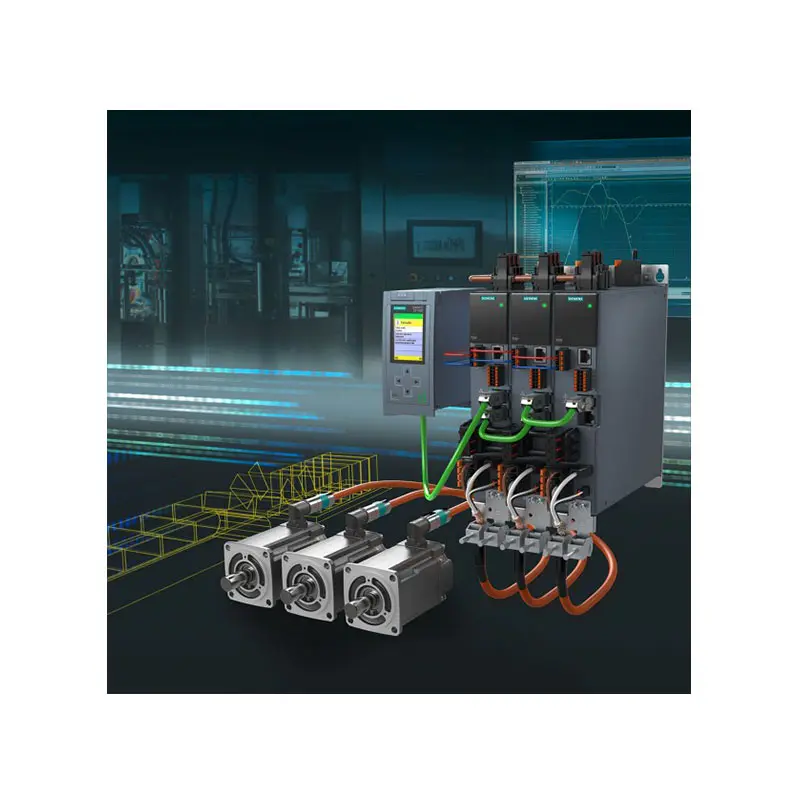 SIEMENS SINAMICS S210 Low Voltage
 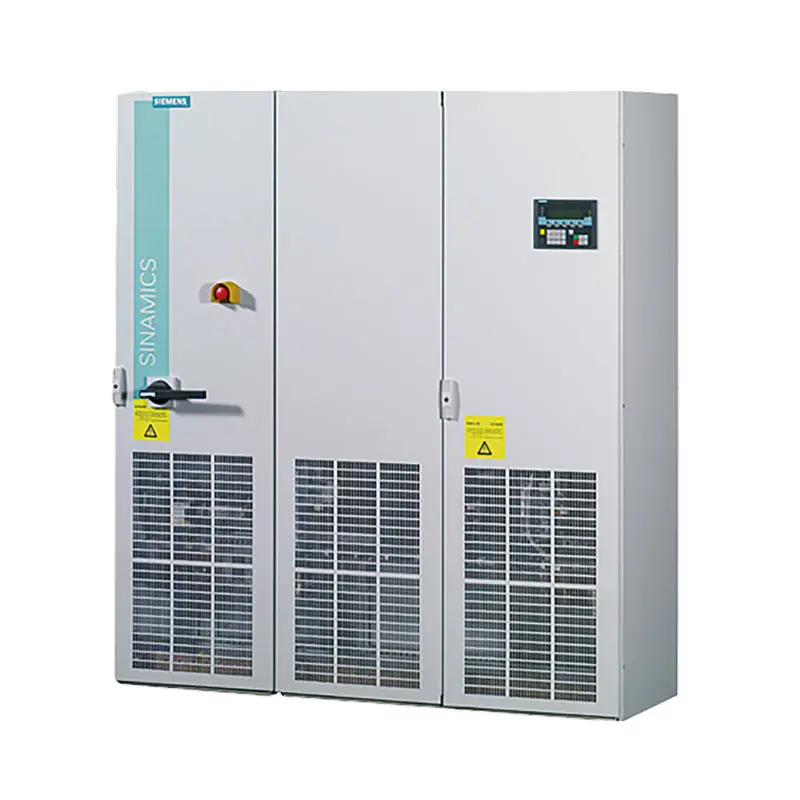 SIEMENS SINAMICS S150 Low Voltage
 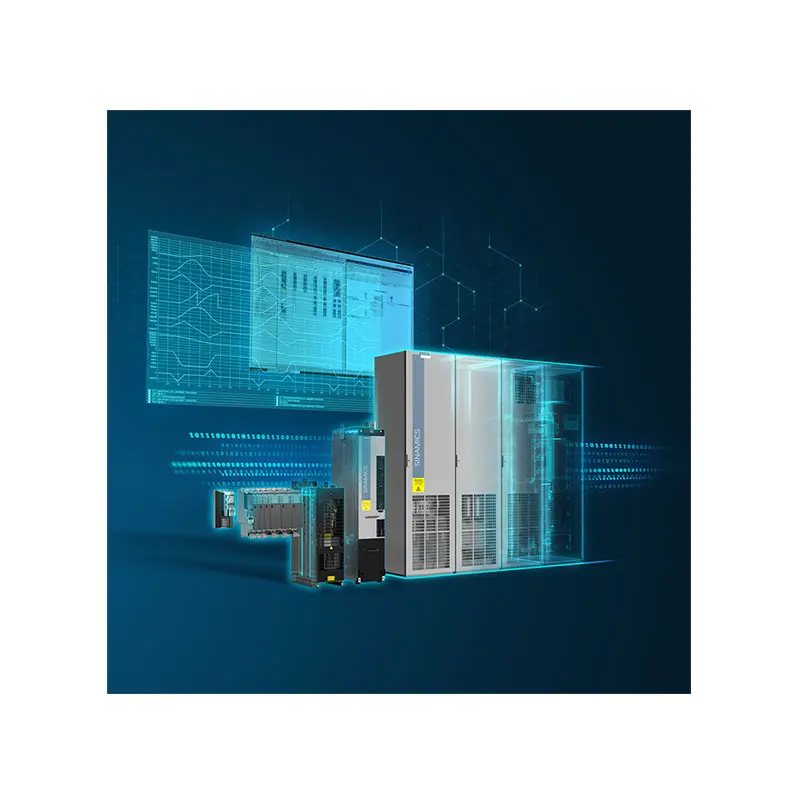 SIEMENS SINAMICS S120 Low Voltage
 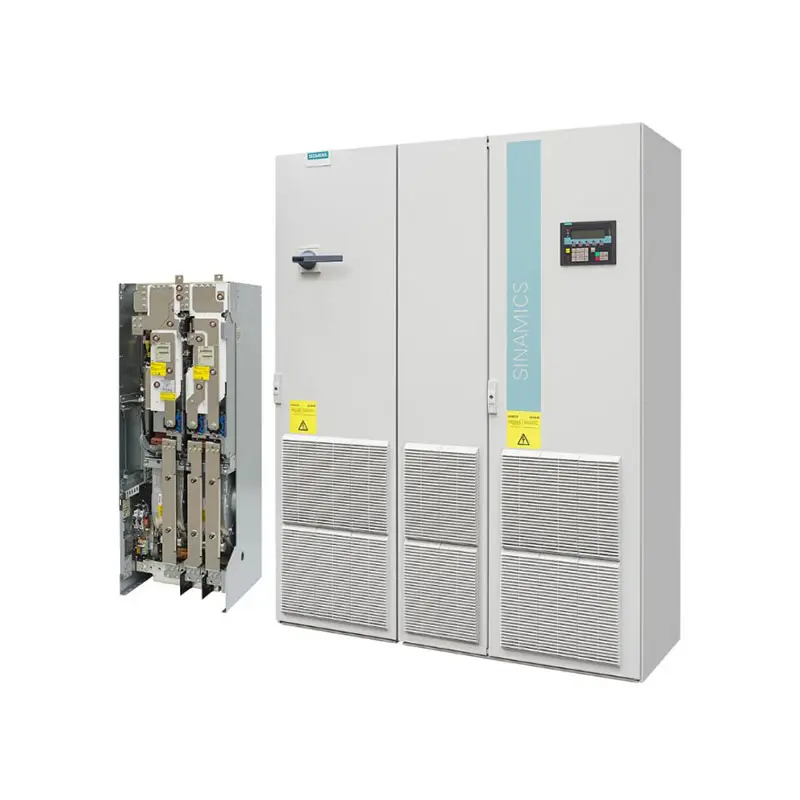 SIEMENS SINAMICS G130/G150
 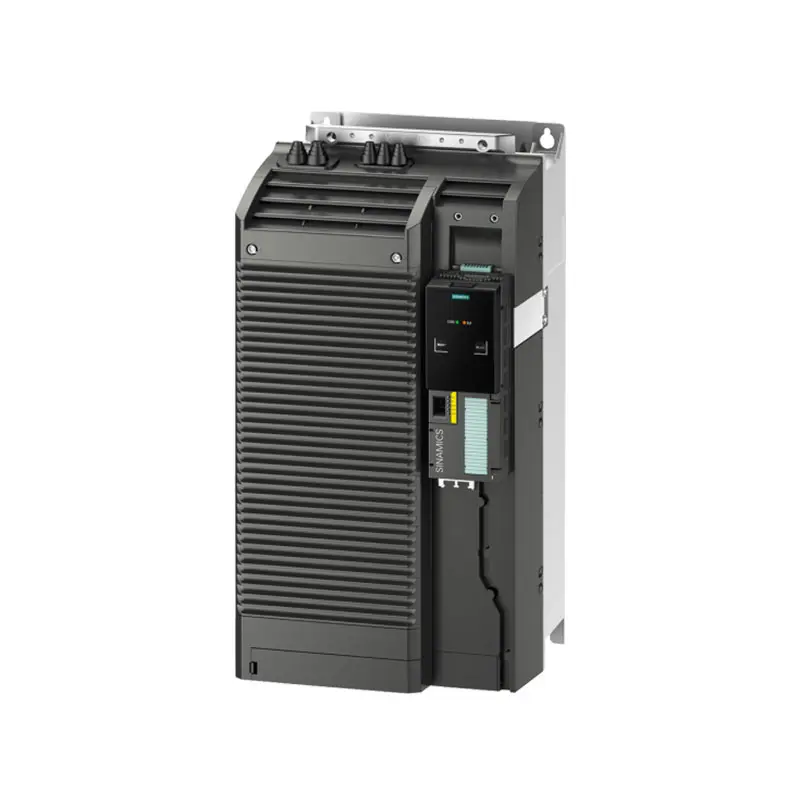 SIEMENS SINAMICS G120 Low Voltage
 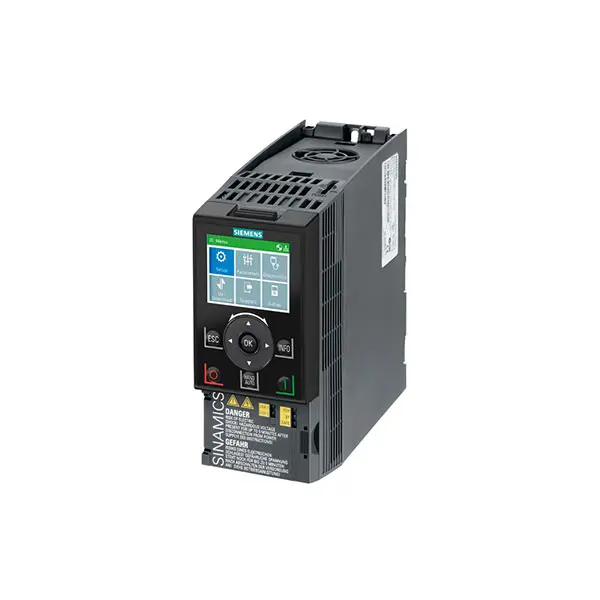 SIEMENS SINAMICS G120C Low Voltage
 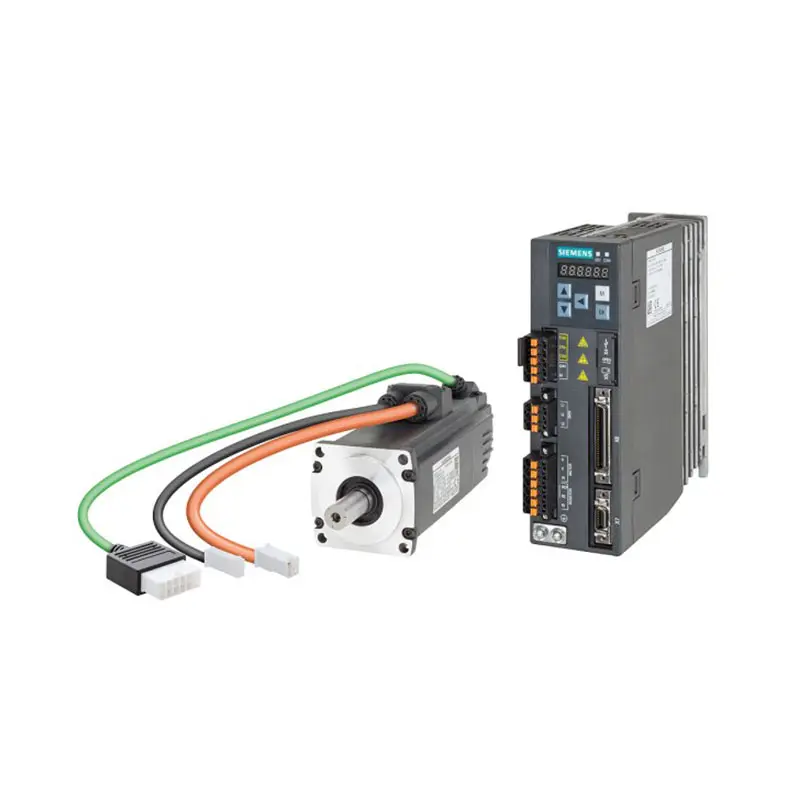 SIEMENS SINAMICS V90
 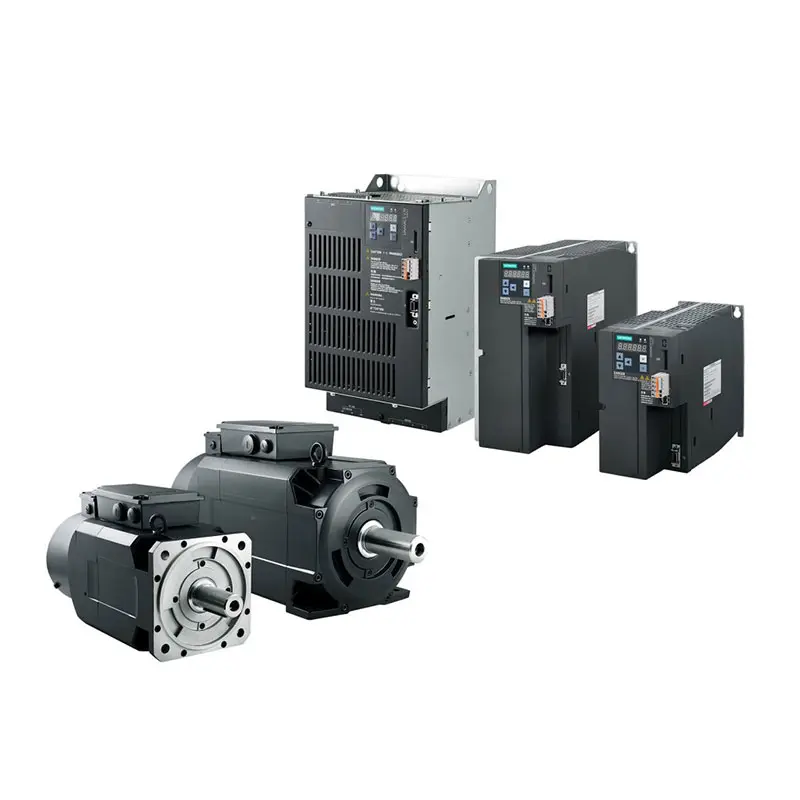 SIEMENS SINAMICS V70 Low Voltage
 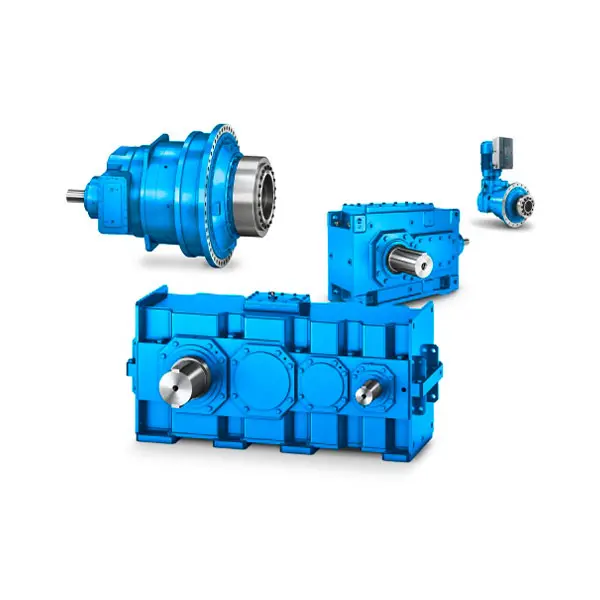 FLENDER Gear Unit
 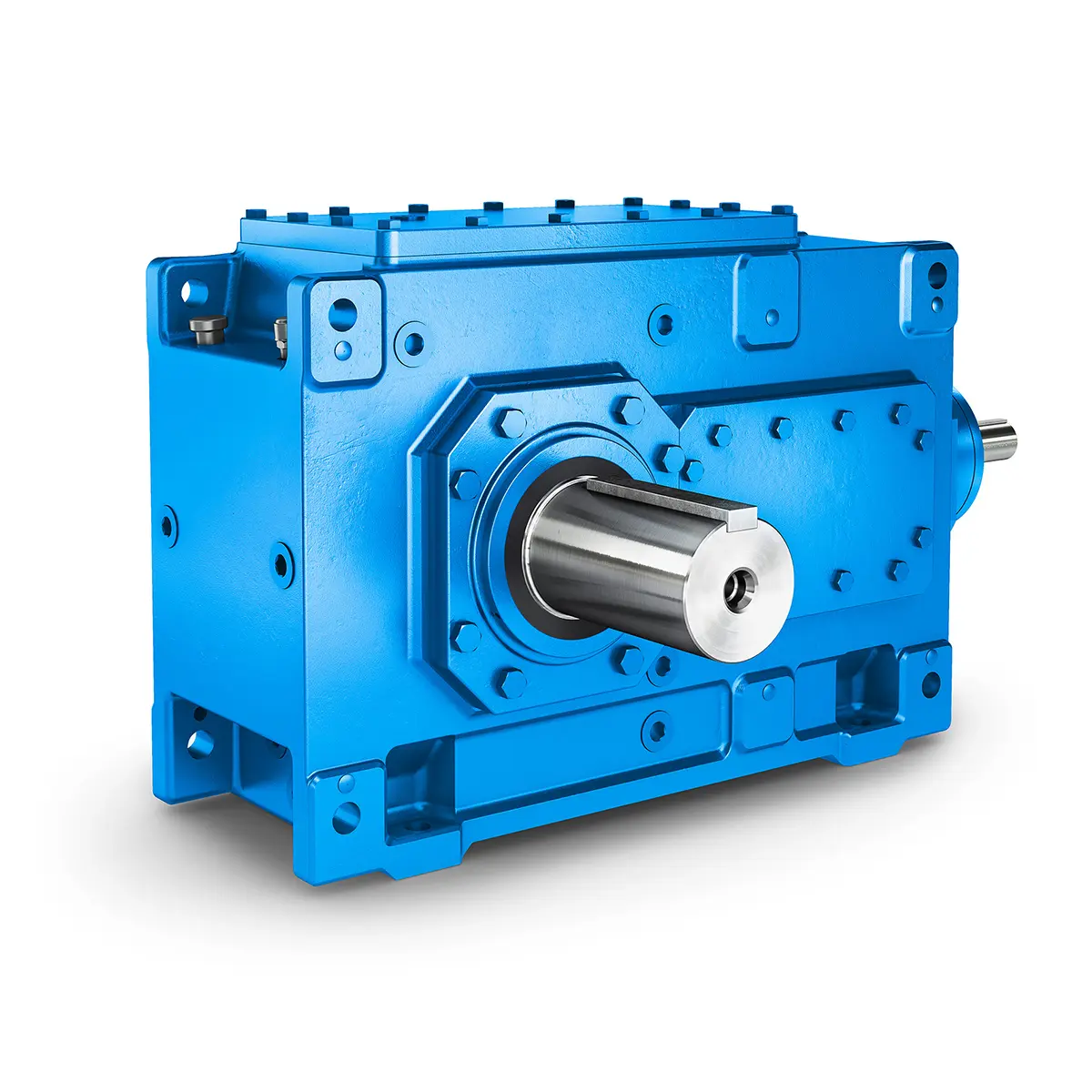 FLENDER Helical Gear Unit
 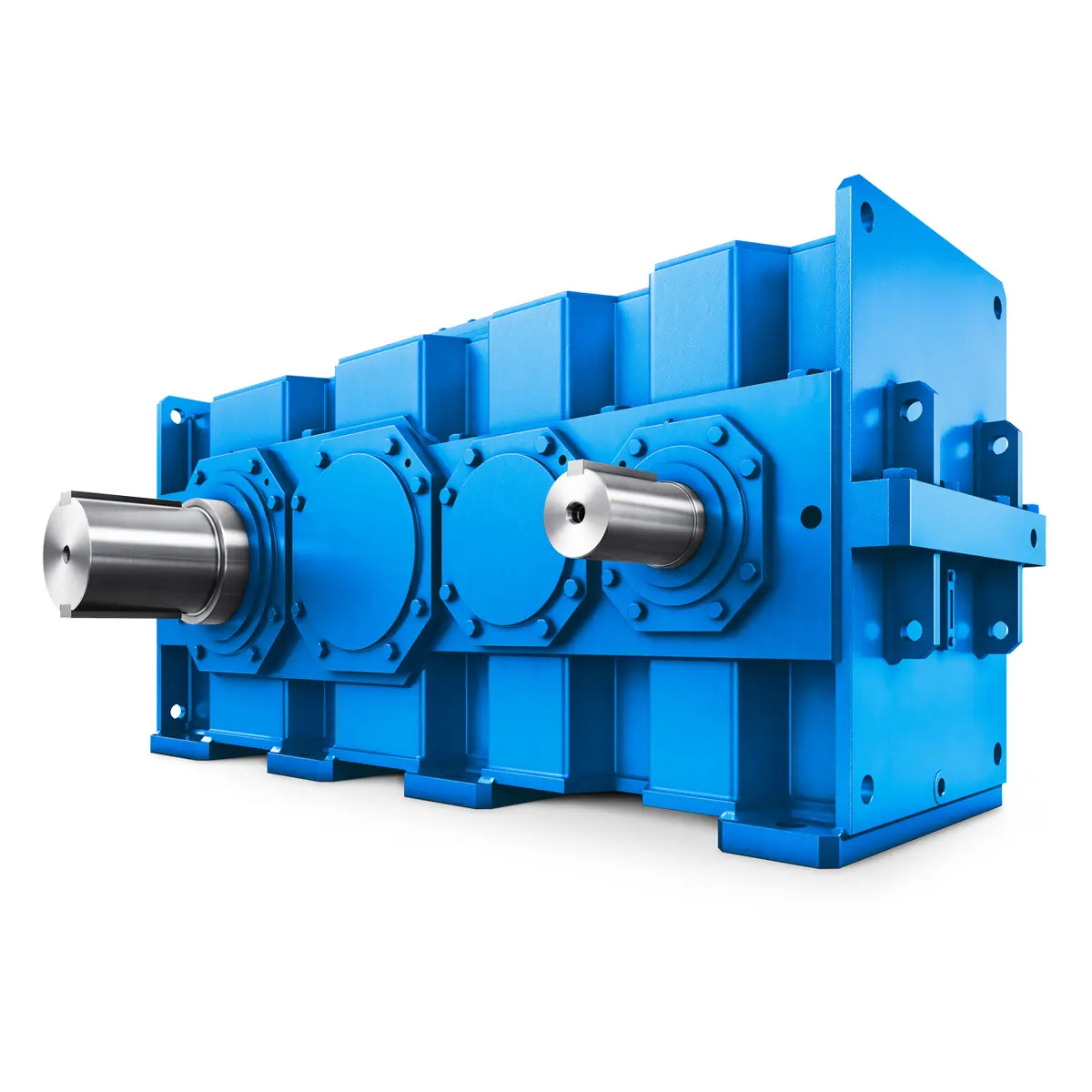 Flender gear units for lifting and luffing gears
 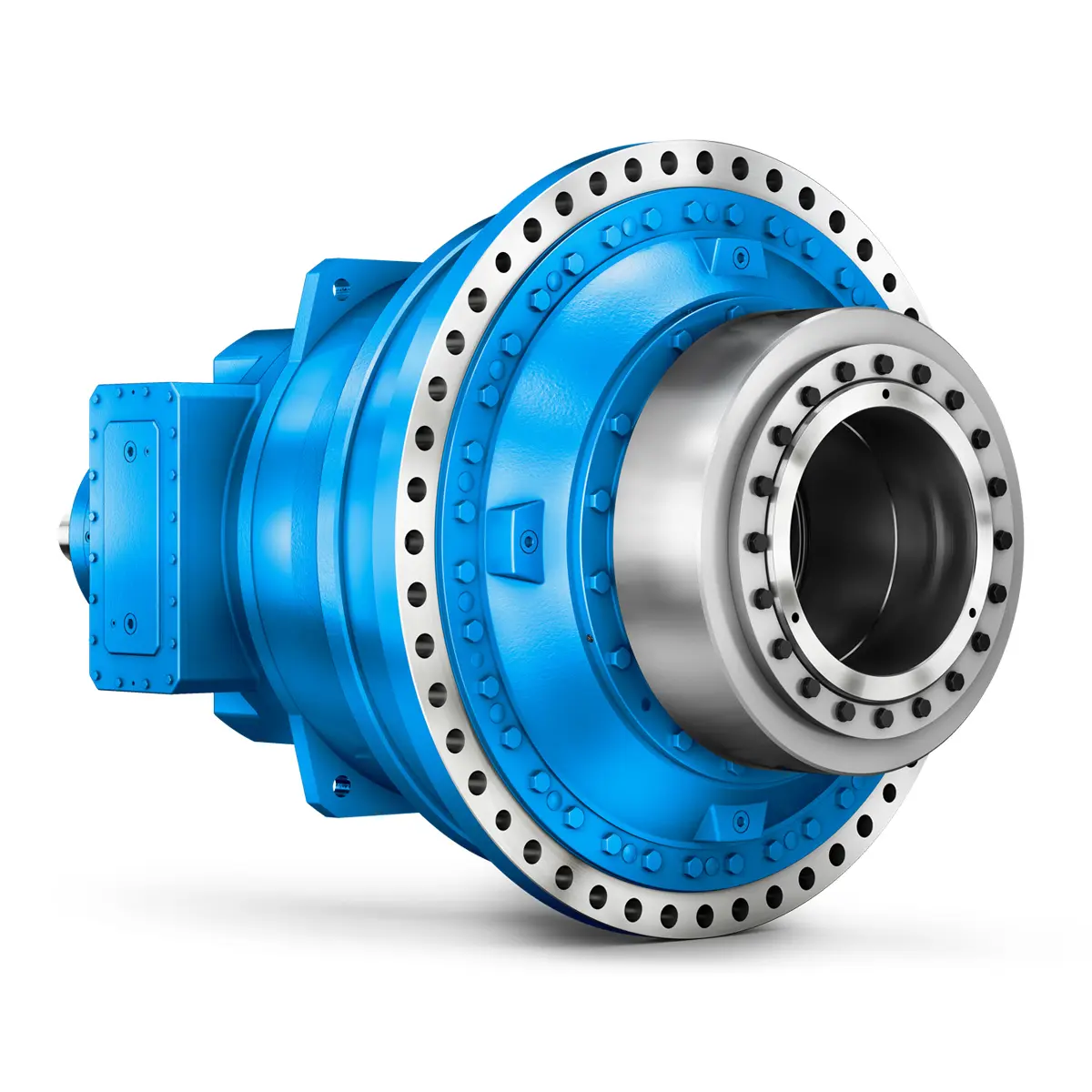 FLENDER Gear Unit gearunit gearbox
 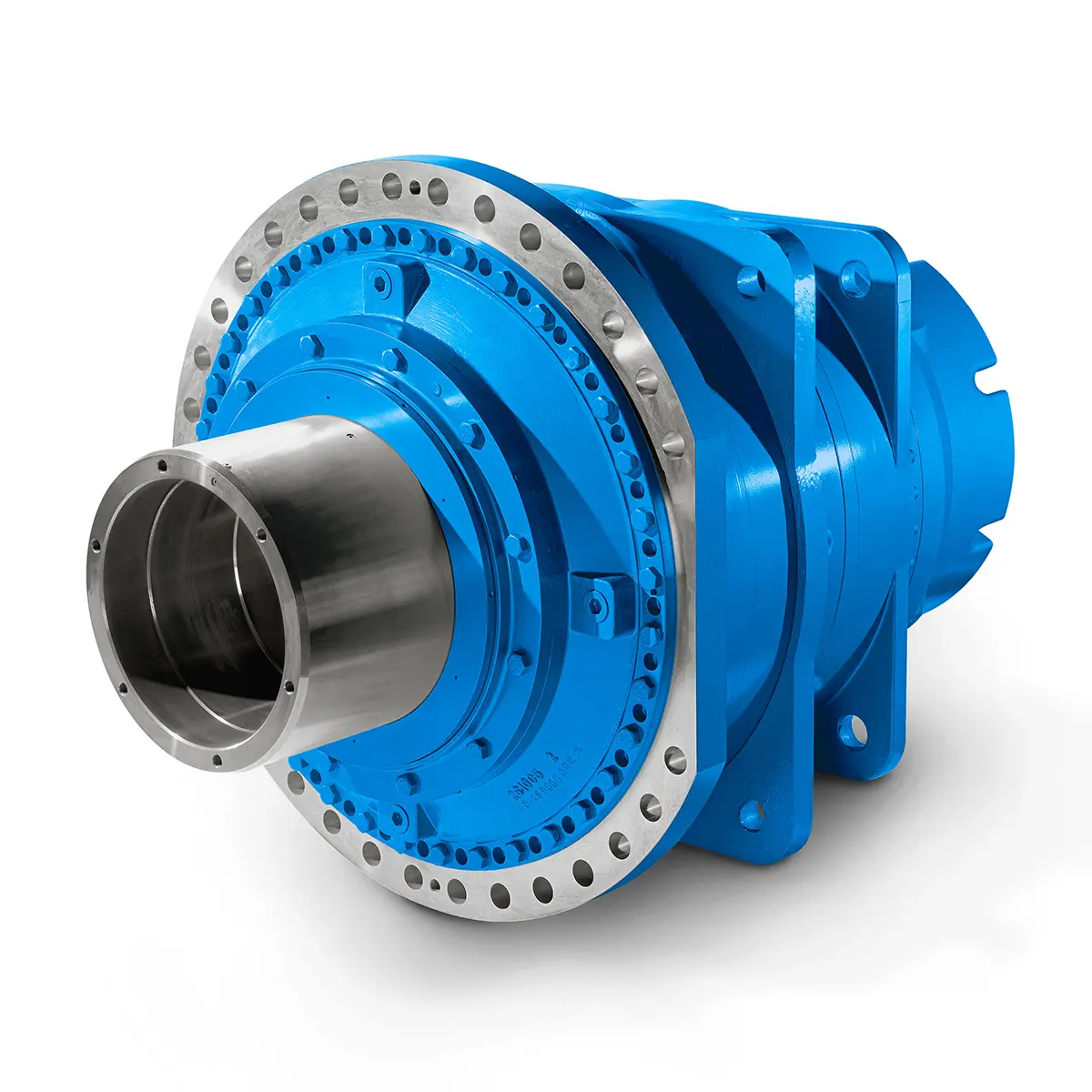 Optimal Drive Solution For Maximum Performance
 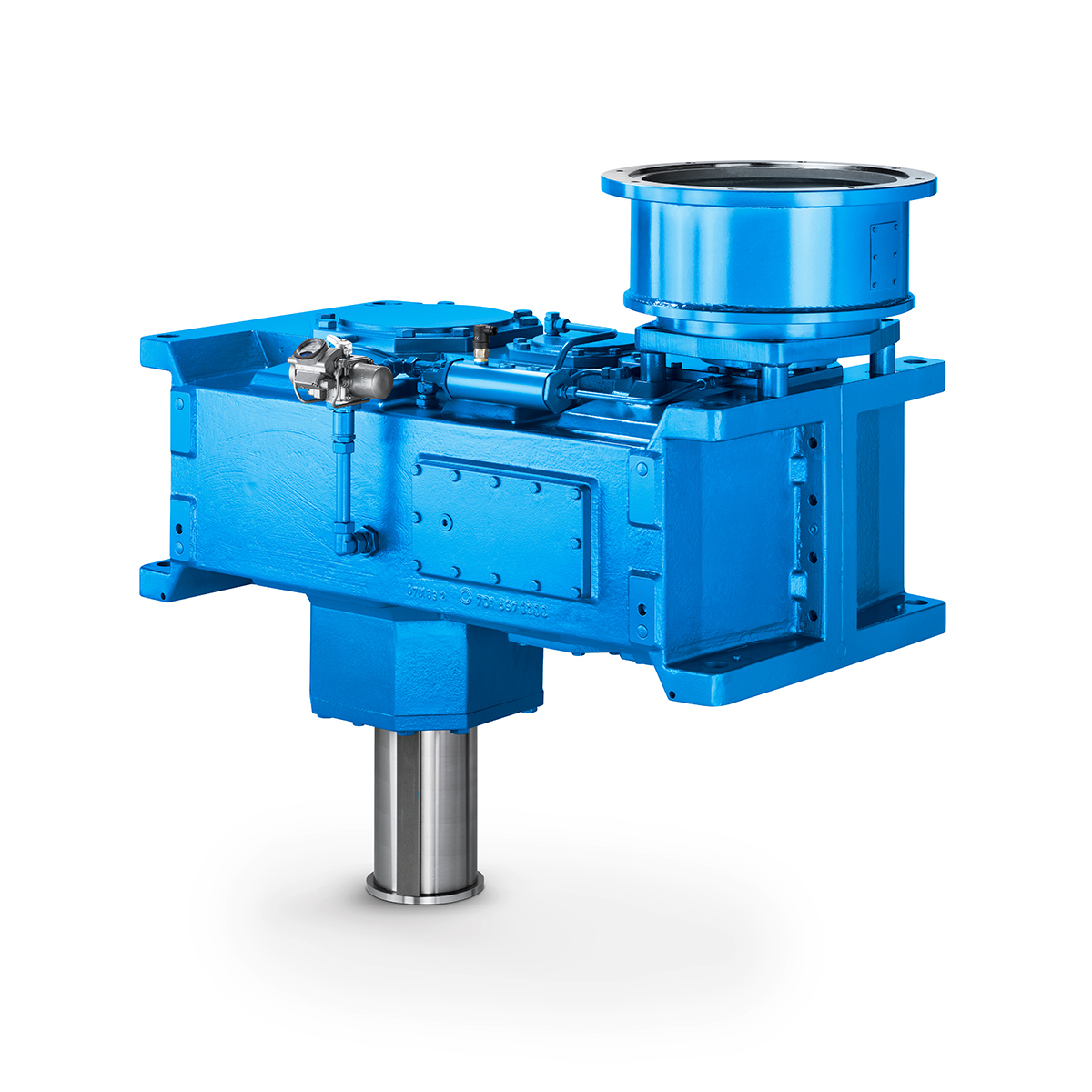 Strongly operating against biodegradable constituents
 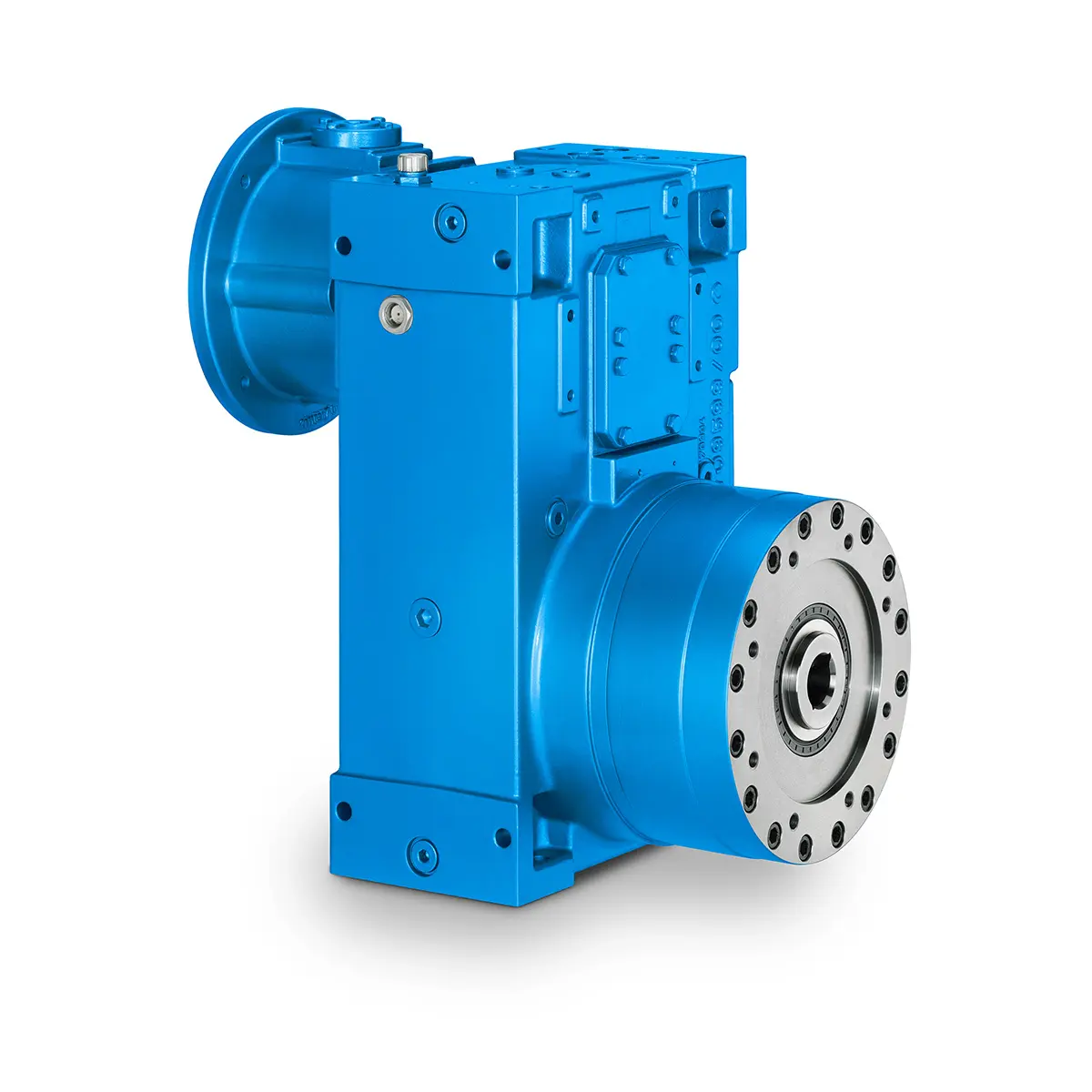 SINGLE SCREW Special industry dedicated gearunit gearbox
 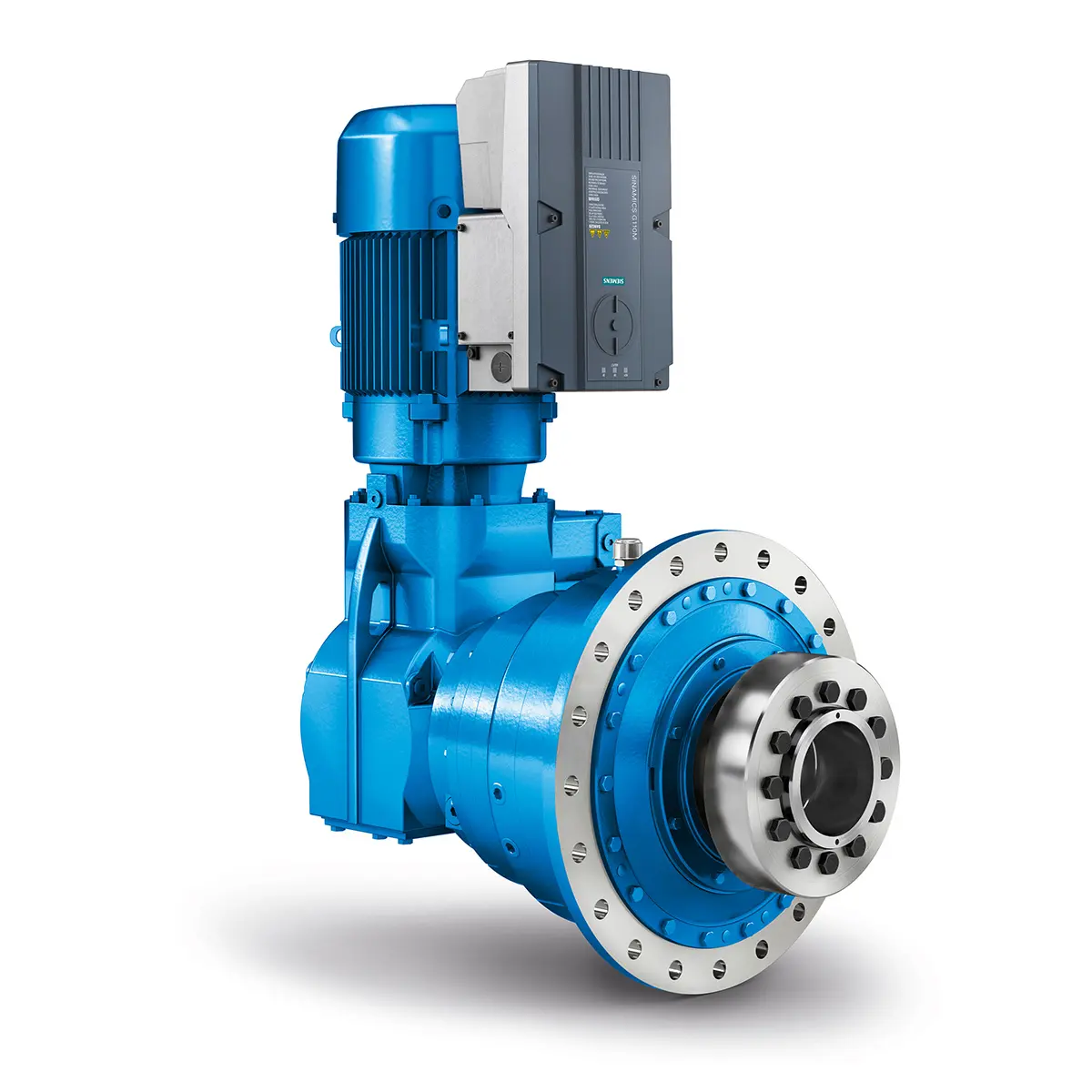 Playmaker In The Premium League
 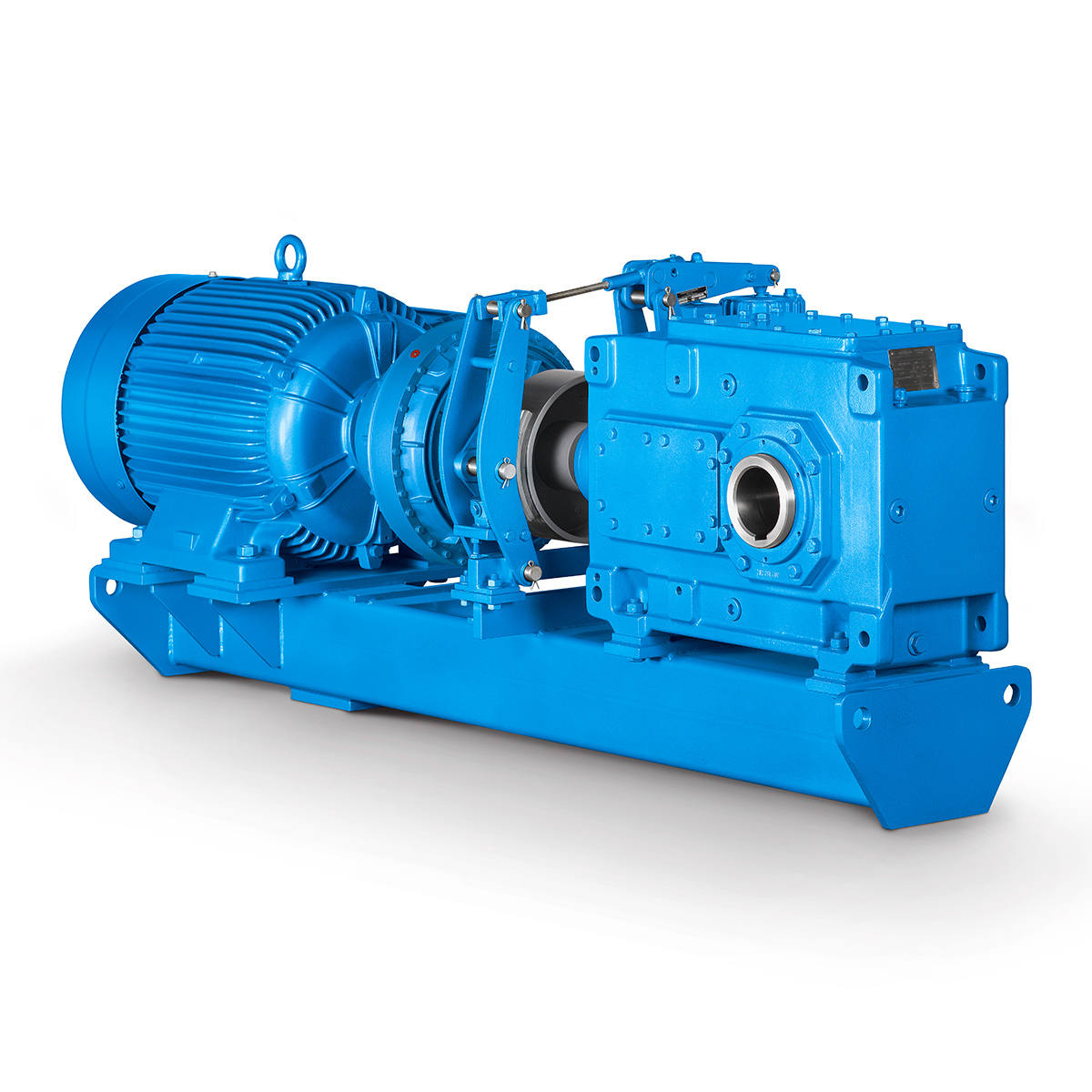 Conveyor belts gearunit gearbox
 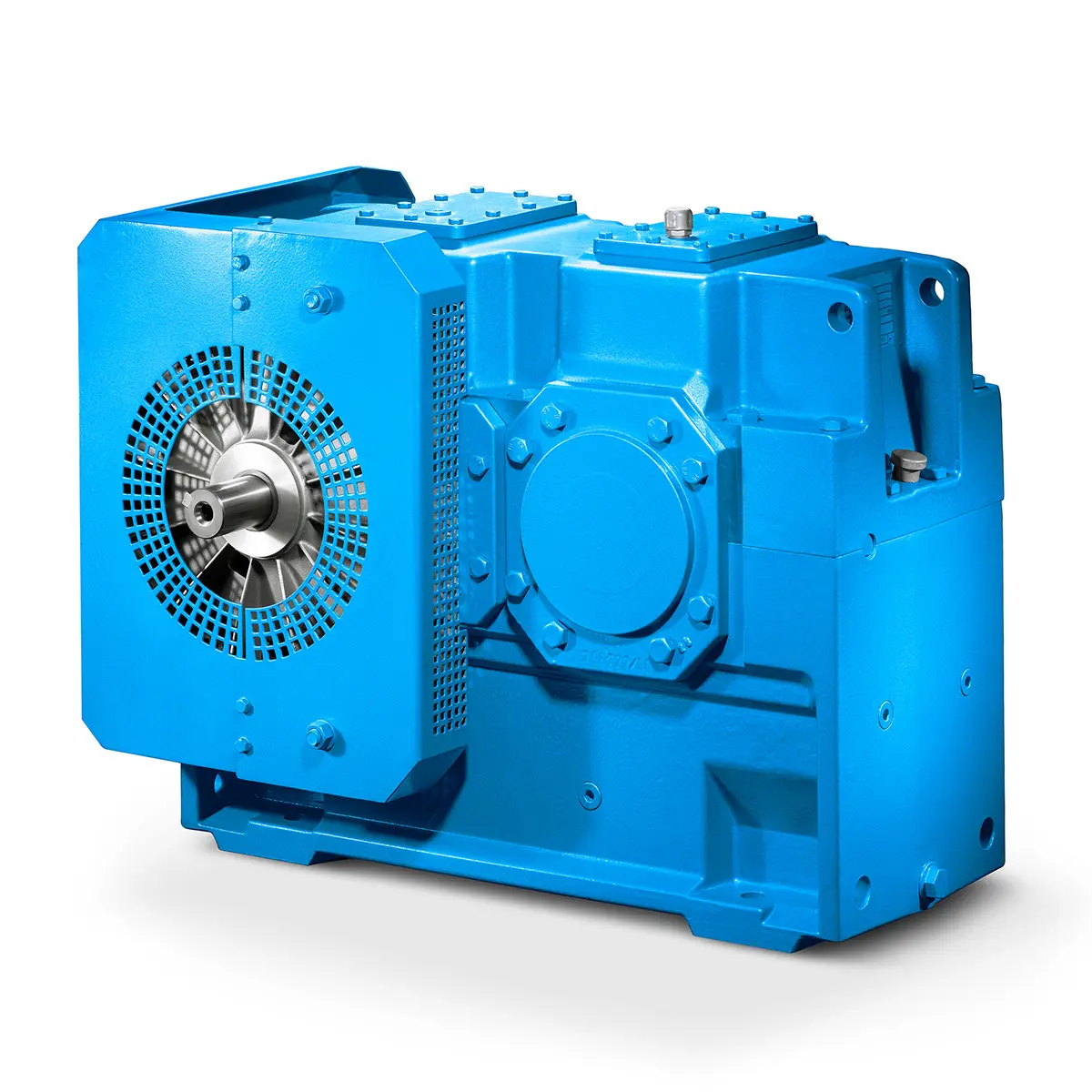 Paper And Pulp Preparation Sections
 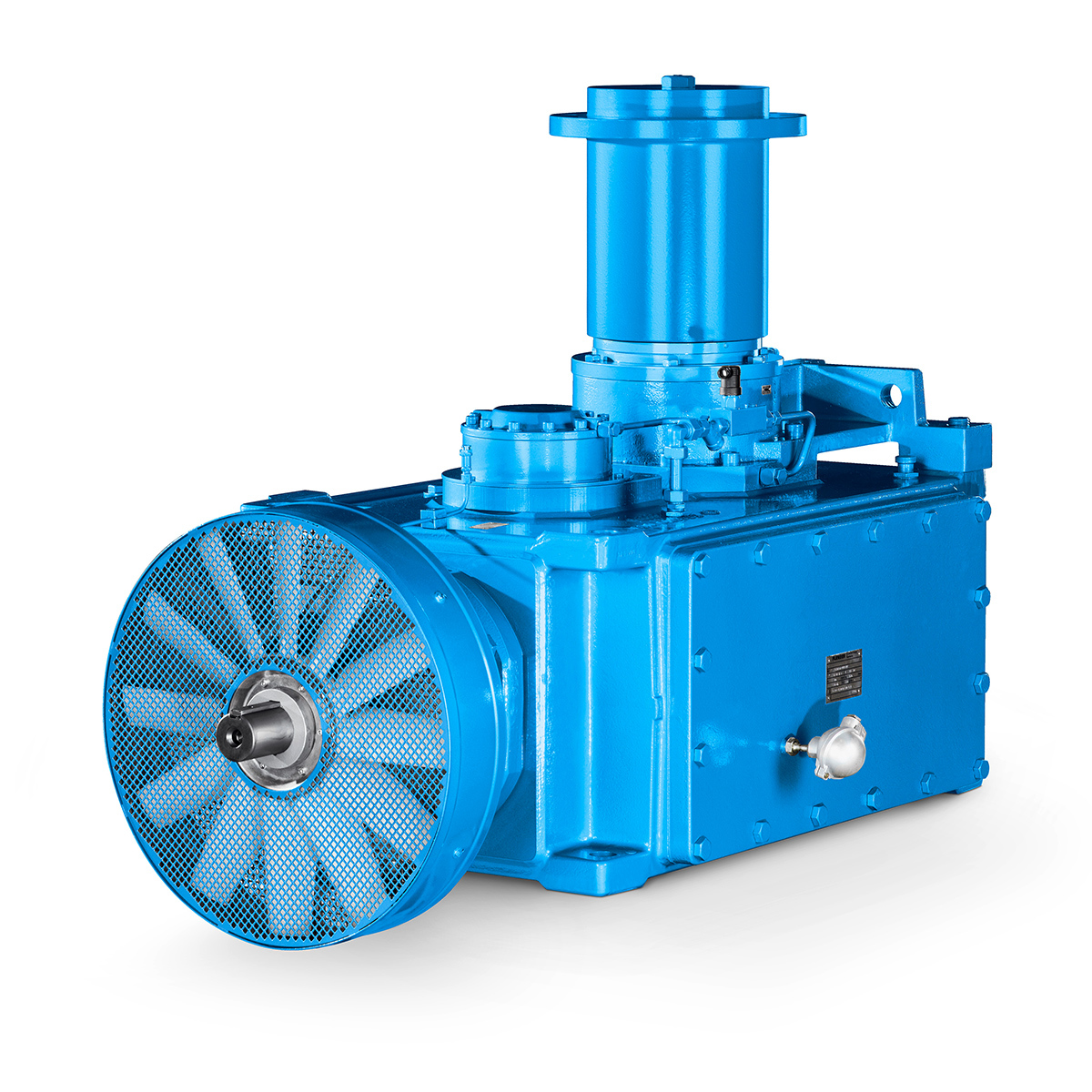 Operational Reliability Even In Case Of The Highest Ventilation Forces
 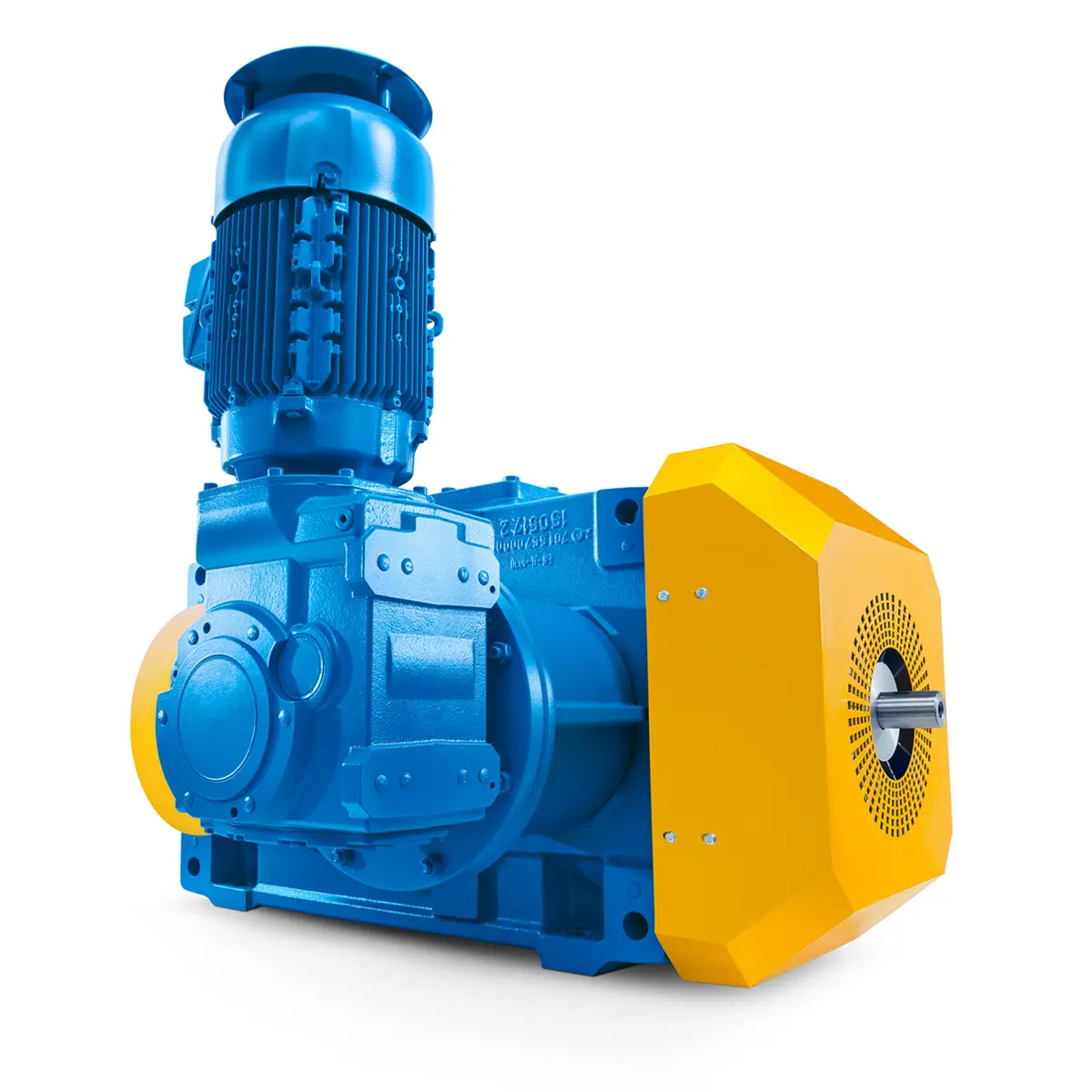 Reliable Gear Units For High Performance Vertical Conveyors 59/200
 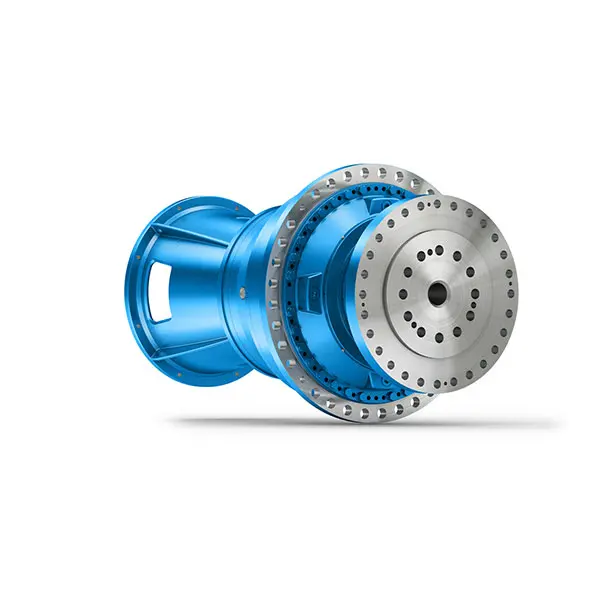 Maximum power density – PLANUREX 3 L individual drives for your sugar cane mill
 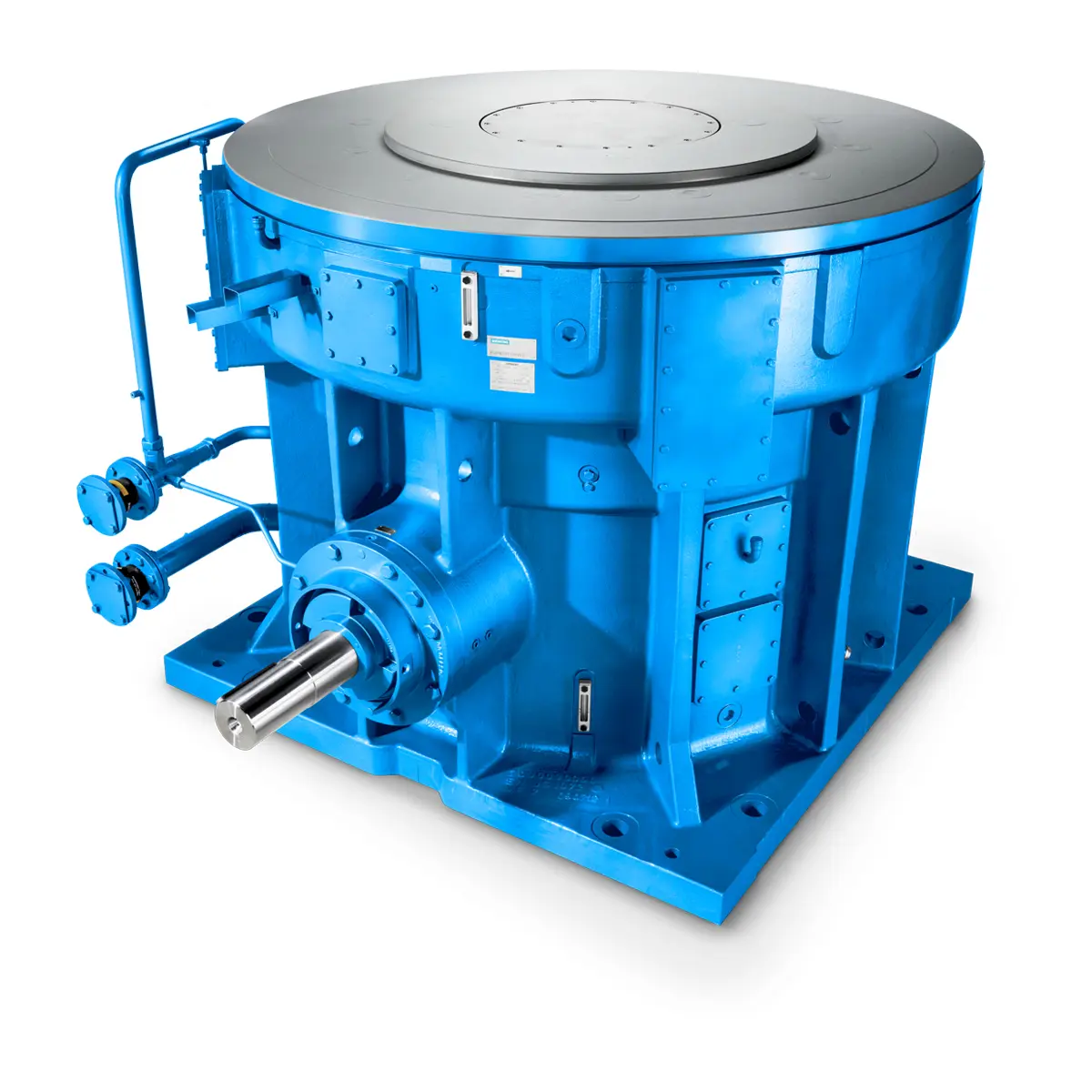 The proven all rounder gearunit gearbox
 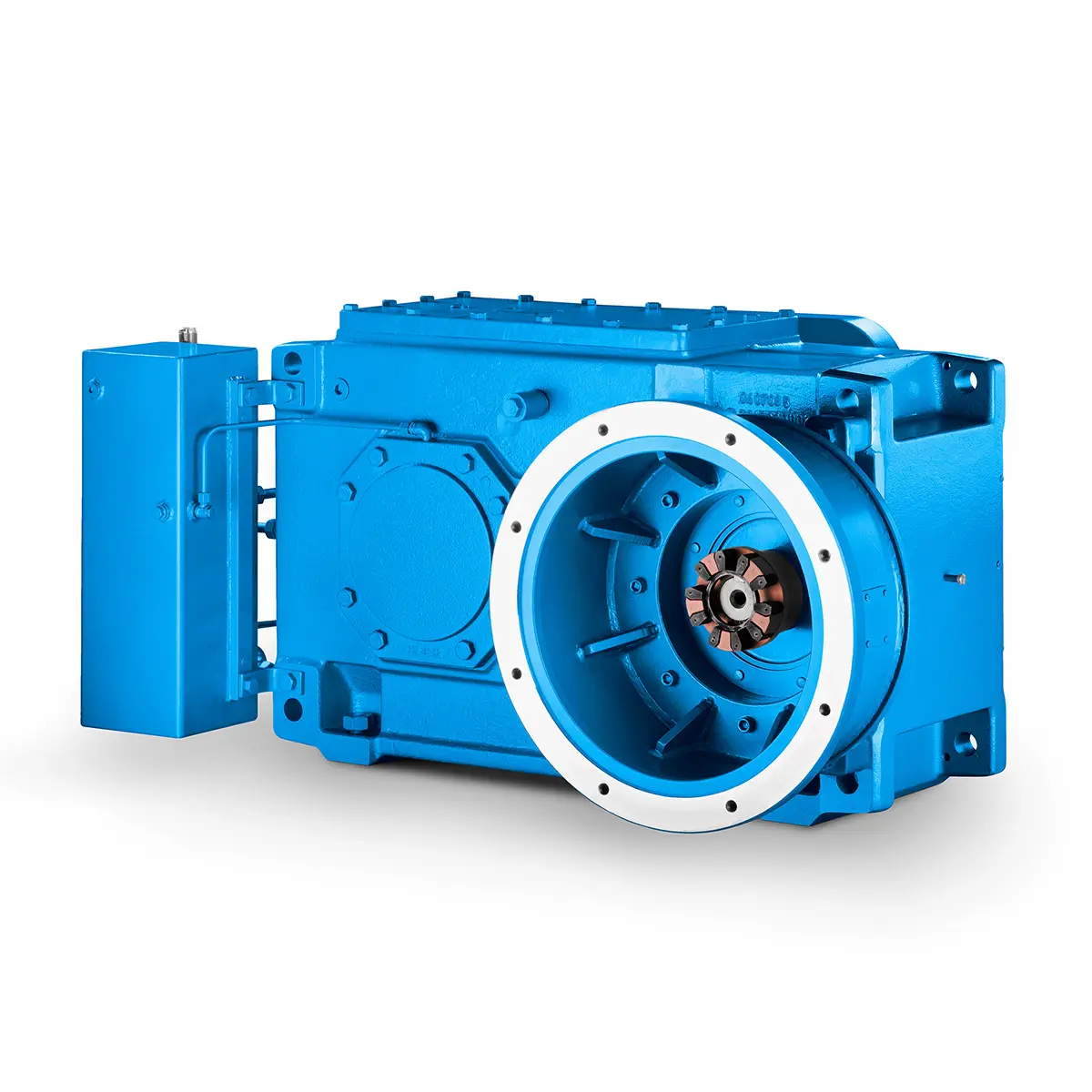 Stirs and stirs and stirs gearunit gearbox
 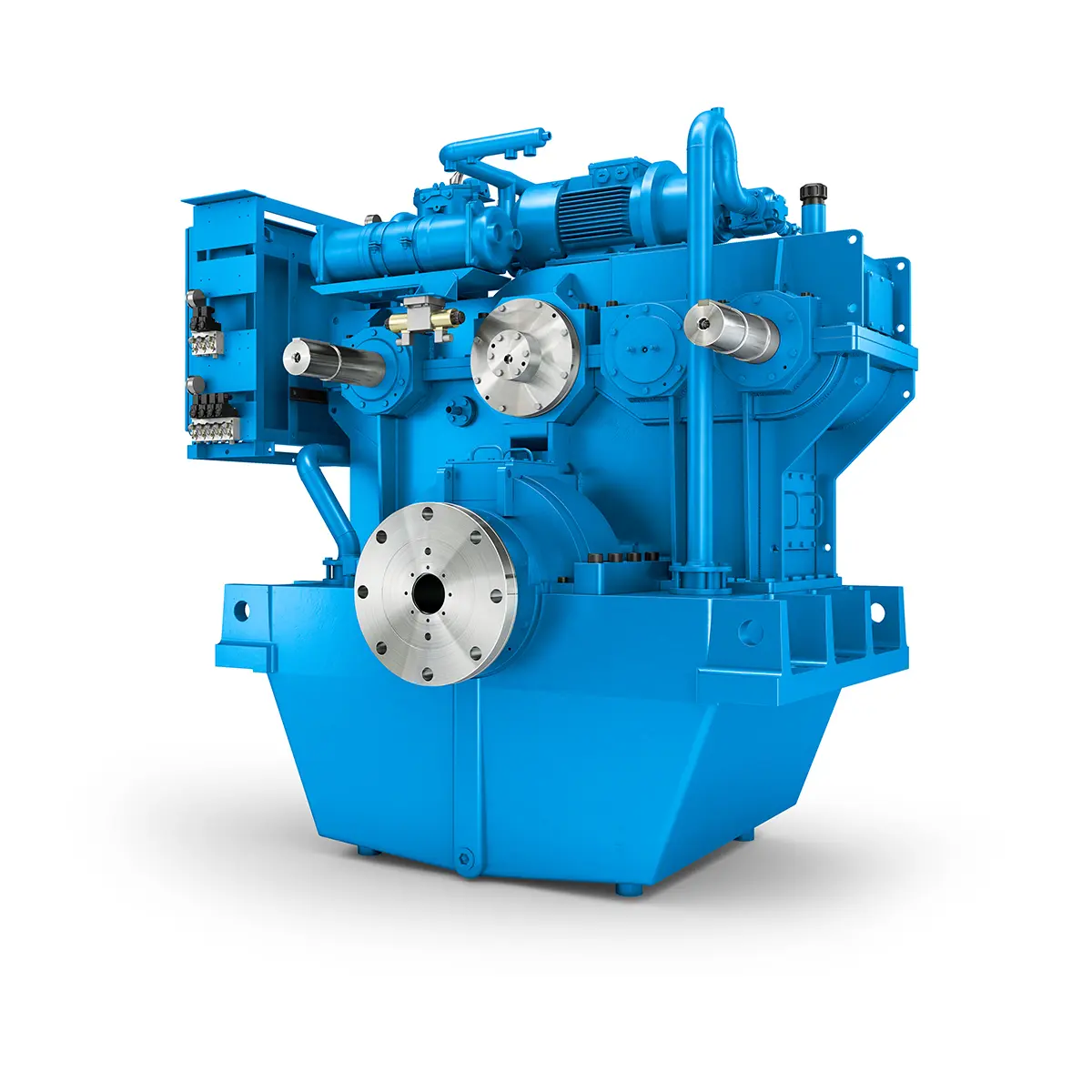 Flexibility on Board gearunit gearbox
 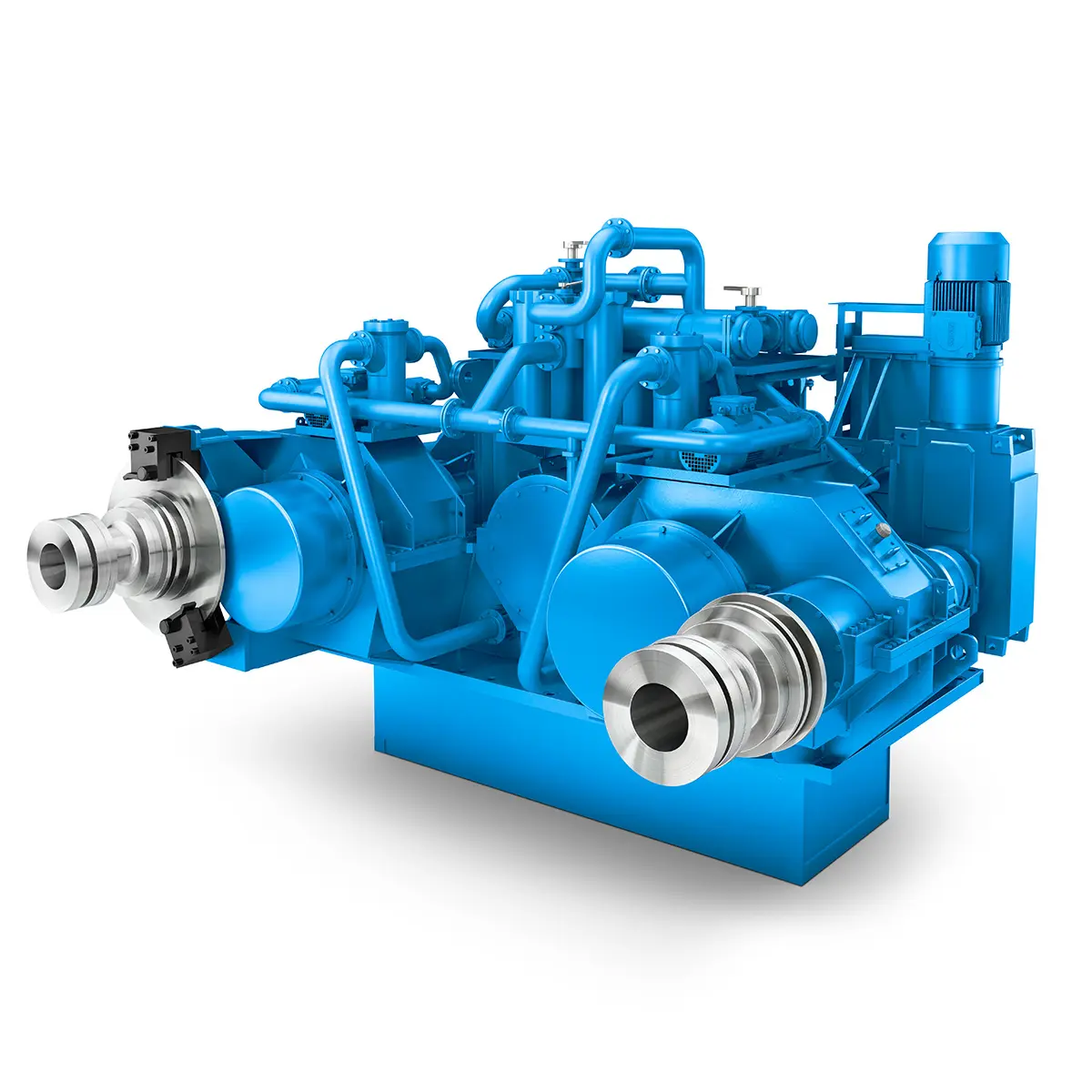 The right gearbox for all Multi-Engine Ships
 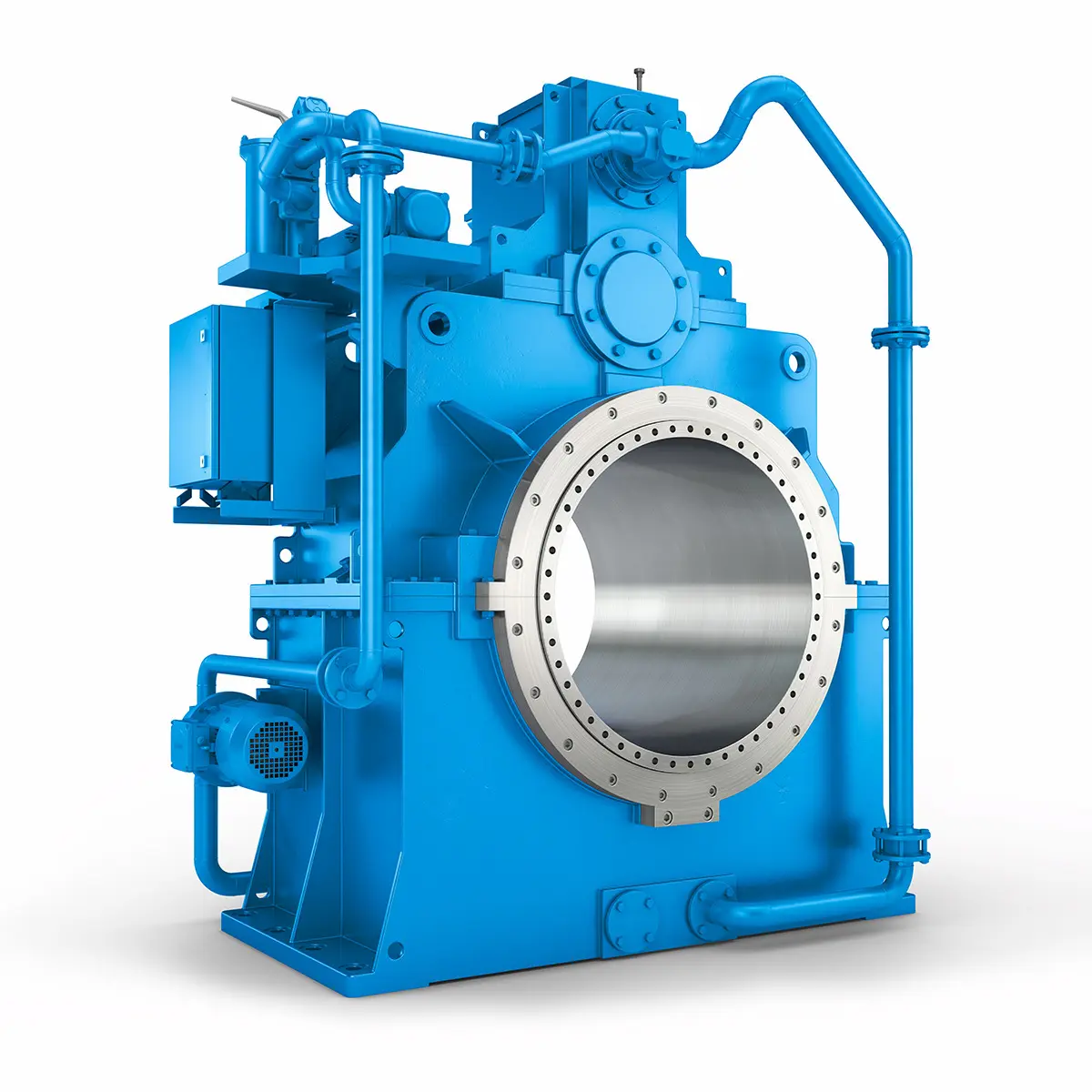 Reliable Power Generation on board
 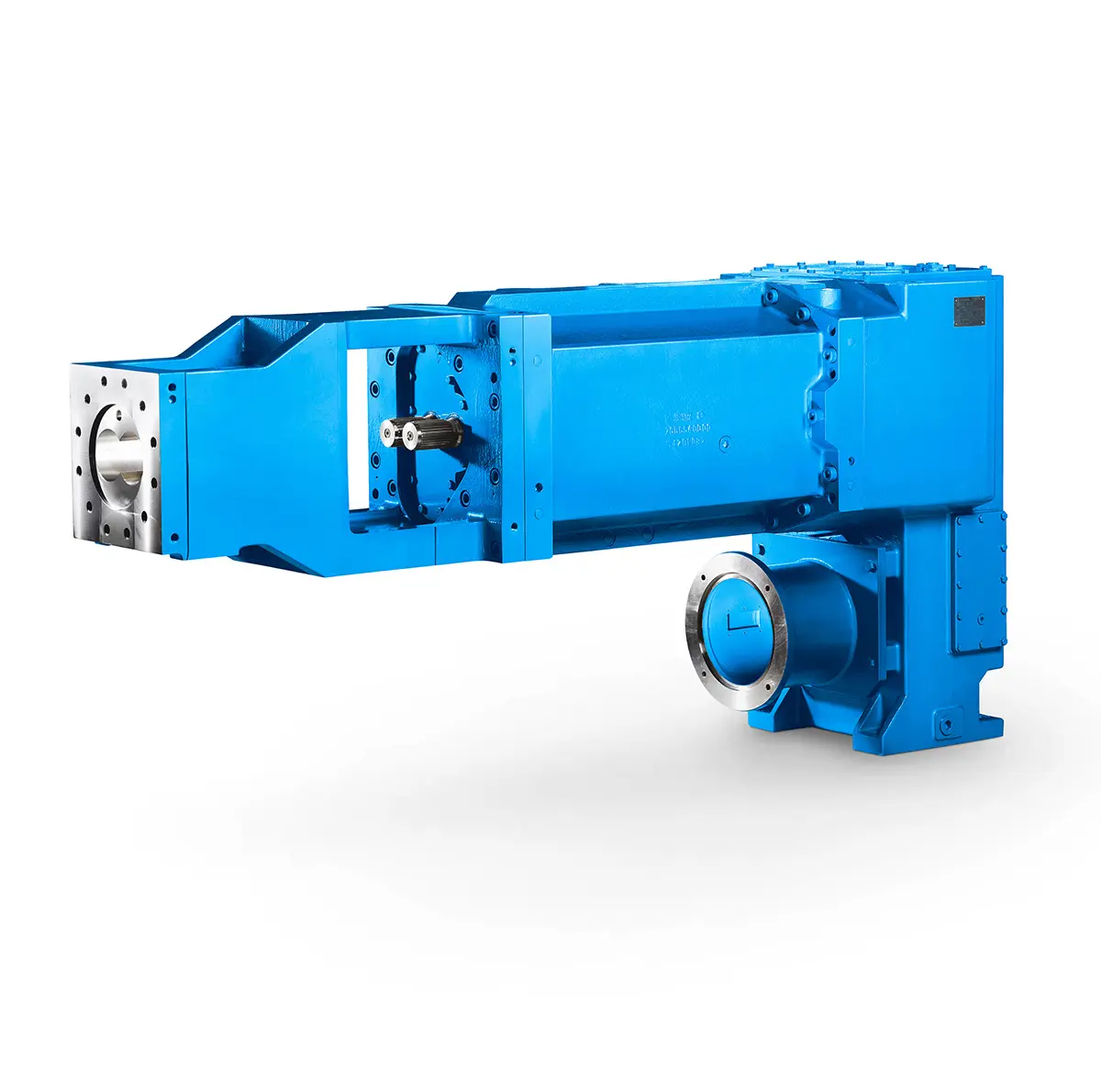 Maximum performance level, fast deliverable
 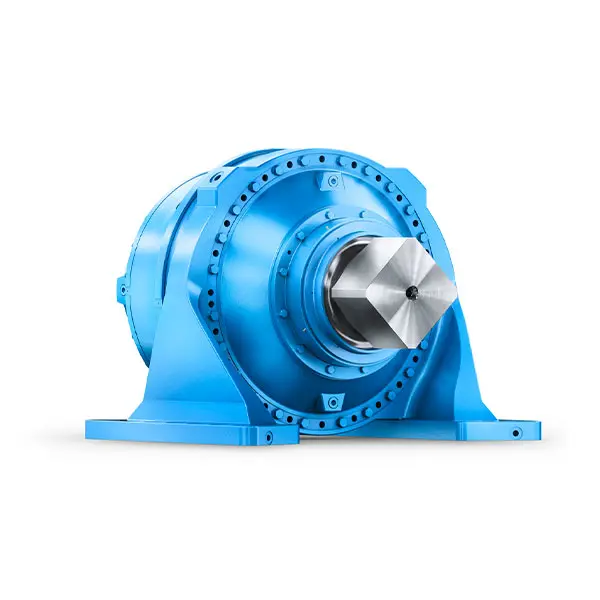 Efficient and compact – FLENDER Gear Units for Sugar Mills
 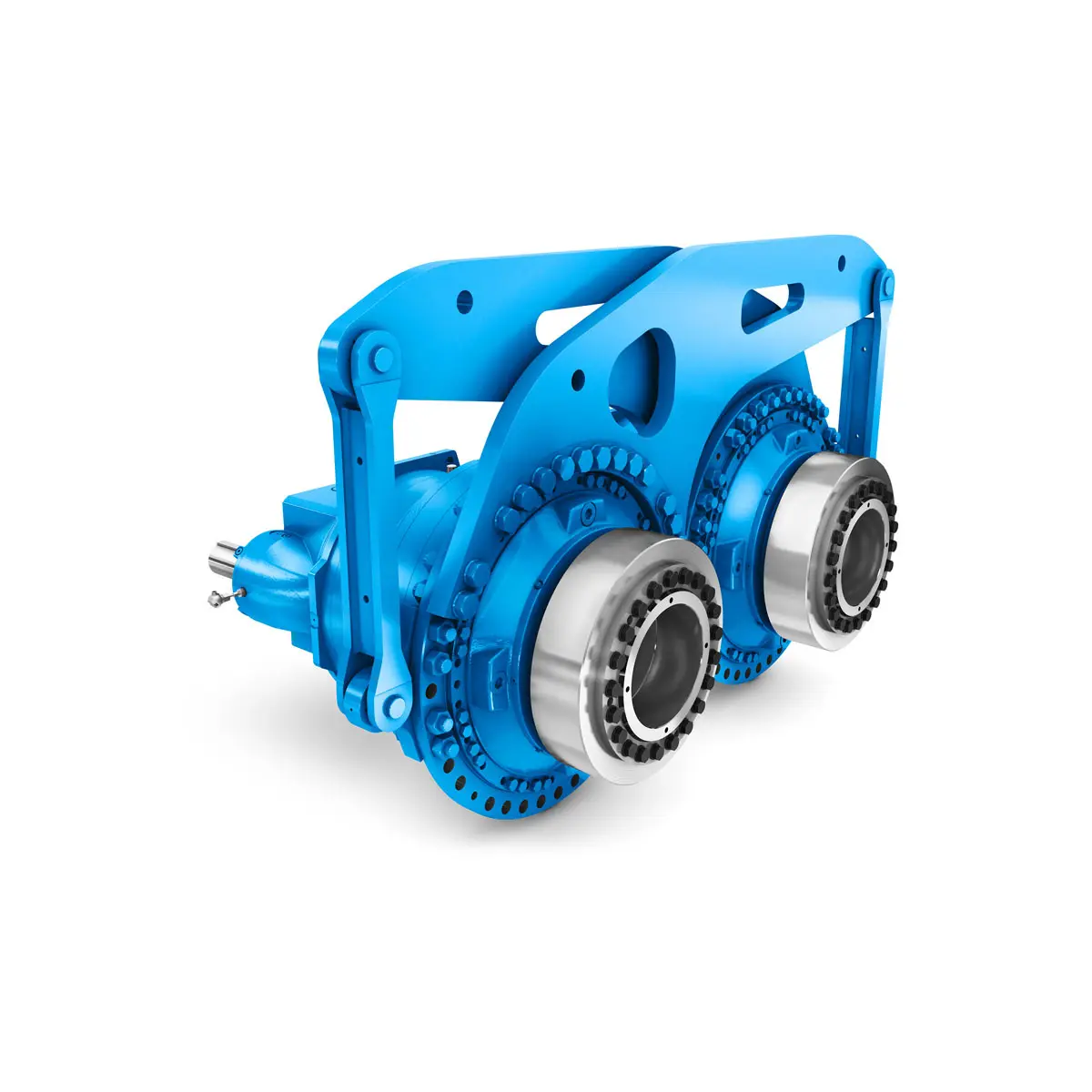 Extremely strong. Extremely compact. Extremely stressable.
 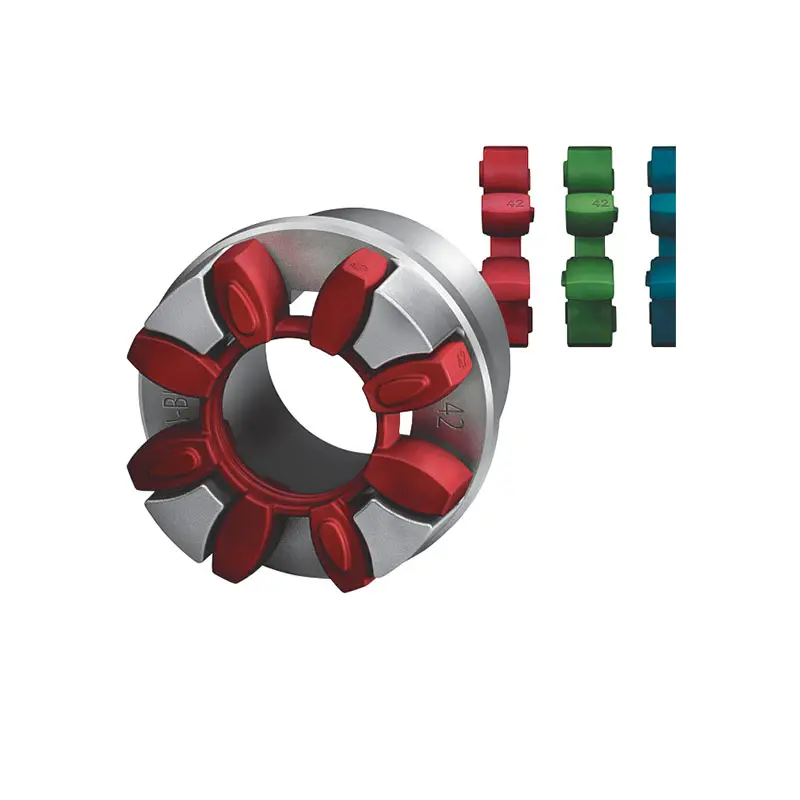 FLENDER Coupling
 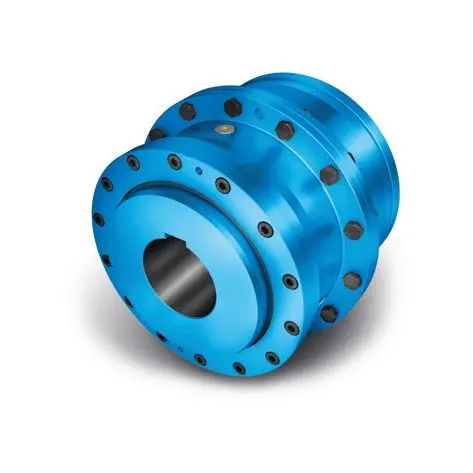 ZAPEX ZW Torsionally Rigid Gear Coupling
 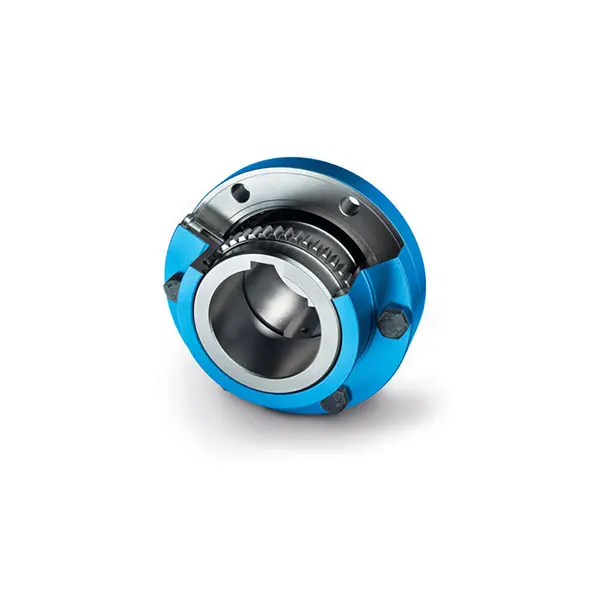 ZAPEX ZN Torsionally Rigid Gear Coupling
 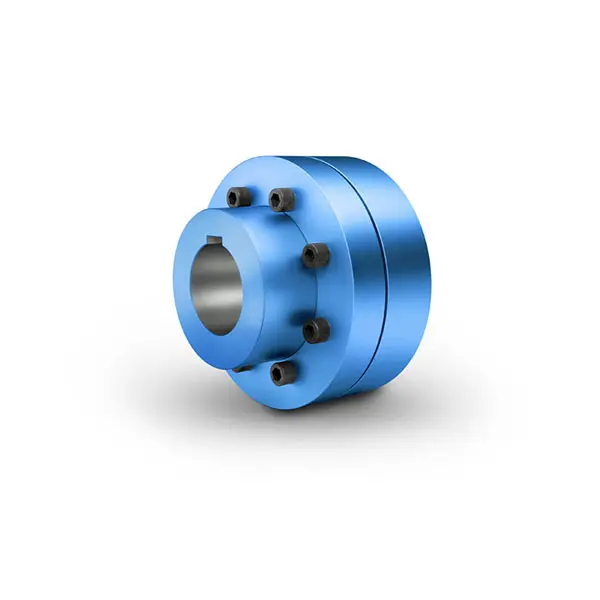 N-EUPEX Flexible high performance Coupling
 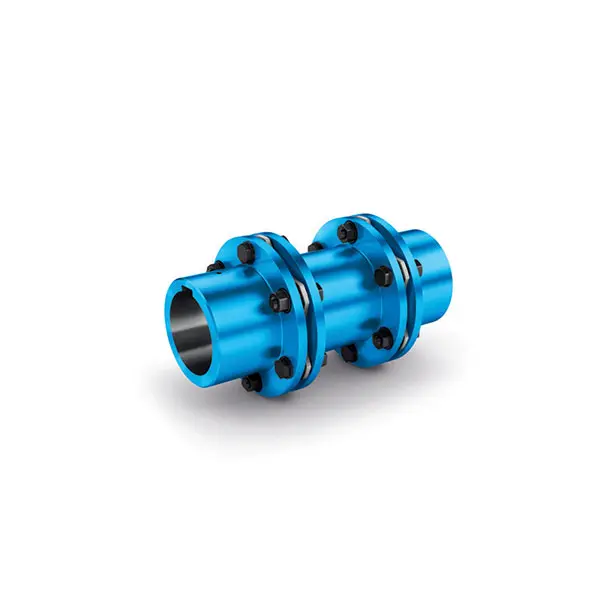 N-ARPEX Torsionally Rigid All-Steel Coupling
 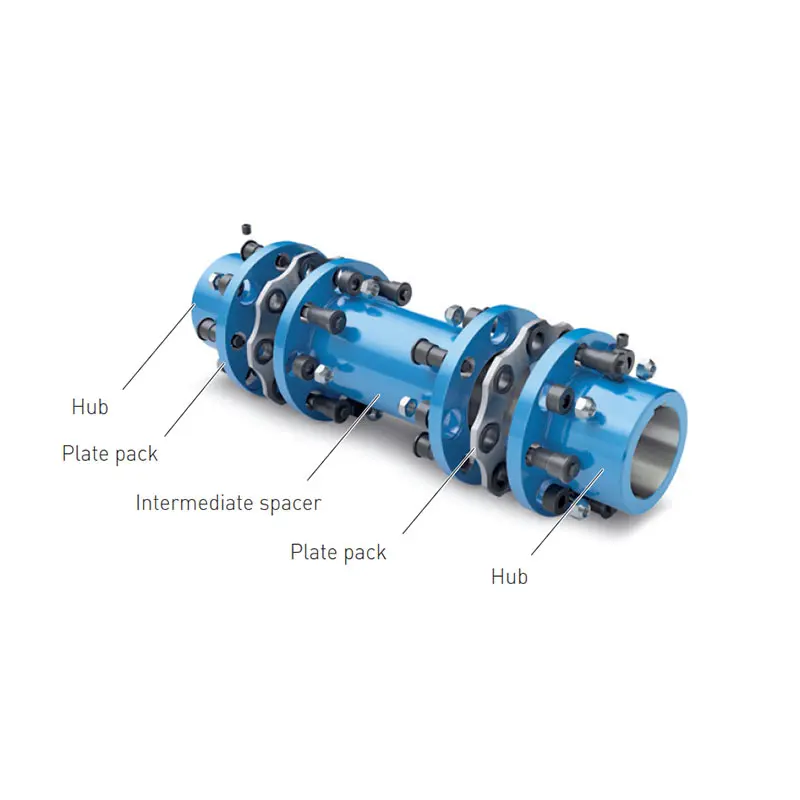 ARPEX Torsionally Rigid All-Steel Coupling Spare and Parts
 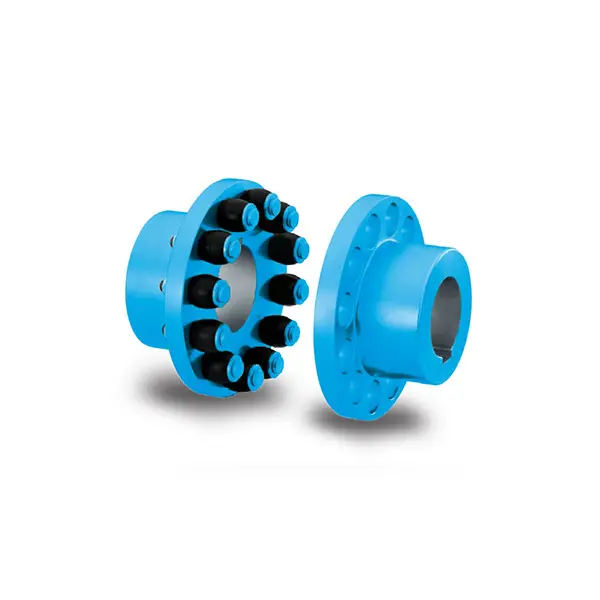 RUPEX Flexible high performance Coupling
 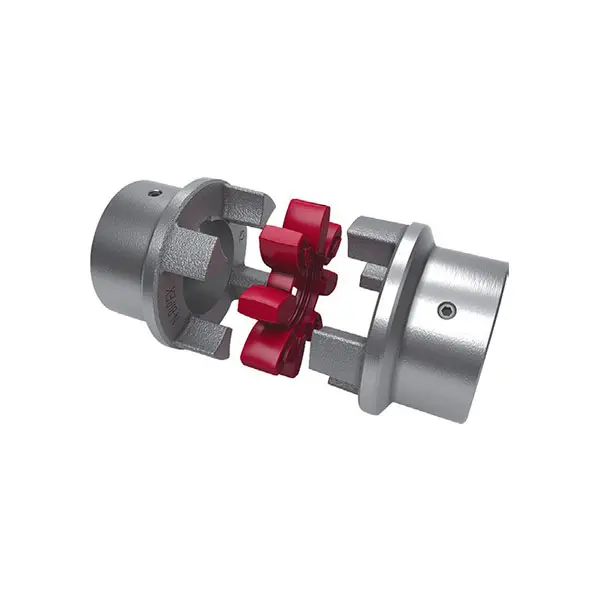 N BIPEX Flexible high performance coupling
 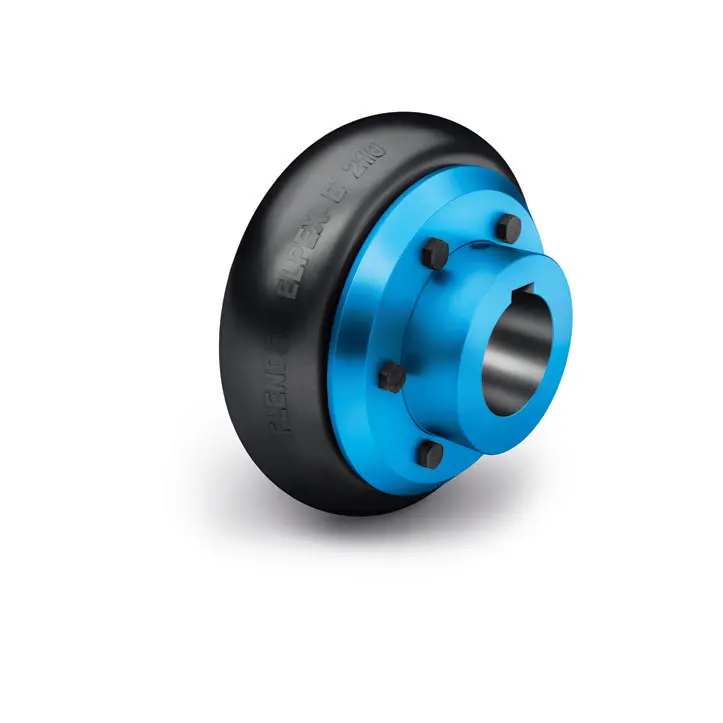 ELPEX B Highly Flexible Coupling
 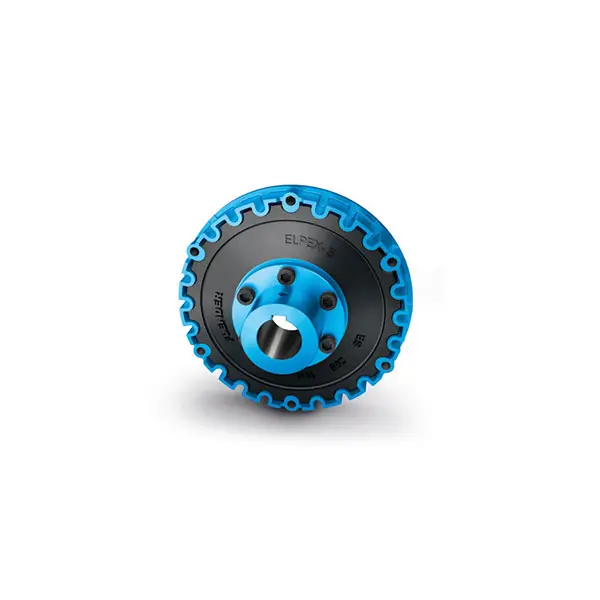 ELPEX S Highly Flexible Coupling high performance
 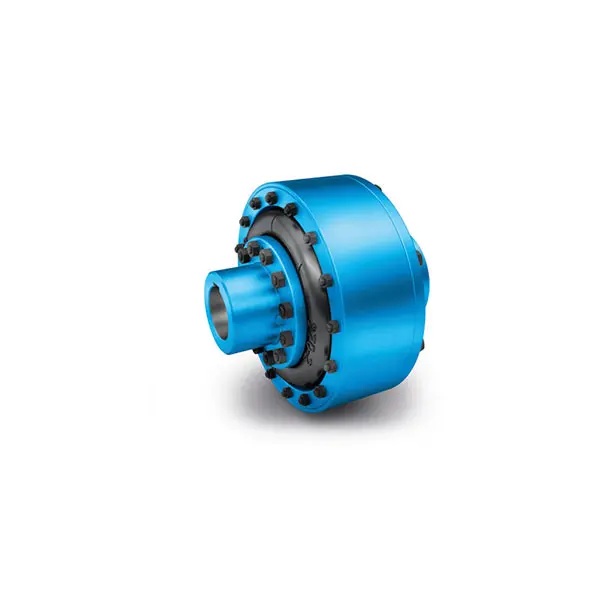 ELPEX Highly Flexible Coupling high performance
 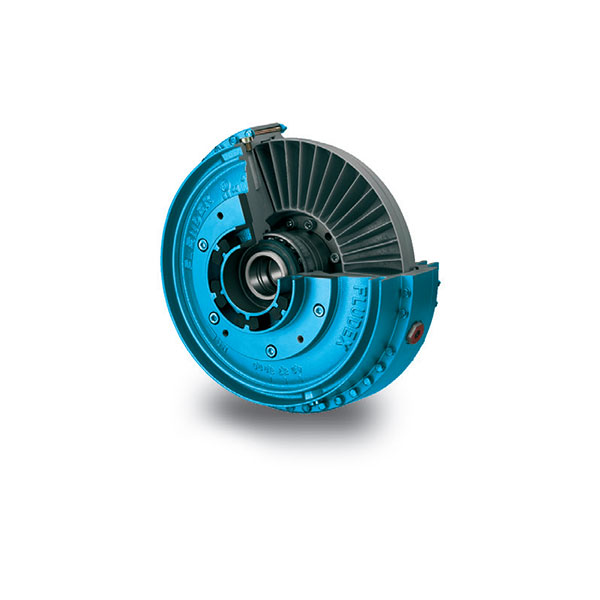 FLUDEX Fluid Coupling high performance
 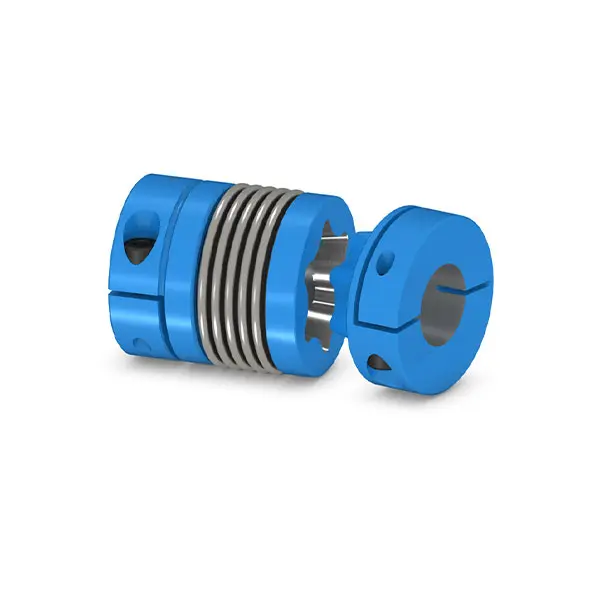 SIPEX Backlash free Coupling high performance
 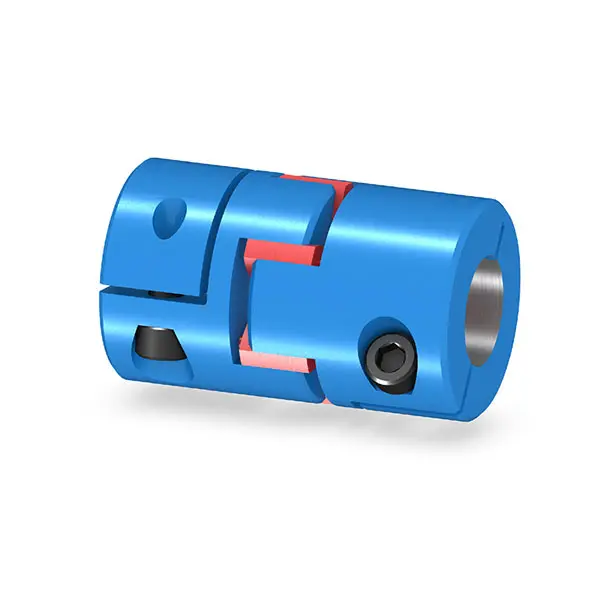 BIPEX S Backlash free Coupling high performance
 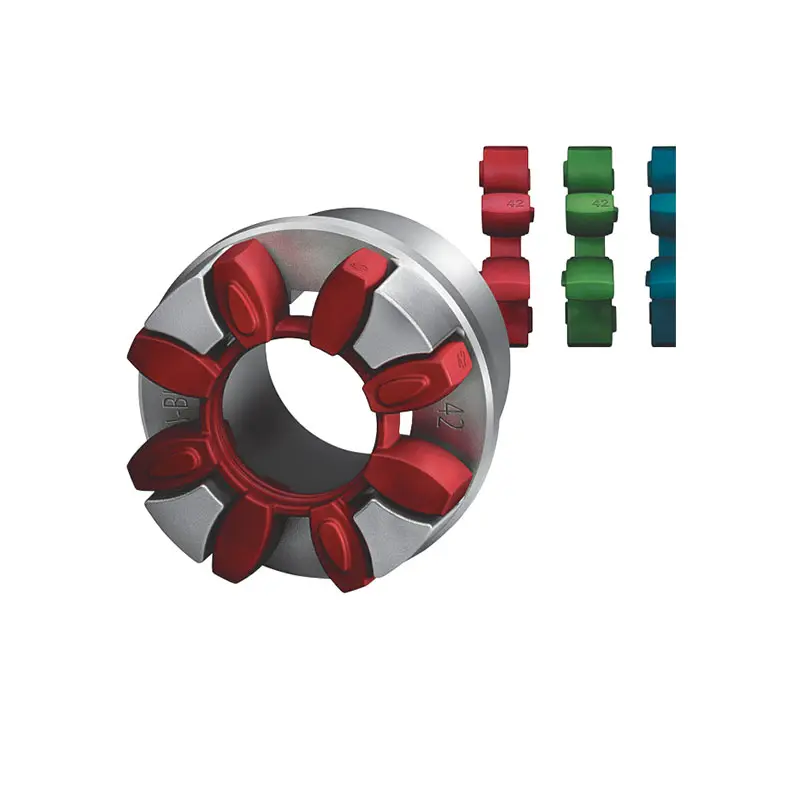 FLENDER Coupling Spare Parts high performance
 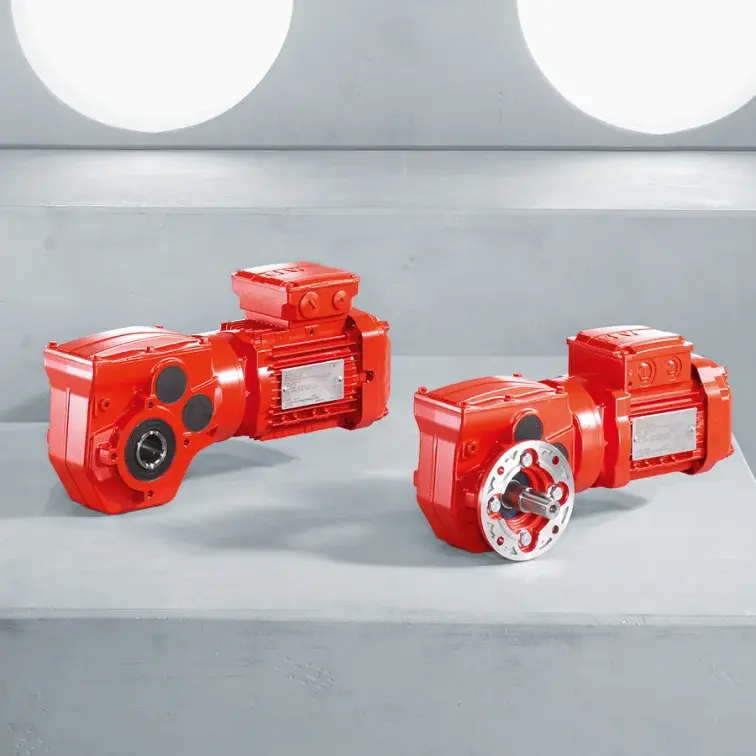 SEW Gearmotor
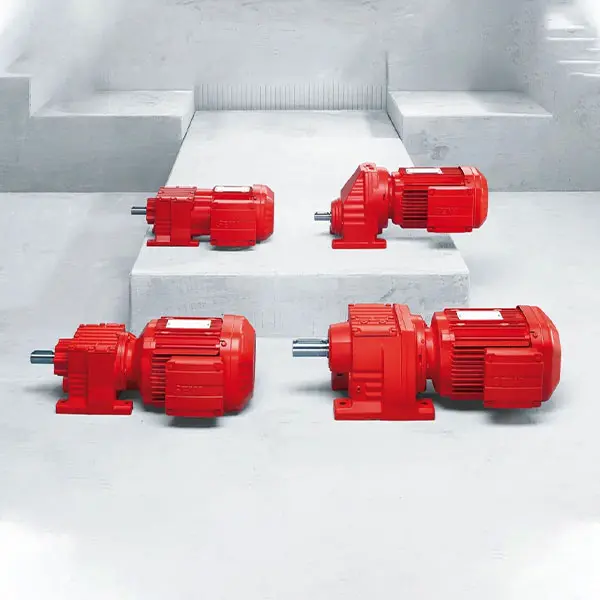 R Series Helical Gearmotor low voltage
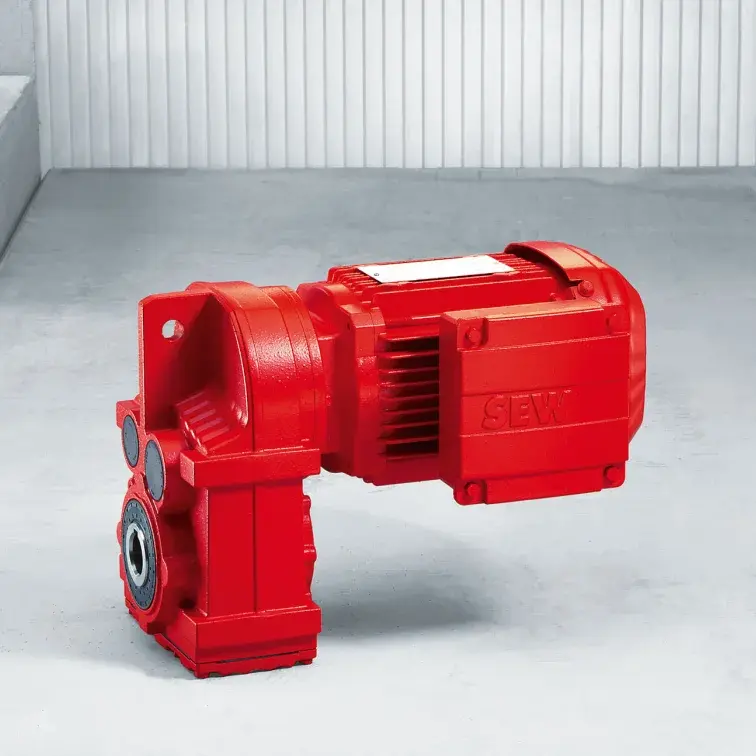 F Series Parallel Shaft Gearmotor low voltage
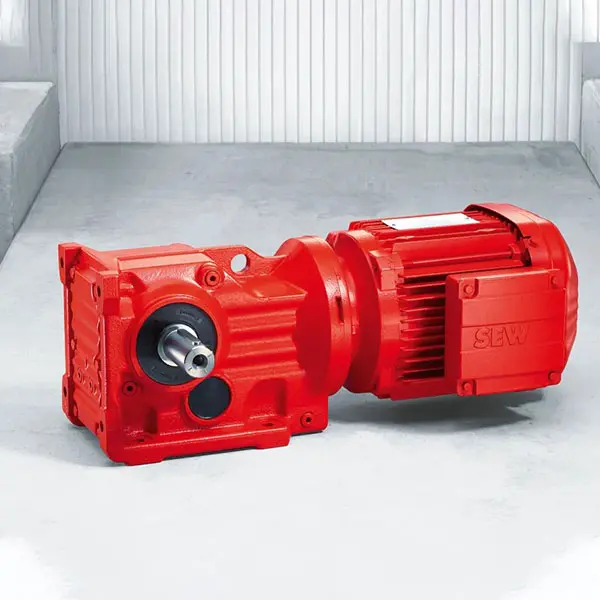 K Series Helical Bevel Gearmotor low voltage
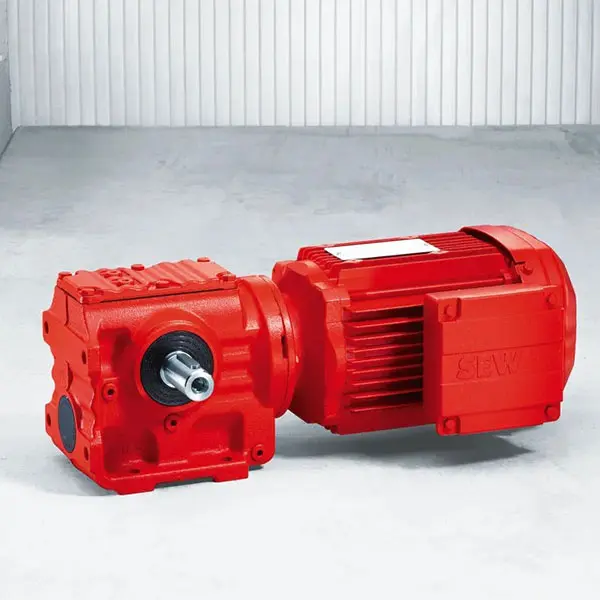 S Series Helical Worm Gearmotor low voltage
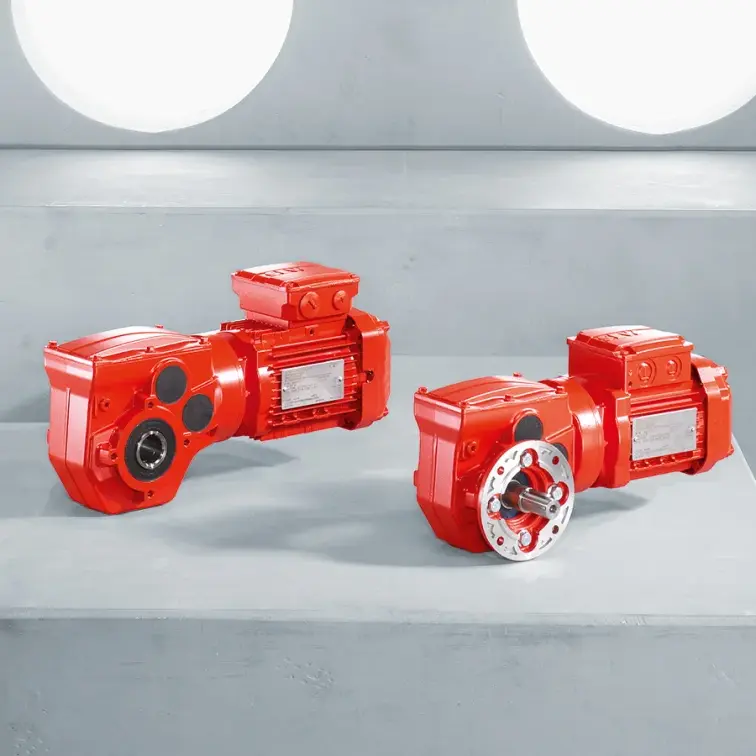 W Series SPIROPLAN® Right Angle Gearmotor