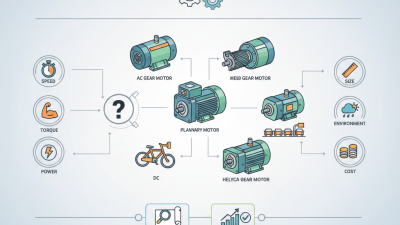
Discover the Best Gearmotors in China for Your Industrial Needs?
In the industrial landscape of China, gearmotors play a crucial role. These devices combine a motor with a gearbox, providing optimal torque and speed control. Industries rely on gearmotors for efficiency and precision. They are essential in applications like conveyor systems, printing machines, and automated assembly lines.
China, a hub for manufacturing, offers a wide variety of gearmotors. The choices can be overwhelming. Each type serves different industrial needs. Selecting the right gearmotor can influence productivity and cost. It's vital to understand specifications. Factors such as load capacity, speed, and durability must be considered.
However, not all gearmotors meet the needed standards. Some may lack reliability or performance consistency. Careful evaluation is necessary. Professionals should assess suppliers and products thoroughly. This approach ensures alignment with specific industrial requirements. Gearmotors shape the future of automation, but making an informed choice is essential.
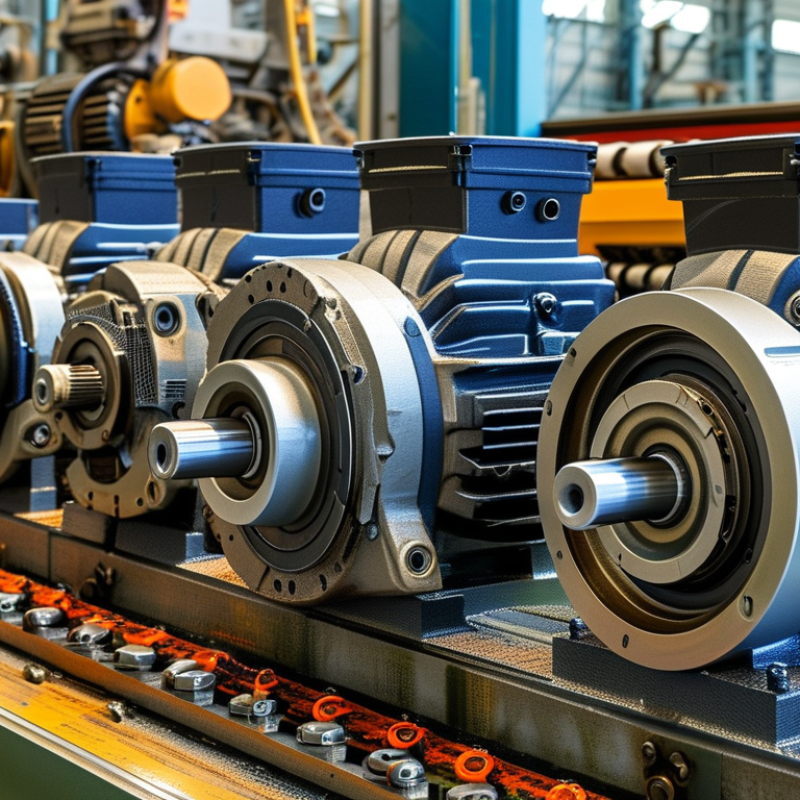
Understanding Gearmotors: Definition and Functionality Explained
Gearmotors play a crucial role in various industrial applications. They combine a gear reducer with an electric motor, allowing for better control of speed and torque. Understanding their function can help you choose the right gearmotor for your needs.
In essence, gearmotors convert electrical energy into mechanical energy. This conversion allows machines to perform tasks at optimal speeds. Industries ranging from manufacturing to robotics rely on them for efficiency. Often, the gearmotor needs to be adaptable, accommodating different load requirements.
**Tip:** When selecting a gearmotor, consider the required torque. Underestimating the load could lead to poor performance or failure.
Another aspect to consider is the gear ratio. A higher gear ratio may provide more torque but can reduce speed. Finding the right balance is essential to achieve the desired performance. Test various configurations to identify what works best for your application.
**Tip:** Don't shy away from experimenting with gearmotor setups. It's crucial to assess how adjustments can impact efficiency and operational reliability.
Key Factors to Consider When Selecting Gearmotors for Industrial Use
When selecting gearmotors for industrial applications, several key factors warrant attention. The selection process can be daunting, particularly with the rapid advancements in technology. According to a recent industry report by MarketsandMarkets, the global gearmotor market is expected to reach $13.42 billion by 2025. This rapid growth underscores the importance of making informed decisions.
One crucial factor is the gearmotor's torque requirements. Operations often demand specific torque levels, which may vary by application and environmental conditions. This means that choosing a gearmotor that meets these requirements is vital for efficiency. In addition, thermal performance should not be overlooked. Excessive heat can lead to premature failure, affecting long-term reliability. Studies indicate that gearmotors should ideally operate below 85% of their rated capacity to maintain optimal performance.
Another aspect to evaluate is the mounting type and physical dimensions. Gearmotors come in various configurations, and selecting the right one ensures seamless integration into existing systems. Industry data highlights that incorrect dimensions can lead to installation challenges, increasing downtime. Also, consider maintenance and serviceability. A more accessible design can significantly reduce both time and costs in the long run. Balancing these factors can help industrial operators select gearmotors that enhance productivity and reliability.
Best Gearmotors in China for Industrial Needs
This chart illustrates the key specifications of various gearmotors suitable for industrial applications in China. The metrics include torque, speed, efficiency, weight, and cost, providing insights into the performance and suitability of different gearmotors for industrial use.
Top Manufacturers of Gearmotors in China: A Comprehensive Overview
In the realm of industrial machinery, gearmotors play a crucial role. They convert electrical energy into mechanical energy. Selecting the right gearmotor can significantly impact efficiency and performance. China is home to numerous manufacturers offering a wide range of gearmotors, catering to diverse industrial needs.
When exploring the best gearmotors in China, consider the specifications. Different applications require specific torque and speed. Evaluate the operating environment too. High temperatures or humidity can affect performance. Reliability is essential; a lasting gearmotor saves costs in the long run.
Tips: Always compare different models. Look for durability and maintenance requirements. Reading reviews and testimonials can offer insights. Don’t rush your decision. Take the time to analyze your unique needs.
In addition, think about customization options. Some manufacturers provide tailored solutions. This can enhance efficiency and align better with your operations. However, ensure that customization does not compromise quality. It's vital to reflect on these factors before making a final choice.
Comparative Analysis of Gearmotor Types and Their Applications
When selecting gearmotors for industrial applications, understanding the types available is crucial. Gearmotors are categorized by design type and operational features. Common types include spur, helical, and Planetary gearmotors. Each type offers distinct advantages suited for specific tasks. For example, spur gearmotors are efficient in straightforward applications, while helical gearmotors provide better torque and reduced noise levels.
Research by industry analysts indicates that gearmotor efficiency can greatly affect overall system performance. A report found that helical gearmotors can achieve up to 97% efficiency, significantly improving energy consumption in industrial settings. This is especially important as businesses aim to reduce operational costs while enhancing productivity. Planetary gearmotors, on the other hand, excel in applications requiring high torque in compact spaces, making them ideal for robotics and conveyor systems.
However, the choice of gearmotor is not always clear. Some companies face challenges in matching gearmotor types to their specific needs. Misalignment can lead to decreased performance and increased wear. Evaluating application requirements and environmental factors is essential for choosing the optimal gearmotor setup. Balancing the performance and cost-effectiveness of gearmotors is key in today’s competitive market. Making informed decisions can lead to significant improvements in operational efficiency.
Discover the Best Gearmotors in China for Your Industrial Needs
| Gearmotor Type |
Power (kW) |
Torque (Nm) |
Speed (RPM) |
Efficiency (%) |
Typical Applications |
| AC Gearmotor |
0.5 - 15 |
10 - 1500 |
1500 - 3000 |
85 - 95 |
Conveyor Systems, Pumps |
| DC Gearmotor |
0.1 - 2 |
5 - 100 |
3000 - 6000 |
80 - 90 |
Robotics, Automotive |
| Stepper Motor Gearmotor |
0.01 - 1 |
0.5 - 30 |
200 - 3000 |
70 - 85 |
3D Printers, CNC Machines |
| Servo Gearmotor |
0.5 - 10 |
5 - 500 |
1000 - 5000 |
90 - 95 |
Automation, Robotics |
Current Trends and Innovations in the Chinese Gearmotor Industry
The Chinese gearmotor industry is experiencing significant advancements. Recent reports show that the market is projected to reach $12 billion by 2025, driven by increasing automation needs. New technologies in production processes are emerging. These innovations lead to lighter, more efficient gearmotors that cater to various industrial applications.
Many manufacturers are integrating IoT features into gearmotors. This enhances real-time monitoring and predictive maintenance. However, there is a challenge in ensuring cybersecurity within these smart systems. Additionally, improving energy efficiency remains crucial. In 2022, around 30% of gearmotors had low energy consumption ratings, but the goal is to reach 50% by 2025.
There is a trend toward customization in design. Industries are moving away from one-size-fits-all solutions. Yet, this can lead to longer lead times and higher costs. Balancing customization with efficiency is vital. Keeping an eye on sustainability, companies are also adopting green technologies. These efforts aim to reduce the carbon footprint of gearmotor production. However, achieving these goals requires ongoing commitment and resources.

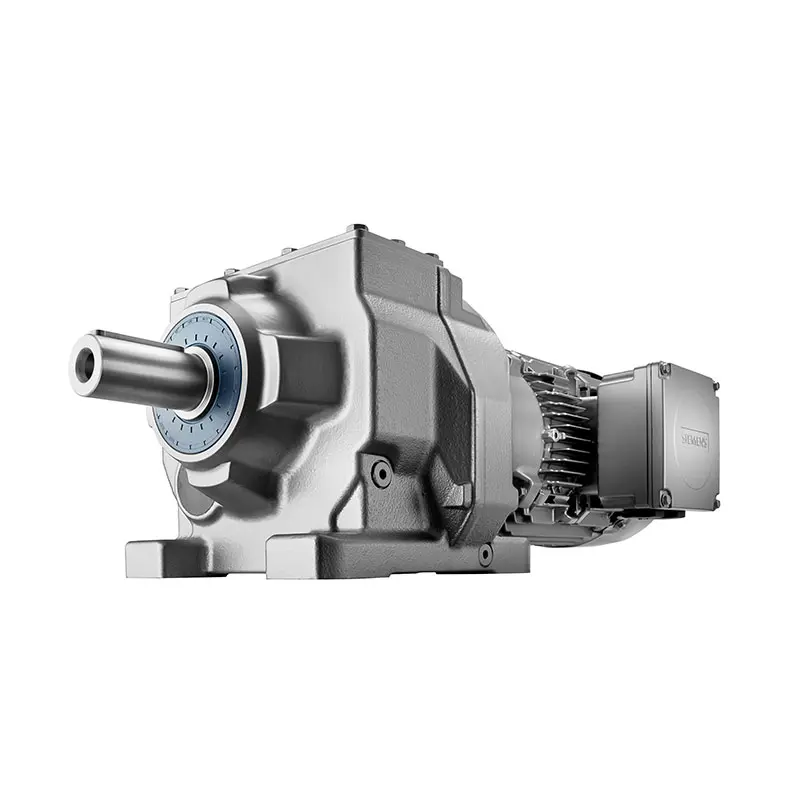 SIEMENS Helical Gearmotor Low Voltage
 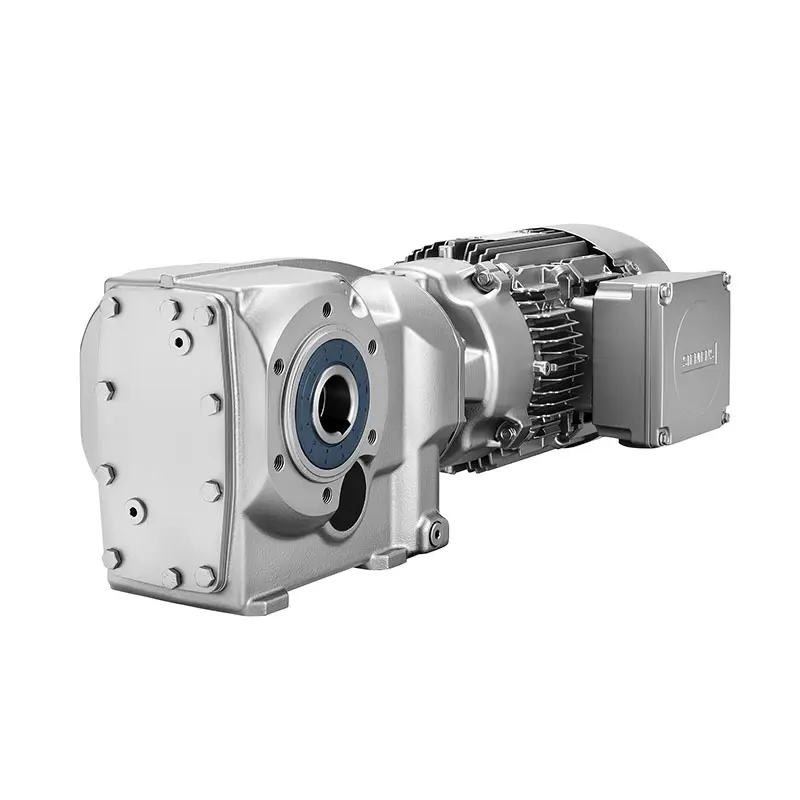 SIEMENS Bevel Helical Gearmotor
 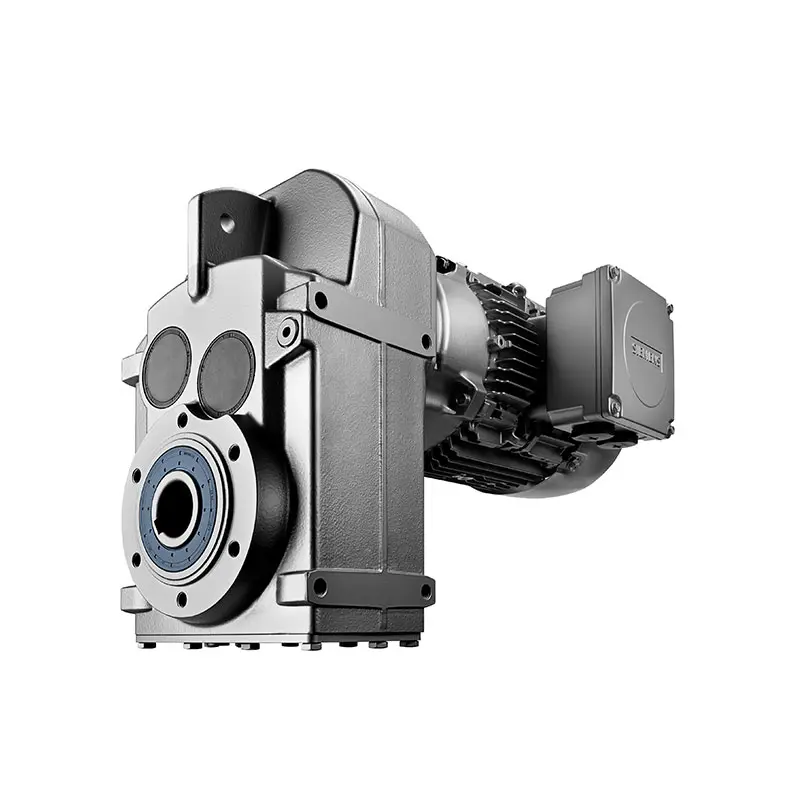 SIEMENS Parallel Shaft Gearmotor
 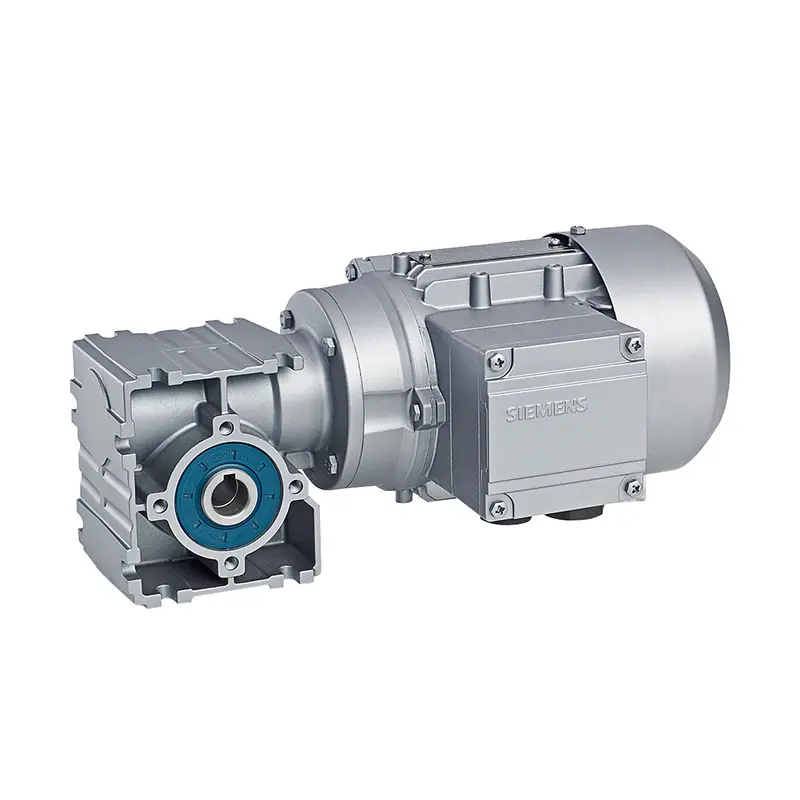 SIEMENS Worm Gearmotor Low Voltage
 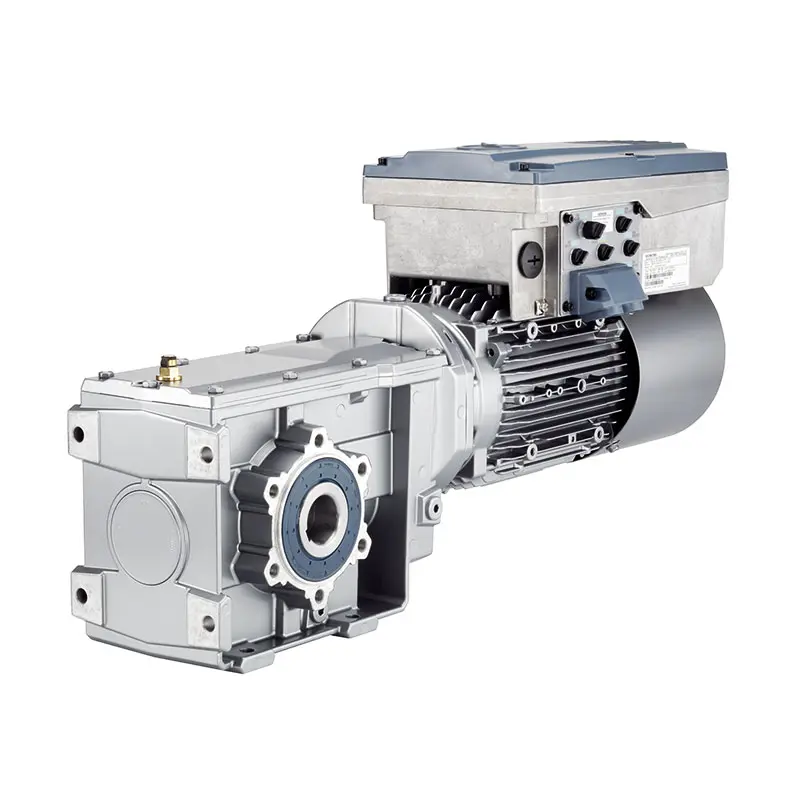 SIEMENS With Servo Motor Gearmotor
 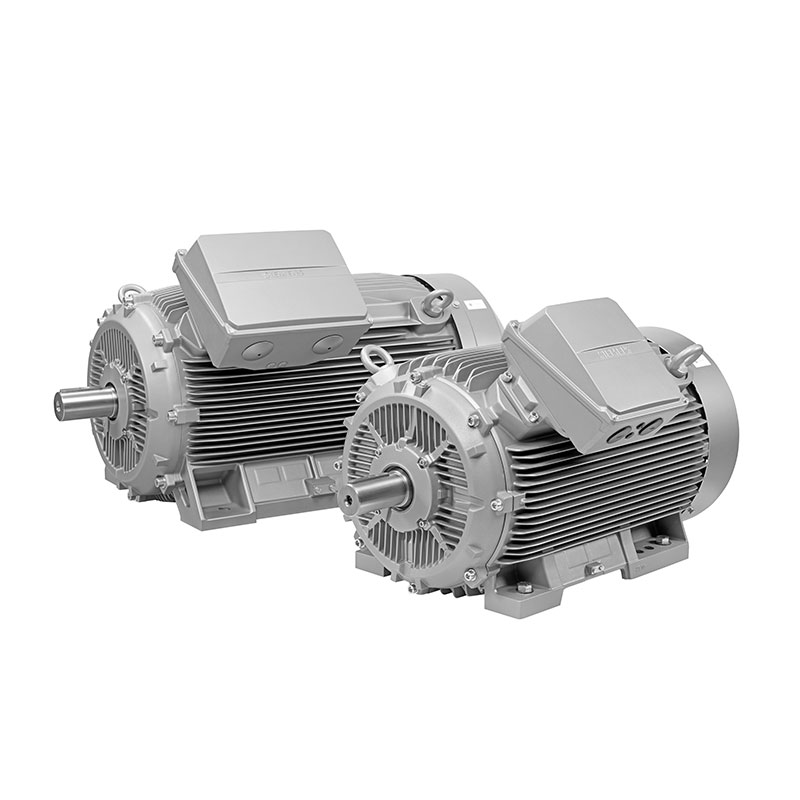 SIEMENS Low Voltage Motor Low Voltage
 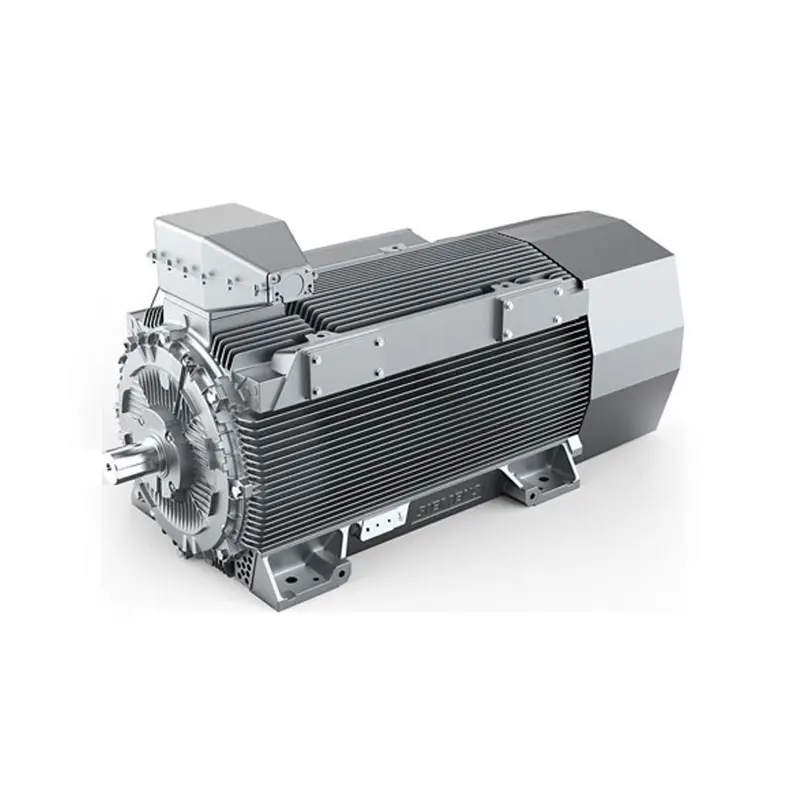 SIEMENS High Voltage Motor Low Voltage
  SIEMENS Marine Motor Low Voltage
 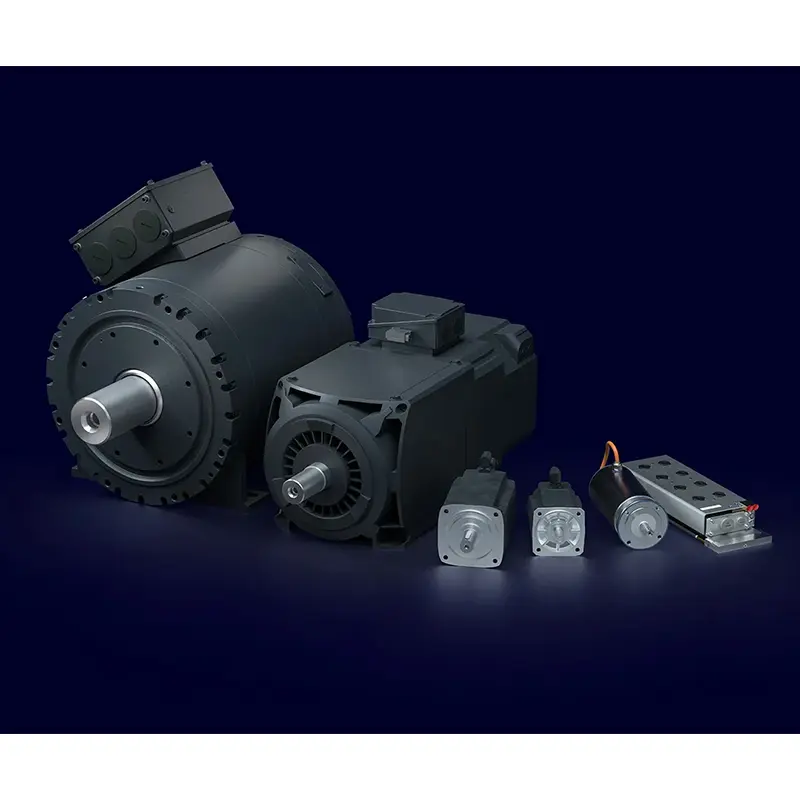 SIEMENS Servo Motor Low Voltage
 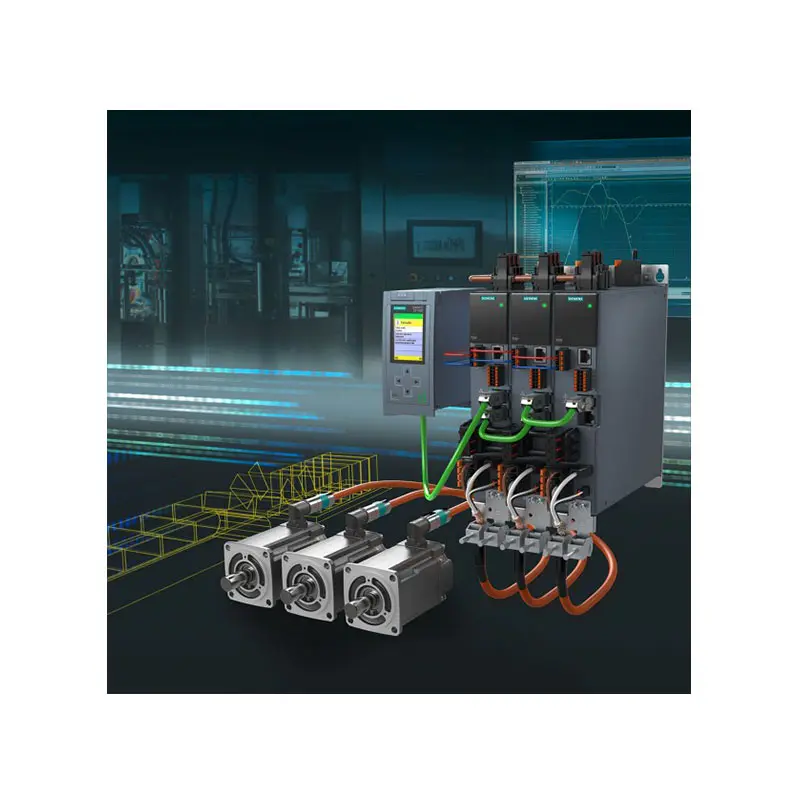 SIEMENS SINAMICS S210 Low Voltage
 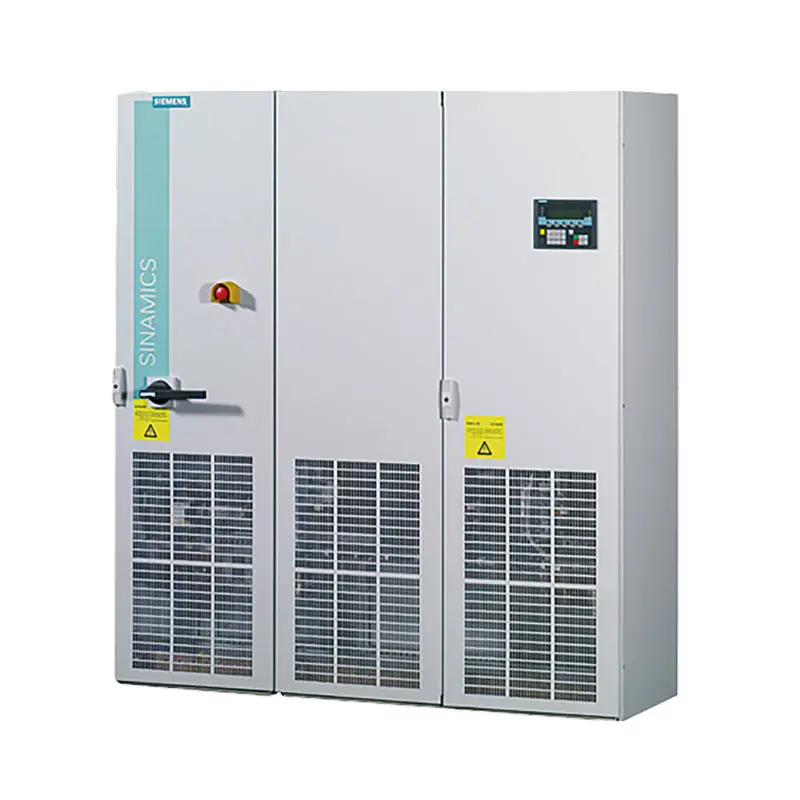 SIEMENS SINAMICS S150 Low Voltage
  SIEMENS SINAMICS S120 Low Voltage
 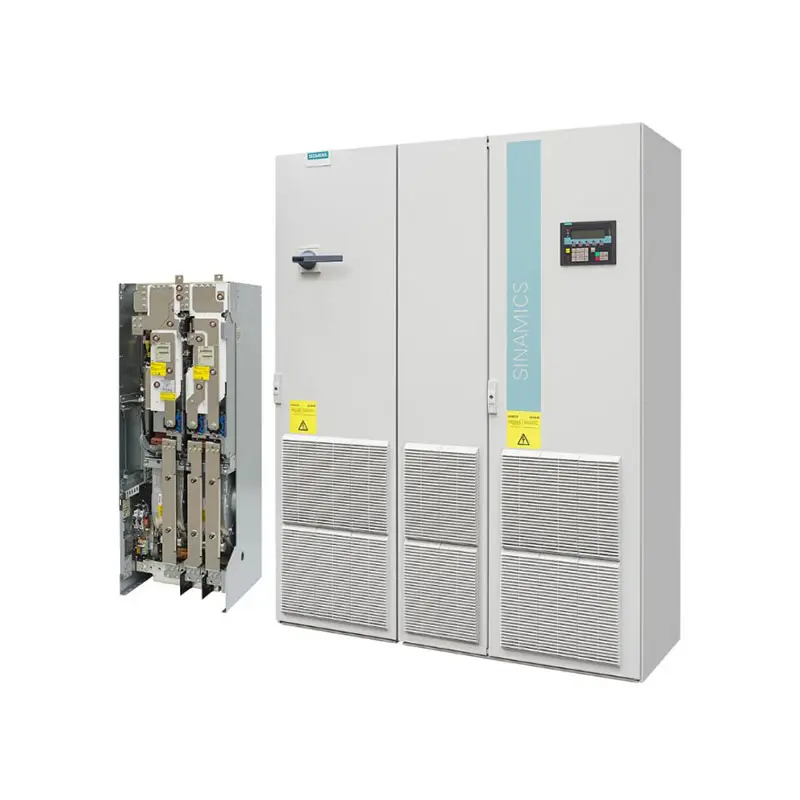 SIEMENS SINAMICS G130/G150
 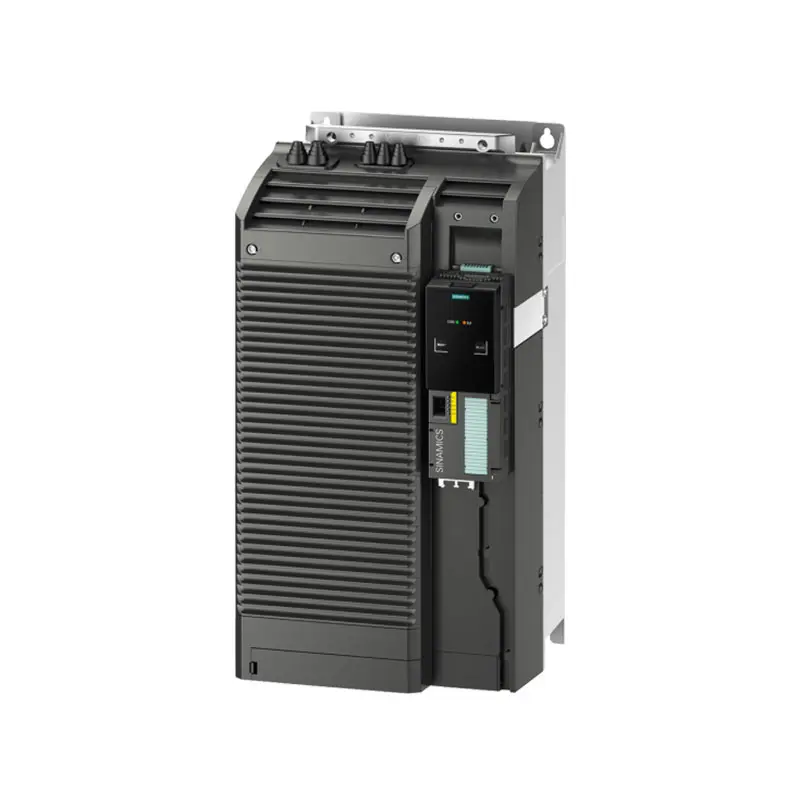 SIEMENS SINAMICS G120 Low Voltage
 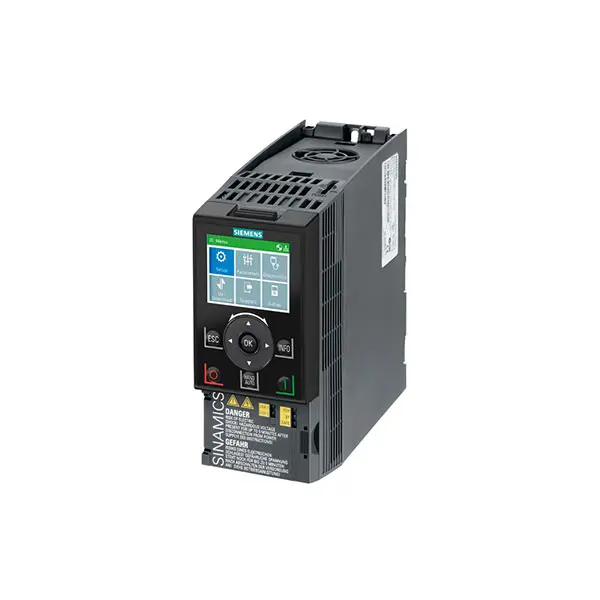 SIEMENS SINAMICS G120C Low Voltage
 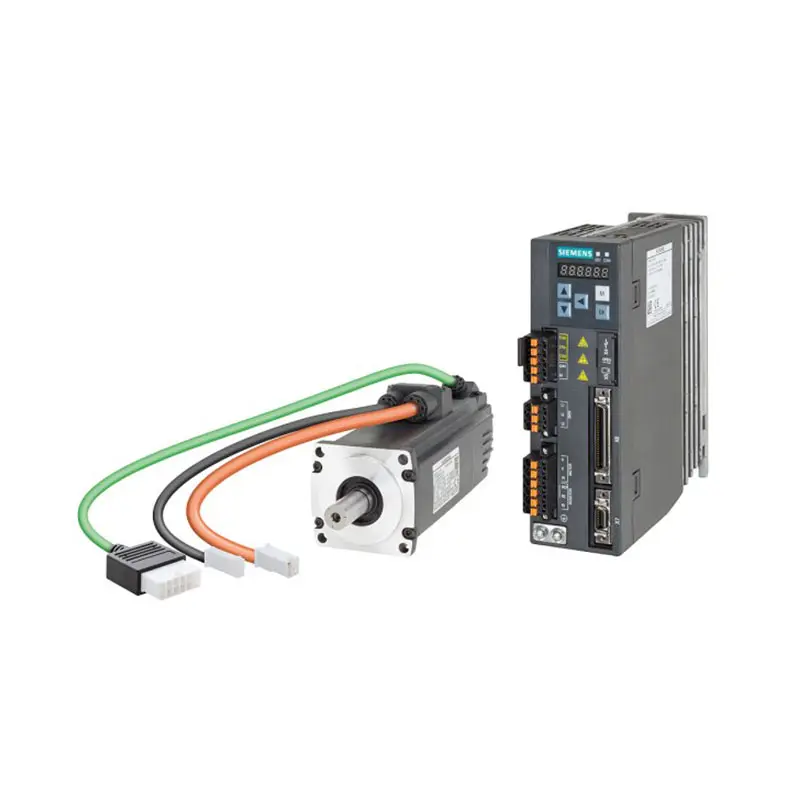 SIEMENS SINAMICS V90
 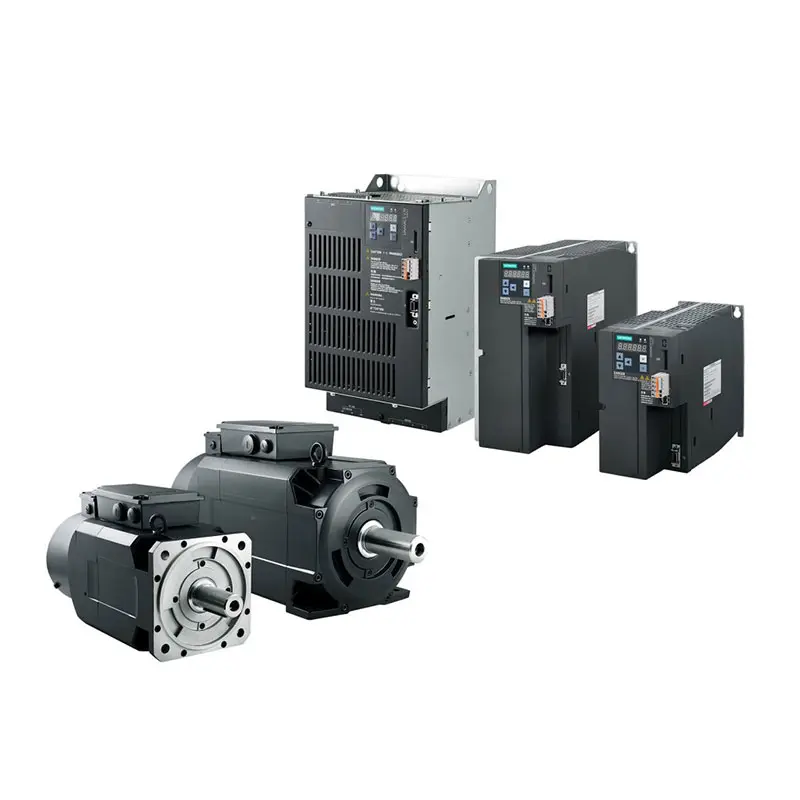 SIEMENS SINAMICS V70 Low Voltage
 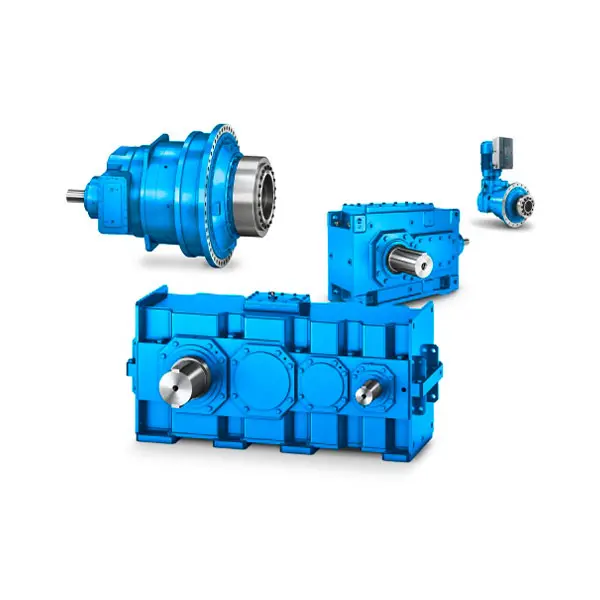 FLENDER Gear Unit
 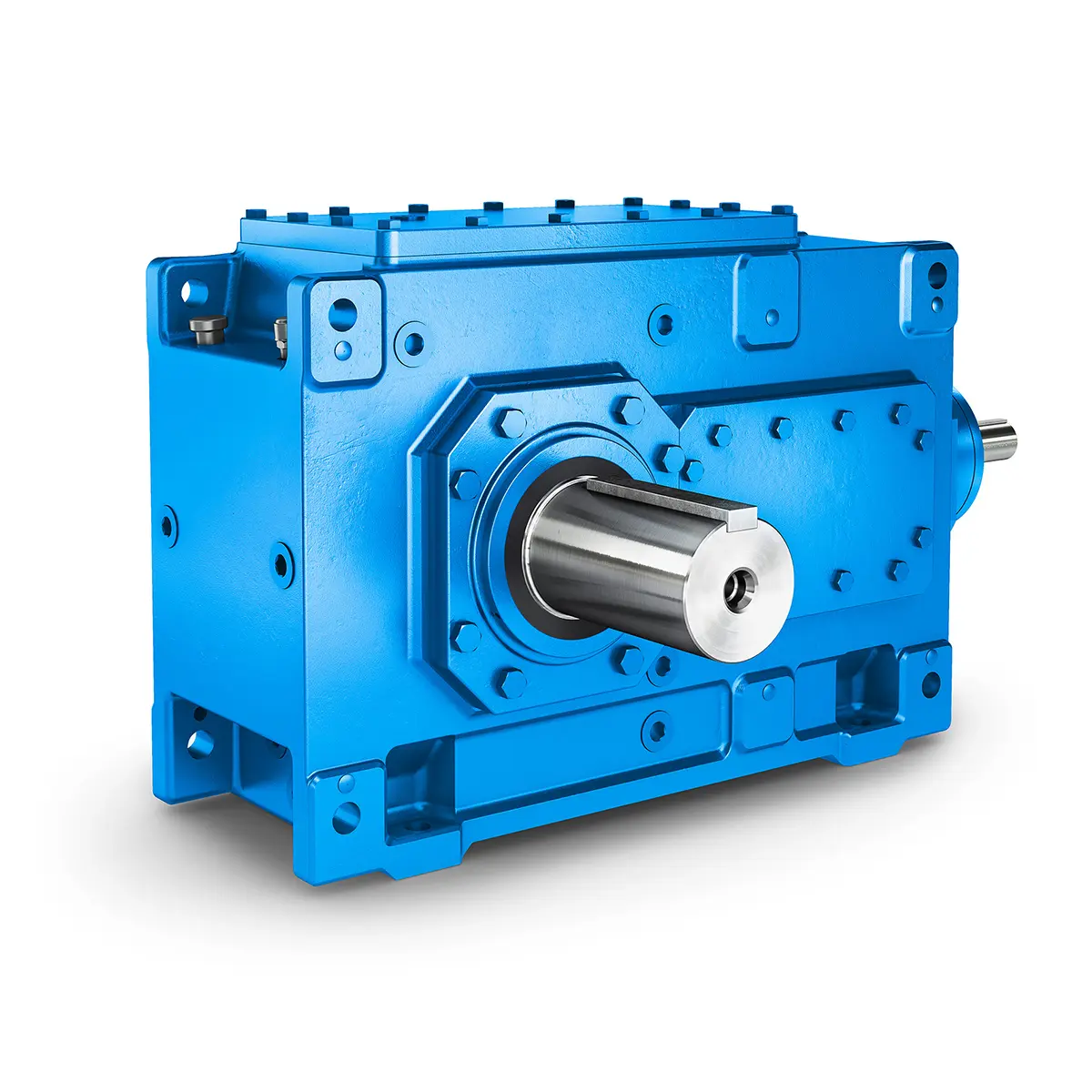 FLENDER Helical Gear Unit
 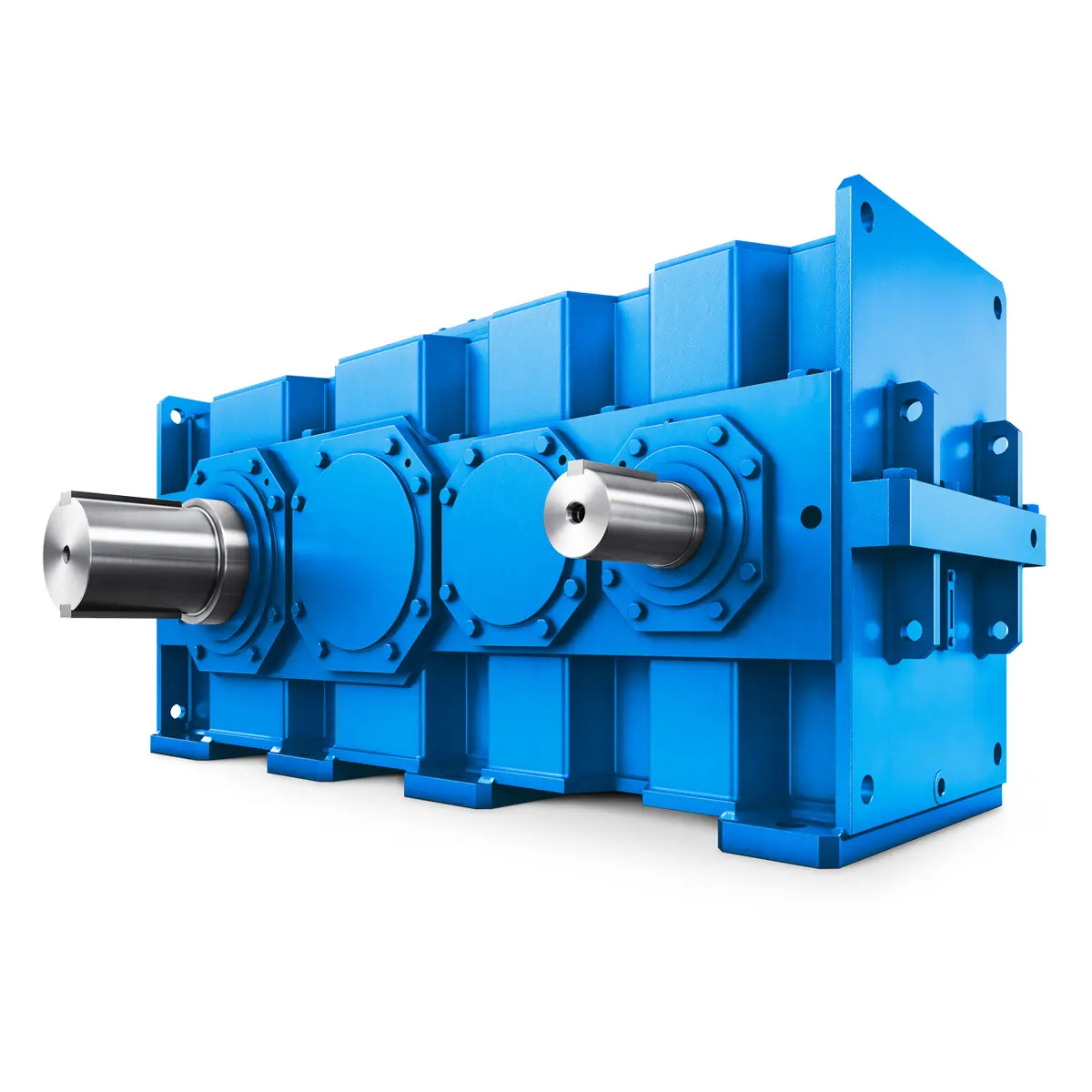 Flender gear units for lifting and luffing gears
 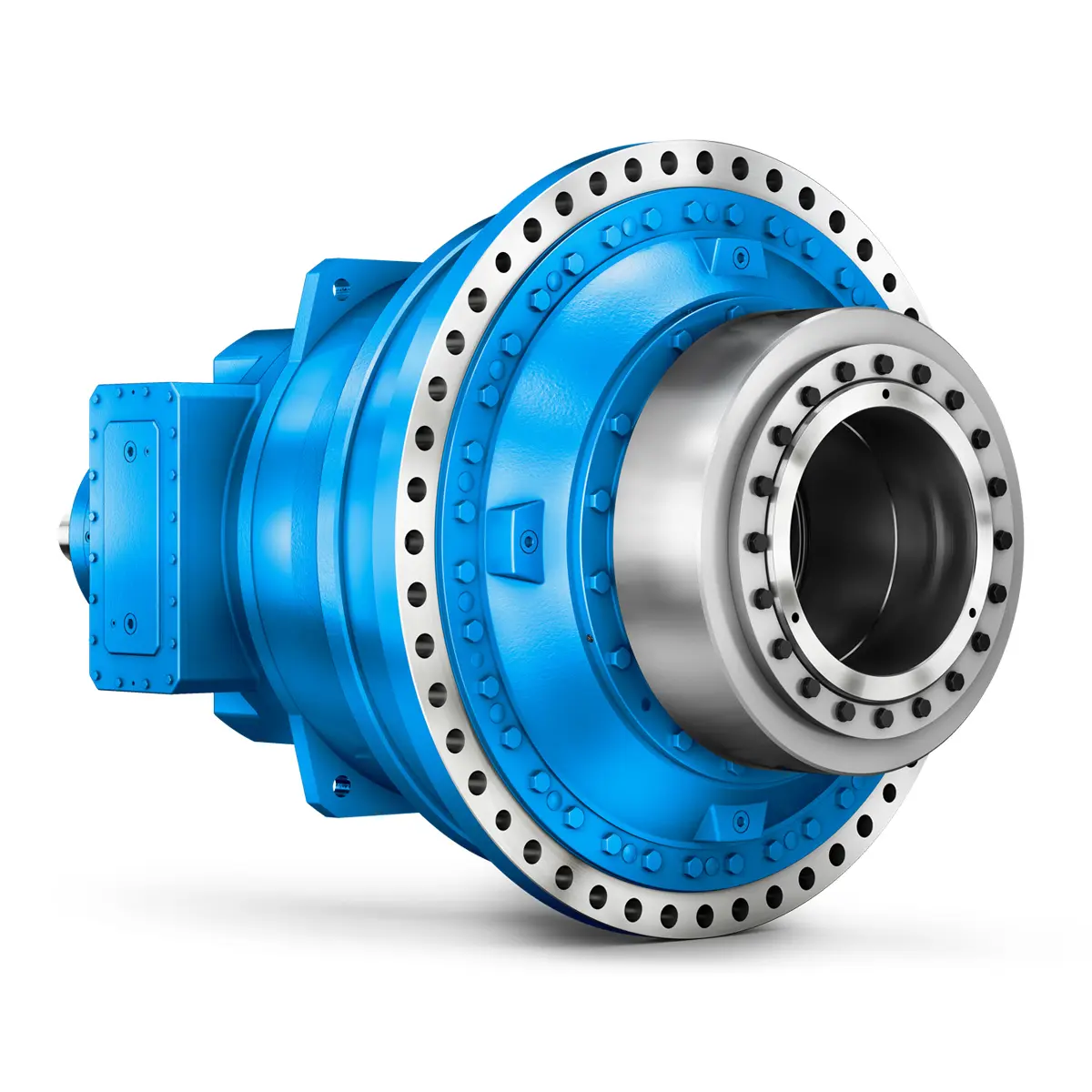 FLENDER Gear Unit gearunit gearbox
 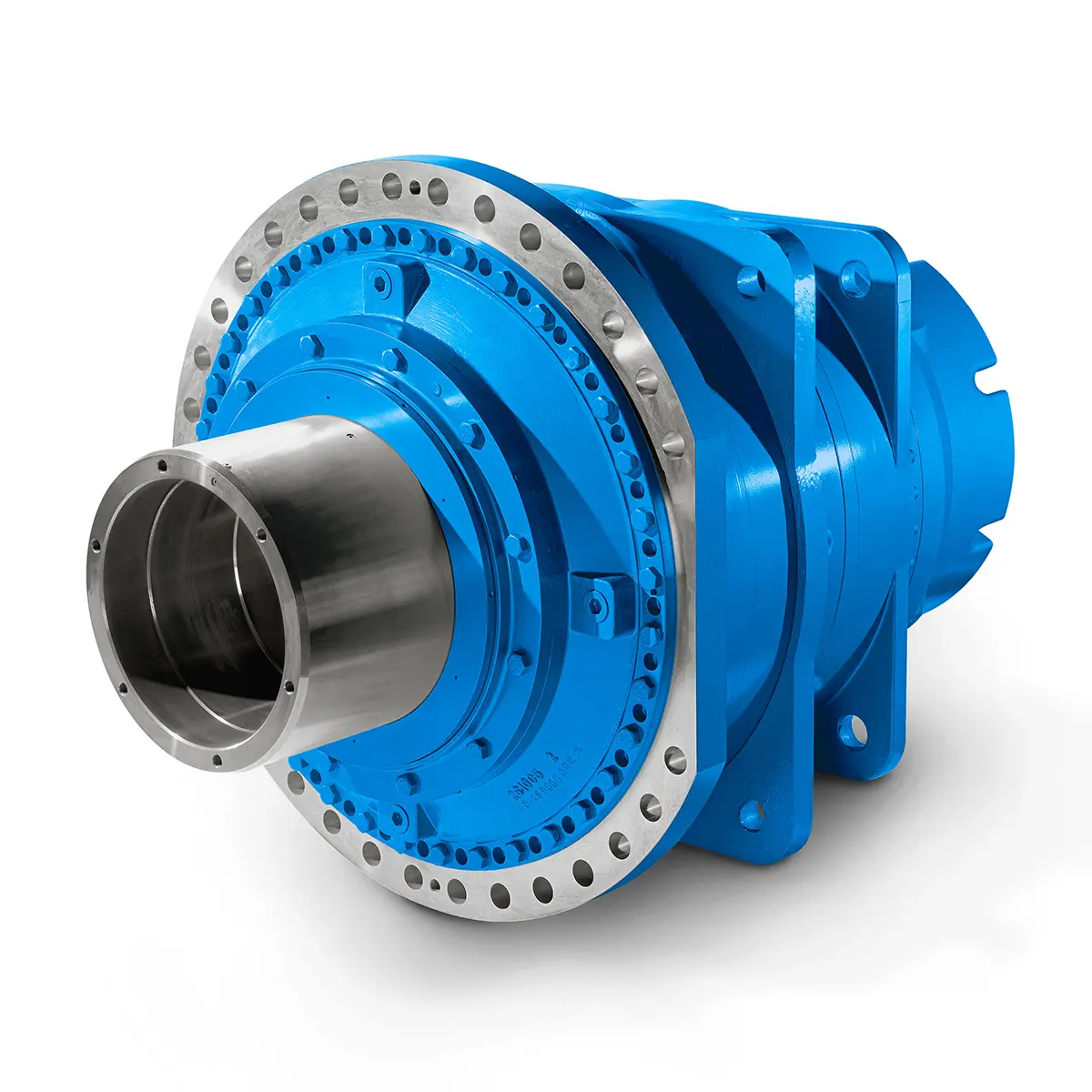 Optimal Drive Solution For Maximum Performance
 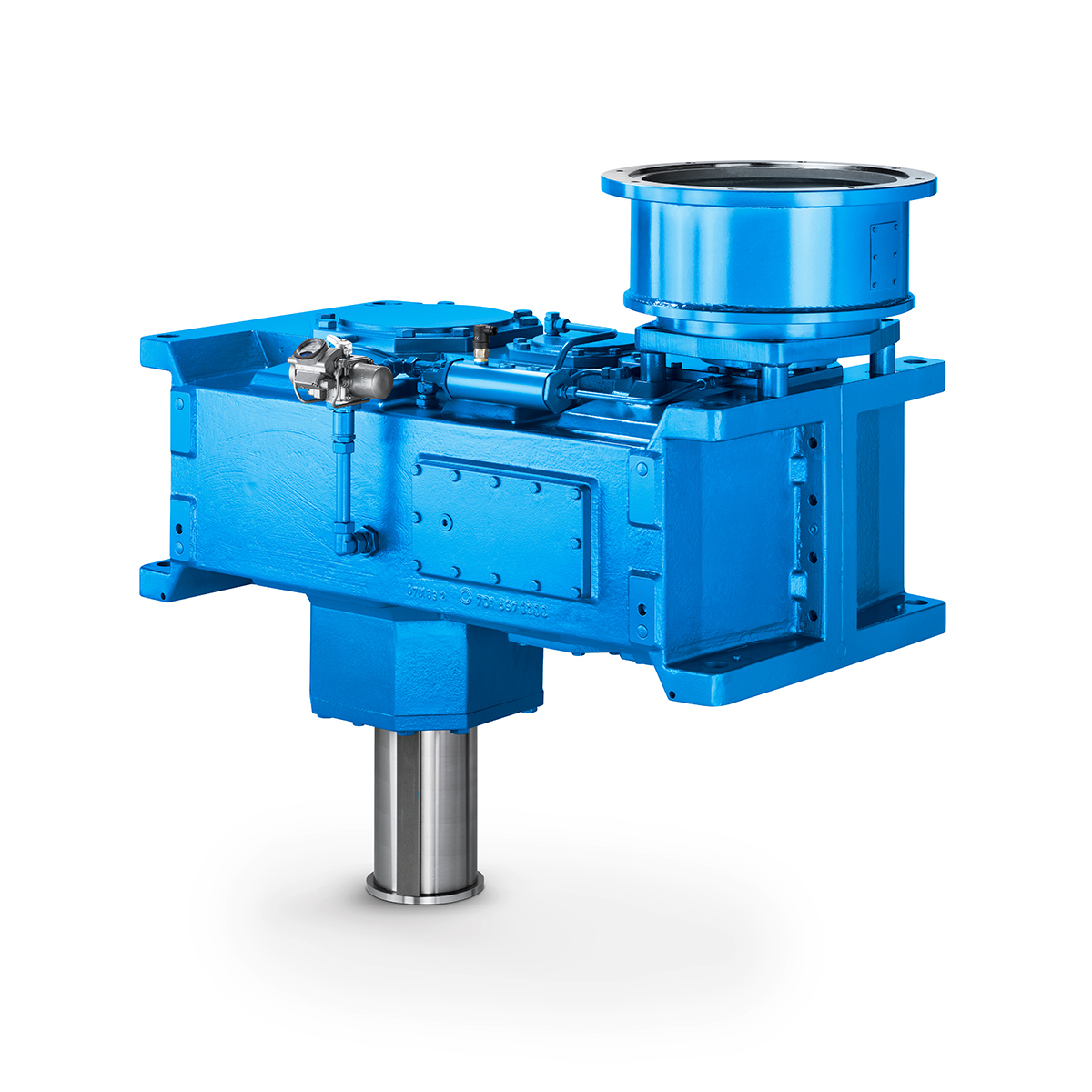 Strongly operating against biodegradable constituents
 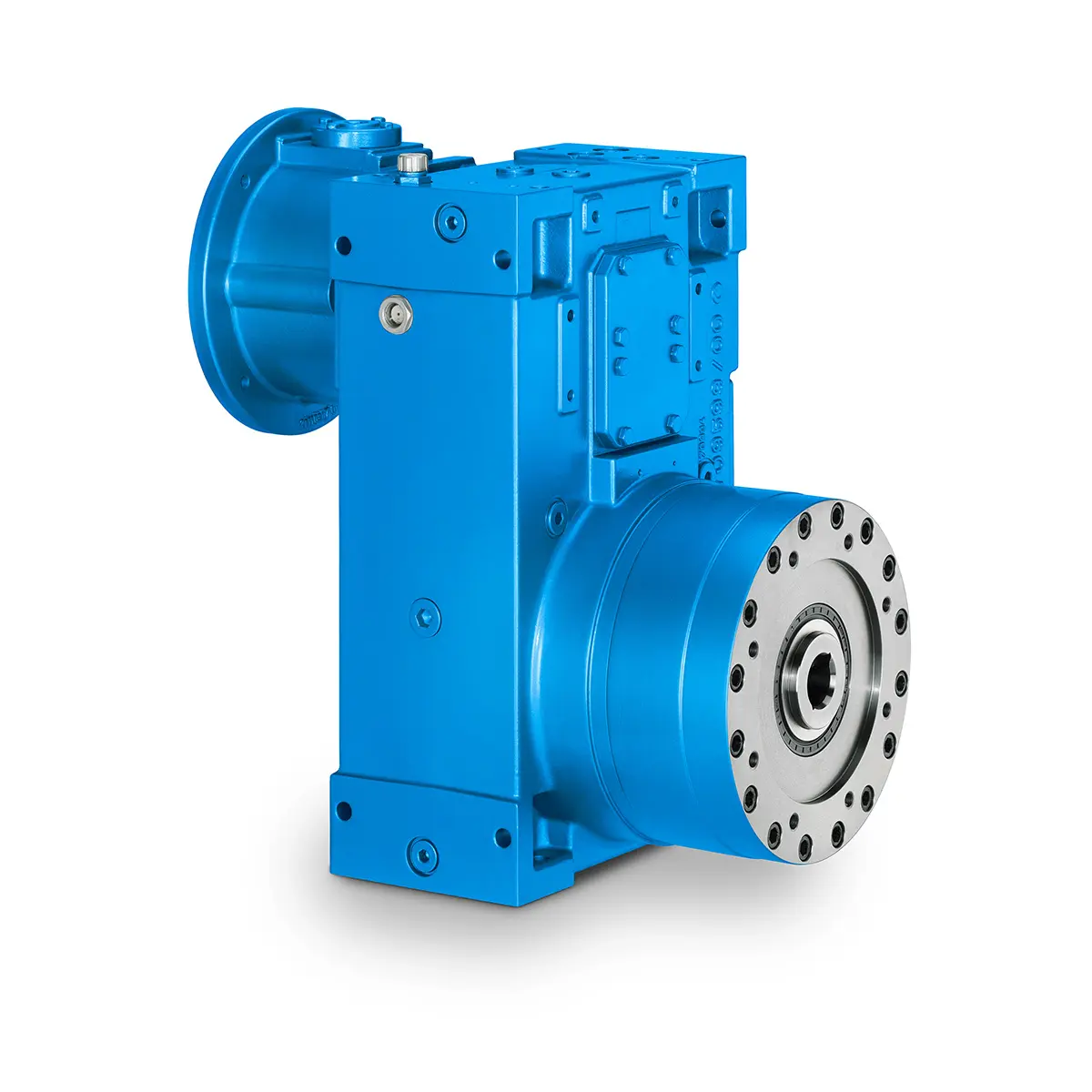 SINGLE SCREW Special industry dedicated gearunit gearbox
 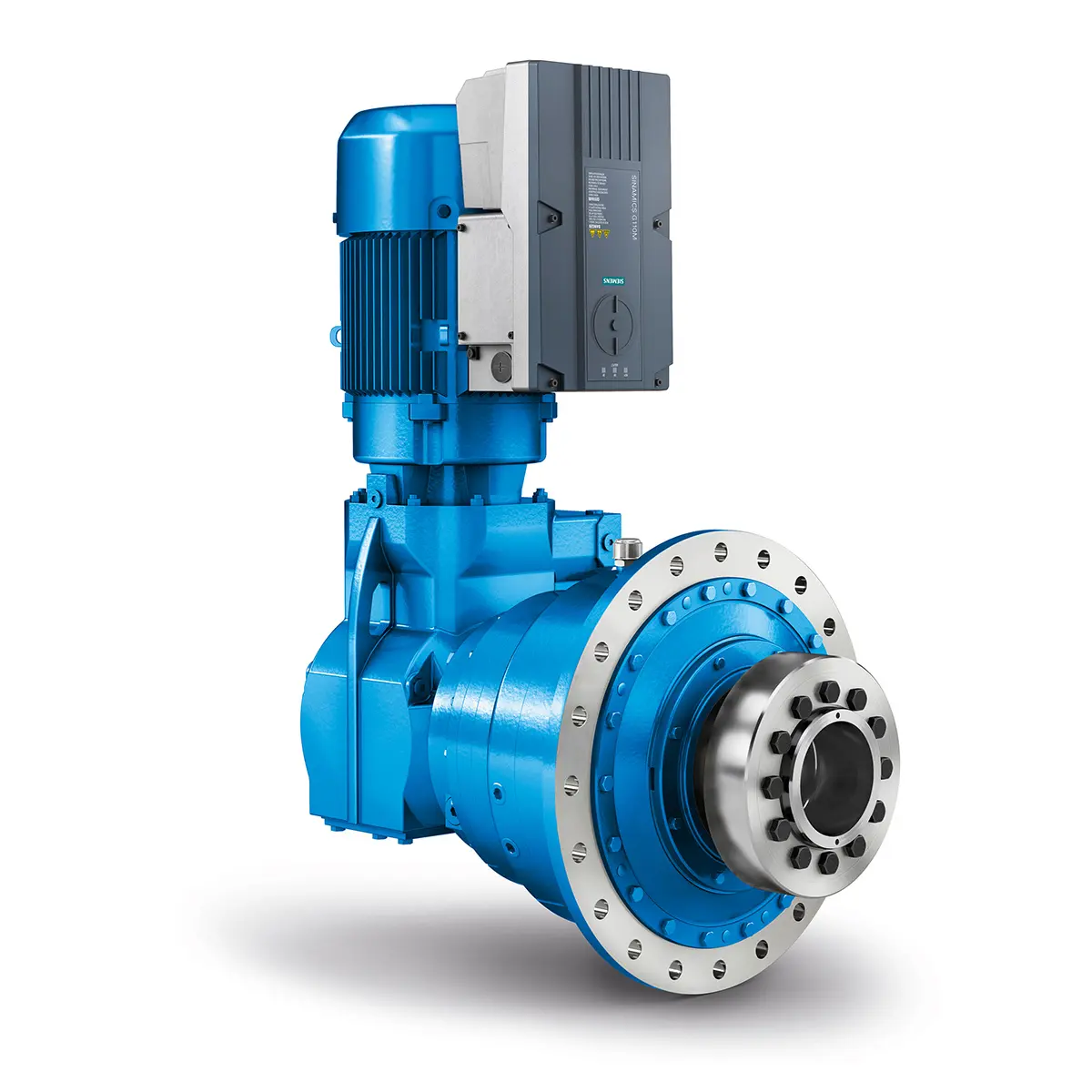 Playmaker In The Premium League
 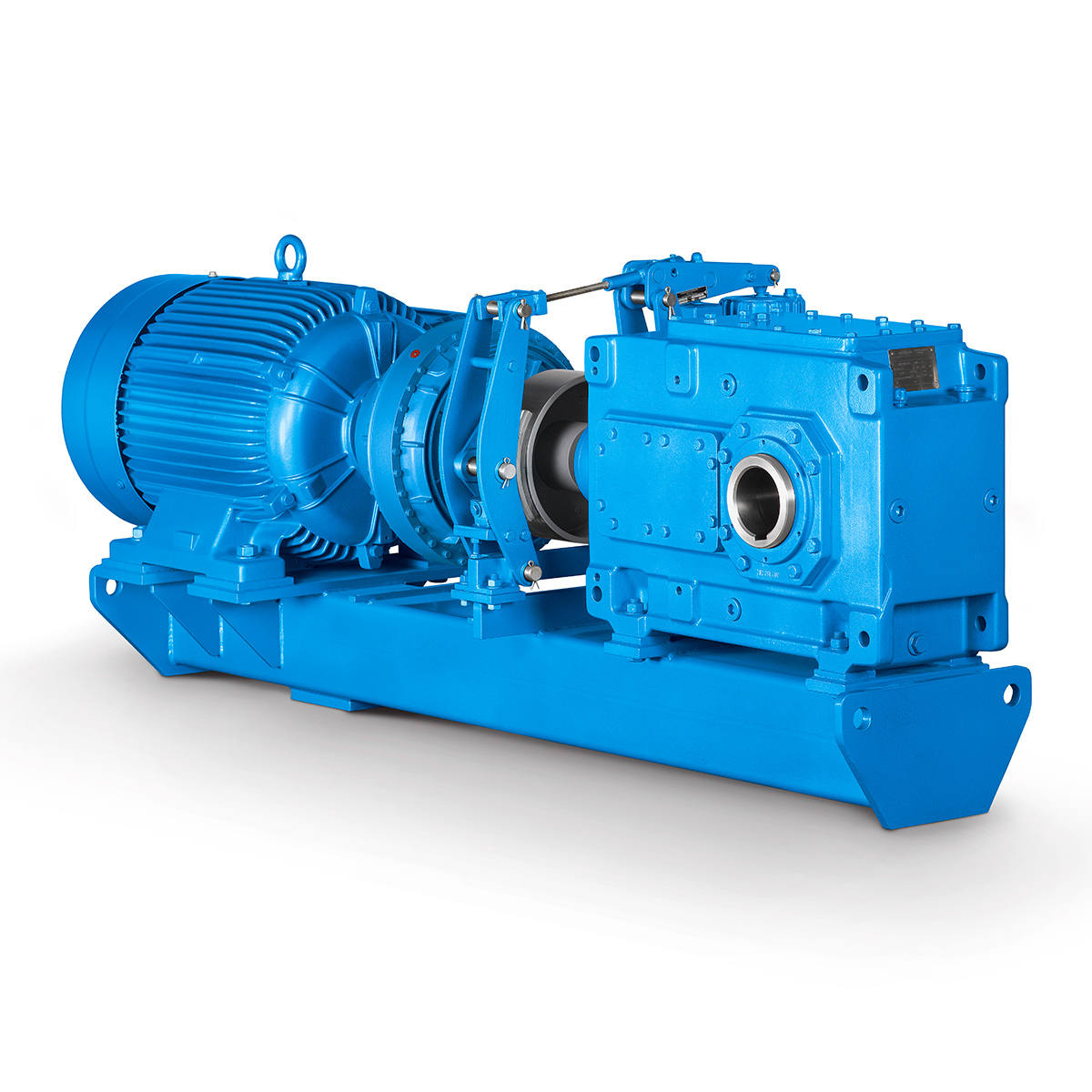 Conveyor belts gearunit gearbox
 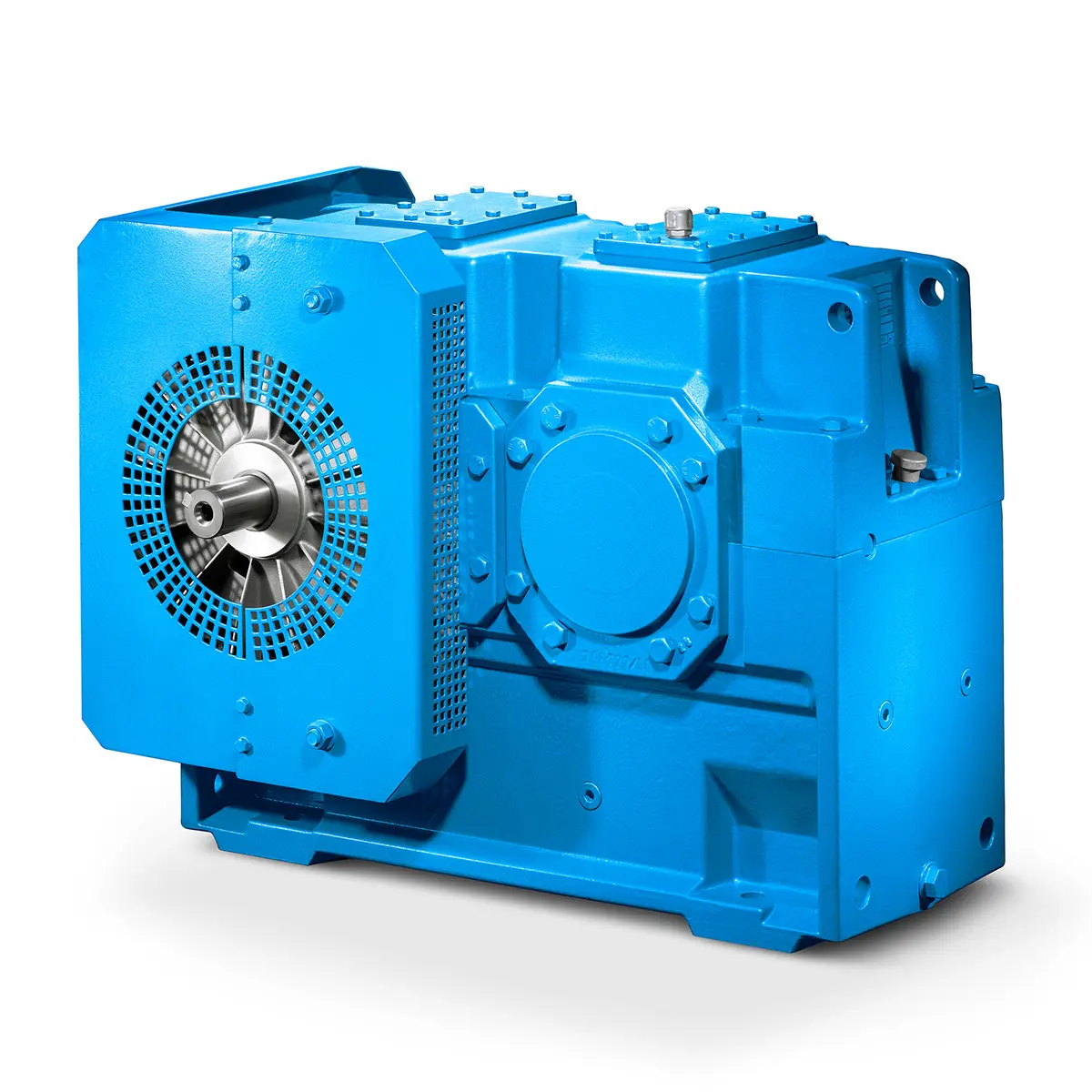 Paper And Pulp Preparation Sections
 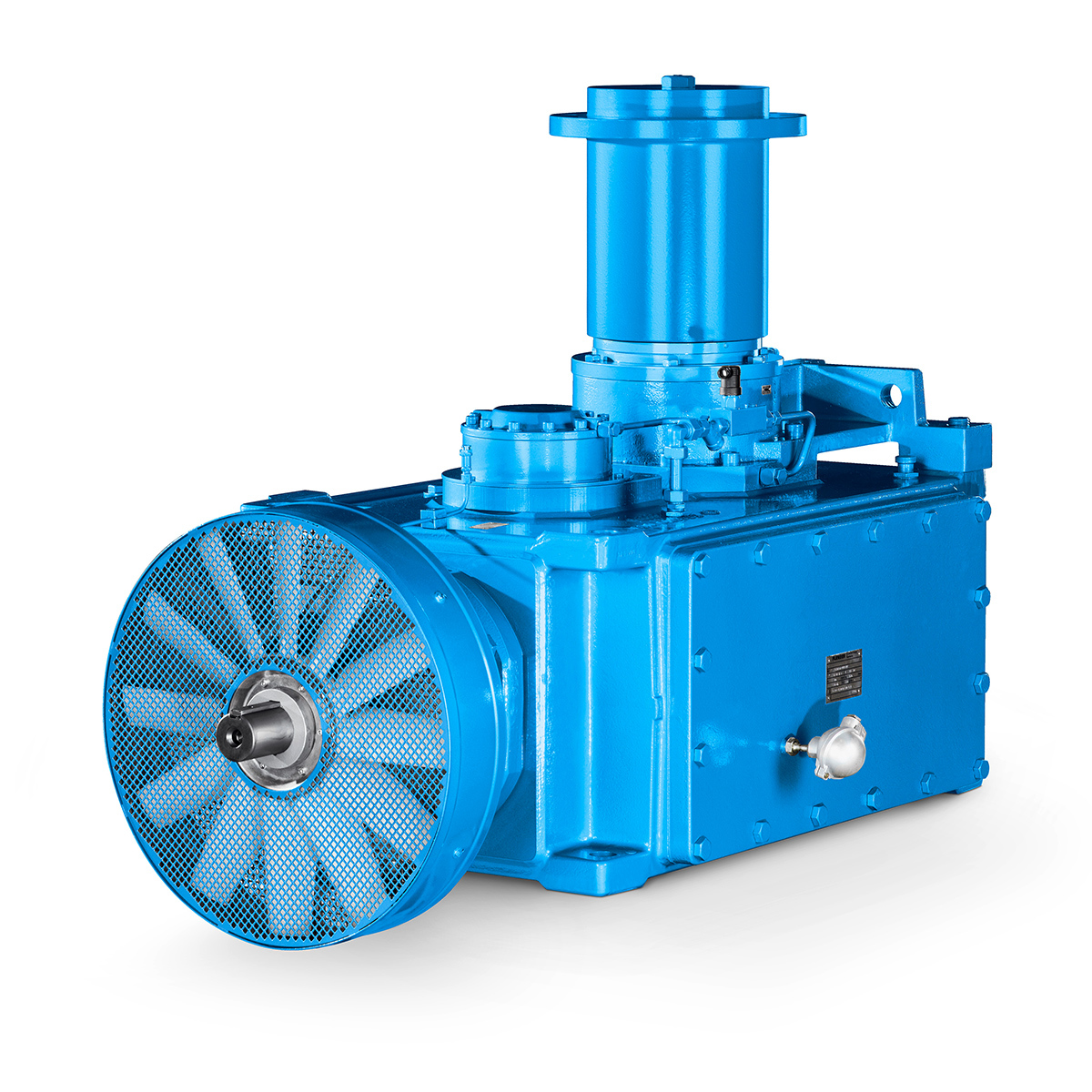 Operational Reliability Even In Case Of The Highest Ventilation Forces
 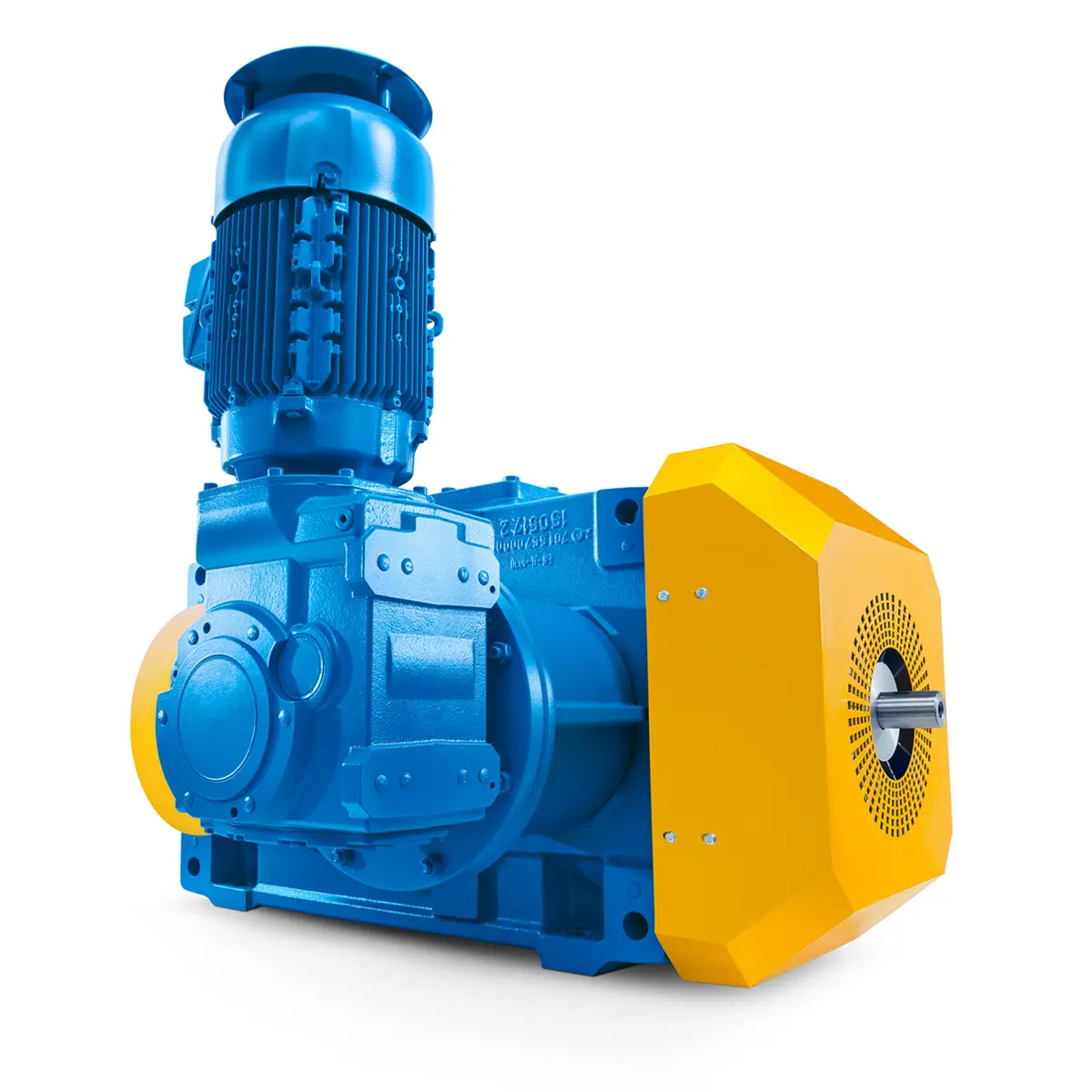 Reliable Gear Units For High Performance Vertical Conveyors 59/200
 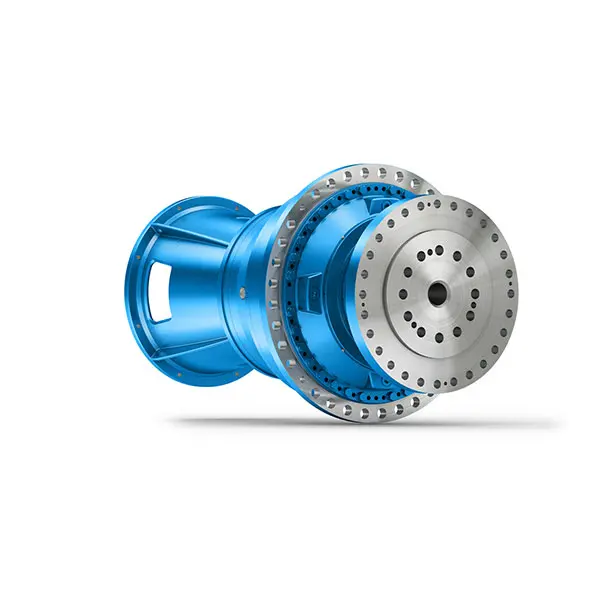 Maximum power density – PLANUREX 3 L individual drives for your sugar cane mill
 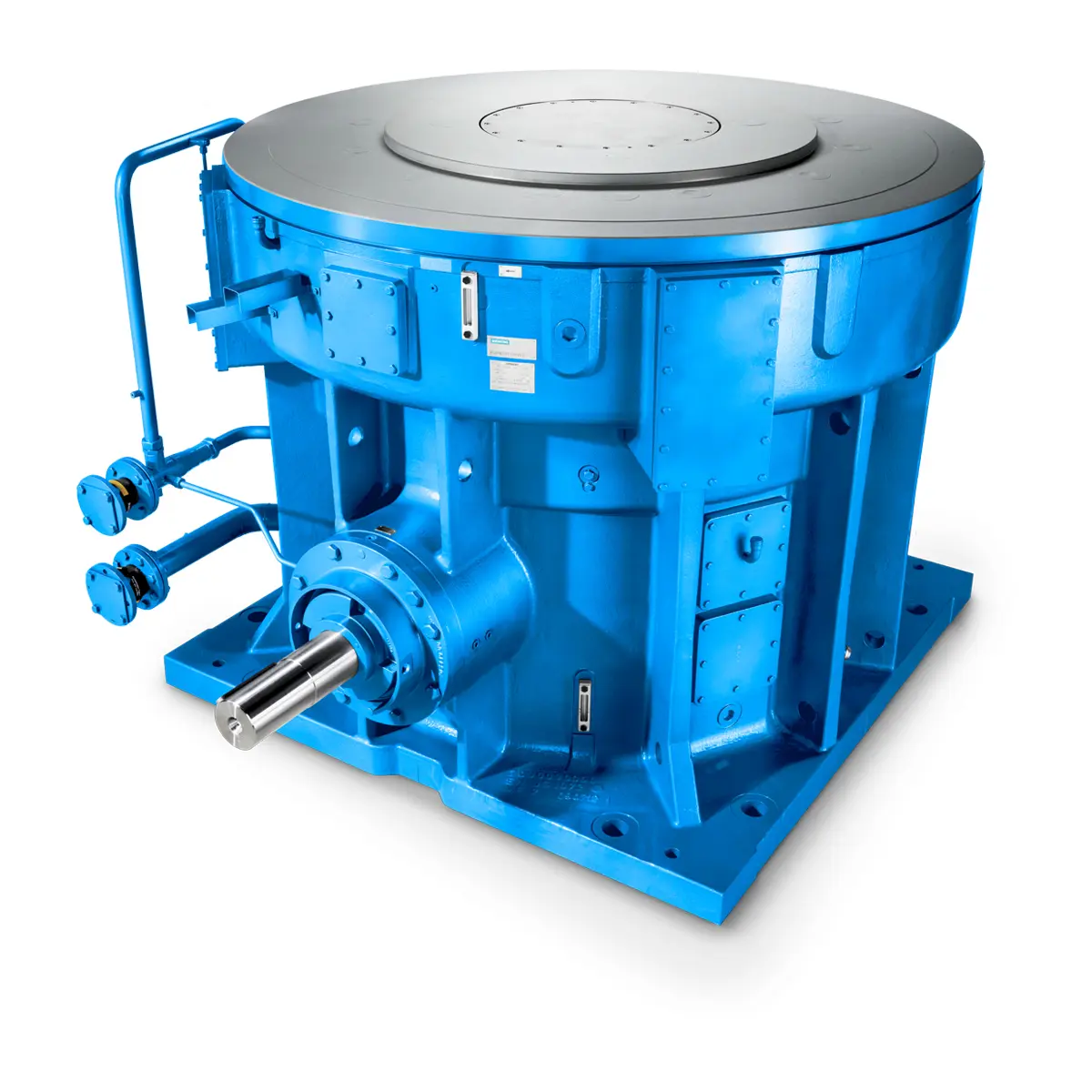 The proven all rounder gearunit gearbox
 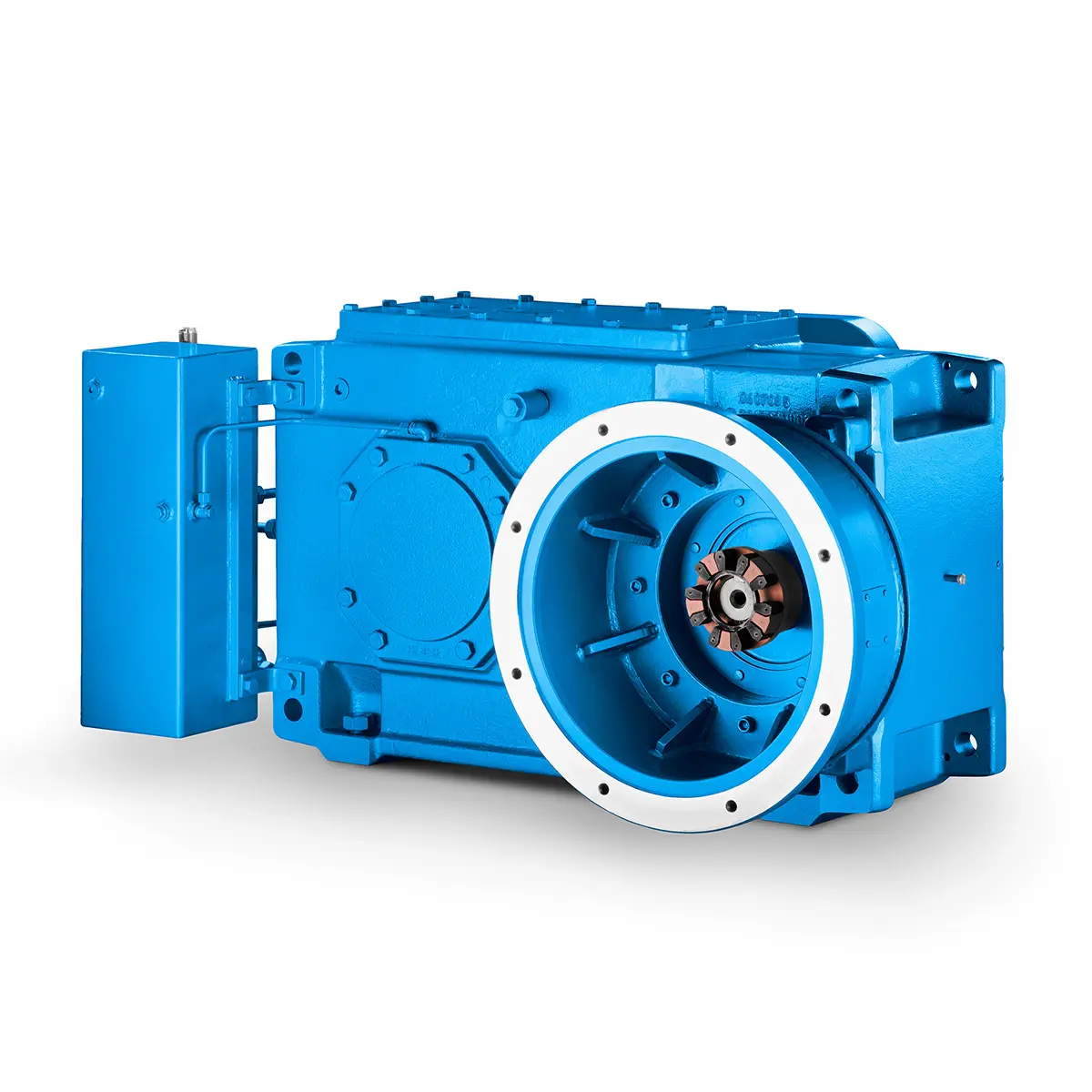 Stirs and stirs and stirs gearunit gearbox
 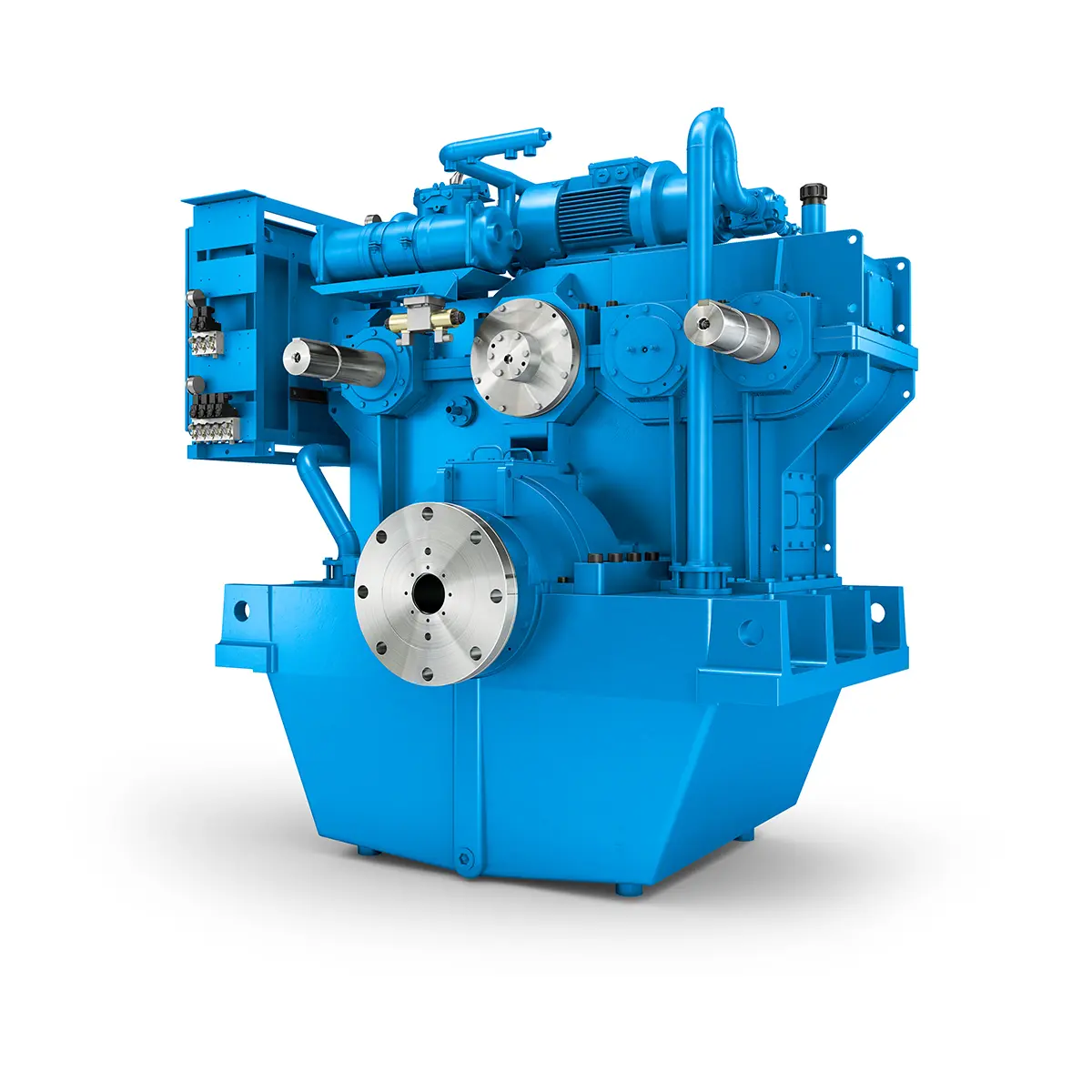 Flexibility on Board gearunit gearbox
 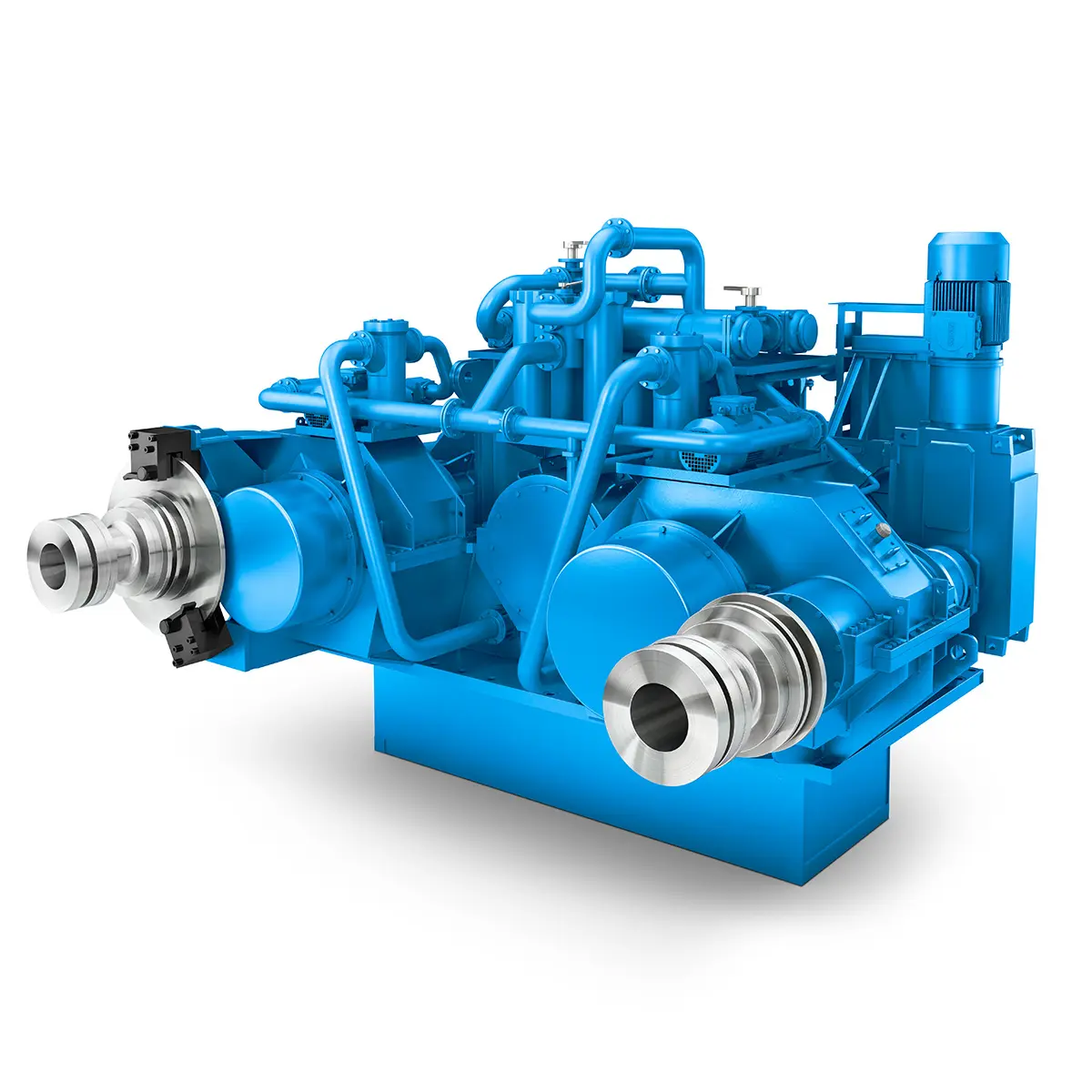 The right gearbox for all Multi-Engine Ships
 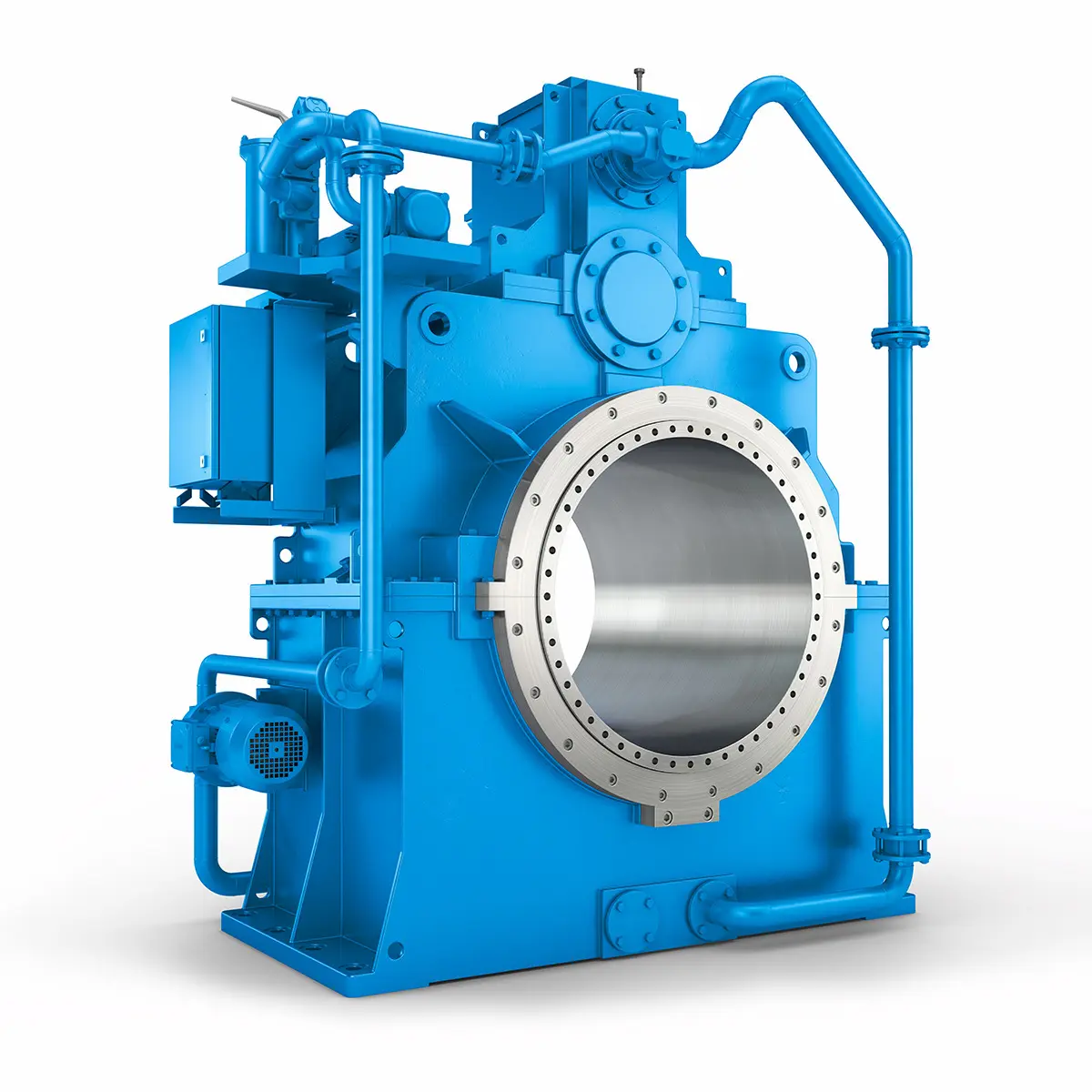 Reliable Power Generation on board
 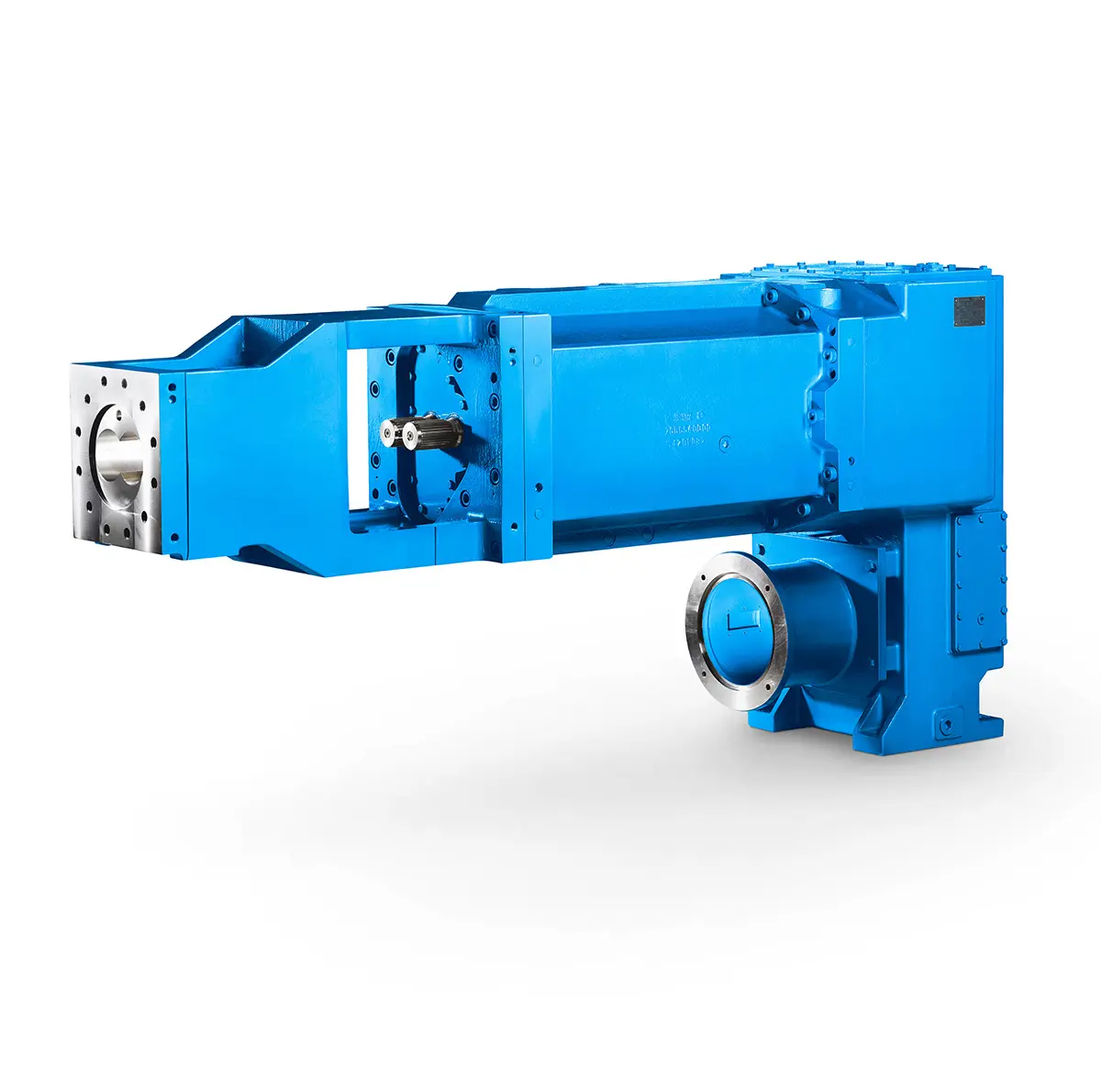 Maximum performance level, fast deliverable
 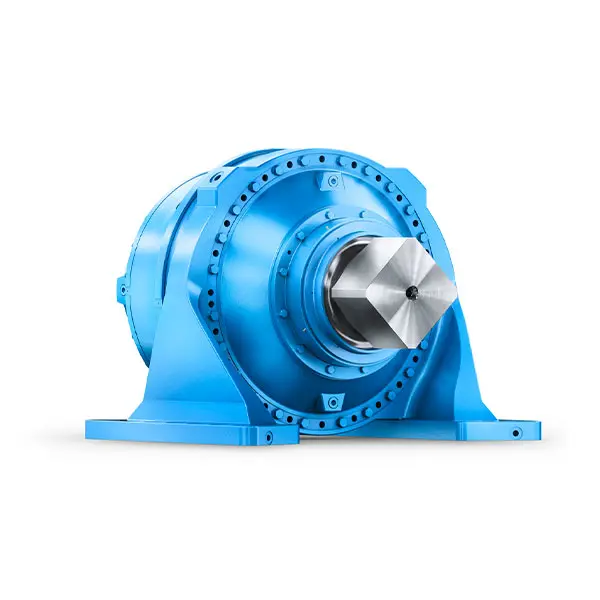 Efficient and compact – FLENDER Gear Units for Sugar Mills
 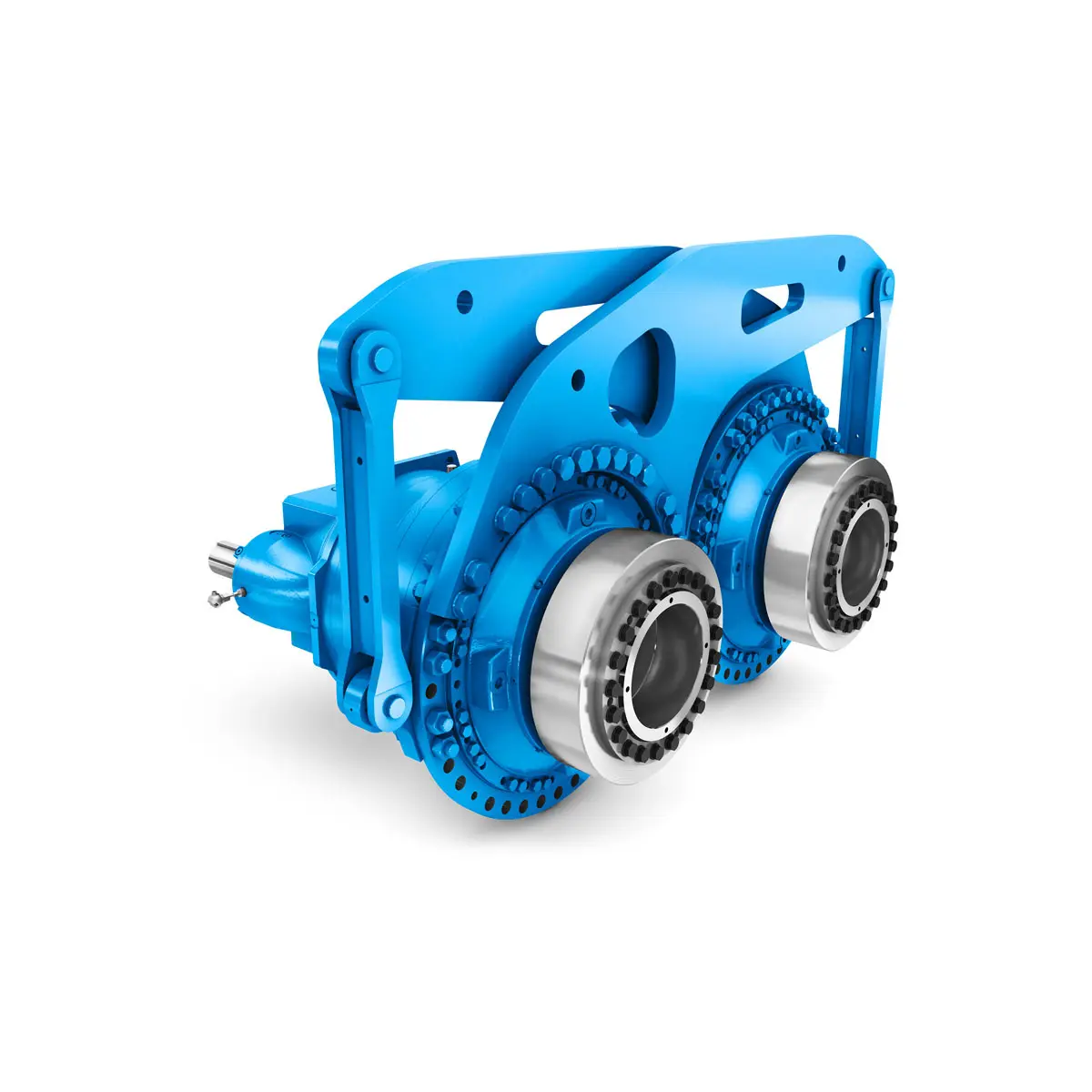 Extremely strong. Extremely compact. Extremely stressable.
 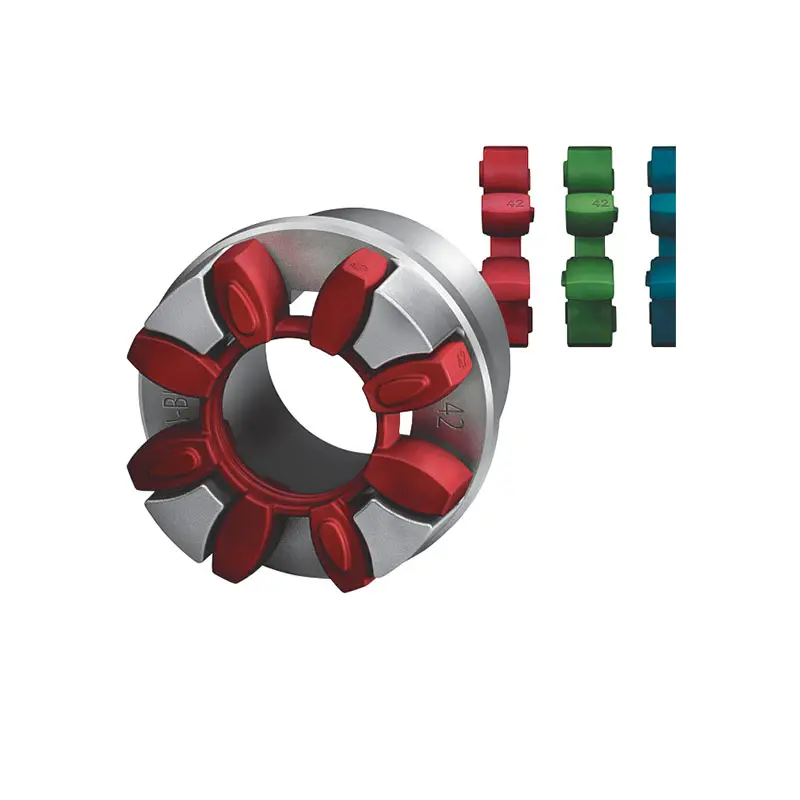 FLENDER Coupling
 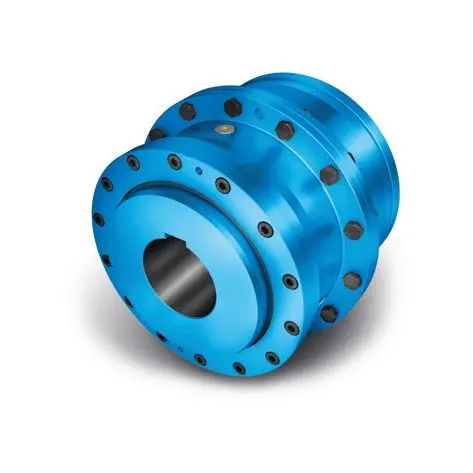 ZAPEX ZW Torsionally Rigid Gear Coupling
 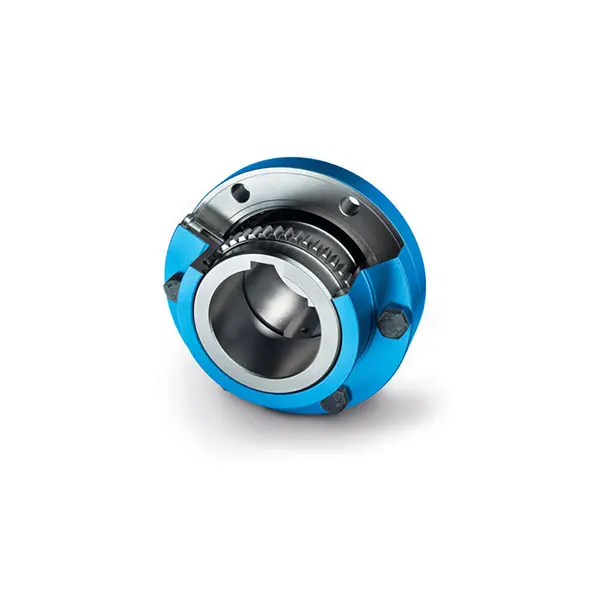 ZAPEX ZN Torsionally Rigid Gear Coupling
 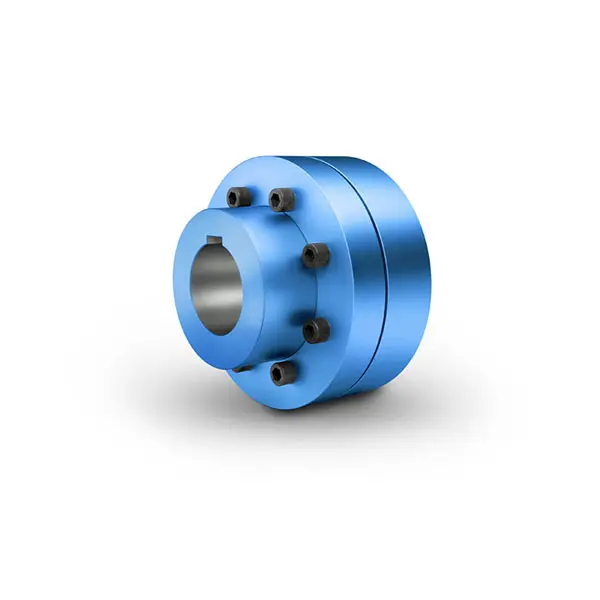 N-EUPEX Flexible high performance Coupling
 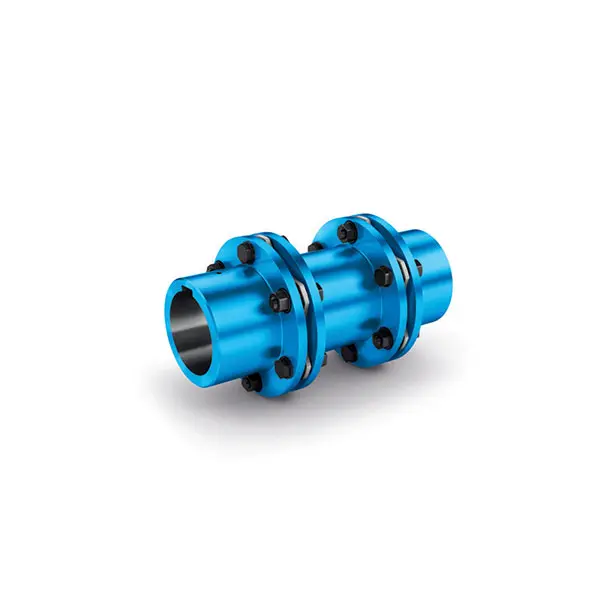 N-ARPEX Torsionally Rigid All-Steel Coupling
 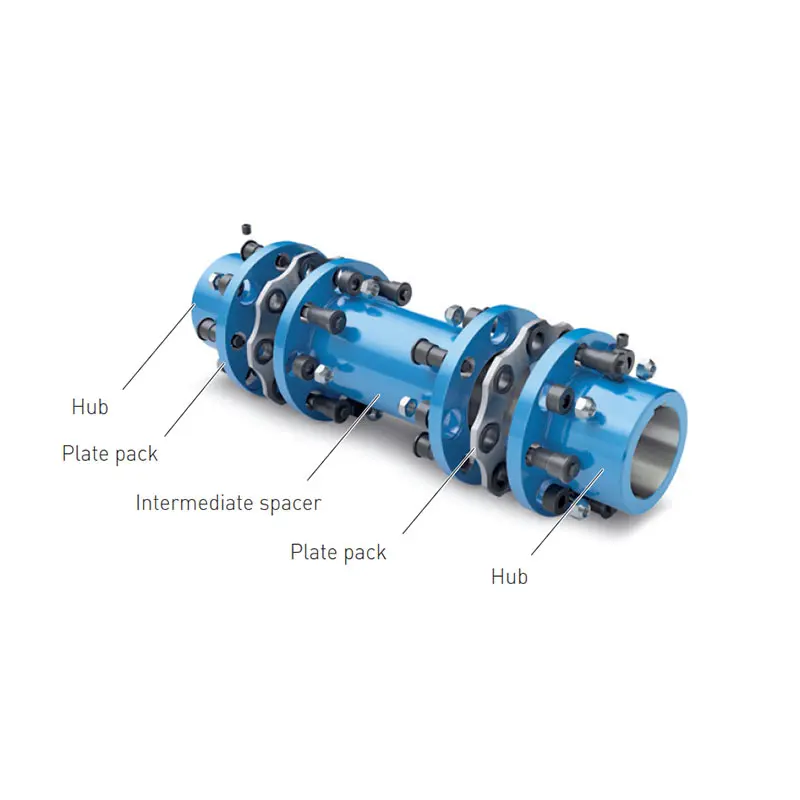 ARPEX Torsionally Rigid All-Steel Coupling Spare and Parts
 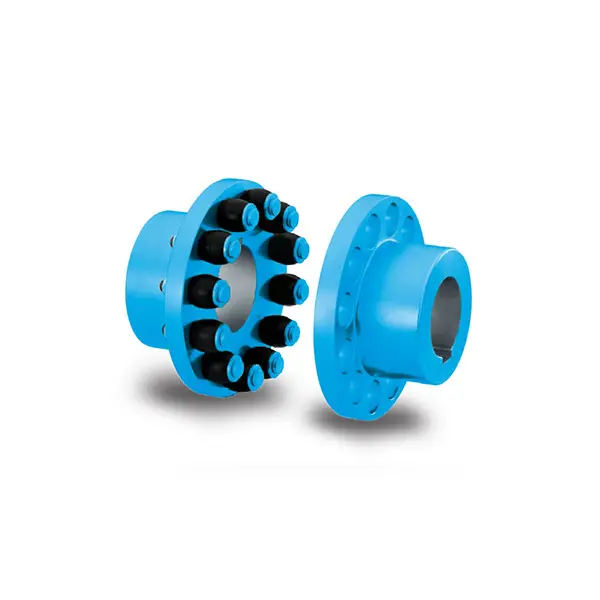 RUPEX Flexible high performance Coupling
 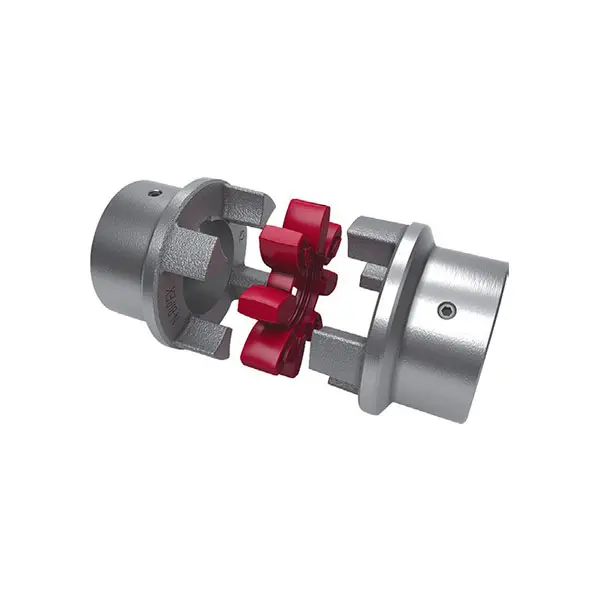 N BIPEX Flexible high performance coupling
 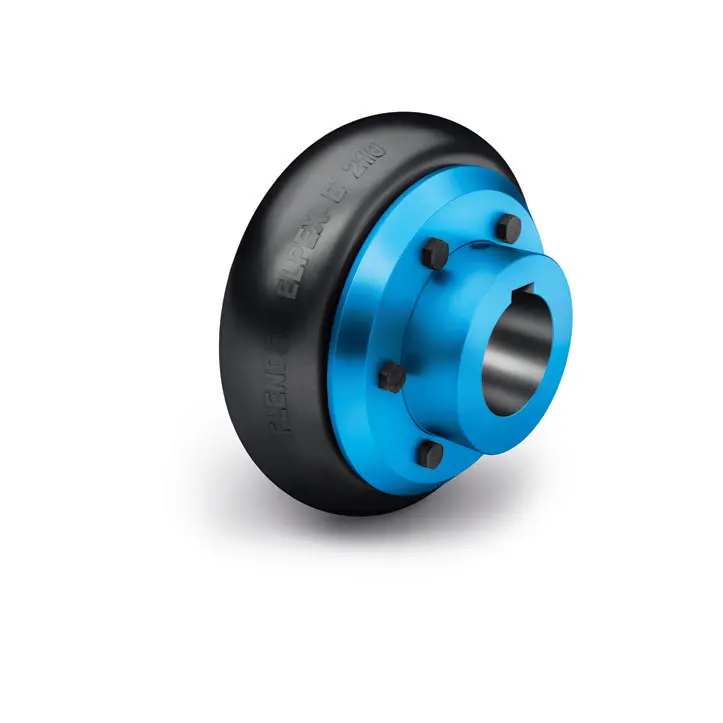 ELPEX B Highly Flexible Coupling
 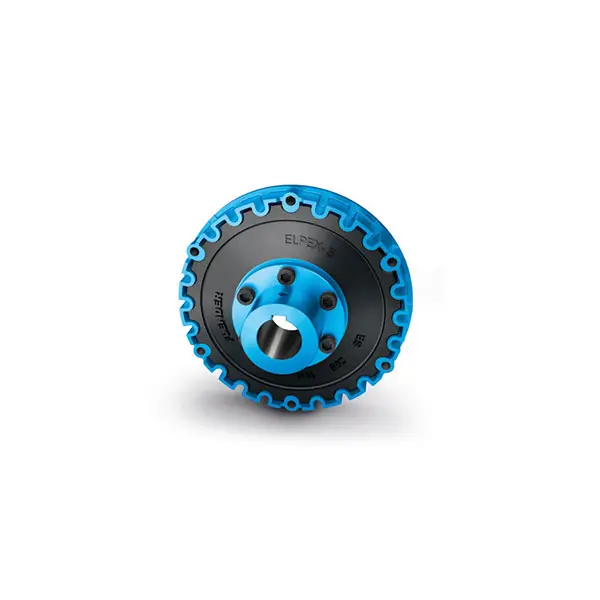 ELPEX S Highly Flexible Coupling high performance
 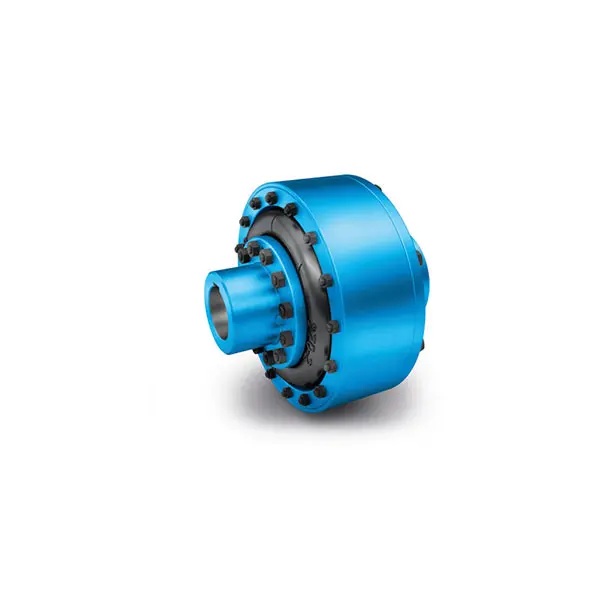 ELPEX Highly Flexible Coupling high performance
 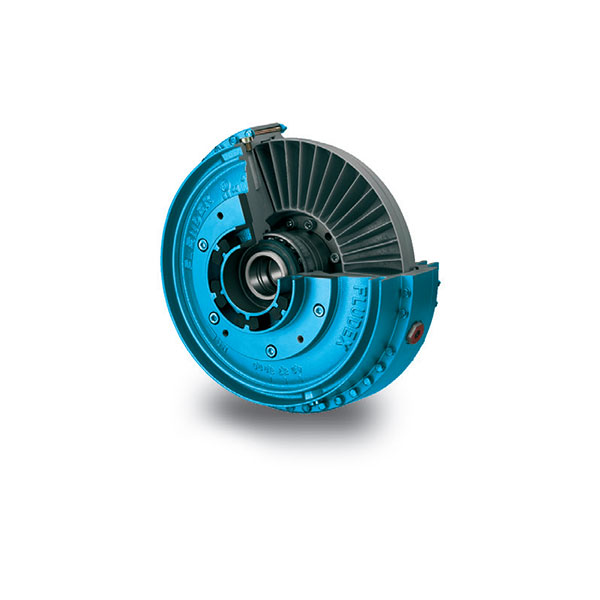 FLUDEX Fluid Coupling high performance
 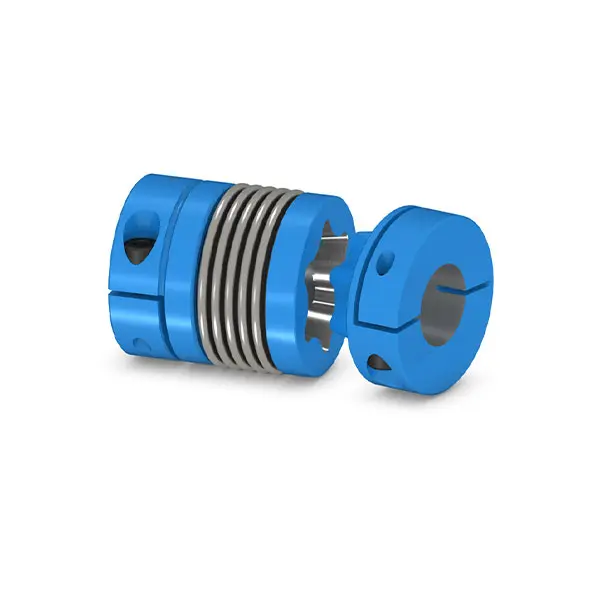 SIPEX Backlash free Coupling high performance
 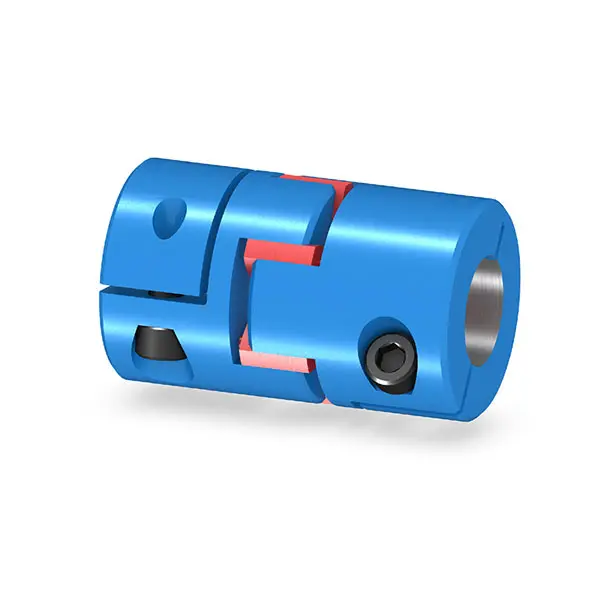 BIPEX S Backlash free Coupling high performance
 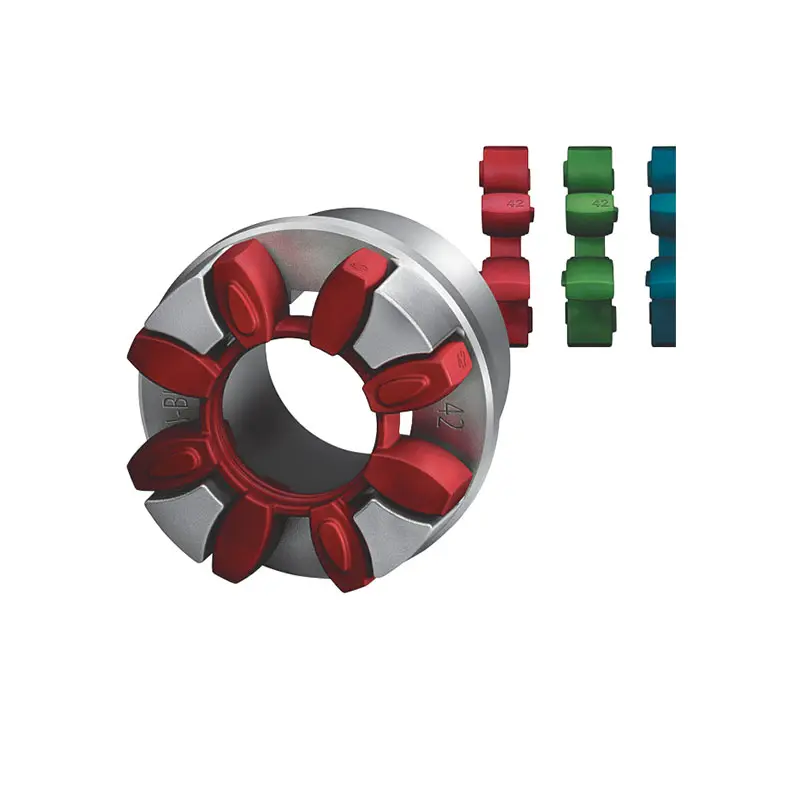 FLENDER Coupling Spare Parts high performance
 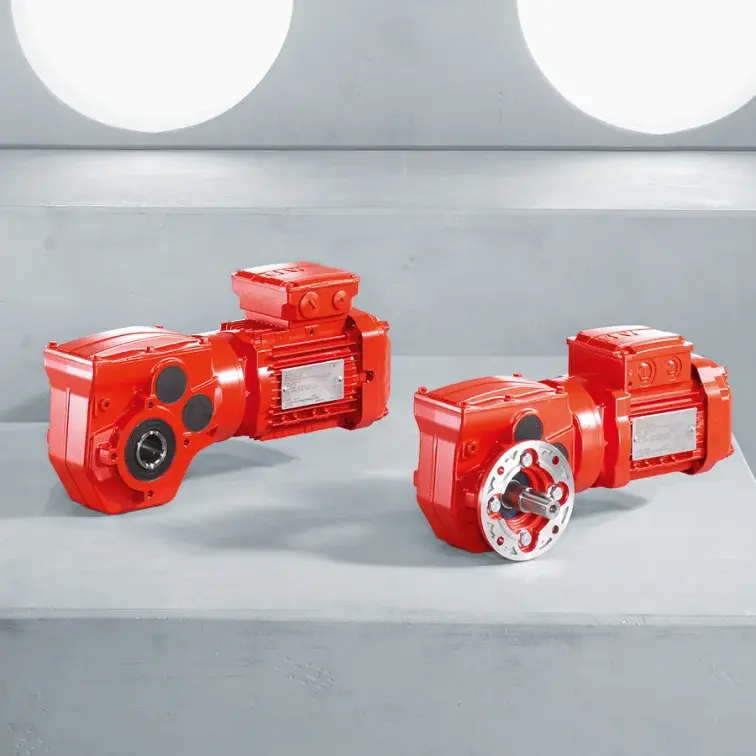 SEW Gearmotor
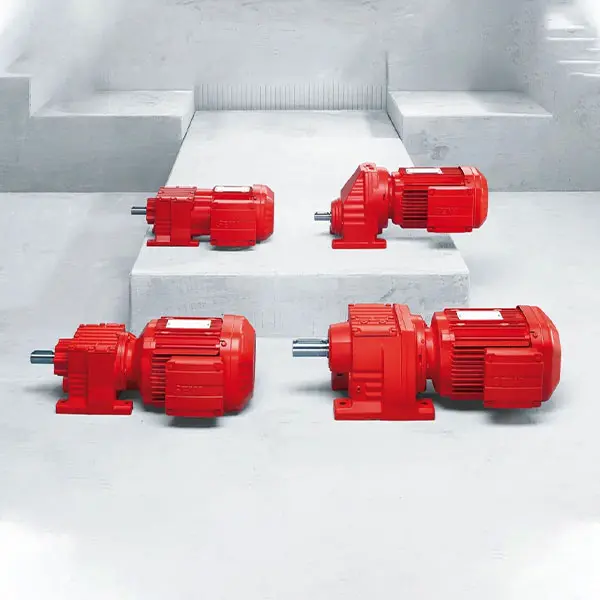 R Series Helical Gearmotor low voltage
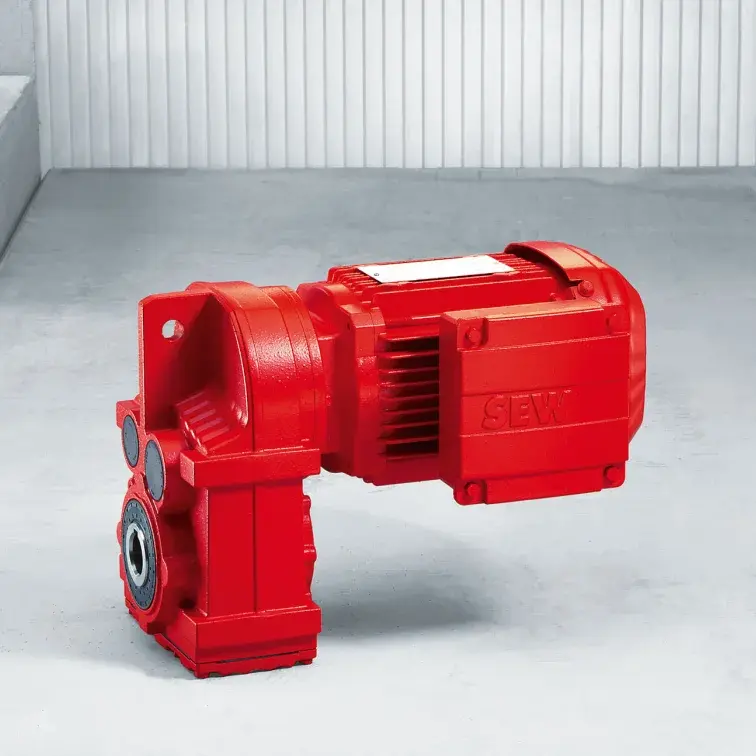 F Series Parallel Shaft Gearmotor low voltage
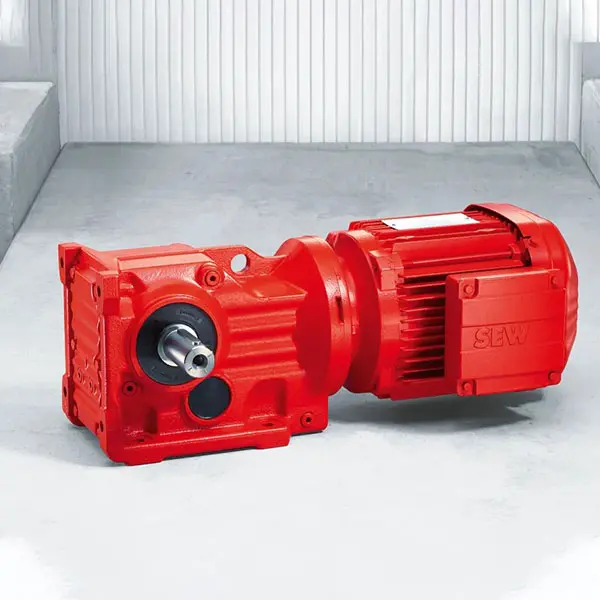 K Series Helical Bevel Gearmotor low voltage
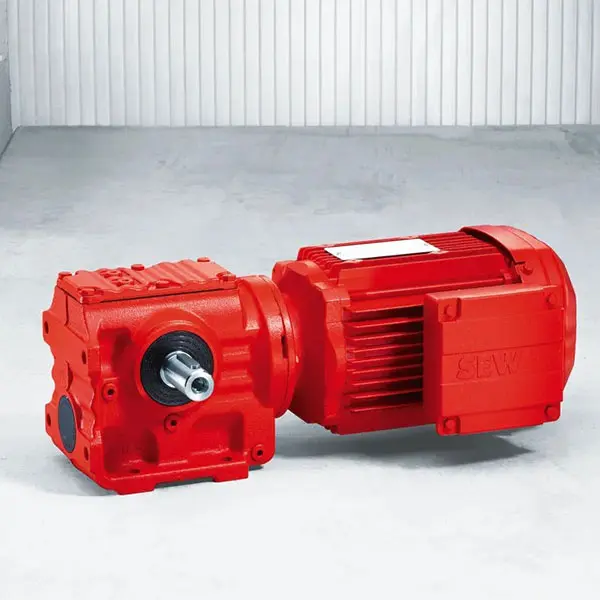 S Series Helical Worm Gearmotor low voltage
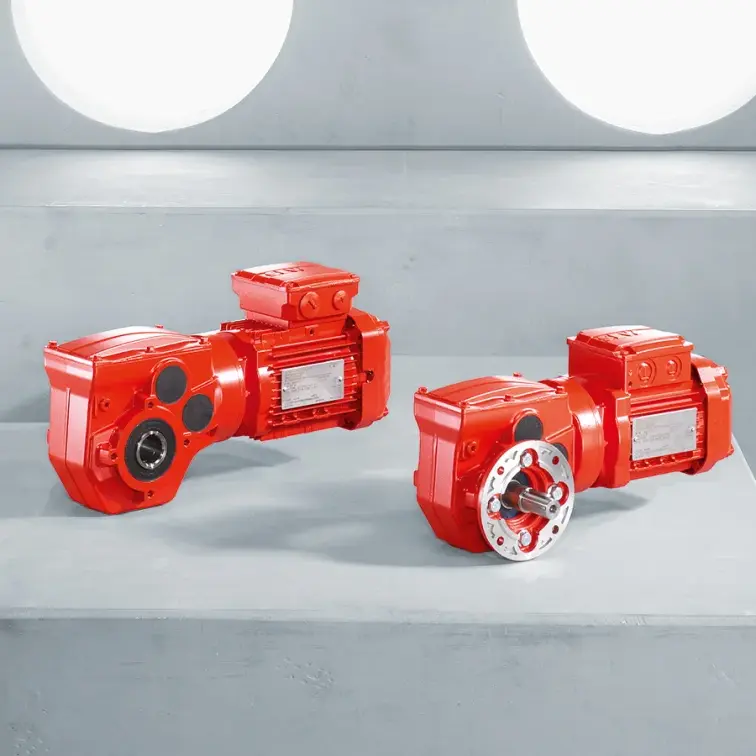 W Series SPIROPLAN® Right Angle Gearmotor