- Home
- Products
- SIEMENS Gearmotor
-
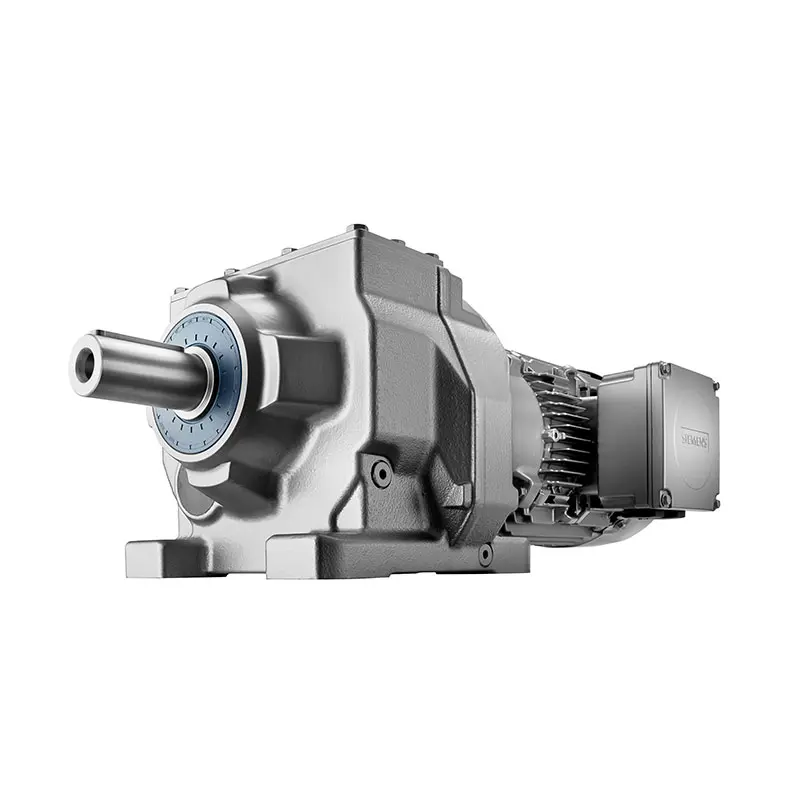 SIEMENS Helical Gearmotor Low Voltage
 -
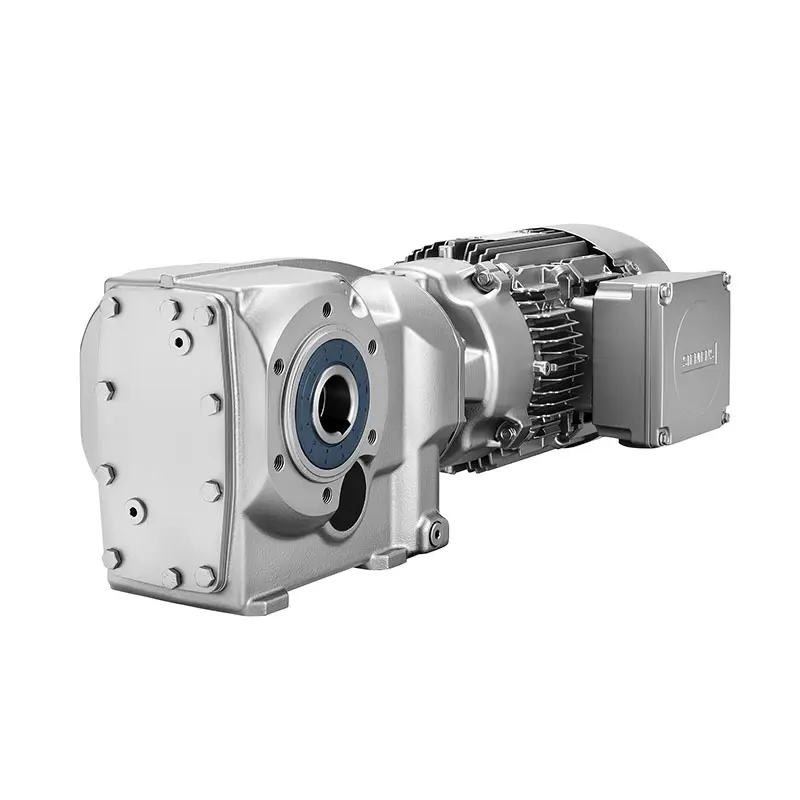 SIEMENS Bevel Helical Gearmotor
 -
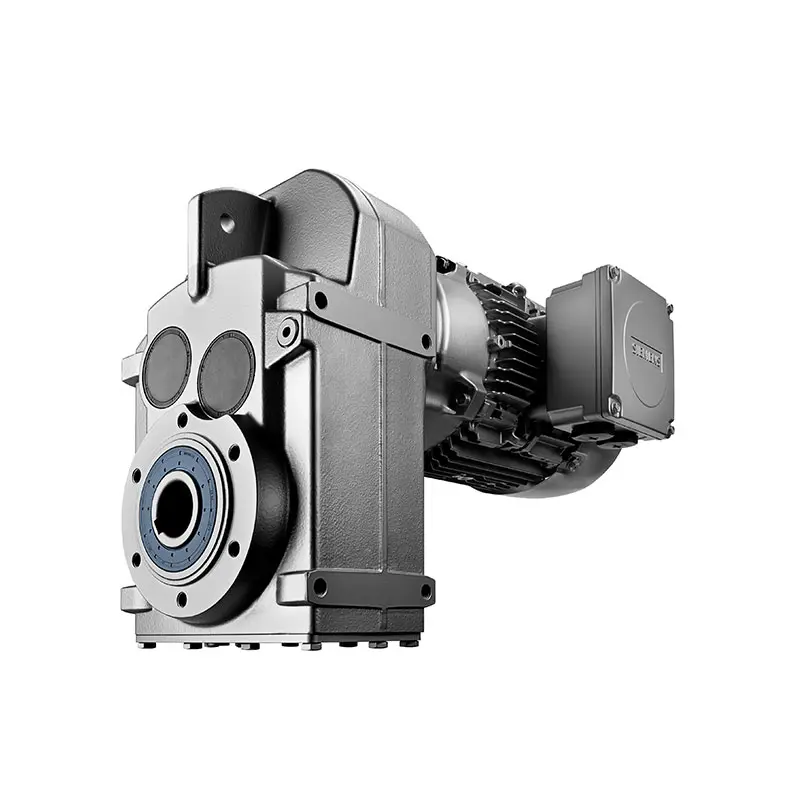 SIEMENS Parallel Shaft Gearmotor
 -
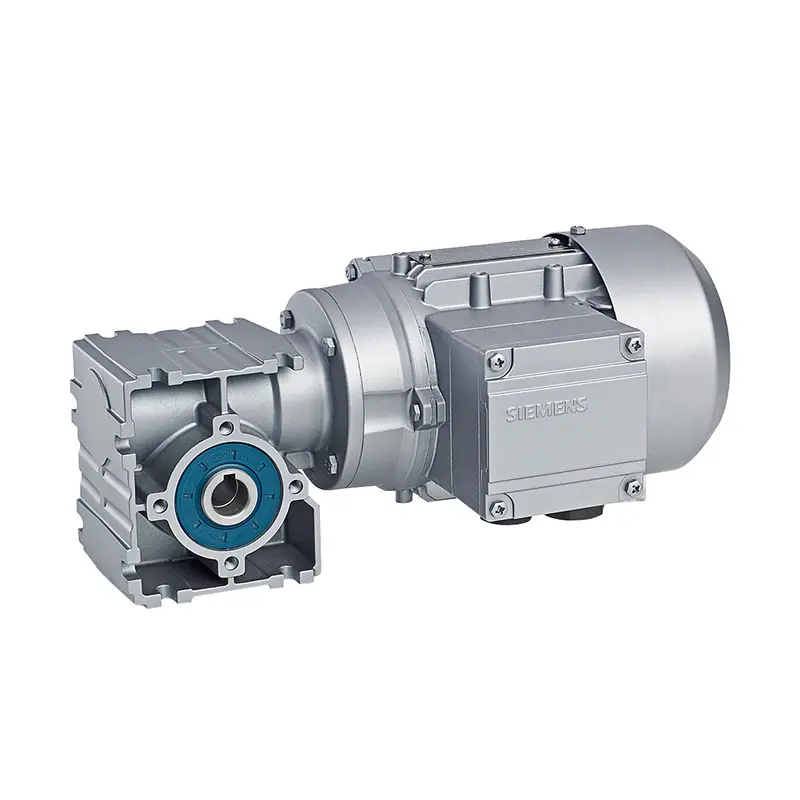 SIEMENS Worm Gearmotor Low Voltage
 -
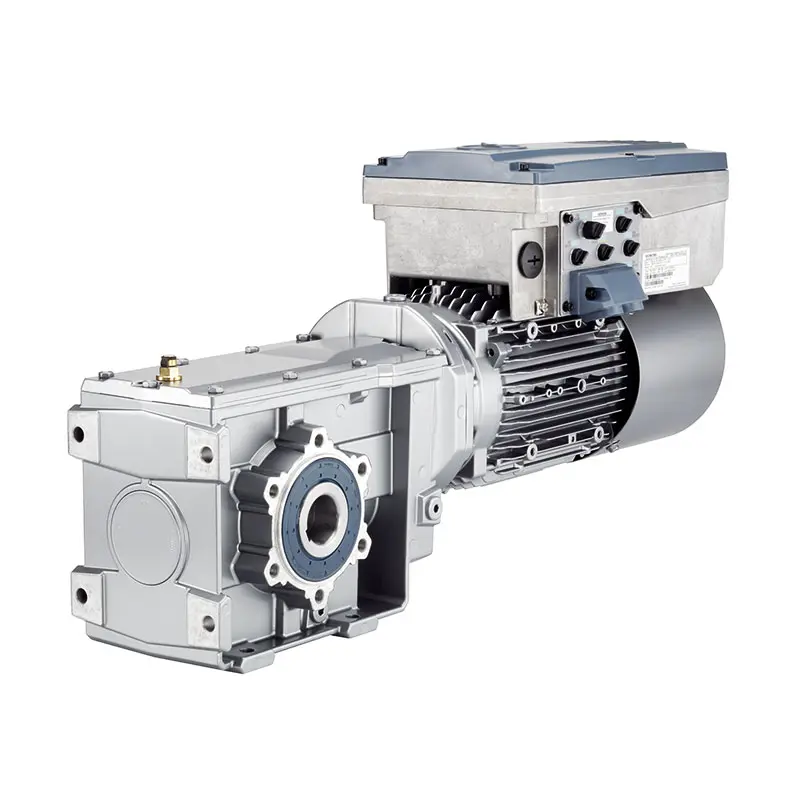 SIEMENS With Servo Motor Gearmotor
 -
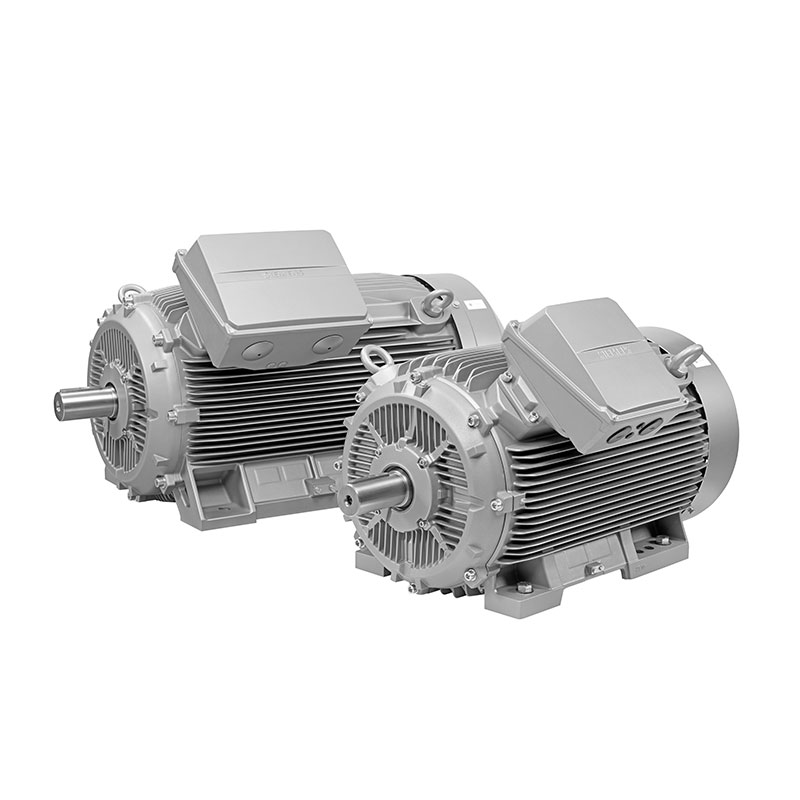 SIEMENS Low Voltage Motor Low Voltage
 -
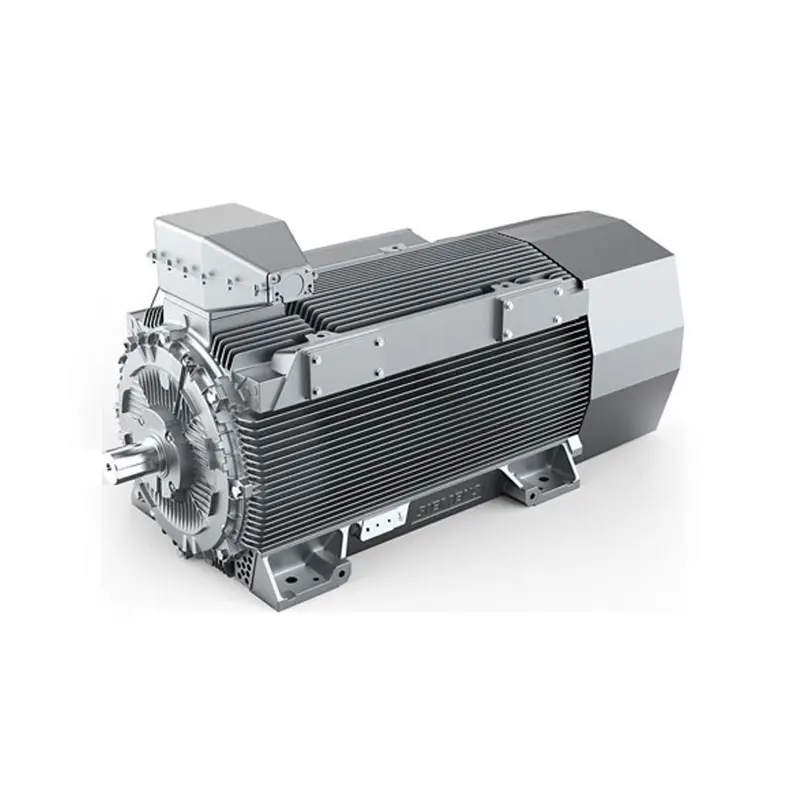 SIEMENS High Voltage Motor Low Voltage
 -
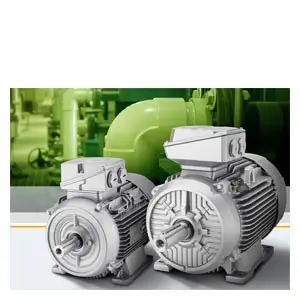 SIEMENS Marine Motor Low Voltage
 -
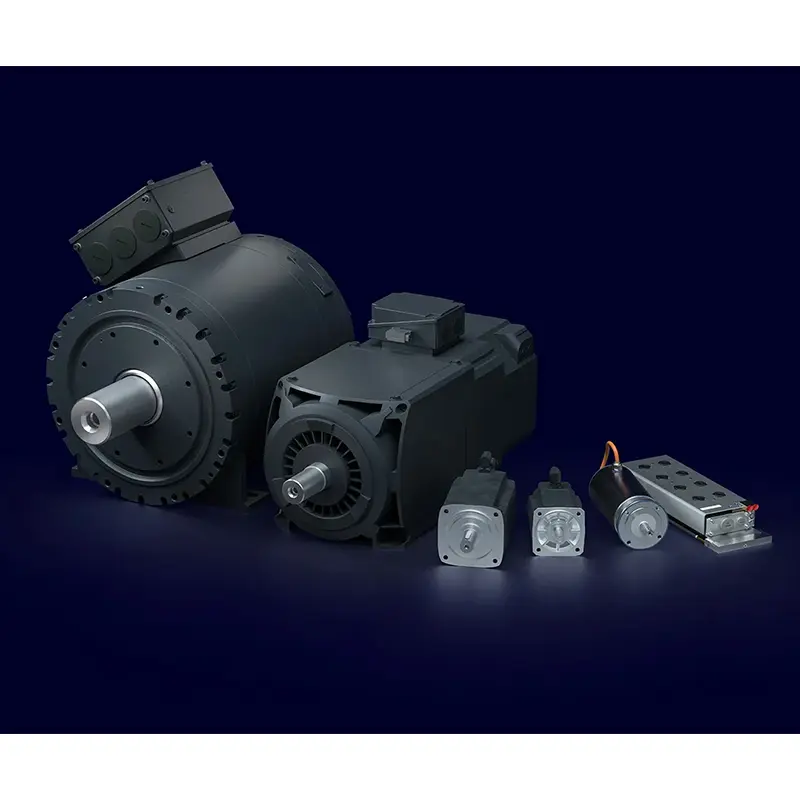 SIEMENS Servo Motor Low Voltage
 -
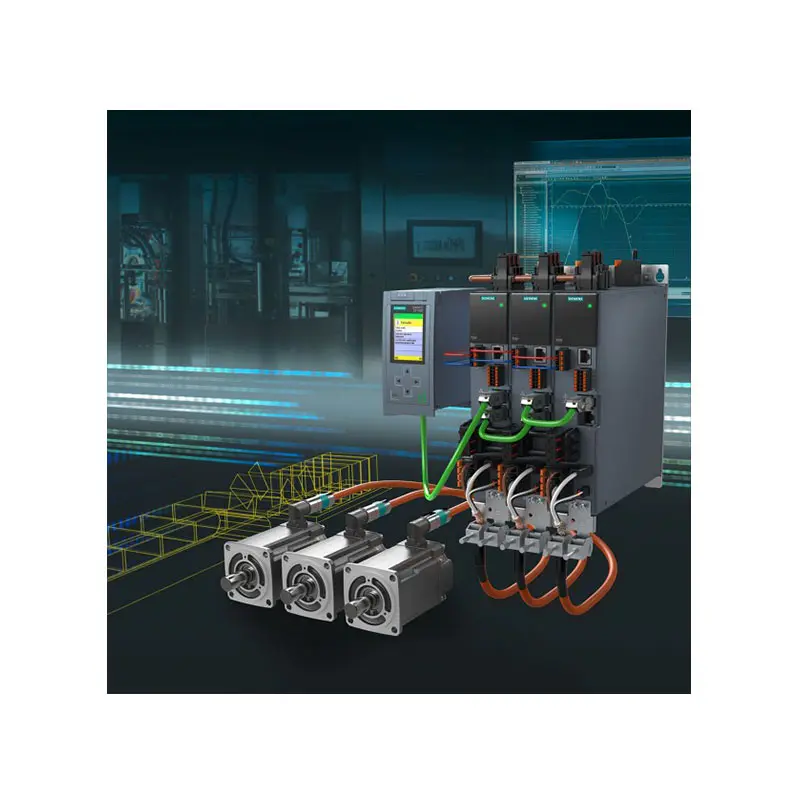 SIEMENS SINAMICS S210 Low Voltage
 -
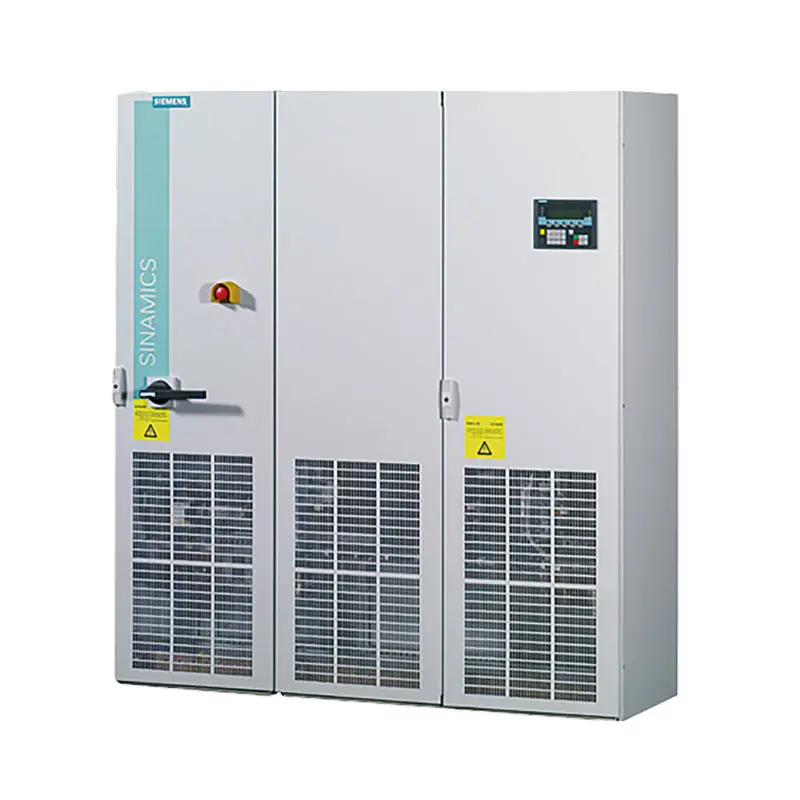 SIEMENS SINAMICS S150 Low Voltage
 -
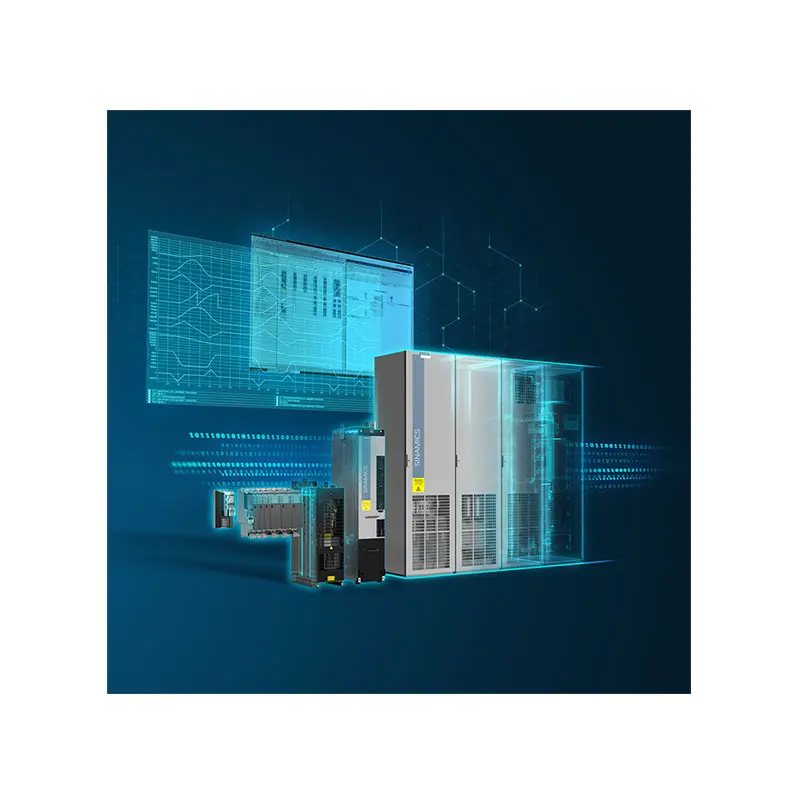 SIEMENS SINAMICS S120 Low Voltage
 -
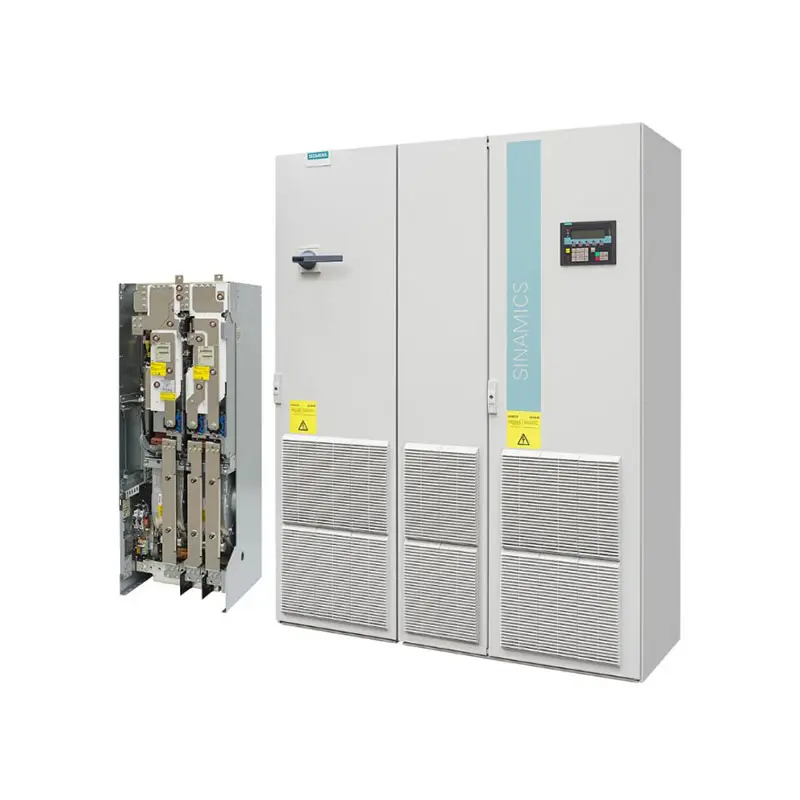 SIEMENS SINAMICS G130/G150
 -
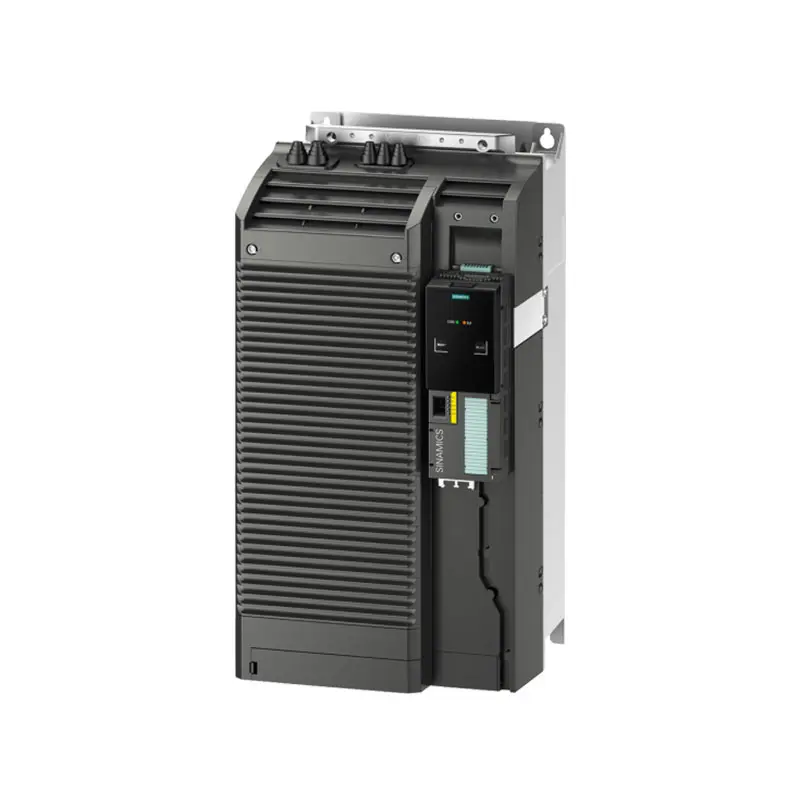 SIEMENS SINAMICS G120 Low Voltage
 -
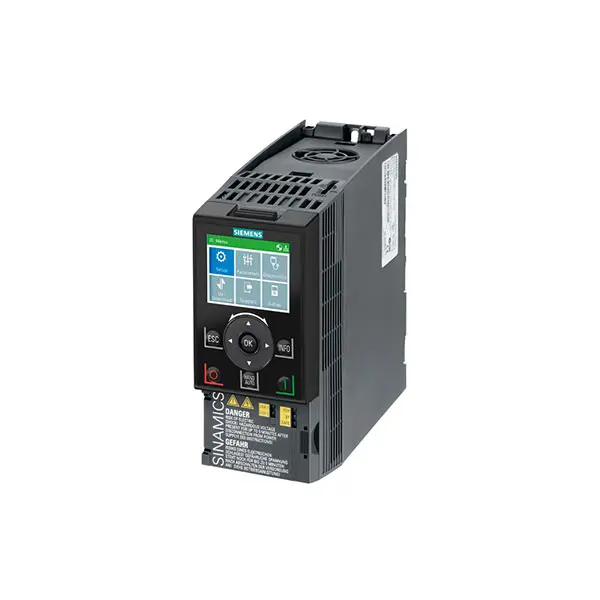 SIEMENS SINAMICS G120C Low Voltage
 -
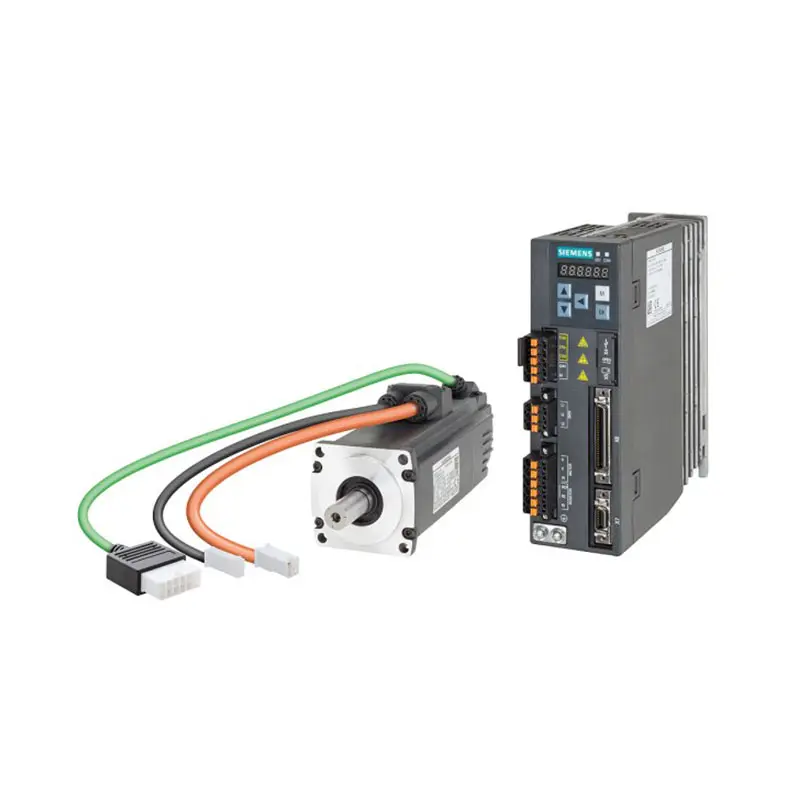 SIEMENS SINAMICS V90
 -
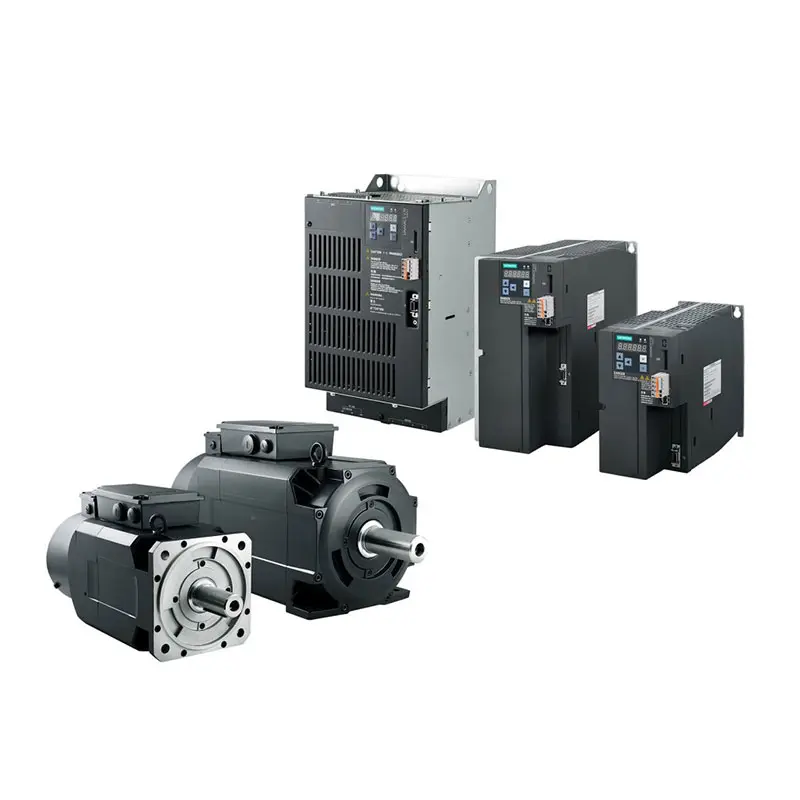 SIEMENS SINAMICS V70 Low Voltage
-
-
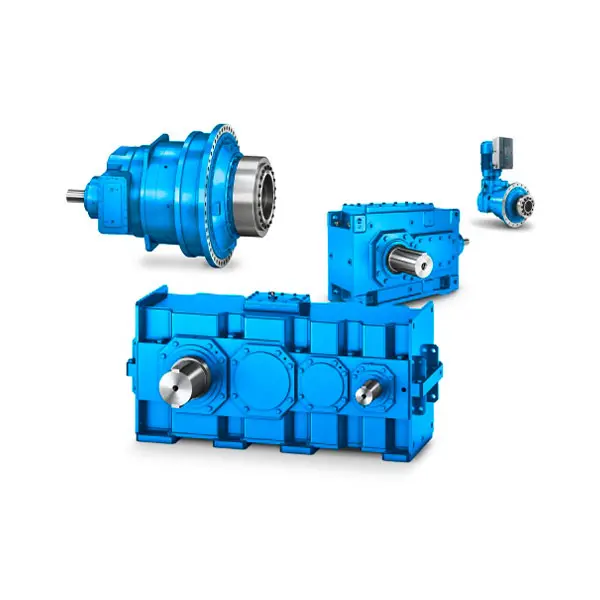 FLENDER Gear Unit
 -
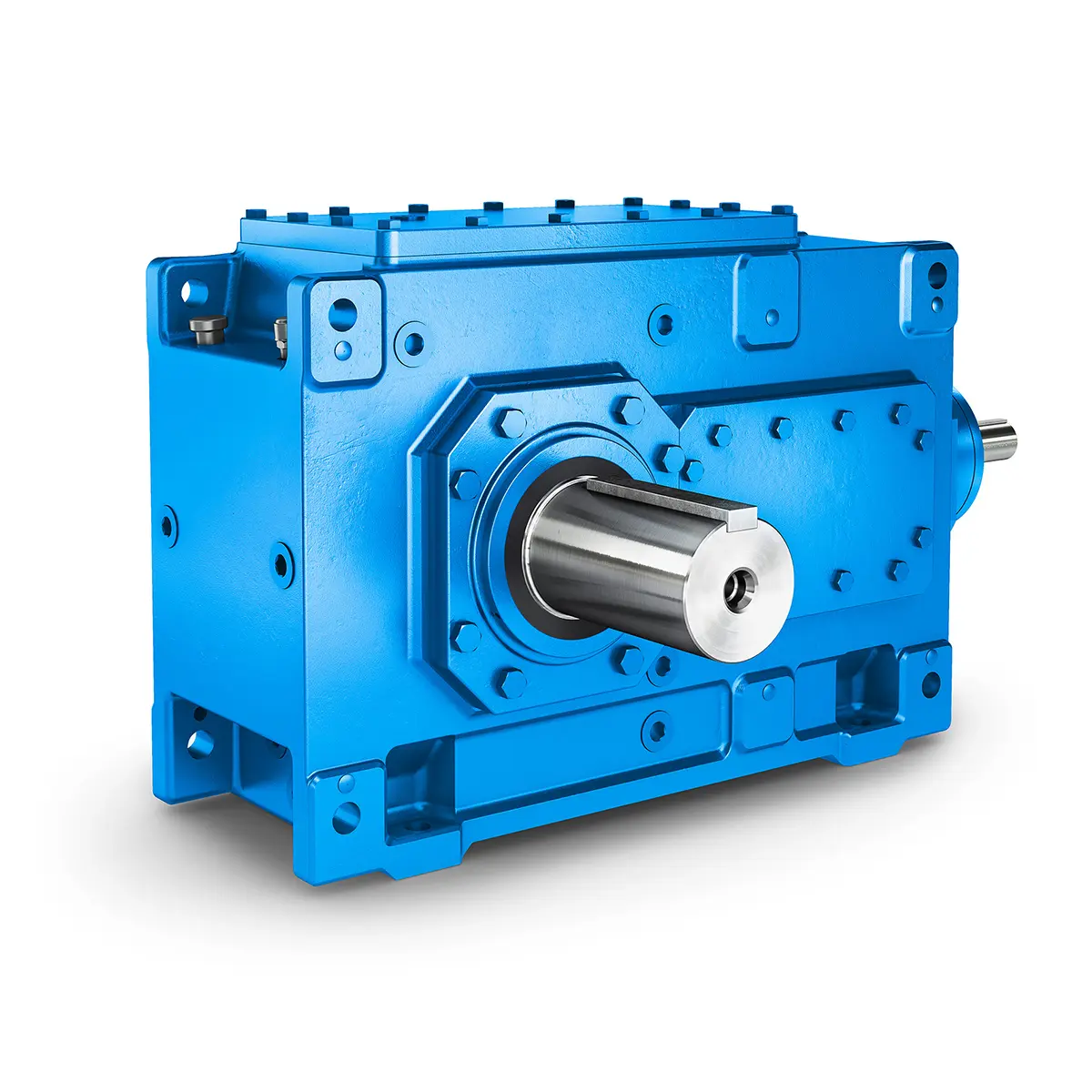 FLENDER Helical Gear Unit
 -
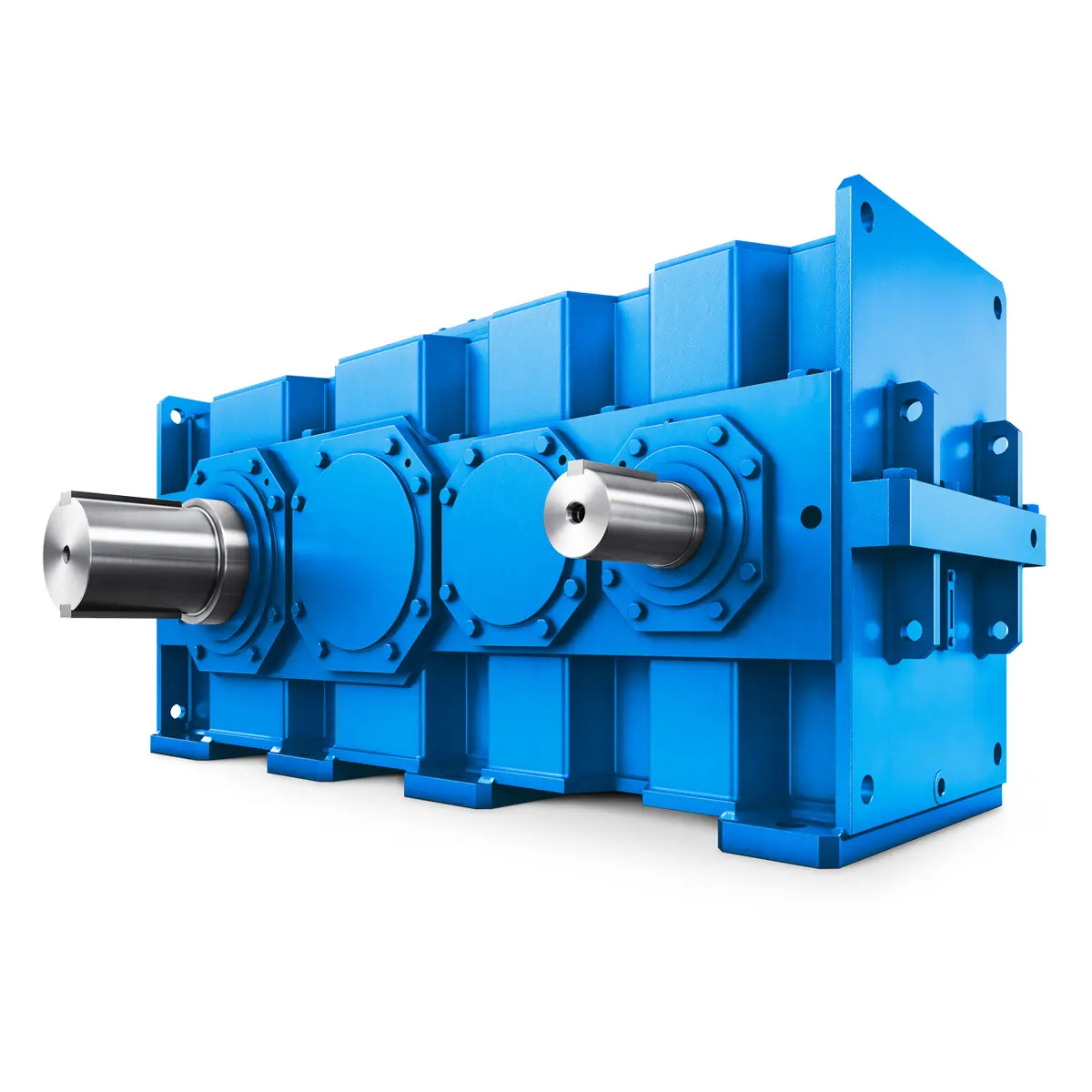 Flender gear units for lifting and luffing gears
 -
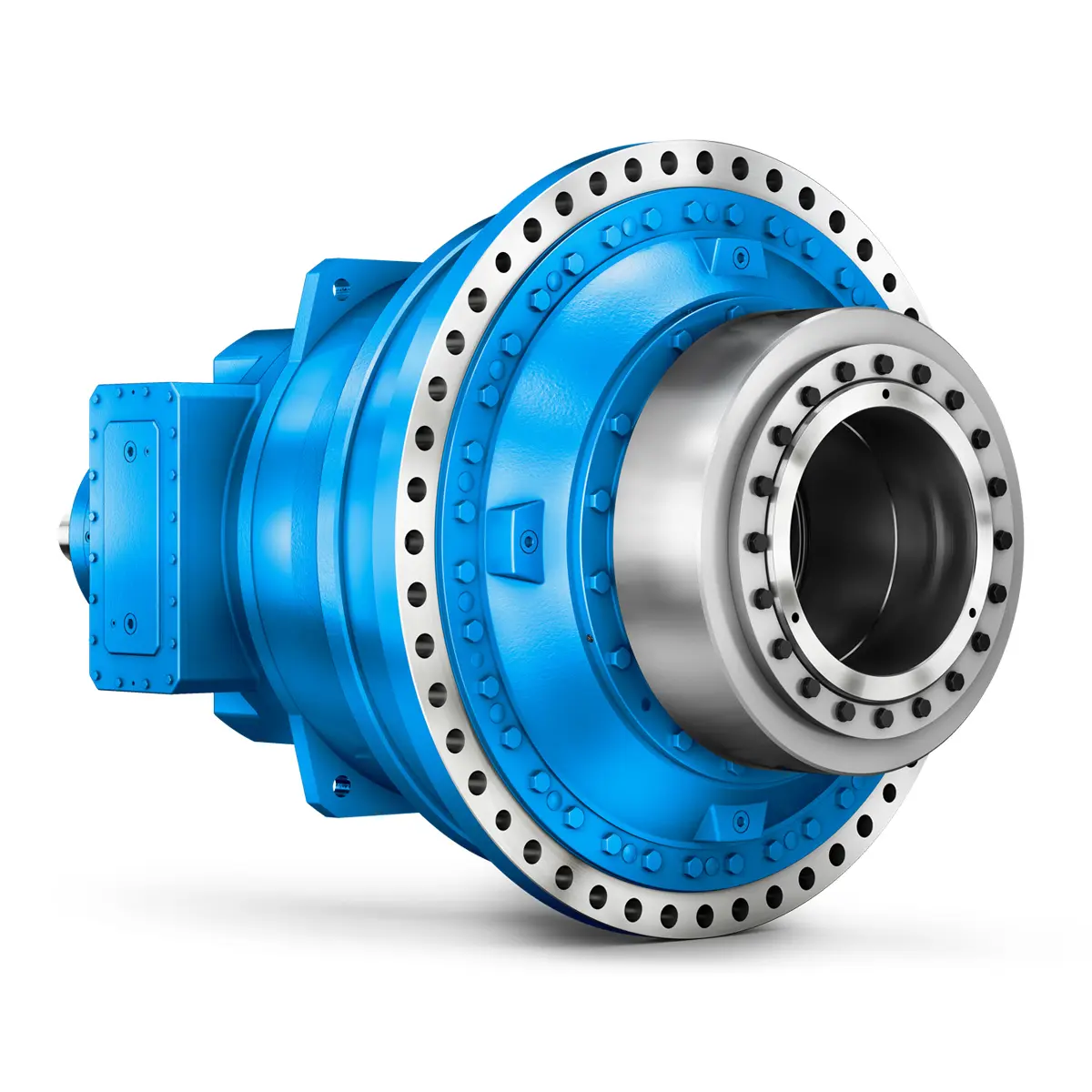 FLENDER Gear Unit gearunit gearbox
 -
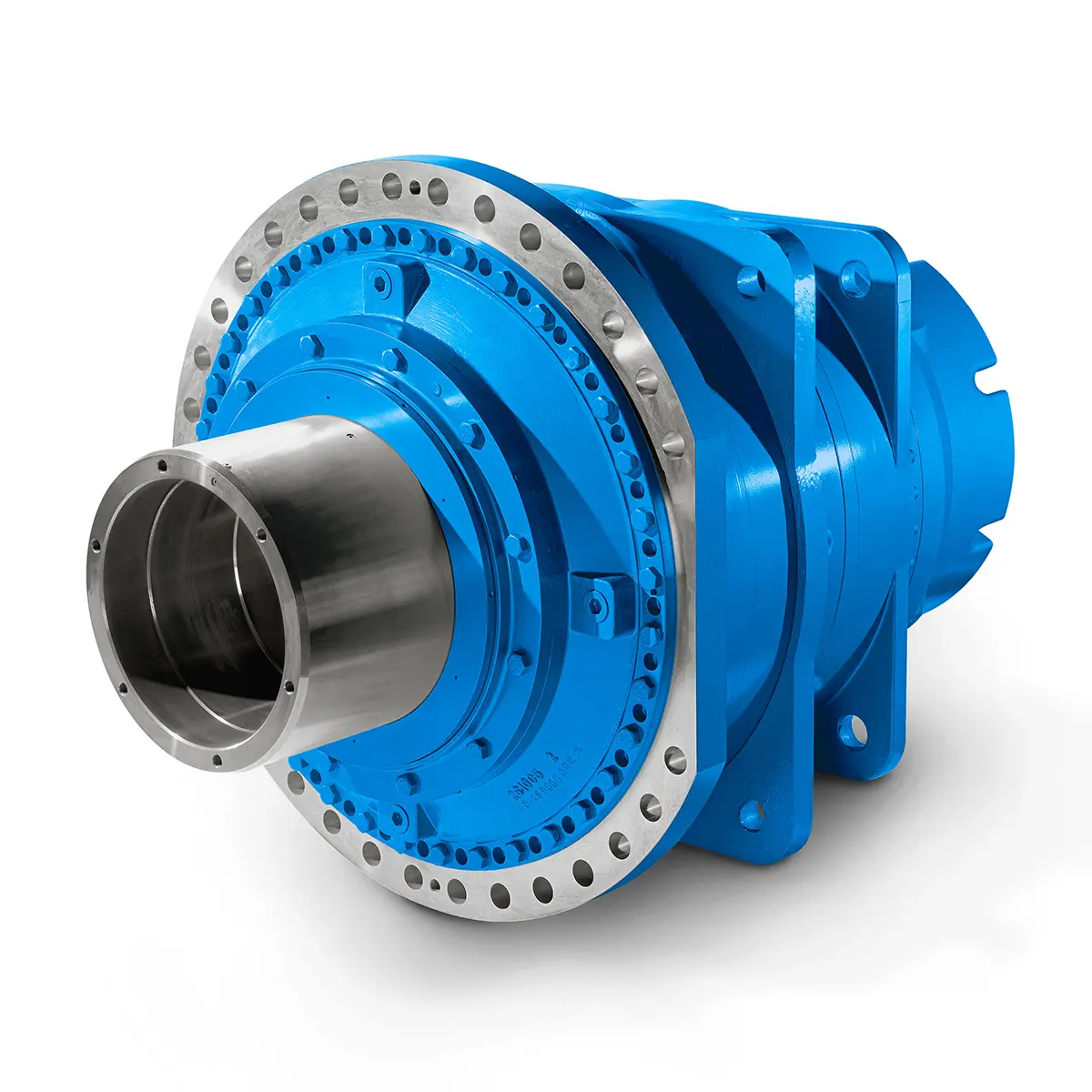 Optimal Drive Solution For Maximum Performance
 -
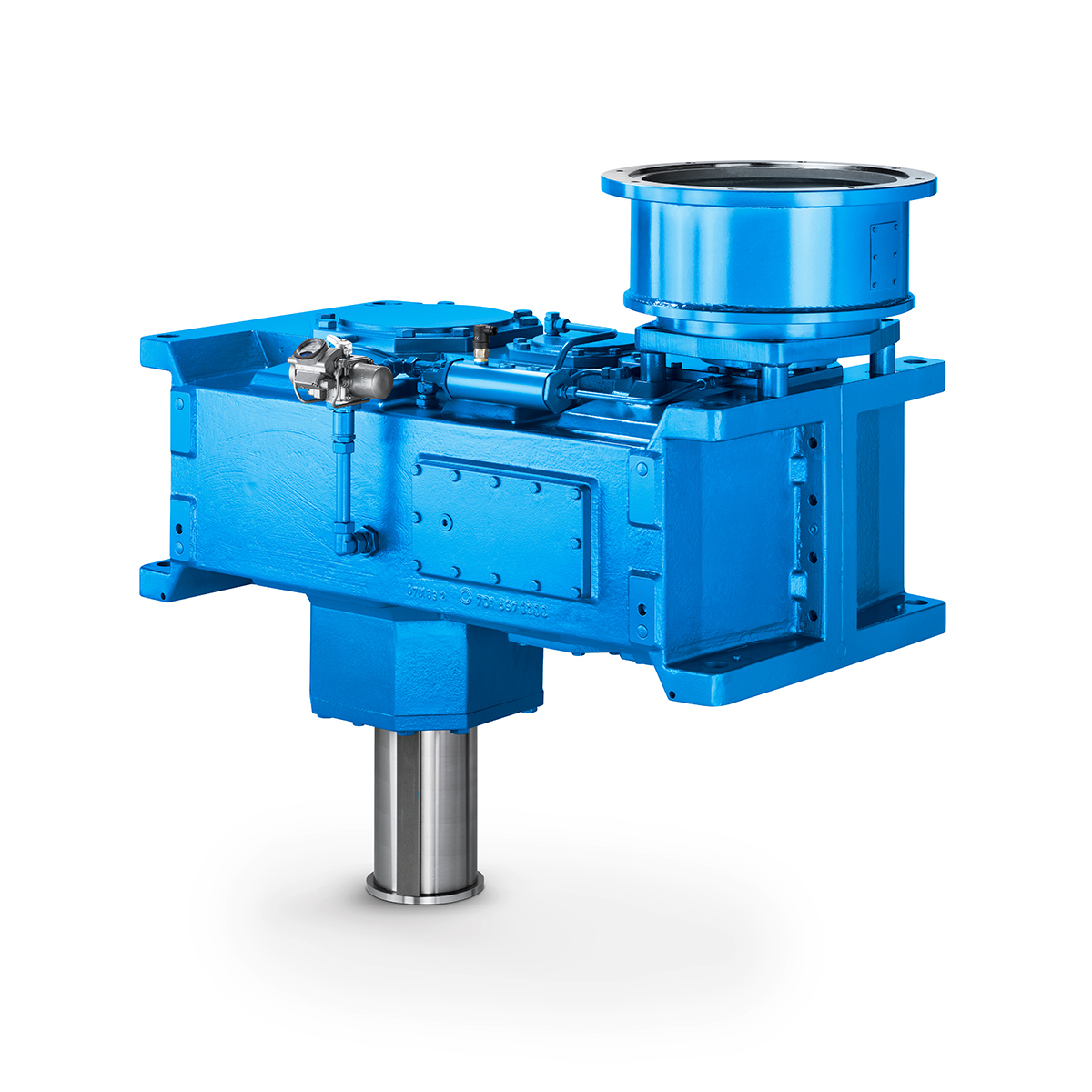 Strongly operating against biodegradable constituents
 -
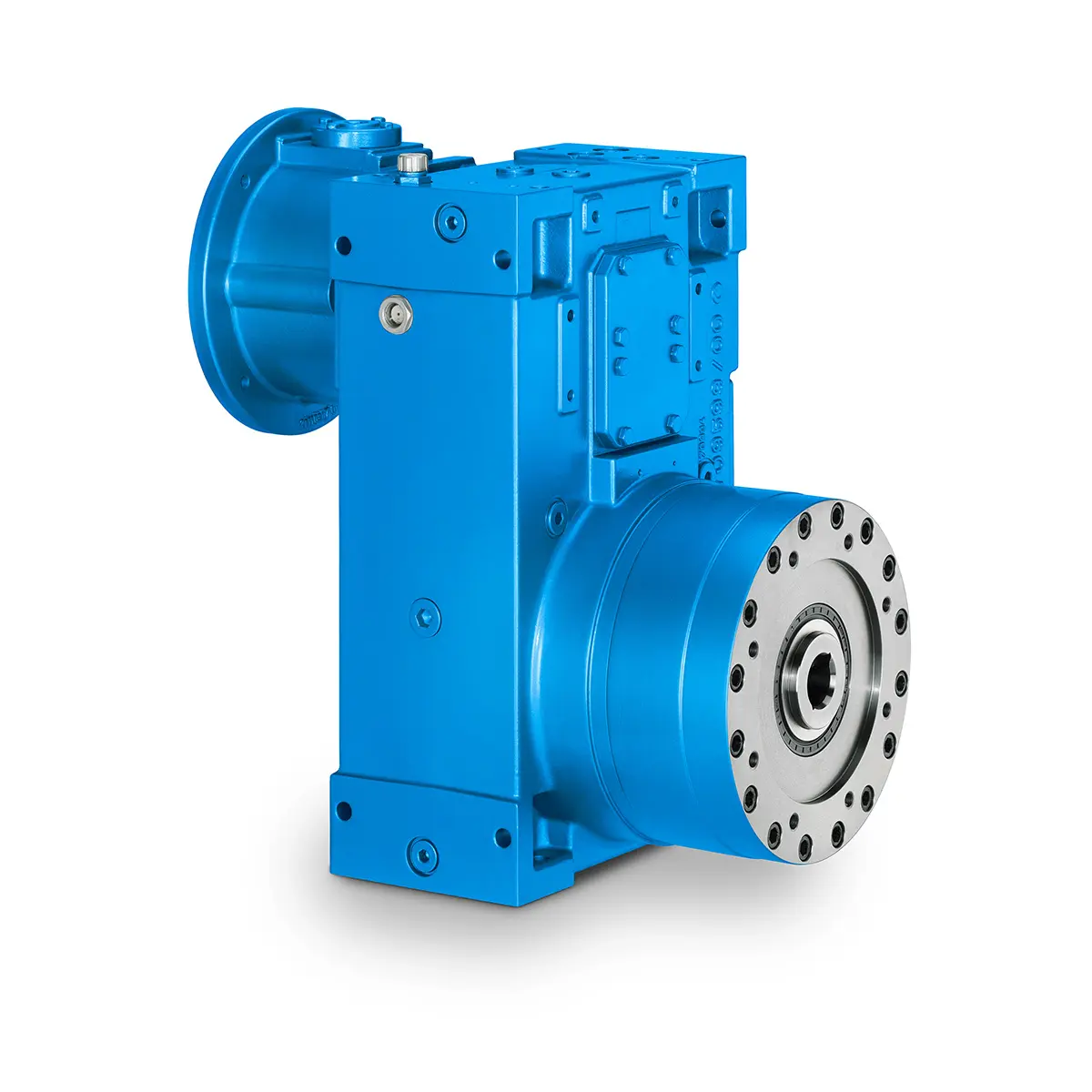 SINGLE SCREW Special industry dedicated gearunit gearbox
 -
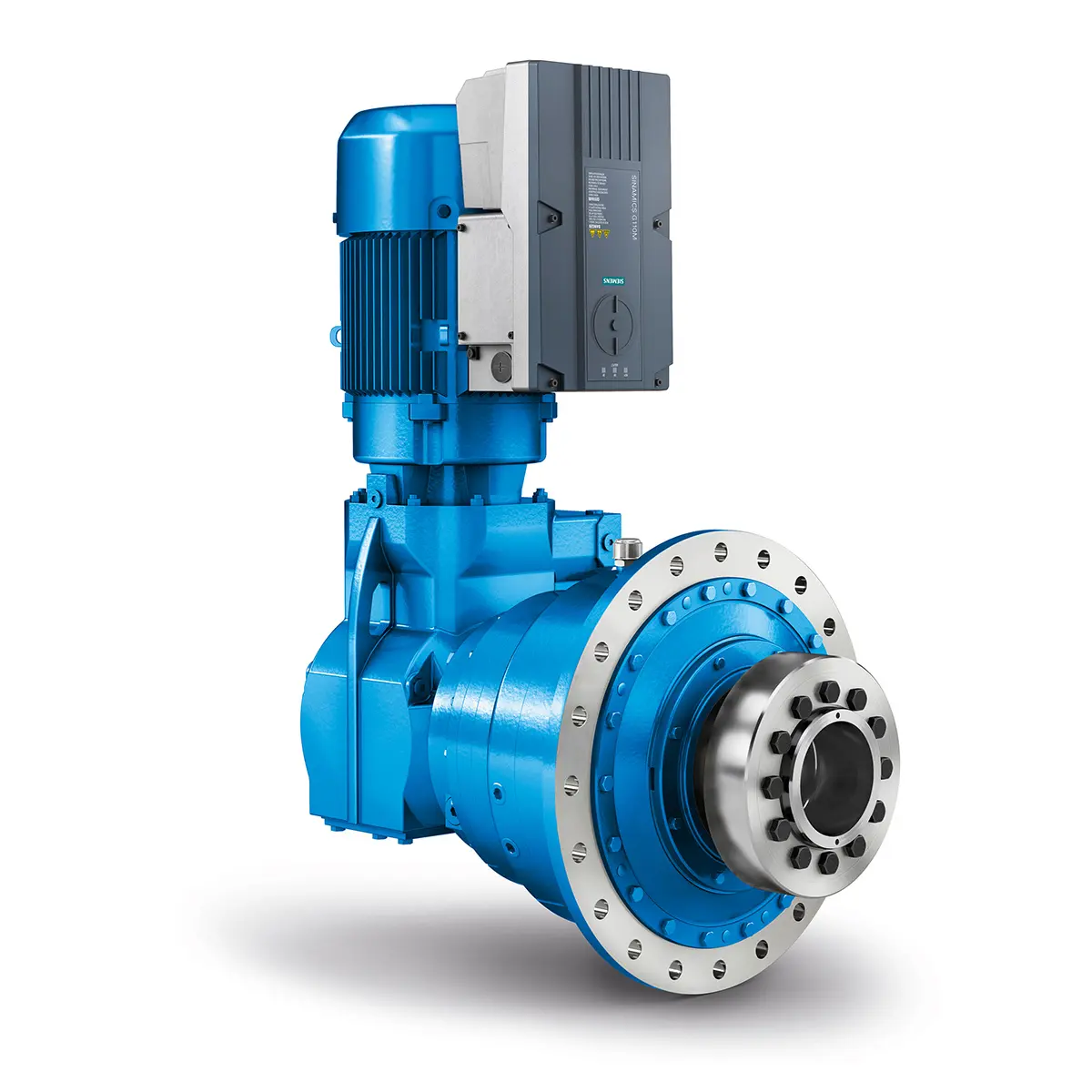 Playmaker In The Premium League
 -
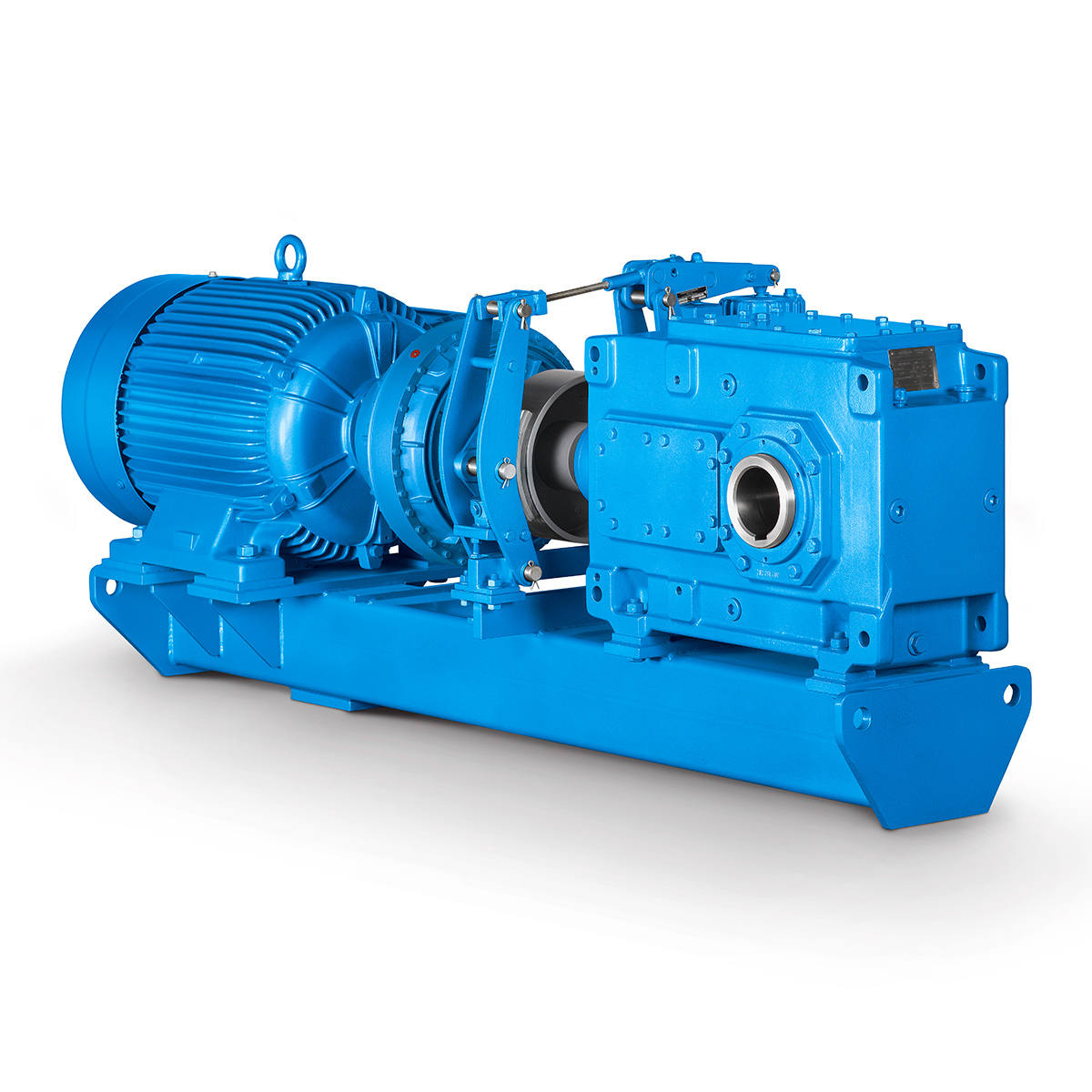 Conveyor belts gearunit gearbox
 -
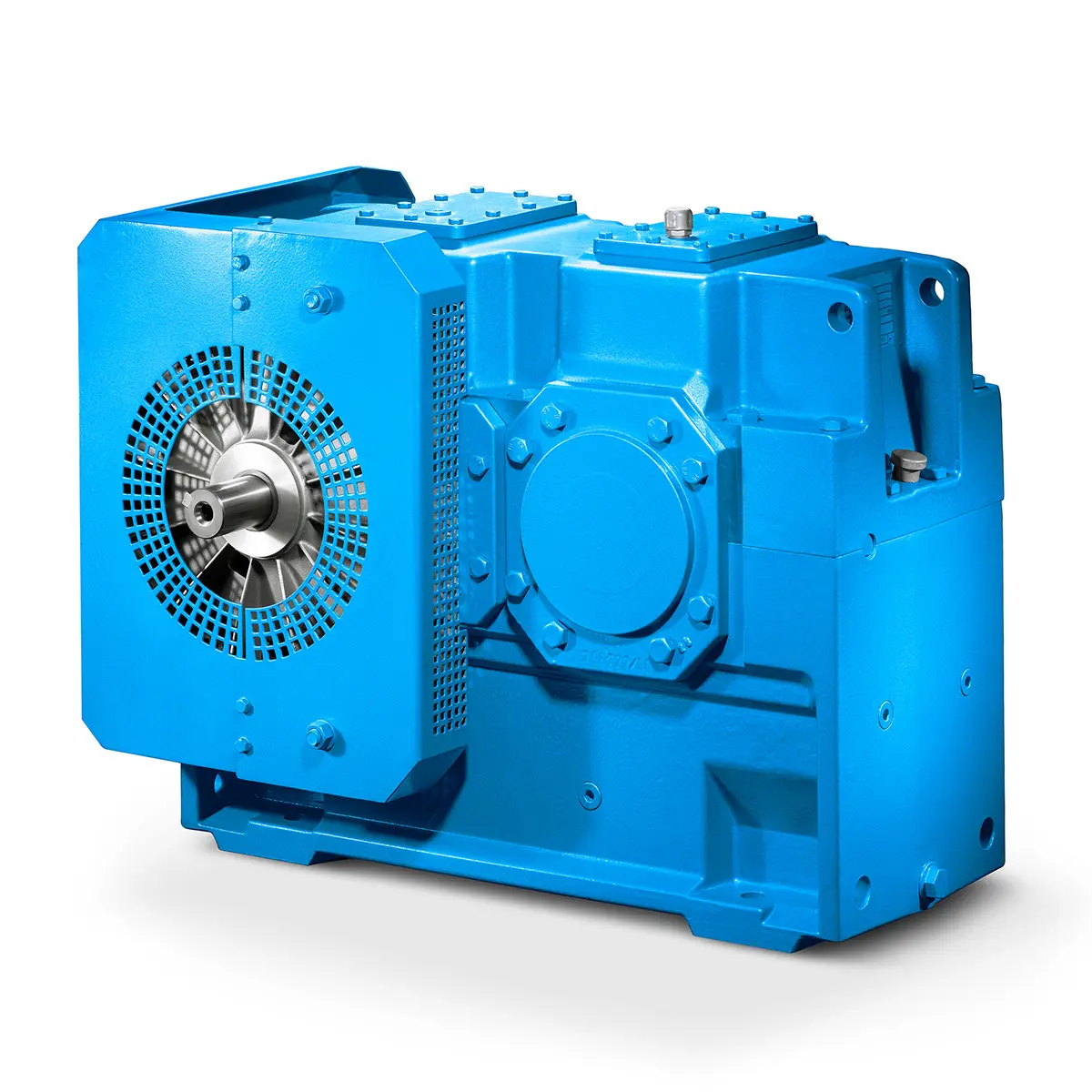 Paper And Pulp Preparation Sections
 -
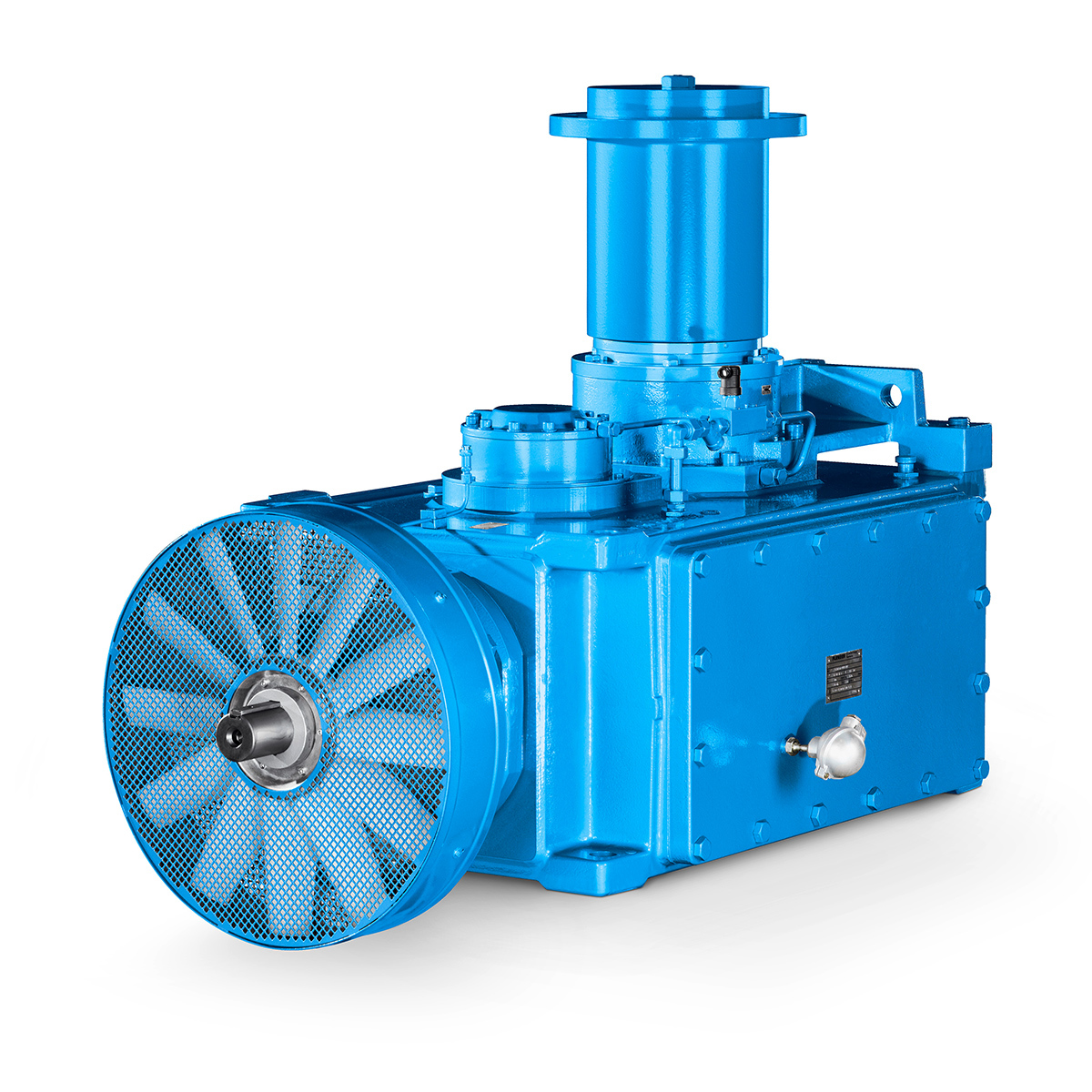 Operational Reliability Even In Case Of The Highest Ventilation Forces
 -
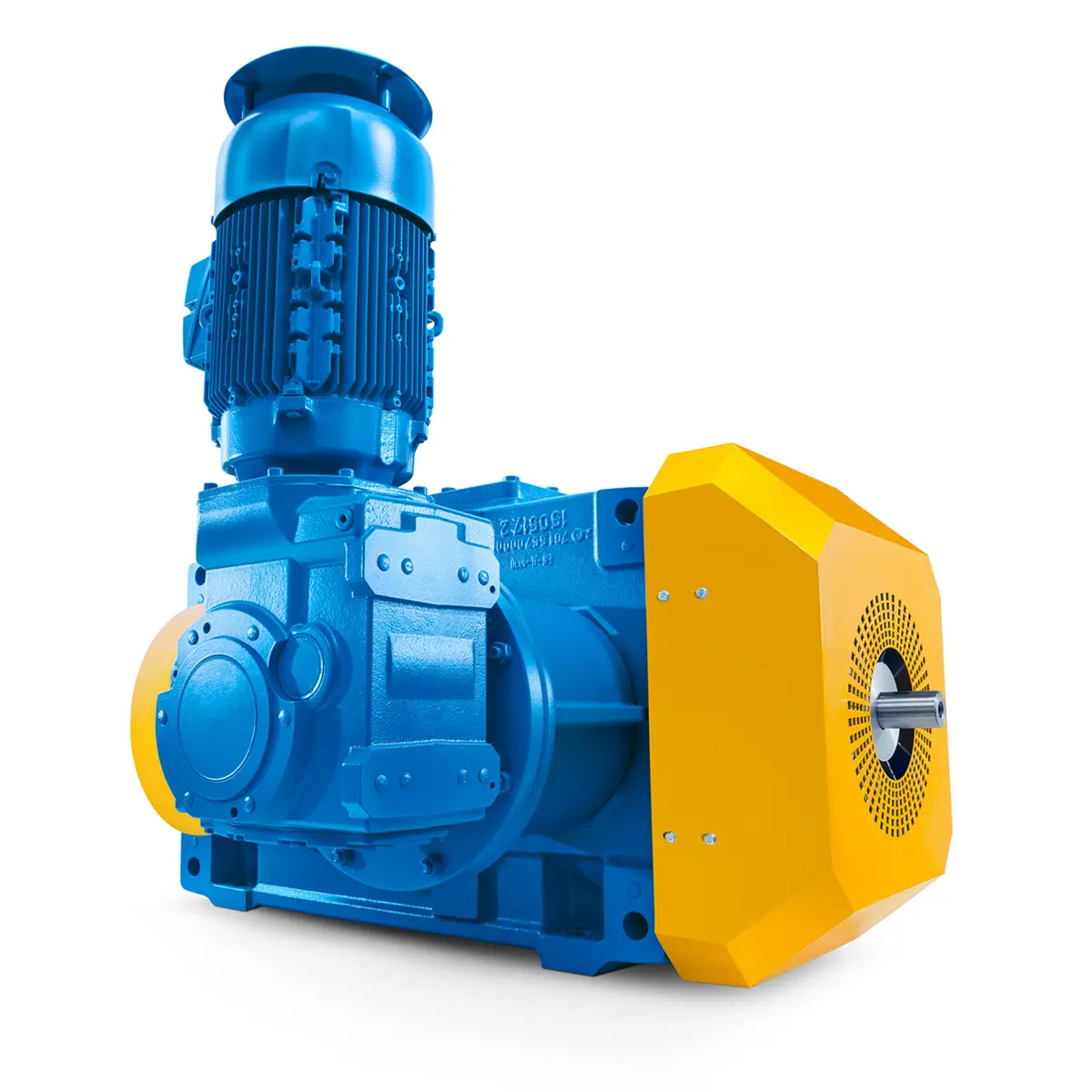 Reliable Gear Units For High Performance Vertical Conveyors 59/200
 -
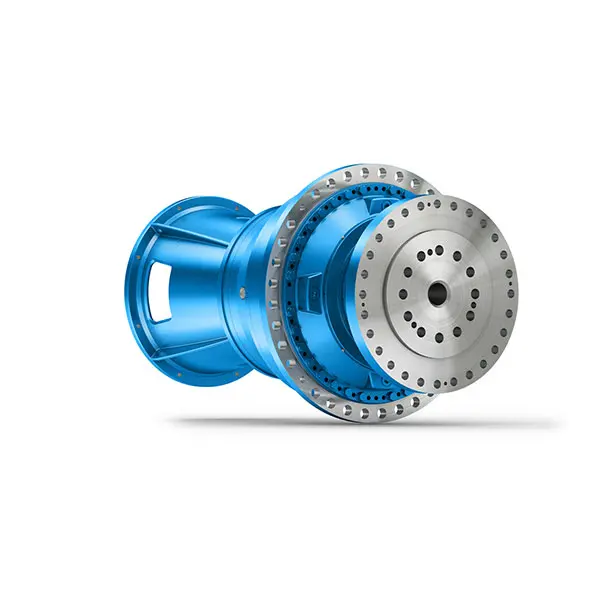 Maximum power density – PLANUREX 3 L individual drives for your sugar cane mill
 -
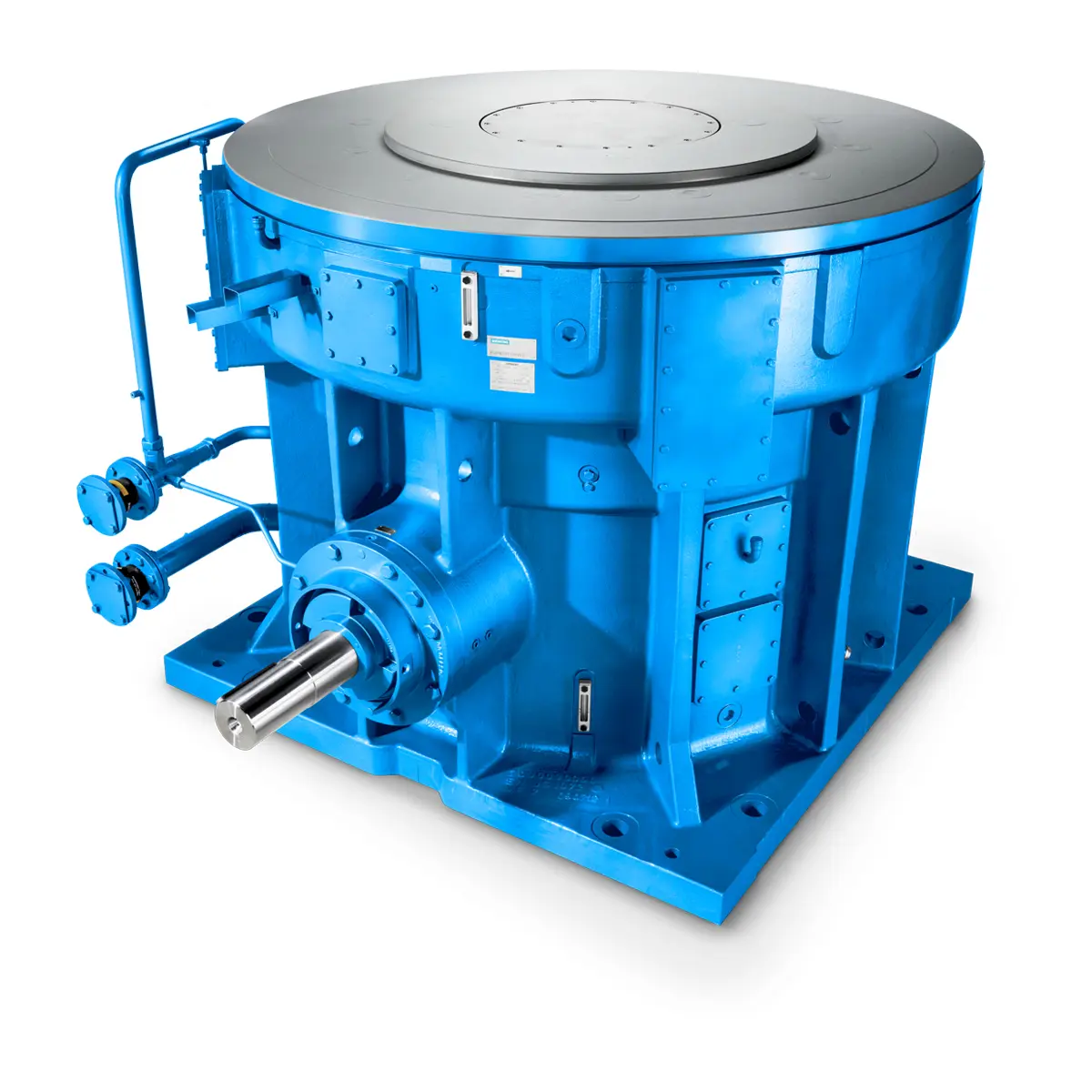 The proven all rounder gearunit gearbox
 -
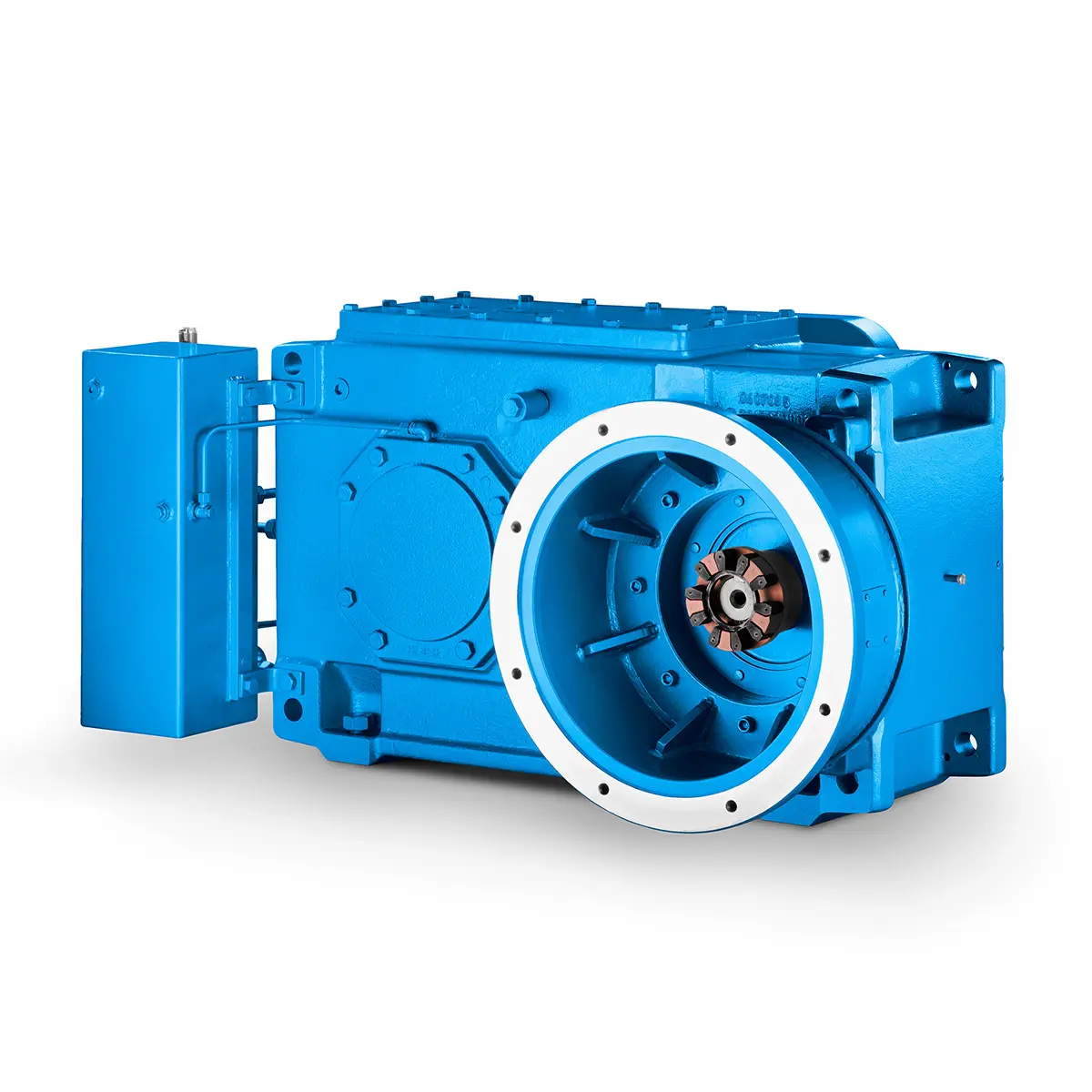 Stirs and stirs and stirs gearunit gearbox
 -
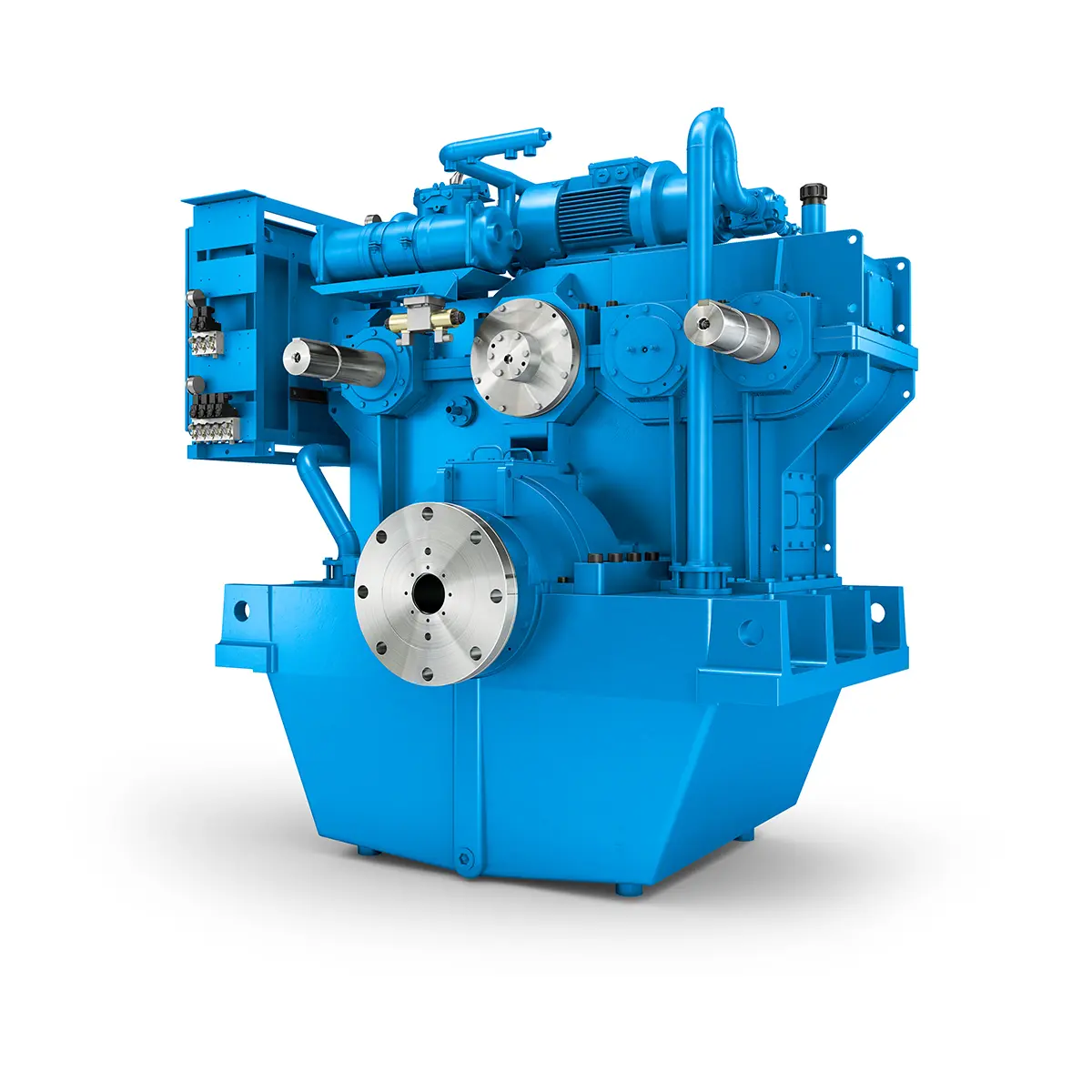 Flexibility on Board gearunit gearbox
 -
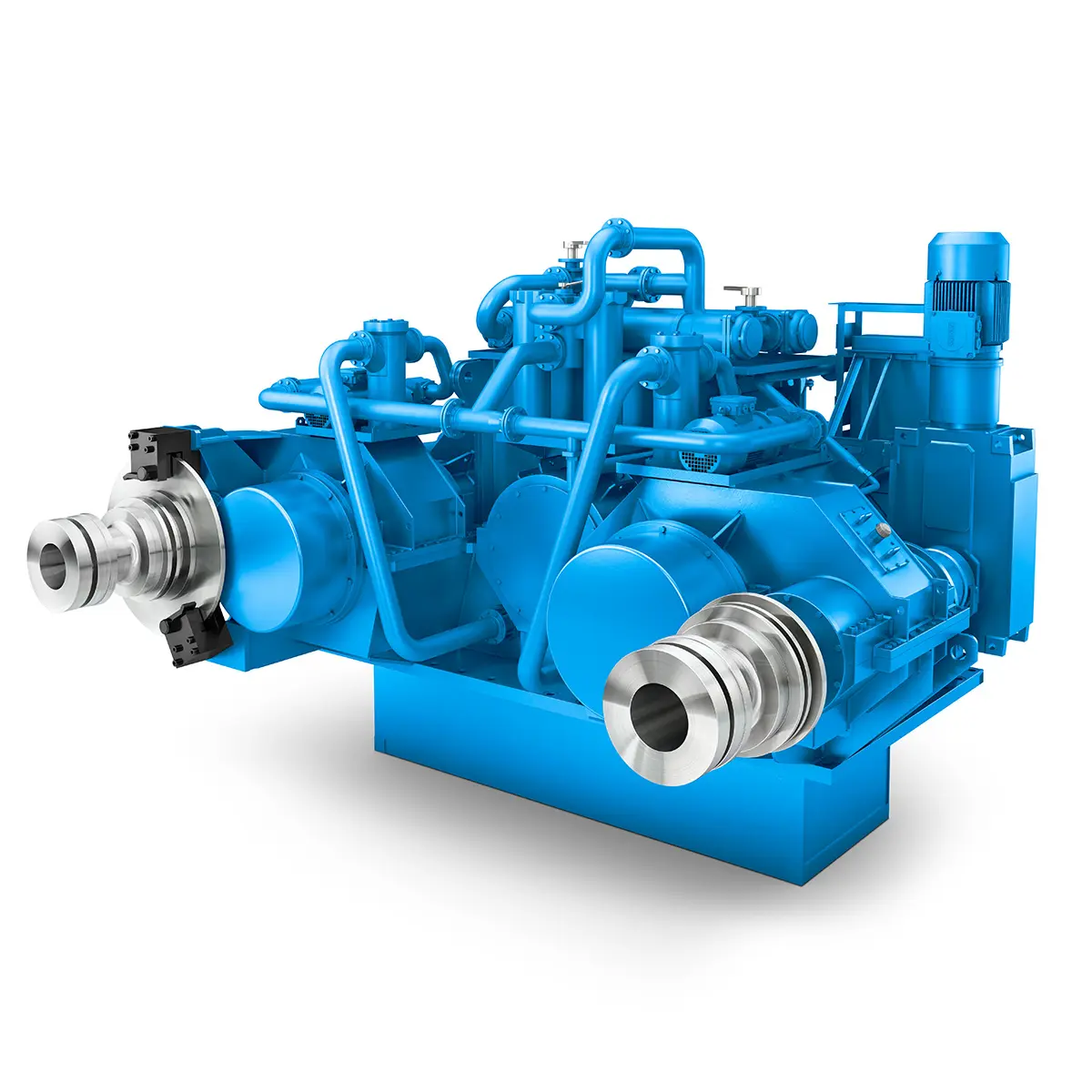 The right gearbox for all Multi-Engine Ships
 -
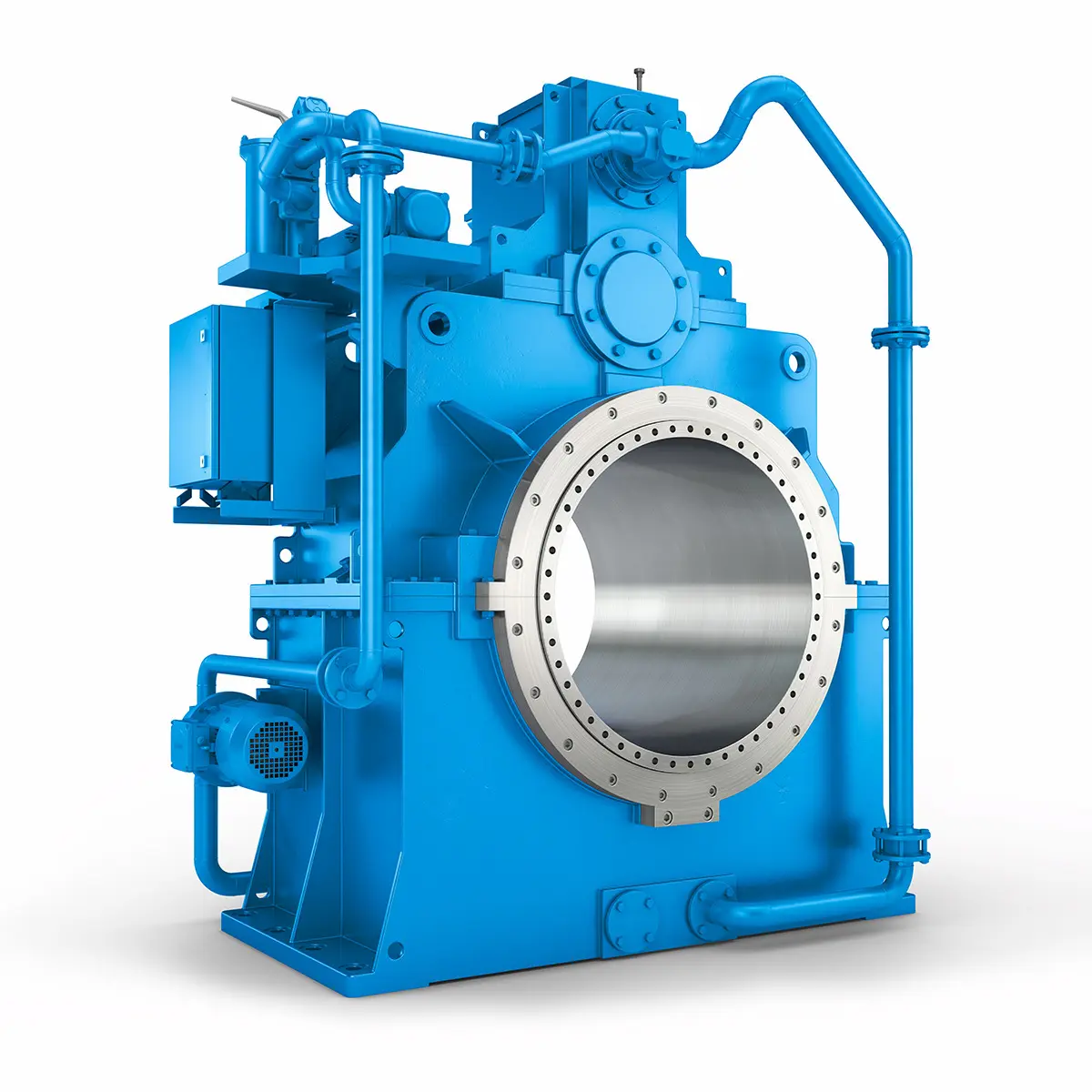 Reliable Power Generation on board
 -
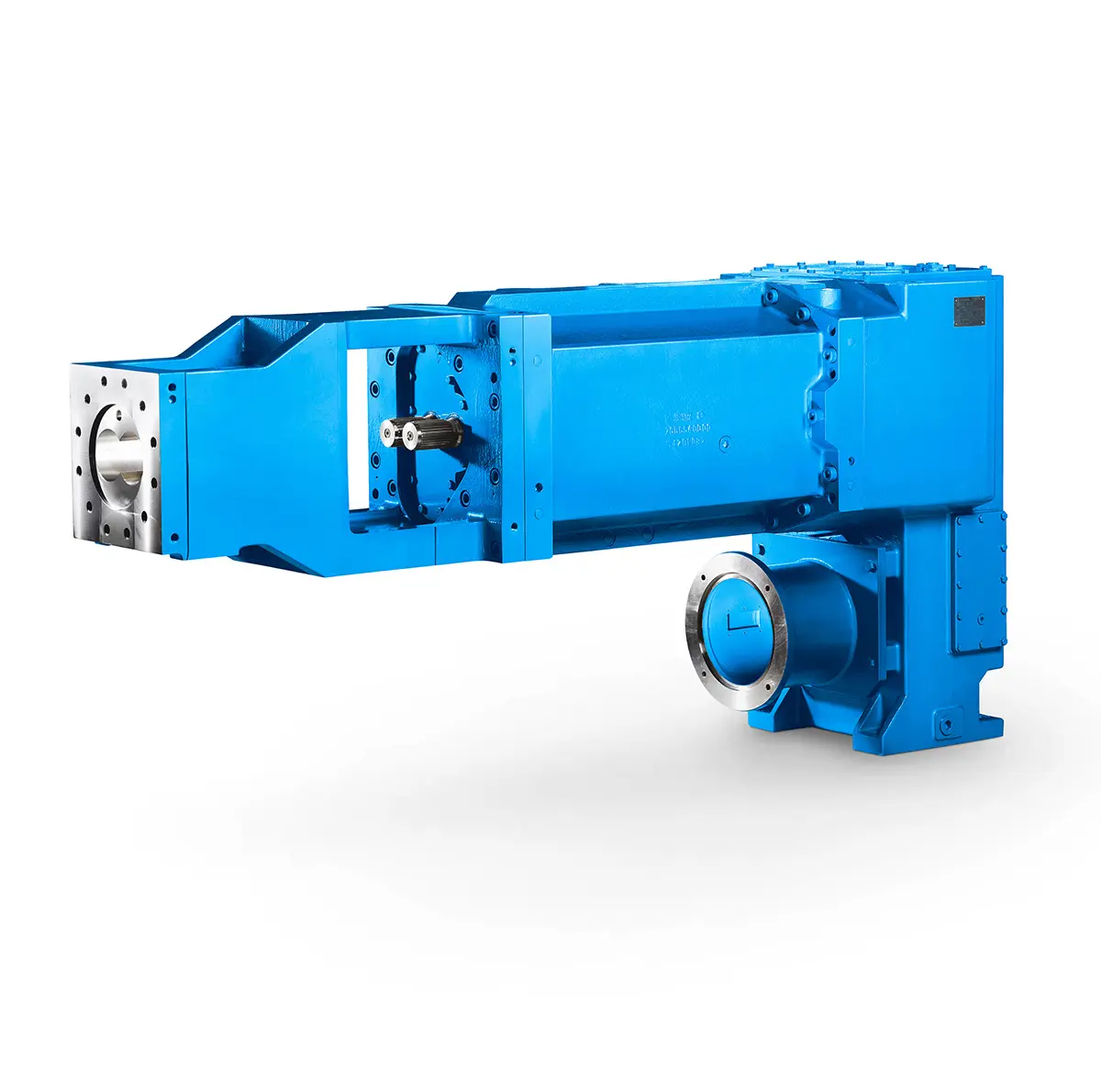 Maximum performance level, fast deliverable
 -
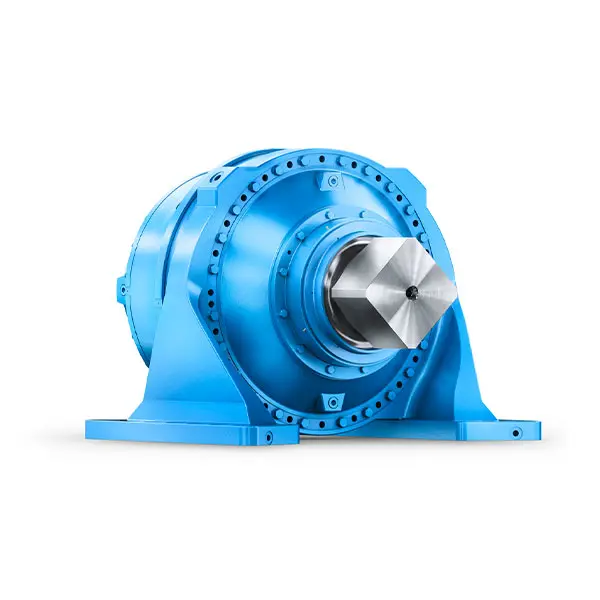 Efficient and compact – FLENDER Gear Units for Sugar Mills
 -
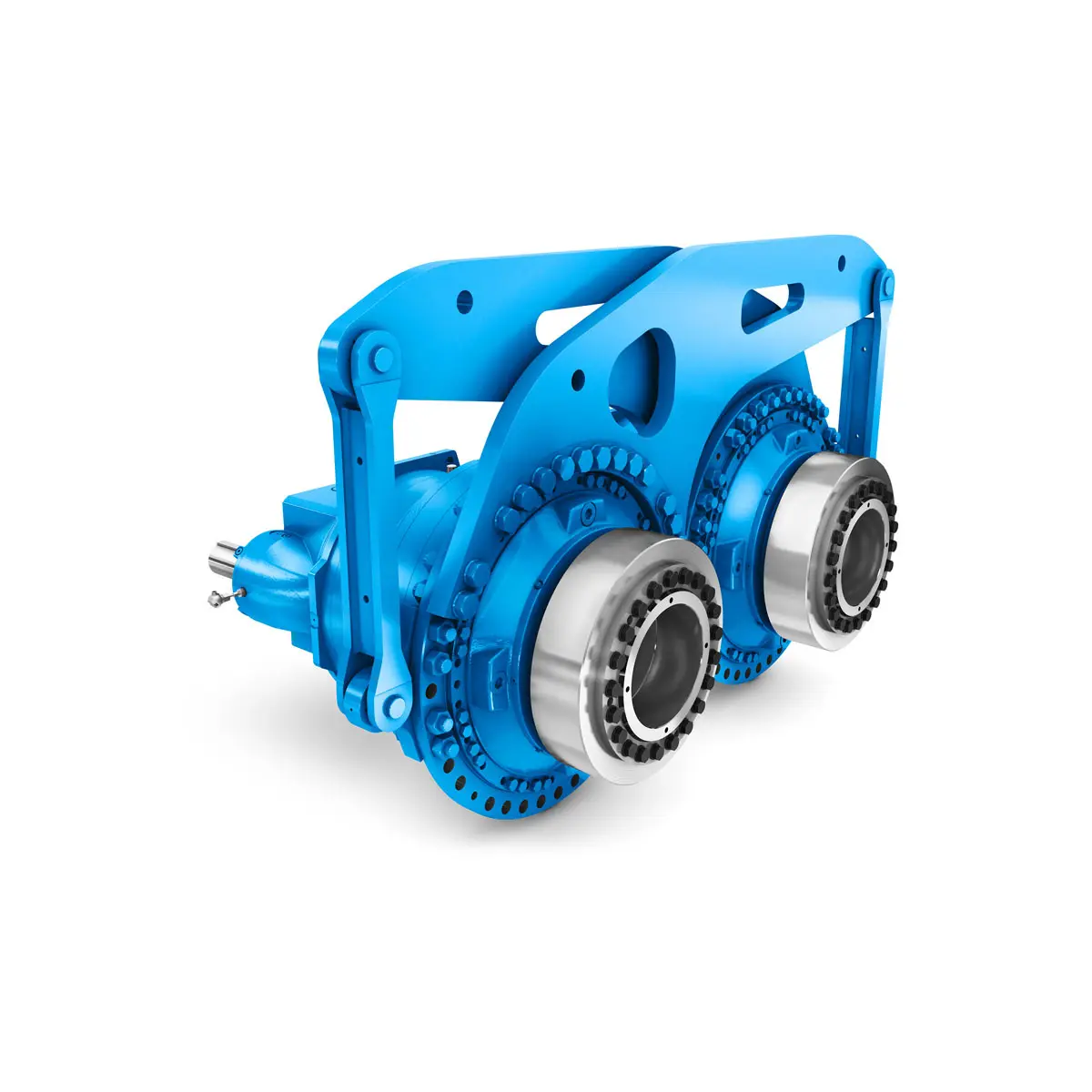 Extremely strong. Extremely compact. Extremely stressable.
-
-
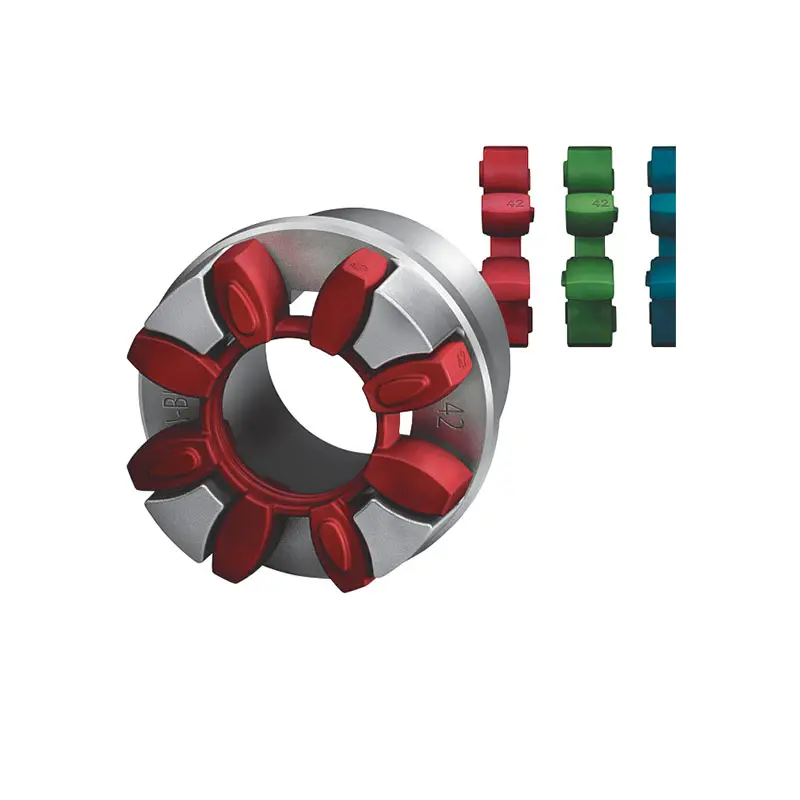 FLENDER Coupling
 -
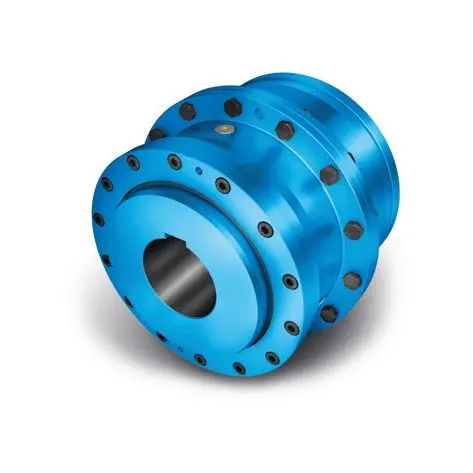 ZAPEX ZW Torsionally Rigid Gear Coupling
 -
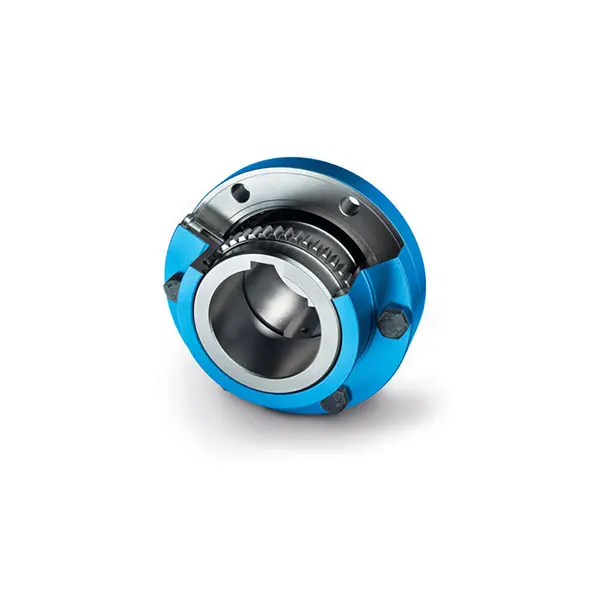 ZAPEX ZN Torsionally Rigid Gear Coupling
 -
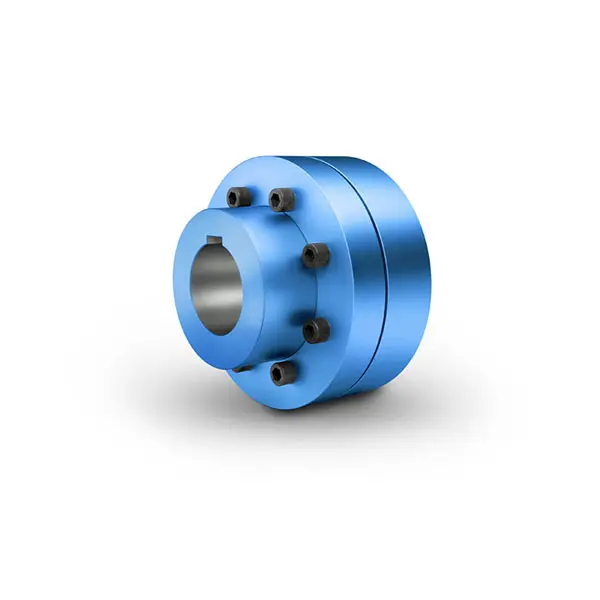 N-EUPEX Flexible high performance Coupling
 -
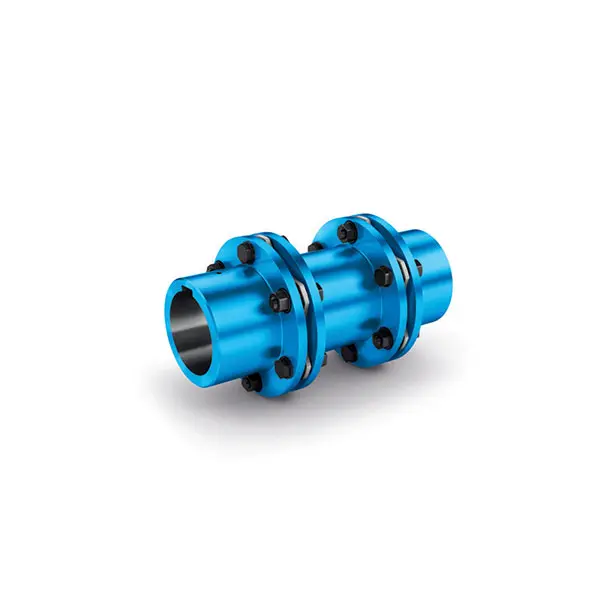 N-ARPEX Torsionally Rigid All-Steel Coupling
 -
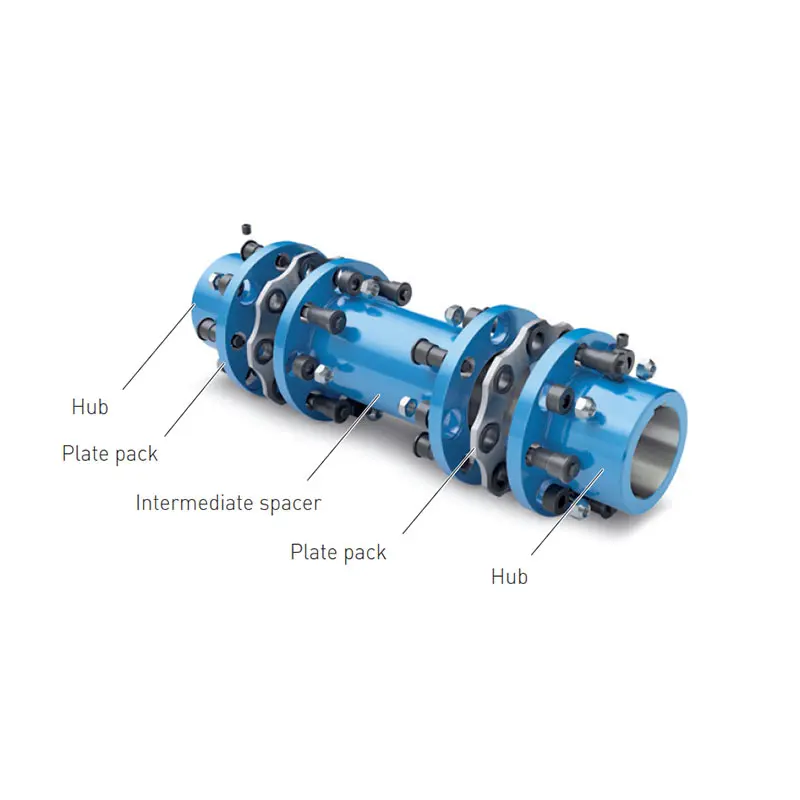 ARPEX Torsionally Rigid All-Steel Coupling Spare and Parts
 - N-EUPEX DS Flexible High Performance Coupling
-
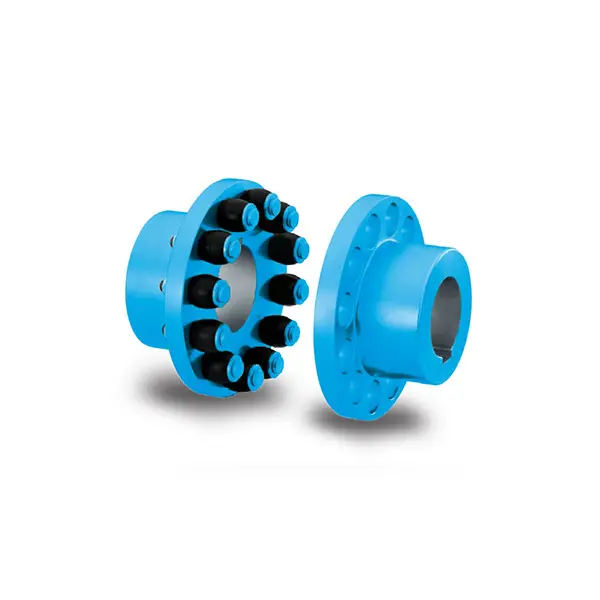 RUPEX Flexible high performance Coupling
 -
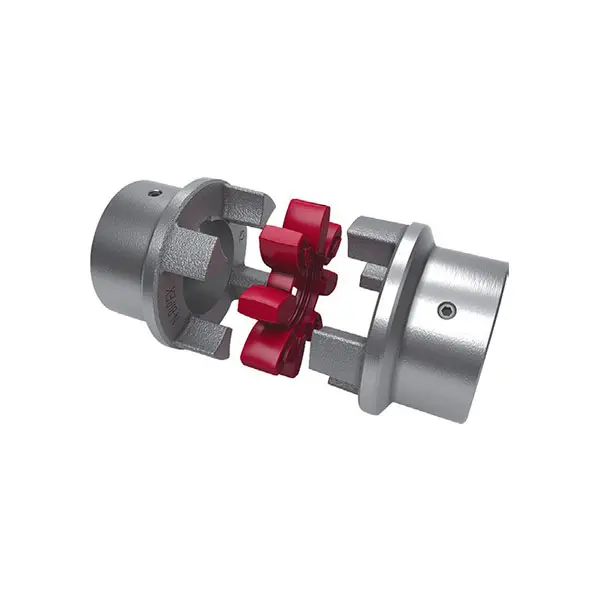 N BIPEX Flexible high performance coupling
 -
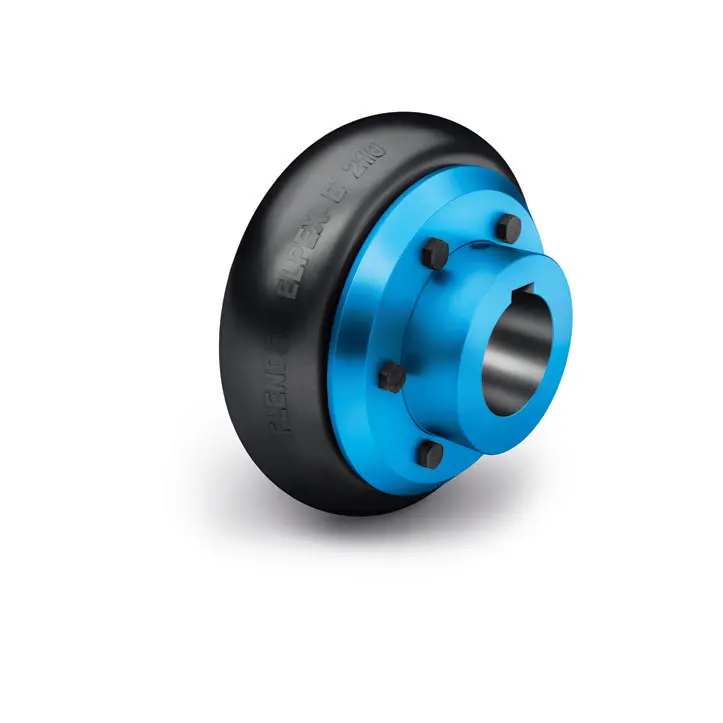 ELPEX B Highly Flexible Coupling
 -
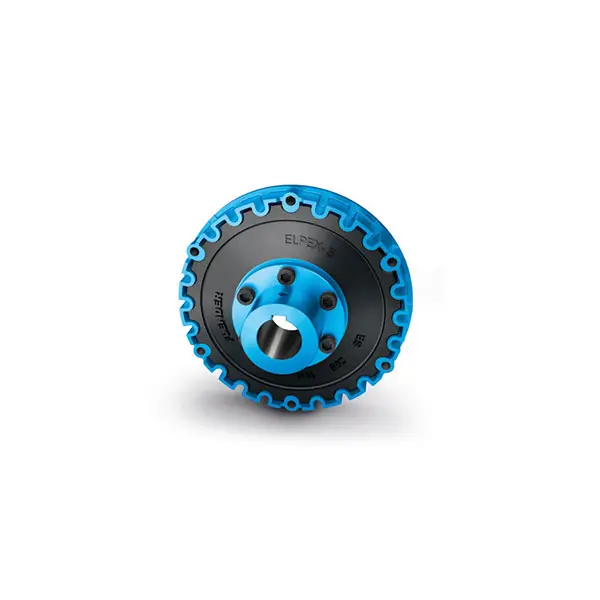 ELPEX S Highly Flexible Coupling high performance
 -
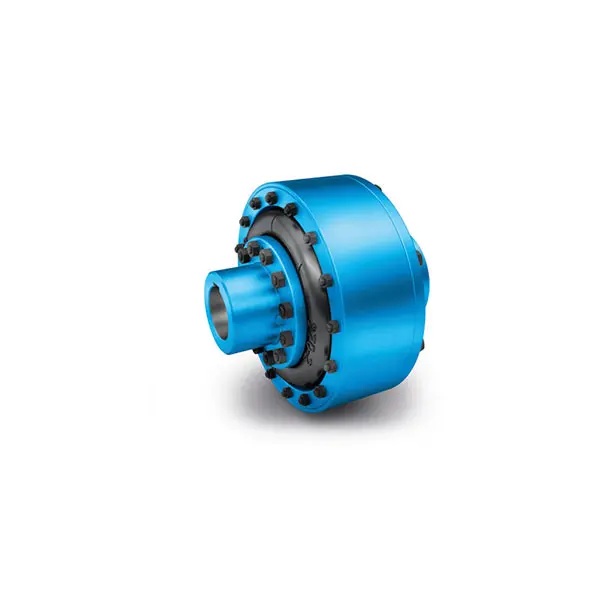 ELPEX Highly Flexible Coupling high performance
 -
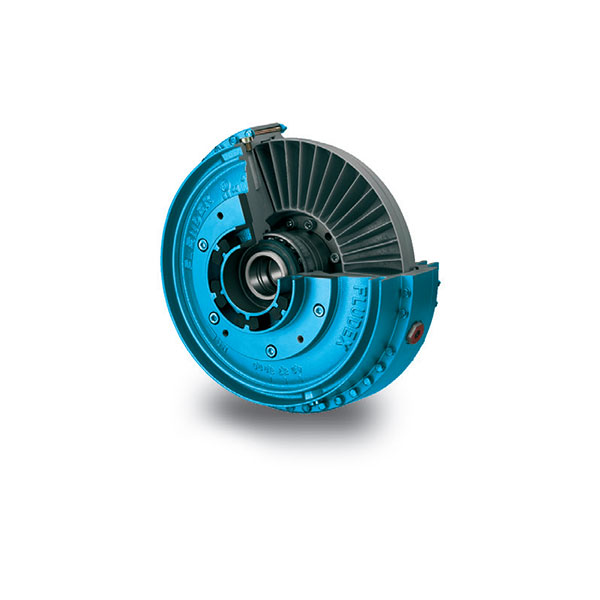 FLUDEX Fluid Coupling high performance
 -
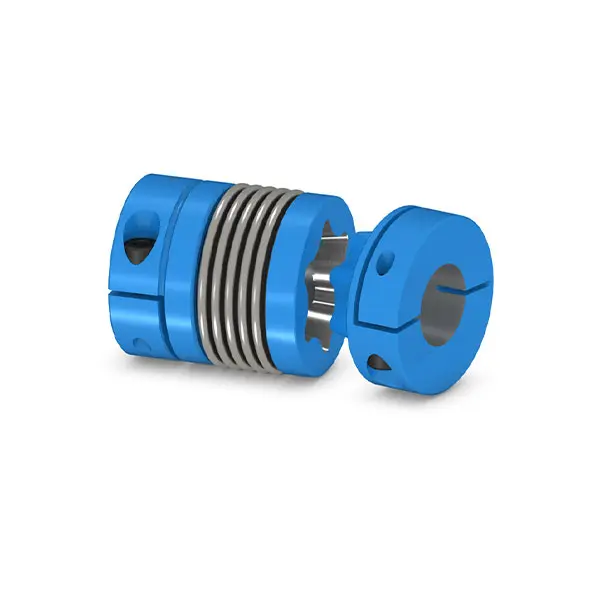 SIPEX Backlash free Coupling high performance
 -
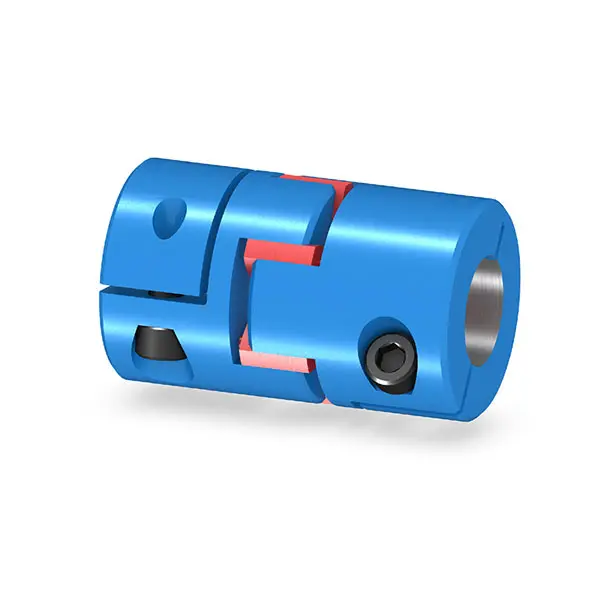 BIPEX S Backlash free Coupling high performance
 -
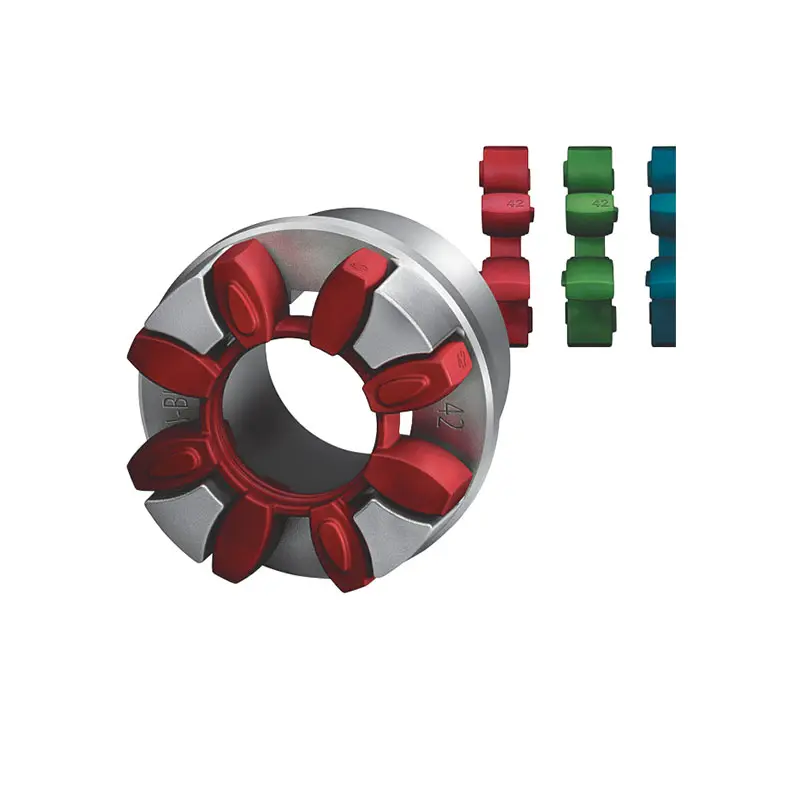 FLENDER Coupling Spare Parts high performance
-
-
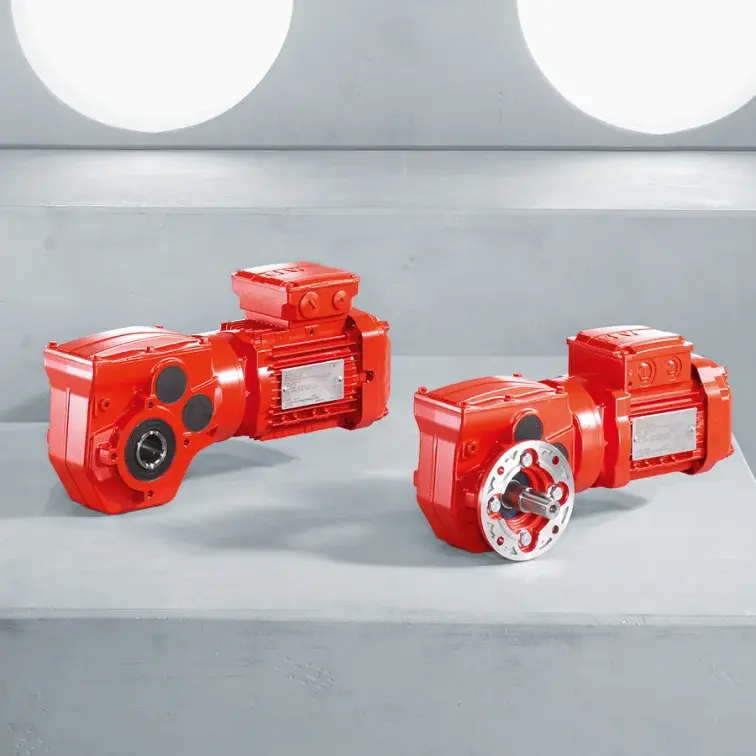 SEW Gearmotor
- SIEMENS Gearmotor
- Our Company
- News
- Case
- Contact Us
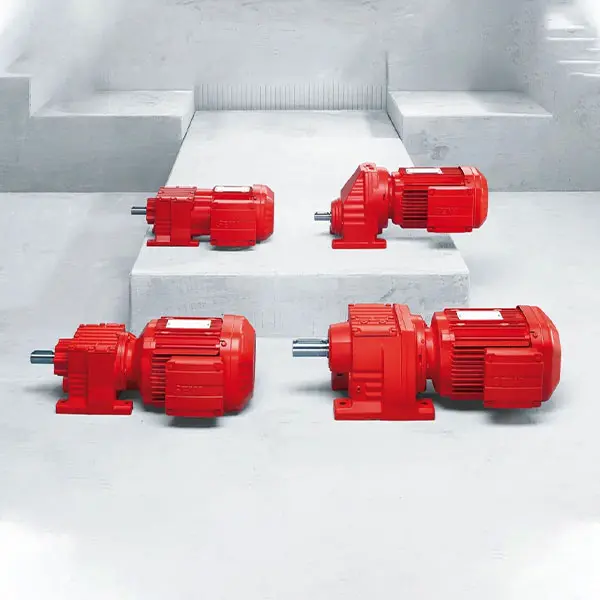 R Series Helical Gearmotor low voltage
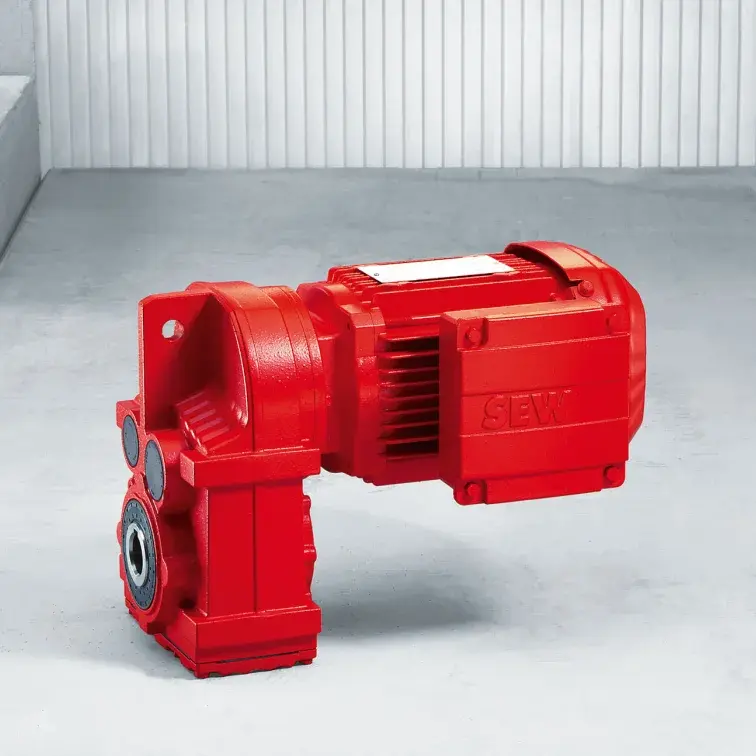 F Series Parallel Shaft Gearmotor low voltage
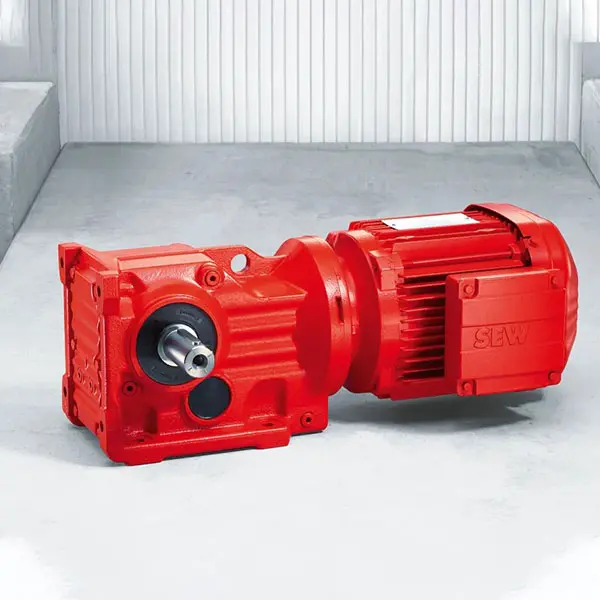 K Series Helical Bevel Gearmotor low voltage
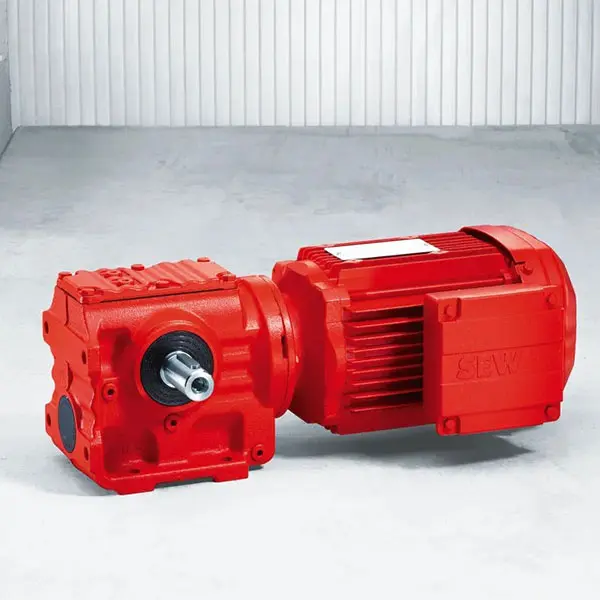 S Series Helical Worm Gearmotor low voltage
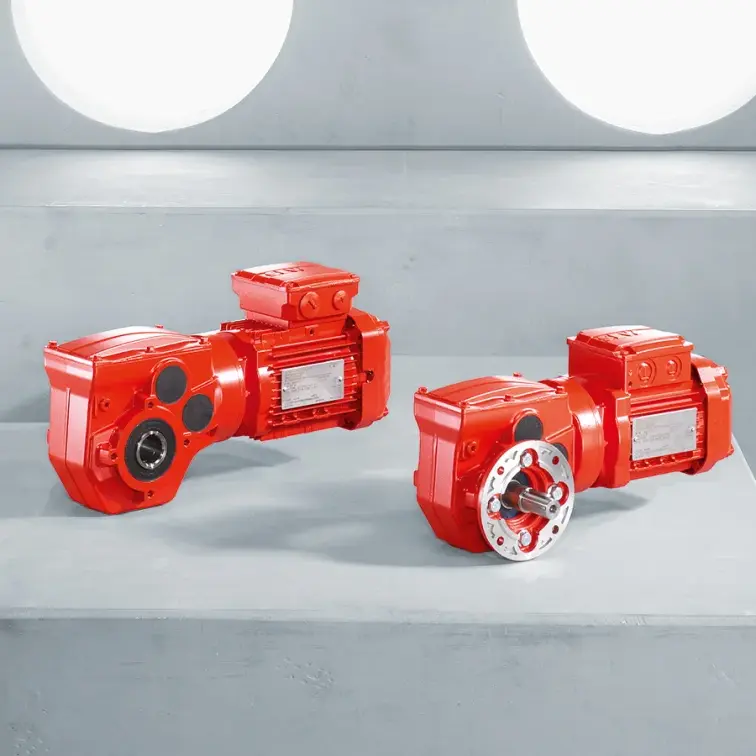 W Series SPIROPLAN® Right Angle Gearmotor
 Leave Your Message