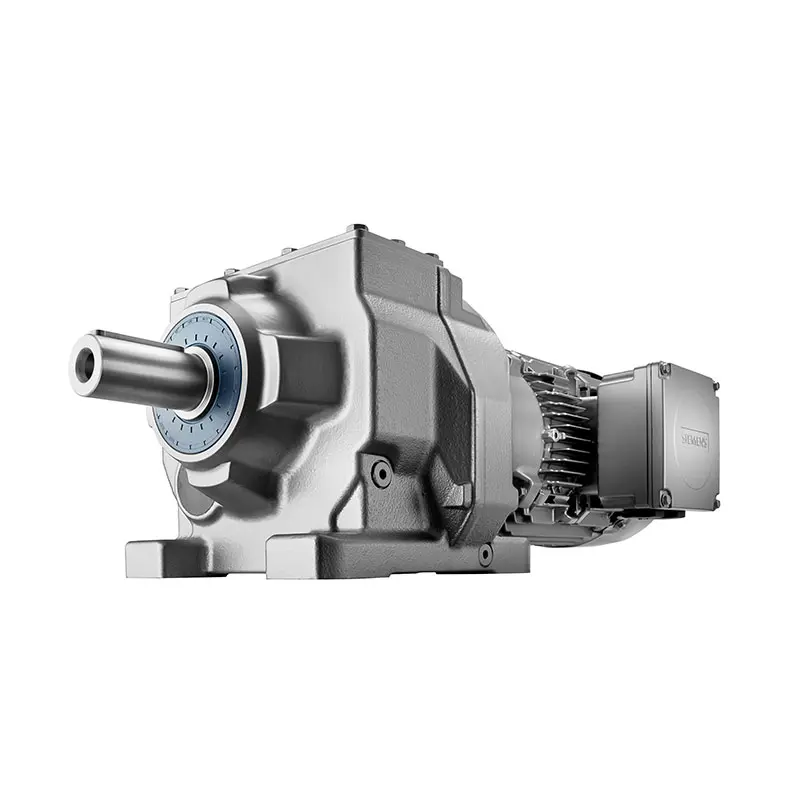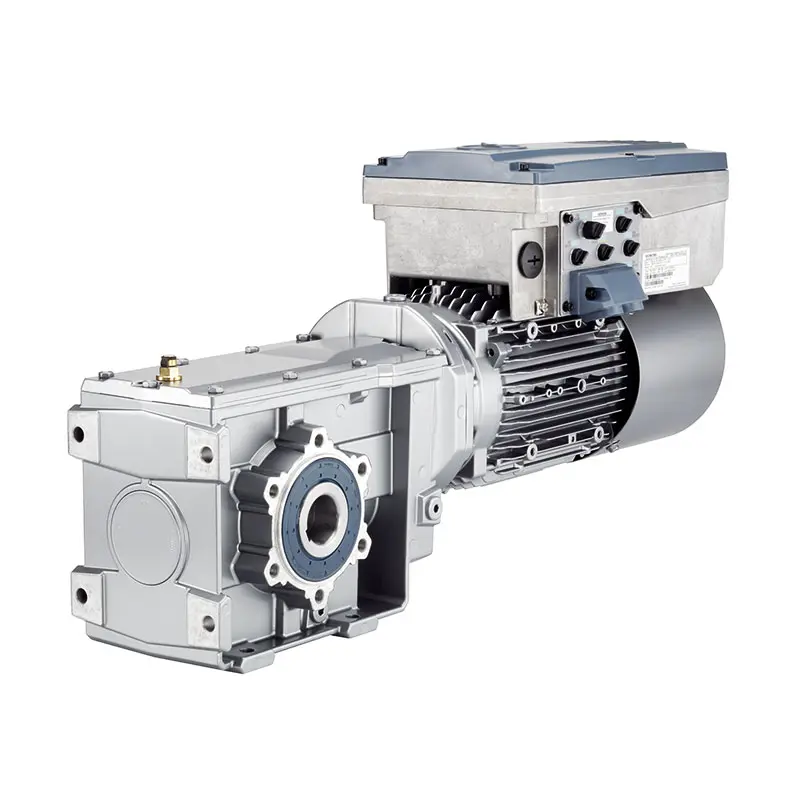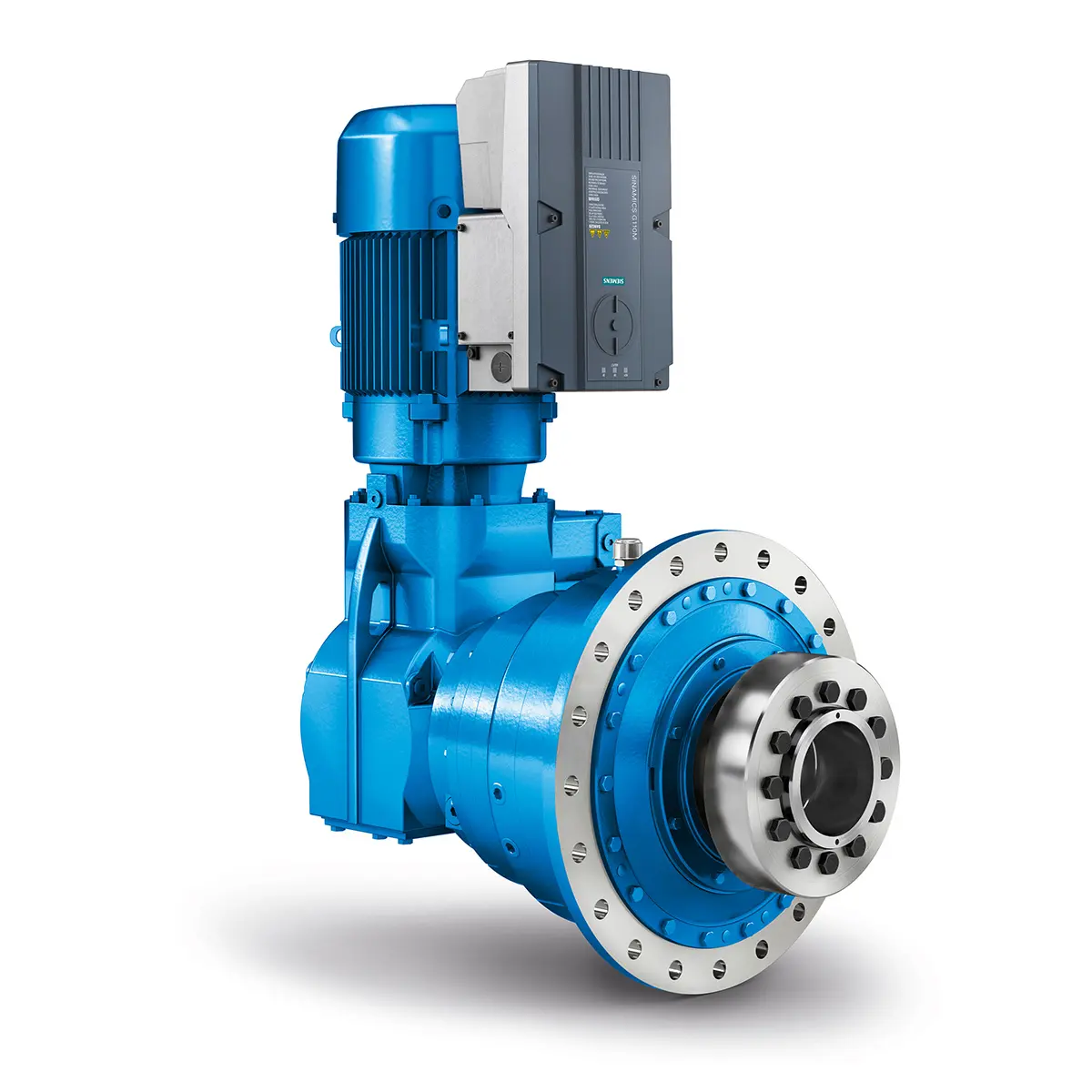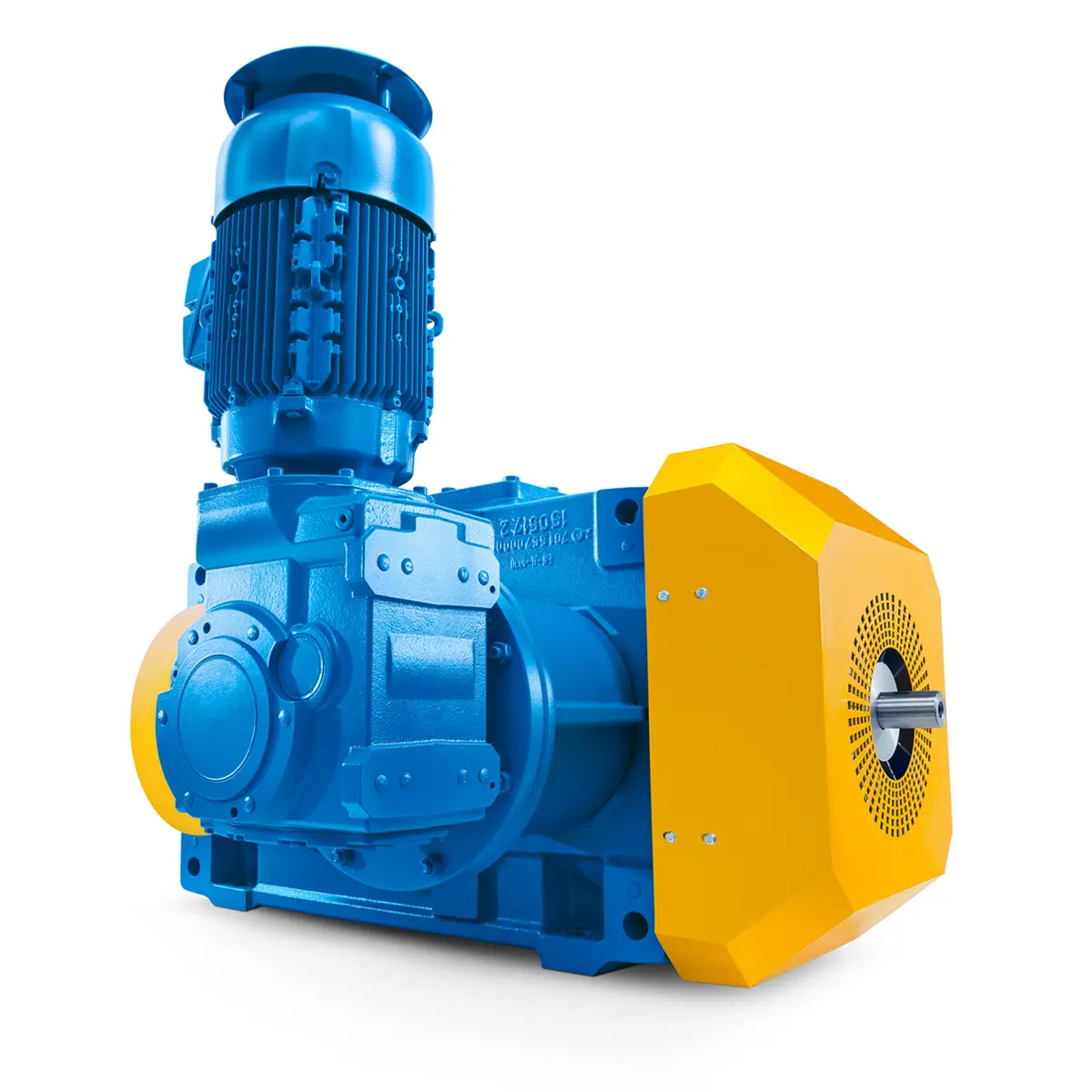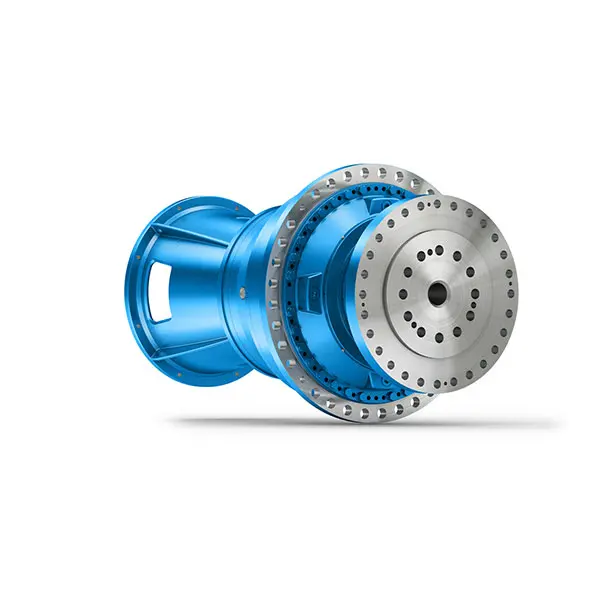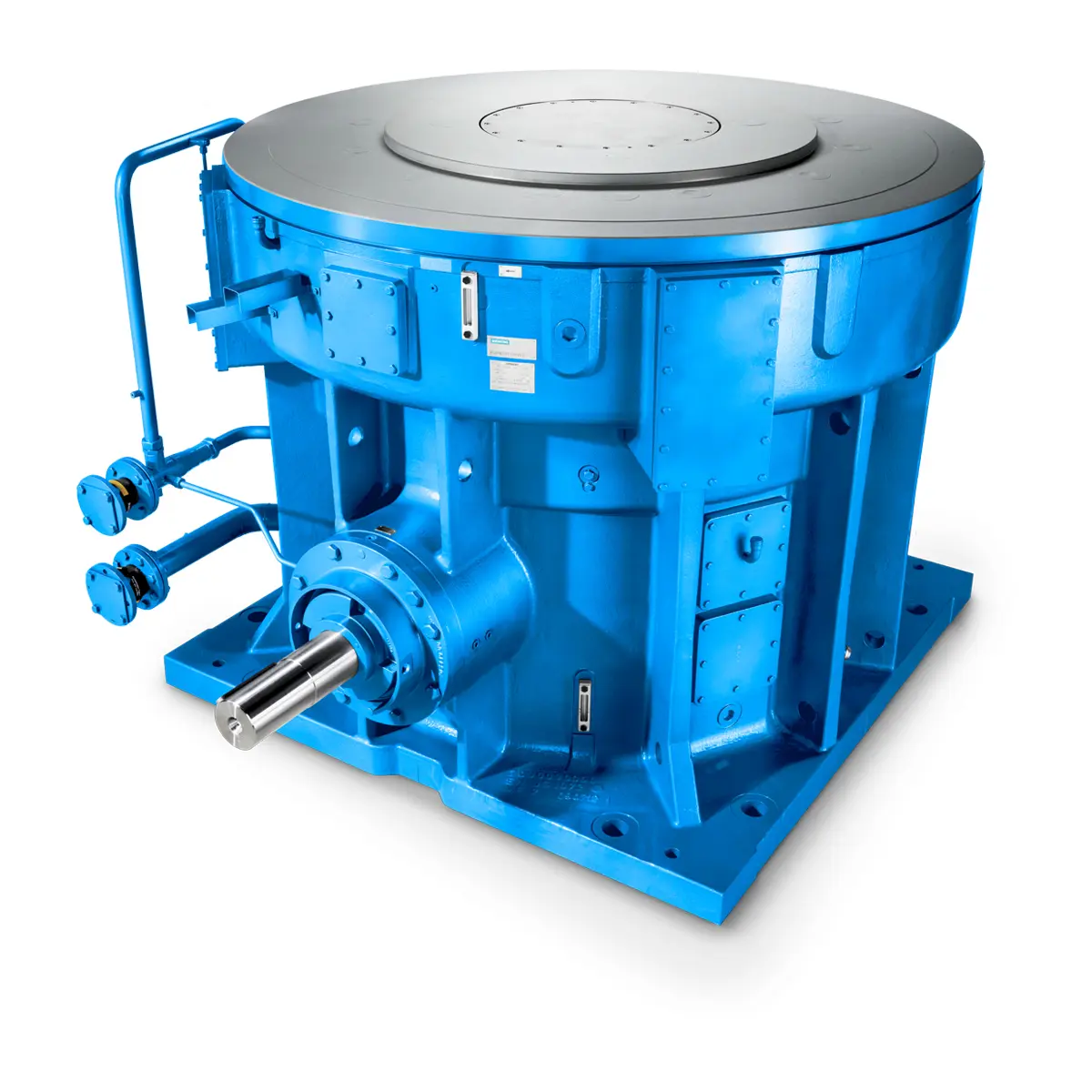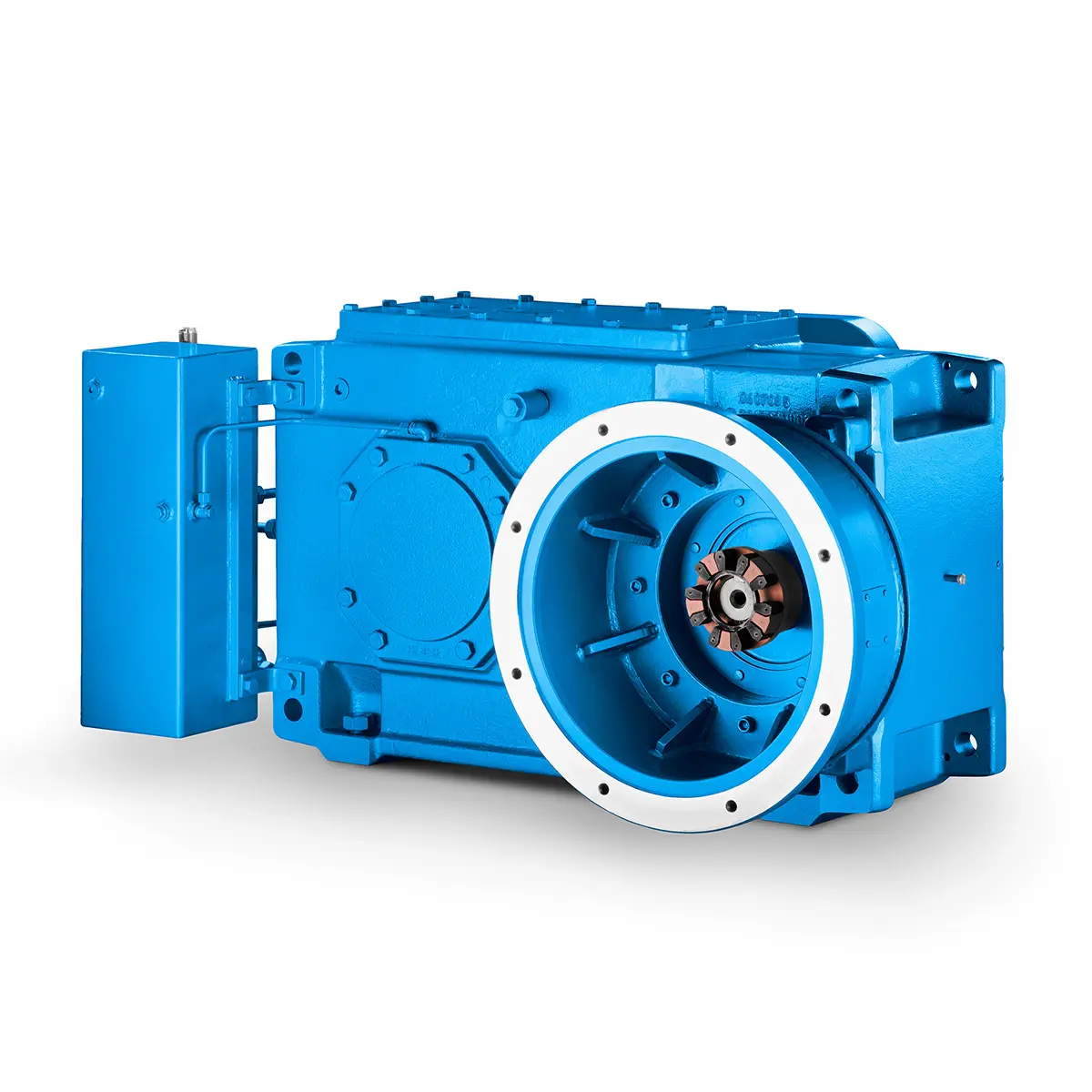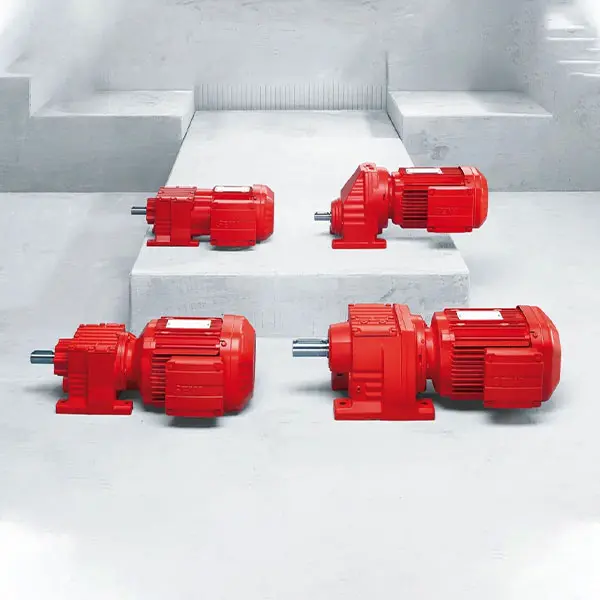
SIEMENS Helical Gearmotor Low Voltage
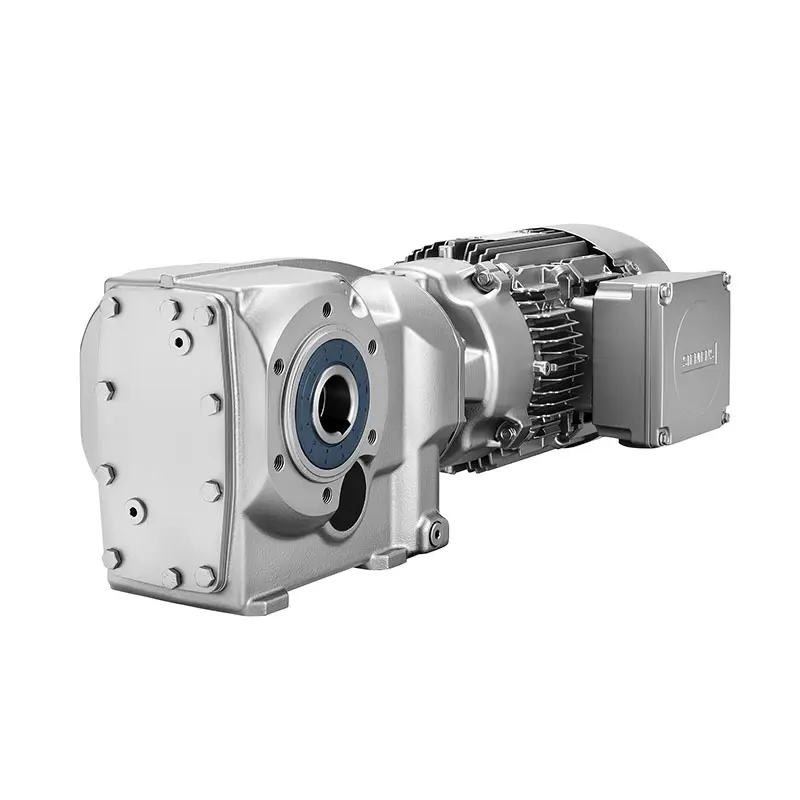
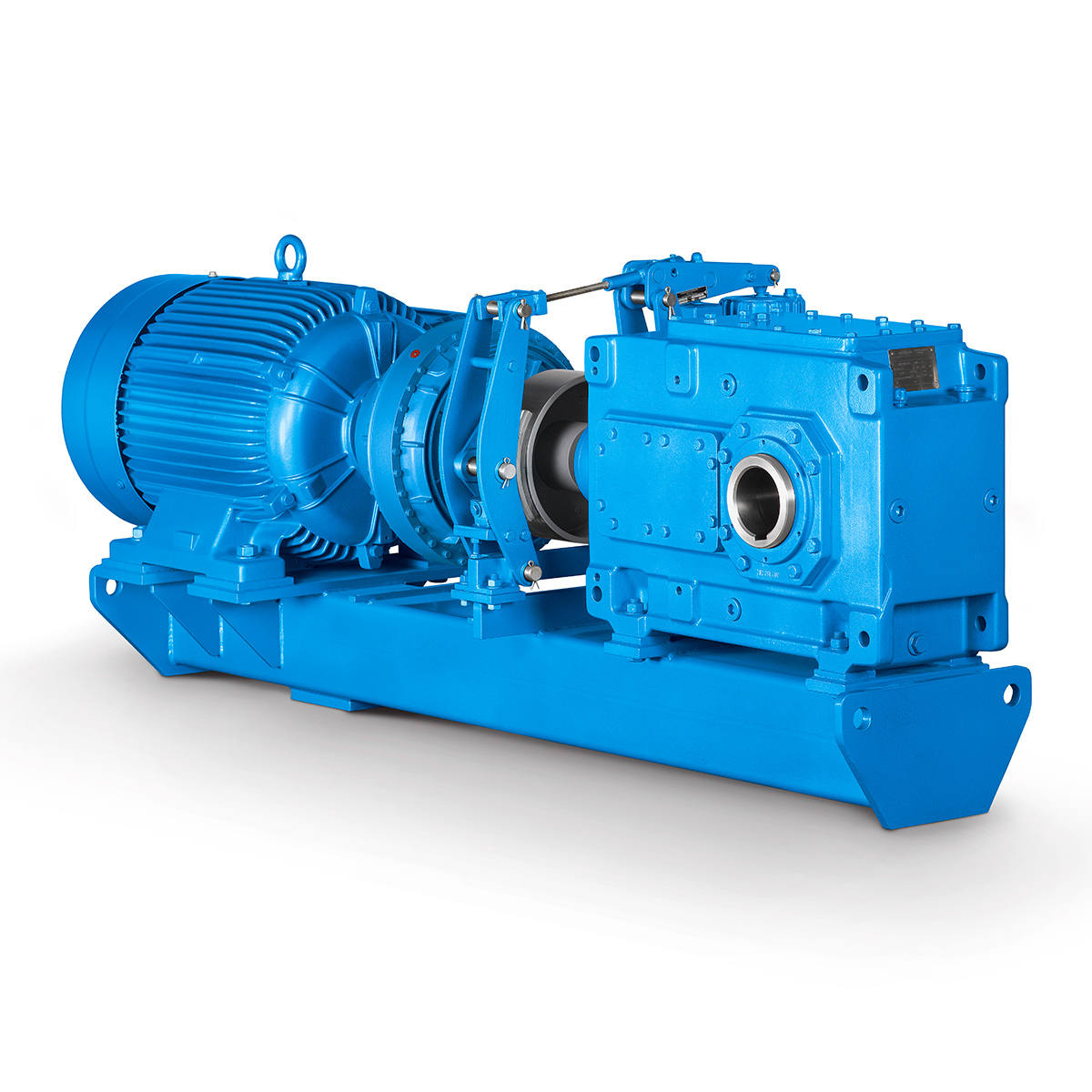
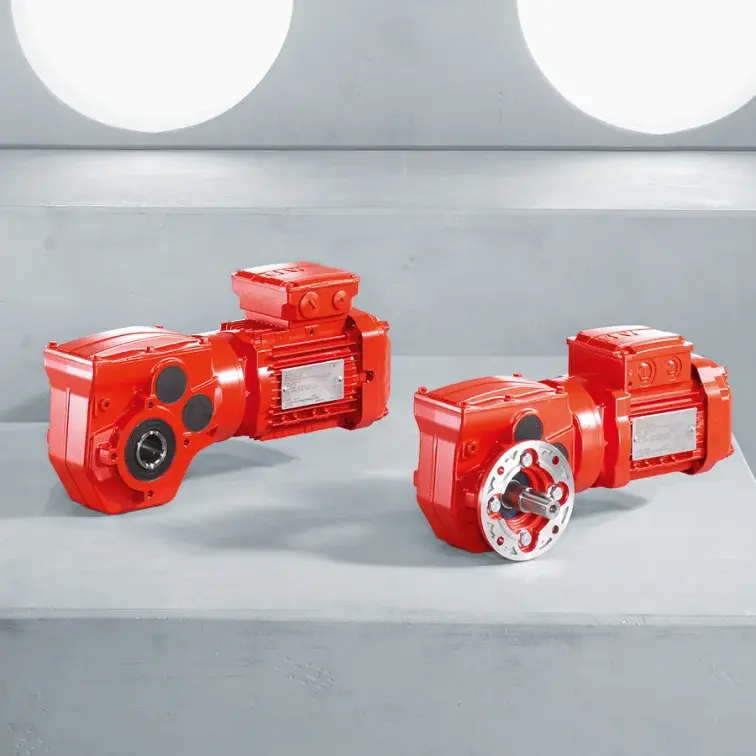
SIEMENS Bevel Helical Gearmotor
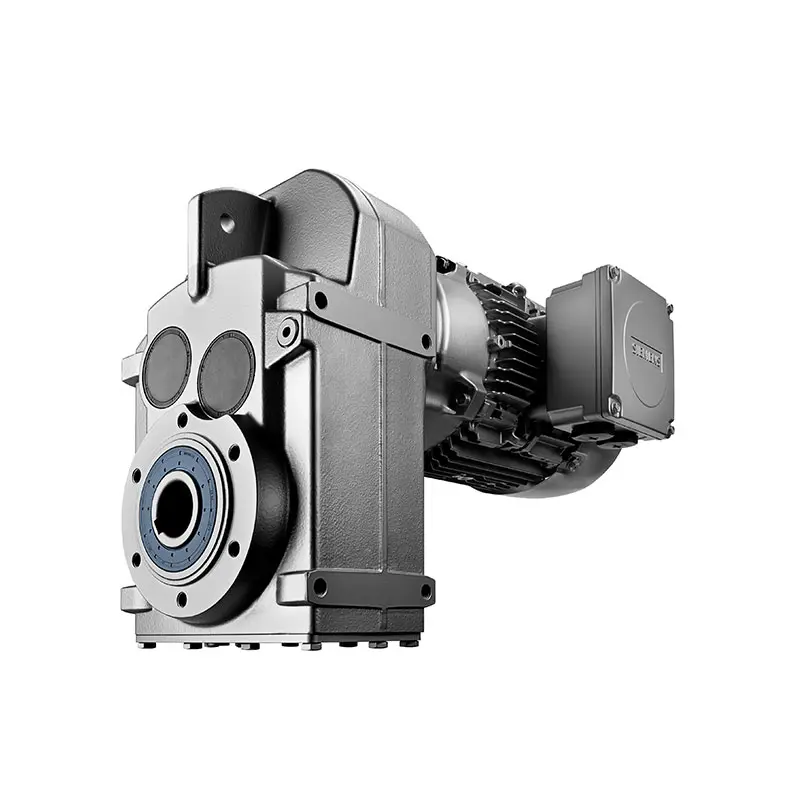
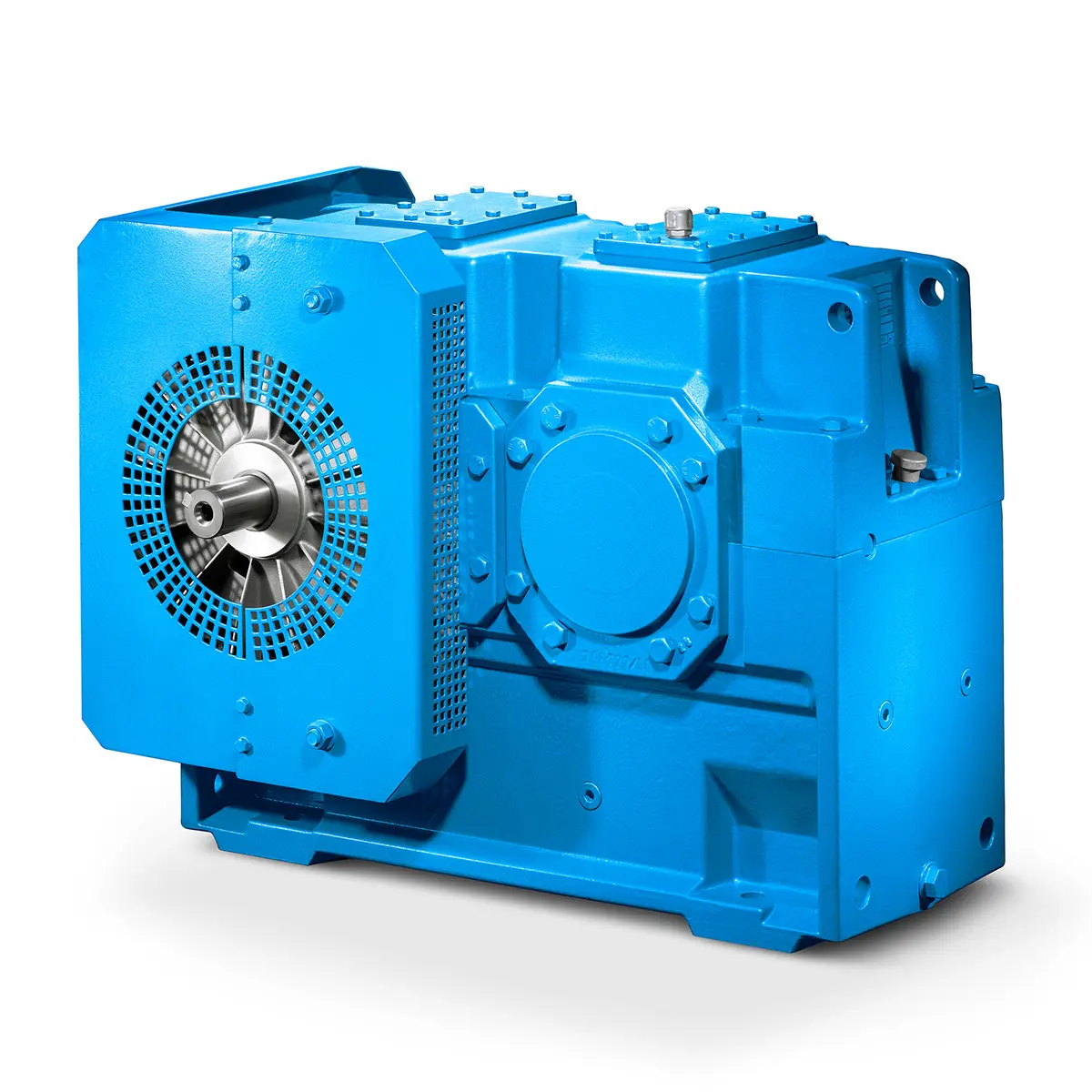
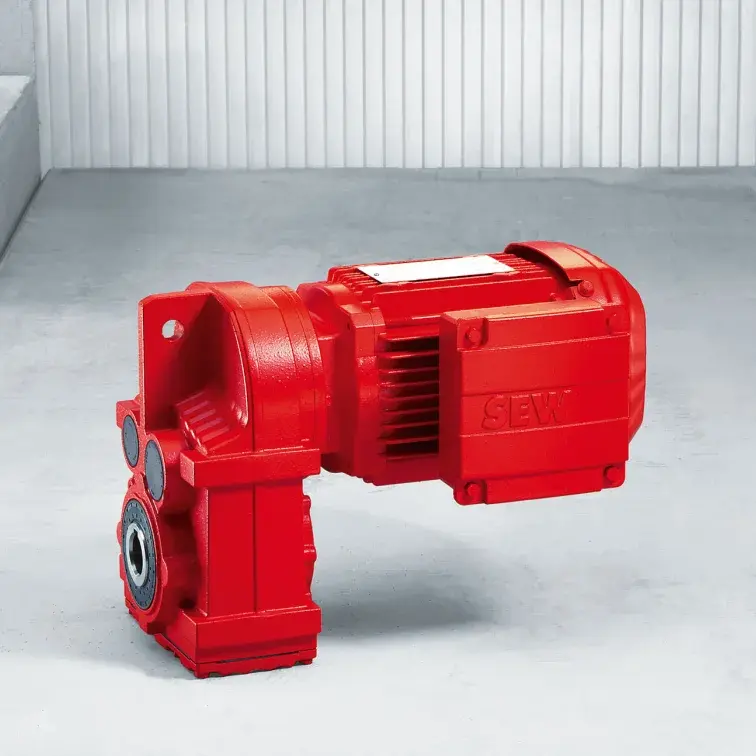
SIEMENS Parallel Shaft Gearmotor
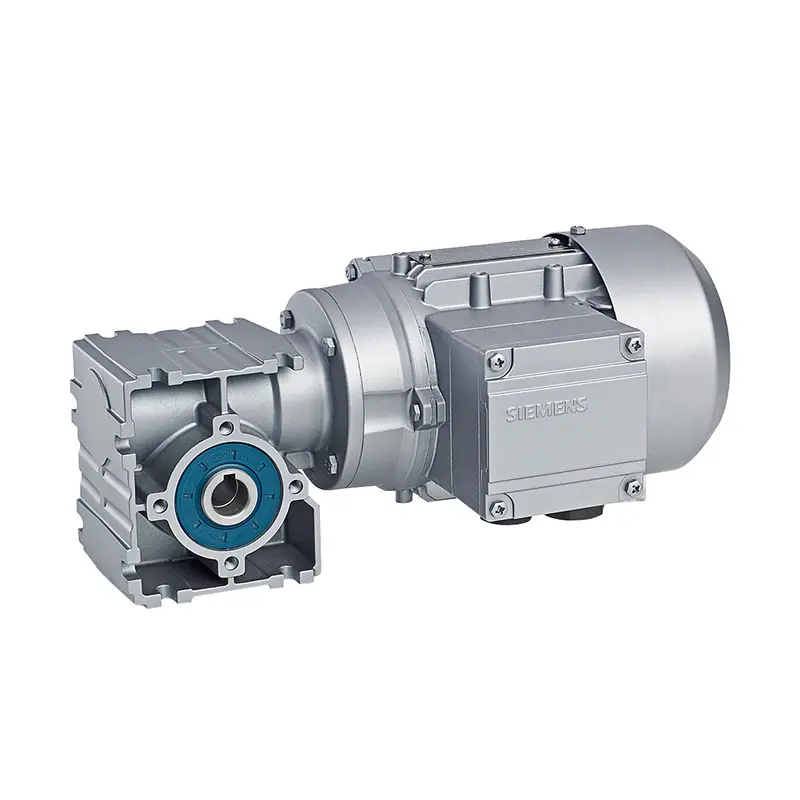
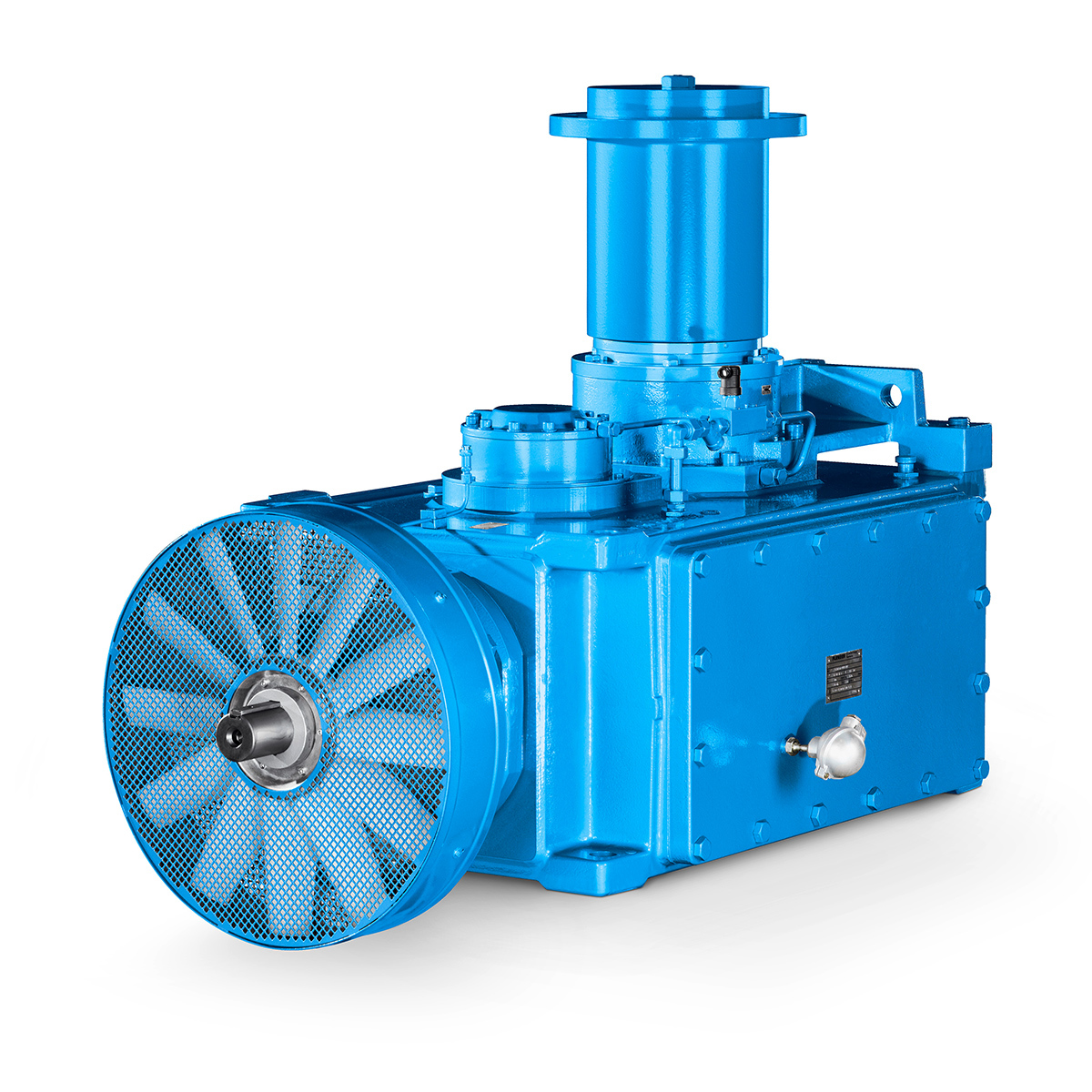
SIEMENS Worm Gearmotor Low Voltage
SIEMENS With Servo Motor Gearmotor
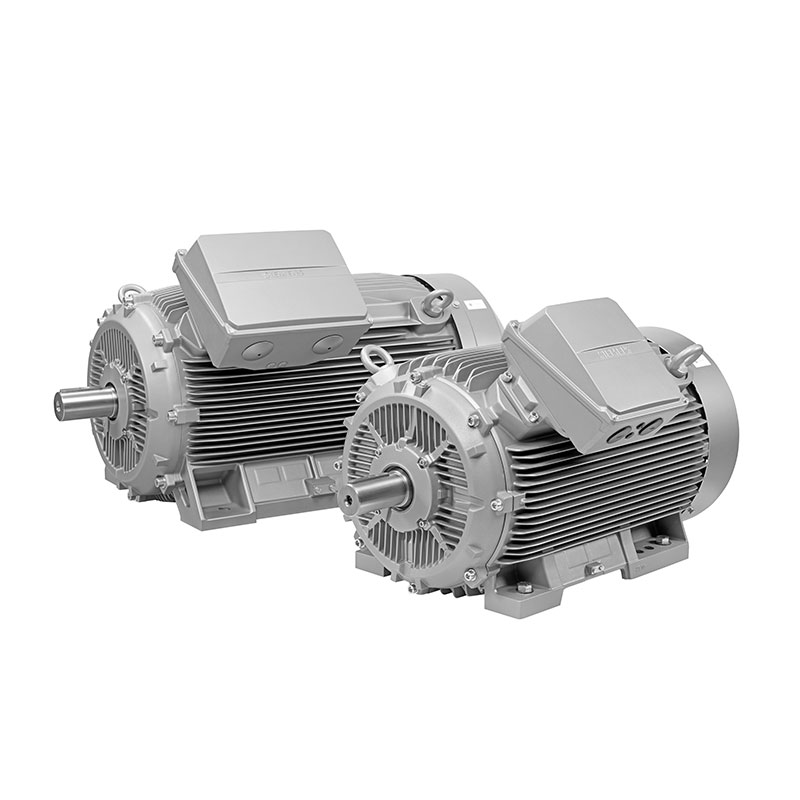
SIEMENS Low Voltage Motor Low Voltage
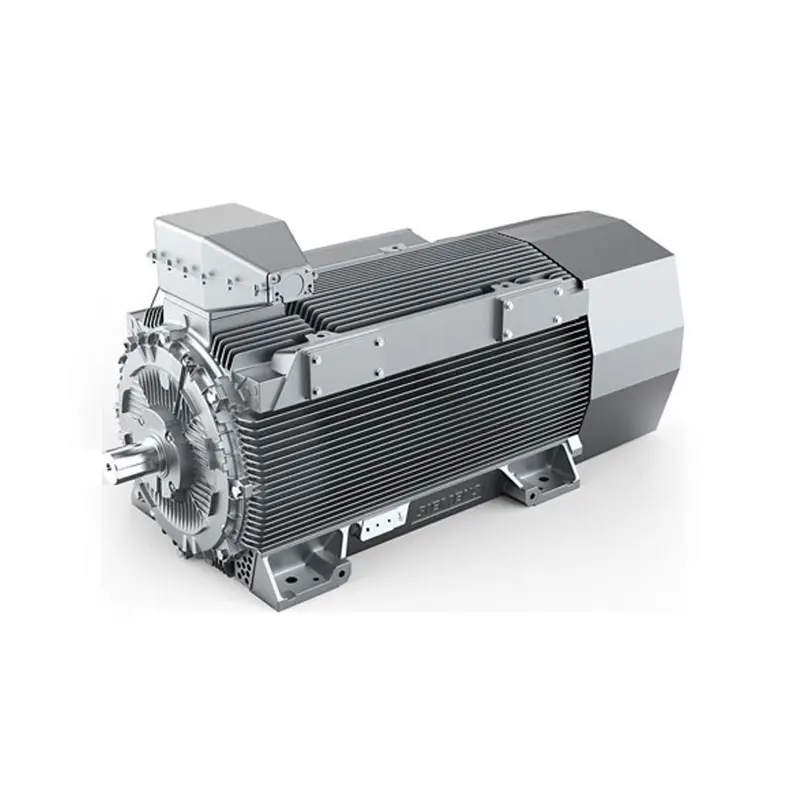
SIEMENS High Voltage Motor Low Voltage
SIEMENS Marine Motor Low Voltage
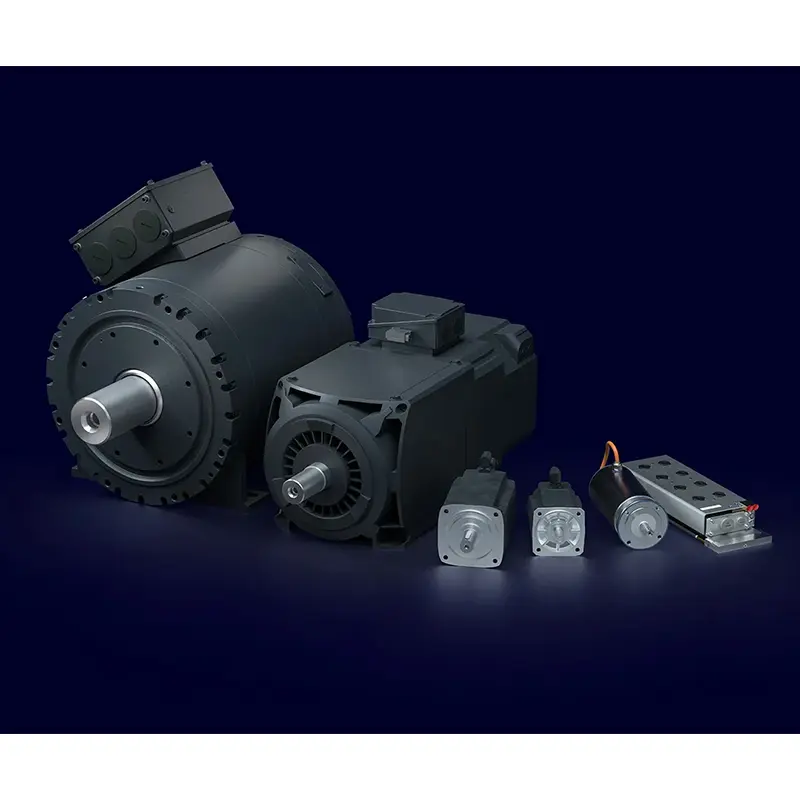
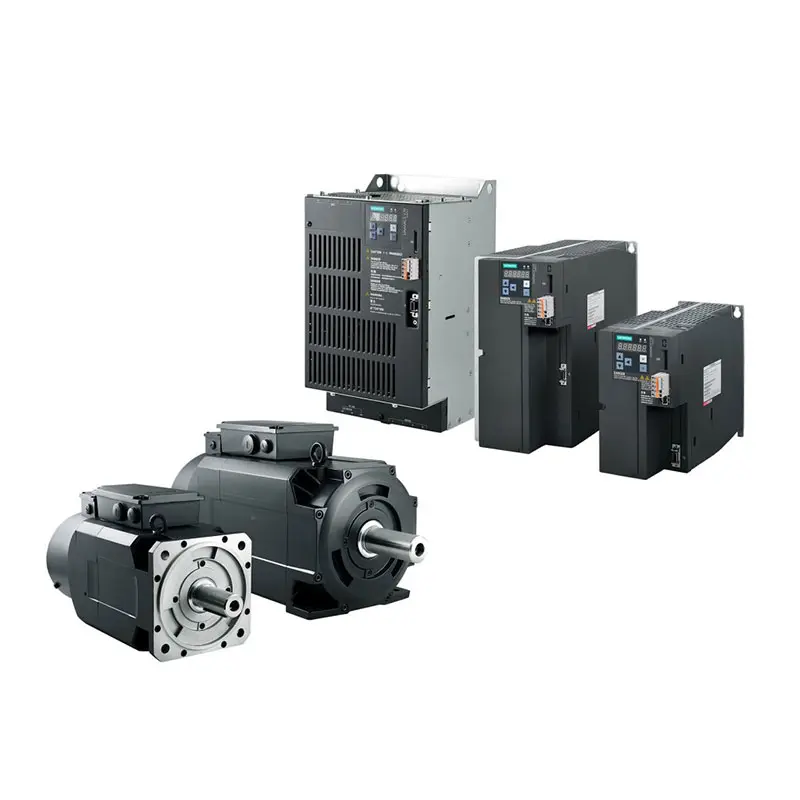
SIEMENS Servo Motor Low Voltage
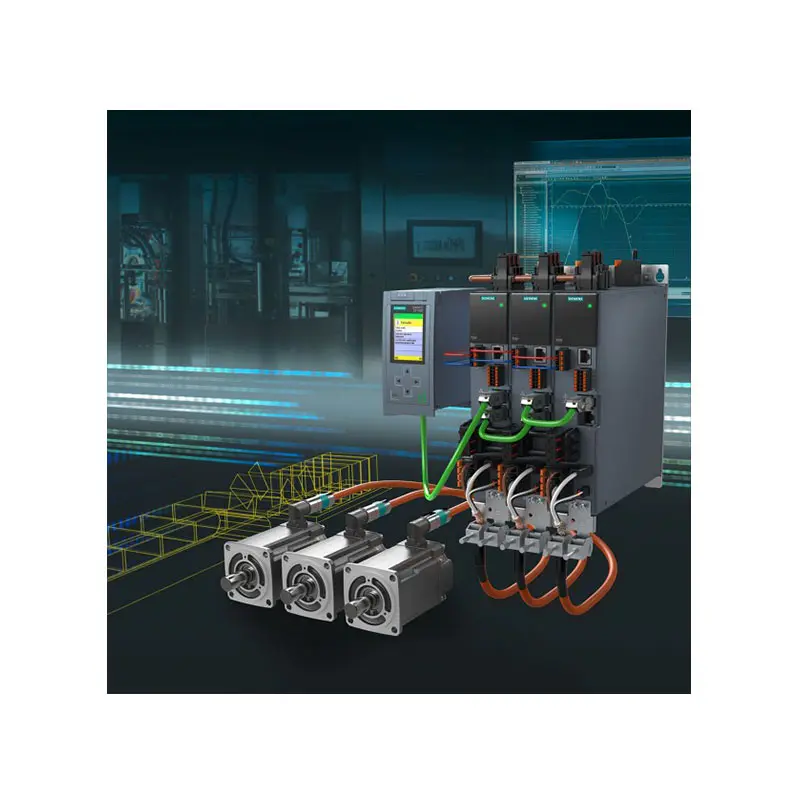
SIEMENS SINAMICS S210 Low Voltage
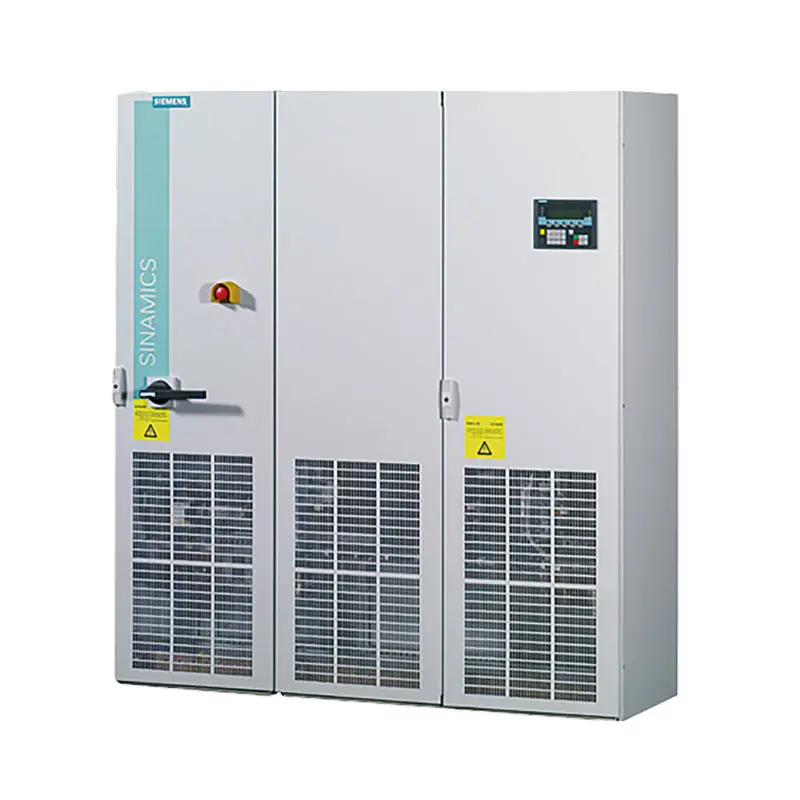
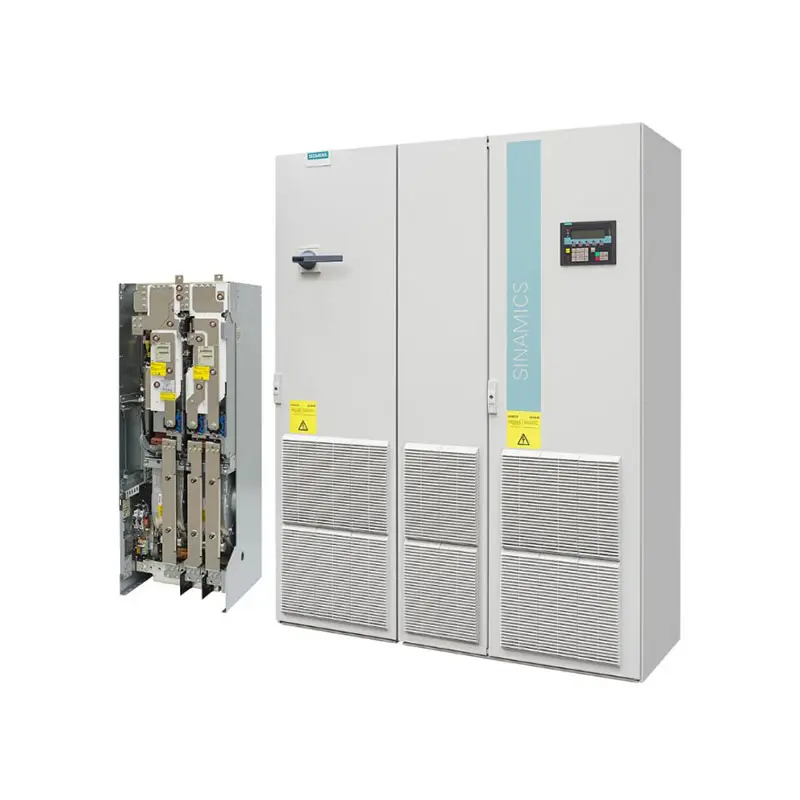
SIEMENS SINAMICS S150 Low Voltage
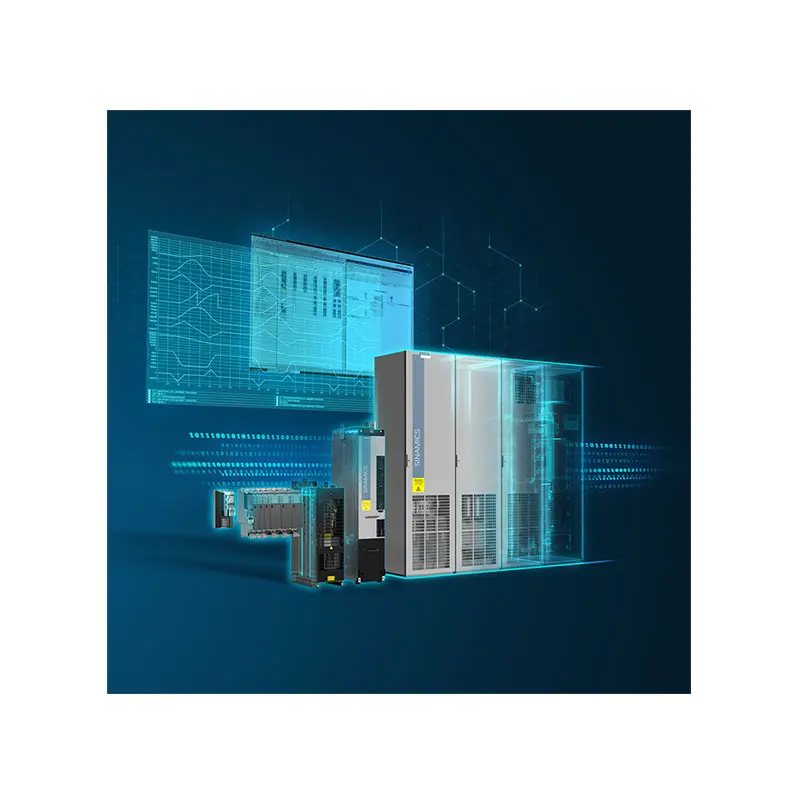
SIEMENS SINAMICS S120 Low Voltage
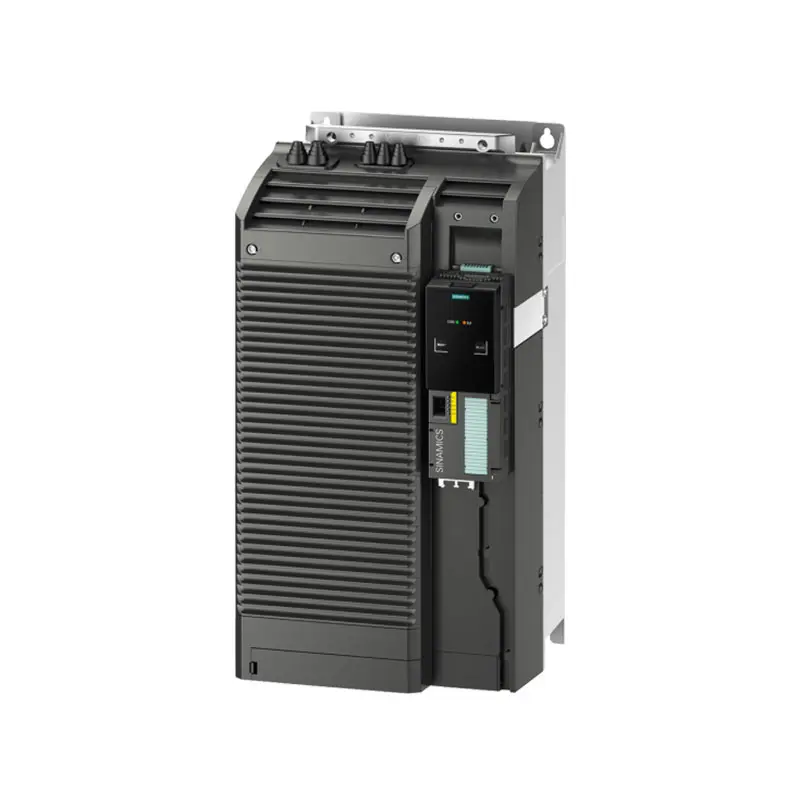
SIEMENS SINAMICS G130/G150
SIEMENS SINAMICS G120 Low Voltage
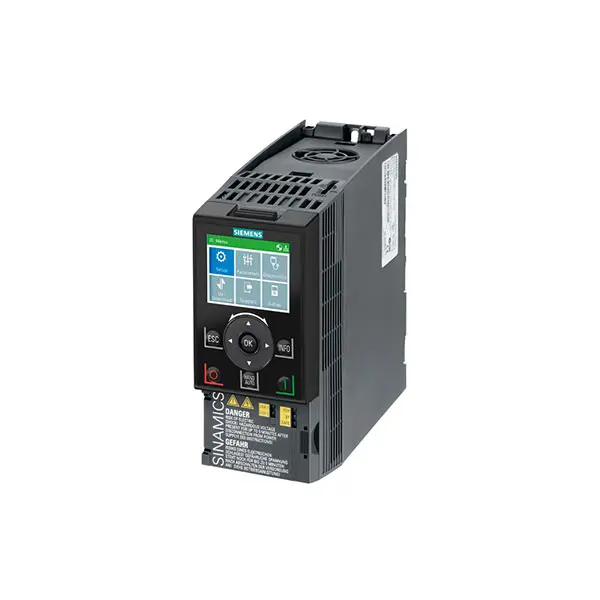
SIEMENS SINAMICS G120C Low Voltage
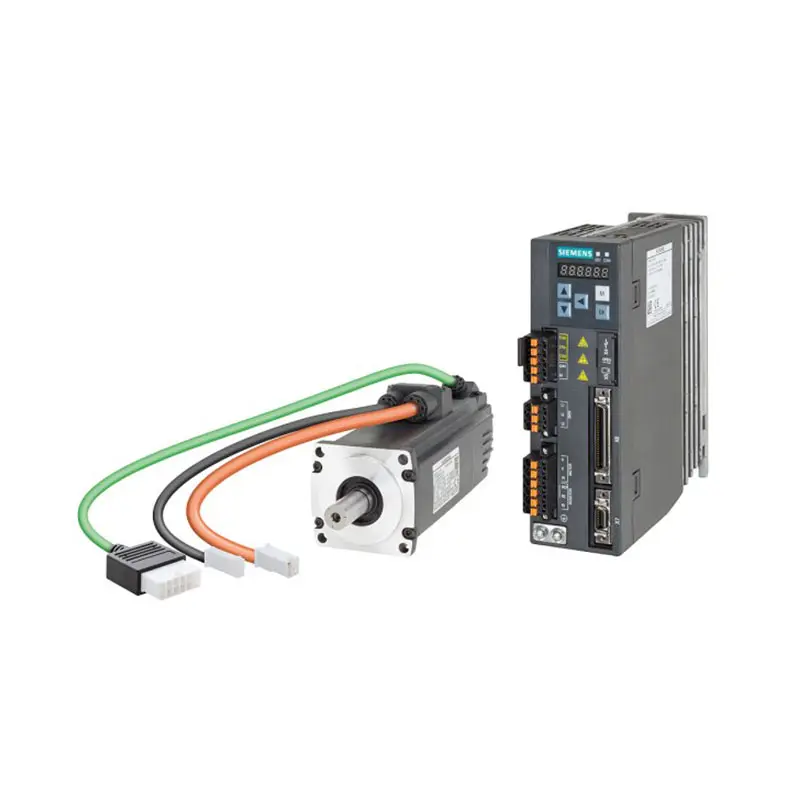
SIEMENS SINAMICS V90
SIEMENS SINAMICS V70 Low Voltage
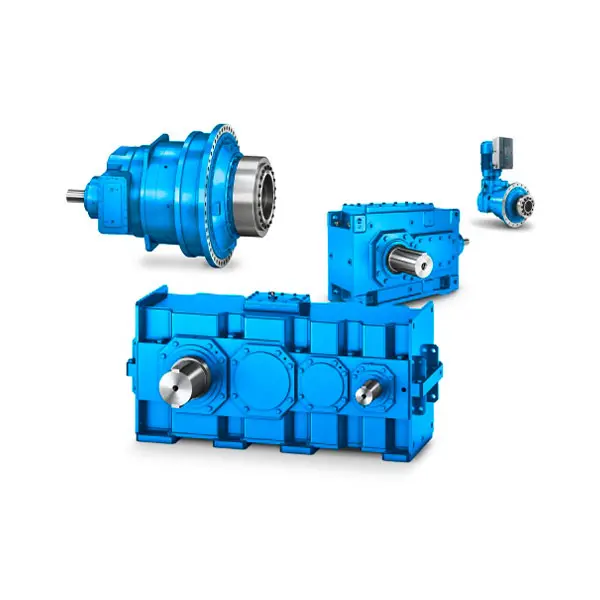
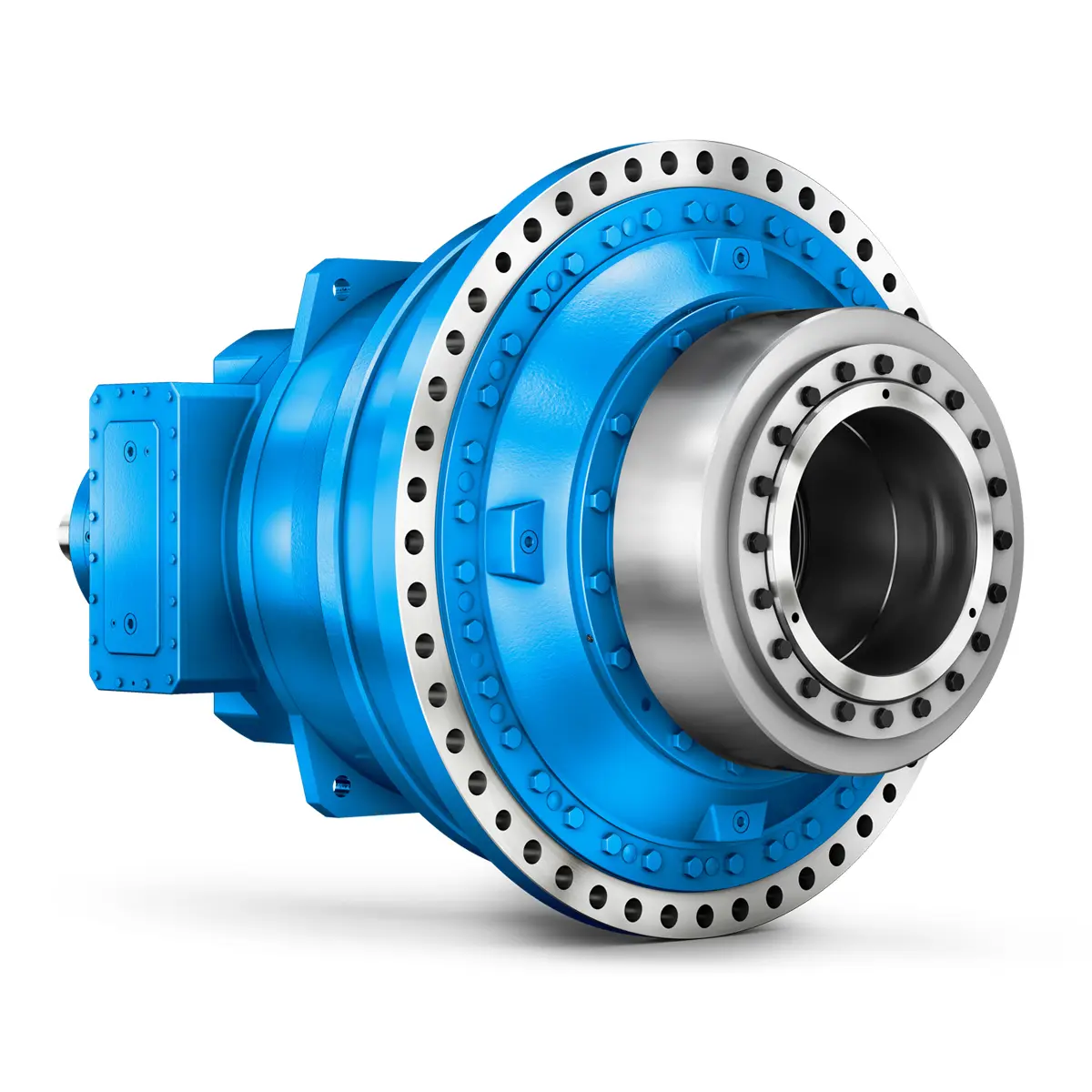
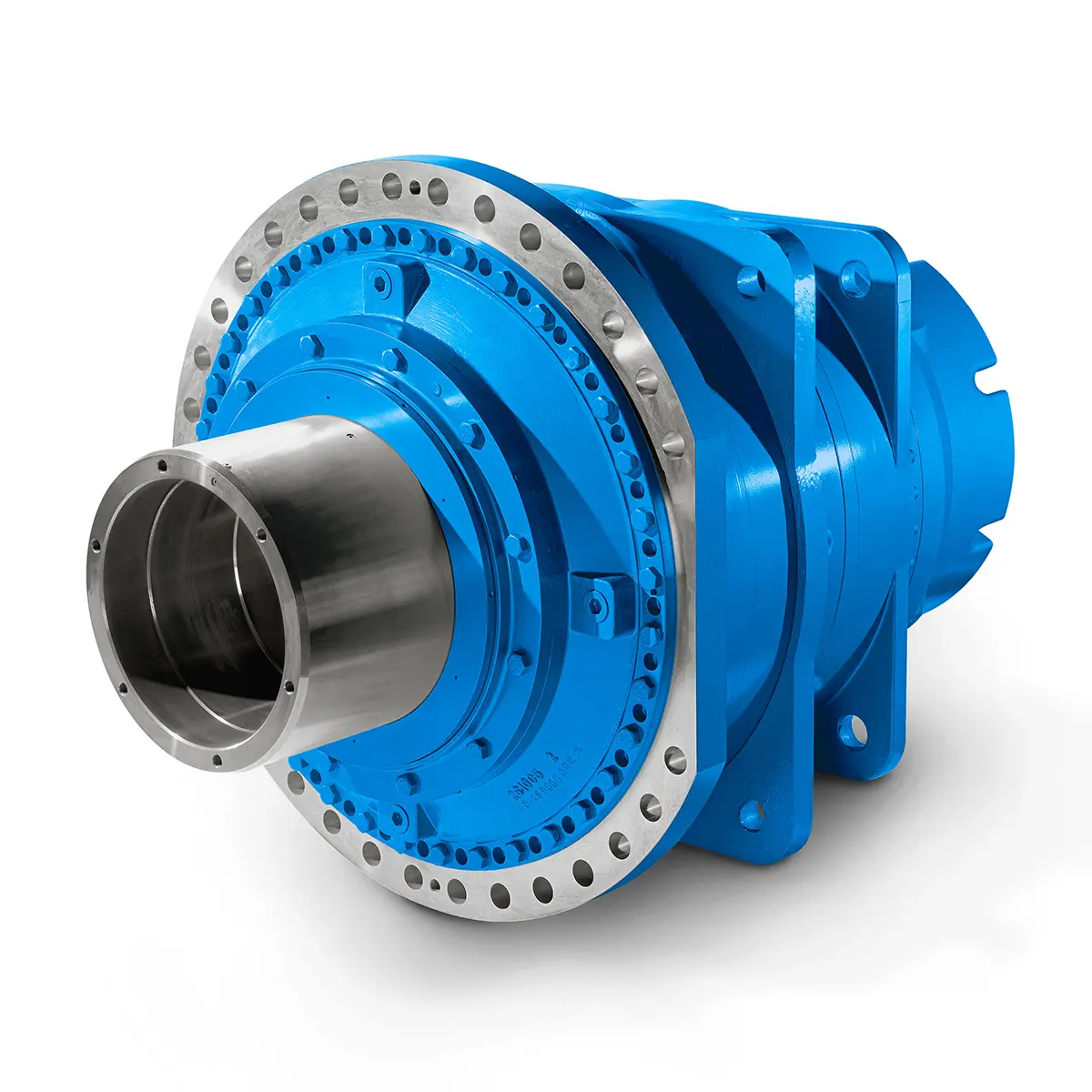
FLENDER Gear Unit
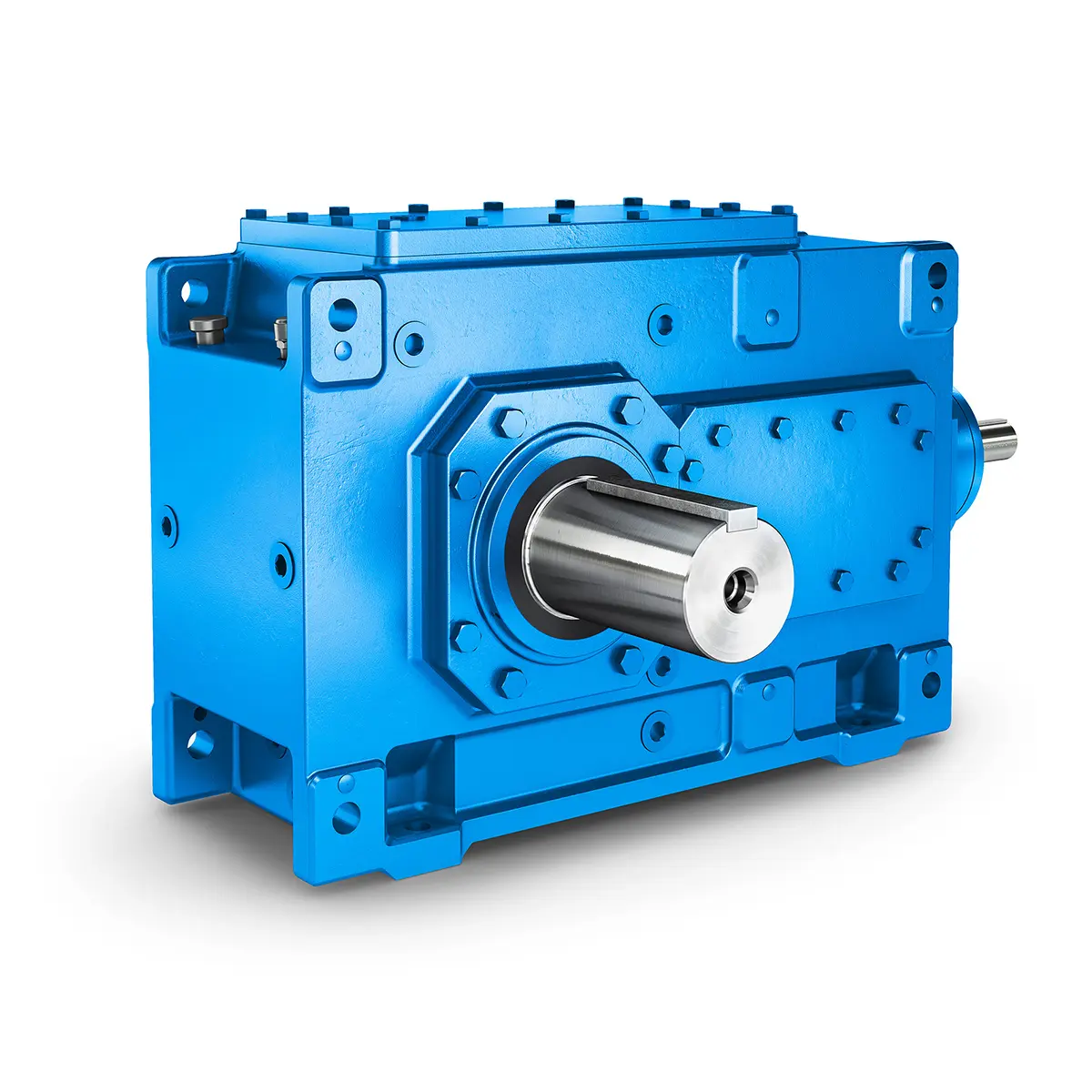
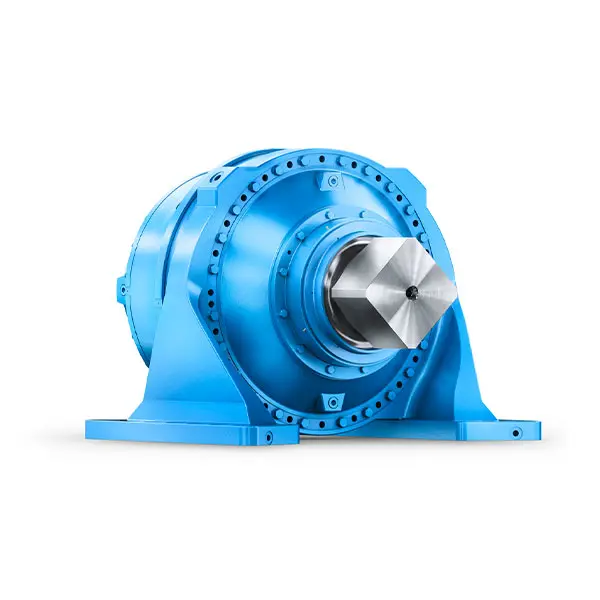
FLENDER Helical Gear Unit
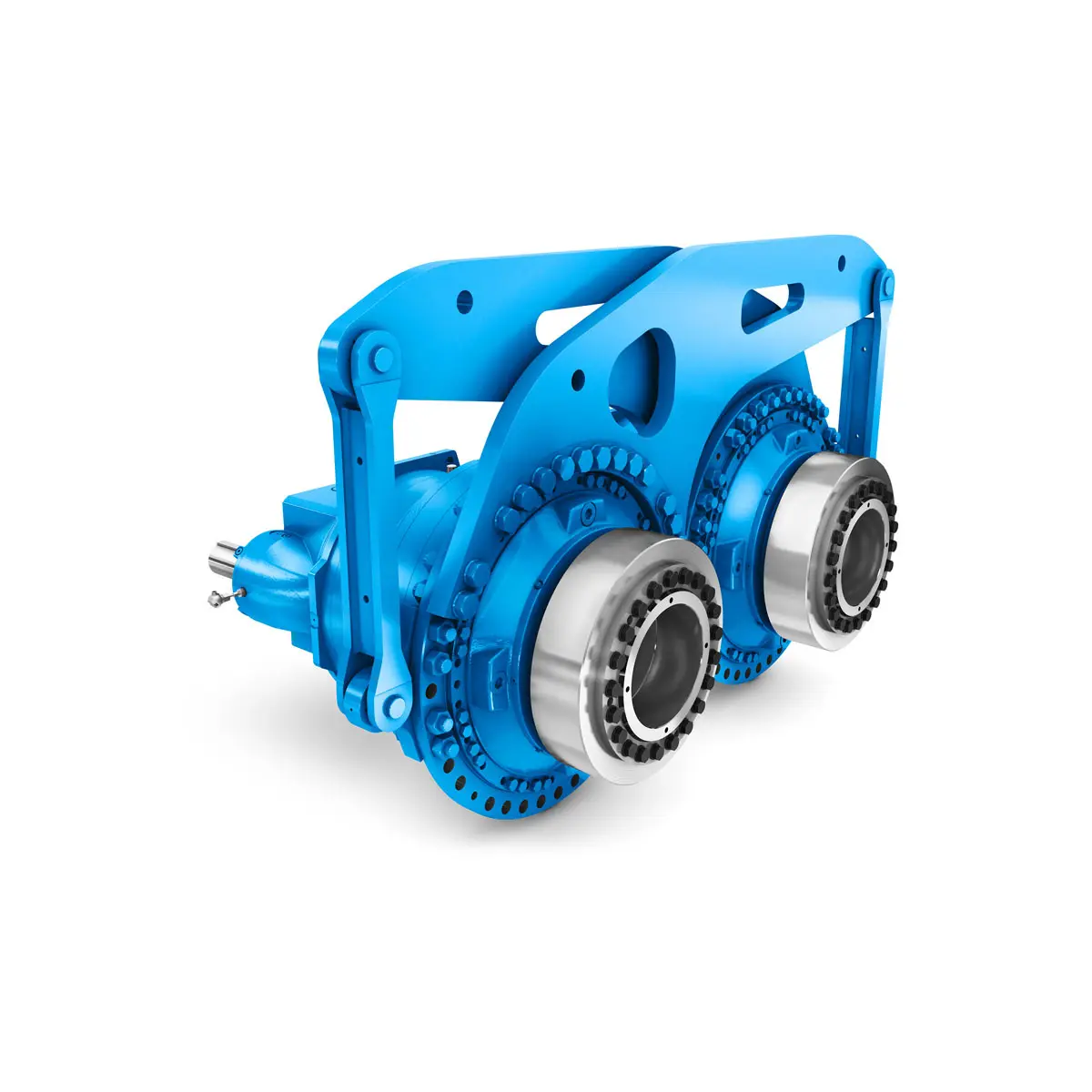
Flender gear units for lifting and luffing gears
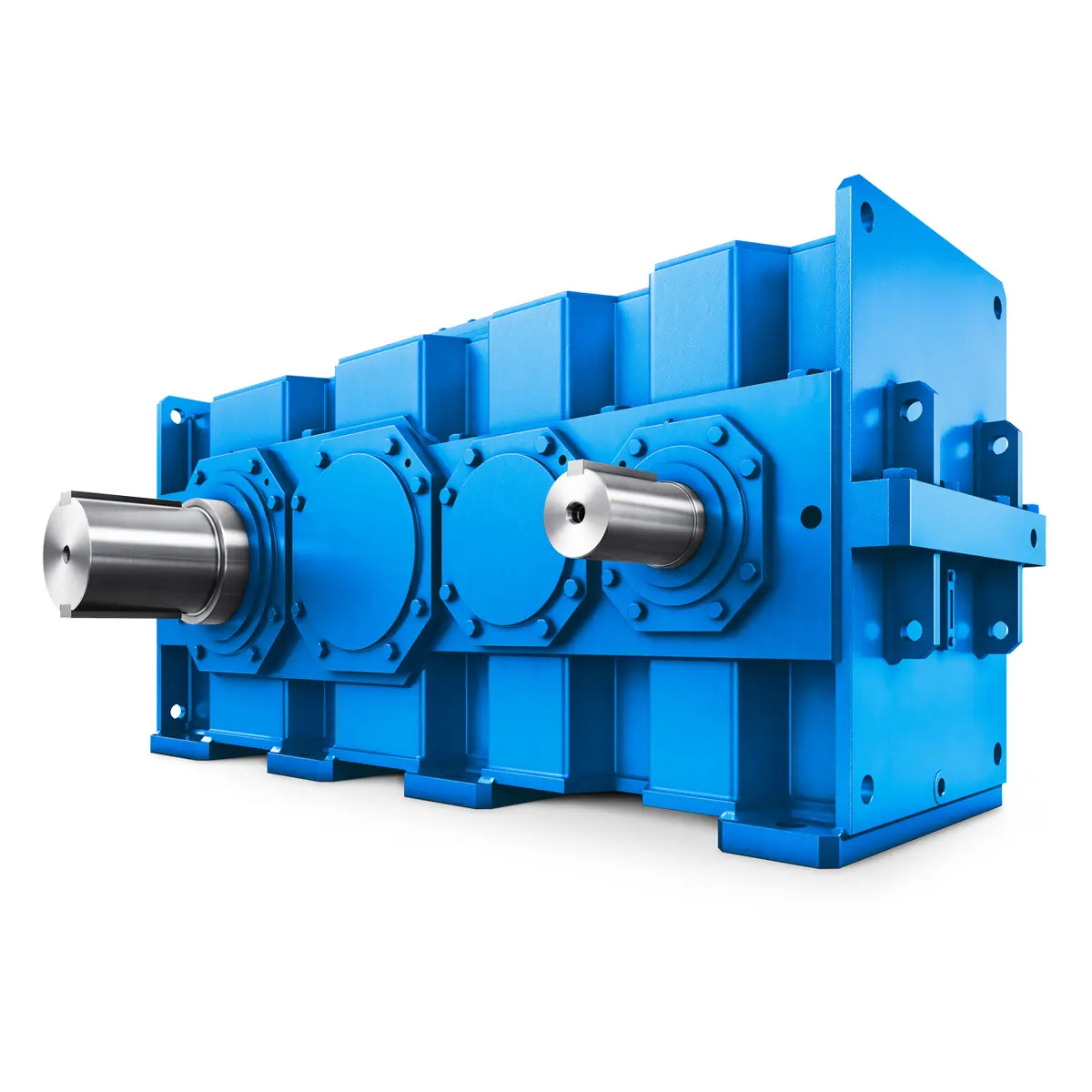
FLENDER Gear Unit gearunit gearbox
Optimal Drive Solution For Maximum Performance
Strongly operating against biodegradable constituents
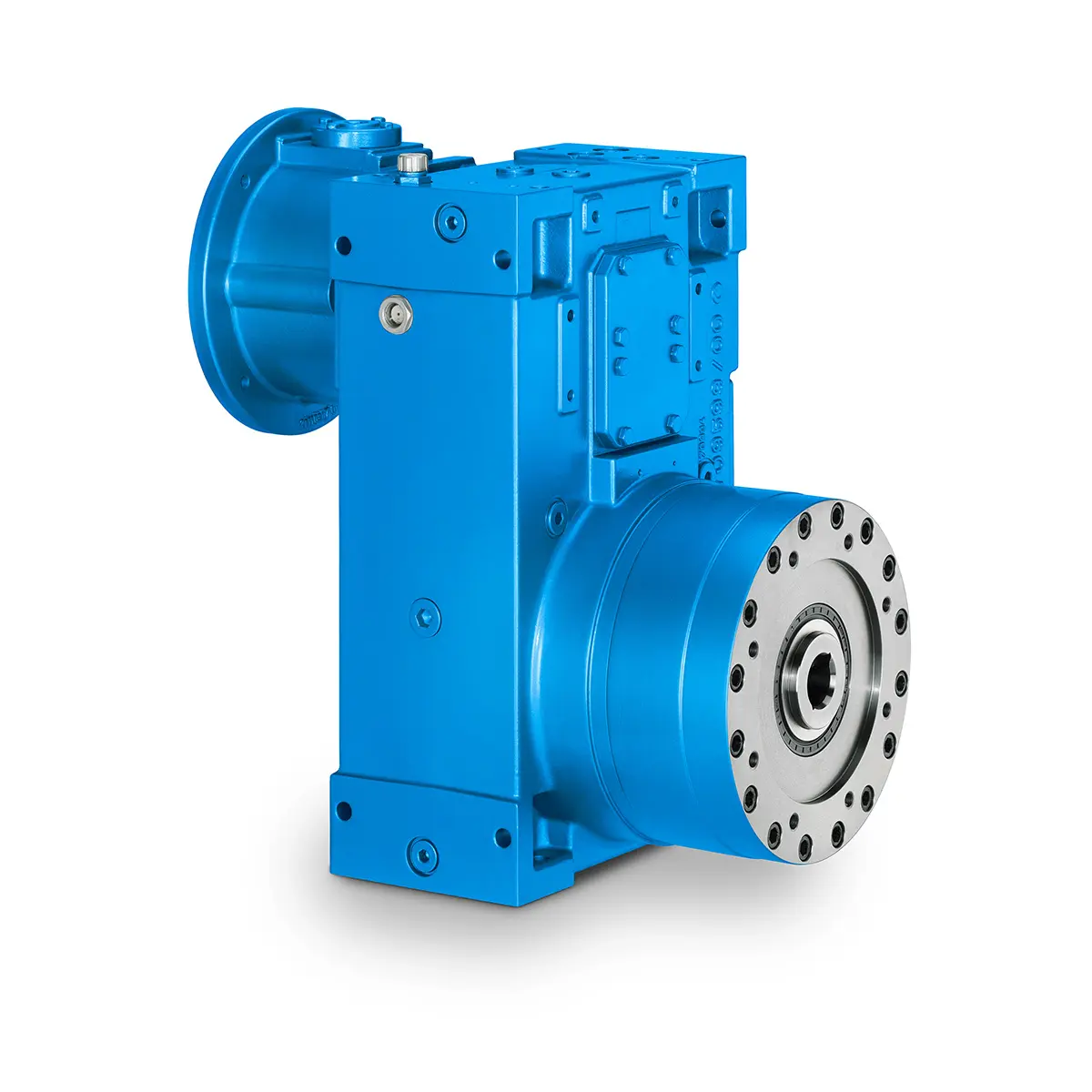
SINGLE SCREW Special industry dedicated gearunit gearbox
Playmaker In The Premium League
Conveyor belts gearunit gearbox
Paper And Pulp Preparation Sections
Operational Reliability Even In Case Of The Highest Ventilation Forces
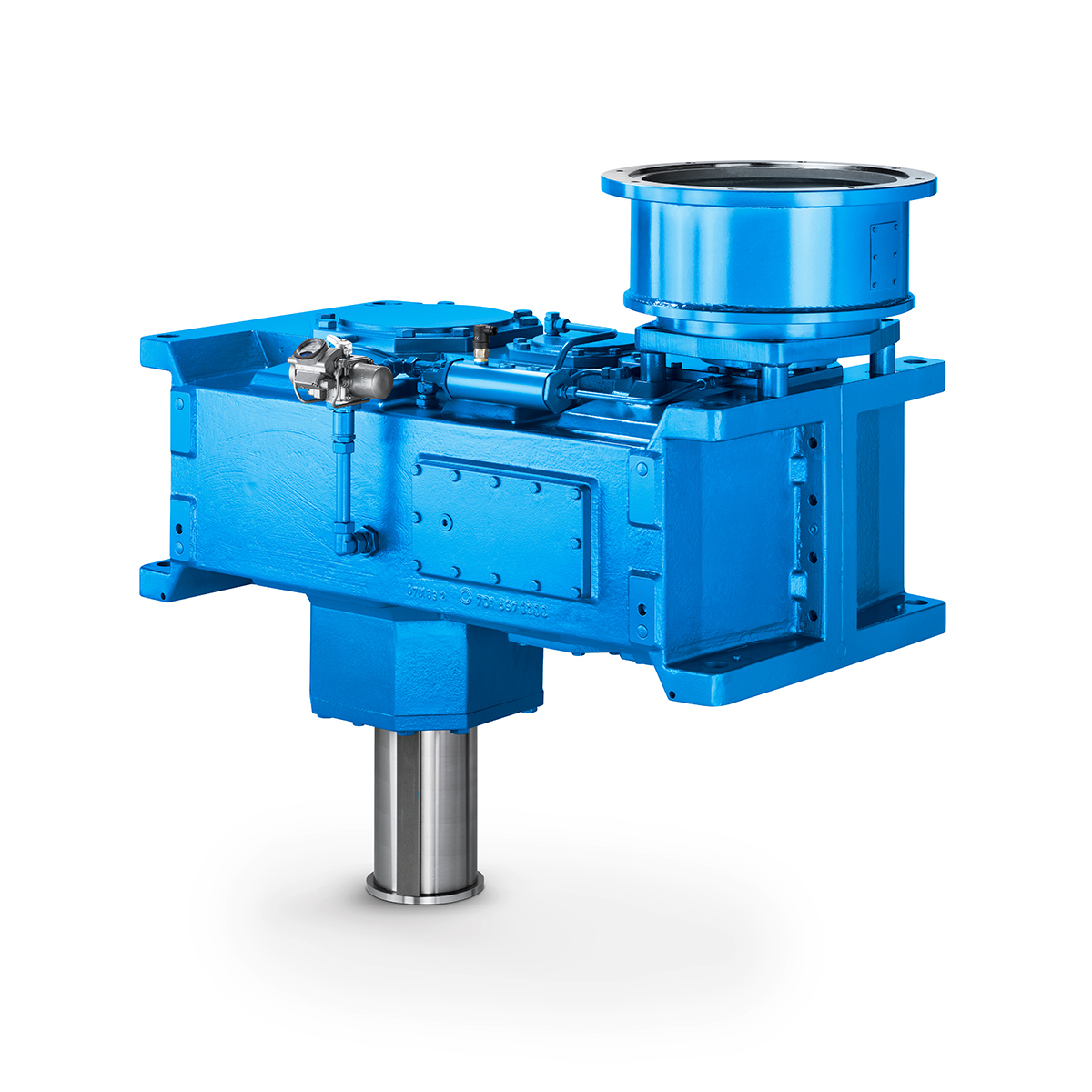
Reliable Gear Units For High Performance Vertical Conveyors 59/200
Maximum power density – PLANUREX 3 L individual drives for your sugar cane mill
The proven all rounder gearunit gearbox
Stirs and stirs and stirs gearunit gearbox
Flexibility on Board gearunit gearbox
The right gearbox for all Multi-Engine Ships
Reliable Power Generation on board
Maximum performance level, fast deliverable
Efficient and compact – FLENDER Gear Units for Sugar Mills
Extremely strong. Extremely compact. Extremely stressable.
FLENDER Coupling
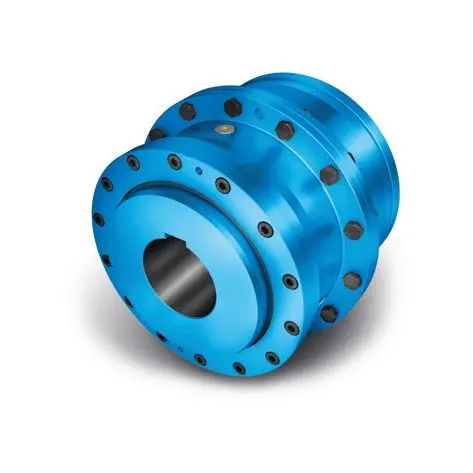
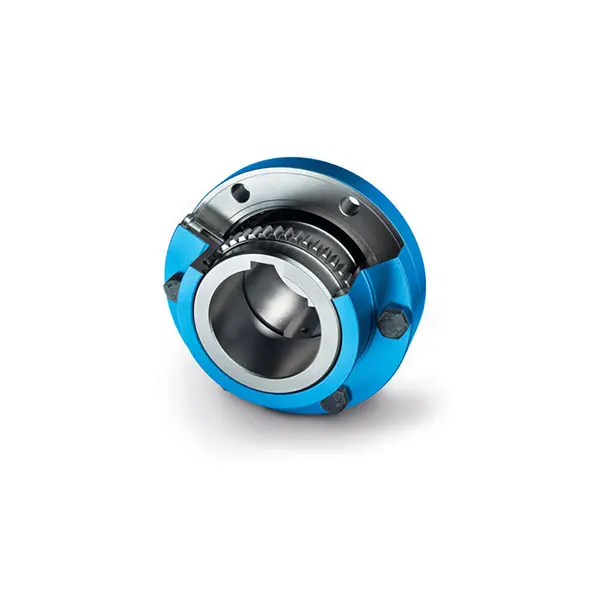
ZAPEX ZW Torsionally Rigid Gear Coupling
ZAPEX ZN Torsionally Rigid Gear Coupling
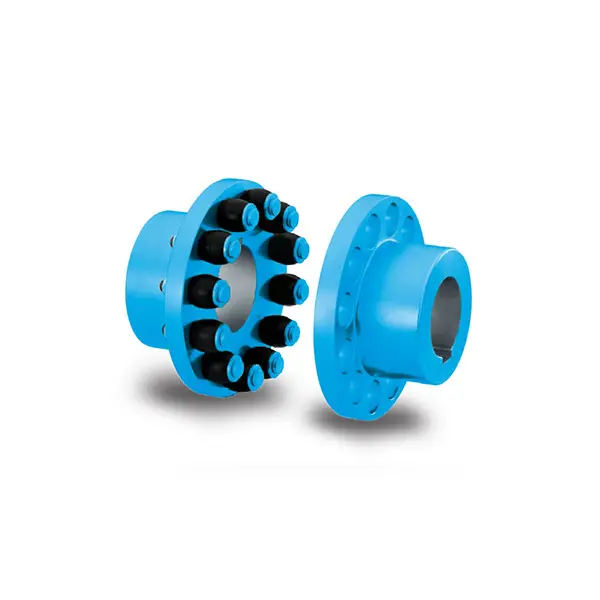
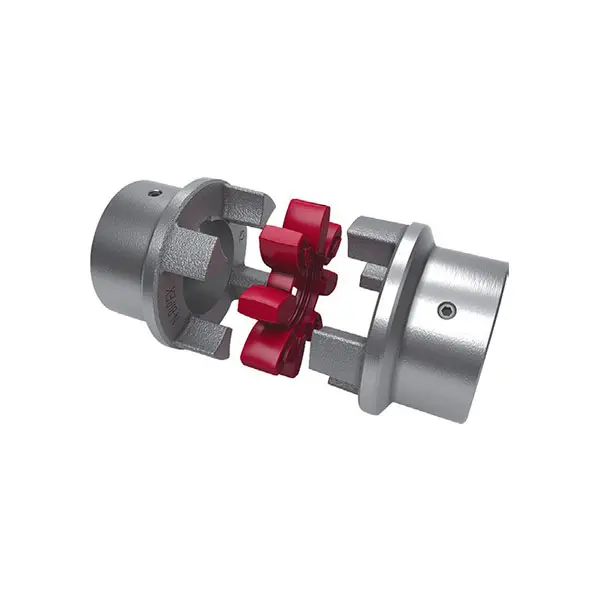
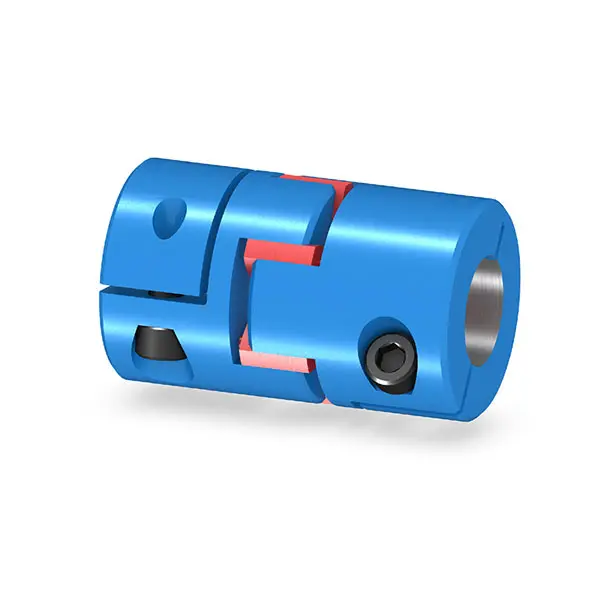
N-EUPEX Flexible high performance Coupling
N-ARPEX Torsionally Rigid All-Steel Coupling
ARPEX Torsionally Rigid All-Steel Coupling Spare and Parts
N-EUPEX DS Flexible High Performance Coupling
RUPEX Flexible high performance Coupling
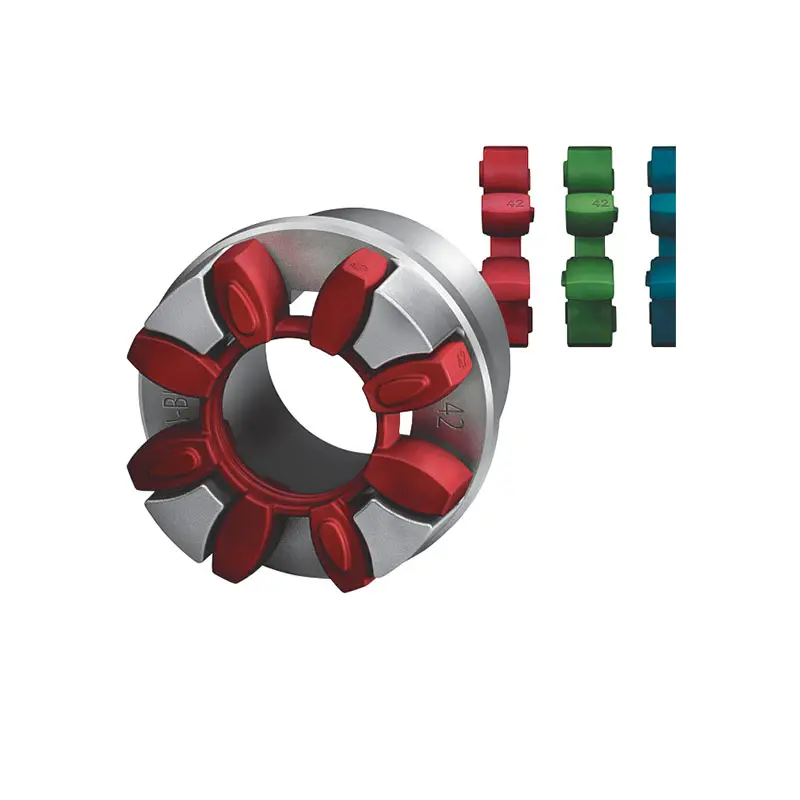
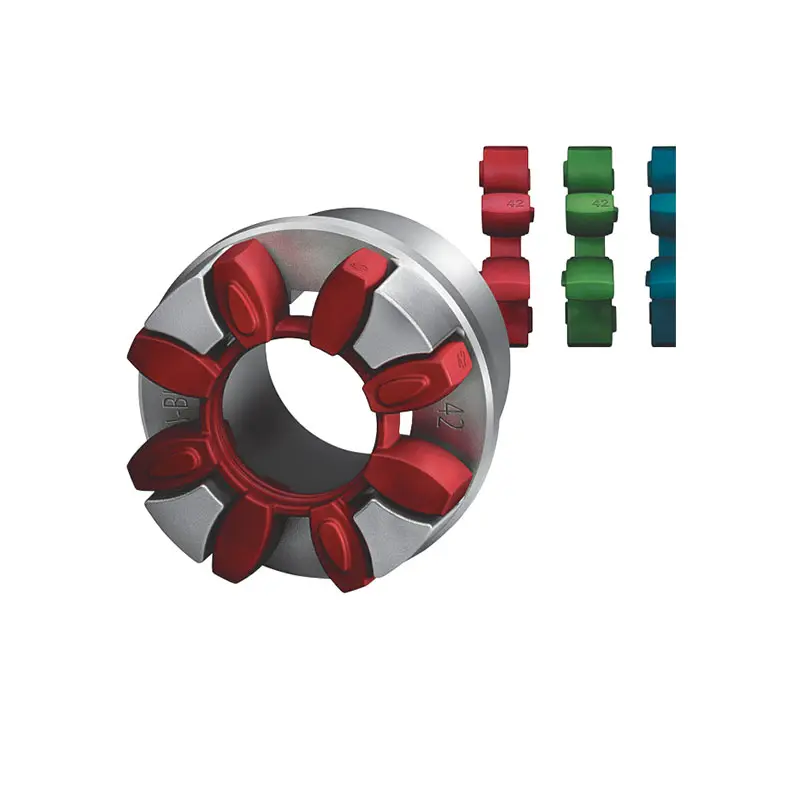
N BIPEX Flexible high performance coupling
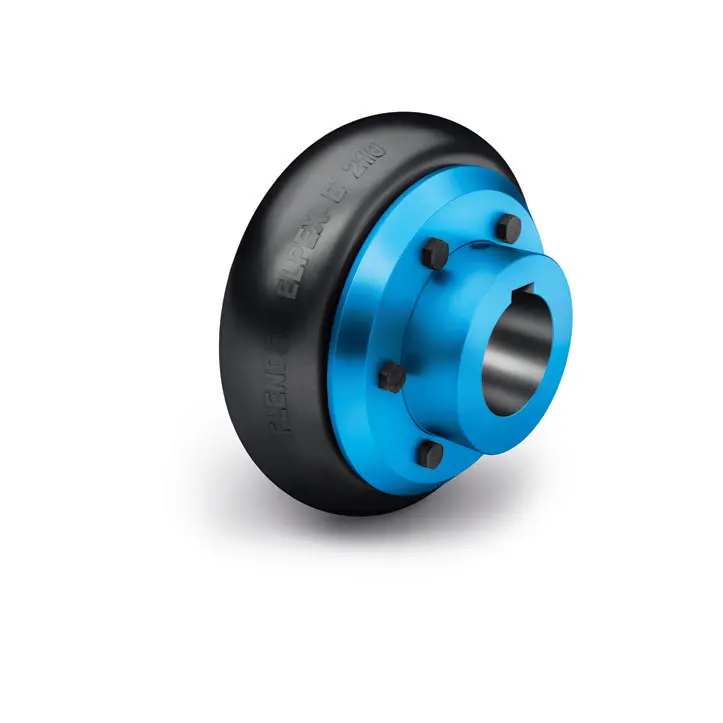
ELPEX B Highly Flexible Coupling
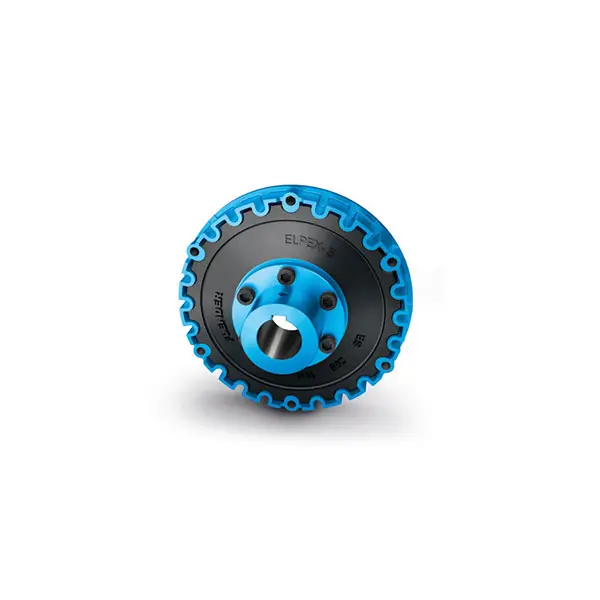
ELPEX S Highly Flexible Coupling high performance
ELPEX Highly Flexible Coupling high performance
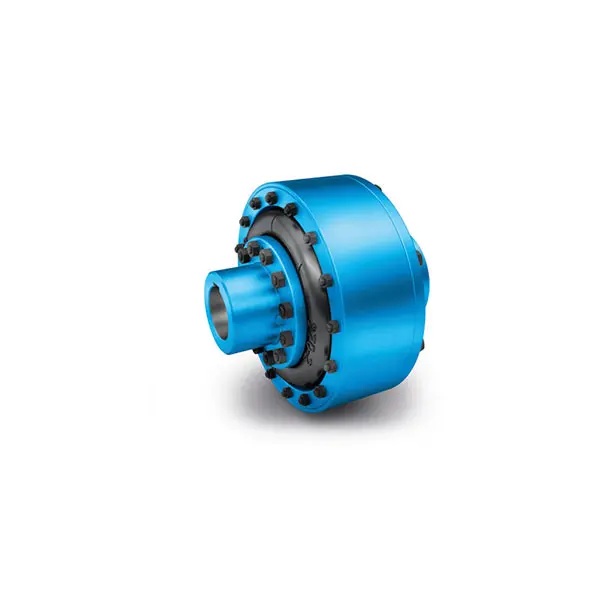
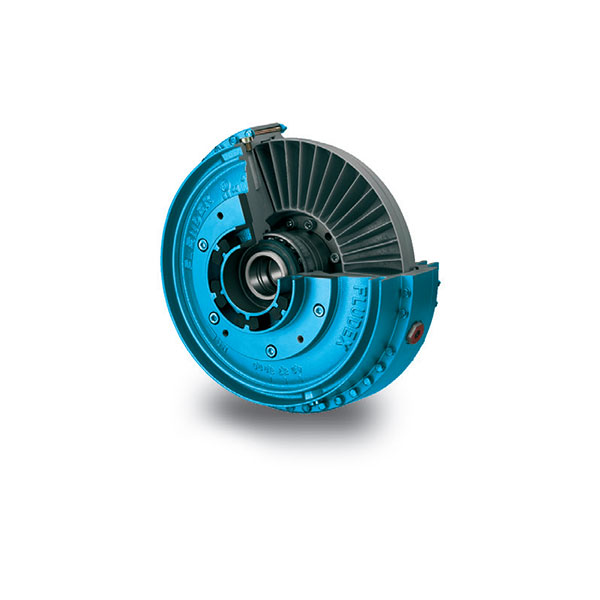
FLUDEX Fluid Coupling high performance
SIPEX Backlash free Coupling high performance
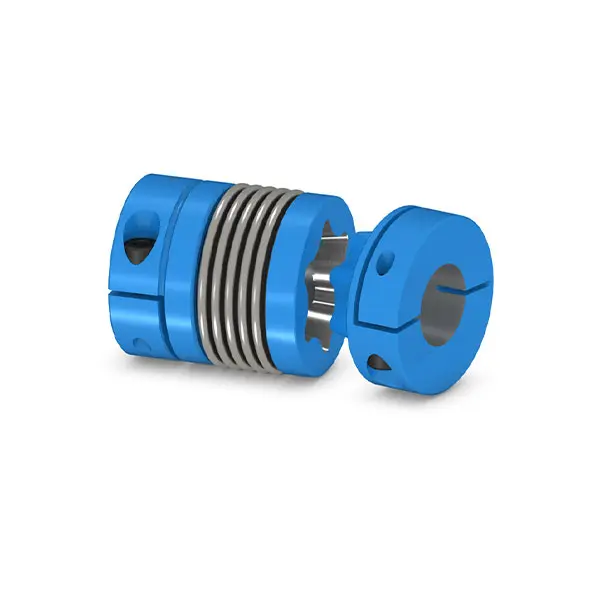
BIPEX S Backlash free Coupling high performance
FLENDER Coupling Spare Parts high performance
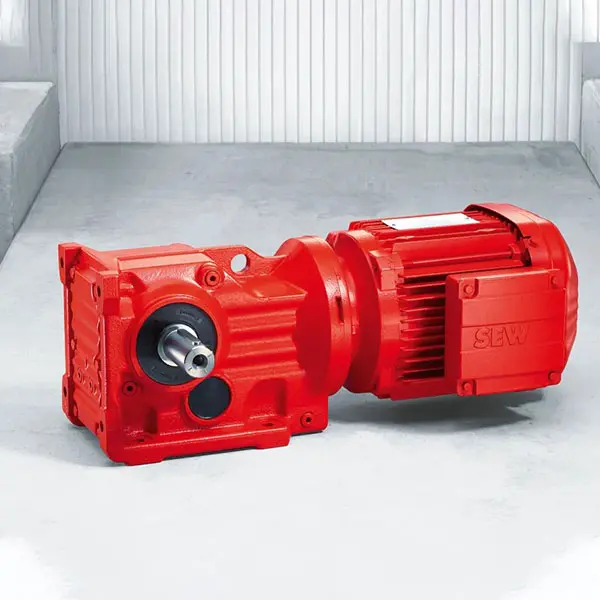
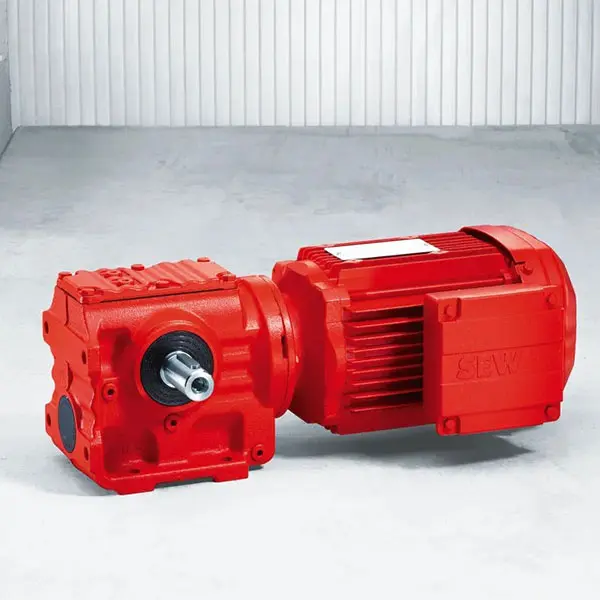
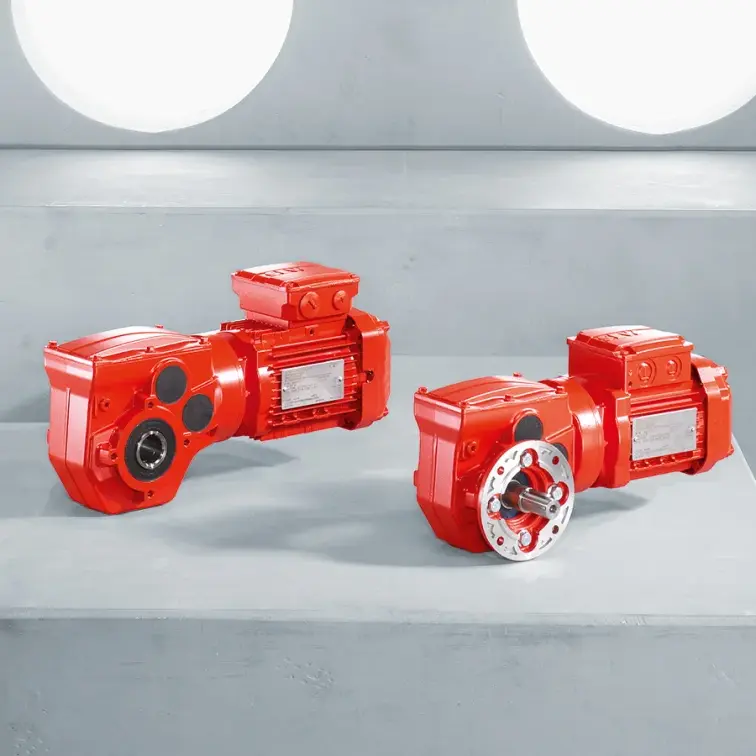
SEW Gearmotor
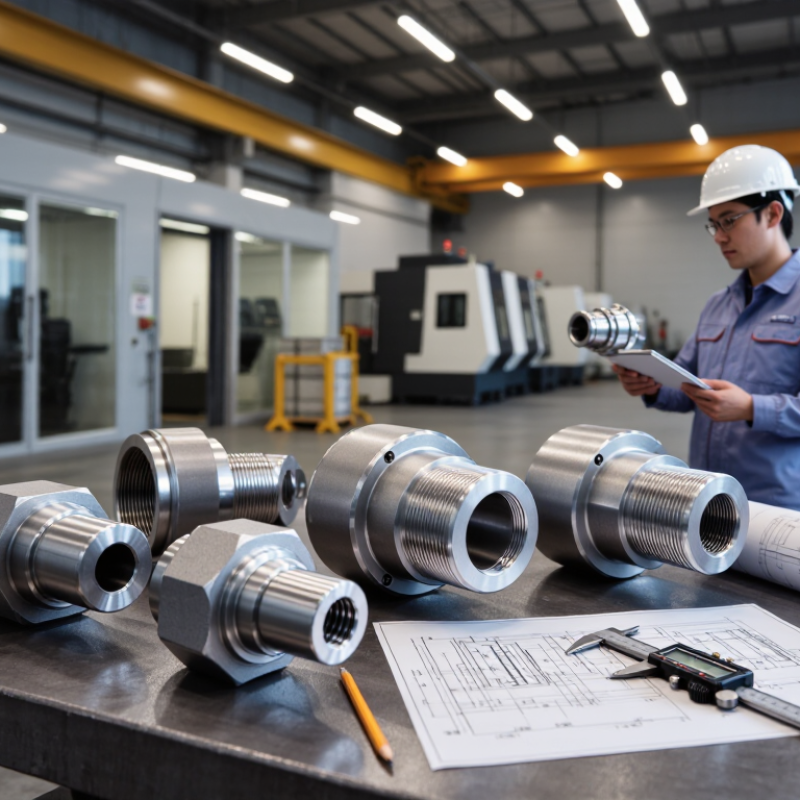
Choosing the China Best Neupex Coupling Supplier for Global Buyers? The answer requires more than comparing prices or browsing polished catalogs. A reliable supplier should demonstrate material control, machining accuracy, balancing practice, and responsive technical support. Buyers should examine torque ratings, bore dimensions, keyway standards, operating temperature, and allowable misalignment. Small details matter. A coupling installed on a dusty conveyor faces different conditions from one used in a clean packaging line.
“Coupling selection is not only about transmitting torque; it is about protecting the entire rotating system,” says Michael Hart, an independent rotating-equipment engineer. His point is practical. A suitable Neupex Coupling can reduce vibration, absorb moderate misalignment, and help protect connected shafts. However, performance depends on correct sizing and installation. Even a well-made product may fail when alignment is poor or maintenance records are ignored.
This introduction will examine how global buyers can assess Chinese Neupex Coupling manufacturers with greater confidence. It will consider production experience, inspection procedures, customization ability, export communication, packaging, and after-sales support. Factory visits, sample testing, and clear technical drawings can reveal more than marketing claims. Yet no supplier assessment is perfect. Product quality can vary between batches, and delivery promises sometimes appear stronger than actual capacity. Buyers should ask direct questions, request traceable test data, and compare several suppliers before deciding. The strongest choice may not be the cheapest. It should offer consistent engineering control, honest communication, and dependable performance under real operating conditions.
What Is a Neupex Coupling and Where Is It Used?
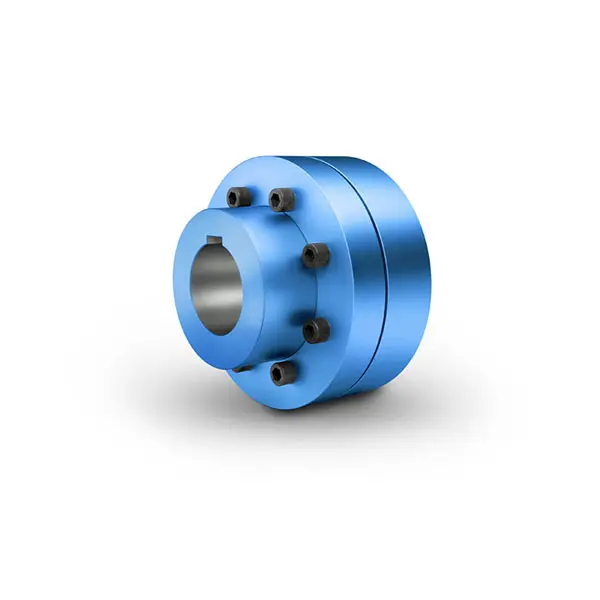
A Neupex coupling is a flexible pin-and-bush coupling used to connect rotating shafts. It transfers torque while allowing limited angular, parallel, and axial misalignment. Its elastomeric bushes absorb vibration and reduce shock loads during starting or sudden stopping. This design commonly connects electric motors with pumps, fans, compressors, mixers, conveyors, and gearboxes. In a factory, it may sit between a motor and pump, often hidden behind a protective guard.
Selection requires more than matching shaft diameters. Engineers should check rated torque, peak torque, rotational speed, bore size, ambient temperature, and expected misalignment. The connected equipment matters too. A pump with frequent starts needs different protection from a continuously running fan. In my experience, incorrect alignment causes faster bush wear than ordinary load variation. The choice is not always obvious. Installation space and maintenance access can change the best coupling size.
Tips: Measure both shafts carefully before ordering. Confirm the keyway, bore tolerance, and hub length with technical drawings. Check the coupling’s service factor against the machine’s starting conditions. Inspect elastomeric bushes for cracks, flattening, or hardening during maintenance. Also verify guard clearance after installation. A small alignment error may become expensive vibration later. Supplier documentation should include material details, torque data, dimensional drawings, and inspection records. These details help global buyers compare products reliably, although field conditions can still require engineering review.
A Neupex-type coupling is a flexible pin-and-bush coupling used to connect a motor shaft to driven equipment. Its elastomeric elements help transmit torque while accommodating limited angular, radial, and axial misalignment and reducing shock loads. Typical applications include pumps, fans, compressors, conveyors, mixers, and other industrial rotating machinery.
The chart shows theoretical synchronous motor speeds calculated by n = 120f/p, where f is supply frequency and p is the number of motor poles. Actual induction-motor speed is slightly lower because of slip. Coupling selection also requires torque, bore size, service factor, alignment, temperature, and operating speed.
Selecting a Chinese Neupex coupling supplier requires more than comparing unit prices. The supplier should verify torque, bore diameter, speed, misalignment, and operating temperature. Ask for material certificates, dimensional reports, and balancing records for each production batch. A coupling that looks perfect may still fail under heat, vibration, or repeated shock loads. Request a sample installation on your actual shaft arrangement. Small details matter.
Grand View Research estimated the global flexible coupling market at approximately USD 1.6 billion in 2023, with continued growth expected through 2030. This expansion increases supplier choices, but it also makes quality screening harder. Look for documented control plans, calibrated measuring equipment, and traceable raw materials. ISO 9001 certification helps, yet certification alone cannot prove consistent machining accuracy. The supplier should also explain its inspection frequency and corrective-action process.
Experience becomes visible during technical discussions. A reliable factory will question unclear loads instead of accepting every drawing immediately. It should calculate service factors and recommend a suitable elastomer or metal grade. Confirm lead times using real production data, not optimistic promises. Packaging deserves attention too; sealed components, corrosion protection, and shock-resistant crates reduce arrival damage. Some suppliers still depend heavily on manual inspection. That is not automatically unacceptable, but it deserves reflection before approving large orders.
Choosing a reliable coupling supplier requires more than comparing prices and product photos. Global buyers should examine material grades, machining accuracy, balancing records, and documented quality controls. Ask for dimensional reports from recent production batches. Small details matter, especially bore tolerances, keyway accuracy, and surface finish.
Certifications deserve careful verification. A valid quality certificate should show the issuing organization, scope, expiry date, and covered facility. Environmental and occupational safety credentials can also indicate disciplined operations. However, a certificate alone proves little. Request sample inspection records, calibration documents, and traceability codes. An experienced supplier should explain these documents without avoiding technical questions.
Manufacturing capability becomes clearer during a factory audit or live video inspection. Look for controlled machining areas, material storage, testing equipment, and clear nonconforming-product procedures. Ask how the supplier handles design changes and urgent replacement orders. I have found that response quality often reveals more than polished brochures. Some suppliers provide excellent samples but inconsistent later batches. That risk deserves attention. Before placing a large order, evaluate a pilot shipment under realistic load conditions. Check noise, vibration, temperature rise, and installation fit. A dependable partnership grows from measurable evidence, not confident promises.
| Evaluation Dimension | Weight | Data or Acceptance Benchmark | Documents and Evidence to Request | Recommended Verification Method | Procurement Interpretation |
|---|---|---|---|---|---|
| Quality management system | 15% | Valid ISO 9001 certification issued by an accredited certification body; certificate scope should cover the design, manufacture, or supply of mechanical power-transmission components. | Current certificate, scope statement, certificate number, expiry date, and latest surveillance-audit status. | Verify the certificate directly through the certification body or an accredited certification database. | Mandatory baseline |
| Product design capability | 12% | Documented engineering process covering torque, speed, bore, misalignment, service factor, temperature, and environmental conditions. | General arrangement drawings, dimensional tolerances, technical datasheets, calculation notes, and revision-controlled specifications. | Compare the proposed coupling selection with the application duty and the applicable manufacturer design data. | Confirms whether the supplier can select a coupling rather than only resell a standard part. |
| Material traceability | 12% | Each critical metallic batch should be traceable to a heat or lot number. Material certificates should identify chemical composition and mechanical properties. | EN 10204 type 3.1 inspection certificate, heat number, material grade, heat-treatment record, and lot identification. | Match the material certificate with the component marking, purchase order, and production traveler. | High-risk control |
| Machining and dimensional control | 12% | Inspection records should cover bore diameter, keyway dimensions, hub length, flange dimensions, bolt-hole pattern, concentricity, and runout according to the approved drawing. | First-article inspection report, in-process inspection records, calibrated equipment list, and final inspection report. | Review sampling plans and independently measure critical dimensions on received parts. | Essential for shaft fit, alignment, vibration control, and interchangeability. |
| Heat treatment and hardness | 8% | Heat treatment must match the specified material and design. Hardness should be reported using a recognized method such as ISO 6508-1 or ISO 6507-1, where applicable. | Heat-treatment cycle record, furnace chart, hardness map, and laboratory or in-house test report. | Check test-point locations, test method, calibration status, and consistency between the report and the material grade. | Reduces the risk of premature wear, cracking, and tooth or hub deformation. |
| Balancing and vibration performance | 8% | For high-speed rotating assemblies, balancing requirements should be stated by balance quality grade and operating speed in accordance with ISO 21940-11. | Balancing report showing rotor speed, correction planes, residual unbalance, balance grade, and acceptance limits. | Confirm that the report applies to the supplied configuration, including hubs, bolts, and other rotating parts. | Important for compressors, pumps, turbines, fans, and other high-speed machinery. |
| Coupling performance validation | 10% | Test or calculation data should address rated torque, peak torque, allowable speed, axial movement, angular misalignment, parallel offset, and operating temperature. | Type-test report, torque-speed curve, misalignment limits, fatigue data where available, and application calculation. | Check that ratings are stated under defined conditions and are not presented as universal values. | Prevents selecting a coupling based only on nominal torque or bore size. |
| Elastomer or flexible element control | 7% | Flexible elements should have defined material, hardness range, temperature range, chemical compatibility, and replacement criteria. | Material declaration, hardness report, batch code, storage-life guidance, temperature limits, and replacement instructions. | Review compatibility with oil, water, solvents, dust, ozone, and the specified operating temperature. | Relevant to pin-and-bush, jaw, tyre, grid, and other flexible coupling designs. |
| Production capacity and process control | 6% | Supplier should demonstrate controlled processes for forging or casting, heat treatment, machining, assembly, marking, and final inspection. | Process flow chart, capacity statement, equipment list, control plan, preventive-maintenance records, and nonconformance procedure. | Conduct a remote or on-site process audit using a risk-based checklist. | Separates repeatable manufacturing capability from occasional job-shop production. |
| Automotive-sector quality system | 3% | IATF 16949 certification is an added requirement when the coupling is supplied into an applicable automotive production chain; it is not a universal requirement for industrial machinery. | Valid IATF 16949 certificate and scope, customer-specific requirements process, and production-part approval records where applicable. | Confirm that the certificate scope and production site match the proposed supply chain. | Use only when automotive customer requirements make it relevant. |
| Laboratory and test competence | 3% | Tests performed by an external laboratory should preferably be covered by ISO/IEC 17025 accreditation for the relevant test methods. | Laboratory accreditation certificate, scope, test method, calibration certificates, and raw test data. | Check the accreditation scope rather than accepting the laboratory name alone. | Improves confidence in material, hardness, dimensional, and performance test results. |
| Environmental and workplace controls | 2% | ISO 14001 and ISO 45001 are useful management-system indicators for environmental and occupational-health controls, but their necessity depends on the buyer’s policy and contract. | Current certificates, scope, environmental objectives, and relevant compliance statements. | Review certification validity and whether the certificate covers the actual manufacturing location. | Supports responsible sourcing and supplier-risk management. |
| Export documentation and packaging | 2% | Commercial documents should identify part number, quantity, country of origin, gross/net weight, packing list, invoice data, and applicable customs information. | Sample commercial invoice, packing list, certificate of origin, export packing specification, and marking layout. | Run a documentation review before the first shipment and confirm packaging suitability for sea or air transport. | Reduces customs delays, transit damage, and receiving discrepancies. |
| Score | Definition | Evidence Standard | Recommended Decision |
|---|---|---|---|
| 5 | Excellent control | Current third-party certification, complete records, clear traceability, and verified production capability. | Suitable for approval, subject to application validation. |
| 4 | Good control | Most evidence is complete; minor documentation gaps do not affect critical product characteristics. | Suitable with routine corrective-action follow-up. |
| 3 | Acceptable but conditional | Basic controls exist, but independent verification or additional first-article inspection is needed. | Use for controlled trial orders only. |
| 2 | Weak control | Incomplete records, limited traceability, or inconsistent inspection evidence. | Do not approve for critical rotating equipment without corrective action. |
| 1 | Unacceptable control | No reliable evidence of conformity, unclear manufacturing origin, or refusal to provide verification documents. | Reject or suspend supplier qualification. |
For global buyers, choosing a China-based industrial coupling supplier involves more than comparing unit prices. A reliable quotation should separate material cost, machining, surface treatment, testing, packaging, and freight. This makes budget reviews easier and reduces unexpected charges. Prices often change with bore size, torque requirements, order volume, and steel grade. The lowest offer is not always the safest choice.
Customization should begin with practical drawings and operating data. Buyers may specify shaft diameter, keyway dimensions, misalignment tolerance, speed, and working temperature. Experienced engineers can review these details before production. They should also confirm fit, balance, corrosion protection, and replacement compatibility. Small mistakes matter. A missing installation dimension can cause costly rework. In practice, early samples and dimensional reports help reveal problems before mass production.
Export service affects the total buying experience. Suppliers should provide clear lead times, protective packing, commercial invoices, packing lists, and inspection records. Wooden cases, moisture barriers, and labeled components can protect couplings during long transport. Communication should remain traceable through drawings, revision numbers, and approved samples. Some suppliers promise fast delivery too easily. Realistic schedules are more dependable, especially for customized orders. Independent inspections can add confidence when the buyer cannot visit the factory.
China Best Neupex Coupling Supplier for Global Buyers?
Steps for Verifying and Selecting the Best Supplier in China
Selecting a Chinese flexible coupling supplier requires more than comparing prices. The U.S. Department of Energy reports that motor-driven systems consume over 70% of industrial electricity. A poorly aligned coupling can therefore increase vibration, downtime, and energy waste. Define the bore size, rated torque, speed, misalignment, temperature, and working environment before contacting factories. Keep the specification practical. Over-designed parts may raise costs without improving performance.
Request material certificates, heat-treatment records, dimensional reports, and balancing results for each production batch. ISO 9001 certification is useful, but it does not replace technical verification. The ISO Survey 2023 recorded more than one million ISO 9001 certificates worldwide, so certification alone cannot prove product quality. Ask for a sample and inspect its bore, keyway, elastomer hardness, and surface finish. Test it under realistic load when possible. Third-party inspection can confirm results.
Audit the supplier’s workshop, machining equipment, inspection tools, and traceability system. Check whether the factory controls subcontracted processes. Speak with at least two current customers, preferably in similar industries. Review delivery records and warranty response times. A low quotation may hide weak packaging or inconsistent tolerances. That mistake is common. No checklist is perfect. Keep written records, repeat critical measurements, and require corrective action before approving mass production.