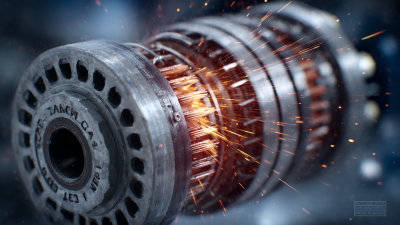
How to Choose the Right Neupex Coupling for Your Mechanical Needs
When it comes to ensuring the efficiency and reliability of mechanical systems, choosing the right components is crucial. Among these components, the Neupex Coupling stands out as a flexible solution designed to accommodate various operational demands. Its unique design allows for the connection of rotating shafts, enabling the transmission of torque while compensating for misalignments and vibrations. As industries evolve and technological advancements continue, the importance of selecting the appropriate Neupex Coupling cannot be overstated.
In this guide, we will explore the factors that influence the selection of Neupex Couplings and how they can be tailored to meet specific mechanical needs. By understanding the different types available, their advantages, and the applications they are best suited for, you can make an informed decision that enhances the performance and longevity of your mechanical systems. Whether you are dealing with pump drives, conveyor systems, or other machinery, the right Neupex Coupling will play a pivotal role in optimizing operational efficiency and reducing maintenance costs.

Understanding Neupex Couplings: Types and Functions
Neupex couplings are essential components in various mechanical systems, designed to transmit torque while accommodating misalignment and vibration. Understanding the different types and functions of these couplings can significantly influence their effective application. Neupex couplings generally come in flexible and rigid designs, each suited for specific purposes. Flexible couplings are ideal for applications where shaft misalignment might occur, allowing for slight angular or parallel discrepancies. This flexibility helps in reducing wear and tear on connected equipment, making them suitable for diverse industries.
In contrast, rigid couplings provide a solid connection between shafts that need to maintain precise alignment. These are predominantly used in applications where high torque and minimal backlash are critical. The choice between flexible and rigid variants depends on the operational requirements, such as load type, speed, and the degree of alignment achievable in a given installation. By assessing these parameters, users can select the most appropriate Neupex coupling to ensure seamless operation and longevity of their mechanical systems.
Key Factors in Selecting the Right Neupex Coupling
When selecting the right Neupex coupling for your mechanical needs, several key factors should be considered to ensure optimal performance and reliability. First, assess the operational parameters such as torque, speed, and temperature range. Understanding these conditions will help you select a coupling that can handle the specific demands of your application without risking failure or inefficiencies.
Another critical factor is the size and alignment of the equipment being coupled. Proper alignment is essential to minimize wear and extend the lifespan of the coupling. Additionally, consider the environment in which the coupling will operate. Factors such as exposure to chemicals, humidity, or extreme temperatures can influence material selection, ensuring durability and long-term performance.
Tips: Choose a coupling that offers flexibility and vibration dampening, which can reduce stress on connected machinery. Also, ensure easy maintenance and accessibility for inspections, as regular checks can preempt larger issues down the line. Lastly, consult with manufacturer specifications and guidelines to match your needs with the performance capabilities of the coupling effectively.
Assessing Load and Torque Requirements for Your Application
When selecting a Neupex coupling, understanding the load and torque requirements for your specific application is crucial. Load requirements define the maximum force that the coupling will need to transmit during operation. It is essential to consider both static loads, which are present when the equipment is at rest, and dynamic loads, which occur when the machinery is in motion. Evaluating these factors ensures that the coupling can withstand the operational demands without failure.
Torque requirements play a significant role in the selection process as well. Torque refers to the rotational force that the coupling must handle, and it is vital to assess the peak torque conditions that your application will encounter. This includes considering factors such as acceleration and deceleration phases, which can temporarily increase torque levels. By calculating the maximum expected torque and comparing it to the coupling's rated capacity, you can make informed decisions that lead to enhanced performance and longevity of your mechanical setup. Understanding the interplay of load and torque ensures that you choose a coupling that not only meets your application's needs but also operates efficiently and reliably under varying conditions.
Material Compatibility: Choosing the Best Neupex Coupling
When choosing a Neupex coupling, material compatibility is crucial to ensure optimal performance and longevity in various mechanical applications. The first step is to consider the operating environment where the coupling will be used. Different materials react uniquely to factors such as temperature, humidity, and exposure to chemicals. For instance, selecting a coupling made of non-corrosive materials is essential for environments where moisture or aggressive substances are present. Identifying the specific requirements of your application allows for informed material selection that can withstand operational stresses and external conditions.
Furthermore, understanding the materials involved in the connected components is vital. Compatibility extends beyond just the coupling; it involves ensuring that the materials chosen for the coupling complement those of the shafts or other connected elements. For example, using a coupling with a softer material against a harder one can lead to premature wear. Additionally, consider the thermal expansion rates of the materials, as differences can lead to performance issues down the line. Thorough assessment of these factors will help in selecting the right Neupex coupling, ensuring efficiency and reliability in your mechanical systems.
Installation Considerations and Maintenance for Longevity
When selecting a Neupex coupling for mechanical applications, it's crucial to consider installation factors and maintenance practices that ensure longevity. Proper alignment during installation is essential. Misalignment can lead to premature wear, increased vibration, and operational inefficiencies. According to industry reports, such as those from the American Gear Manufacturers Association, misalignment can cause a 50% reduction in the lifespan of couplings. Therefore, using alignment tools and thoroughly checking for proper fit before final assembly can significantly enhance durability.
Maintenance plays a key role in extending the life of Neupex couplings. Regular inspection for signs of wear, such as cracks or surface degradation, is vital. A recent study published in the Journal of Mechanical Engineering highlighted that scheduled maintenance can increase coupling life by 30%. Additionally, ensuring that the couplings are kept free from contaminants, such as dust and moisture, can prevent degradation of materials. Implementing a routine maintenance schedule that includes lubrication, when applicable, can further reduce friction and wear, thereby maximizing performance over time.
How to Choose the Right Neupex Coupling for Your Mechanical Needs - Installation Considerations and Maintenance for Longevity
| Coupling Type |
Torque Rating (Nm) |
Max Speed (RPM) |
Material |
Installation Notes |
| Flexible Coupling |
150 |
3000 |
Aluminum |
Ensure proper alignment before installation. |
| Rigid Coupling |
250 |
4500 |
Stainless Steel |
Tighten the screws evenly for optimal performance. |
| Gear Coupling |
350 |
2500 |
Carbon Steel |
Check lubrication before use. |
| Chain Coupling |
200 |
3500 |
Metal Alloy |
Ensure chain tension is proper. |
| Oldham Coupling |
80 |
5000 |
Plastic |
Check for wear on the sliding surfaces. |

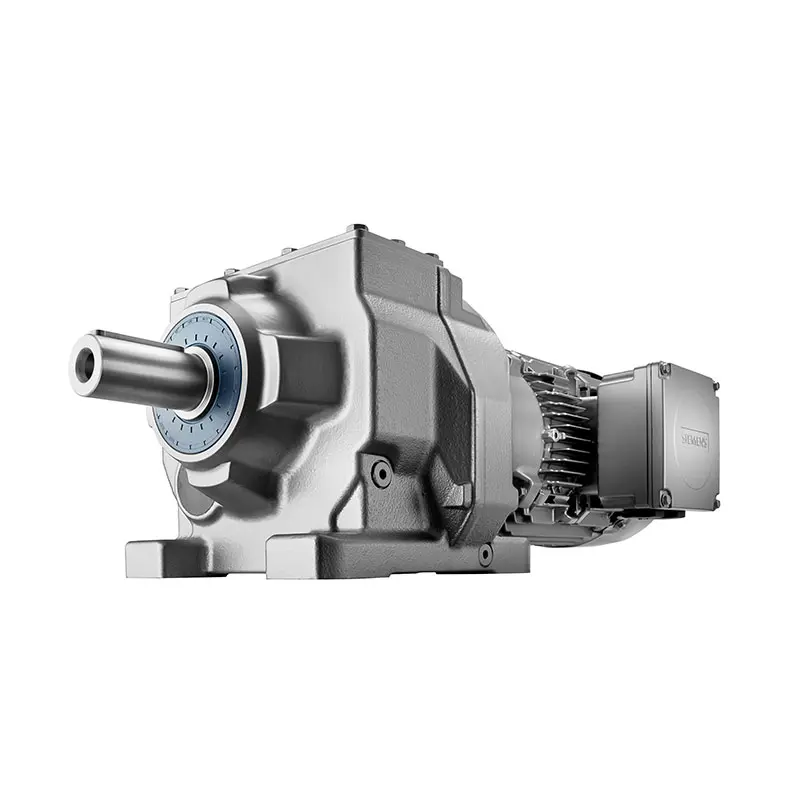 SIEMENS Helical Gearmotor Low Voltage
 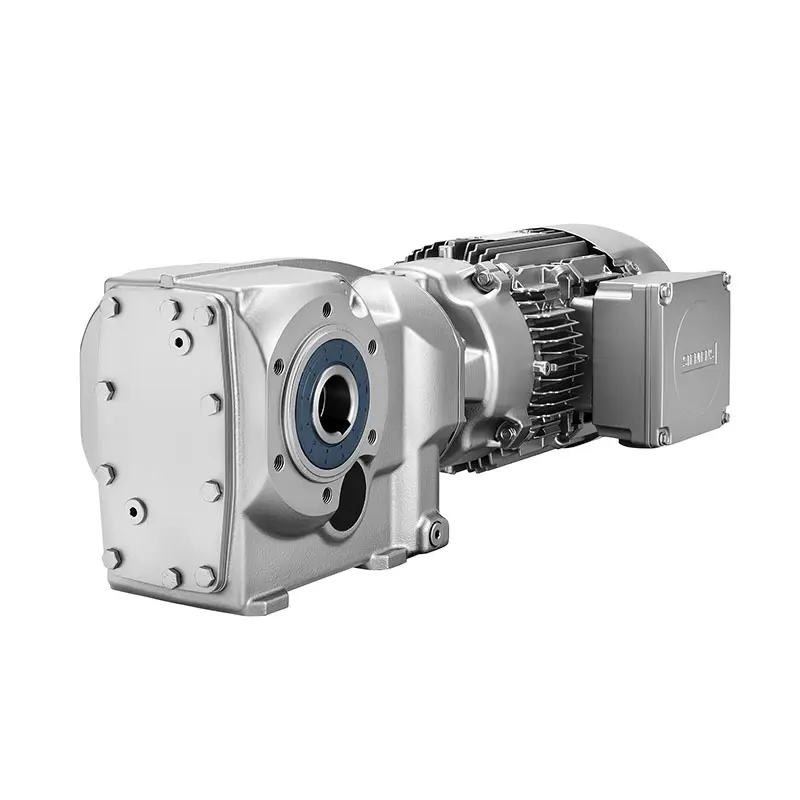 SIEMENS Bevel Helical Gearmotor
 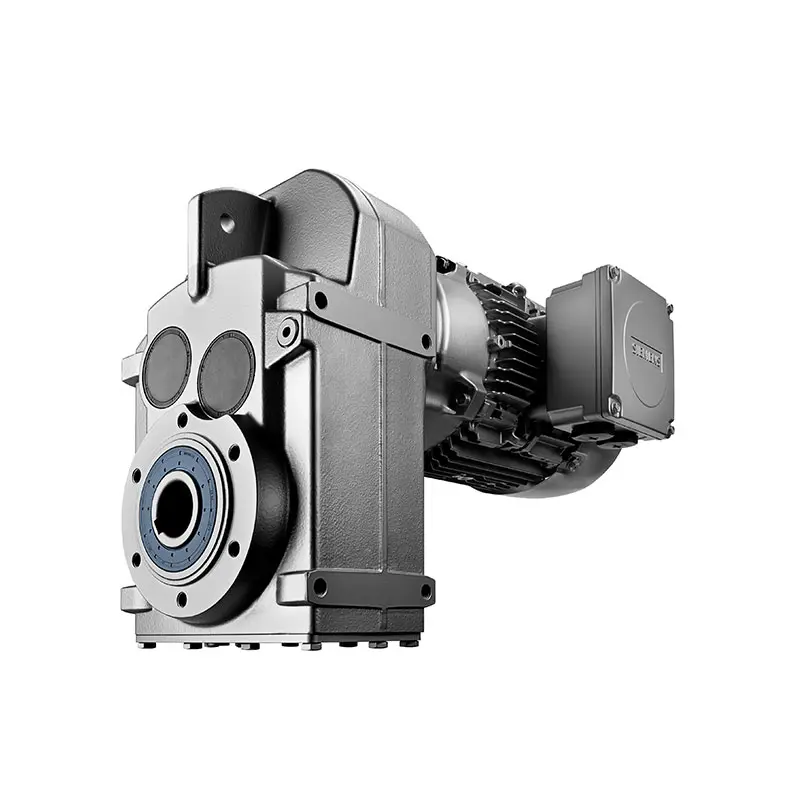 SIEMENS Parallel Shaft Gearmotor
 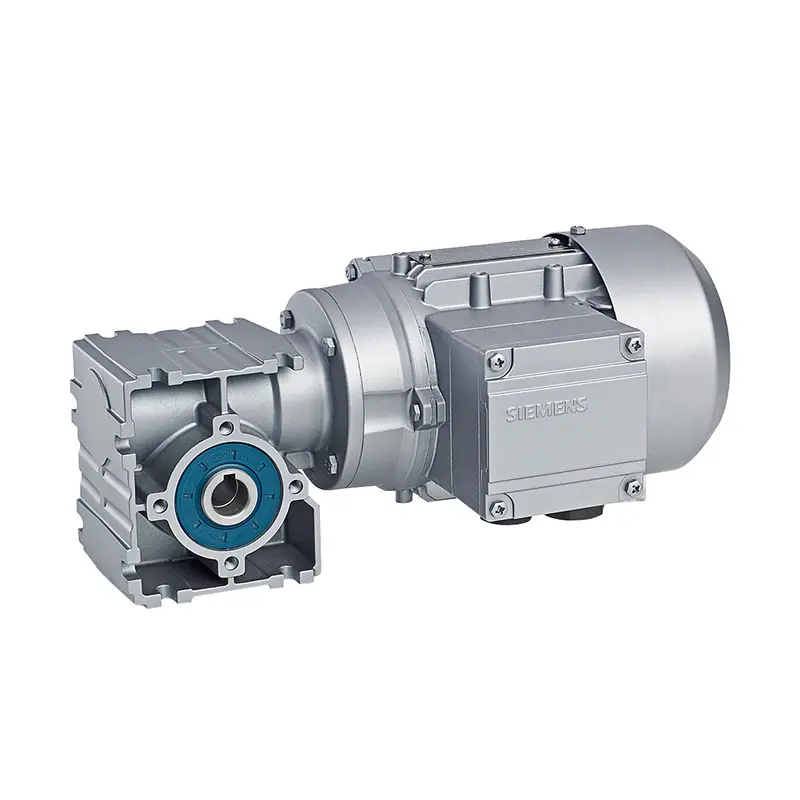 SIEMENS Worm Gearmotor Low Voltage
 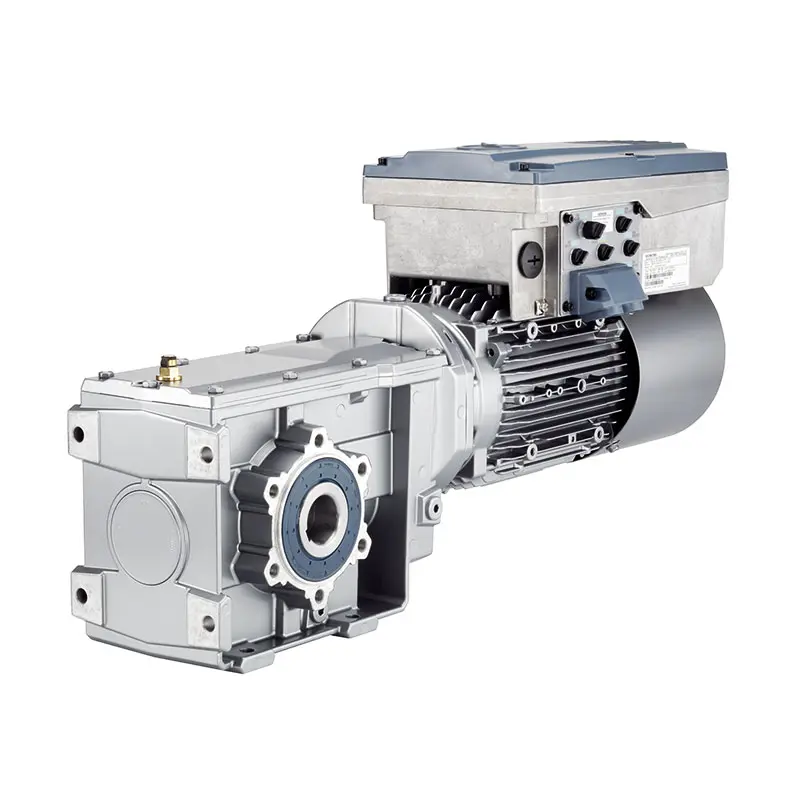 SIEMENS With Servo Motor Gearmotor
 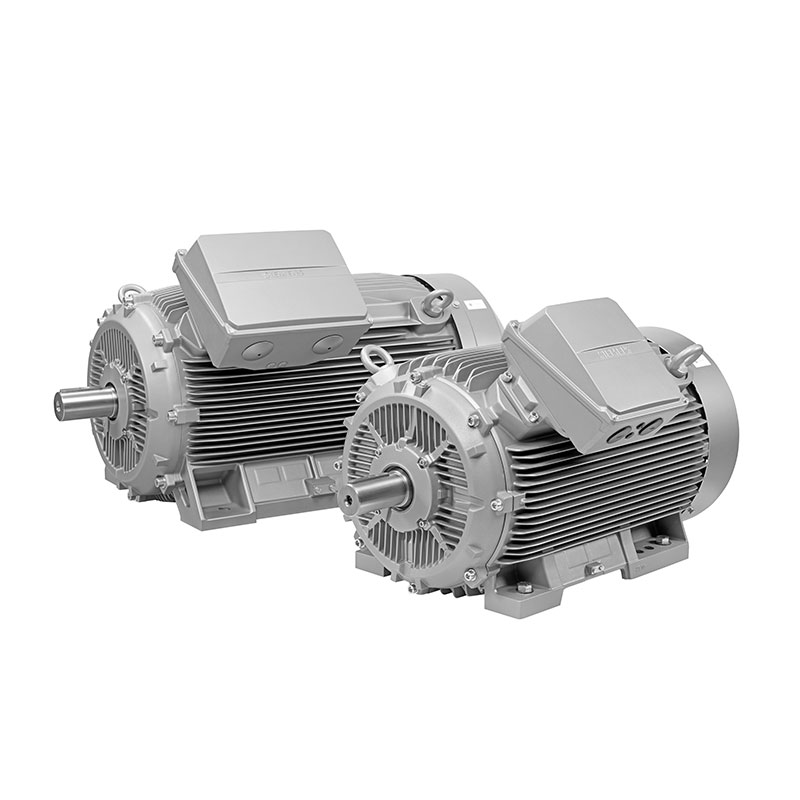 SIEMENS Low Voltage Motor Low Voltage
 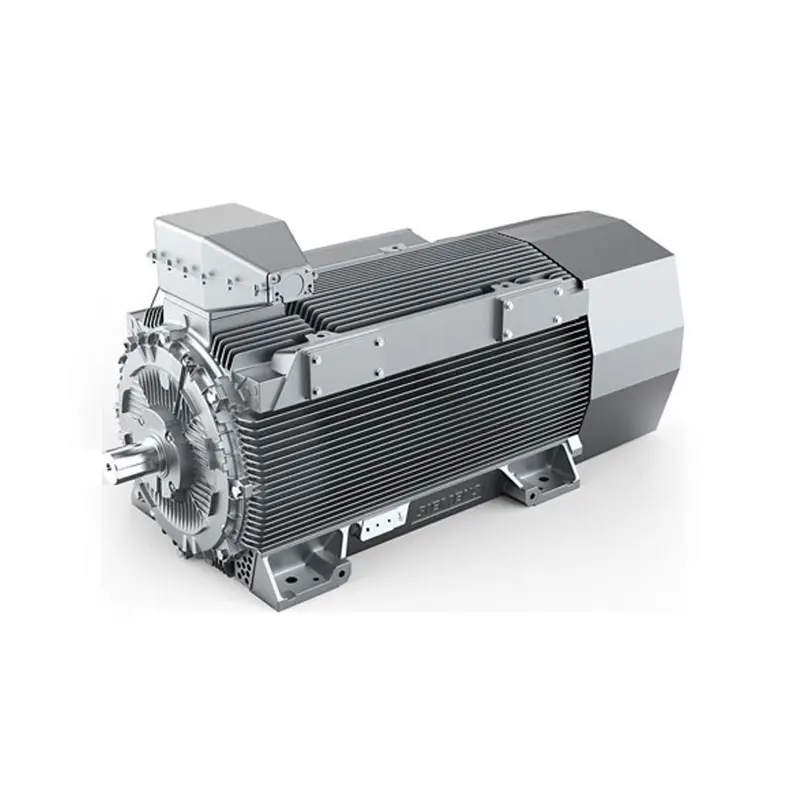 SIEMENS High Voltage Motor Low Voltage
 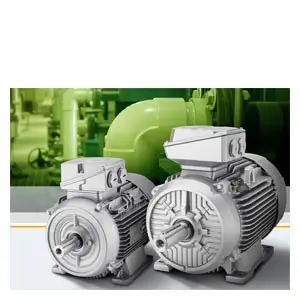 SIEMENS Marine Motor Low Voltage
 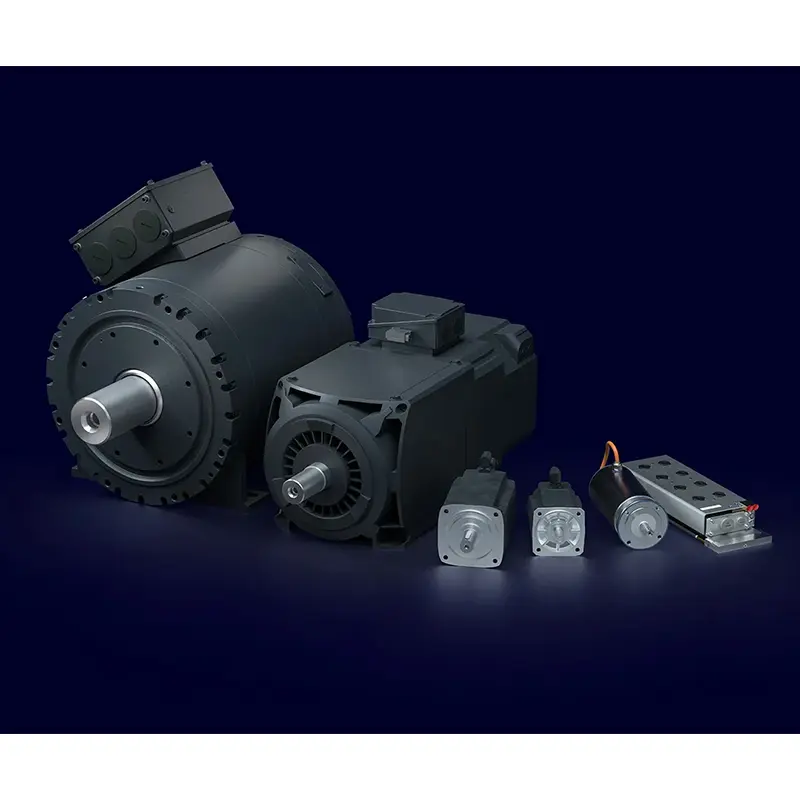 SIEMENS Servo Motor Low Voltage
 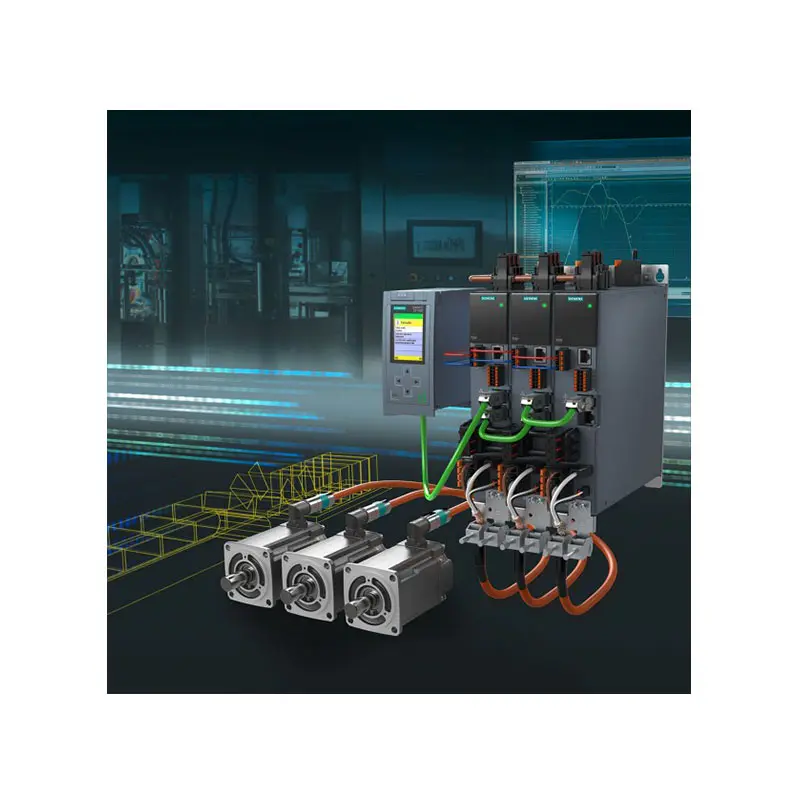 SIEMENS SINAMICS S210 Low Voltage
 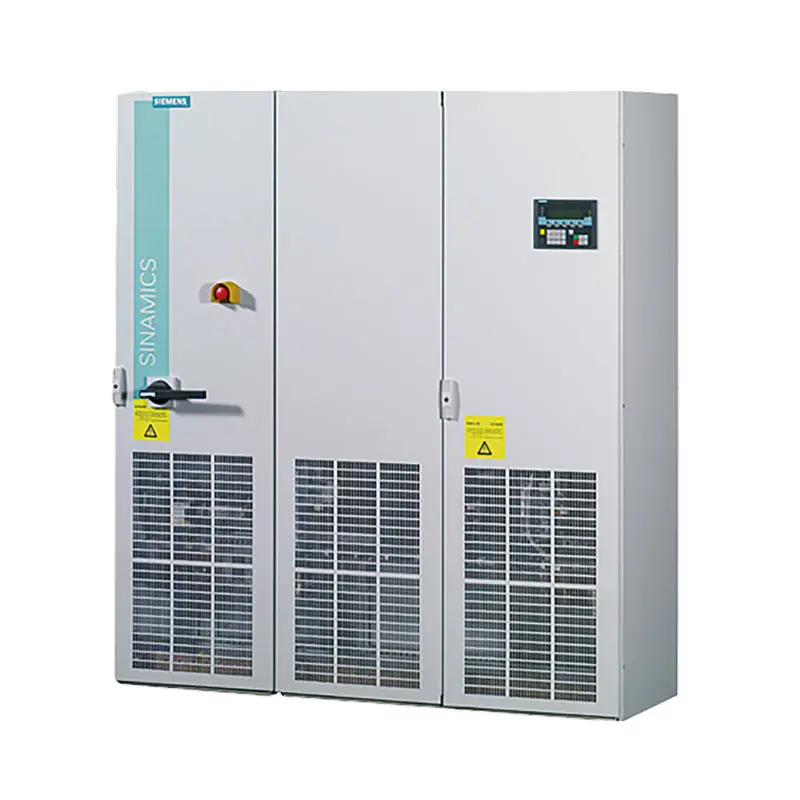 SIEMENS SINAMICS S150 Low Voltage
 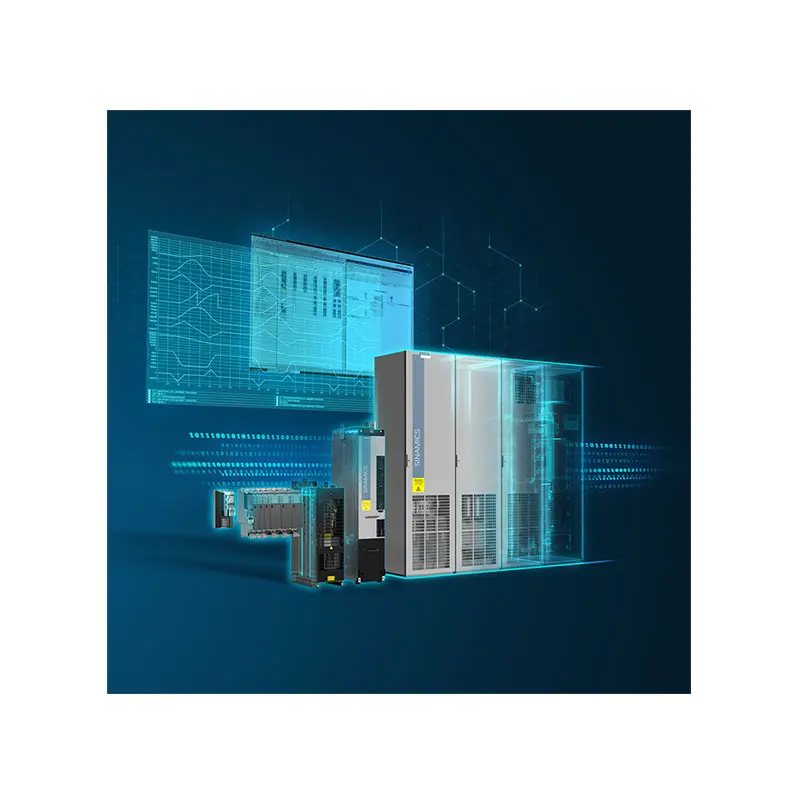 SIEMENS SINAMICS S120 Low Voltage
 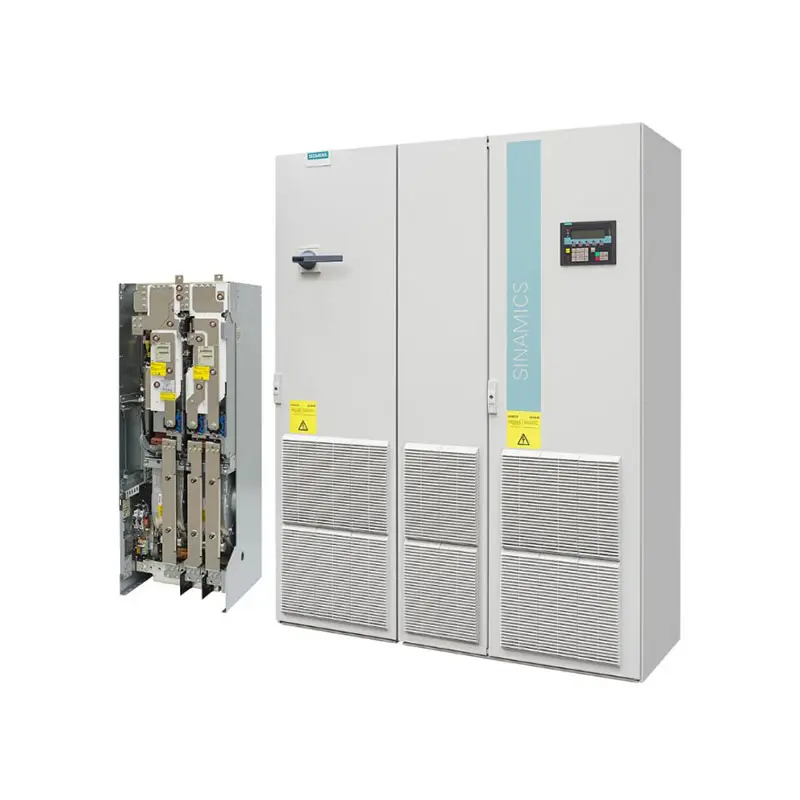 SIEMENS SINAMICS G130/G150
 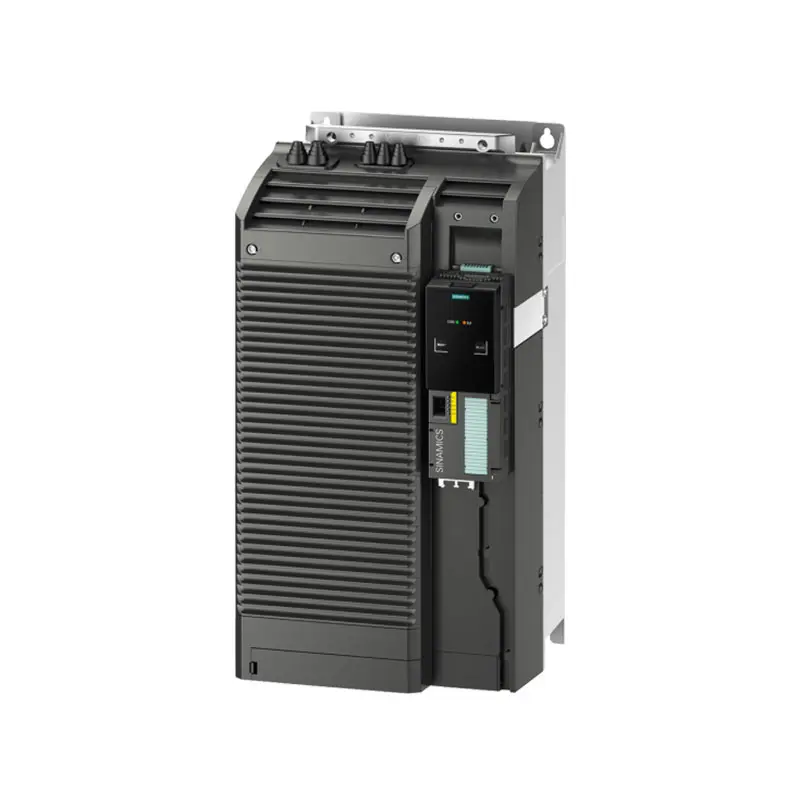 SIEMENS SINAMICS G120 Low Voltage
 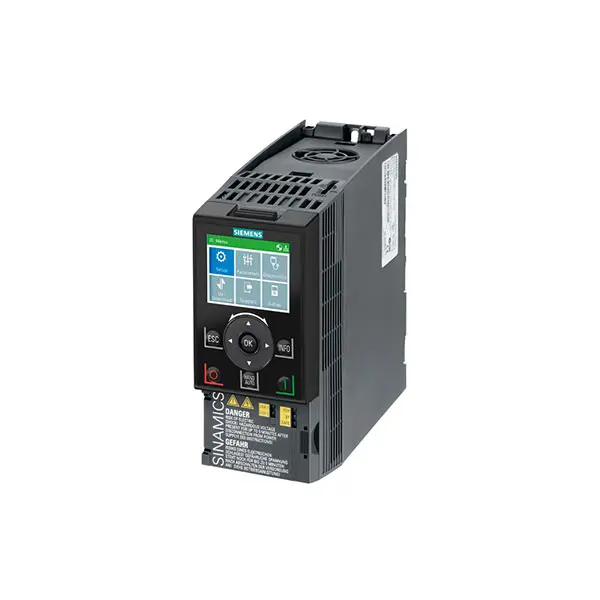 SIEMENS SINAMICS G120C Low Voltage
 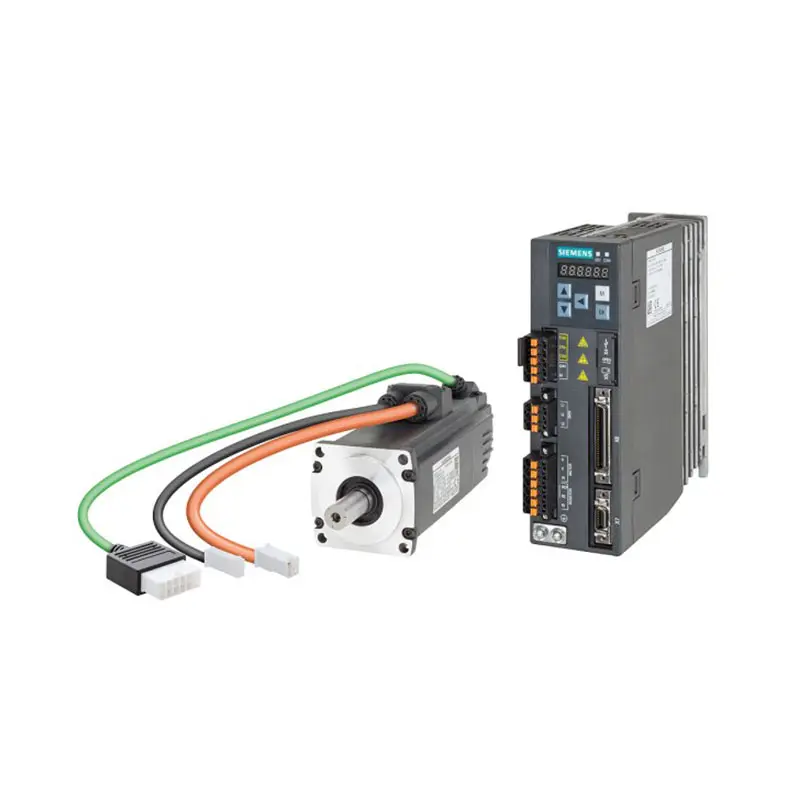 SIEMENS SINAMICS V90
 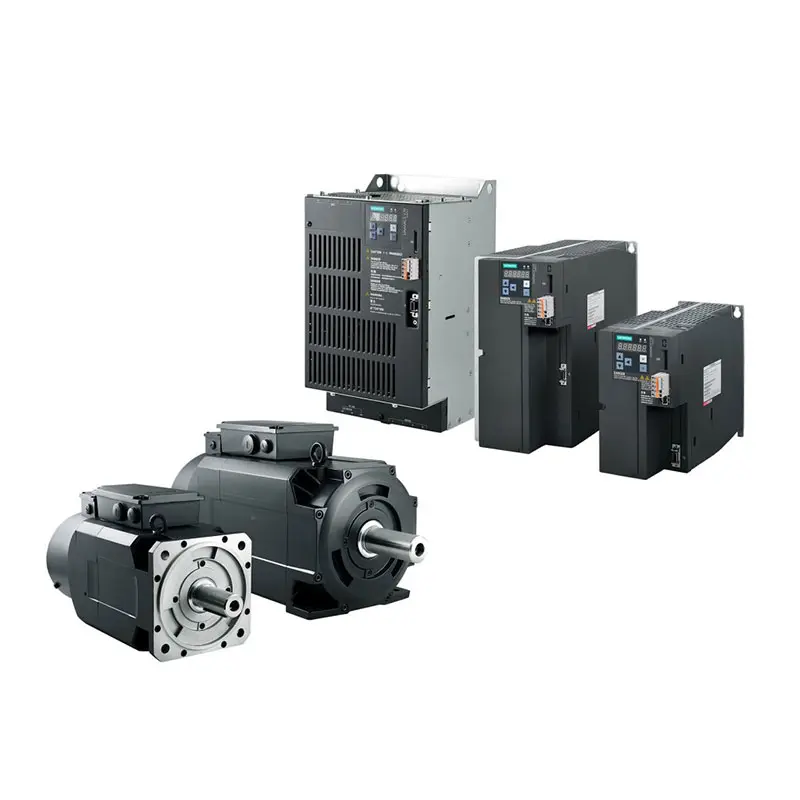 SIEMENS SINAMICS V70 Low Voltage
 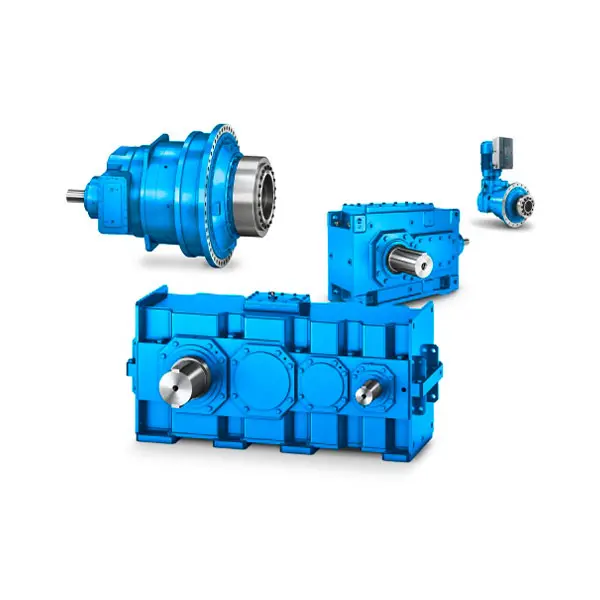 FLENDER Gear Unit
 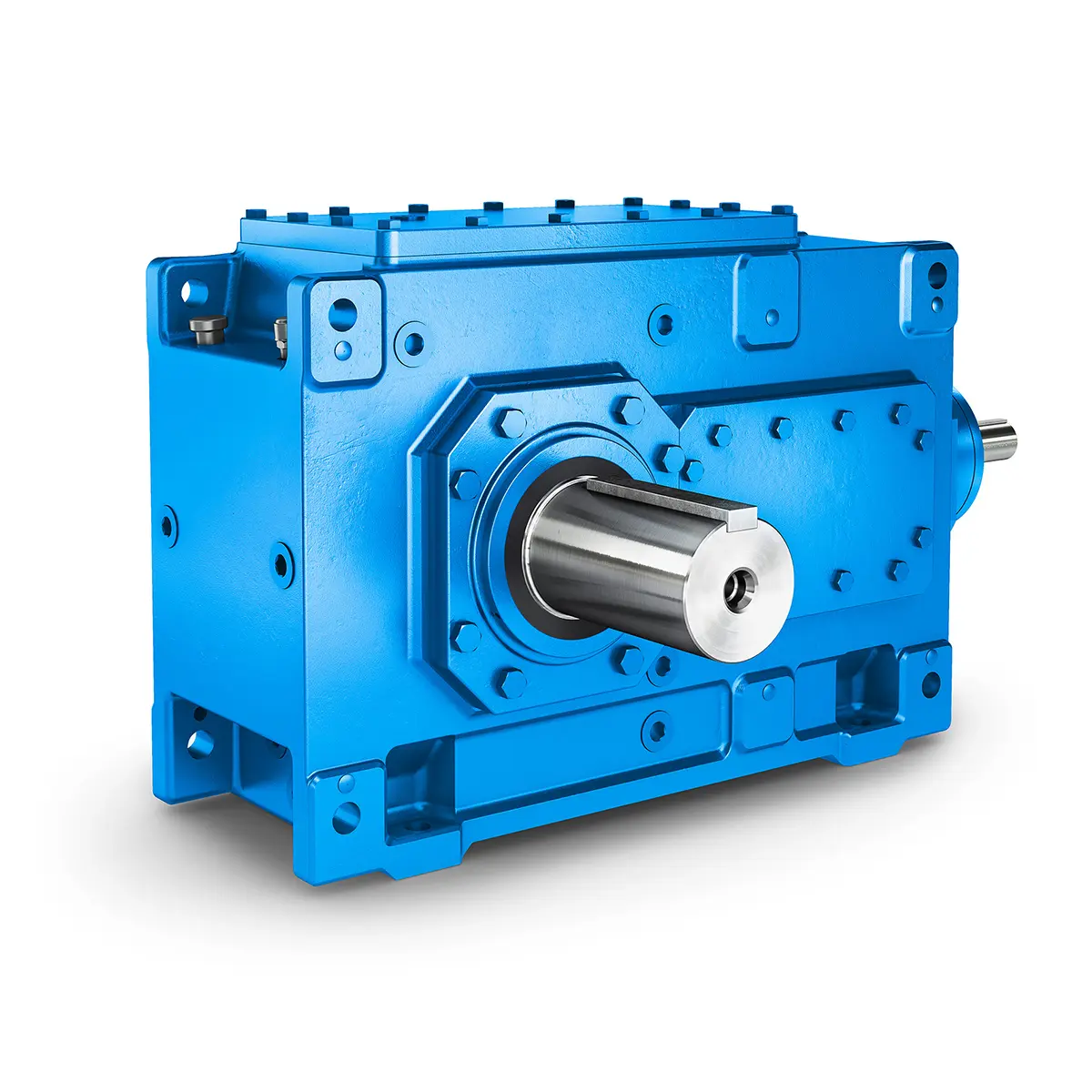 FLENDER Helical Gear Unit
 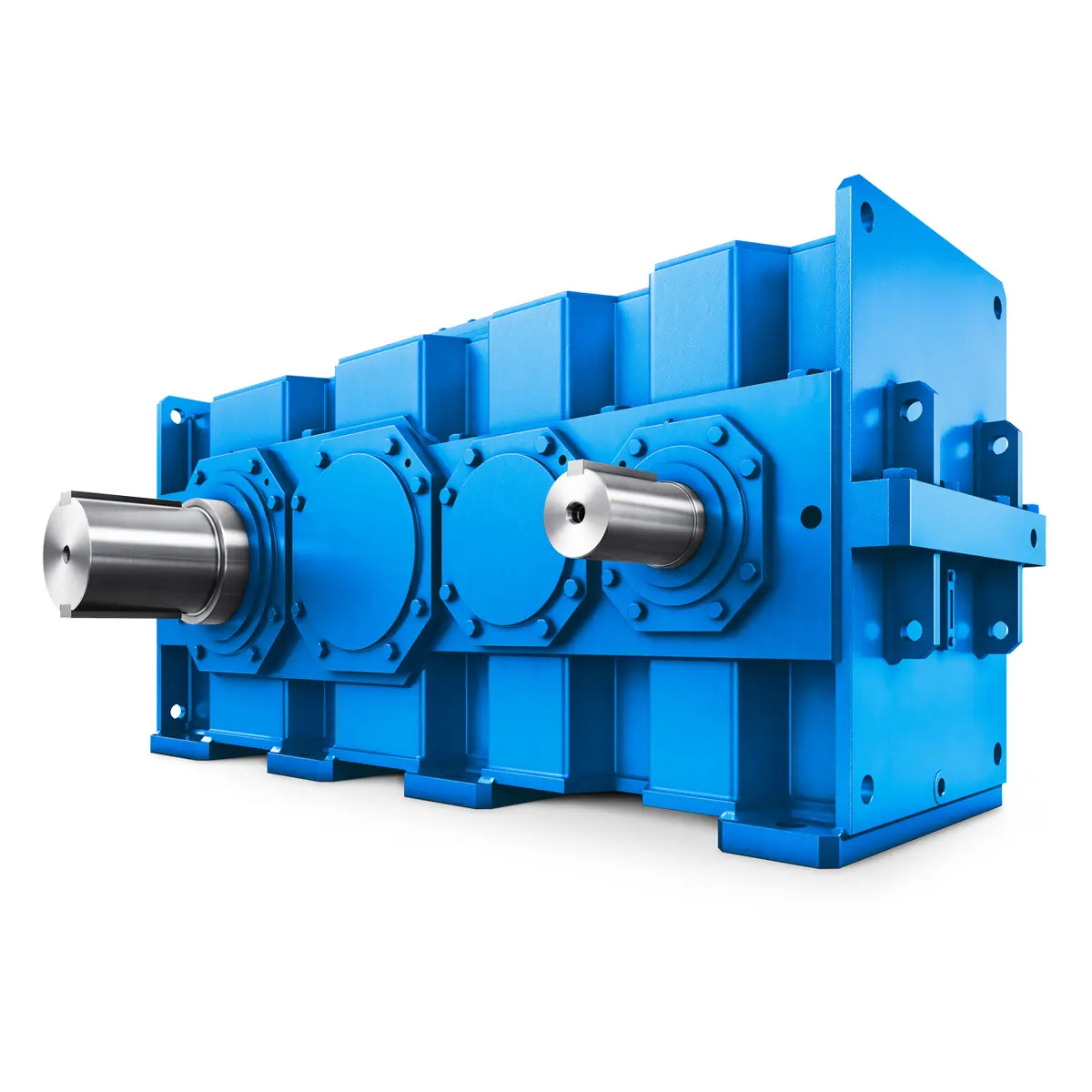 Flender gear units for lifting and luffing gears
 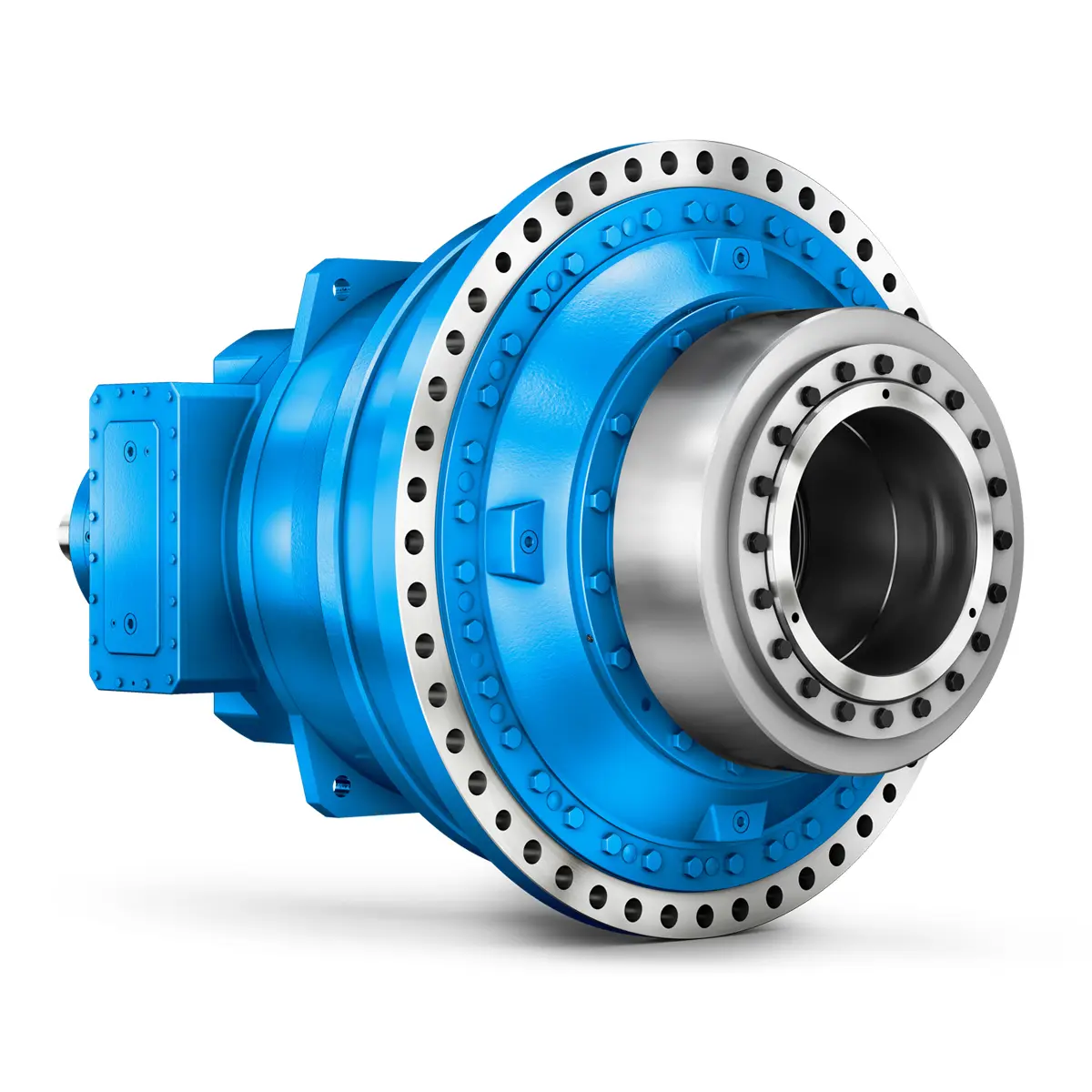 FLENDER Gear Unit gearunit gearbox
 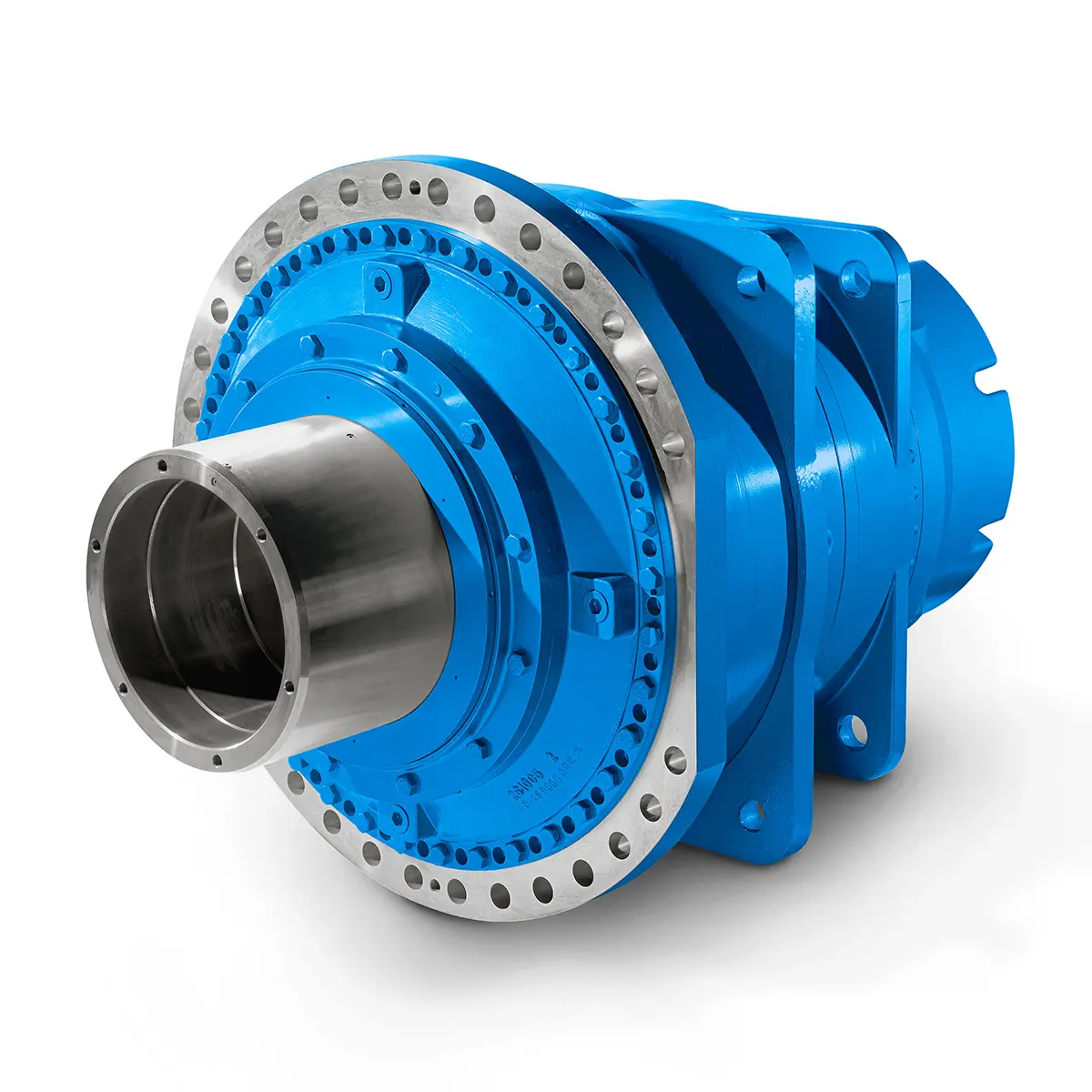 Optimal Drive Solution For Maximum Performance
 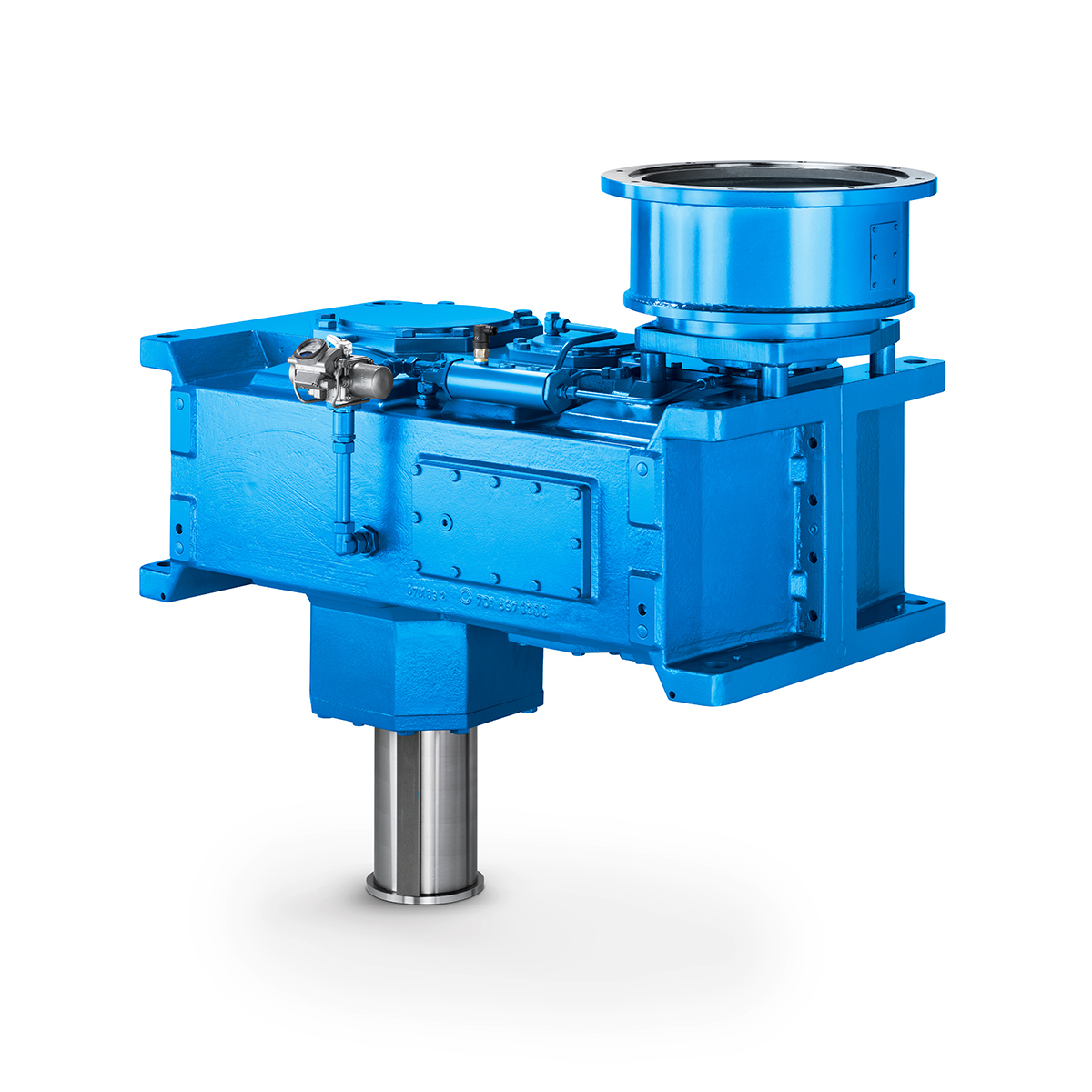 Strongly operating against biodegradable constituents
 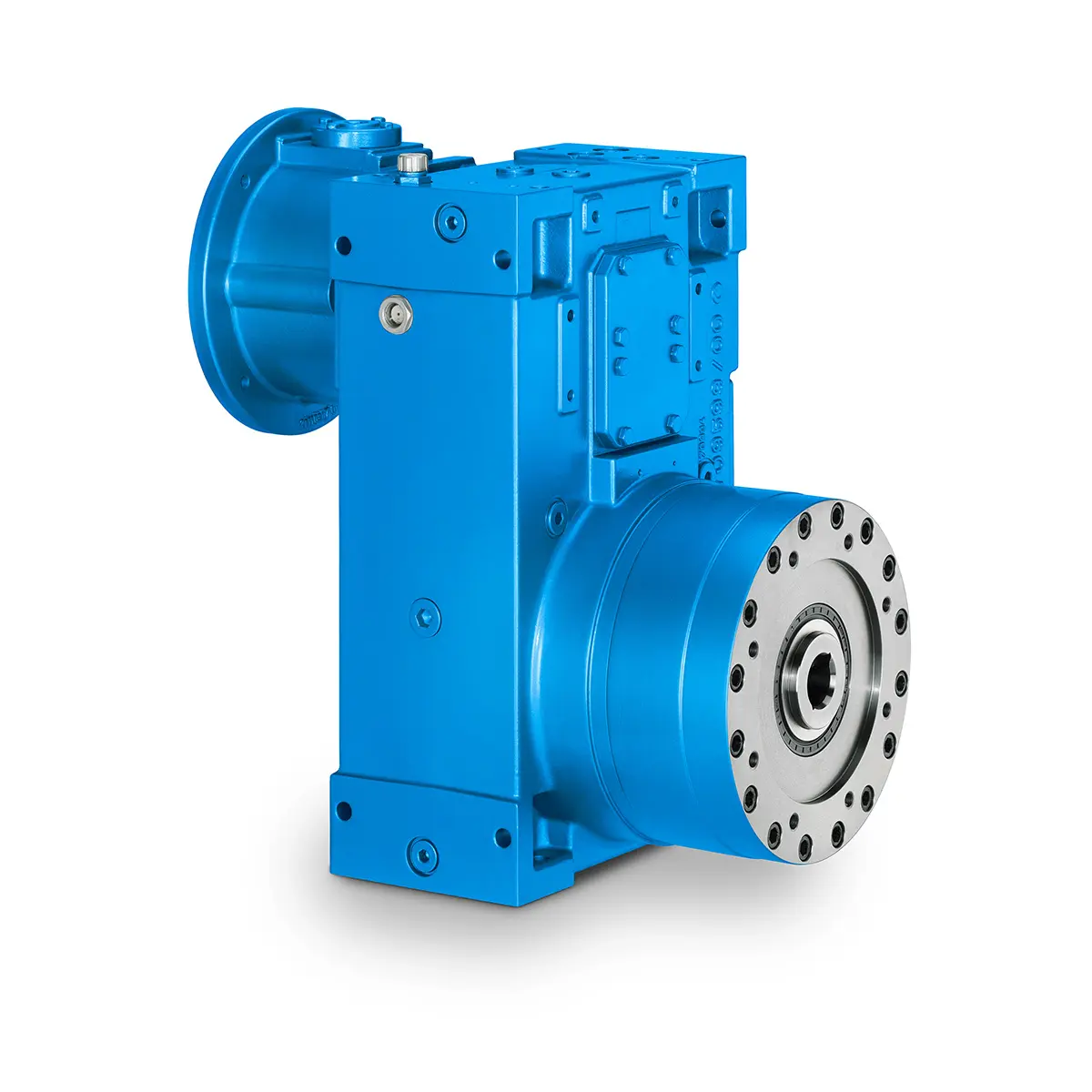 SINGLE SCREW Special industry dedicated gearunit gearbox
 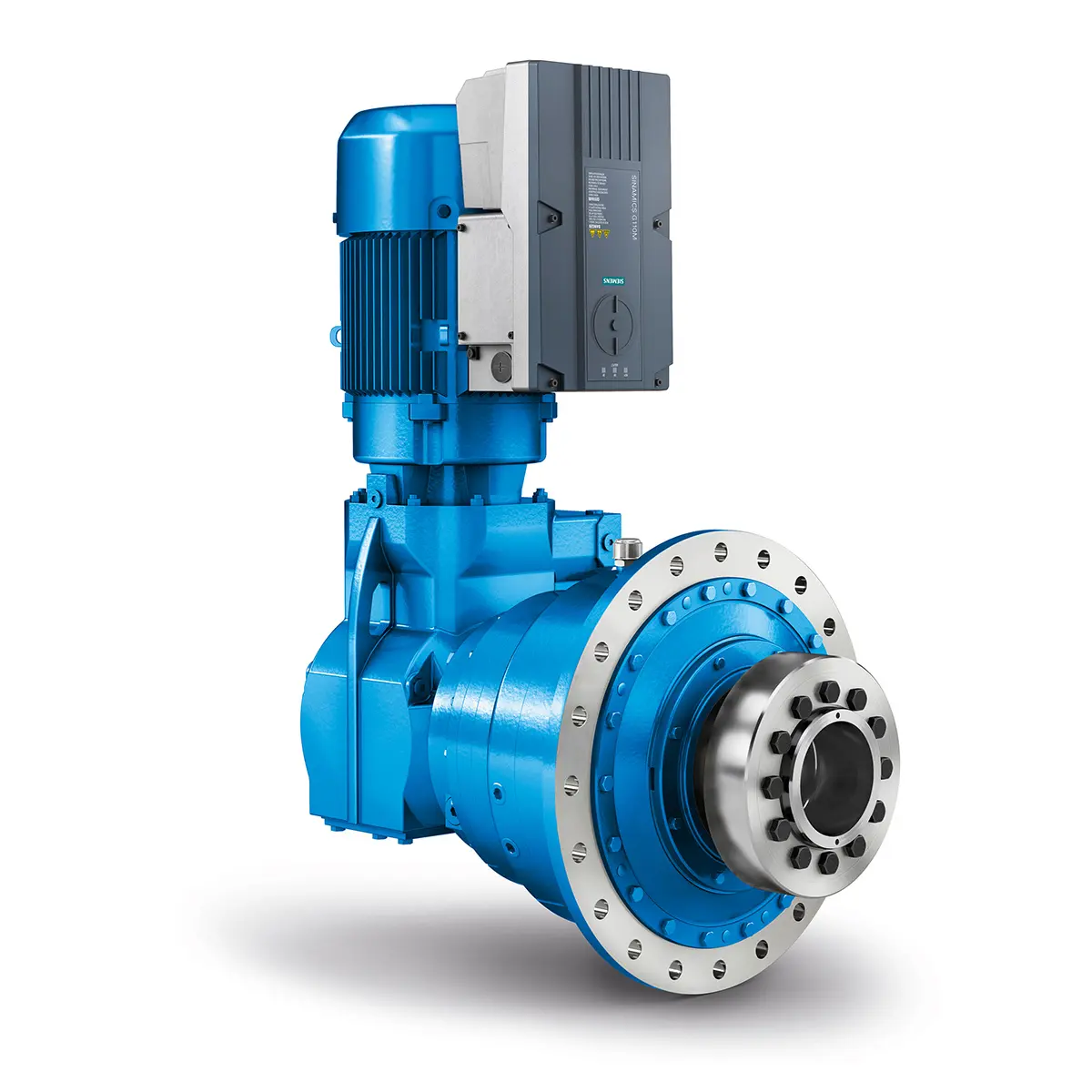 Playmaker In The Premium League
 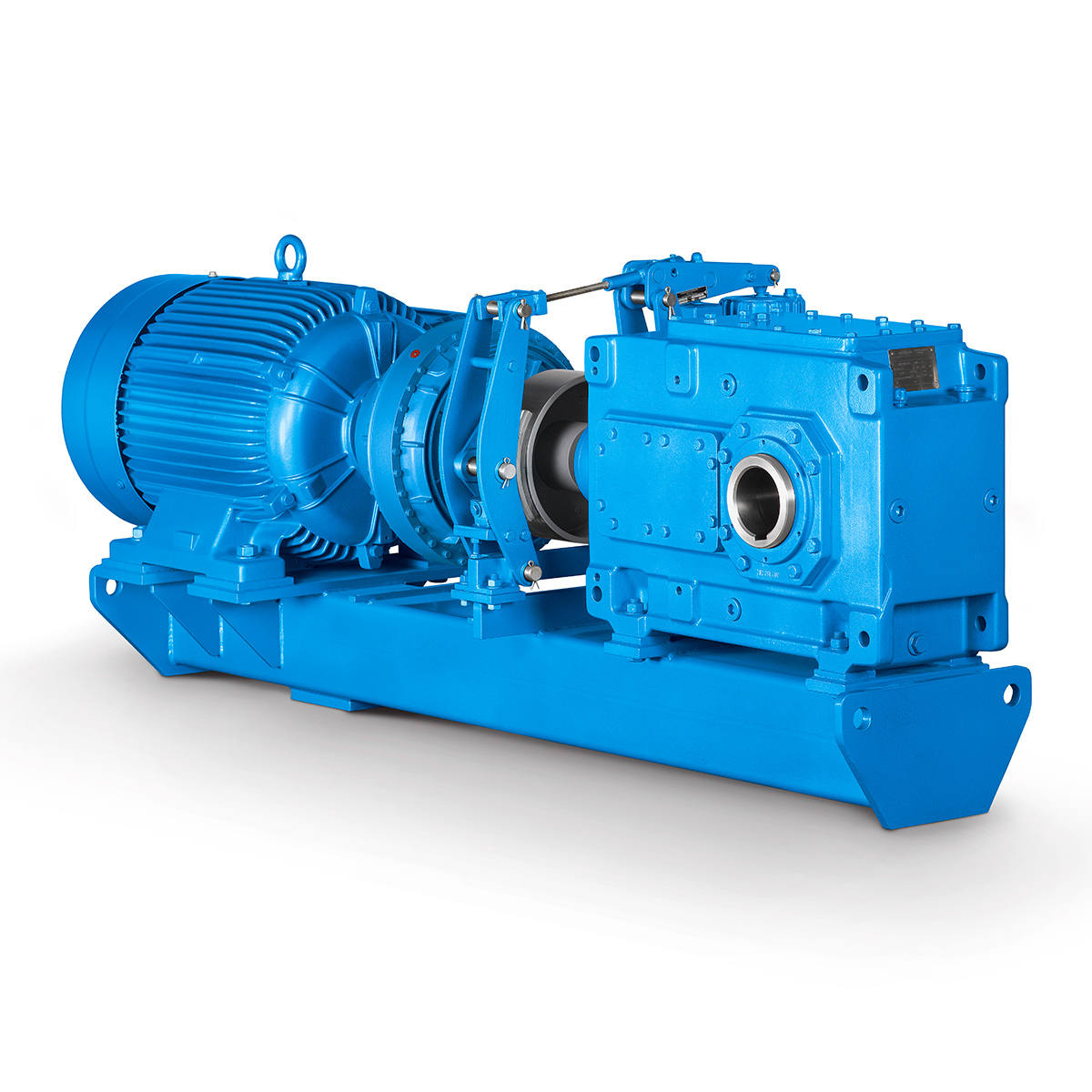 Conveyor belts gearunit gearbox
 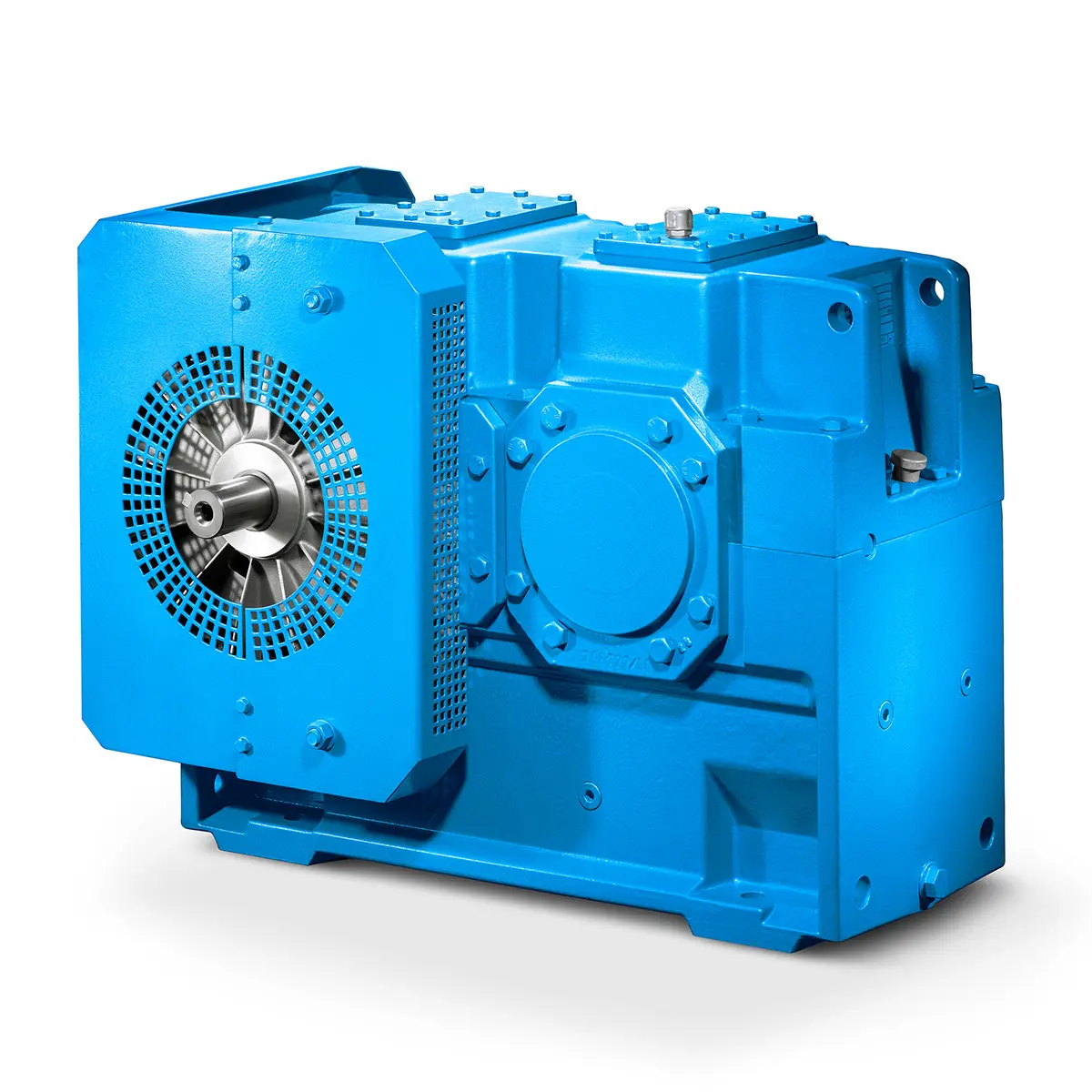 Paper And Pulp Preparation Sections
 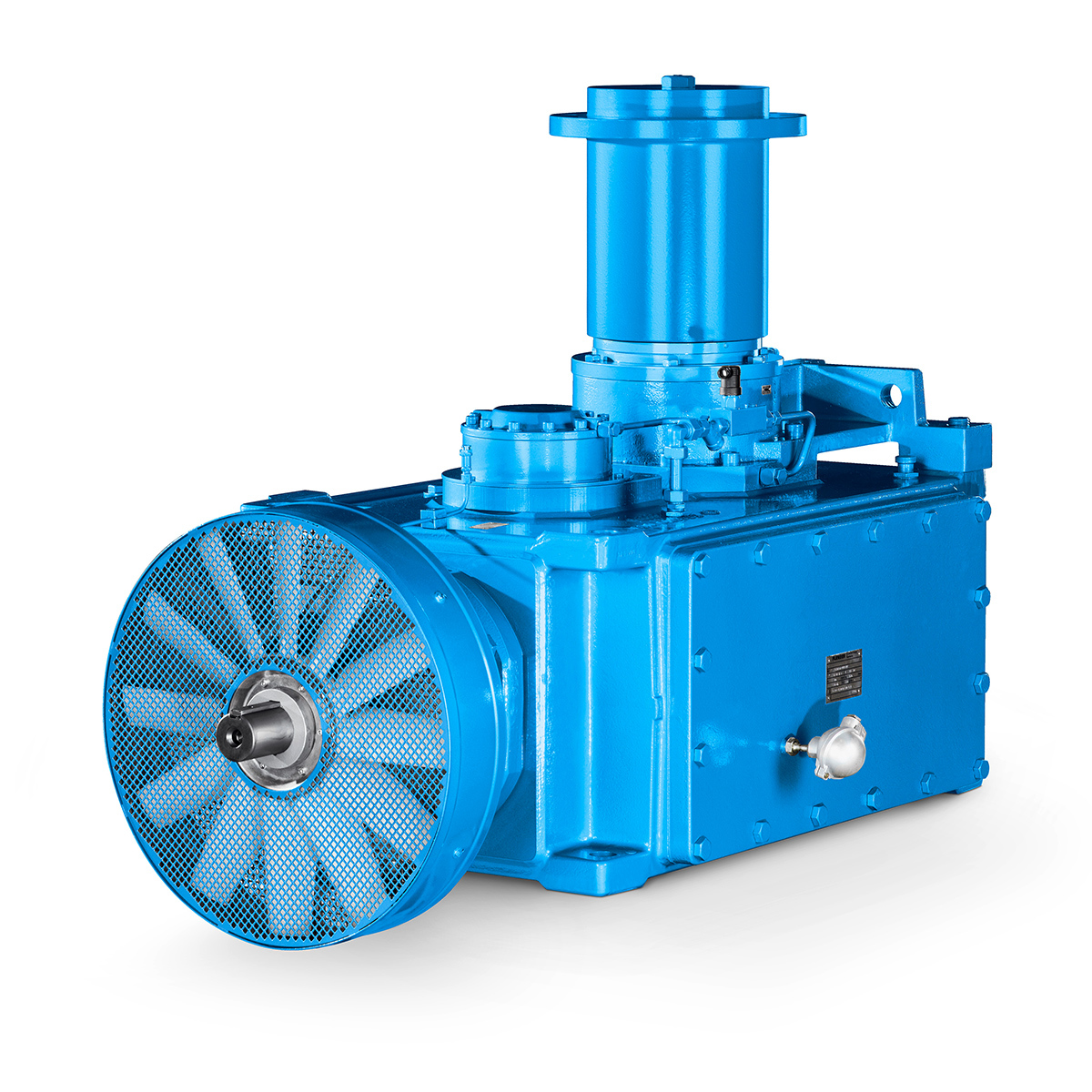 Operational Reliability Even In Case Of The Highest Ventilation Forces
 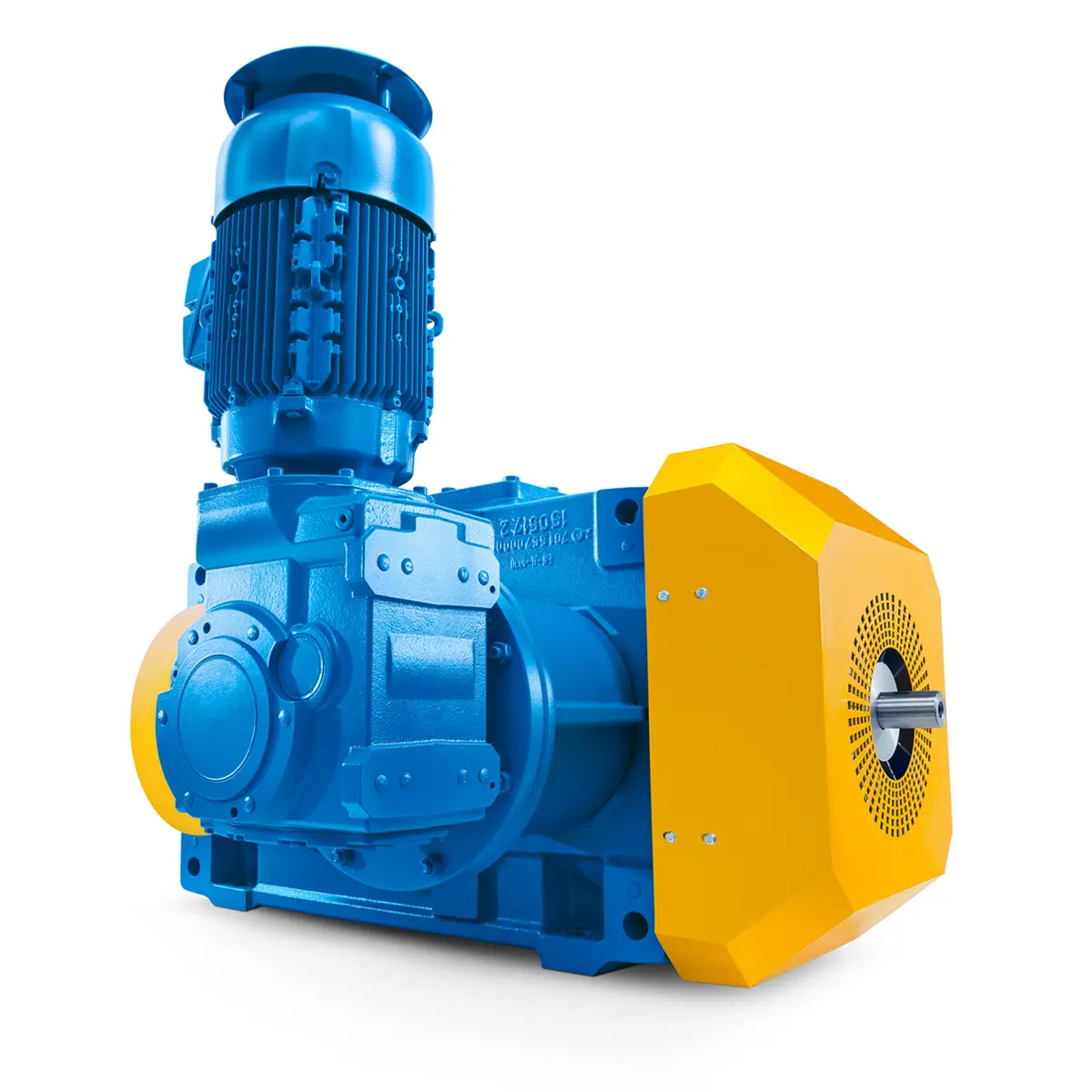 Reliable Gear Units For High Performance Vertical Conveyors 59/200
 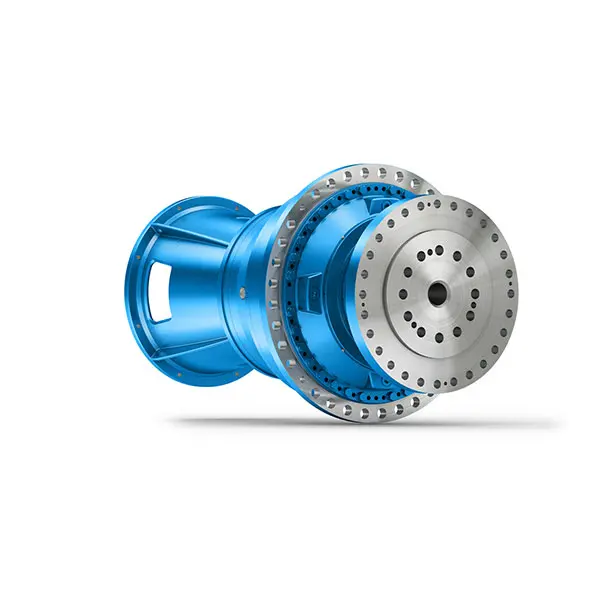 Maximum power density – PLANUREX 3 L individual drives for your sugar cane mill
 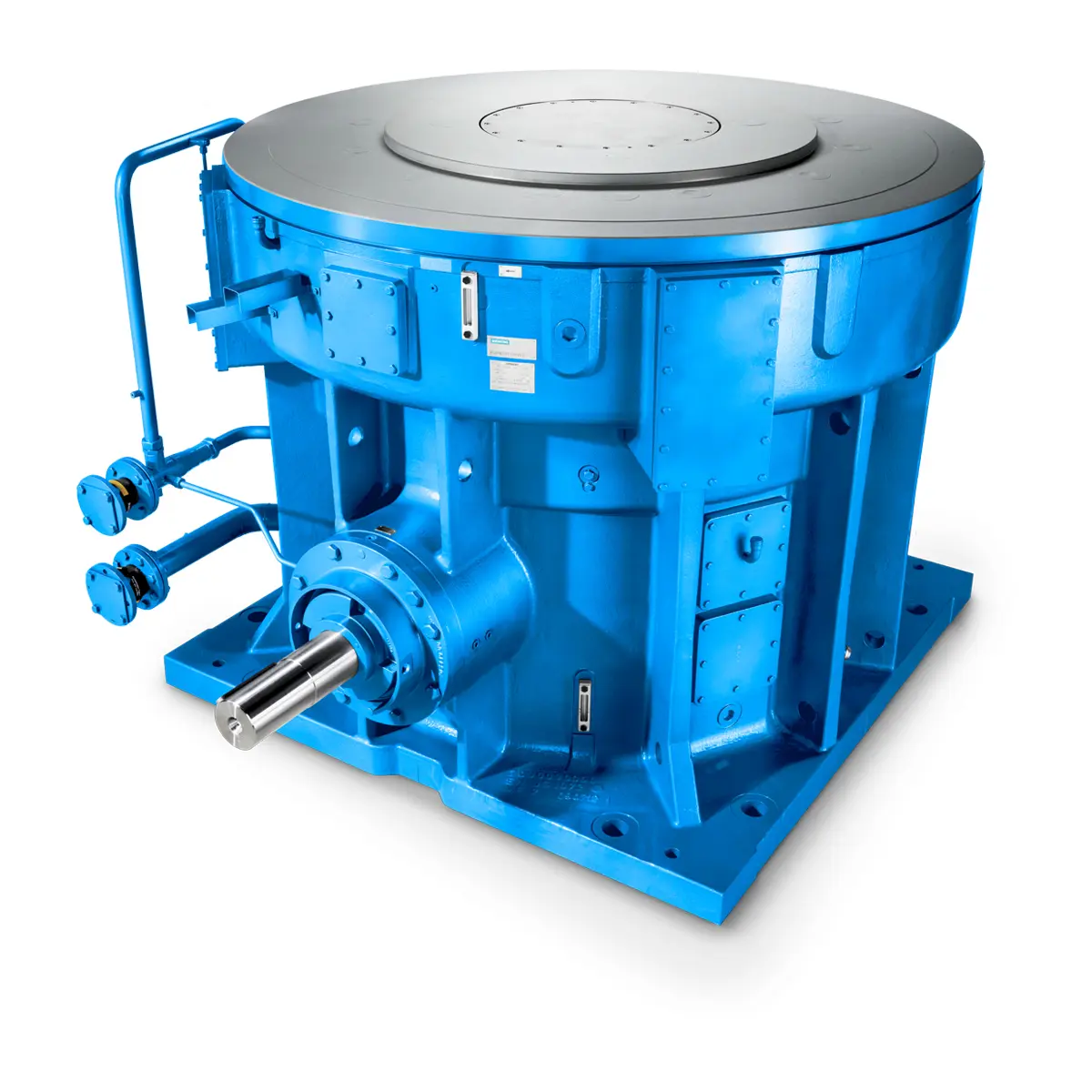 The proven all rounder gearunit gearbox
  Stirs and stirs and stirs gearunit gearbox
 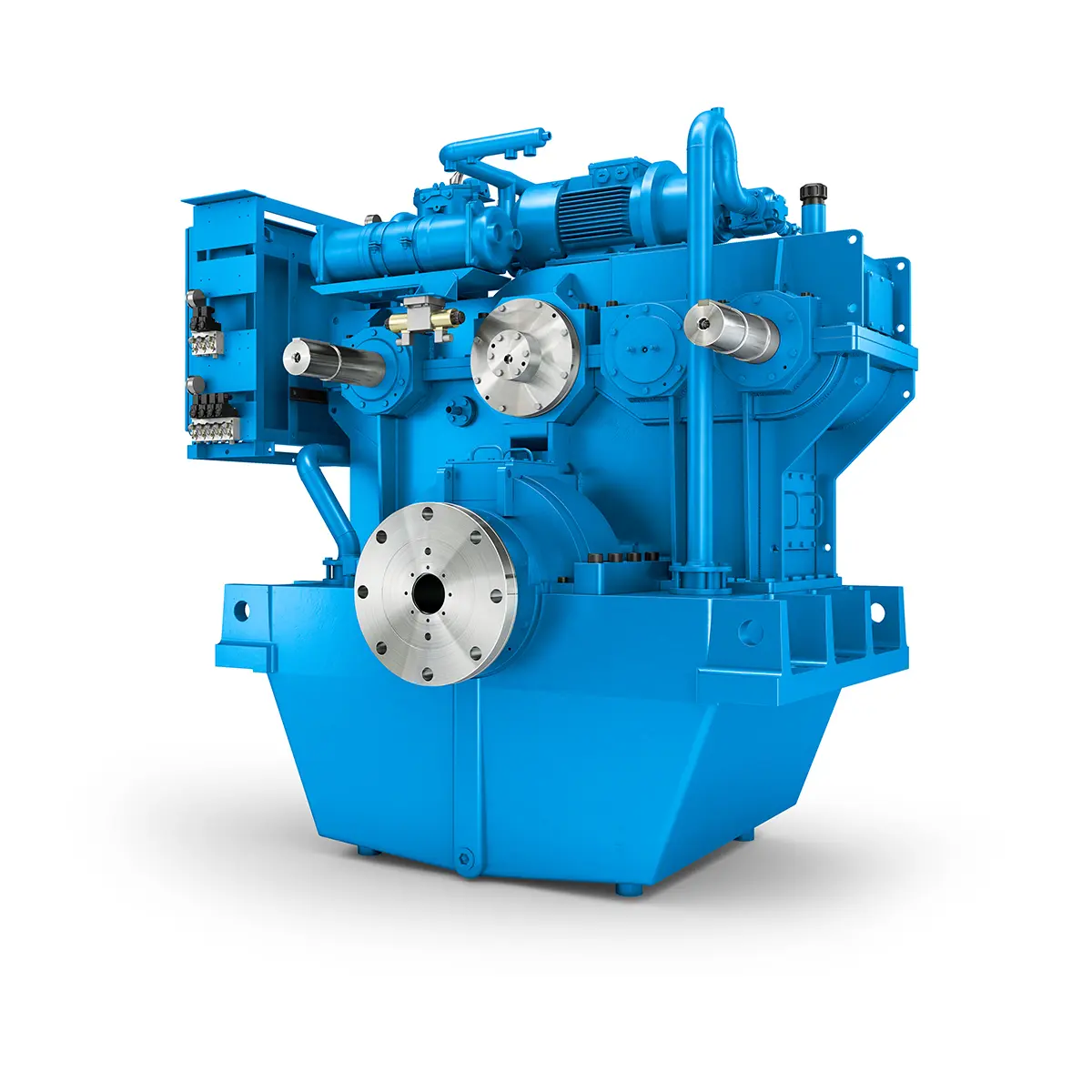 Flexibility on Board gearunit gearbox
 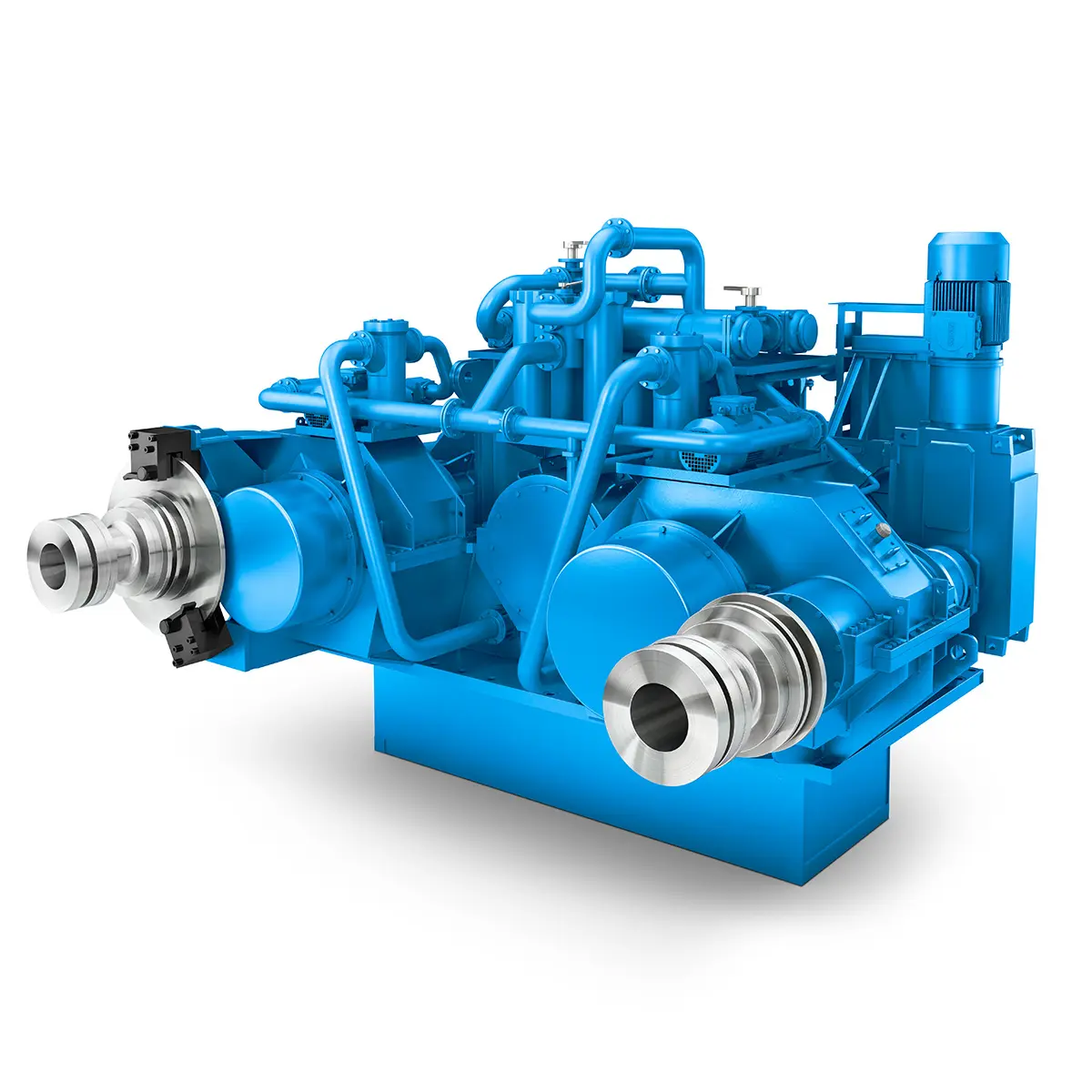 The right gearbox for all Multi-Engine Ships
 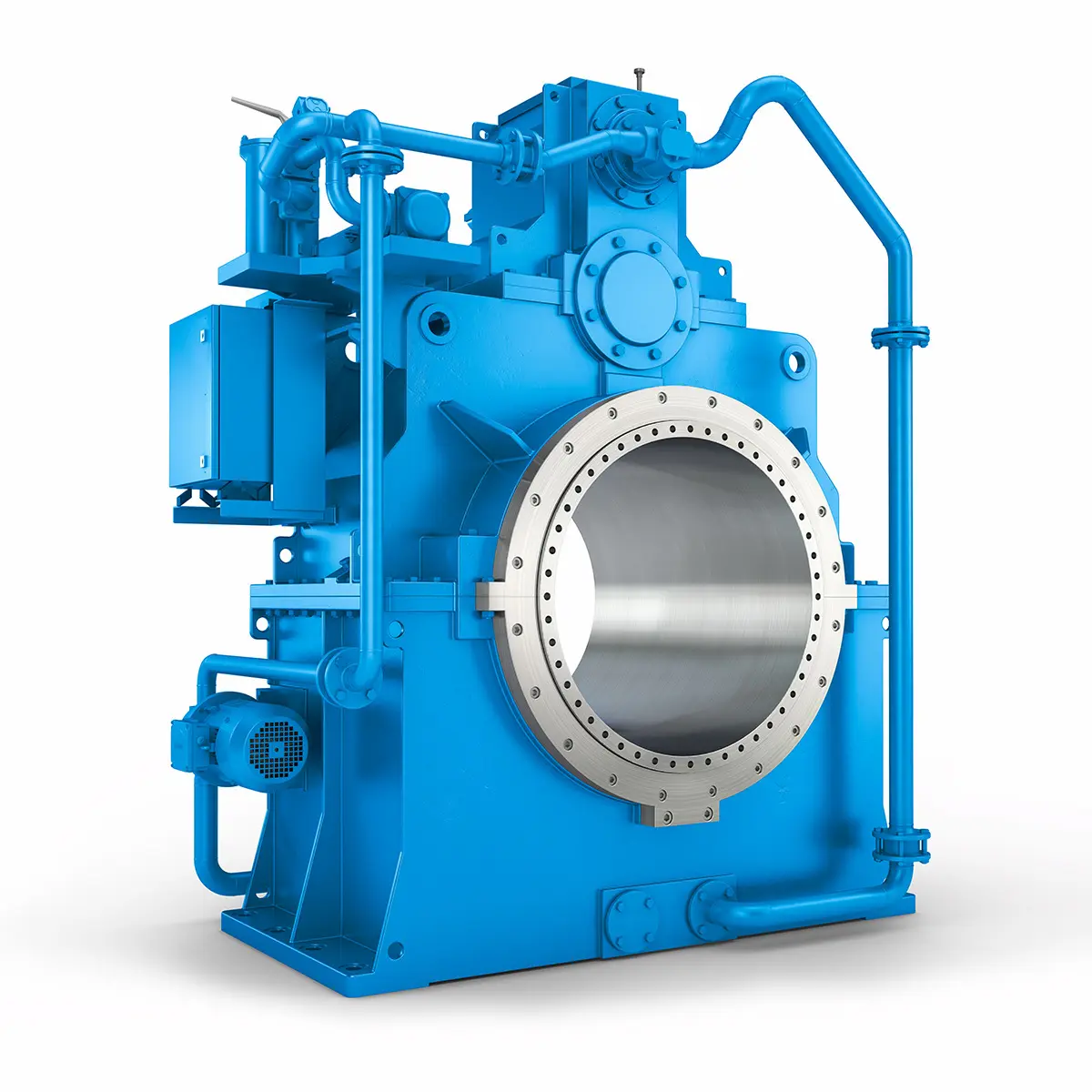 Reliable Power Generation on board
 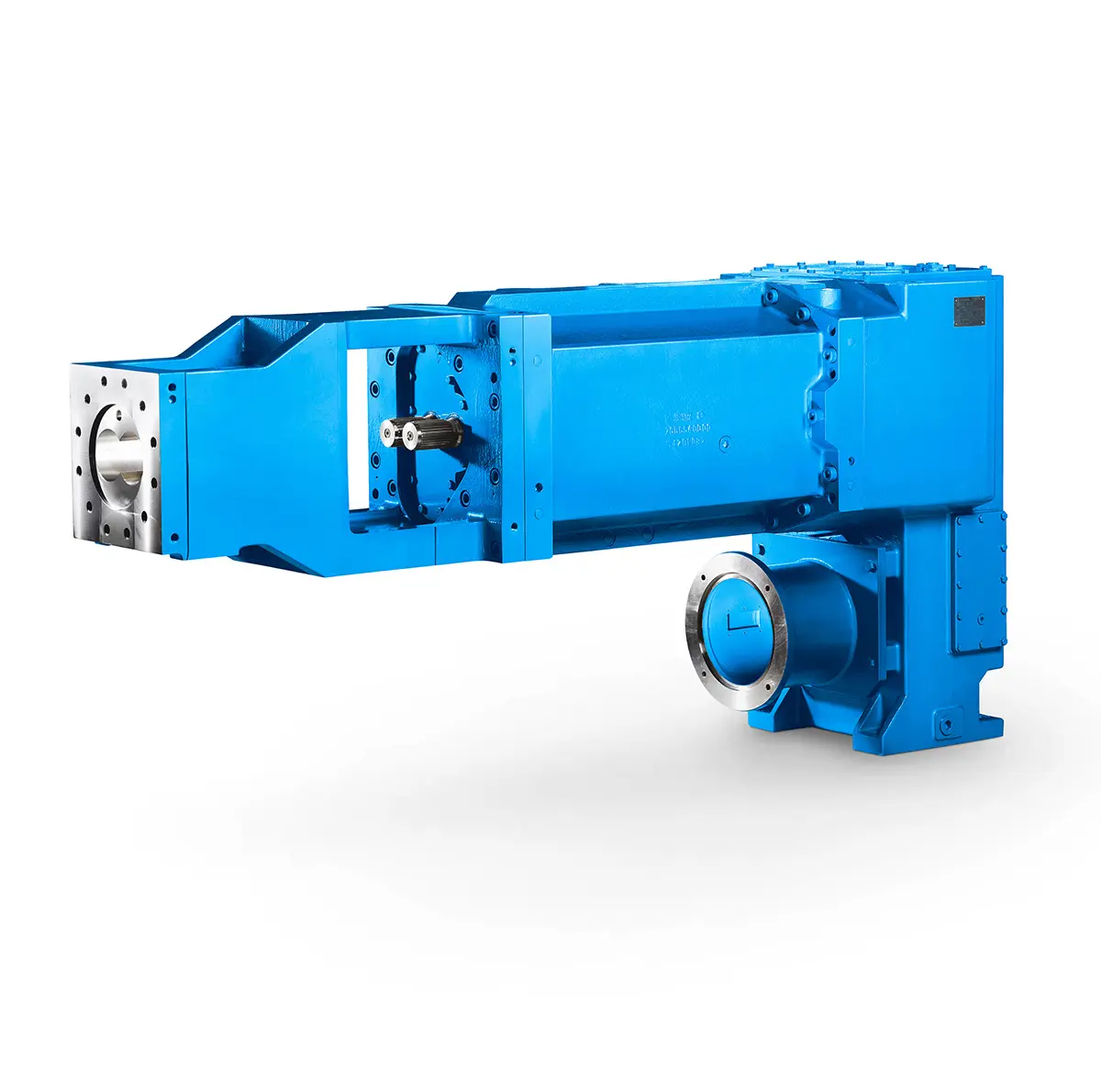 Maximum performance level, fast deliverable
 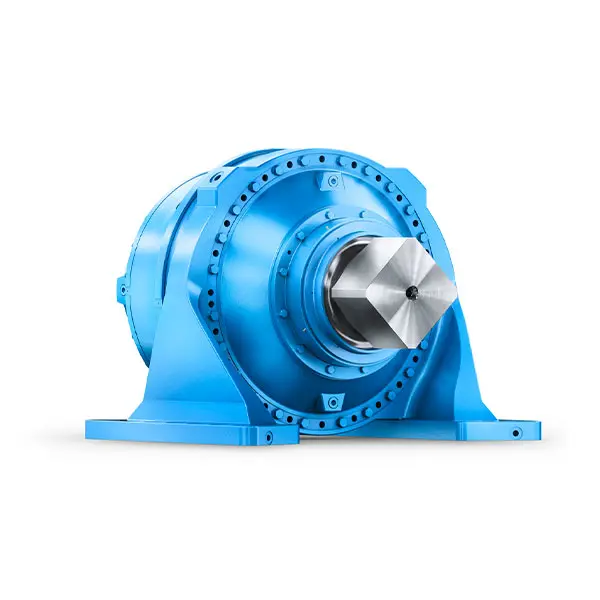 Efficient and compact – FLENDER Gear Units for Sugar Mills
 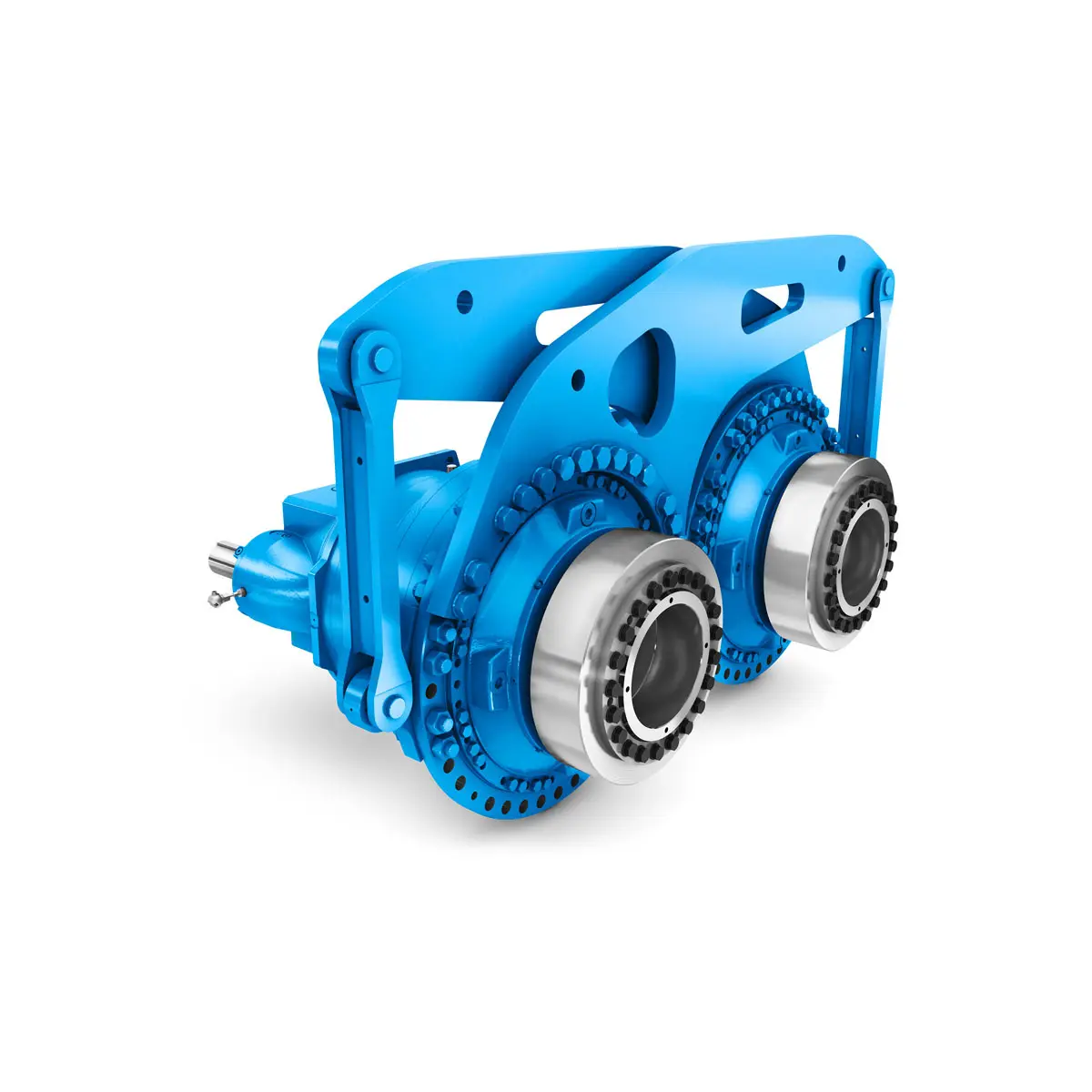 Extremely strong. Extremely compact. Extremely stressable.
 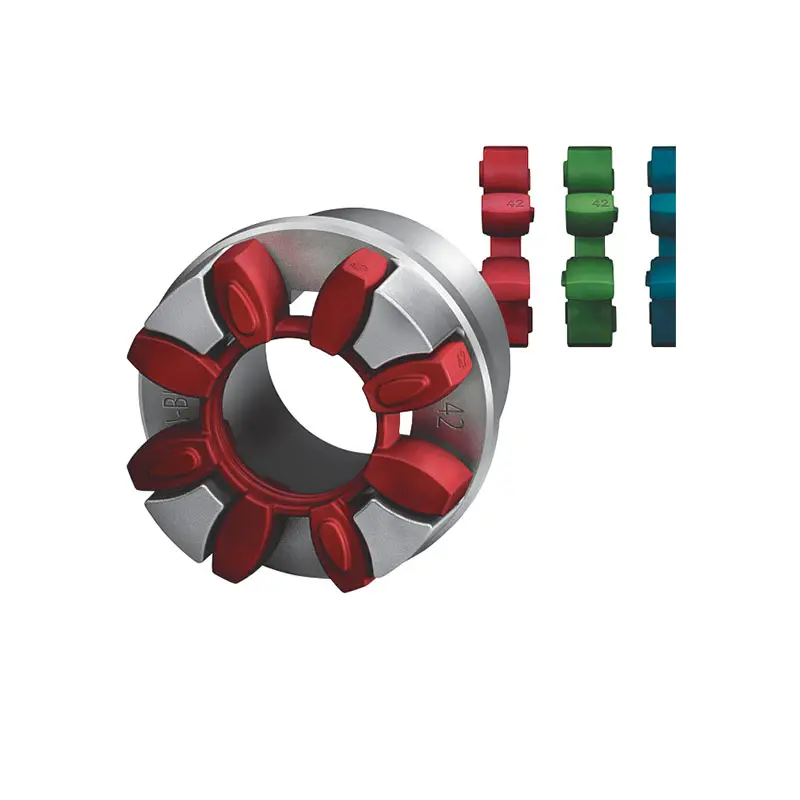 FLENDER Coupling
 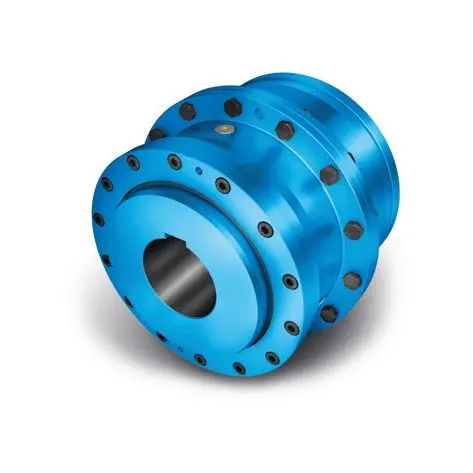 ZAPEX ZW Torsionally Rigid Gear Coupling
 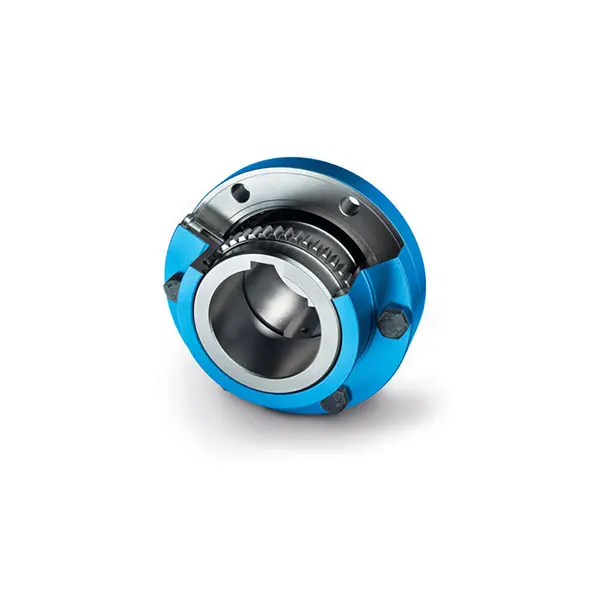 ZAPEX ZN Torsionally Rigid Gear Coupling
 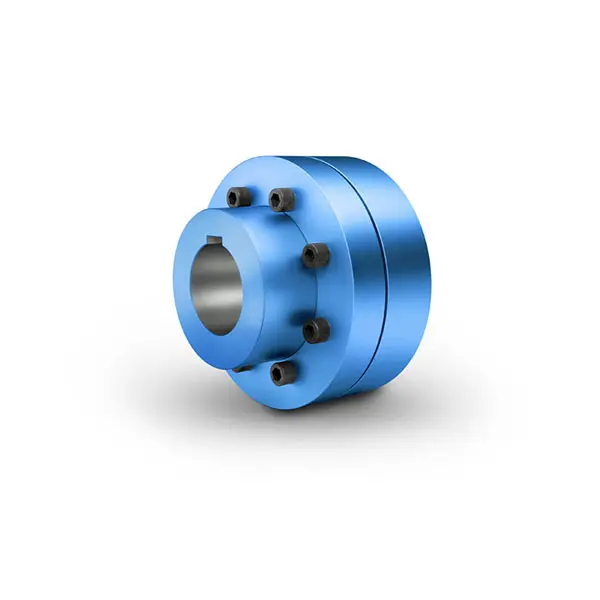 N-EUPEX Flexible high performance Coupling
 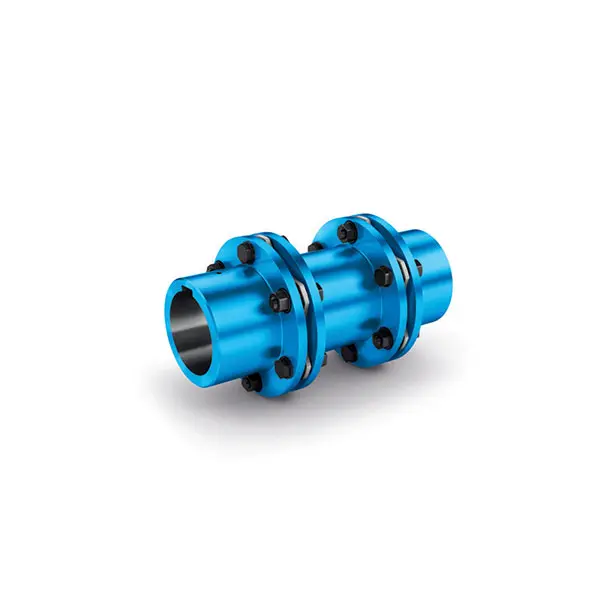 N-ARPEX Torsionally Rigid All-Steel Coupling
 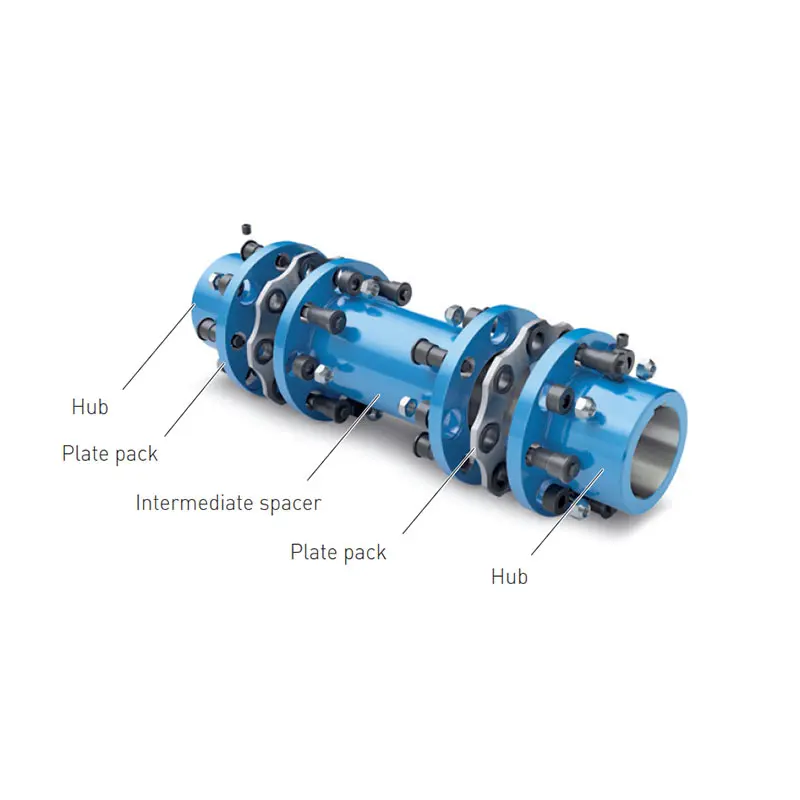 ARPEX Torsionally Rigid All-Steel Coupling Spare and Parts
 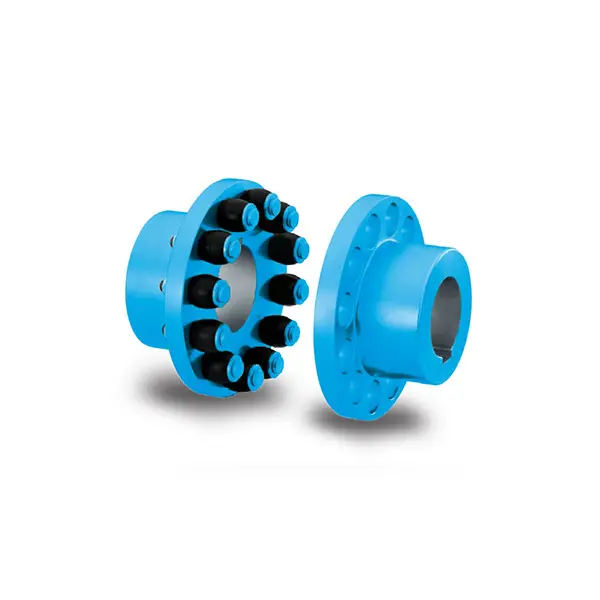 RUPEX Flexible high performance Coupling
 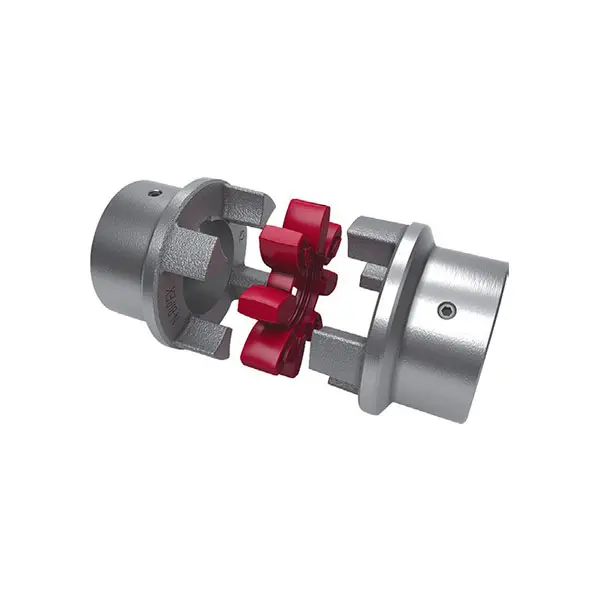 N BIPEX Flexible high performance coupling
 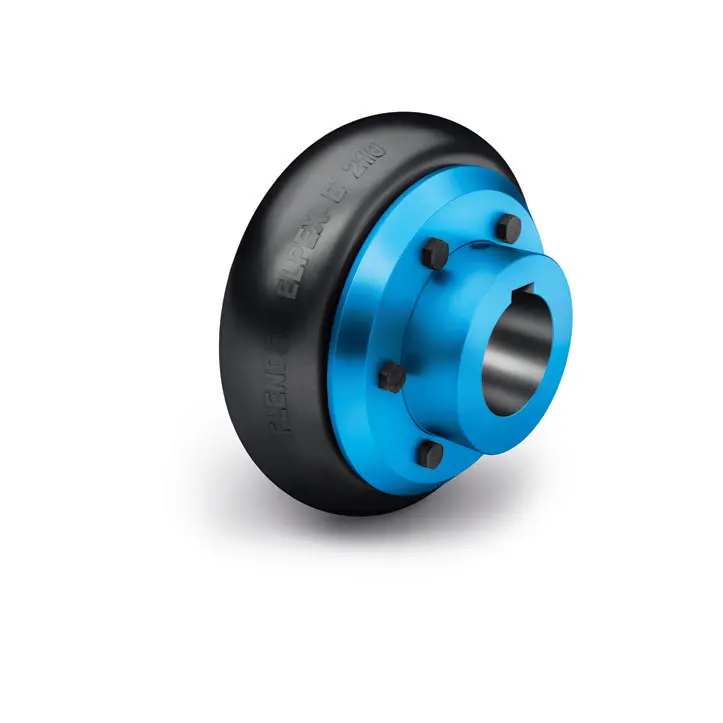 ELPEX B Highly Flexible Coupling
 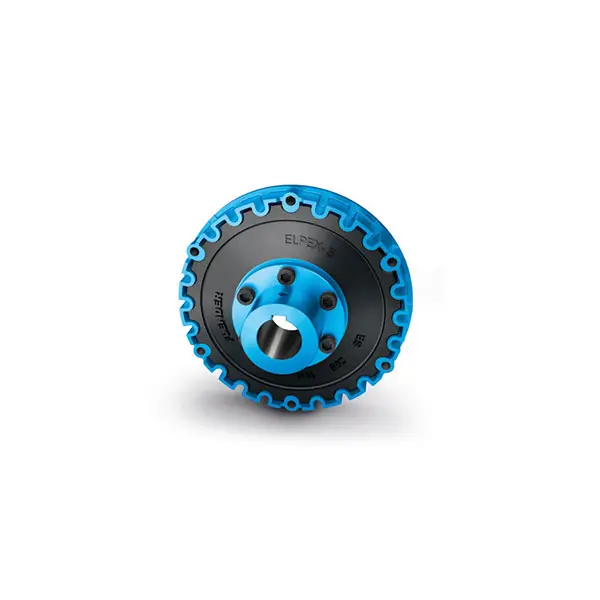 ELPEX S Highly Flexible Coupling high performance
 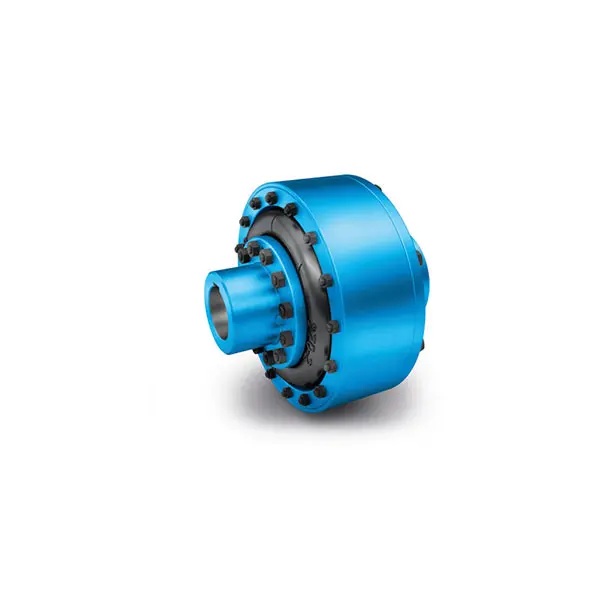 ELPEX Highly Flexible Coupling high performance
 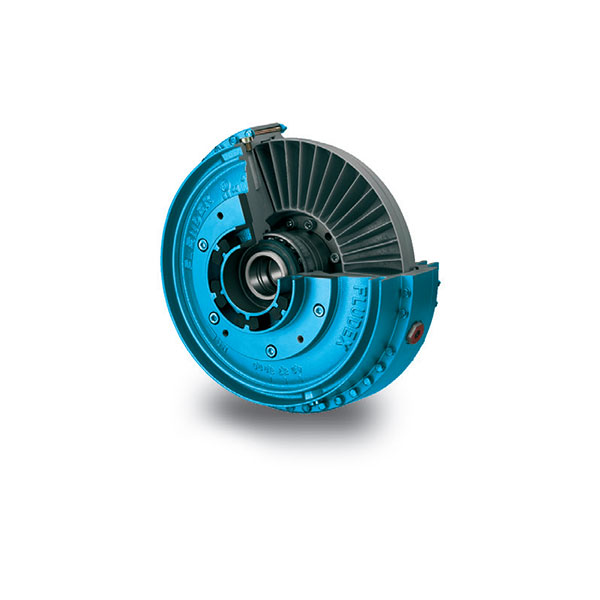 FLUDEX Fluid Coupling high performance
 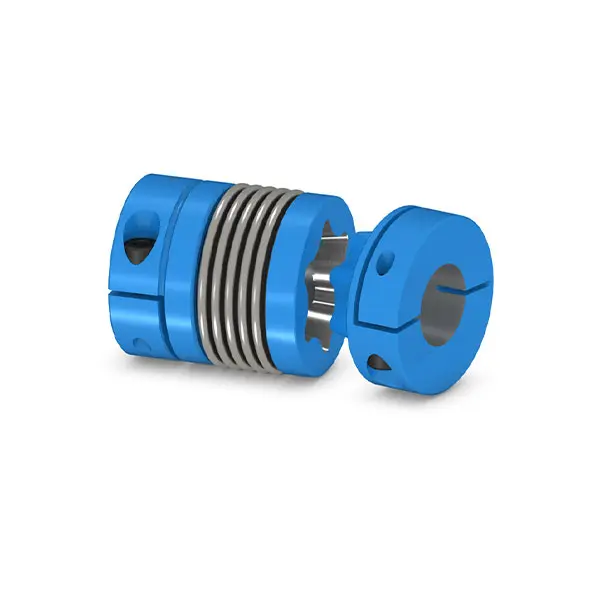 SIPEX Backlash free Coupling high performance
 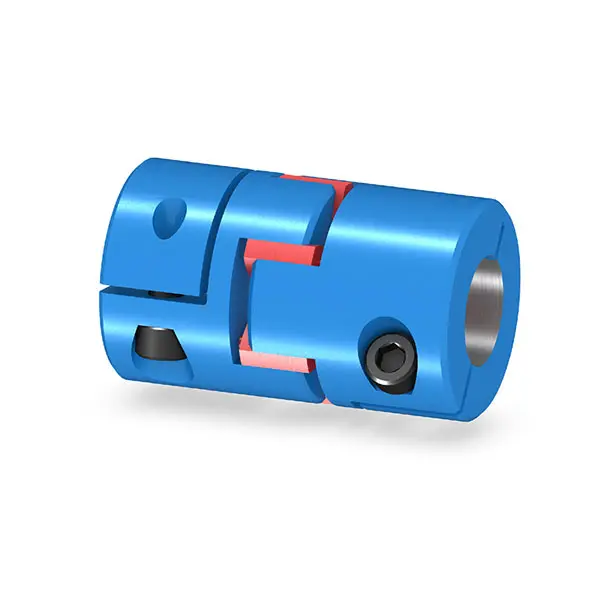 BIPEX S Backlash free Coupling high performance
 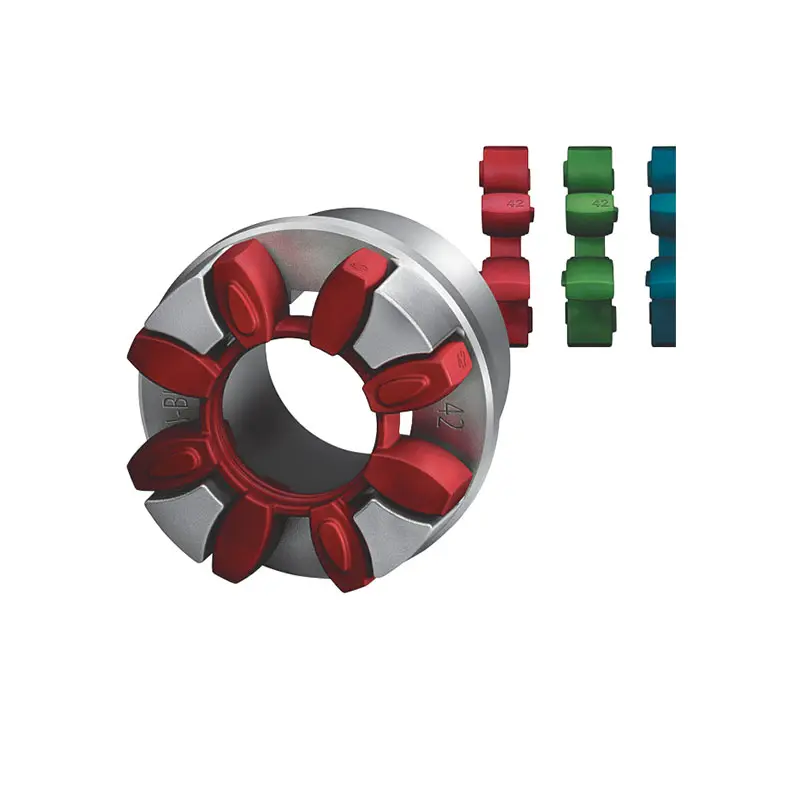 FLENDER Coupling Spare Parts high performance
 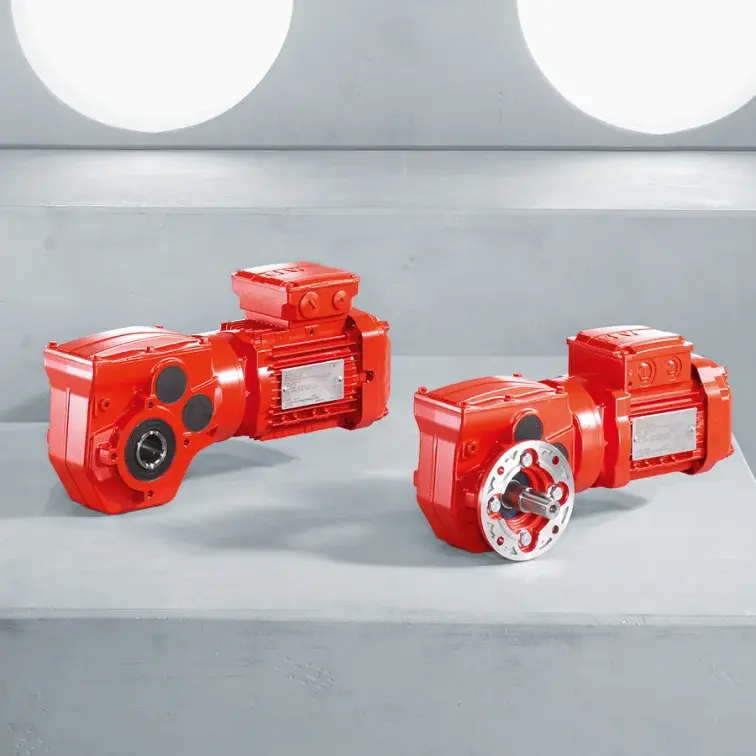 SEW Gearmotor
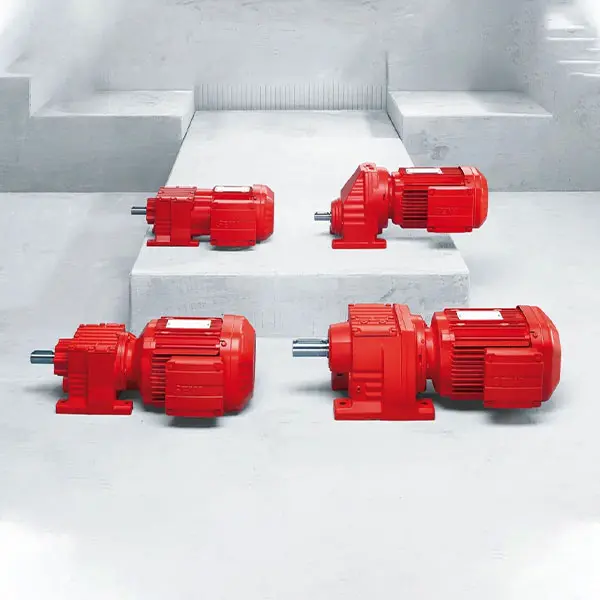 R Series Helical Gearmotor low voltage
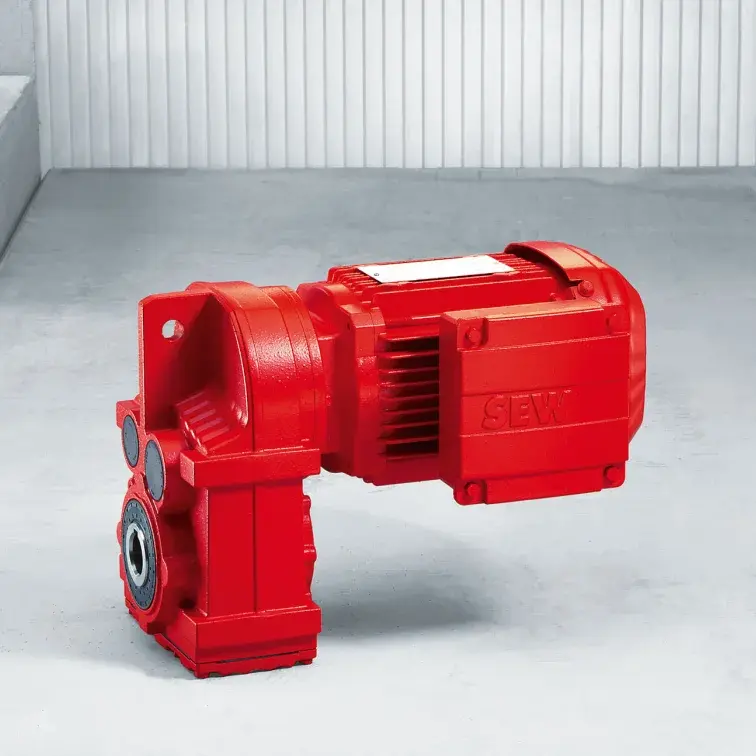 F Series Parallel Shaft Gearmotor low voltage
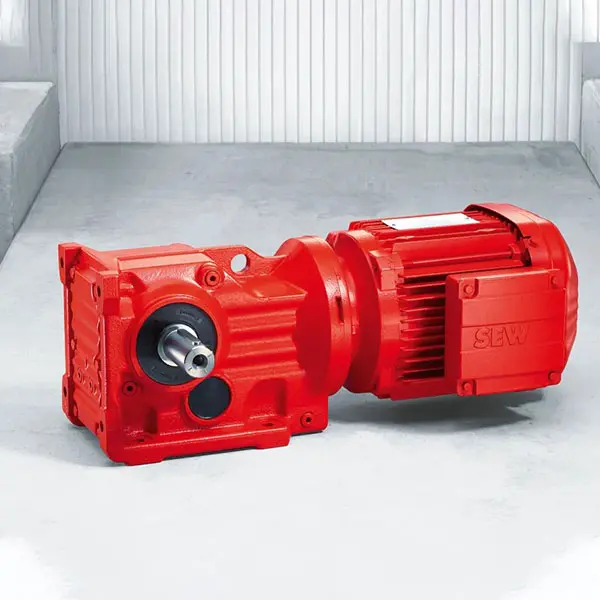 K Series Helical Bevel Gearmotor low voltage
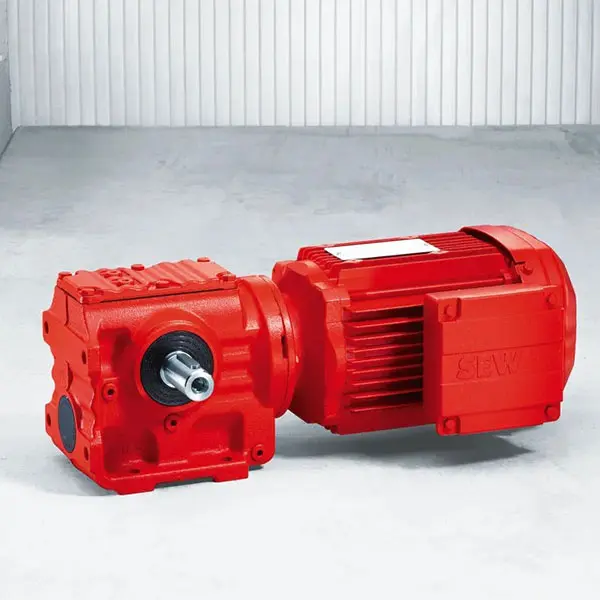 S Series Helical Worm Gearmotor low voltage
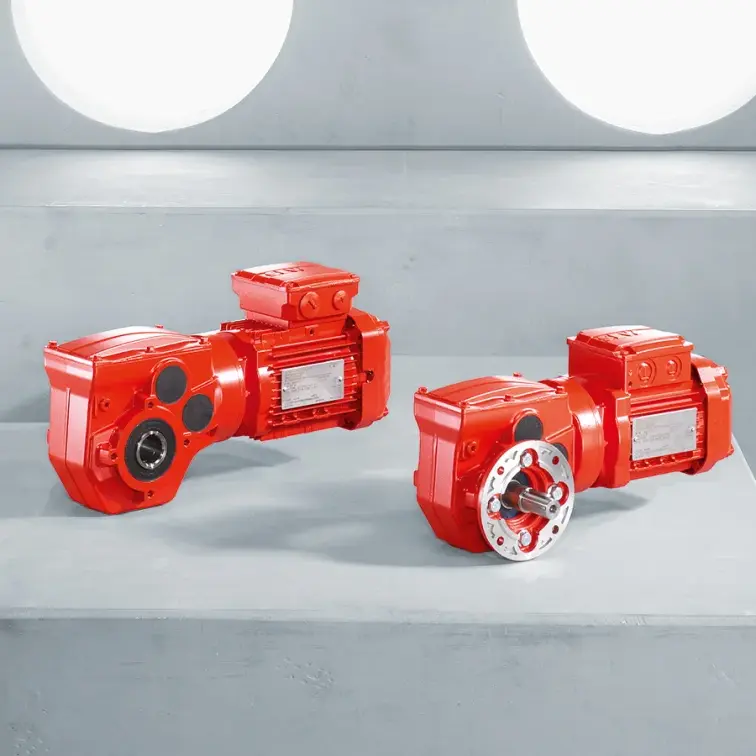 W Series SPIROPLAN® Right Angle Gearmotor