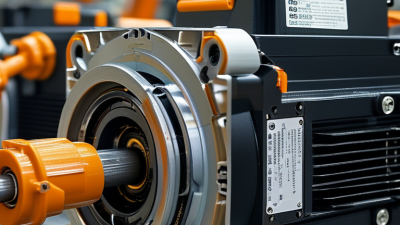
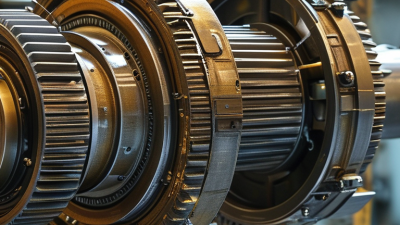
How to Choose the Right Geared Servomotor?
Choosing the right Geared Servomotor is not simply a matter of matching power ratings. It requires a clear understanding of the machine, the load, and the operating environment.
A conveyor may start smoothly when empty, then stall under a full pallet. A robotic joint may demand high peak torque for only two seconds. These details matter. Dr. Kevin Craig, a respected motion-control educator, offers a useful principle: “Understand the load before selecting the motor.” That warning deserves attention.
This guide explains how to connect application needs with motor specifications. Start by calculating continuous torque, peak torque, speed, and reflected inertia. Then examine the required gearbox ratio. A higher ratio can increase output torque, but it may reduce speed and introduce efficiency losses. The choice is rarely perfect.
Check backlash carefully. It can appear as a small positioning error at first, then become a serious problem in indexing equipment. Review encoder resolution, brake requirements, duty cycle, and thermal limits. A compact motor may fit the frame, yet overheat inside a sealed cabinet. Real installations are less forgiving than catalog tables.
Environmental conditions also deserve practical attention. Dust, vibration, washdown procedures, and ambient temperature can change the correct specification. Do not overlook cable routing or connector protection. Those small decisions often influence reliability.
No selection method removes every uncertainty. Inertia estimates may be incomplete. Load behavior may change after installation. Therefore, prototype testing and measured feedback remain essential. The best Geared Servomotor is not the largest or fastest model. It is the one that delivers controlled motion, acceptable accuracy, dependable heat performance, and reasonable lifecycle cost. That balance requires engineering judgment.
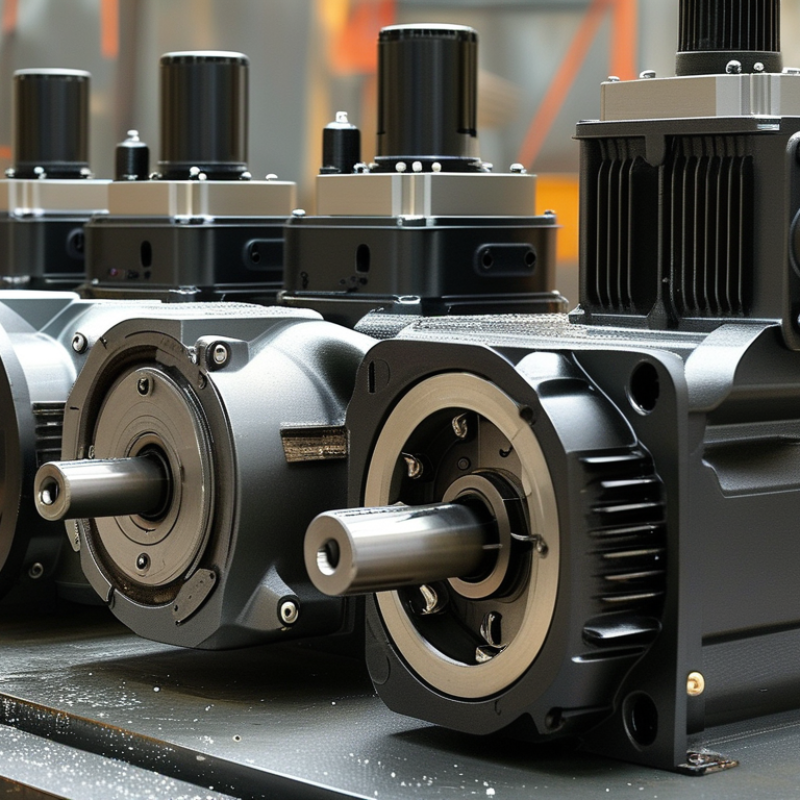
Define the Application’s Motion, Load, and Environmental Requirements
How to Choose the Right Geared Servomotor?
Define the Application’s Motion, Load, and Environmental Requirements
Start with the machine’s real motion profile, not its advertised speed. Record acceleration, deceleration, positioning accuracy, cycle time, and duty cycle. Calculate continuous torque, peak torque, and reflected inertia at the motor shaft. Do not size from peak torque alone. A common engineering mistake is ignoring frequent acceleration, which can overheat the motor and gearbox.
Gear reduction improves torque, but it also introduces backlash, efficiency losses, and reflected load effects. Match the ratio to the required output speed and positioning response. Check whether the gearbox can withstand shock loads, radial forces, and repeated reversals. The International Energy Agency reports that electric motor systems consume roughly half of global electricity. Efficient sizing therefore affects both machine performance and operating cost.
Environmental details matter just as much. Specify ambient temperature, dust, humidity, washdown exposure, vibration, altitude, and installation direction. Select suitable protection according to IEC 60529, then verify the complete assembly’s rating. In 2023, 541,302 industrial robots were installed worldwide, according to the International Federation of Robotics’ World Robotics 2024 report. That growth increases demand for compact, repeatable motion systems. Still, laboratory assumptions can fail on a factory floor. Recheck cable bending, gearbox temperature, and maintenance access under actual operating conditions. A slightly oversized motor may seem safe, but it can reduce efficiency, response quality, and available space.
How to Choose the Right Geared Servomotor?
Define the application’s motion profile, load demand, and environmental requirements before selecting the gear ratio, continuous torque, peak torque, and output speed.
The chart shows representative engineering targets for common motion applications. Final sizing should include reflected inertia, acceleration torque, duty cycle, service factor, backlash, thermal limits, and actual environmental conditions.
Match Motor Torque, Speed, and Power to the Gearbox
How to Choose the Right Geared Servomotor?
Match the motor’s torque, speed, and power to the gearbox before checking catalog dimensions. A compact unit can still fail under repeated acceleration. Calculate the required output torque at the gearbox shaft, not only the motor shaft. Include load torque, friction, acceleration torque, and a suitable service factor. Gear reduction increases output torque, but gearbox efficiency reduces the final value.
Speed matching matters just as much. Confirm the motor’s rated speed, peak speed, and duty cycle. Then select a ratio that provides the required output speed without forcing continuous operation near the motor’s limits. High ratios may improve torque, yet they can reduce response speed and increase backlash. For accurate positioning, check torsional stiffness and allowable backlash. I have seen systems meet their torque target but miss position because these details were ignored.
Tips: Write down the load’s mass, radius, cycle time, and acceleration profile. Compare continuous torque with peak torque separately. Check gearbox thermal capacity during long cycles. Leave room for unexpected friction. That margin is easy to underestimate. Also review reflected inertia, because a poorly matched load can make tuning unstable. Recheck the calculation with real operating data after installation; laboratory assumptions are not always honest.
How to Choose the Right Geared Servomotor? — Match Motor Torque, Speed, and Power to the Gearbox
| Typical Motion Requirement |
Continuous Load Torque
(Nm) |
Recommended Service Factor |
Required Gearbox Output Torque
(Nm) |
Motor Continuous Torque
(Nm) |
Motor Speed
(rpm) |
Gear Ratio |
Typical Gearbox Efficiency |
Calculated Output Torque
(Nm) |
Output Speed
(rpm) |
Approx. Output Power
(W) |
| Light indexing conveyor |
1.00 |
1.25 |
1.25 |
0.32 |
3,000 |
5:1 |
94% |
1.50 |
600 |
94 |
| Small rotary table |
2.20 |
1.40 |
3.08 |
0.32 |
3,000 |
10:1 |
91% |
2.91 |
300 |
91 |
| Packaging feeder |
5.00 |
1.40 |
7.00 |
0.80 |
3,000 |
10:1 |
91% |
7.28 |
300 |
229 |
| Vertical positioning axis |
10.00 |
1.50 |
15.00 |
0.80 |
3,000 |
20:1 |
87% |
13.92 |
150 |
218 |
| High-load indexing table |
20.00 |
1.40 |
28.00 |
1.60 |
3,000 |
20:1 |
87% |
27.84 |
150 |
437 |
| Slow precision rotary axis |
28.00 |
1.50 |
42.00 |
1.60 |
3,000 |
30:1 |
84% |
40.32 |
100 |
422 |
| Heavy-duty conveyor drive |
55.00 |
1.40 |
77.00 |
3.20 |
3,000 |
30:1 |
84% |
80.64 |
100 |
845 |
| Low-speed high-torque axis |
95.00 |
1.30 |
123.50 |
3.20 |
3,000 |
50:1 |
78% |
124.80 |
60 |
784 |
|
Selection notes:
Required output torque = continuous load torque × service factor.
Calculated output torque = motor continuous torque × gear ratio × gearbox efficiency.
Output speed = motor speed ÷ gear ratio.
Approximate output power = output torque × 2π × output speed ÷ 60.
The efficiency values shown are representative planning values for geared systems and should be replaced by the gearbox manufacturer's rated efficiency for final sizing.
Verify peak torque, acceleration torque, thermal duty, backlash, radial and axial loads, and brake requirements before selecting the final geared servomotor.
|
Select the Suitable Gear Ratio and Mechanical Configuration
How to Choose the Right Geared Servomotor?
Select the Suitable Gear Ratio and Mechanical Configuration
Choosing a geared servomotor starts with the machine’s actual motion, not the motor catalog. Define the required speed, torque, acceleration, positioning accuracy, and operating cycle. A conveyor moving 80 kilograms may need steady torque, while a rotary table needs controlled acceleration and low backlash. Measure the load carefully. Guessing here can create expensive problems later.
The gear ratio should match the speed reduction and torque multiplication required by the application. A higher ratio increases output torque but reduces output speed. It can also affect reflected inertia, efficiency, and control response. For example, a 10:1 ratio may suit a slow indexing axis, but it could make rapid reversing less responsive. Check peak torque, continuous torque, and service factor under real operating conditions. Short overloads matter.
Mechanical configuration is equally important. Confirm the mounting orientation, output shaft direction, flange dimensions, shaft diameter, and coupling method. Inline gear units save space along the motor axis, while right-angle configurations may simplify machine layout. Check bearing loads from belts, chains, or offset couplings. Lubrication requirements and ambient temperature should not be ignored. A compact unit may fit perfectly, yet fail because heat cannot escape. I have found that preliminary calculations are often too optimistic. Recheck them with measured acceleration and actual load data. Leave room for uncertainty.
Evaluate Precision, Efficiency, Size, and Thermal Performance
Choosing a geared servomotor starts with the motion profile, not the catalogue size. Measure load inertia, acceleration, duty cycle, and required repeatability. Precision depends on encoder resolution, gearbox backlash, and torsional stiffness. A small error can become several millimetres at the tool tip. Test the complete assembly, because coupling flexibility can weaken excellent motor specifications.
Efficiency also deserves close attention. The U.S. Department of Energy reports that motor-driven systems consume about 70% of industrial electricity. A gearbox with poor transmission efficiency increases heat, operating cost, and maintenance demands. Check rated torque, peak torque, and efficiency at your actual speed. Oversizing may appear safer, but it can reduce dynamic response and waste energy. The IEA has also identified motor systems as a major global electricity consumer, making efficiency a practical design issue rather than a marketing detail.
Tips: Compare output torque, backlash, and thermal limits on one test sheet. Measure housing temperature after a realistic duty cycle. IEC 61800-9-2 efficiency methods can support fair drive-system comparisons. Leave room for derating in hot enclosures. This is often missed. A compact gearbox may fit perfectly, yet fail after repeated high-speed cycles. Recheck assumptions with measured acceleration data, not only simulation results.

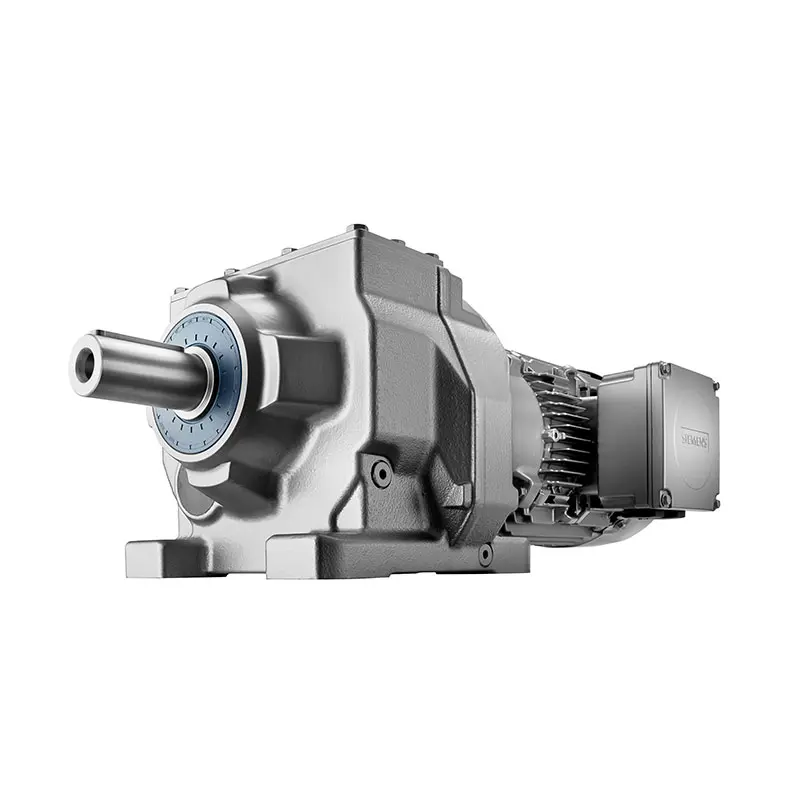 SIEMENS Helical Gearmotor Low Voltage
 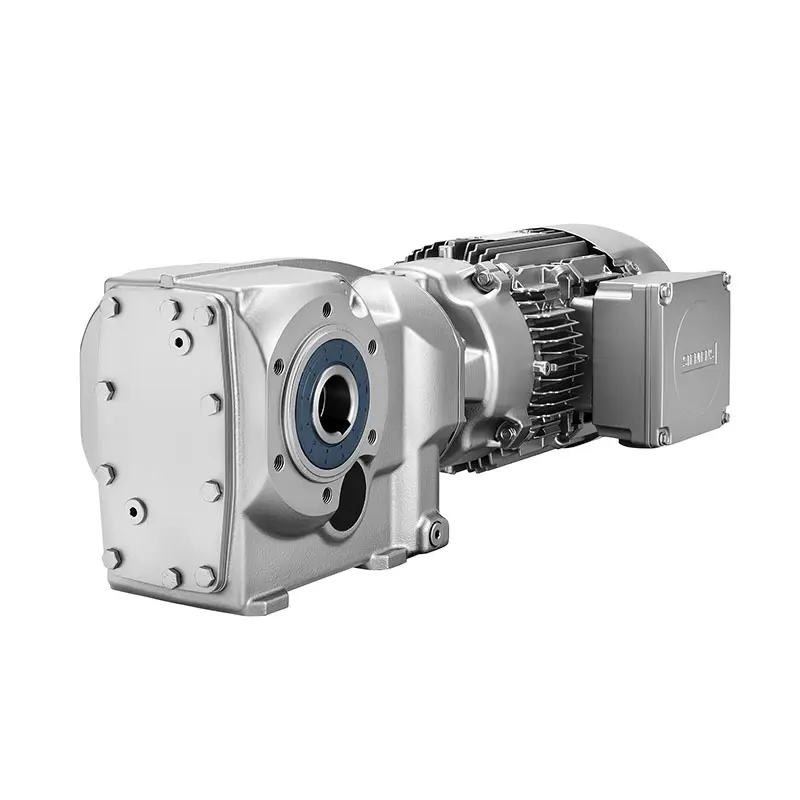 SIEMENS Bevel Helical Gearmotor
 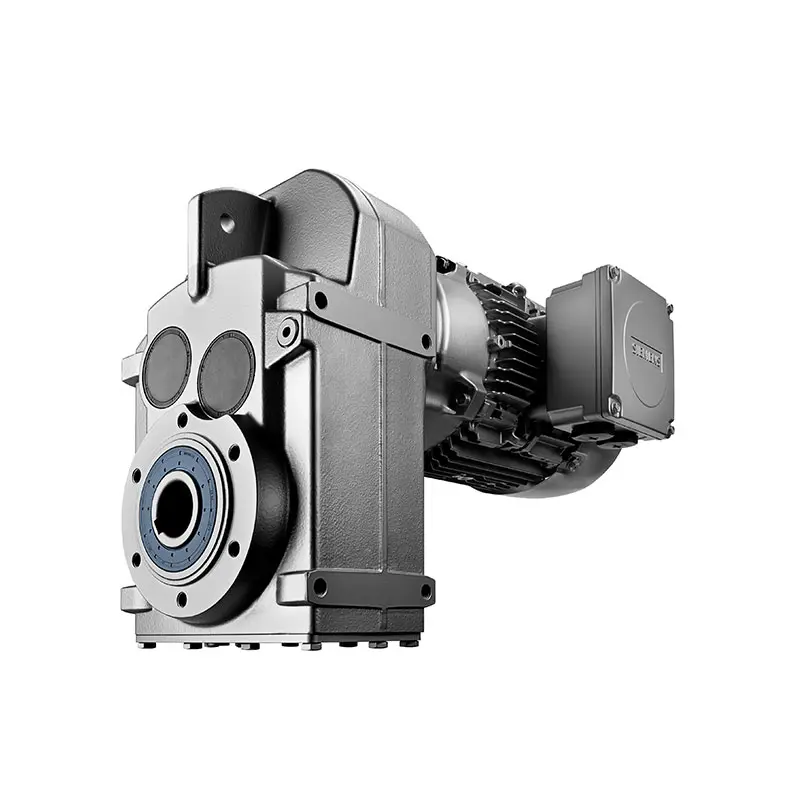 SIEMENS Parallel Shaft Gearmotor
 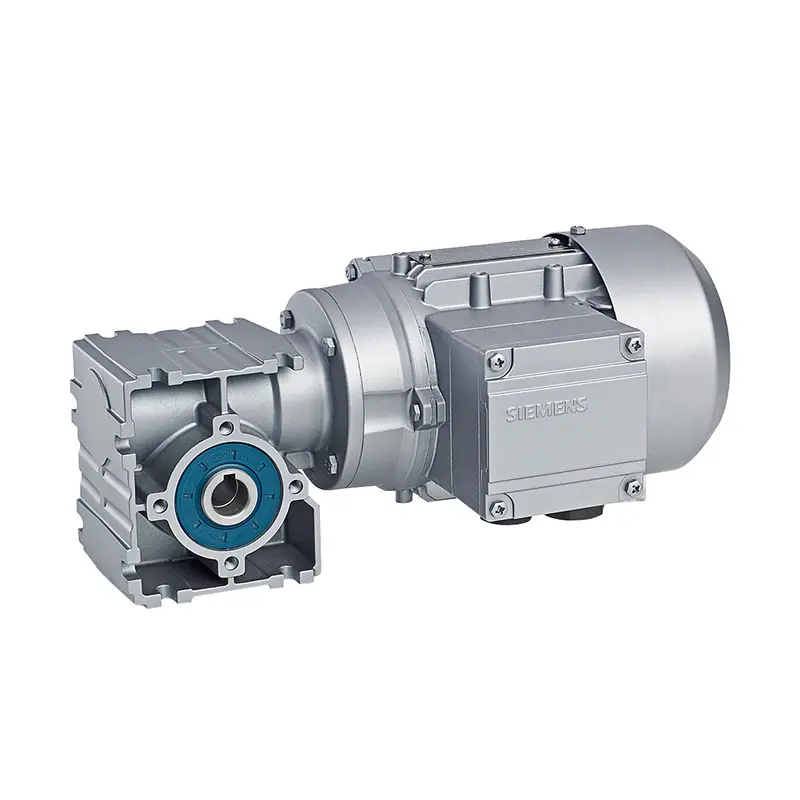 SIEMENS Worm Gearmotor Low Voltage
 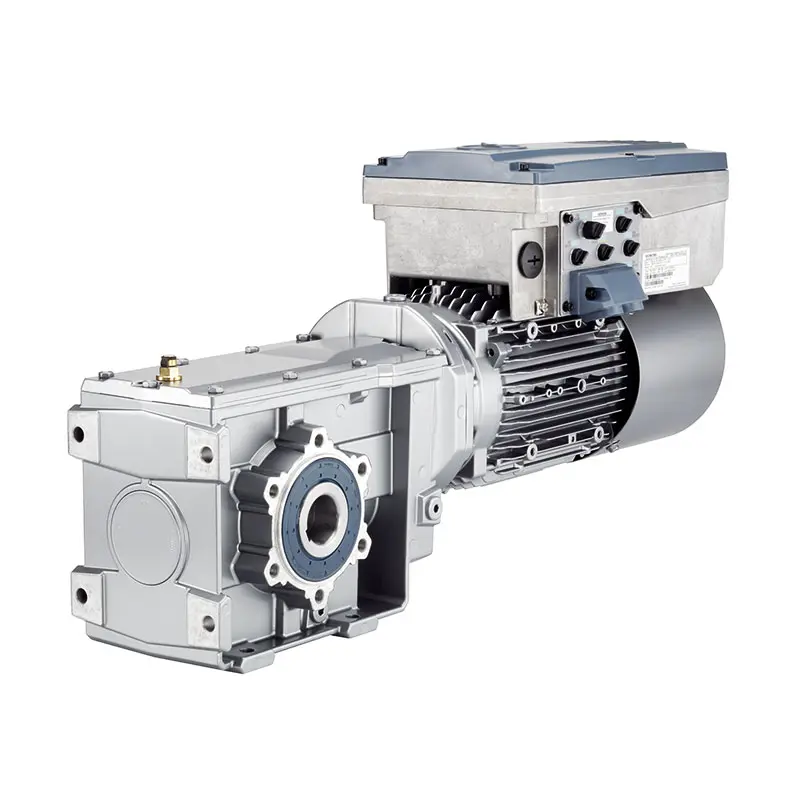 SIEMENS With Servo Motor Gearmotor
 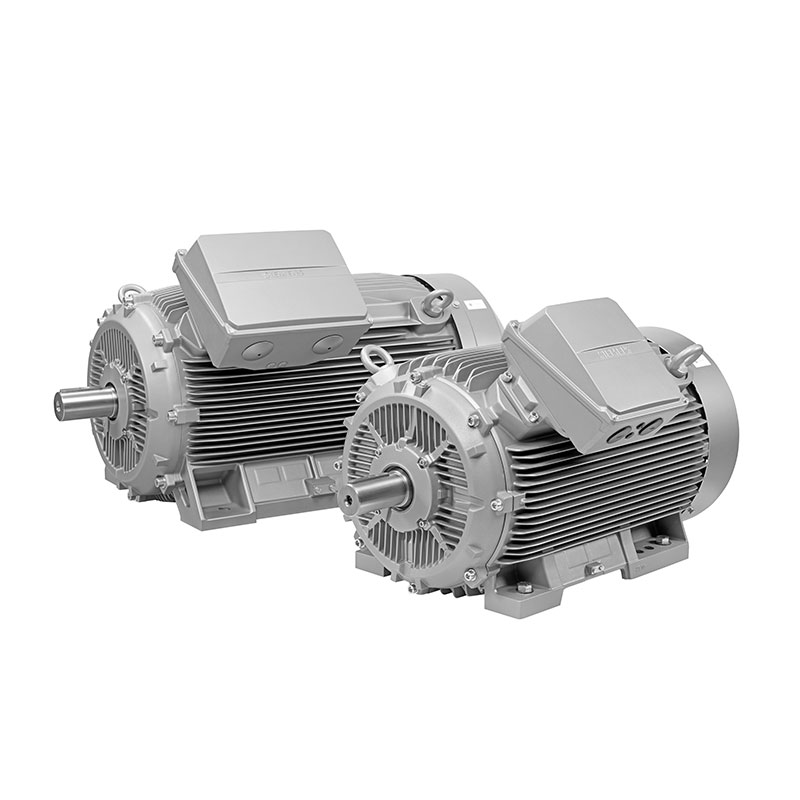 SIEMENS Low Voltage Motor Low Voltage
 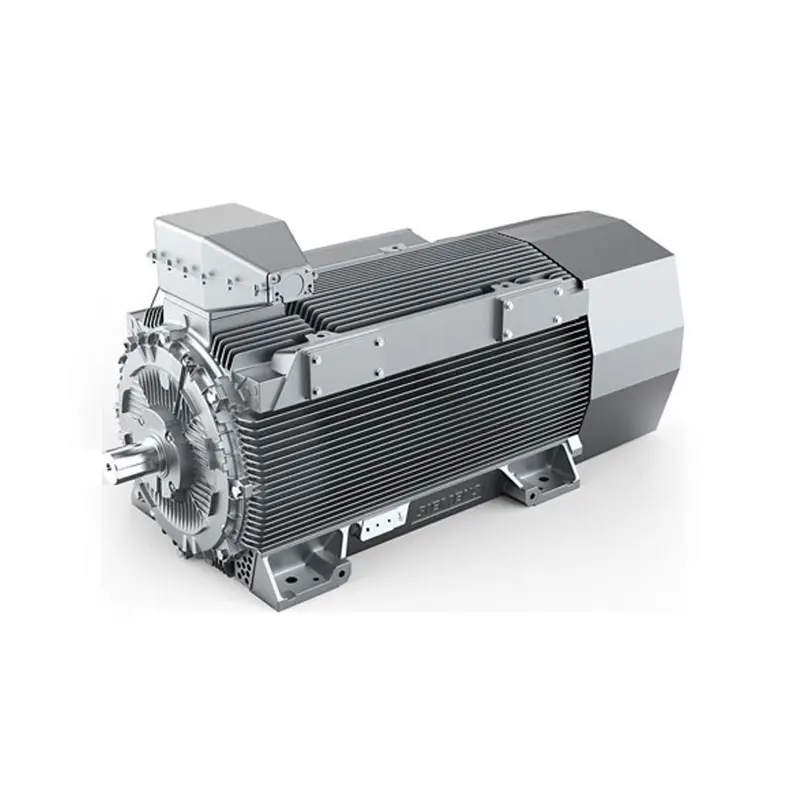 SIEMENS High Voltage Motor Low Voltage
  SIEMENS Marine Motor Low Voltage
 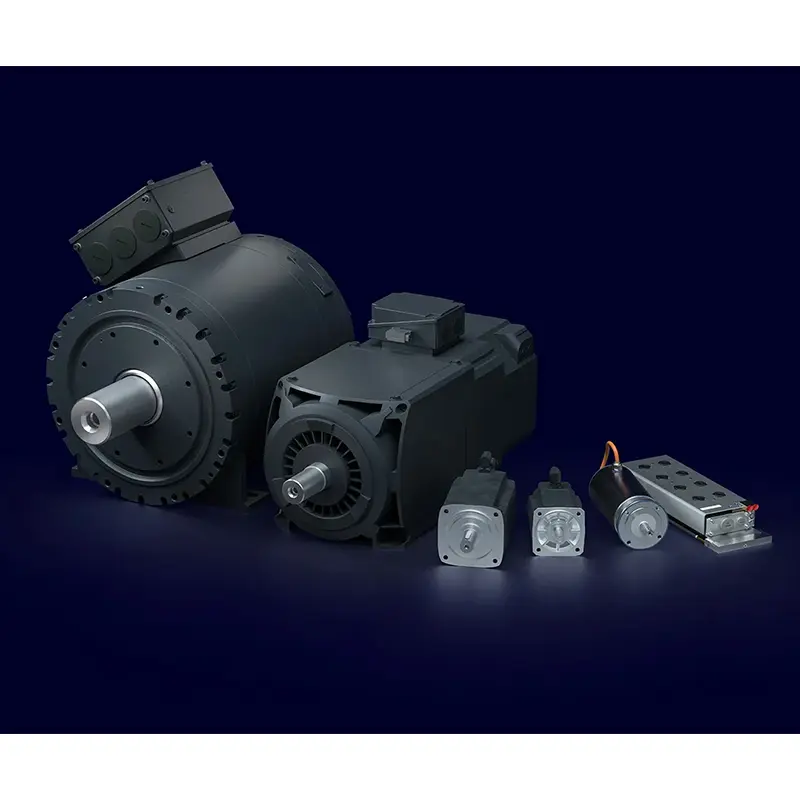 SIEMENS Servo Motor Low Voltage
 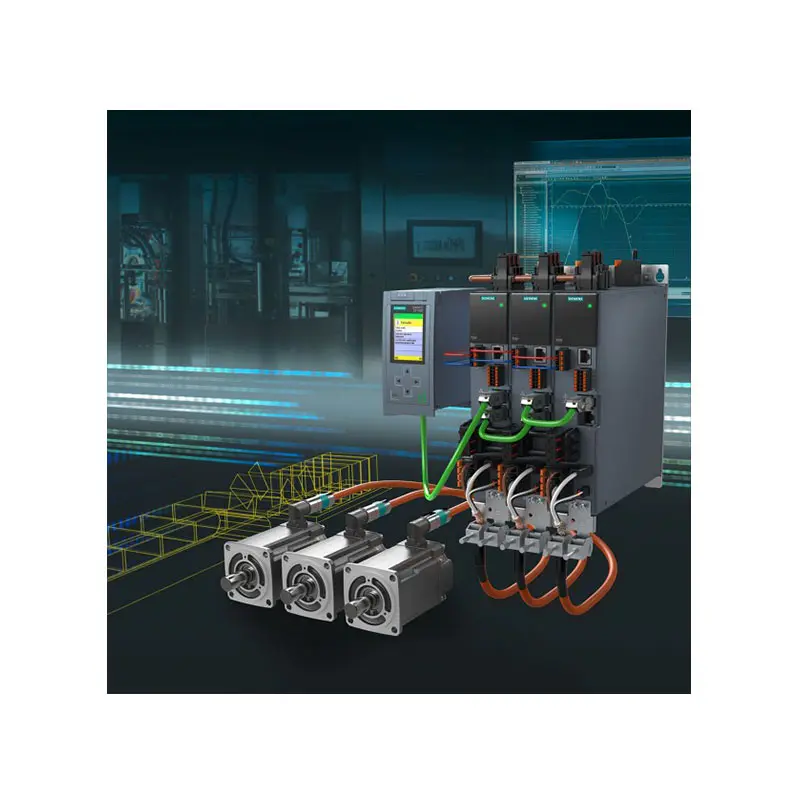 SIEMENS SINAMICS S210 Low Voltage
 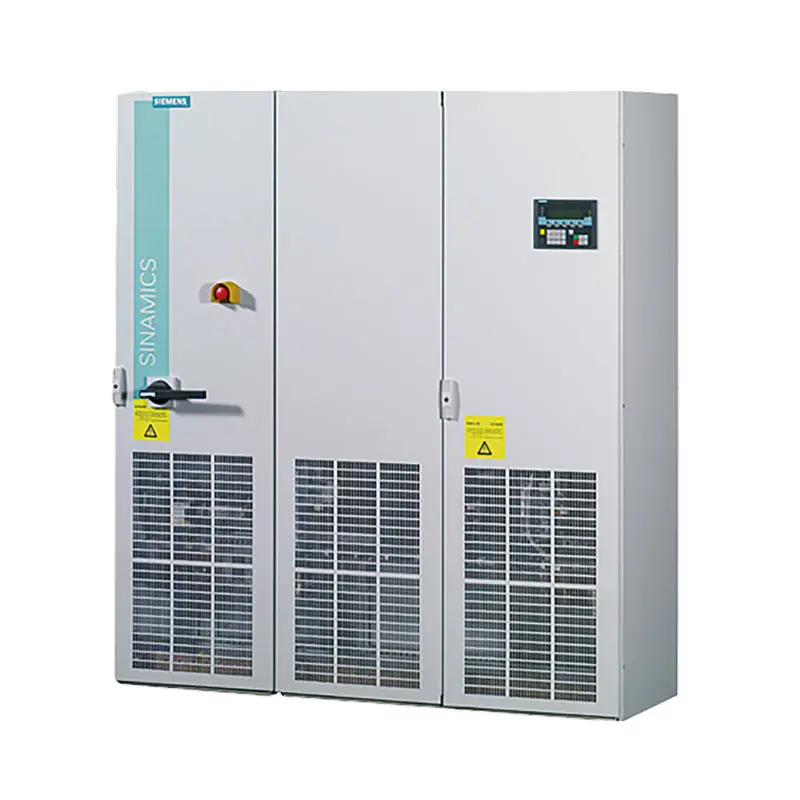 SIEMENS SINAMICS S150 Low Voltage
  SIEMENS SINAMICS S120 Low Voltage
 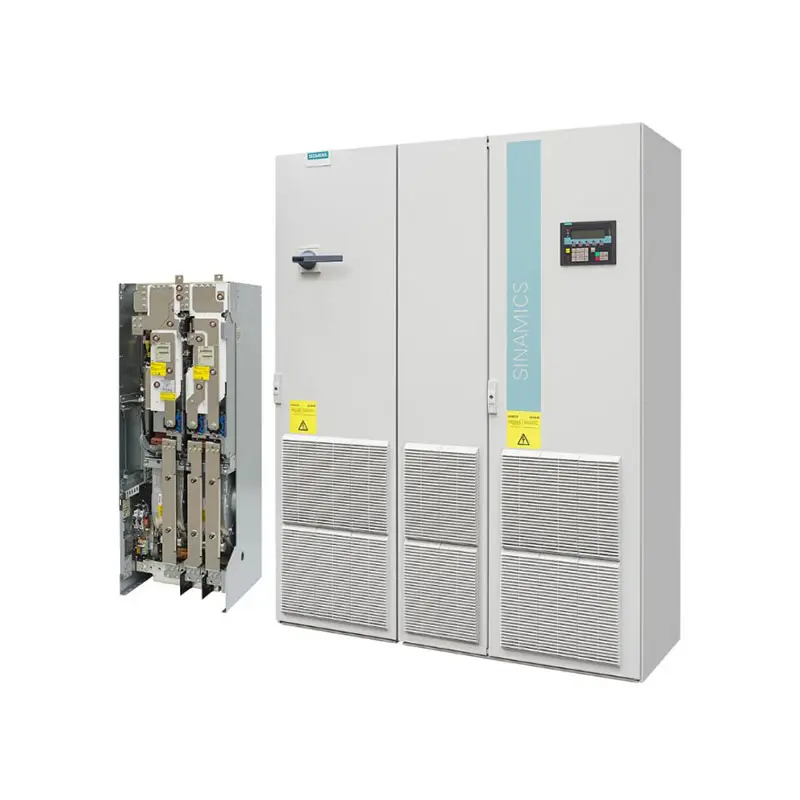 SIEMENS SINAMICS G130/G150
 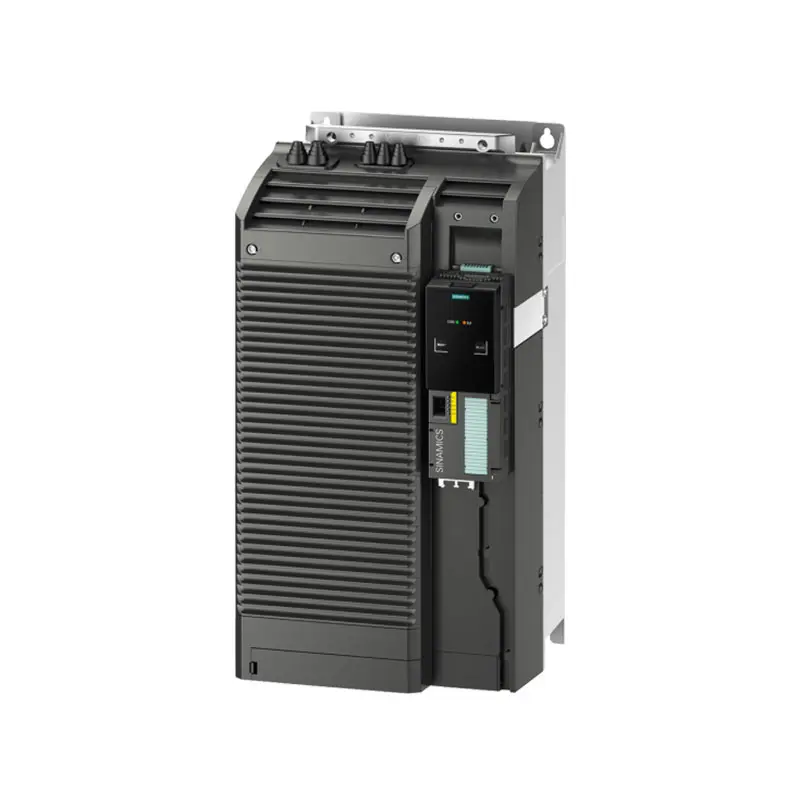 SIEMENS SINAMICS G120 Low Voltage
 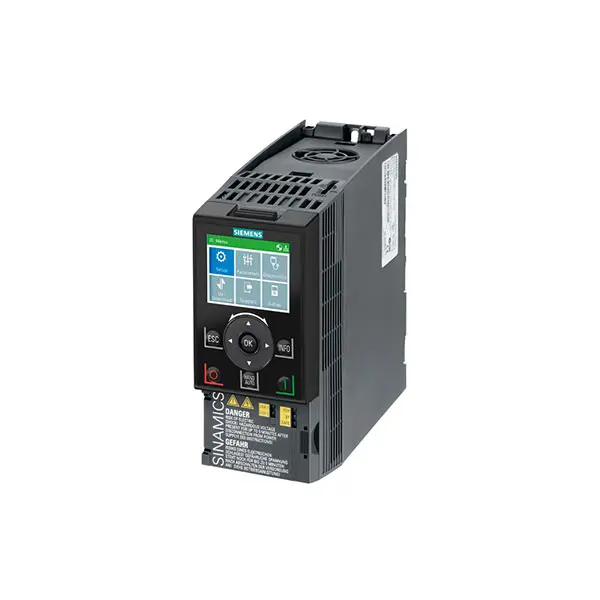 SIEMENS SINAMICS G120C Low Voltage
 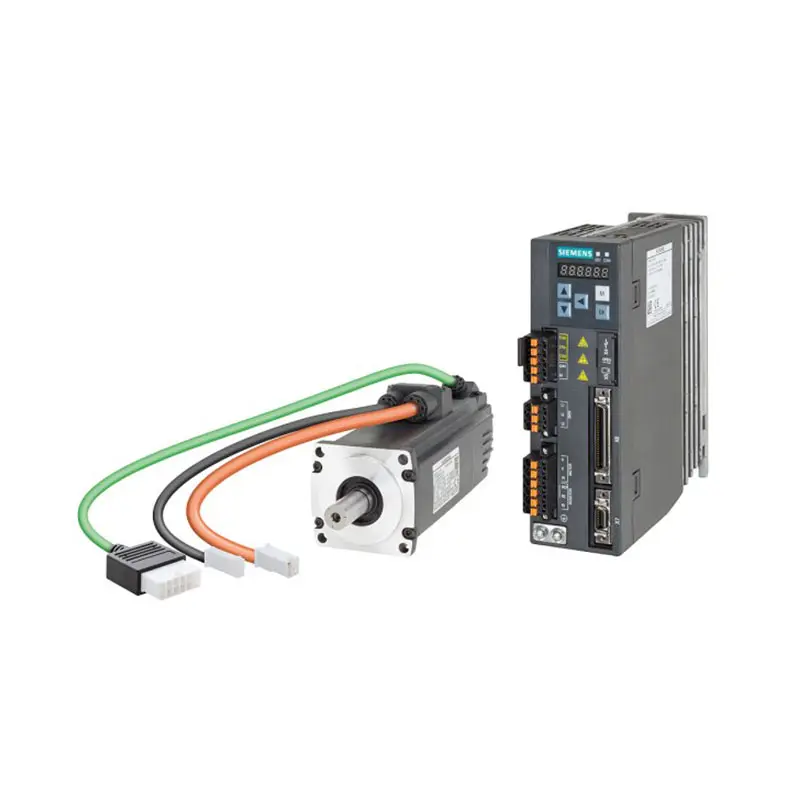 SIEMENS SINAMICS V90
 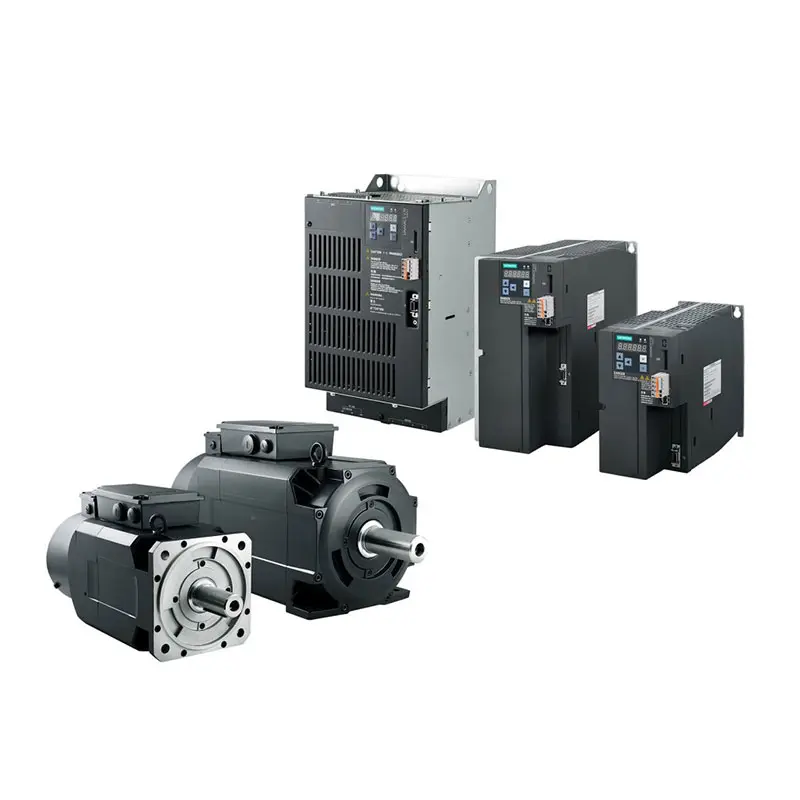 SIEMENS SINAMICS V70 Low Voltage
 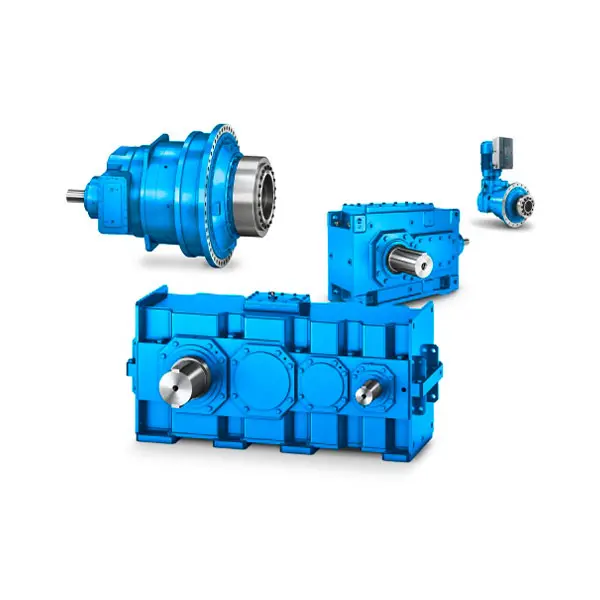 FLENDER Gear Unit
 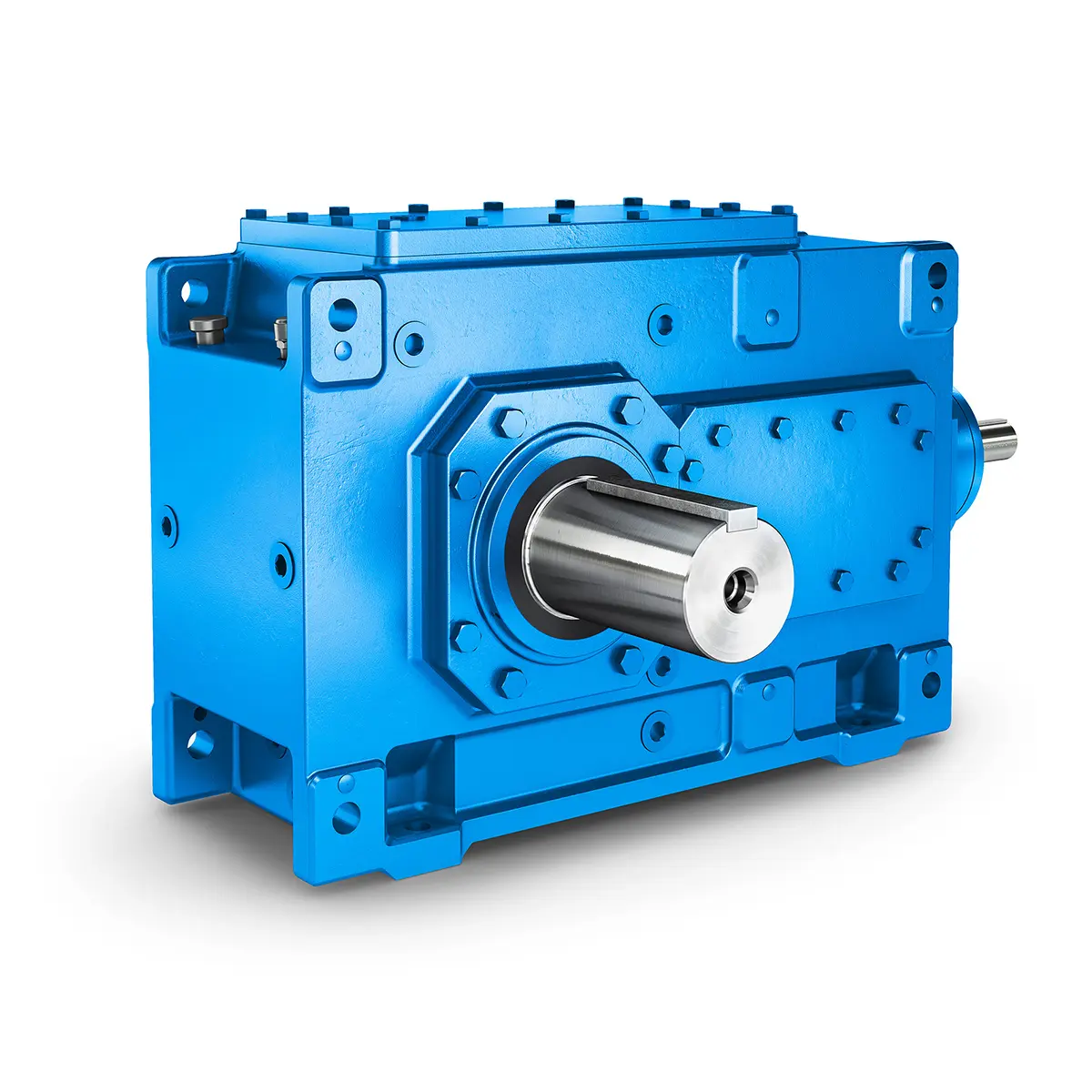 FLENDER Helical Gear Unit
 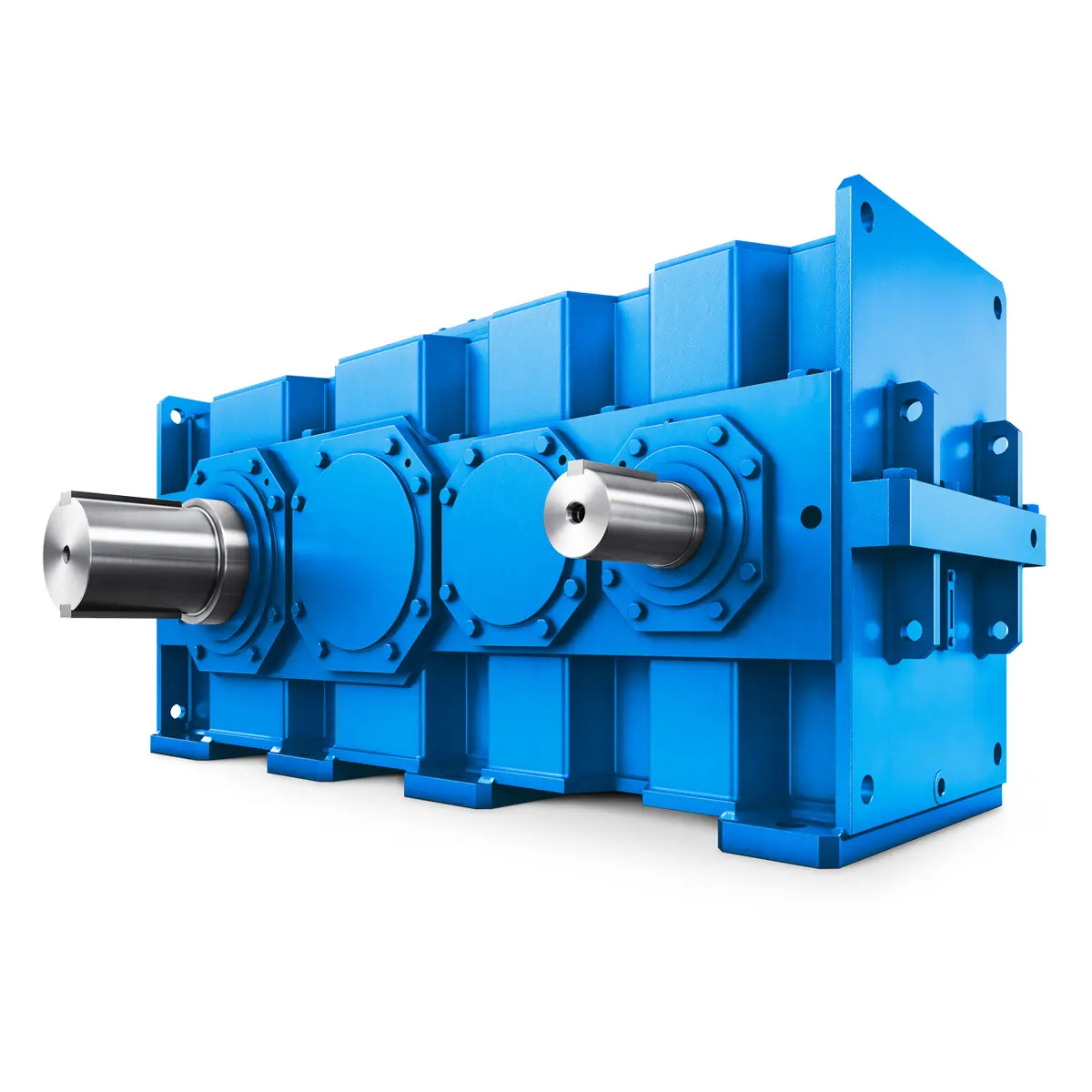 Flender gear units for lifting and luffing gears
 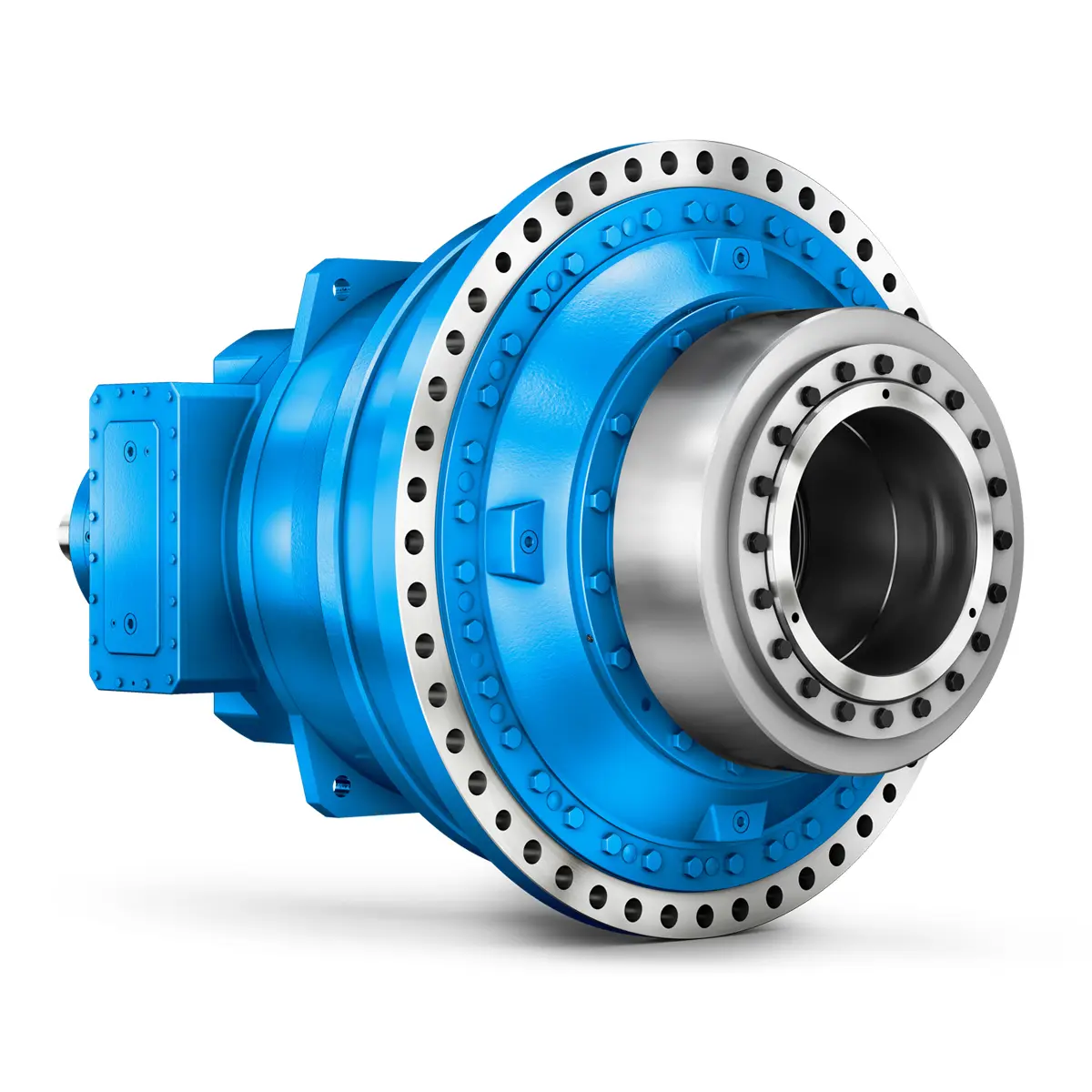 FLENDER Gear Unit gearunit gearbox
 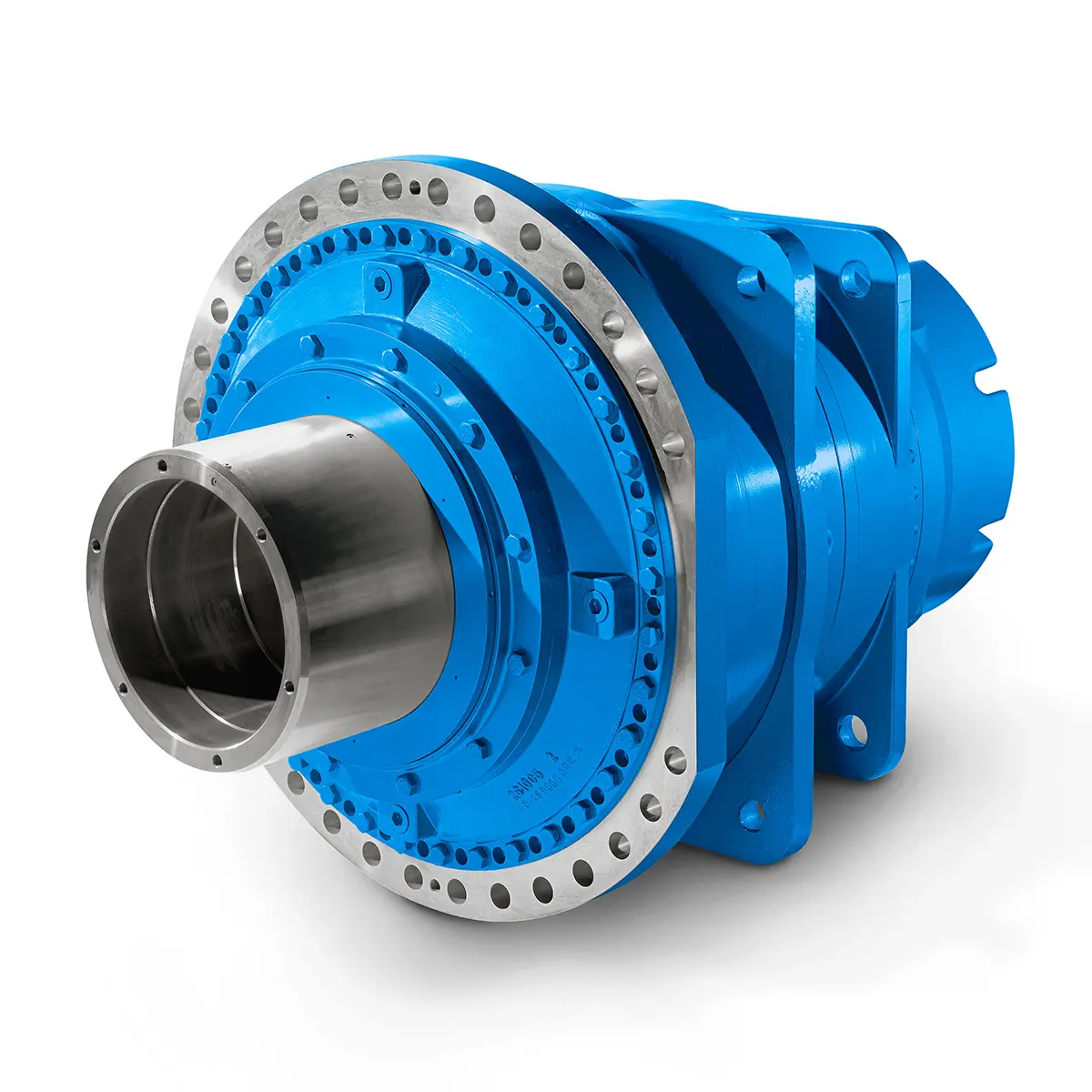 Optimal Drive Solution For Maximum Performance
 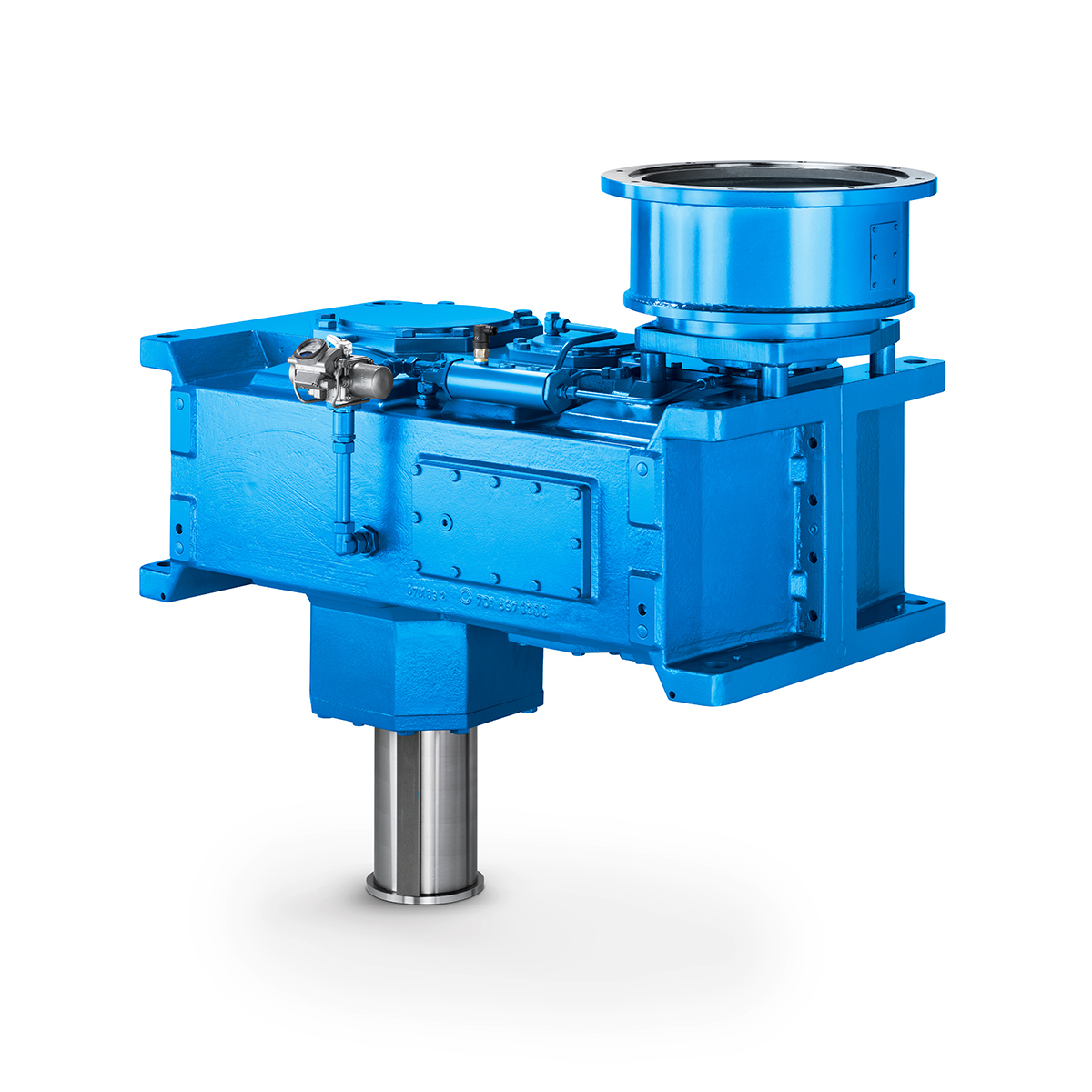 Strongly operating against biodegradable constituents
 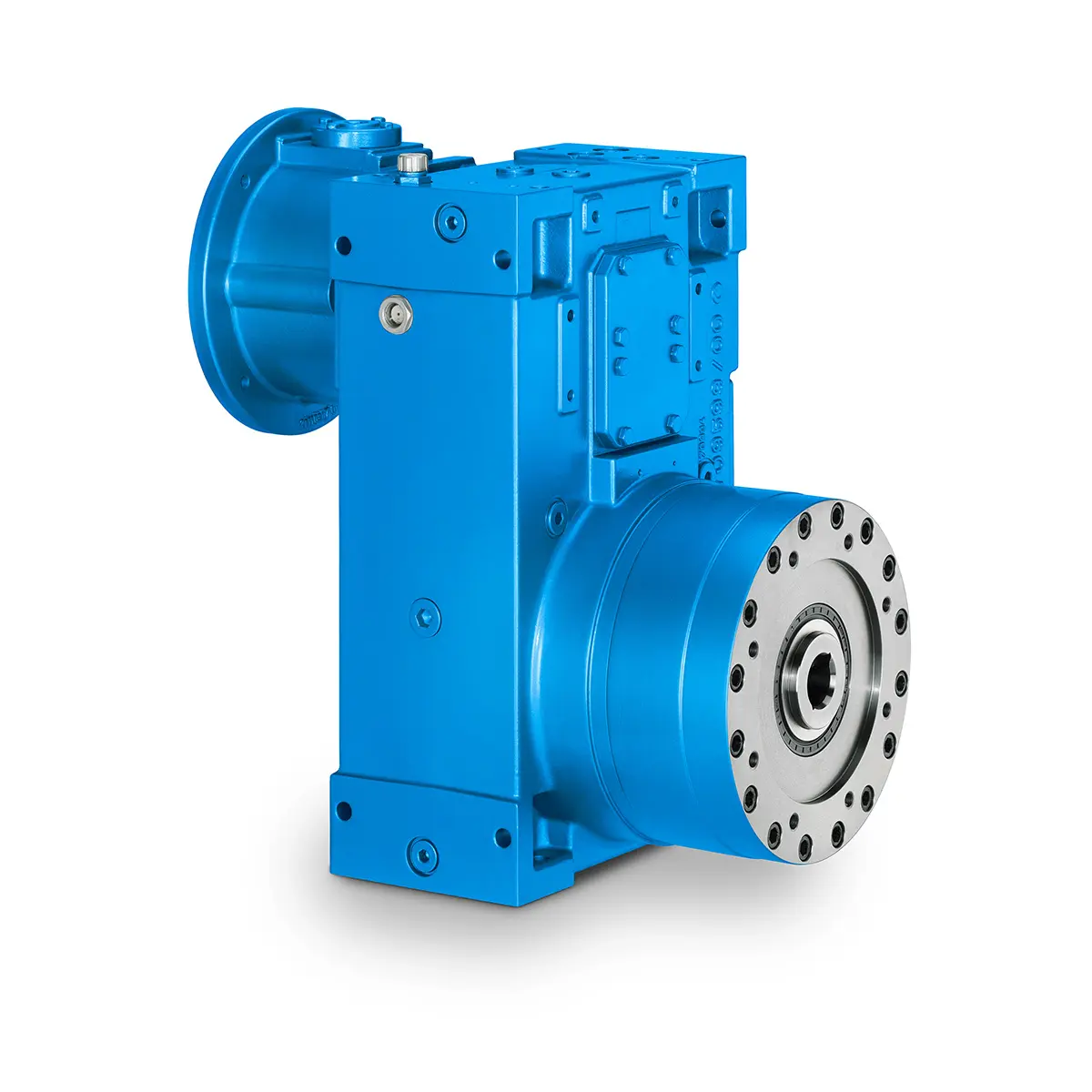 SINGLE SCREW Special industry dedicated gearunit gearbox
 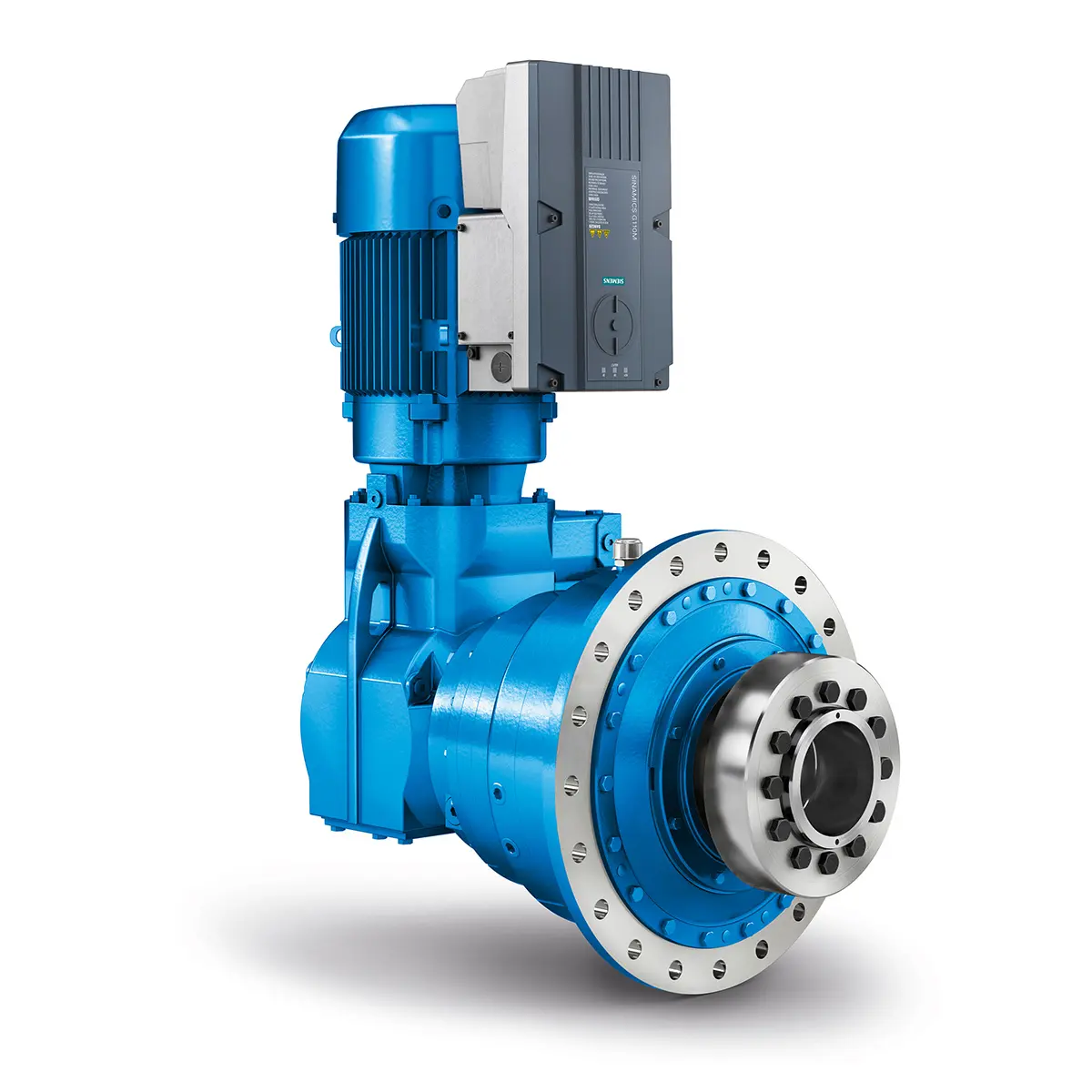 Playmaker In The Premium League
 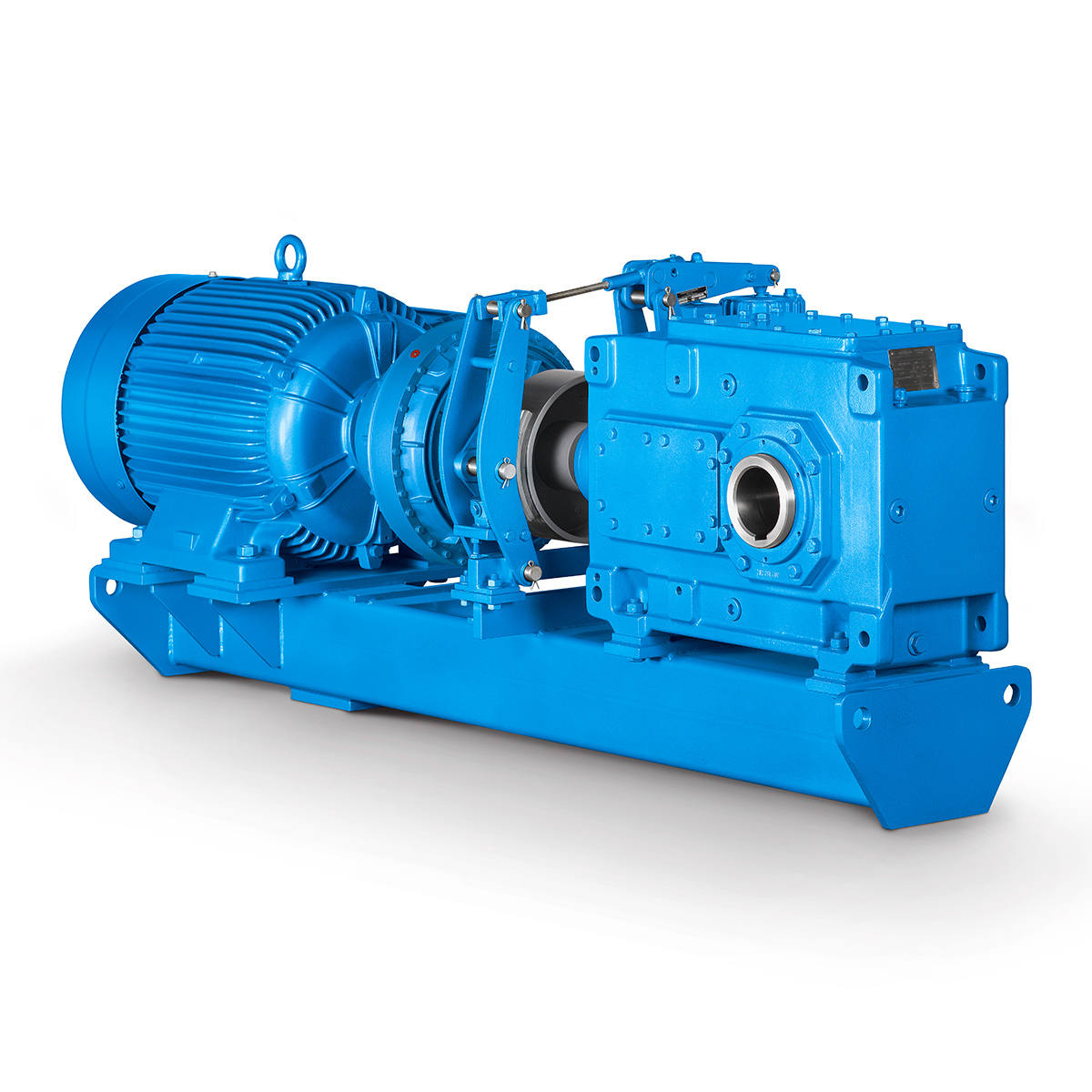 Conveyor belts gearunit gearbox
 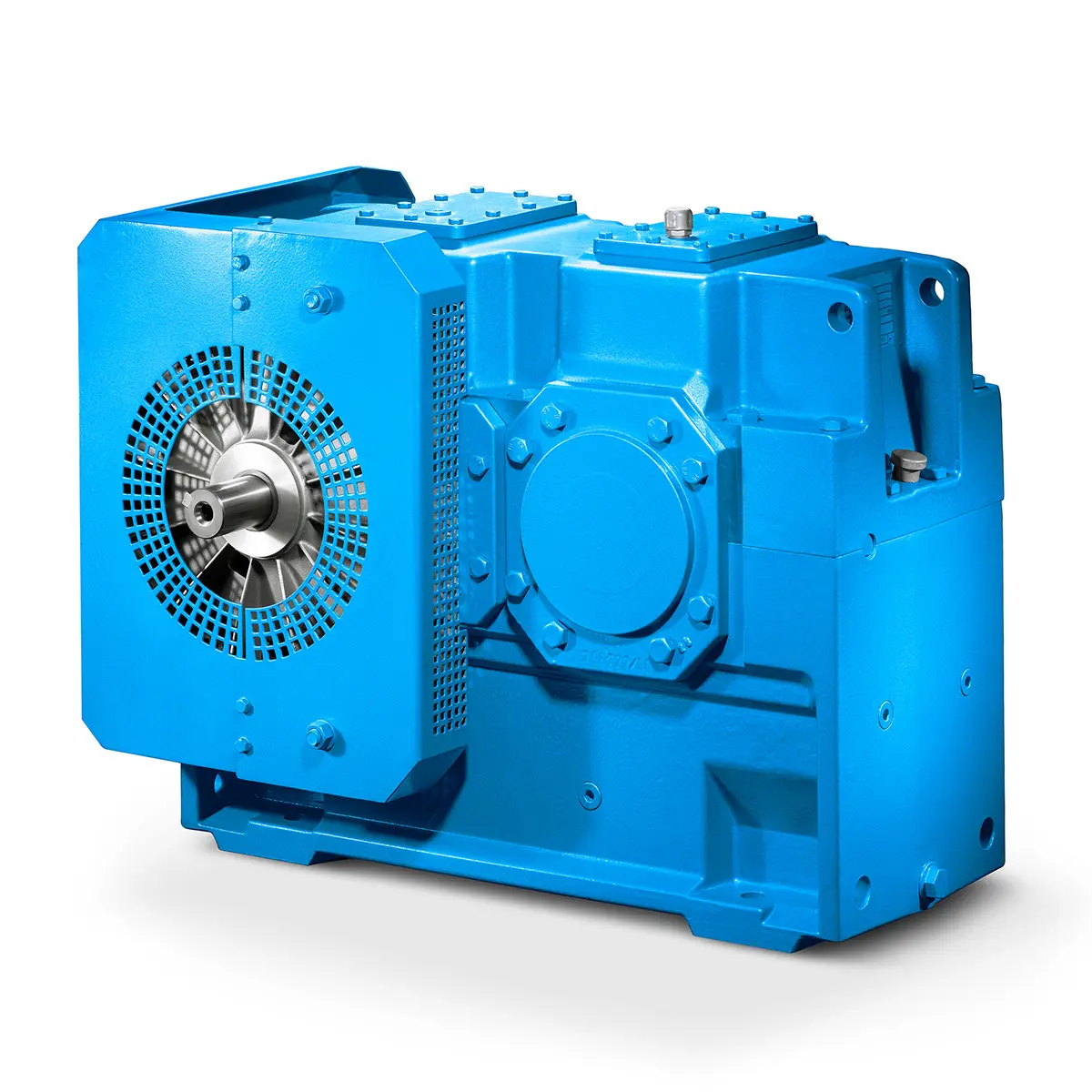 Paper And Pulp Preparation Sections
 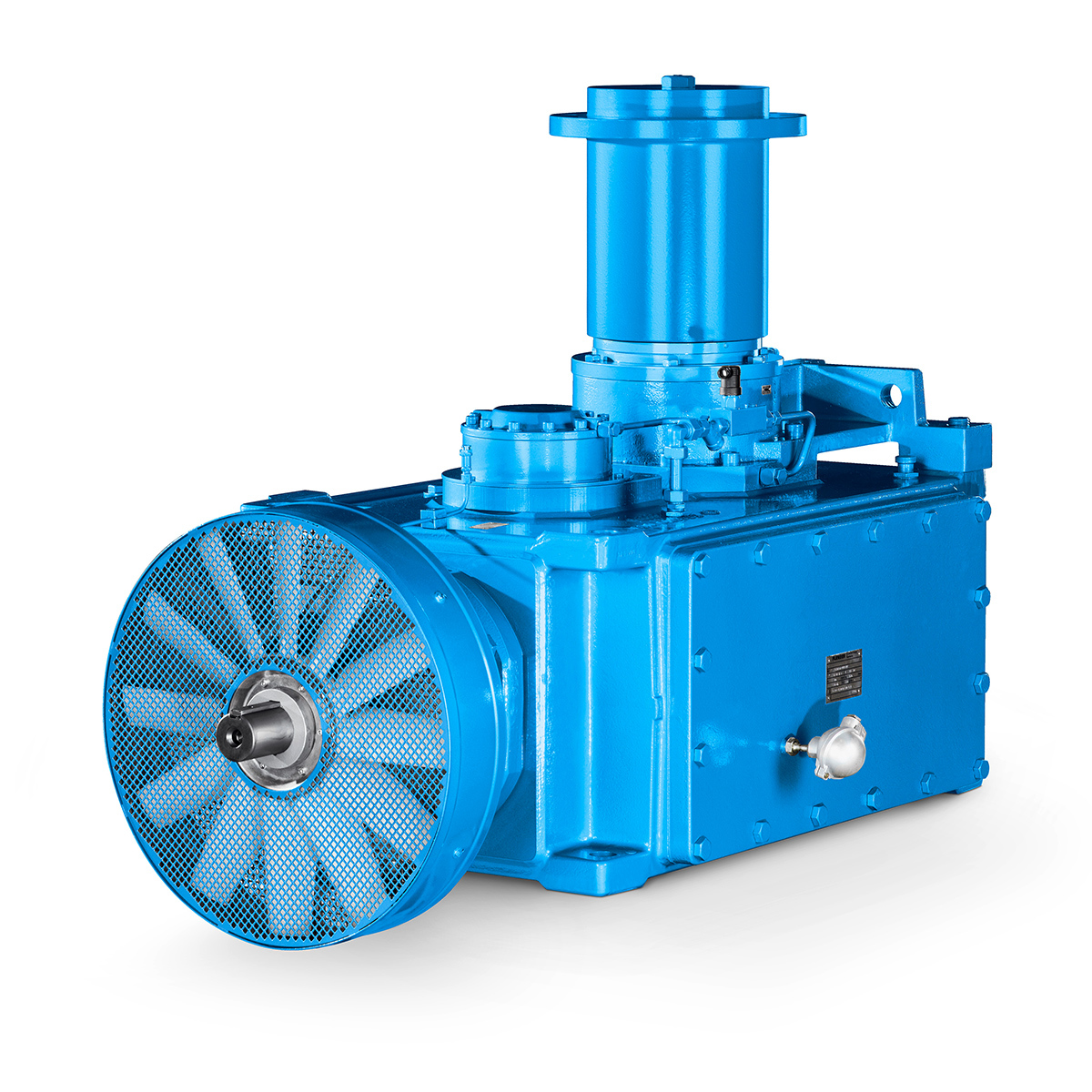 Operational Reliability Even In Case Of The Highest Ventilation Forces
 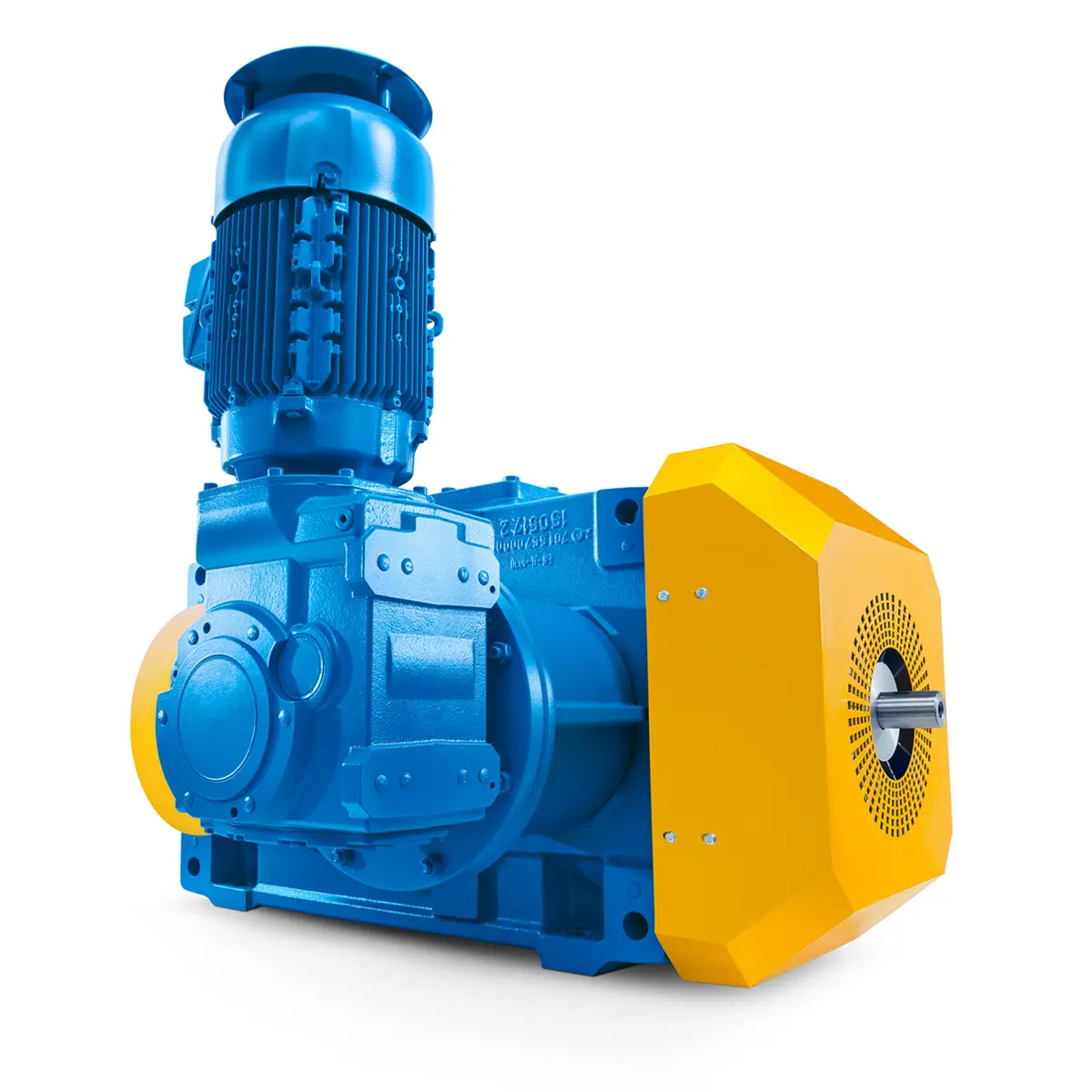 Reliable Gear Units For High Performance Vertical Conveyors 59/200
 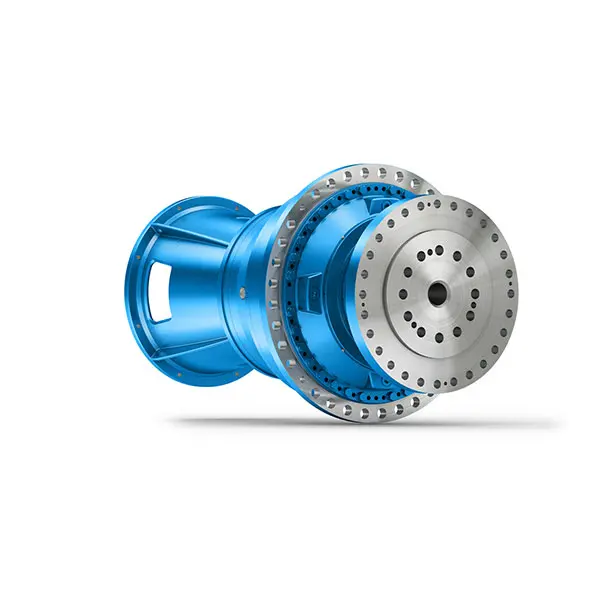 Maximum power density – PLANUREX 3 L individual drives for your sugar cane mill
 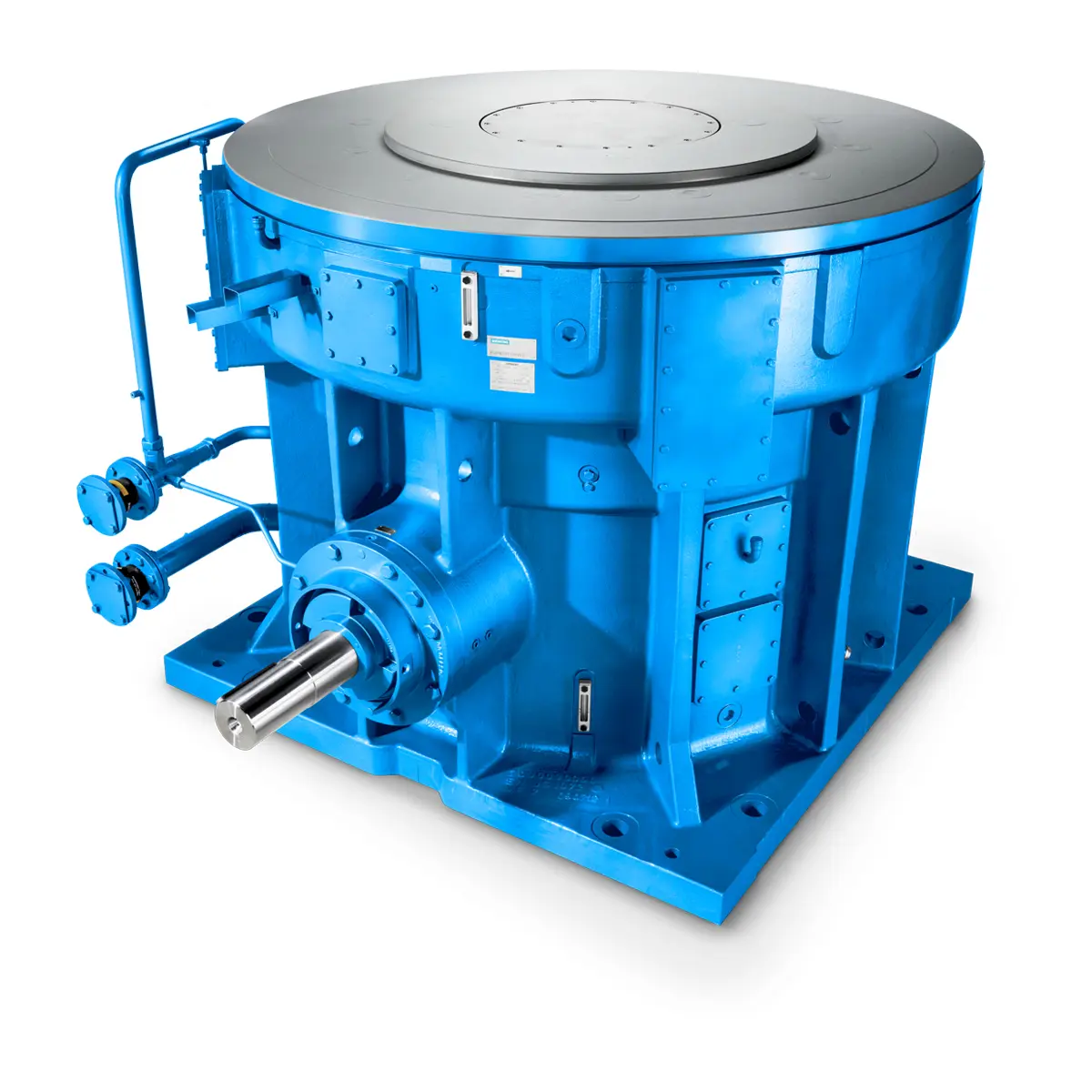 The proven all rounder gearunit gearbox
 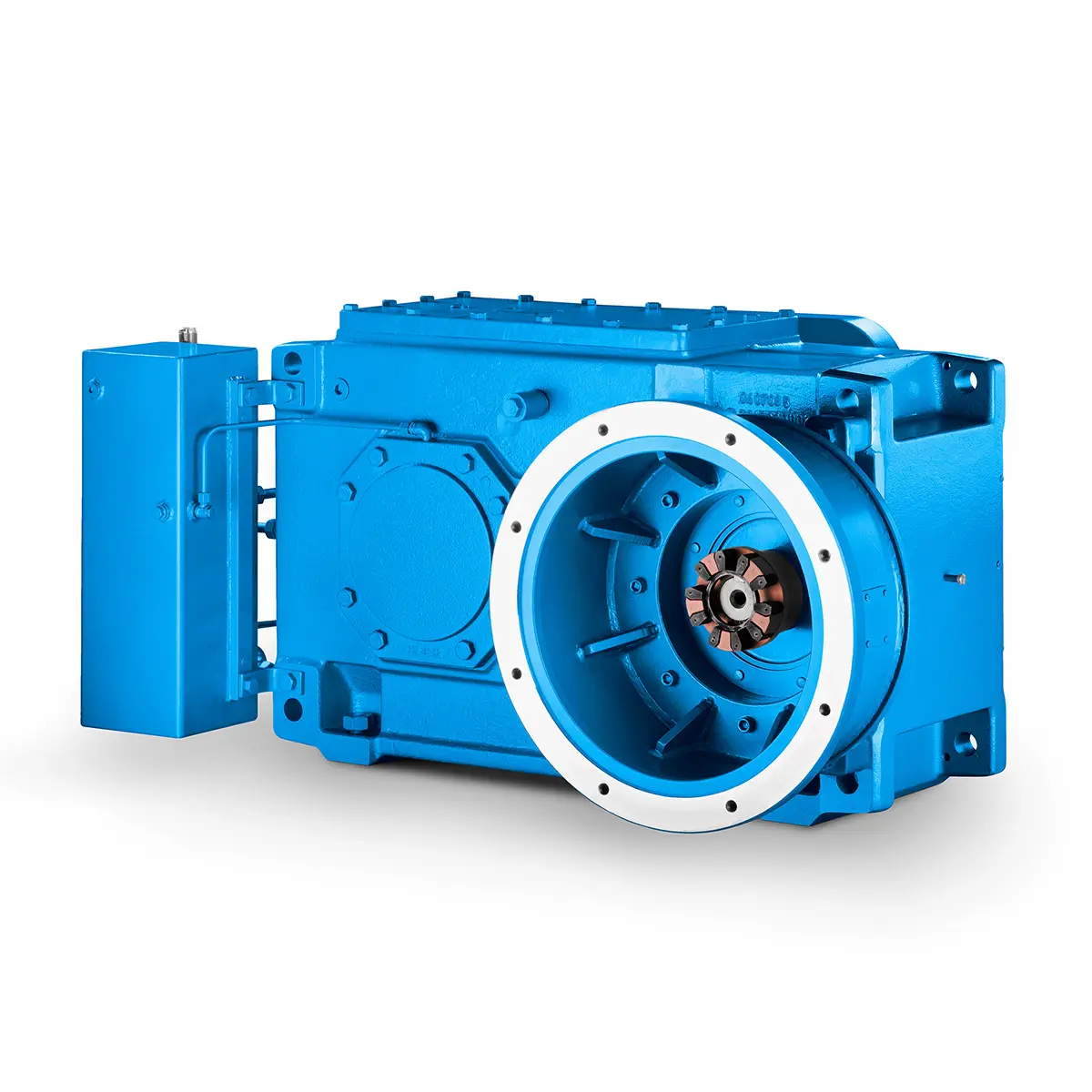 Stirs and stirs and stirs gearunit gearbox
 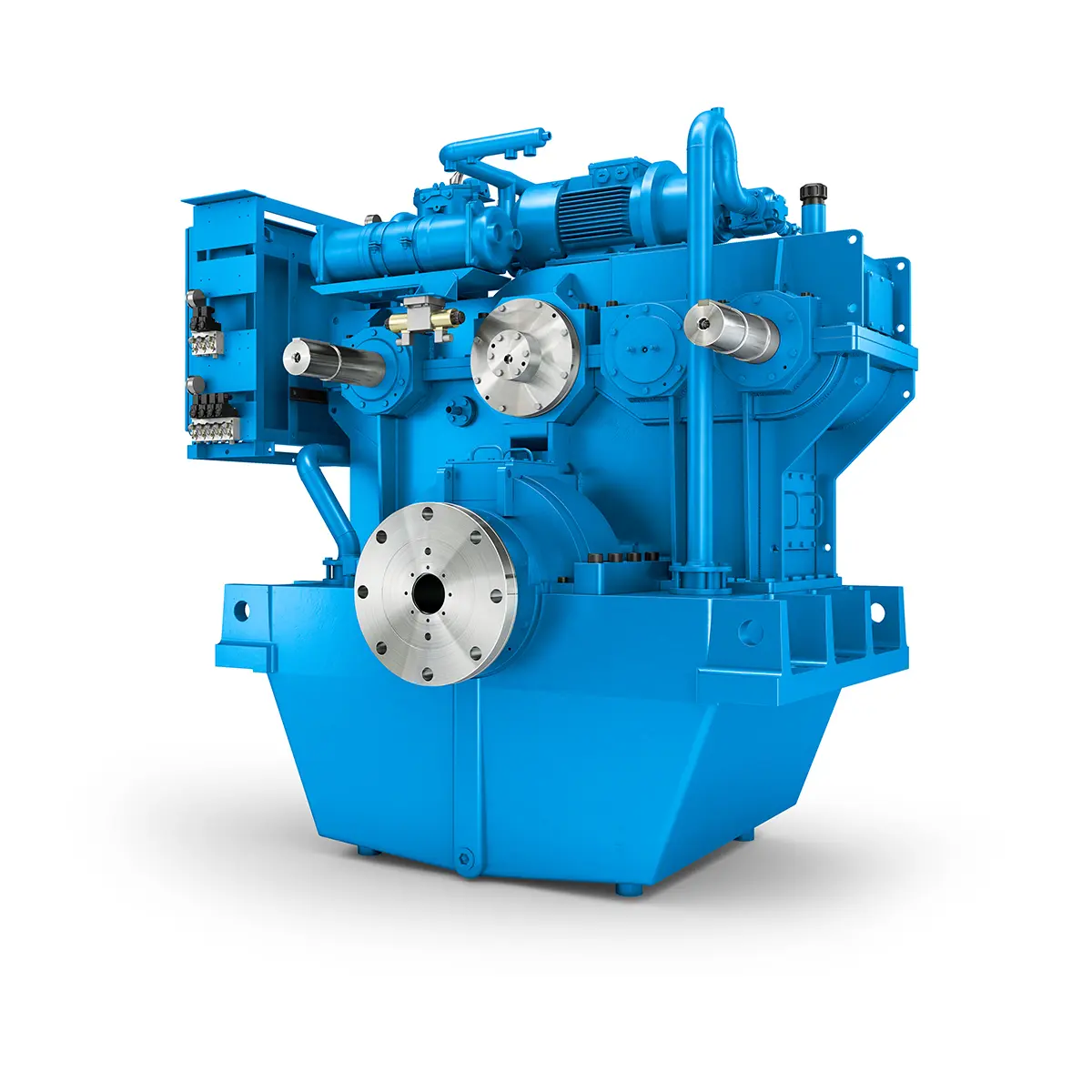 Flexibility on Board gearunit gearbox
 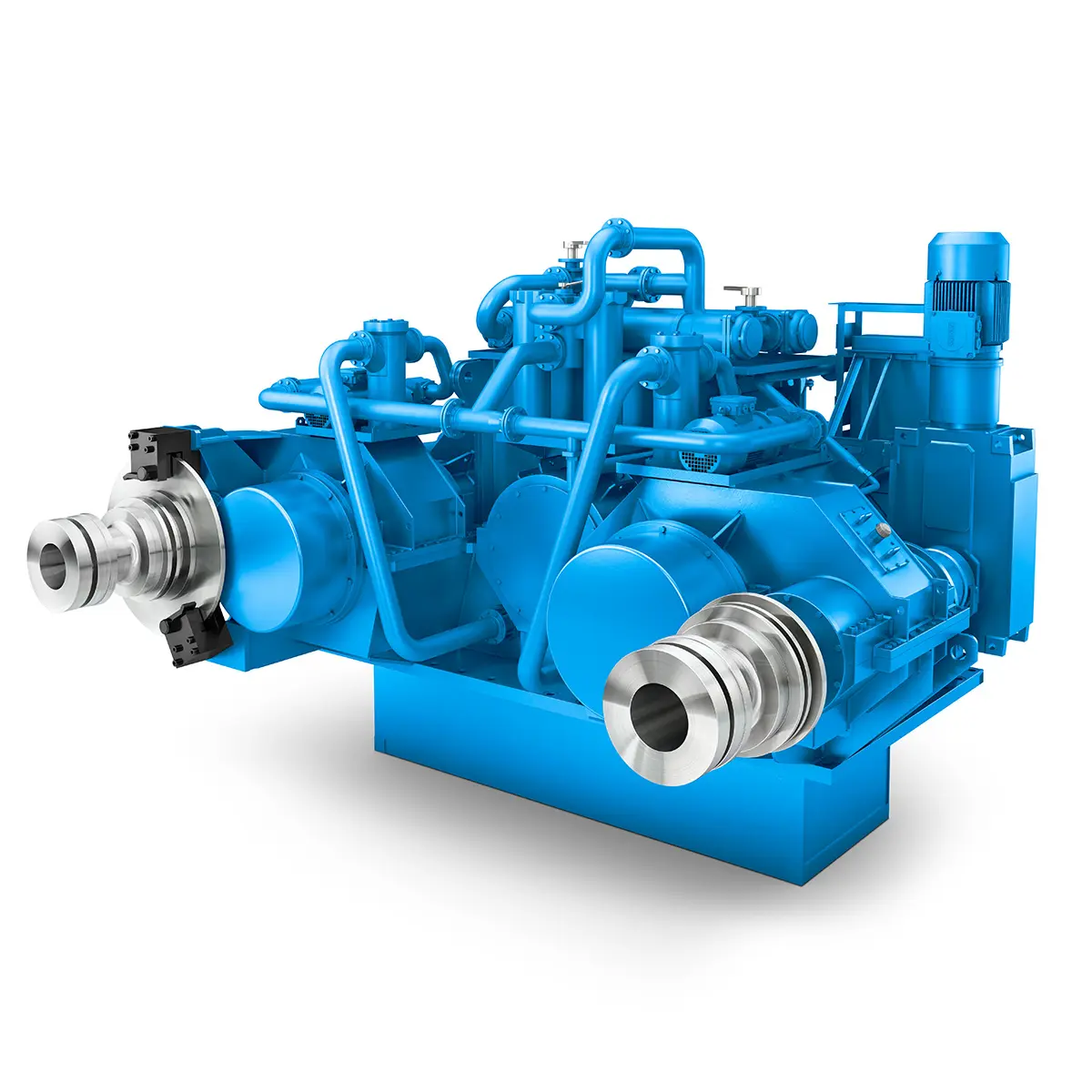 The right gearbox for all Multi-Engine Ships
 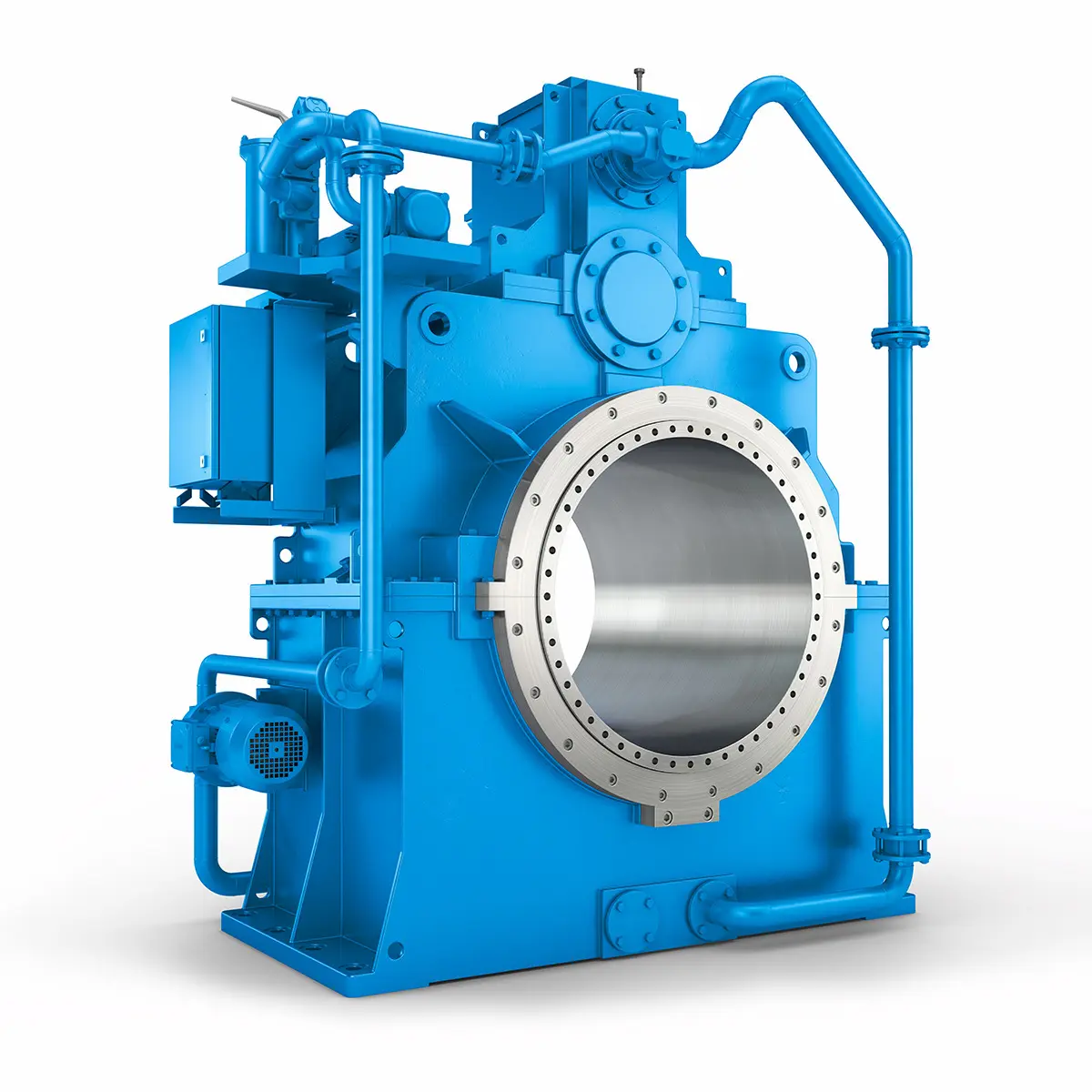 Reliable Power Generation on board
 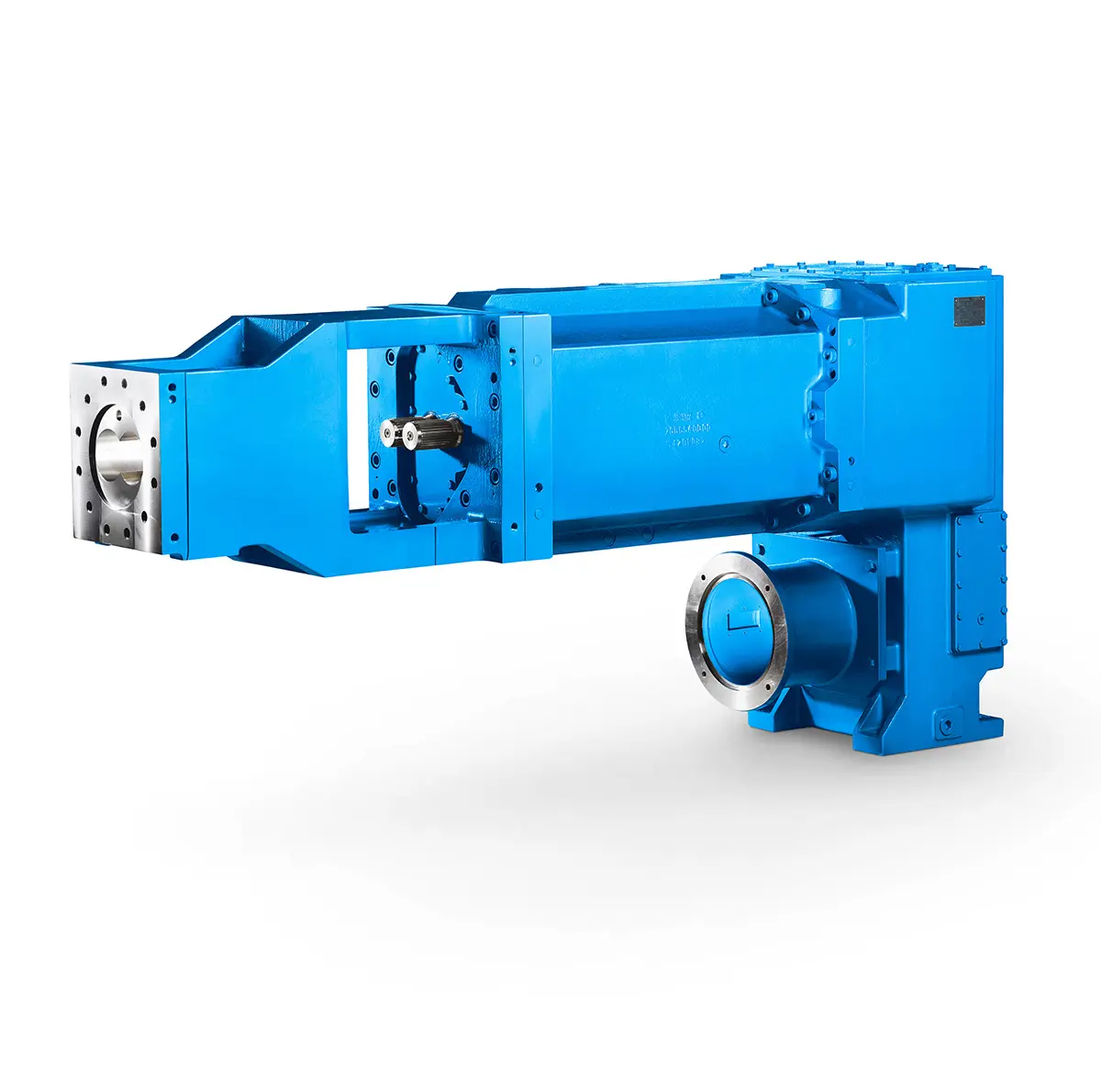 Maximum performance level, fast deliverable
 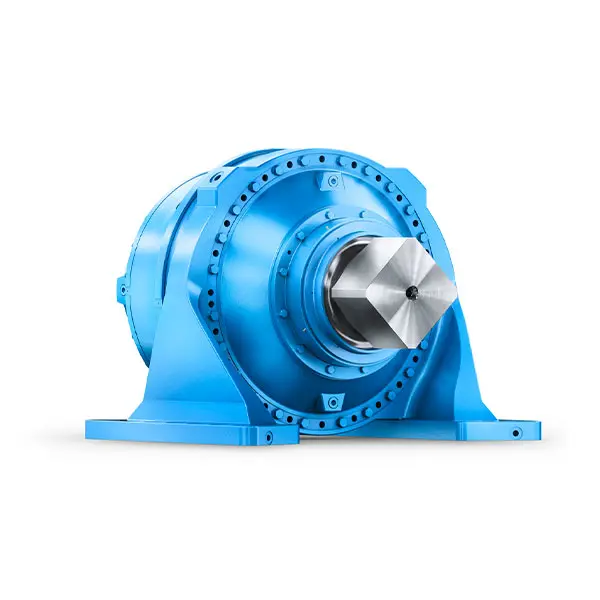 Efficient and compact – FLENDER Gear Units for Sugar Mills
 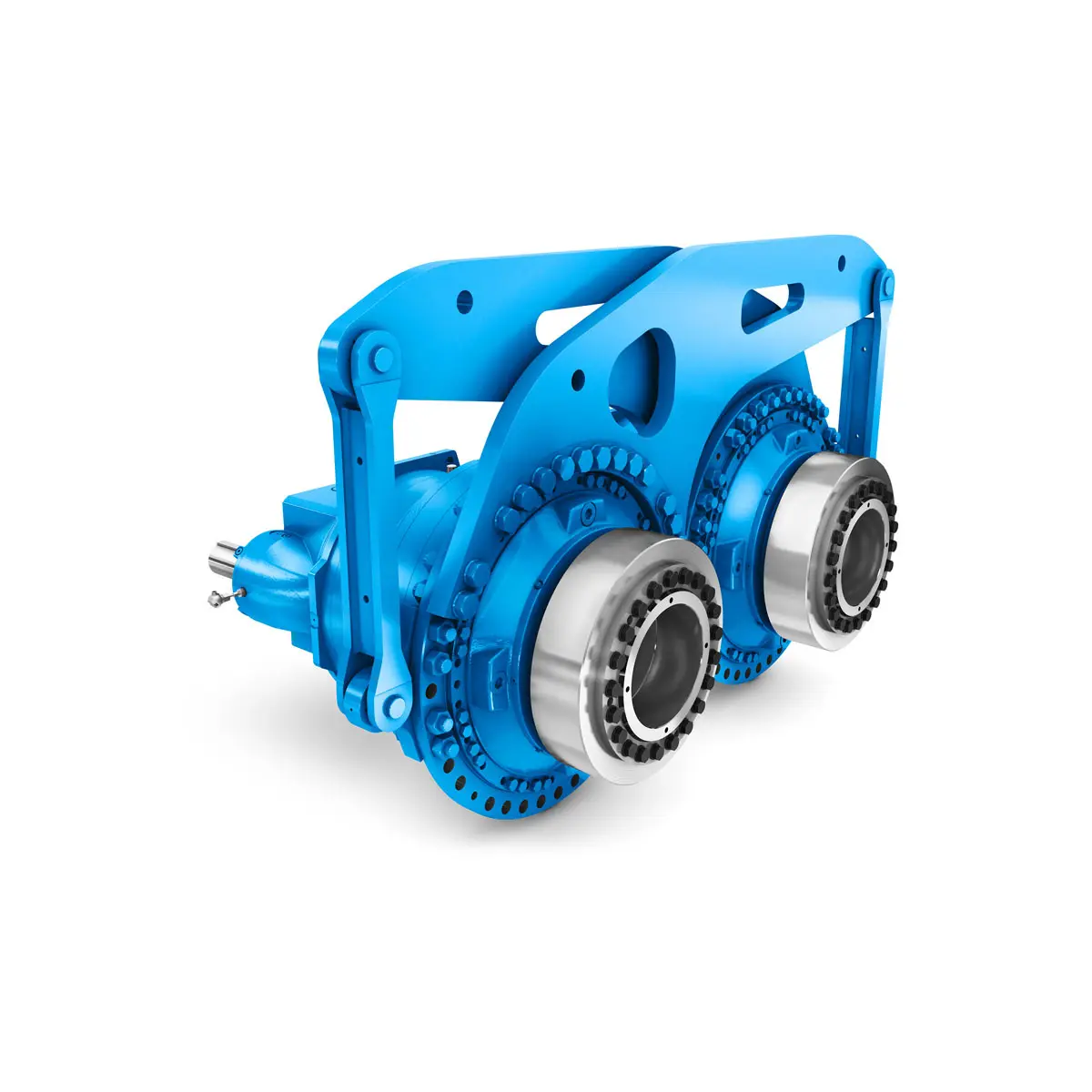 Extremely strong. Extremely compact. Extremely stressable.
 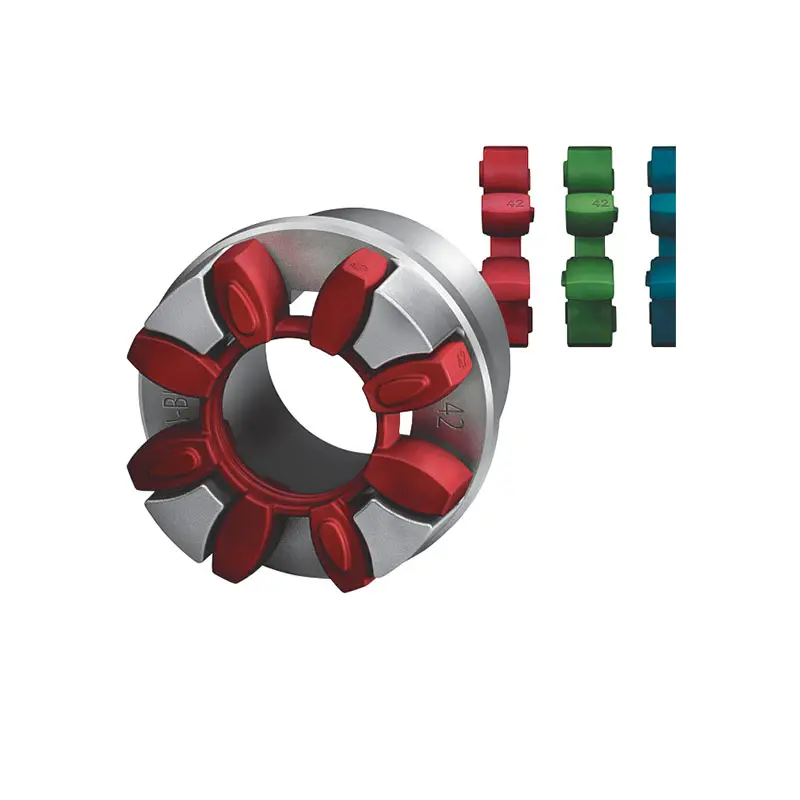 FLENDER Coupling
 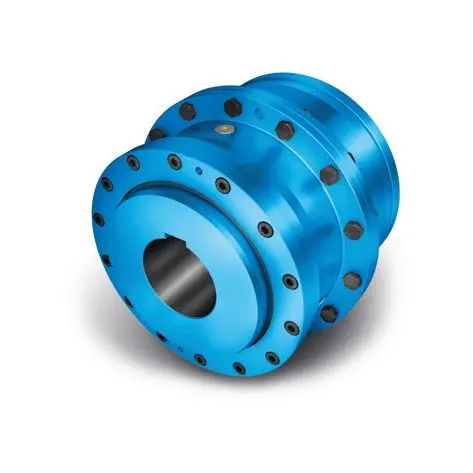 ZAPEX ZW Torsionally Rigid Gear Coupling
 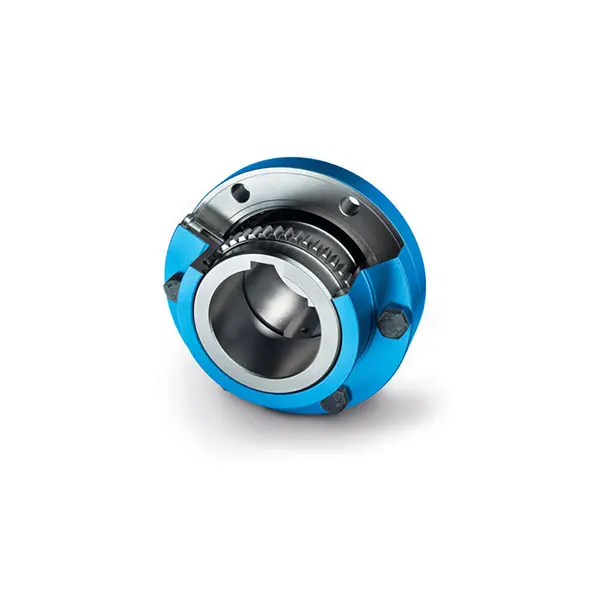 ZAPEX ZN Torsionally Rigid Gear Coupling
 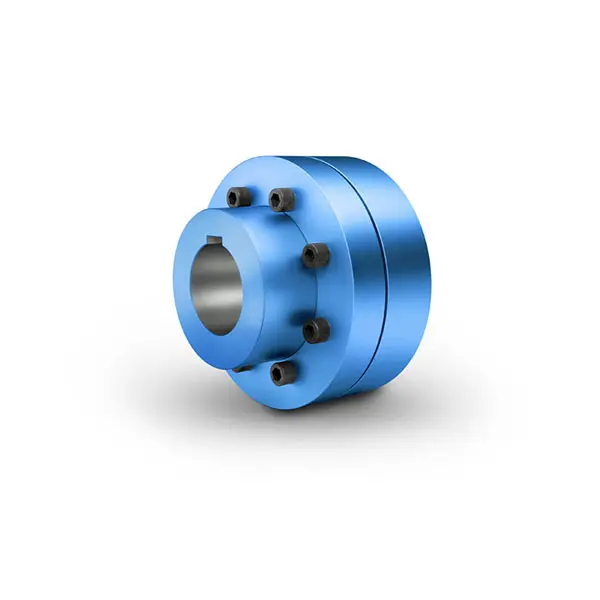 N-EUPEX Flexible high performance Coupling
 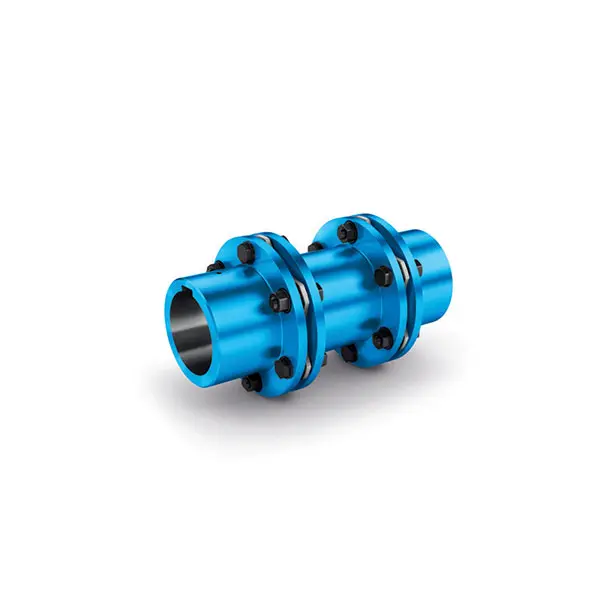 N-ARPEX Torsionally Rigid All-Steel Coupling
 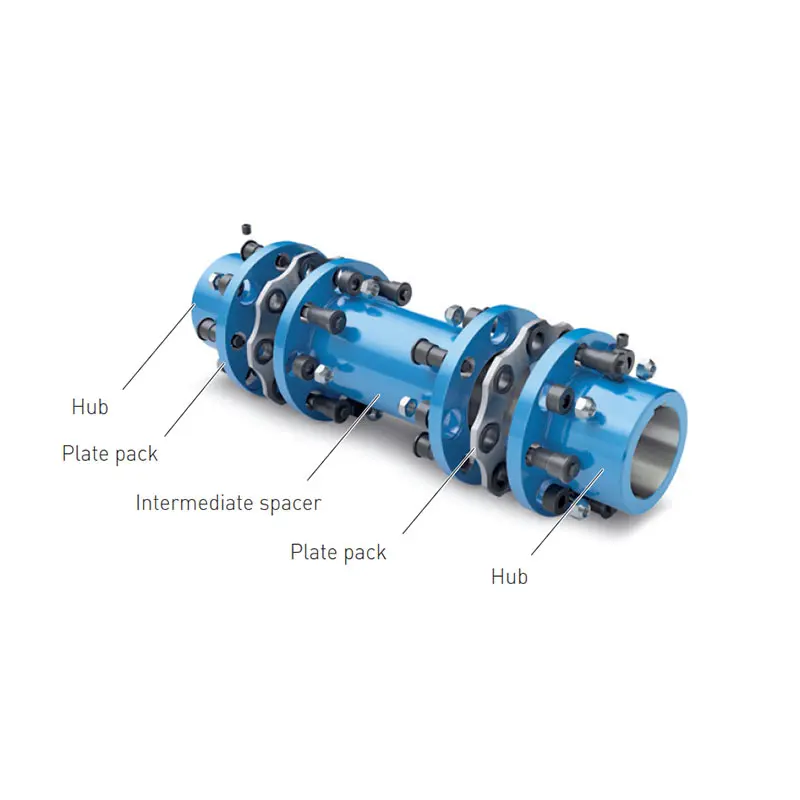 ARPEX Torsionally Rigid All-Steel Coupling Spare and Parts
 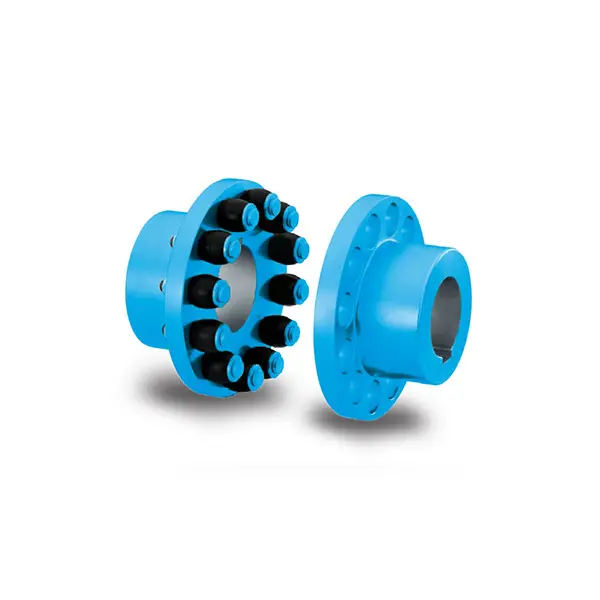 RUPEX Flexible high performance Coupling
 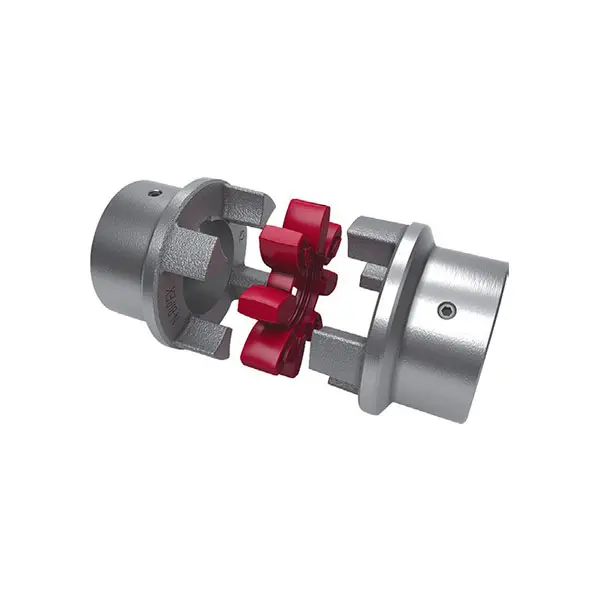 N BIPEX Flexible high performance coupling
 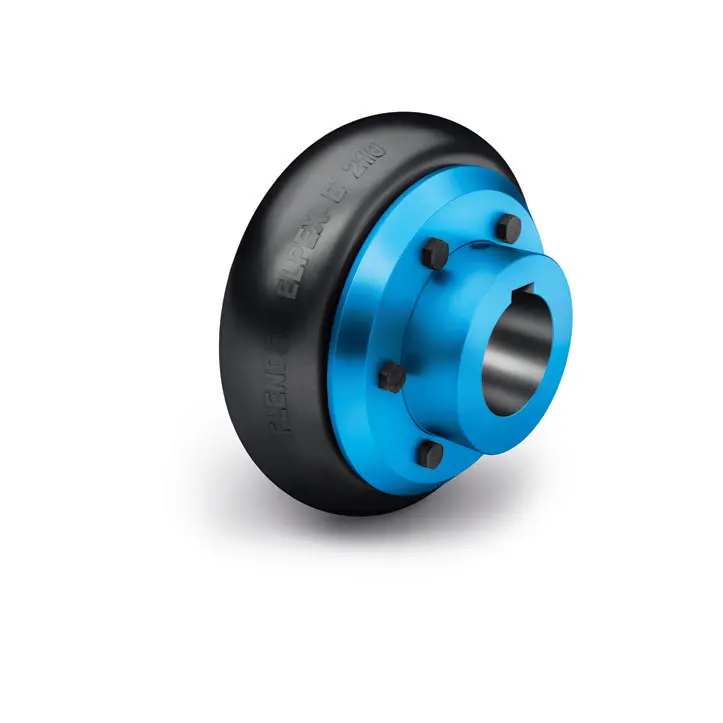 ELPEX B Highly Flexible Coupling
 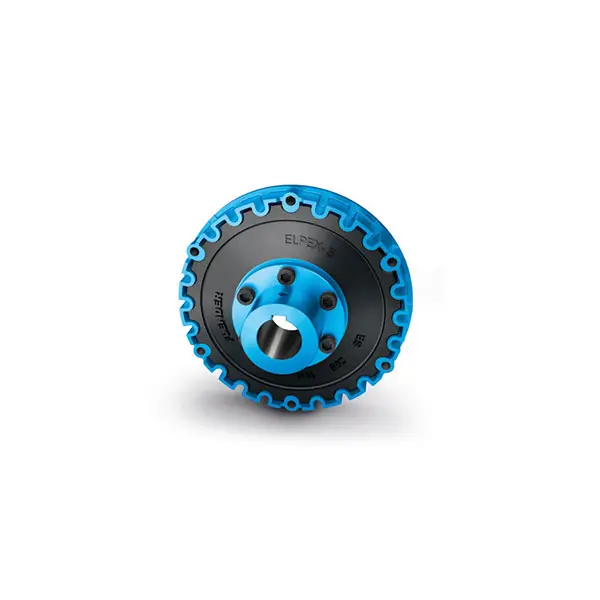 ELPEX S Highly Flexible Coupling high performance
 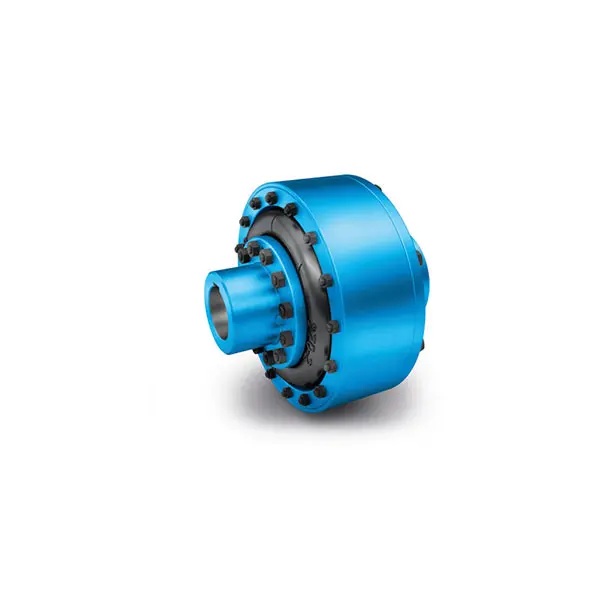 ELPEX Highly Flexible Coupling high performance
 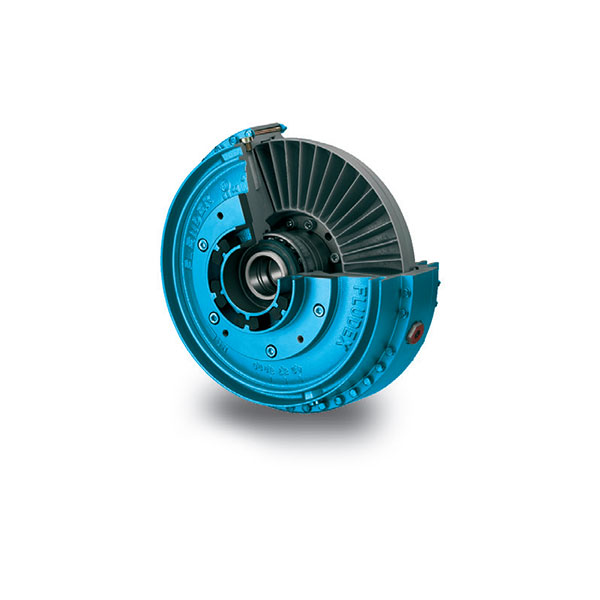 FLUDEX Fluid Coupling high performance
 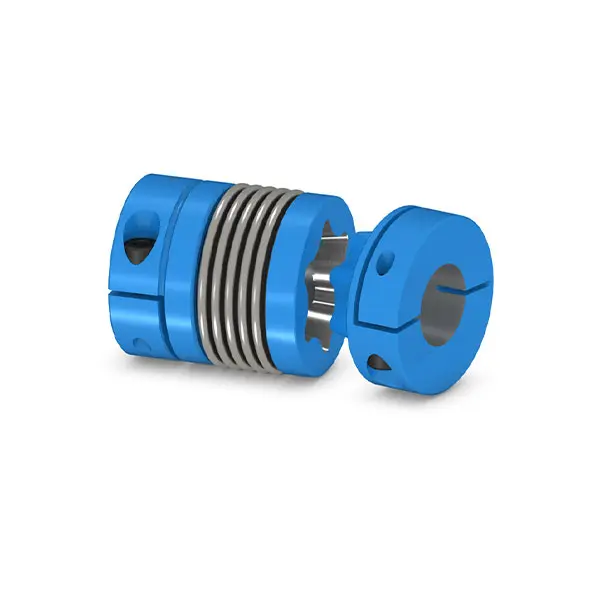 SIPEX Backlash free Coupling high performance
 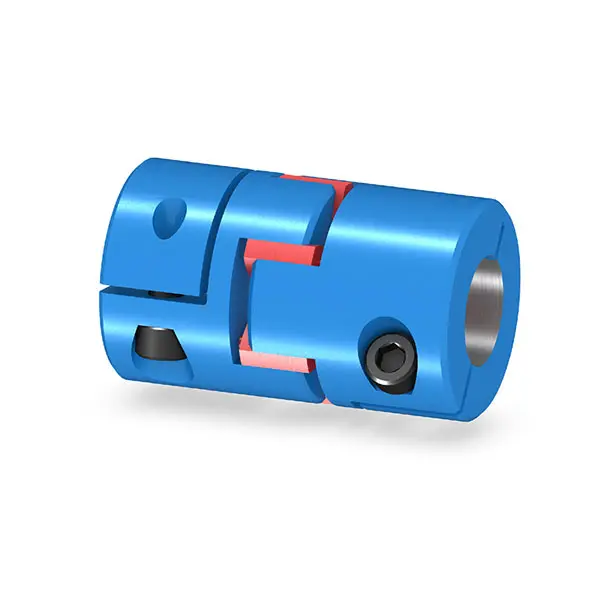 BIPEX S Backlash free Coupling high performance
 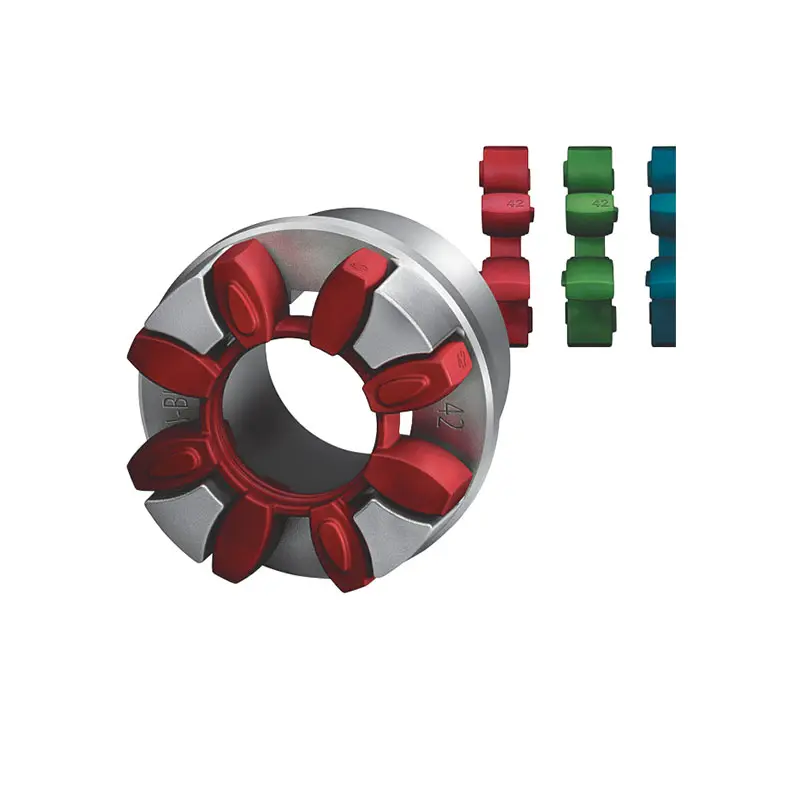 FLENDER Coupling Spare Parts high performance
 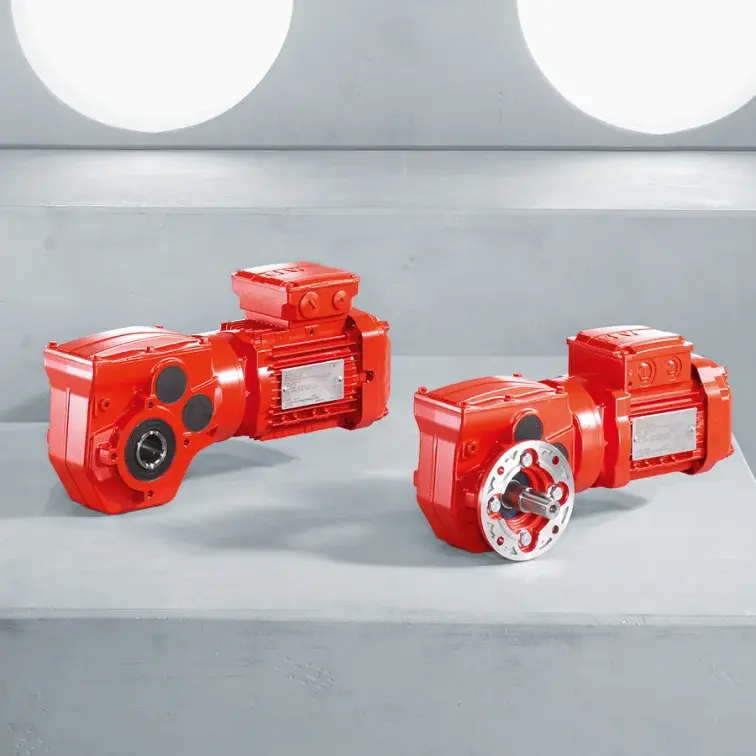 SEW Gearmotor
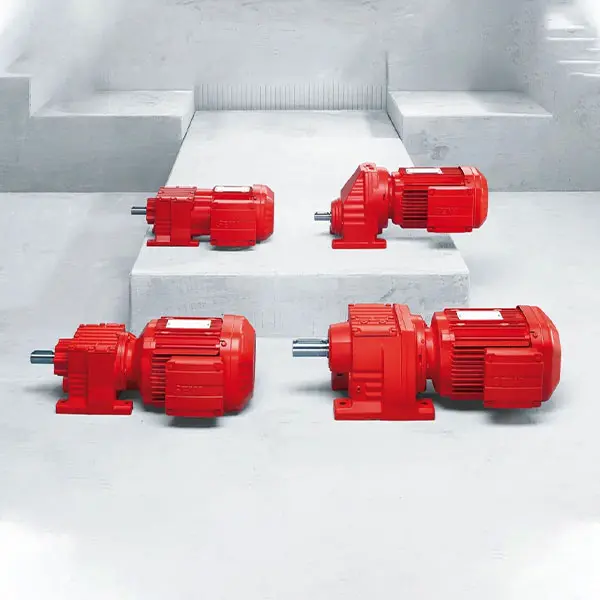 R Series Helical Gearmotor low voltage
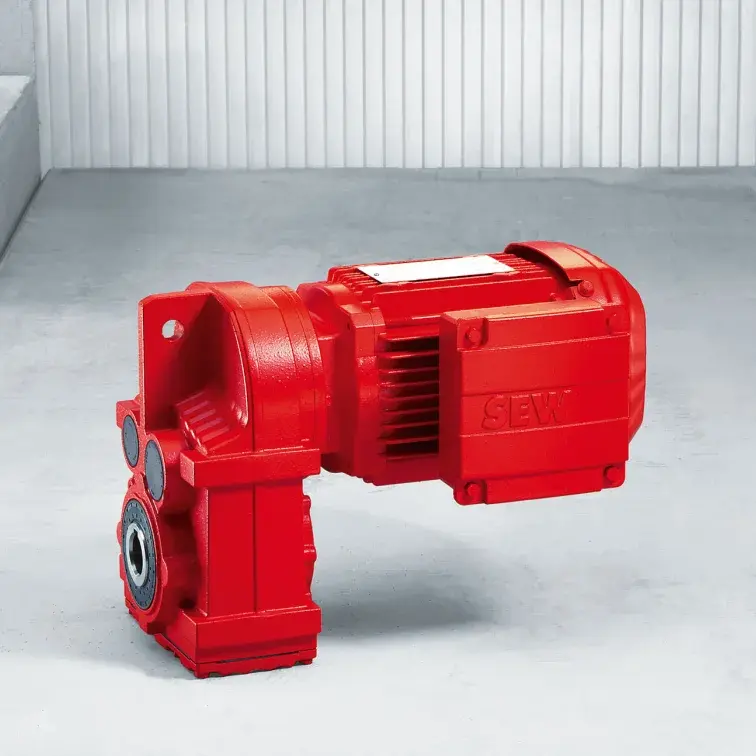 F Series Parallel Shaft Gearmotor low voltage
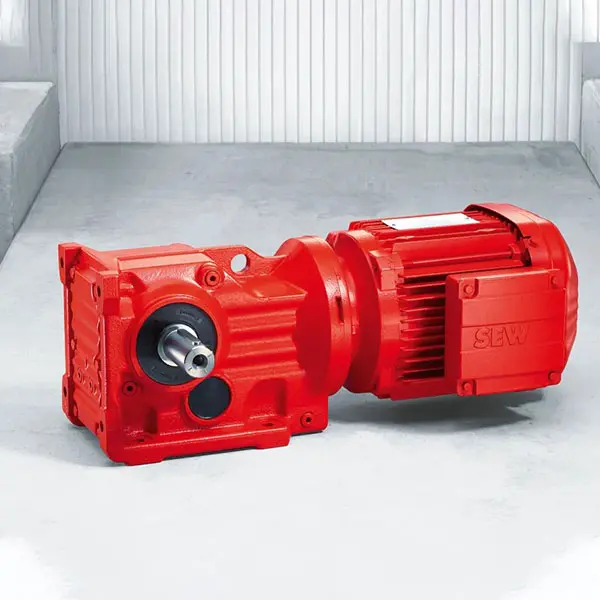 K Series Helical Bevel Gearmotor low voltage
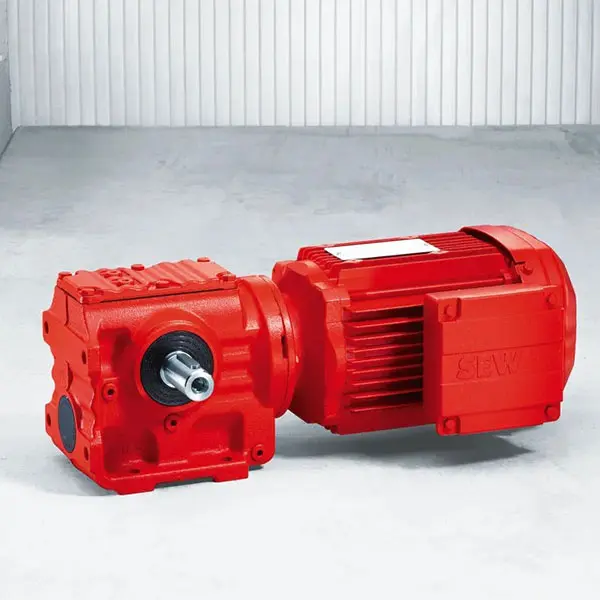 S Series Helical Worm Gearmotor low voltage
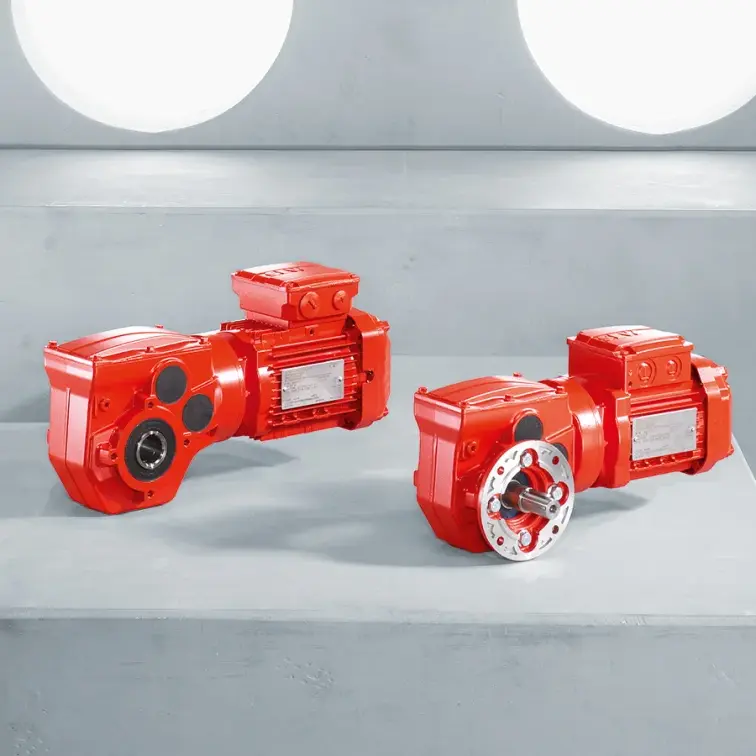 W Series SPIROPLAN® Right Angle Gearmotor