Why Choose the Right Speed Reducer for Your Business Needs?
Choosing the right Speed Reducer is crucial for any business aiming to improve efficiency. According to Richard Jones, a leading expert in the mechanical engineering sector, "The performance of a machine hinges on its components, particularly the Speed Reducer."
Businesses often overlook the importance of this essential part. The right Speed Reducer can enhance torque capacity and reduce wear and tear. On the other hand, selecting the wrong type could lead to inefficiency and costly repairs. It's easy to dismiss these components as minor, but they play a vital role in machinery performance and longevity.
Understanding your specific needs is key. Not all Speed Reducers are created equal. Each business has unique operational demands that require tailored solutions. The decision-making process may seem daunting, yet taking the time to evaluate options will yield long-lasting benefits. Balancing cost and quality is challenging, but it's a necessary step to ensure operational success.
Understanding Speed Reducers: Definition and Functionality
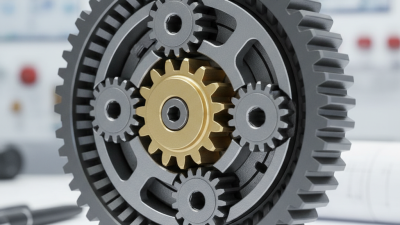
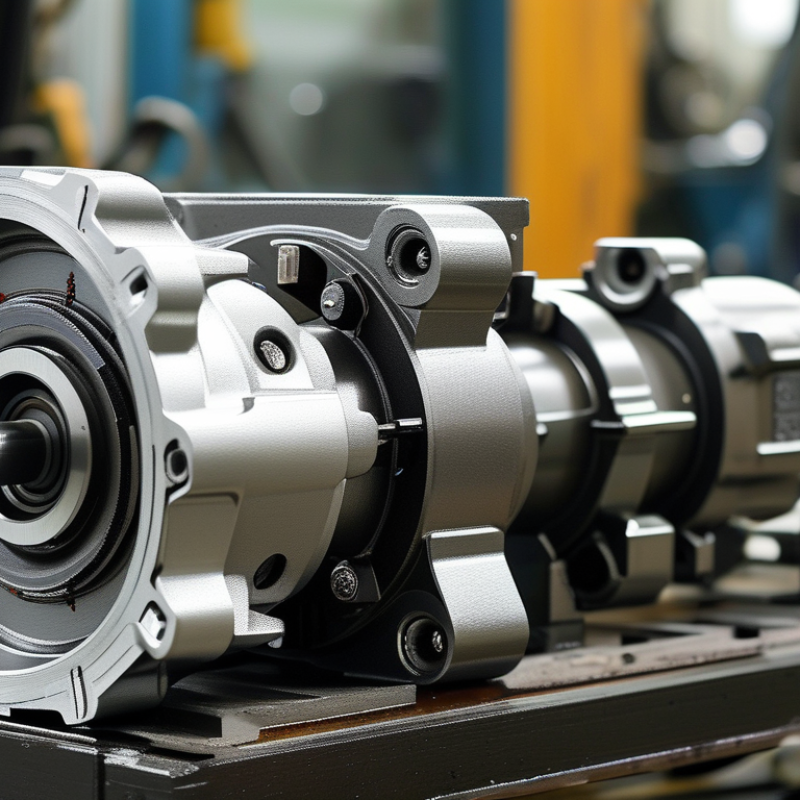
Speed reducers are essential mechanical devices in various industries. They lower the speed of a motor while increasing torque. This efficiency creates optimal performance in machinery. Understanding their functionality helps businesses make informed choices.
A speed reducer typically combines gears to achieve desired output characteristics. According to industry research, these devices can improve energy efficiency by up to 30%. This translates into lower operational costs and extended equipment lifespan. Proper selection is crucial. Misalignment between the reducer and motor can lead to excessive wear.
Selecting the right speed reducer requires careful thought. Factors such as load requirements, space constraints, and environmental conditions must be considered. Data indicates that every miscalculation can cost companies thousands in repairs or downtime. In some cases, companies report that improper sizing resulted in a 15% reduction in system performance. Attention to detail in choosing a speed reducer is not just a mechanical choice; it's crucial for long-term success.
Key Factors to Consider When Choosing a Speed Reducer
When selecting a speed reducer, several critical factors come into play. Efficiency is paramount. A well-chosen speed reducer can enhance overall performance. Look for options that minimize energy waste. Consider the type of application you have. Different tasks demand distinct specifications. Assess whether you need high torque or quick response times.
Another important factor is compatibility. Ensure the speed reducer fits seamlessly with your existing machinery. Mismatched components lead to inefficiencies and costly repairs. Understanding the materials used in the reducer is also essential. Subpar materials might not withstand wear over time. They could result in premature failure.
Cost is often a decisive factor. While it’s tempting to opt for the cheapest option, weigh long-term benefits. An affordable speed reducer may not always offer reliability. This could lead to higher maintenance costs. Take time to reflect on your specific requirements. Balancing price and performance is not easy, but it’s crucial for operational success.
Types of Speed Reducers and Their Applications in Business
Speed reducers, also known as gear reducers, play a crucial role in various industries. They are essential for controlling speed and torque in machinery. Different types serve specific applications, ensuring efficiency and performance. Common types include worm gear reducers, planetary gear reducers, and helical gear reducers. Each type has distinct features suited for specific operational demands.
Worm gear reducers are popular for their compact design. They provide high torque multiplication and are ideal for applications needing high reduction ratios. Planetary gear reducers, on the other hand, are known for their strength and efficiency. They are used in robotics and automotive applications where precision is critical. Helical gear reducers offer smooth operation and high efficiency. They are commonly found in conveyor systems and packaging machinery.
Choosing the right speed reducer can be challenging. Each type comes with its own advantages and disadvantages. An improper selection can lead to decreased productivity and increased costs. Businesses must evaluate their specific needs. They should consider factors like load, speed, and environmental conditions. Understanding these elements will guide a better decision, but not all choices will be perfect. Continuous reassessment of operational demands is key.
Why Choose the Right Speed Reducer for Your Business Needs?
| Type of Speed Reducer |
Applications |
Advantages |
Disadvantages |
| Gear Reducer |
Manufacturing, Robotics |
High efficiency, excellent torque control |
Complex design, higher initial cost |
| Belt Drive Reducer |
Conveyor systems, HVAC systems |
Simple design, cost-effective |
Lower efficiency, requires frequent maintenance |
| Planetary Reducer |
Robotics, Electric vehicles |
Compact design, high power density |
Higher cost, sensitivity to misalignment |
| Worm Gear Reducer |
Food processing, textile machinery |
High reduction ratio, self-locking |
Lower efficiency, heat generation |
| Hydraulic Reducer |
Construction machinery, press machines |
High torque output, robust |
Requires hydraulic fluids, maintenance intensive |
Advantages of Using the Right Speed Reducer for Efficiency
Choosing the right speed reducer is crucial for enhancing operational efficiency. A well-selected speed reducer can improve performance across various applications. It can significantly reduce energy consumption, translating into cost savings for your business. For instance, a precision gear design can optimize torque transmission. This can lead to smoother operation and lower wear and tear on machinery.
Moreover, using the appropriate speed reducer fosters reliability. Companies often overlook this factor. An ill-fitting reducer can lead to failures and costly downtimes. Regular maintenance might help, but it can’t replace the importance of proper selection. Consider load conditions and operating environments. For example, harsh settings may require rugged designs. Ignoring these details can create bottlenecks in production.
It's also important to consider efficiency over time. The right reducer maximizes output while minimizing input. This balance can improve overall productivity. If a speed reducer isn’t correctly matched to the motor or load, efficiency can plummet. Businesses should continuously reassess their needs. This ensures ongoing alignment with operational goals. Remember, investing in the right technology yields long-term benefits.
Efficiency Comparison of Different Speed Reducers
Common Mistakes to Avoid When Selecting a Speed Reducer
Selecting the right speed reducer for your business is crucial. However, many companies make common mistakes when choosing these components. One significant error is failing to assess torque requirements adequately. According to a study by the National Institute of Standards and Technology, nearly 30% of mechanical failures in production are linked to improper torque settings. Understand your application's specific needs before making a decision.
Another frequent pitfall is overlooking the environment in which the reducer will operate. Factors such as temperature, humidity, and exposure to chemicals can severely impact performance. The American Society of Mechanical Engineers suggests that 20% of speed reducer failures stem from environmental neglect. Before purchasing, evaluate where the device will be used and its operational conditions.
Be cautious about considering the cost solely. While budgets are vital, opting for the lowest-priced option can lead to higher long-term expenses. According to industry reports, using improperly specified reducers can lead to increased maintenance costs, sometimes up to 50% more than anticipated. Ensure your selection does not compromise on quality for a lower upfront price. Choose wisely to avoid regrets later.

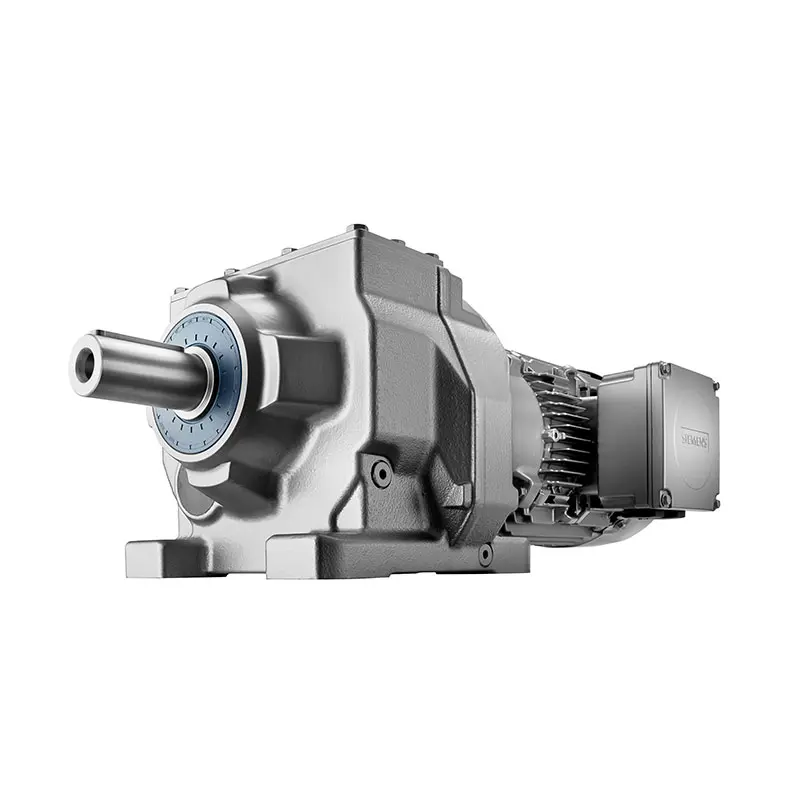 SIEMENS Helical Gearmotor Low Voltage
 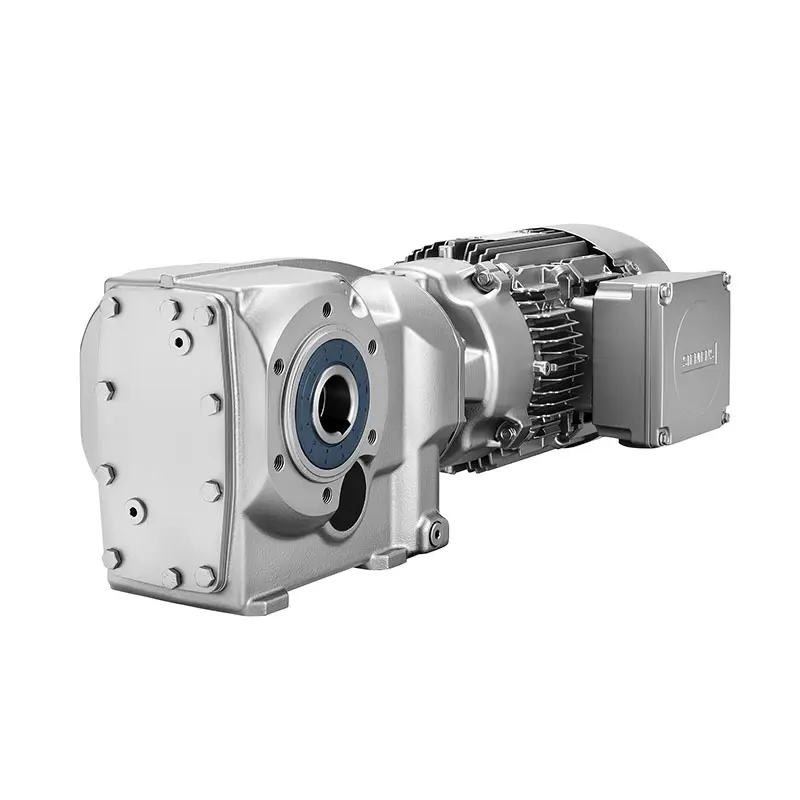 SIEMENS Bevel Helical Gearmotor
 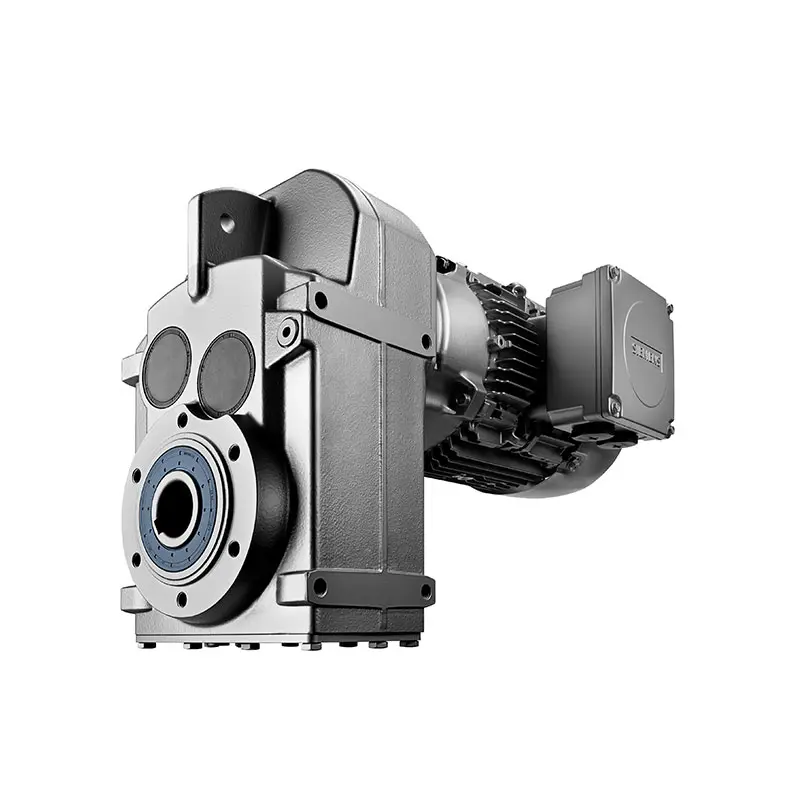 SIEMENS Parallel Shaft Gearmotor
 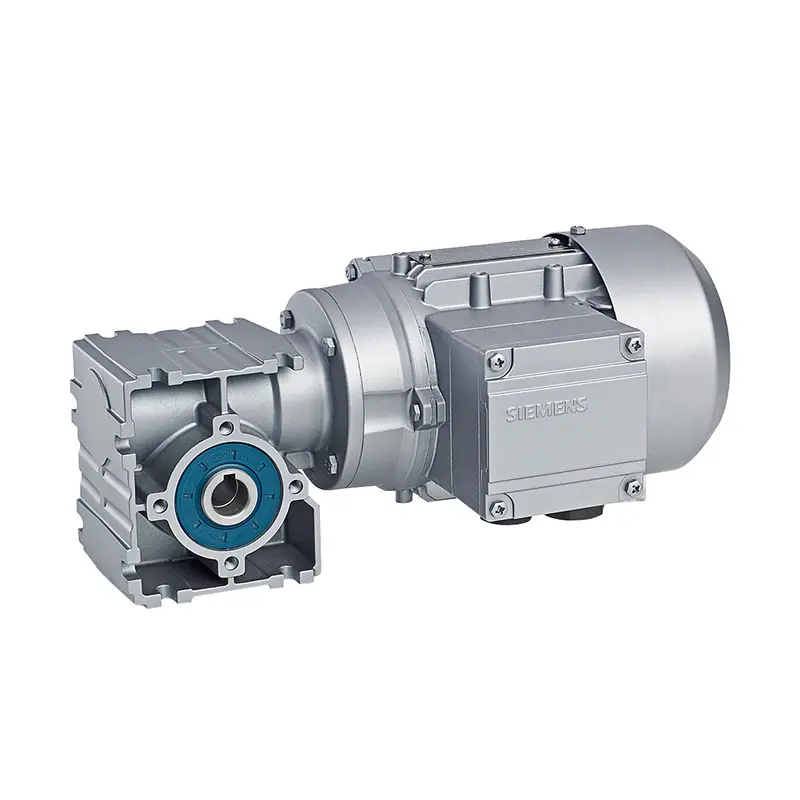 SIEMENS Worm Gearmotor Low Voltage
 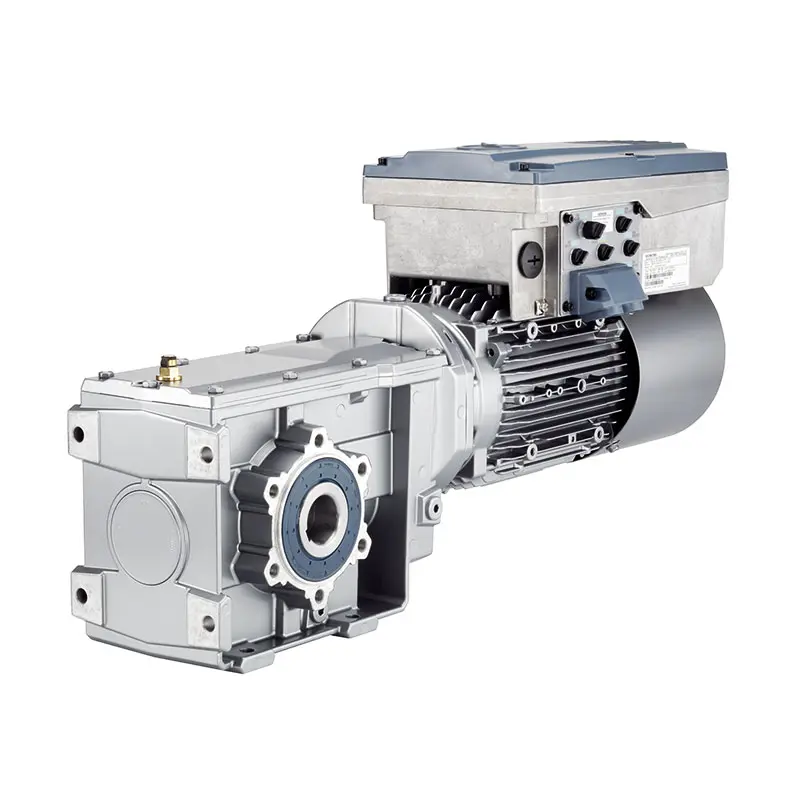 SIEMENS With Servo Motor Gearmotor
 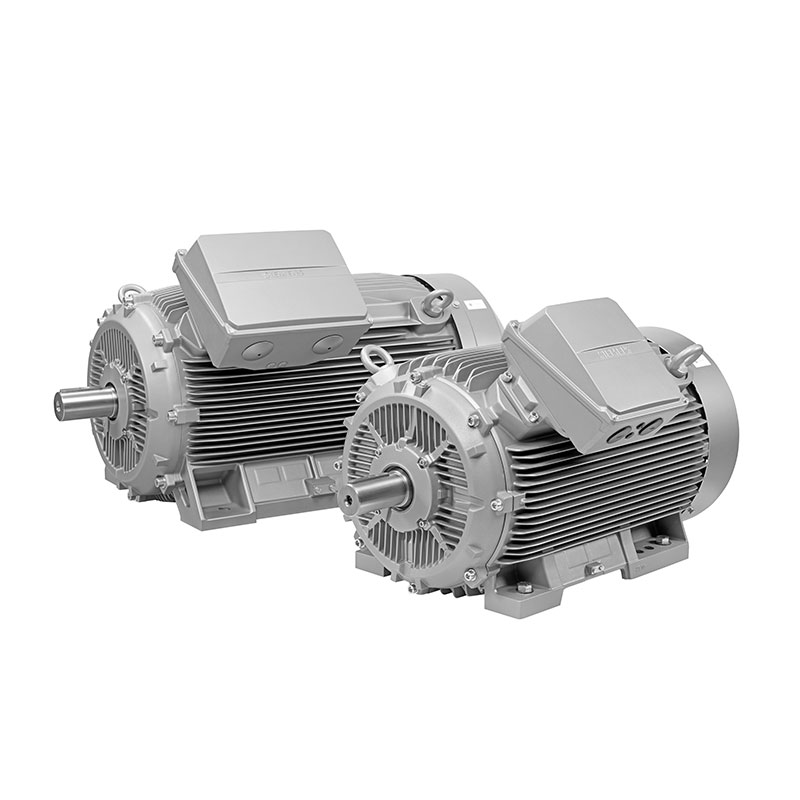 SIEMENS Low Voltage Motor Low Voltage
 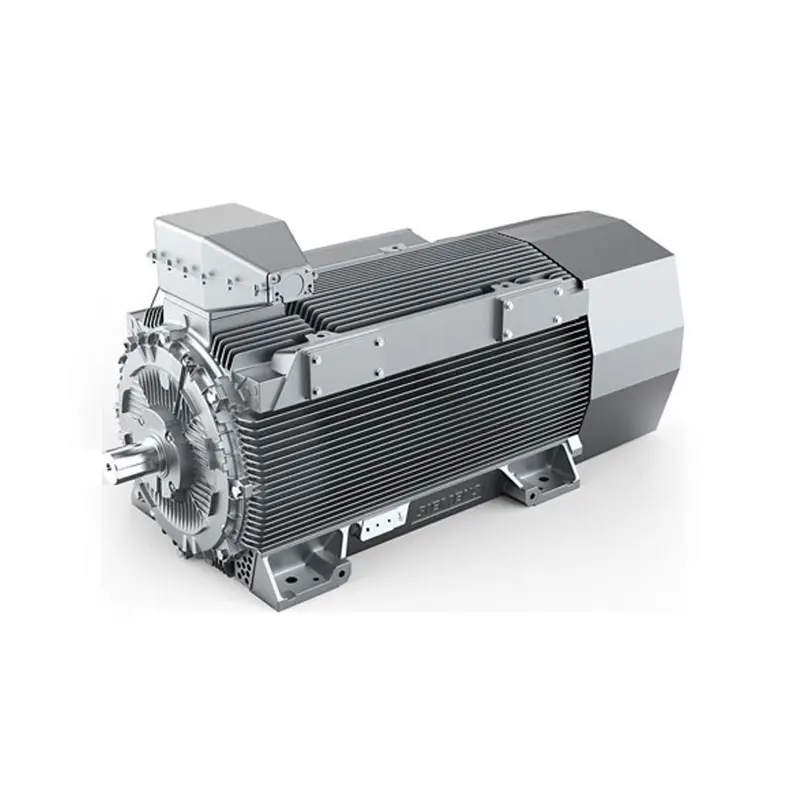 SIEMENS High Voltage Motor Low Voltage
  SIEMENS Marine Motor Low Voltage
 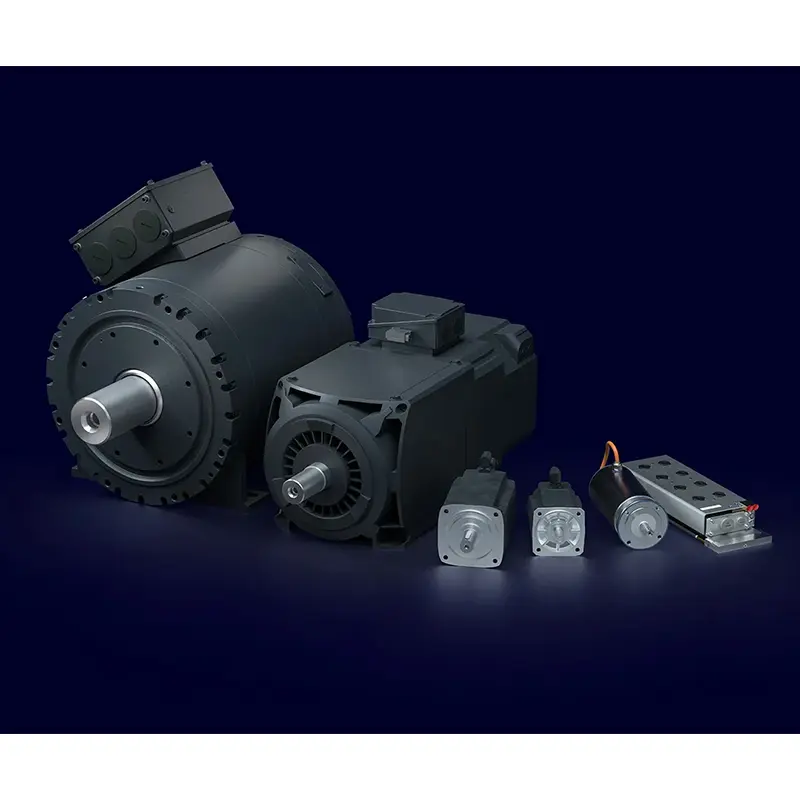 SIEMENS Servo Motor Low Voltage
 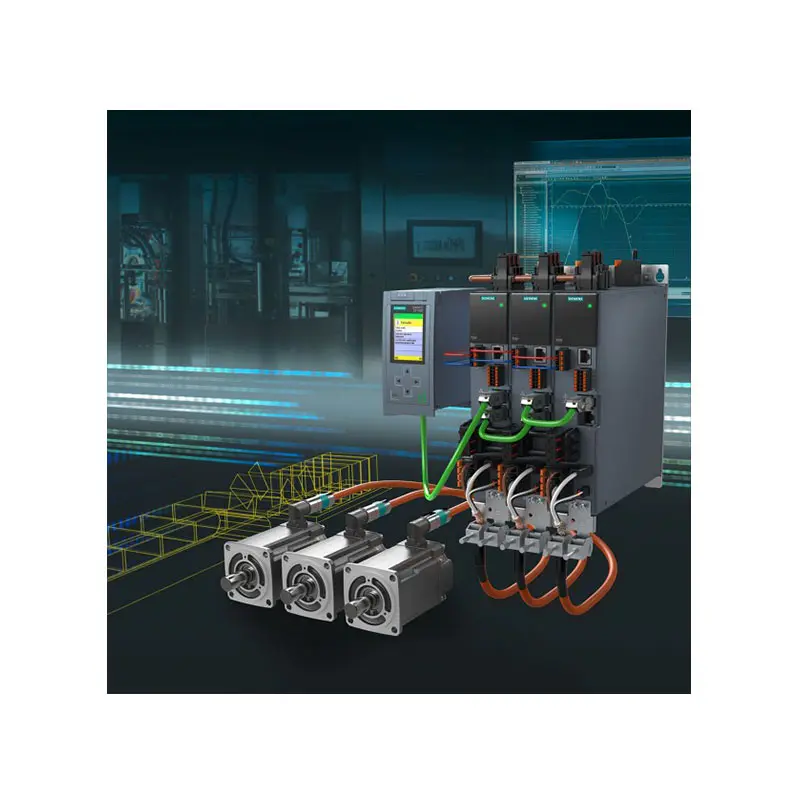 SIEMENS SINAMICS S210 Low Voltage
 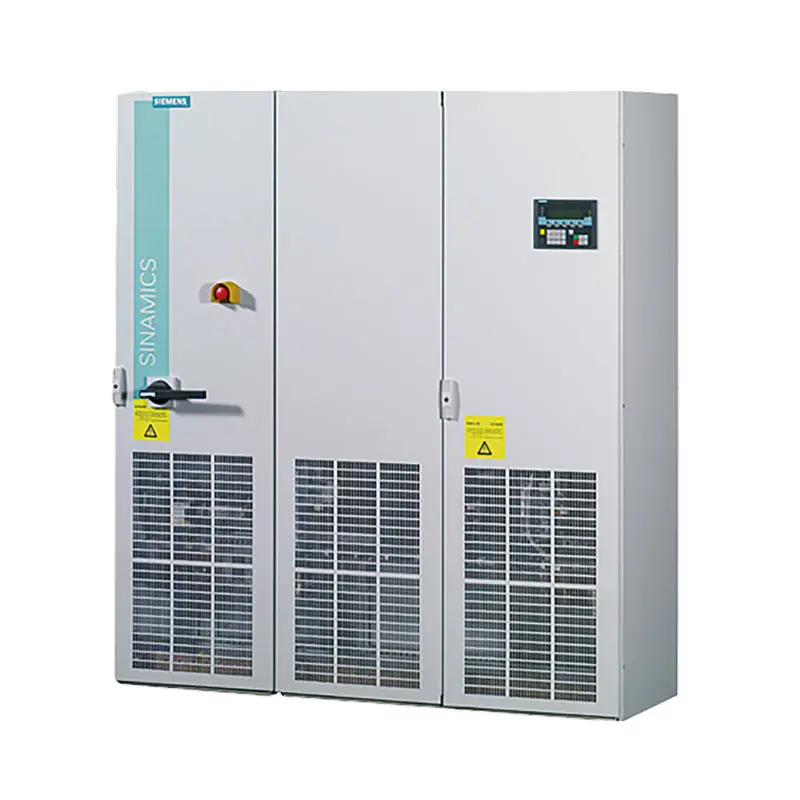 SIEMENS SINAMICS S150 Low Voltage
 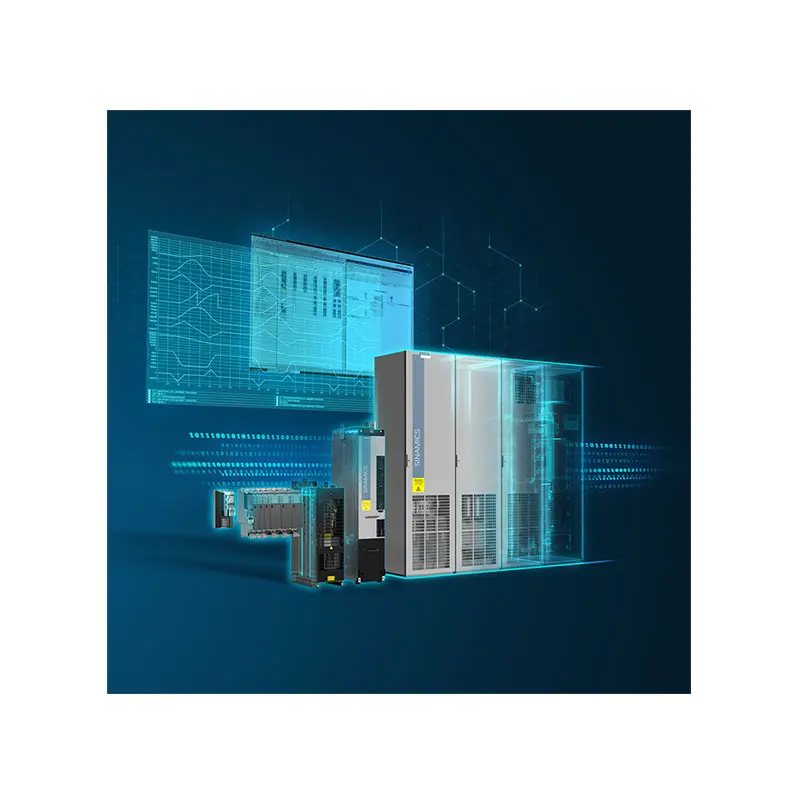 SIEMENS SINAMICS S120 Low Voltage
 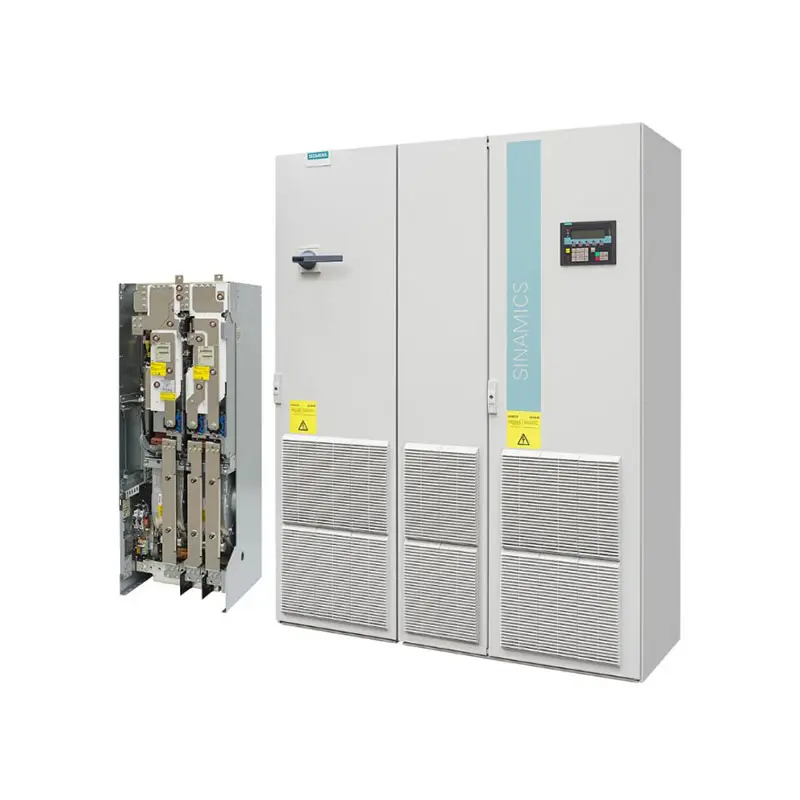 SIEMENS SINAMICS G130/G150
 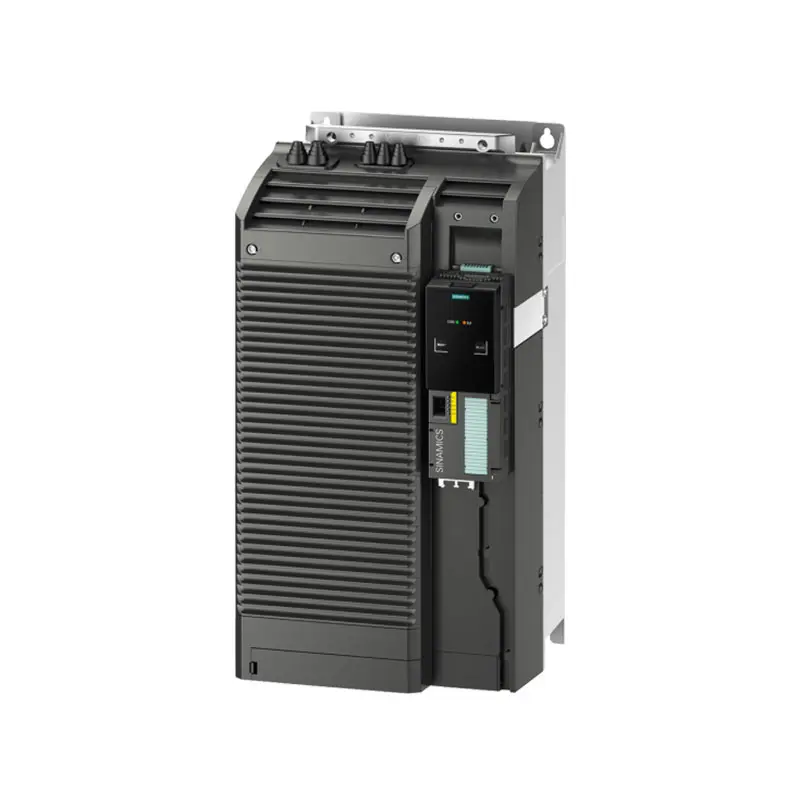 SIEMENS SINAMICS G120 Low Voltage
 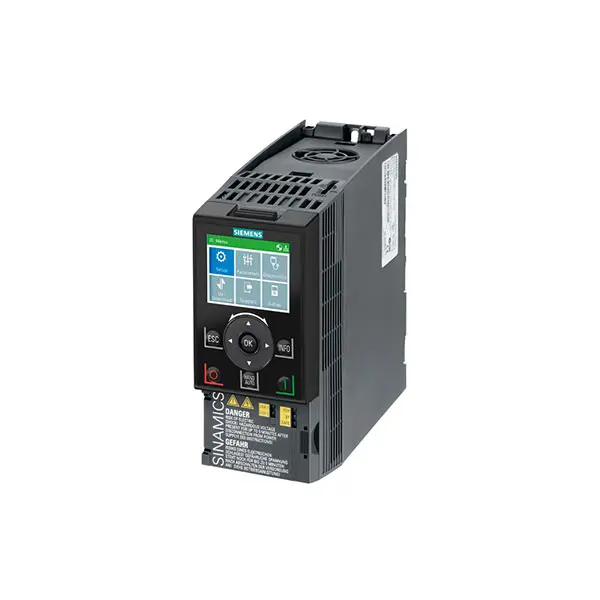 SIEMENS SINAMICS G120C Low Voltage
 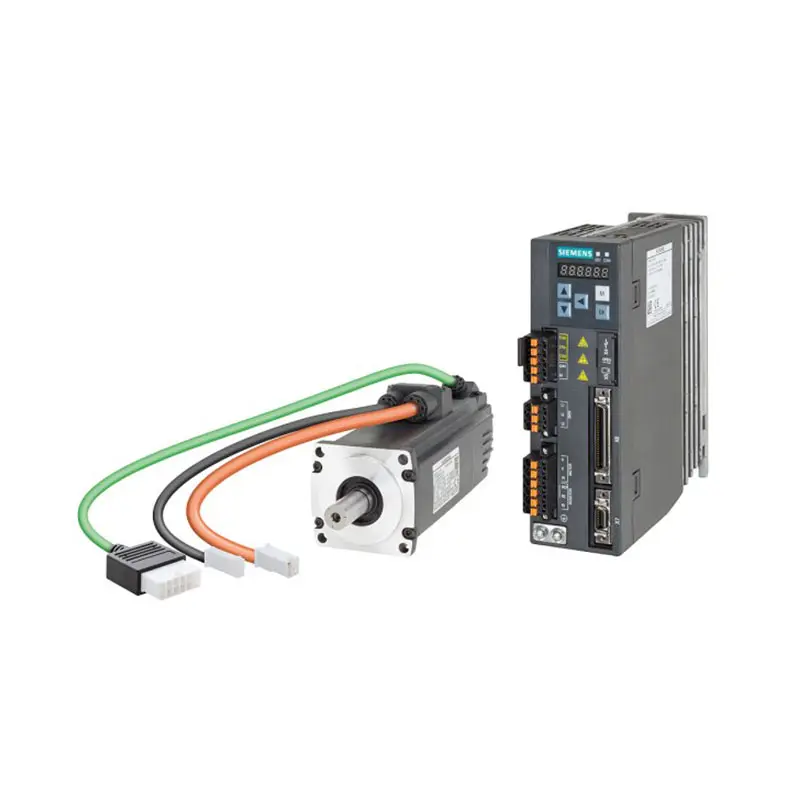 SIEMENS SINAMICS V90
 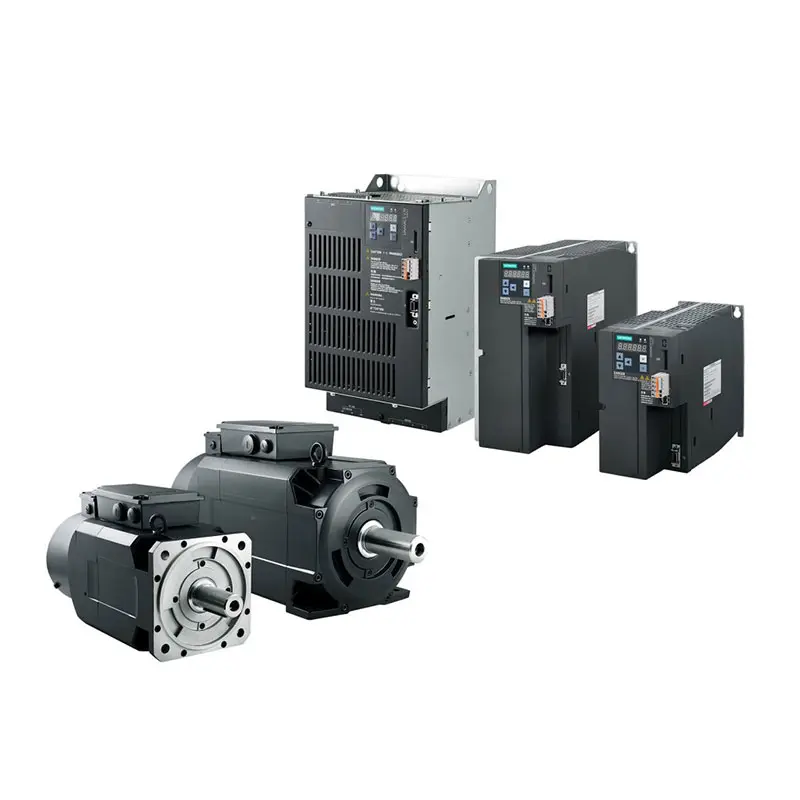 SIEMENS SINAMICS V70 Low Voltage
 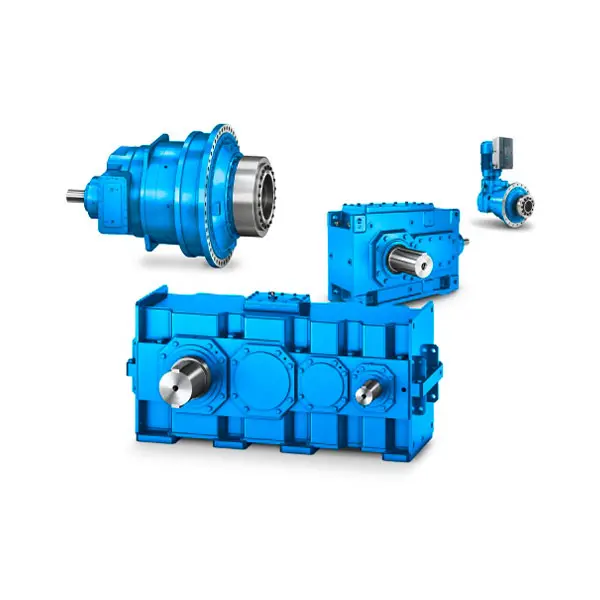 FLENDER Gear Unit
 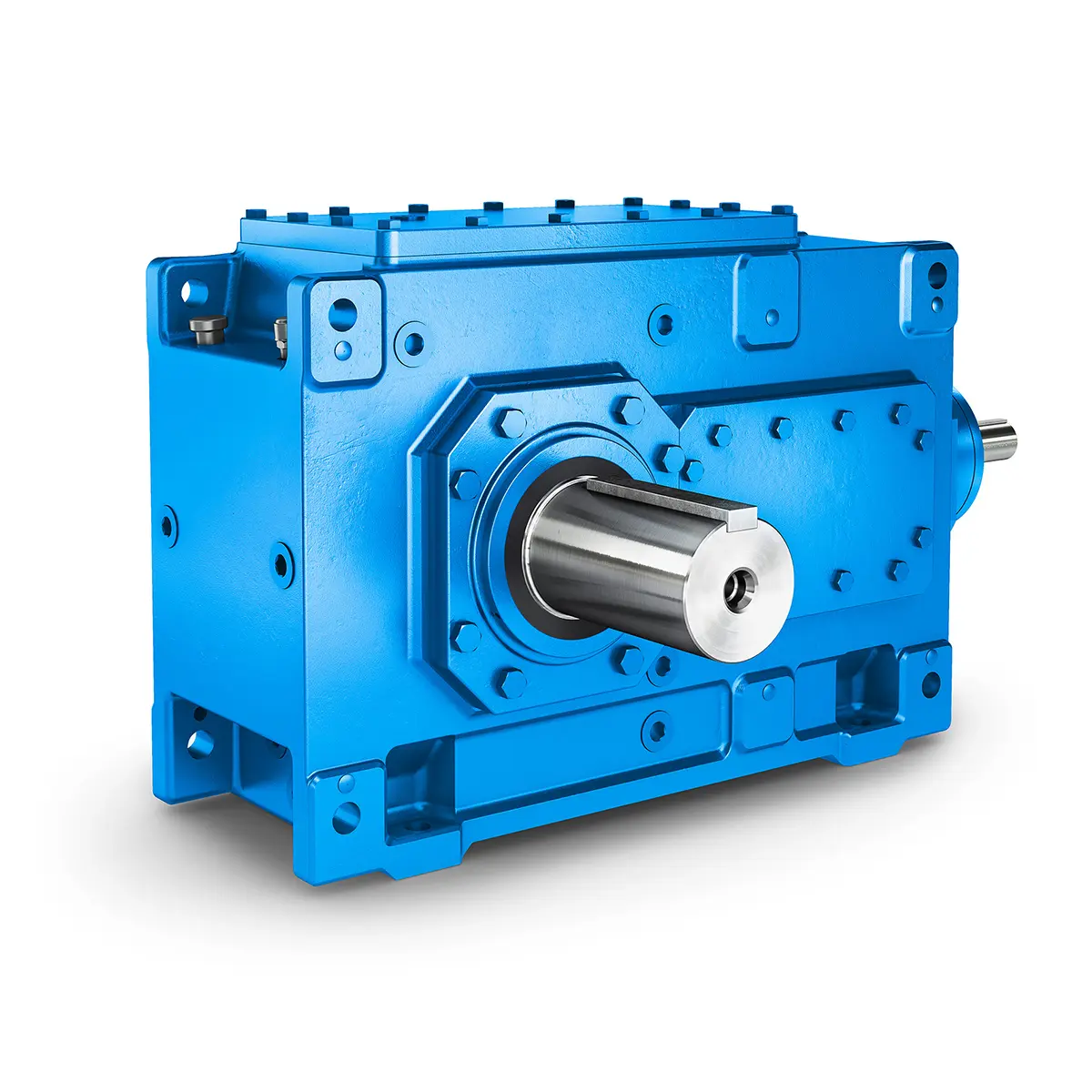 FLENDER Helical Gear Unit
 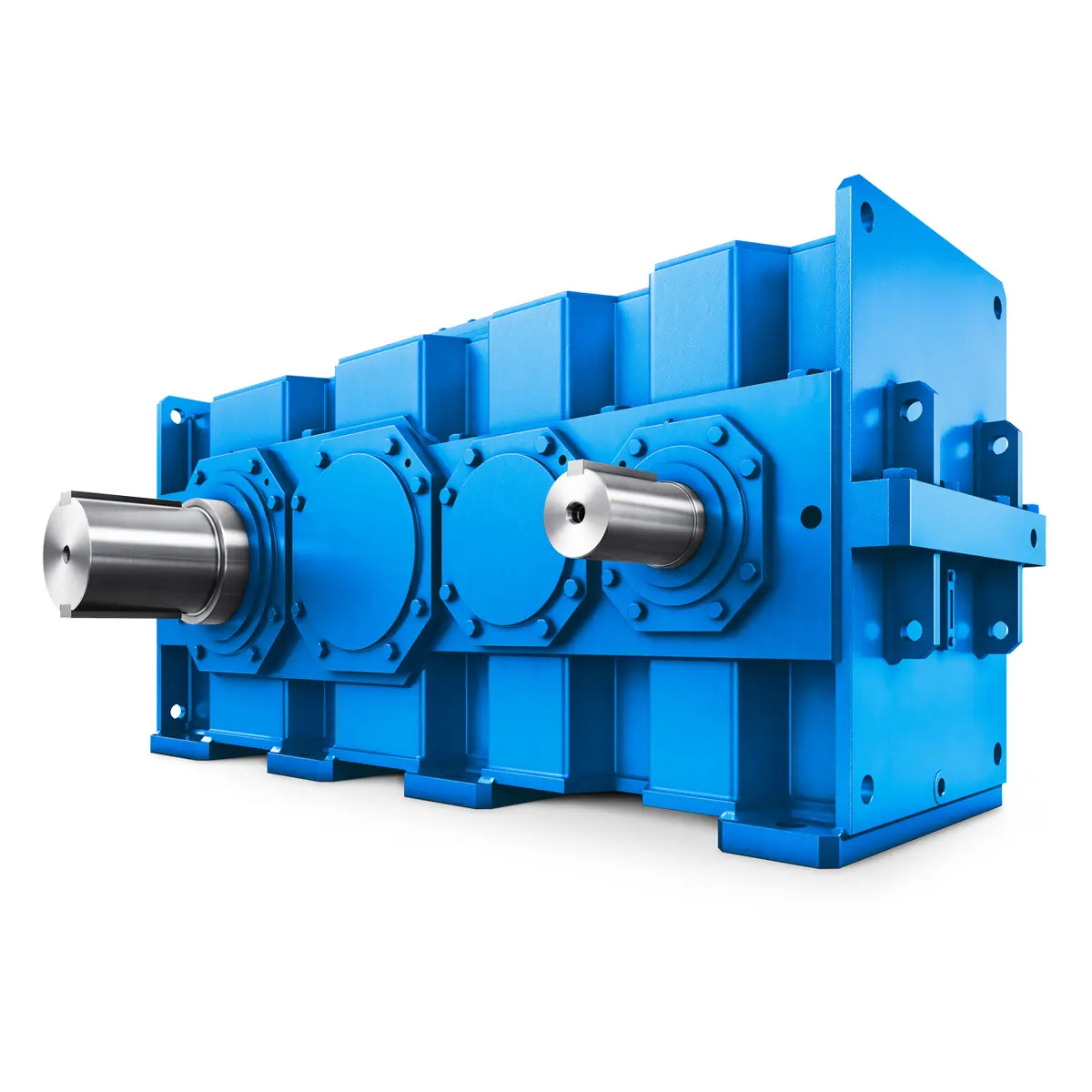 Flender gear units for lifting and luffing gears
 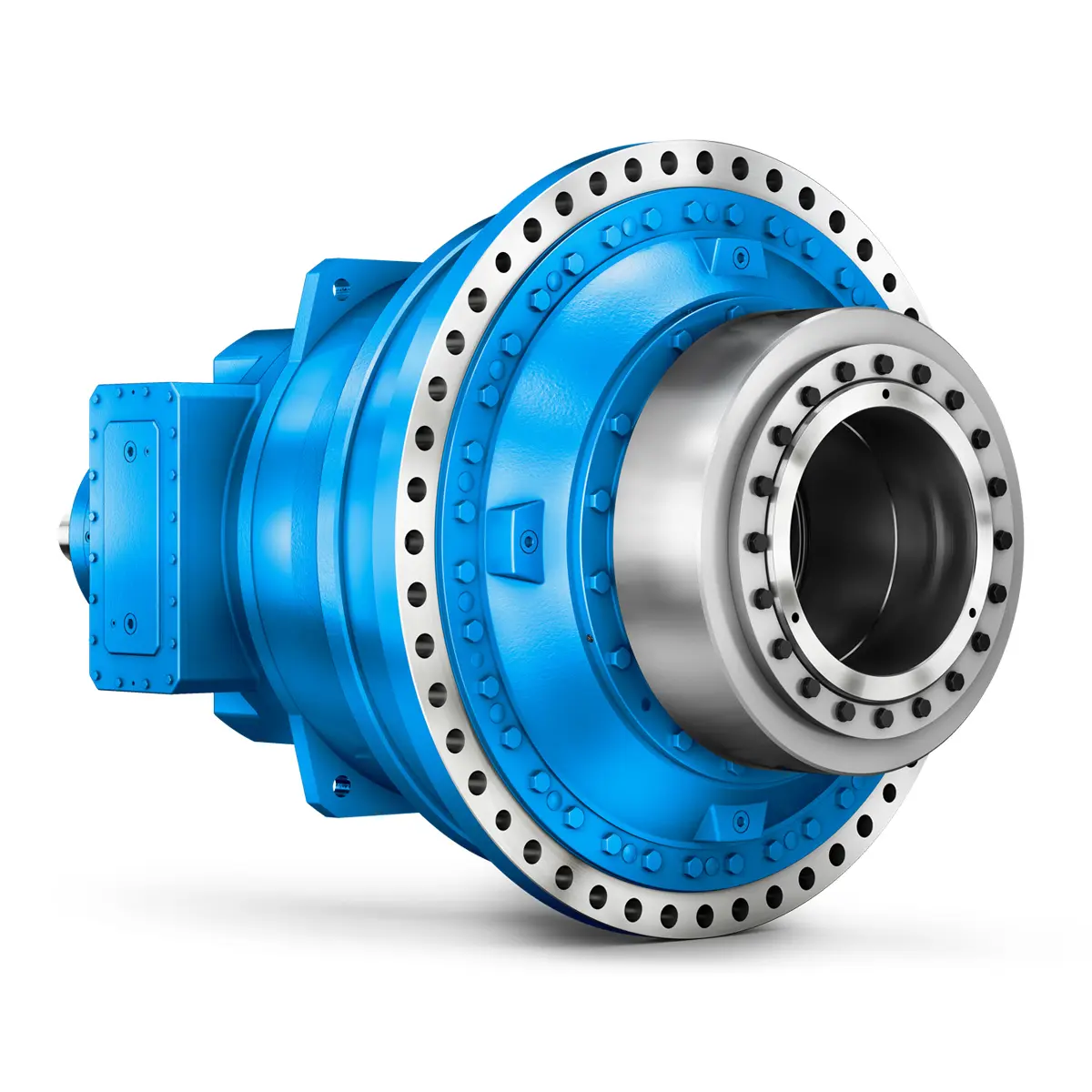 FLENDER Gear Unit gearunit gearbox
 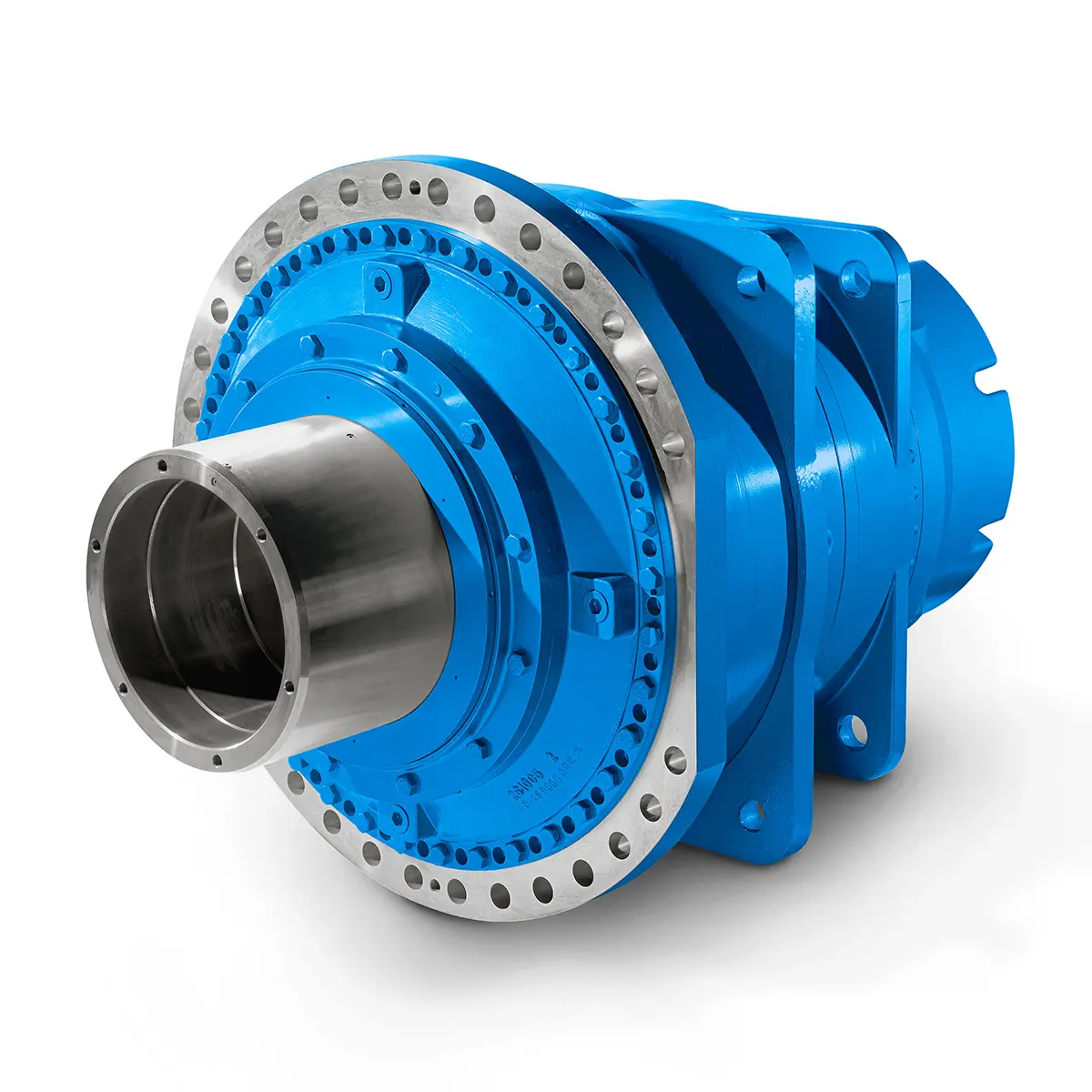 Optimal Drive Solution For Maximum Performance
 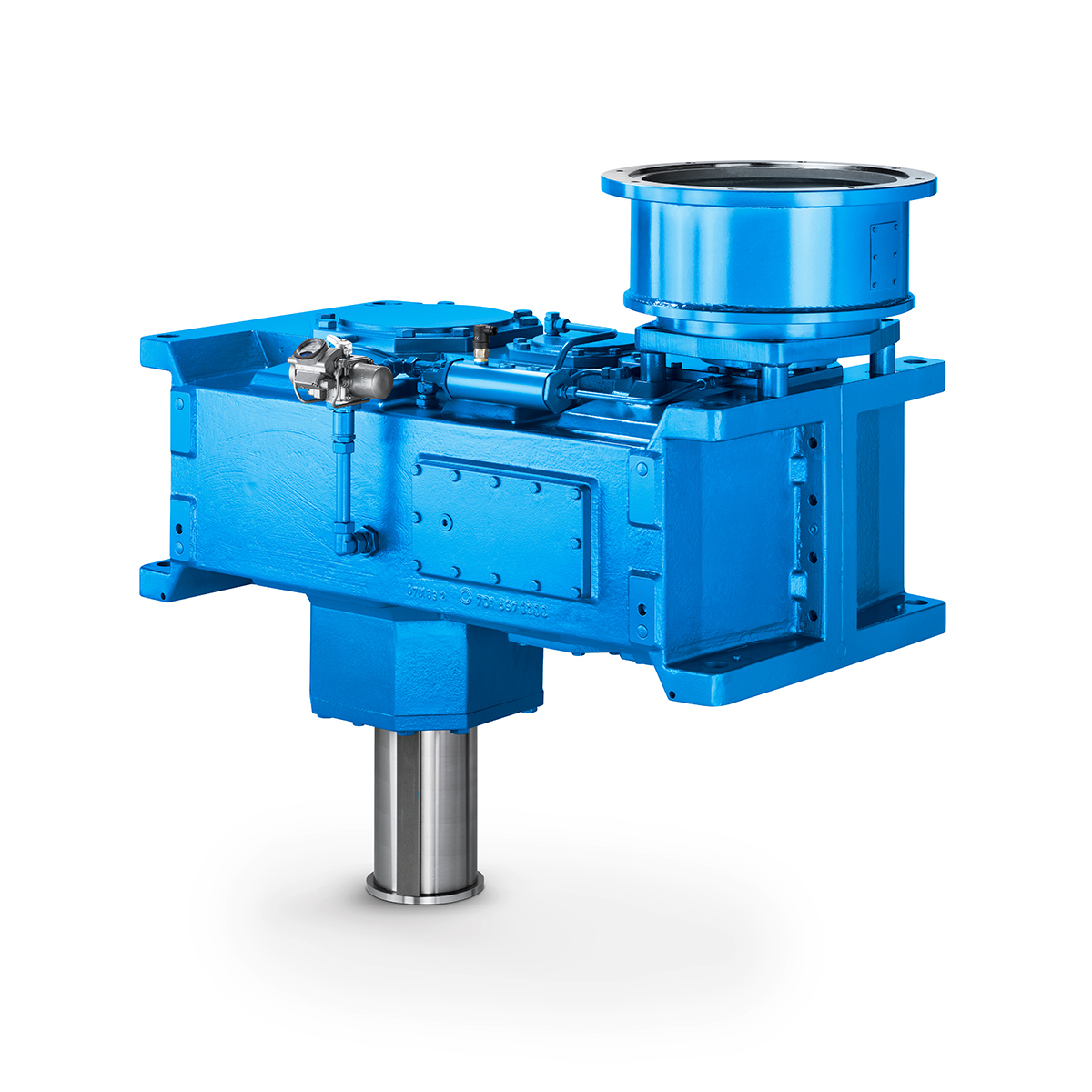 Strongly operating against biodegradable constituents
 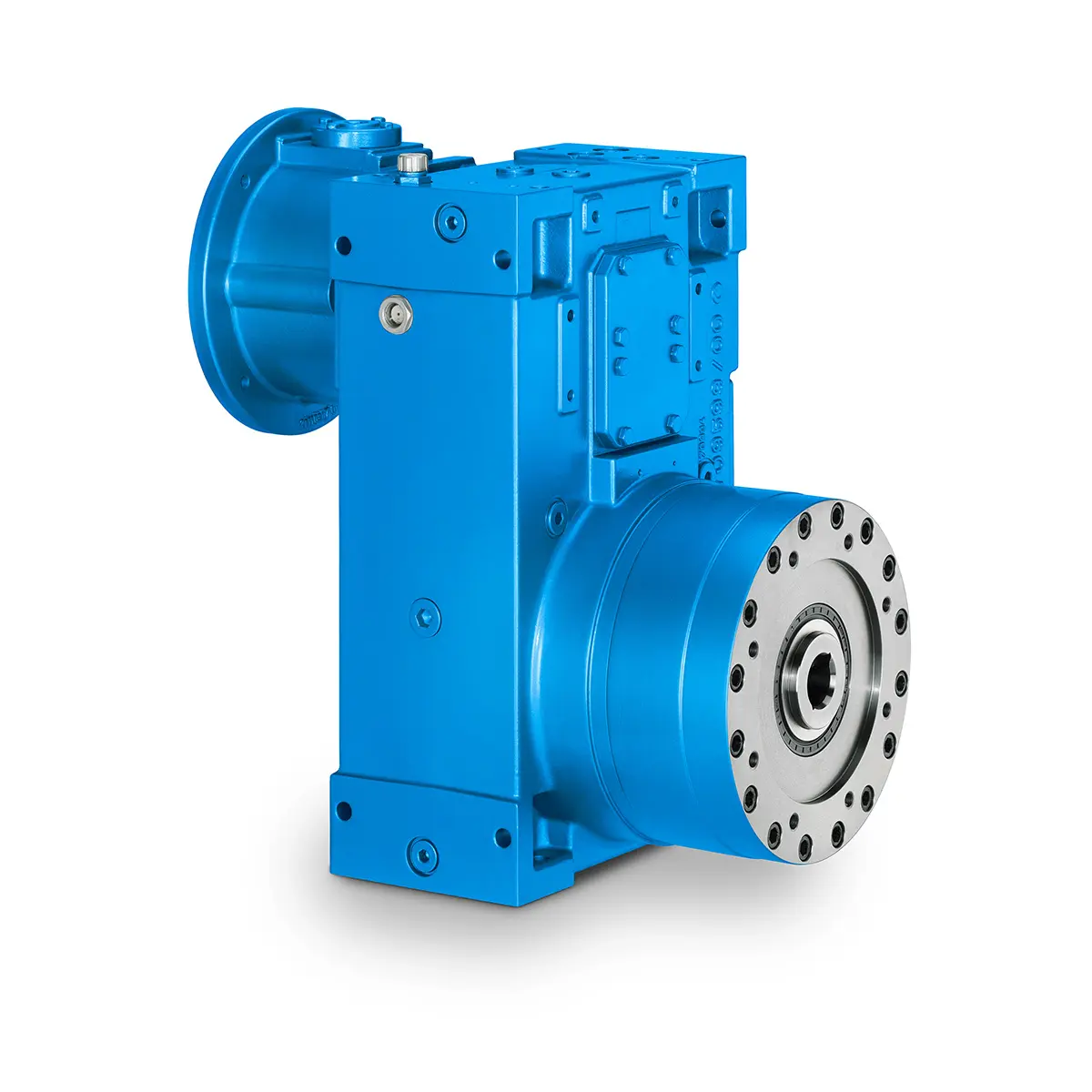 SINGLE SCREW Special industry dedicated gearunit gearbox
 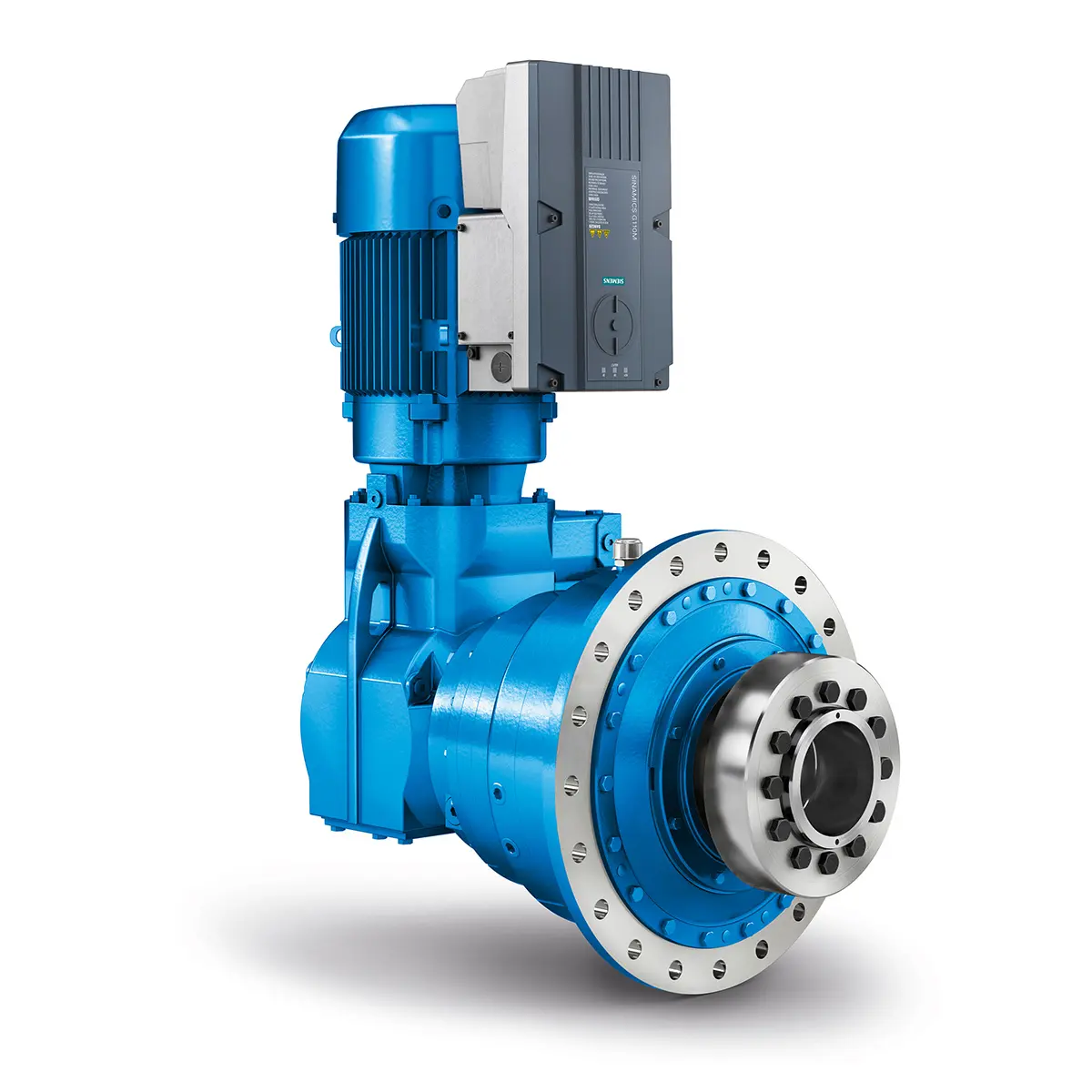 Playmaker In The Premium League
 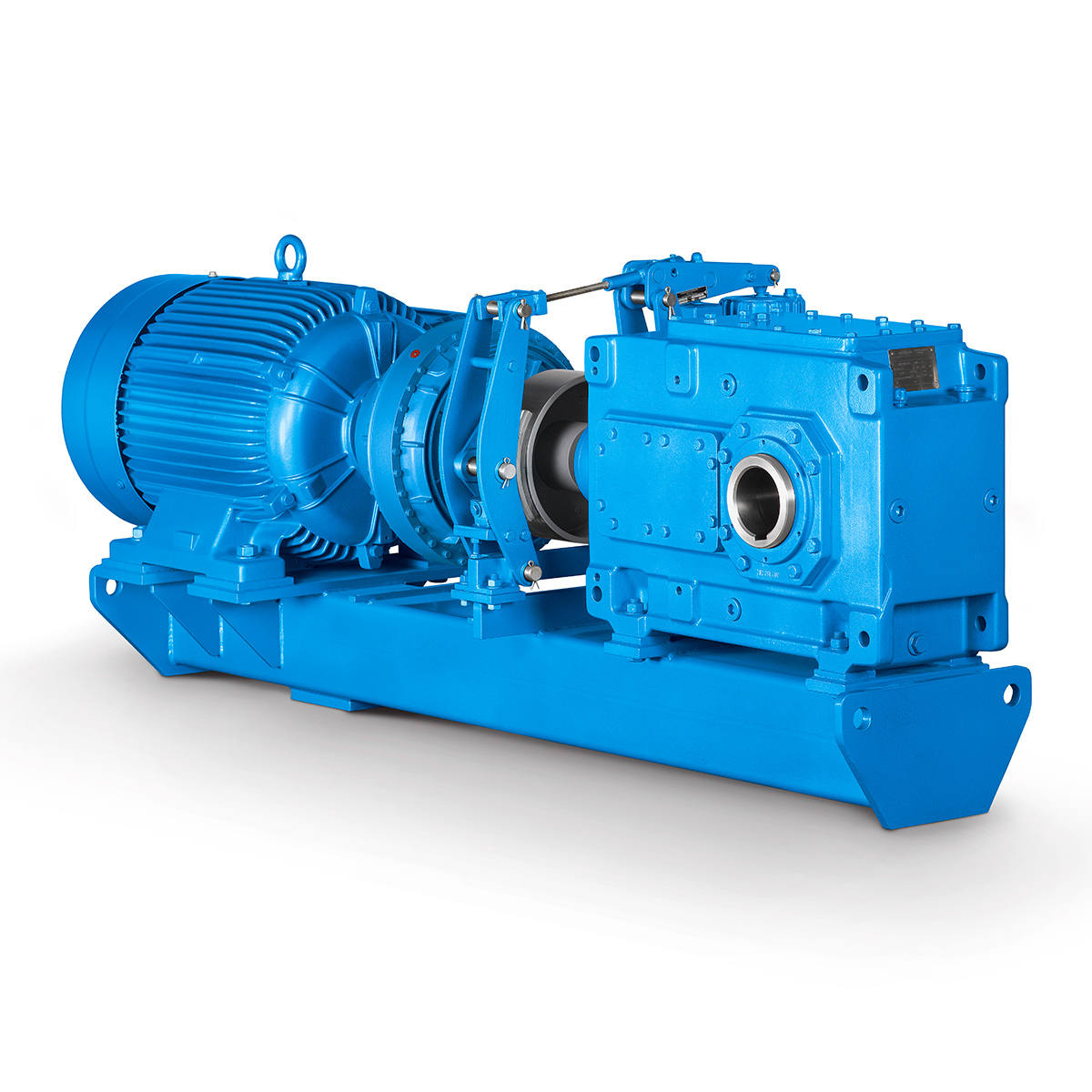 Conveyor belts gearunit gearbox
 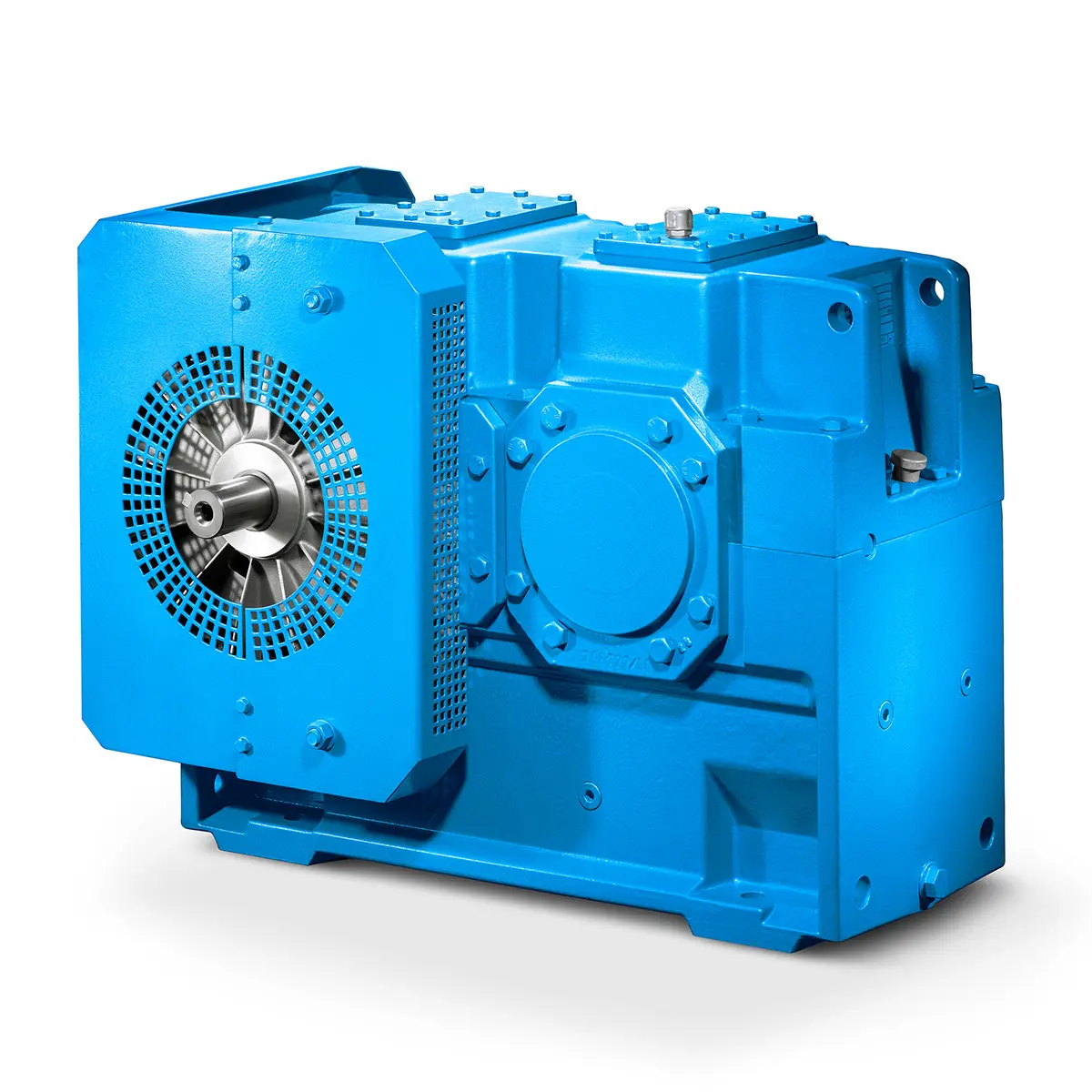 Paper And Pulp Preparation Sections
 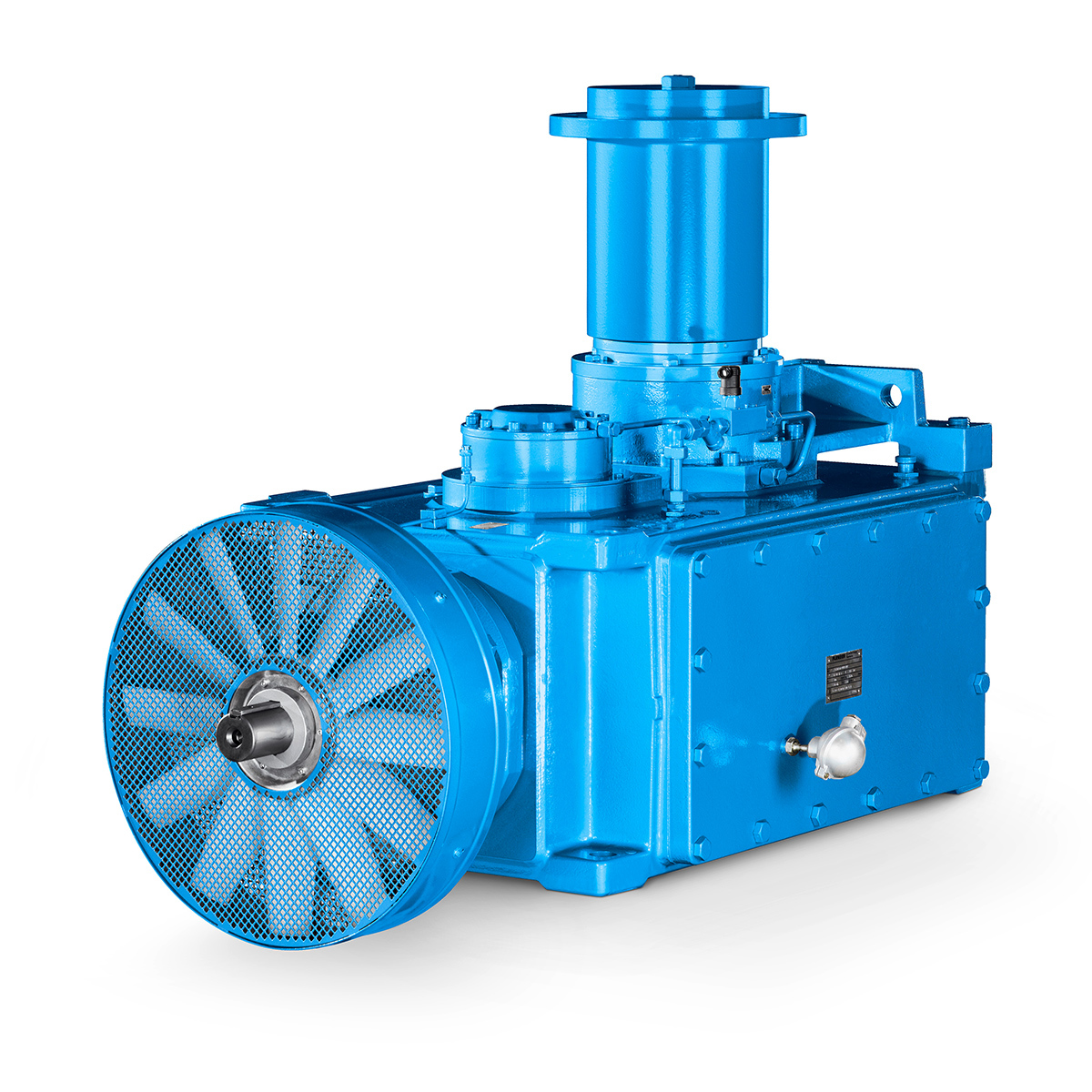 Operational Reliability Even In Case Of The Highest Ventilation Forces
 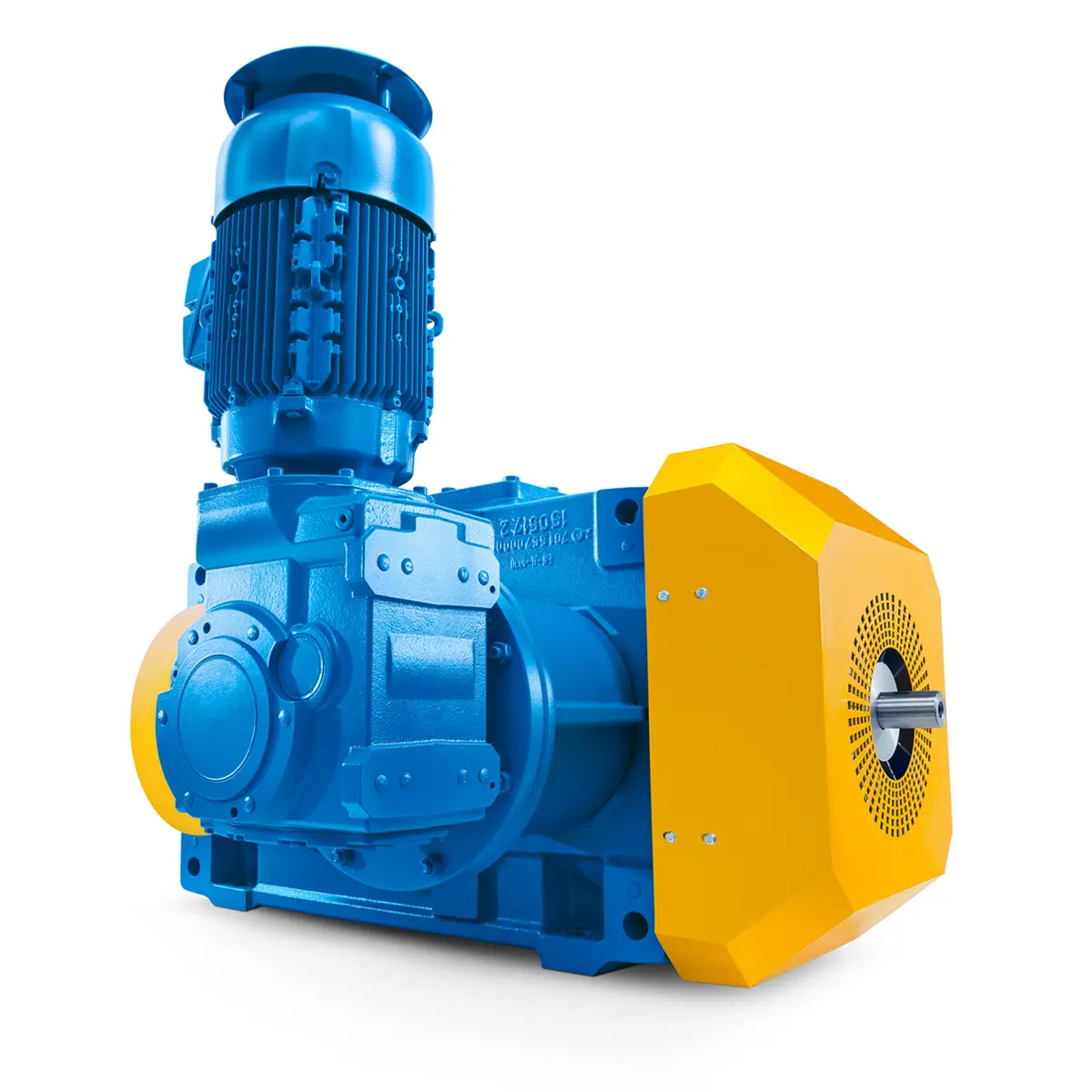 Reliable Gear Units For High Performance Vertical Conveyors 59/200
 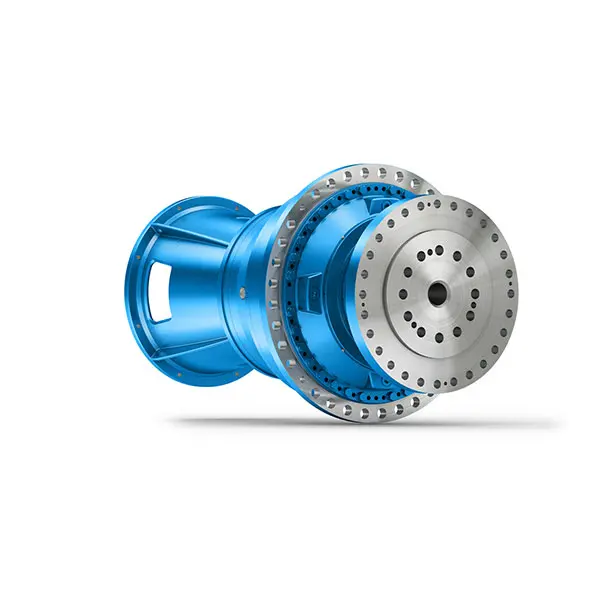 Maximum power density – PLANUREX 3 L individual drives for your sugar cane mill
 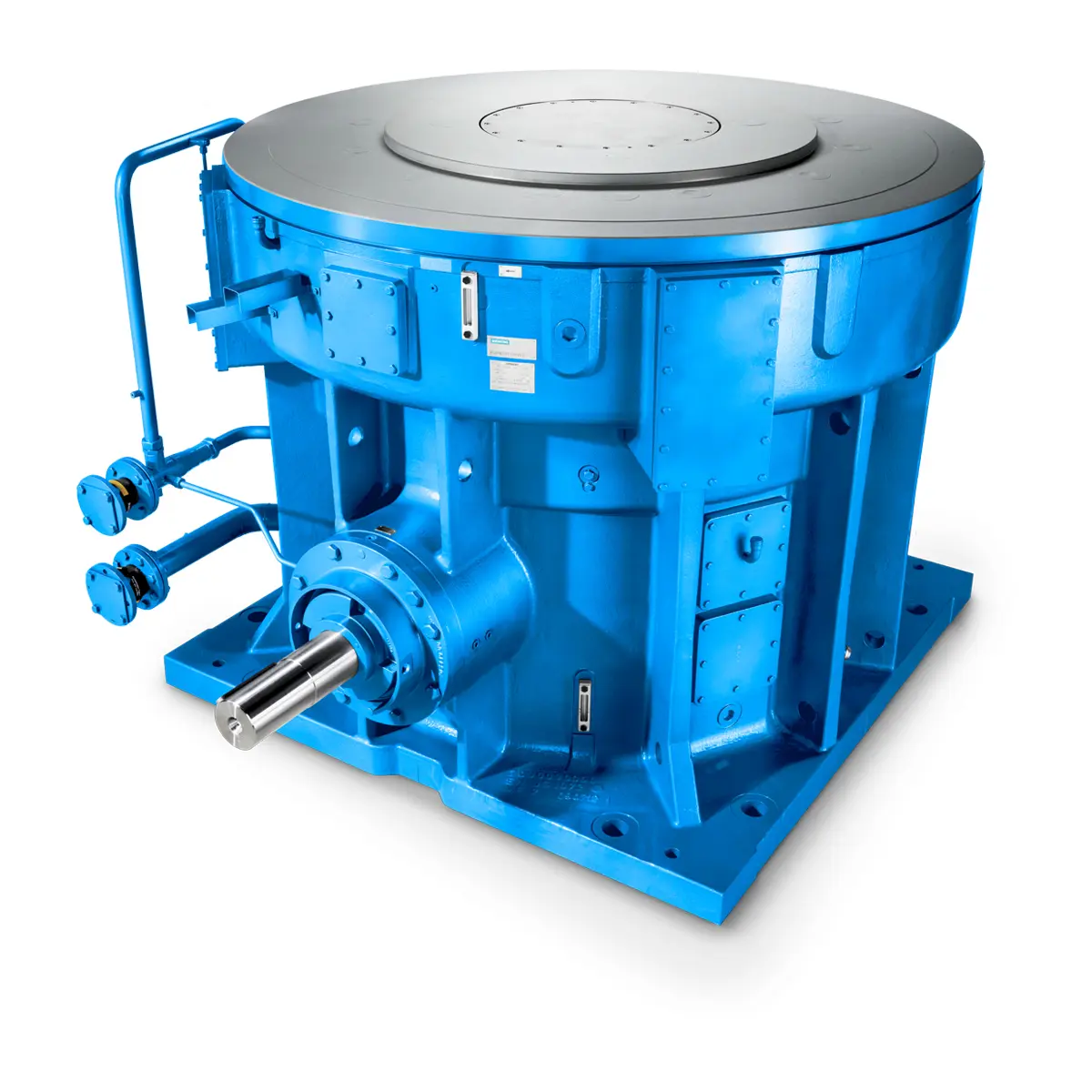 The proven all rounder gearunit gearbox
 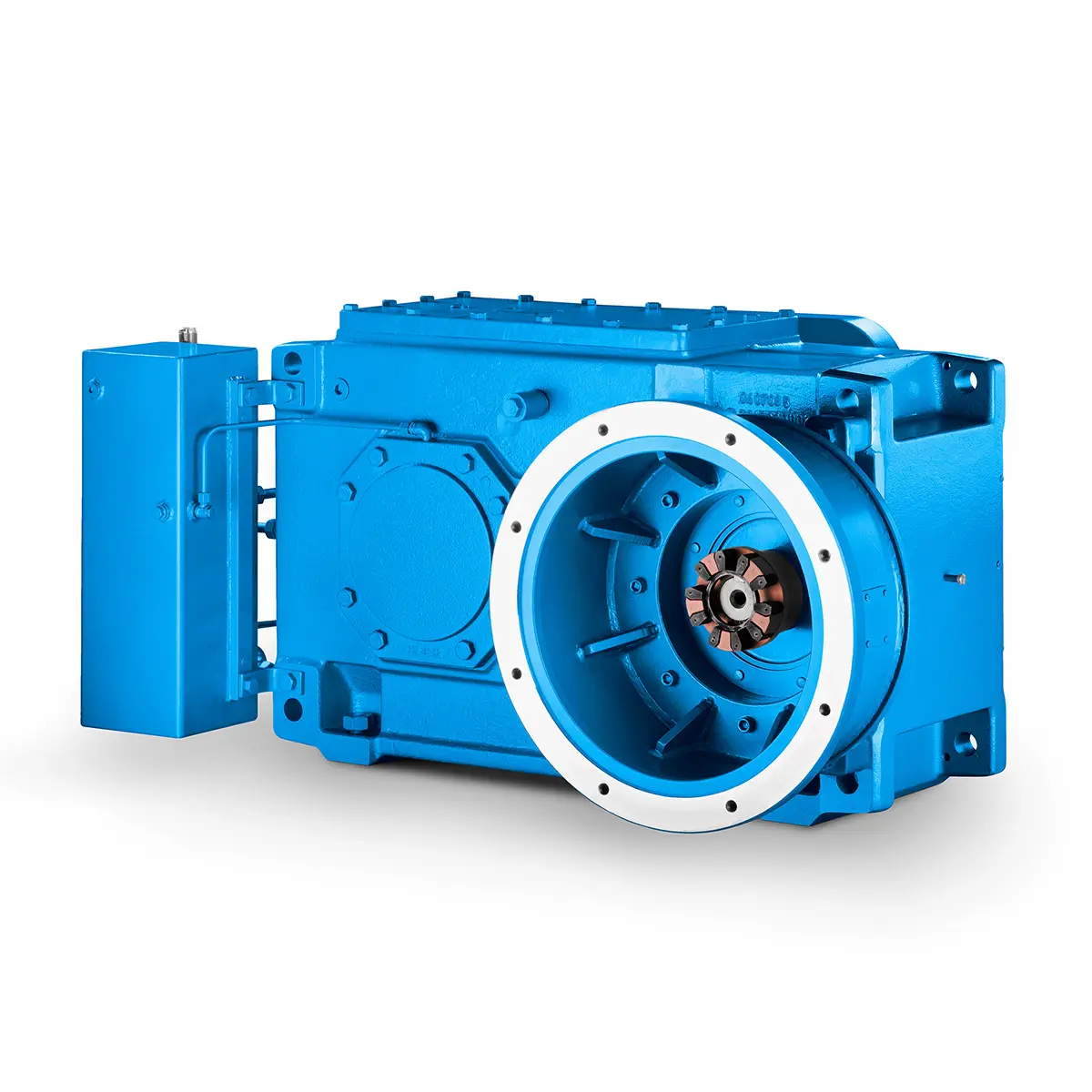 Stirs and stirs and stirs gearunit gearbox
 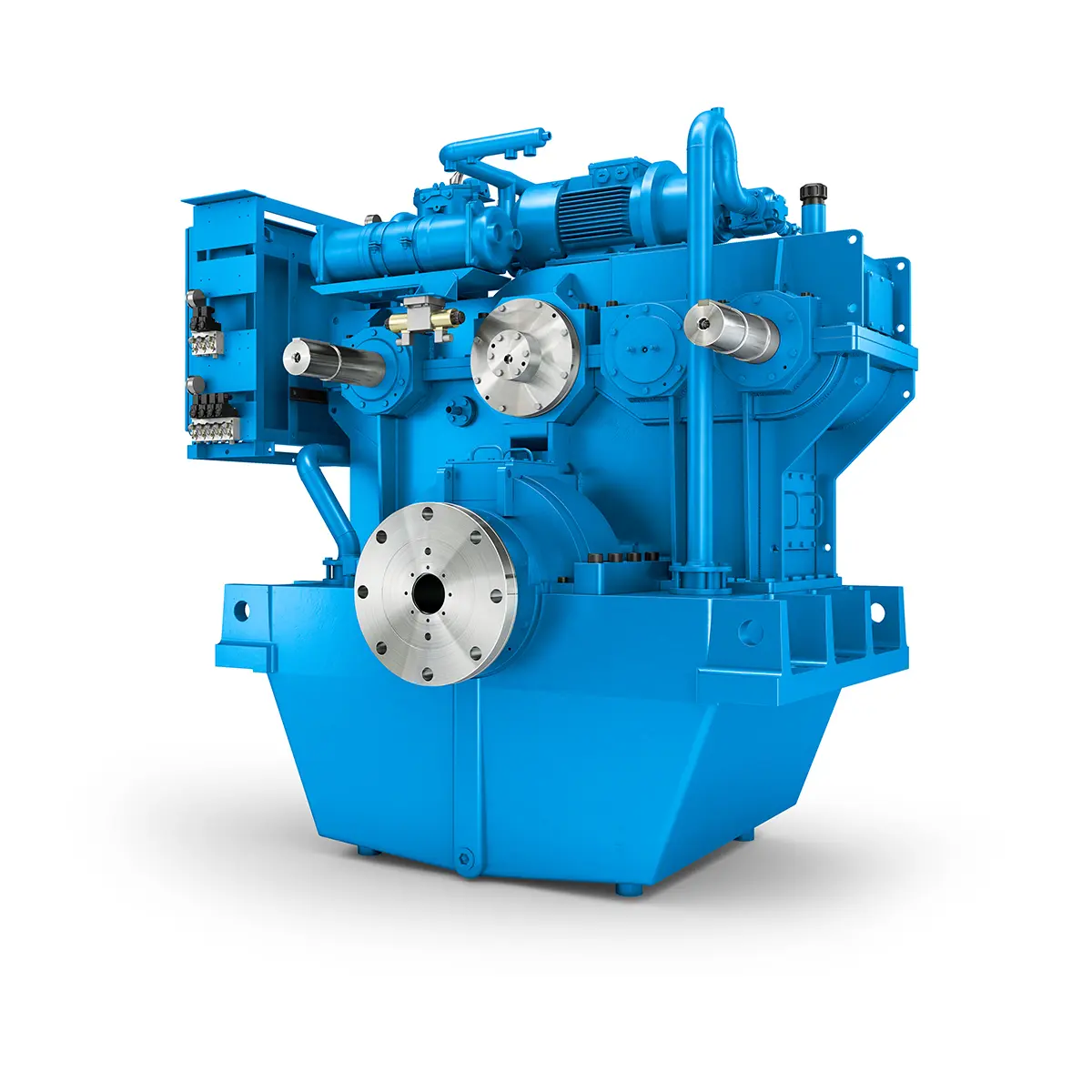 Flexibility on Board gearunit gearbox
 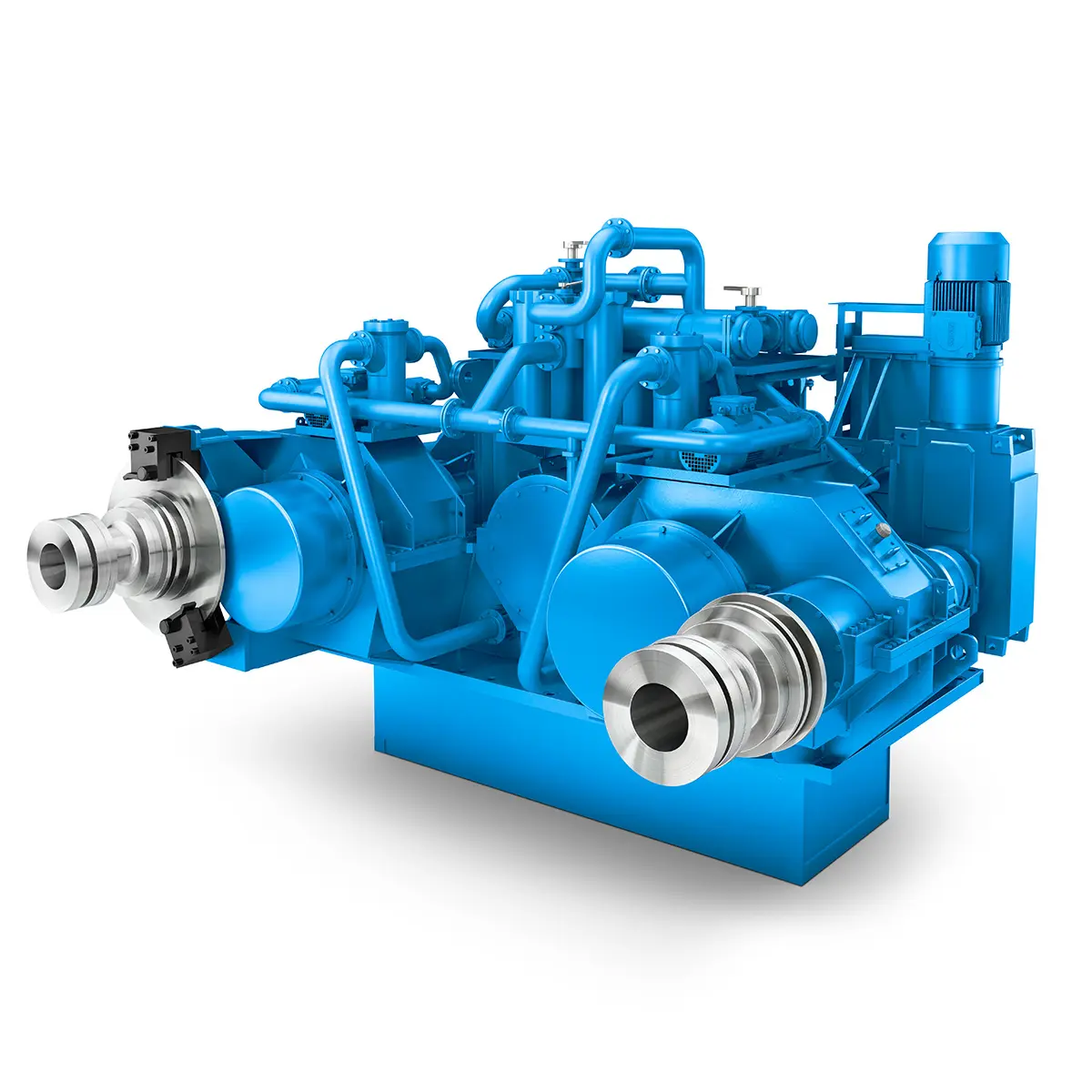 The right gearbox for all Multi-Engine Ships
 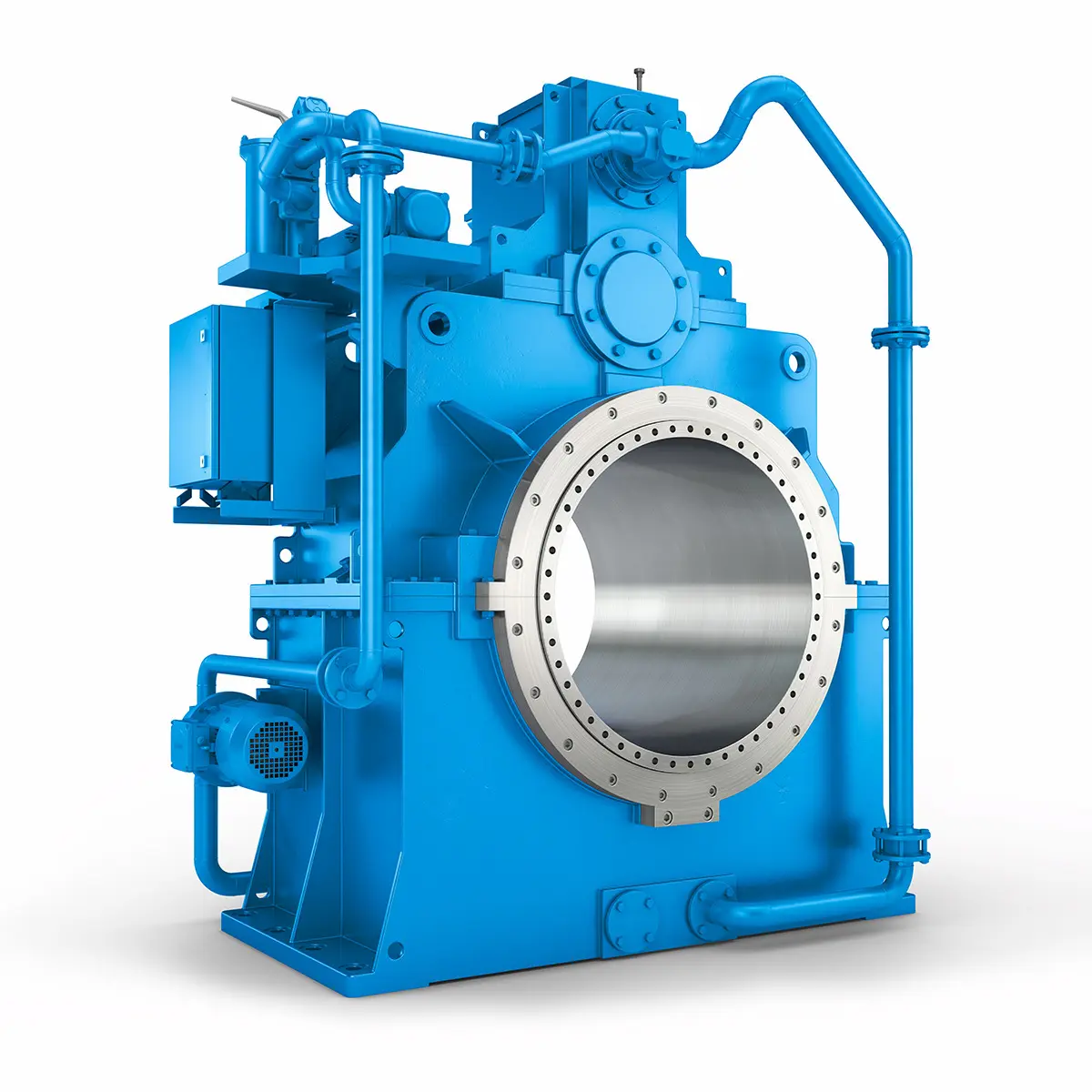 Reliable Power Generation on board
 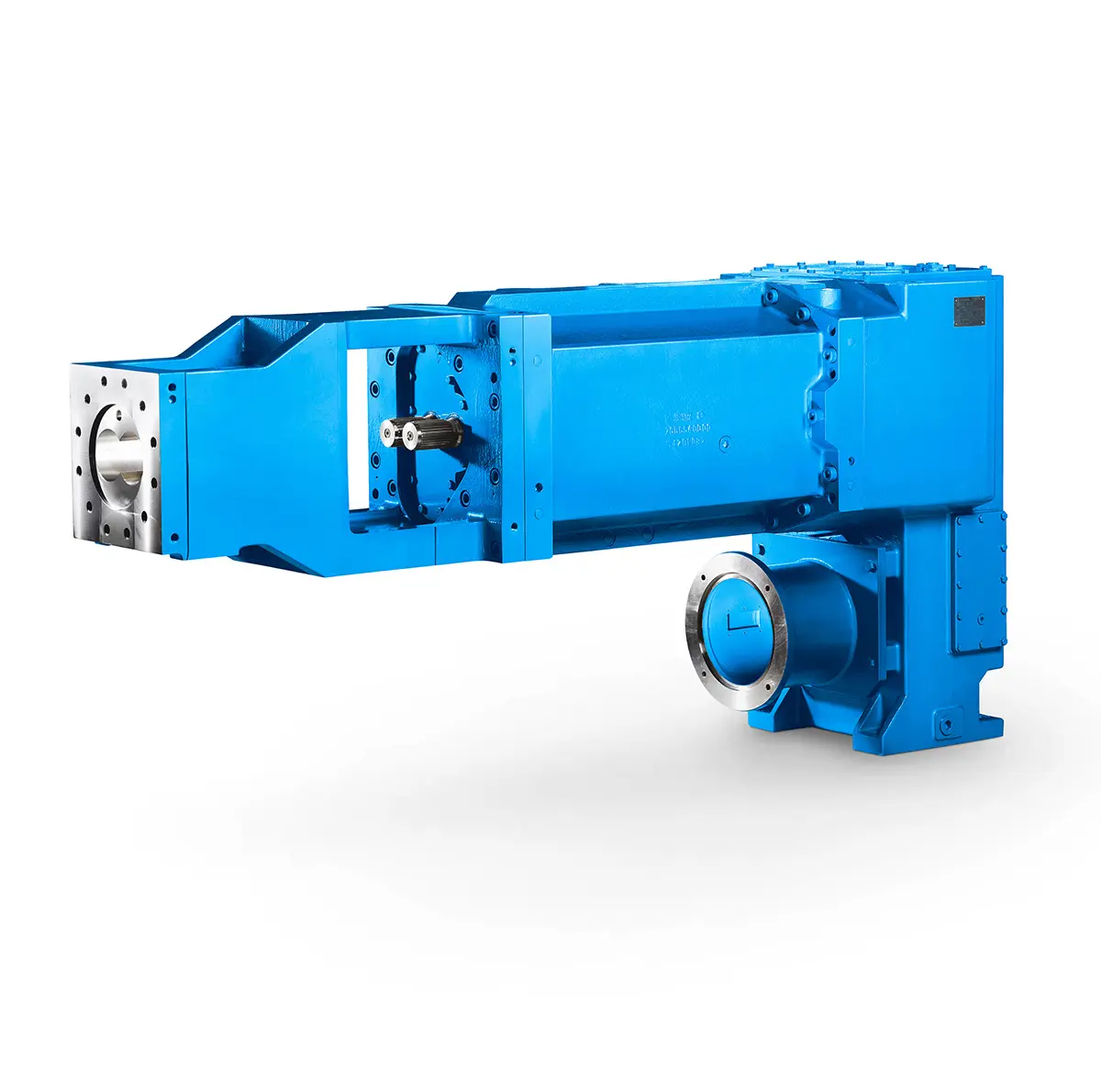 Maximum performance level, fast deliverable
 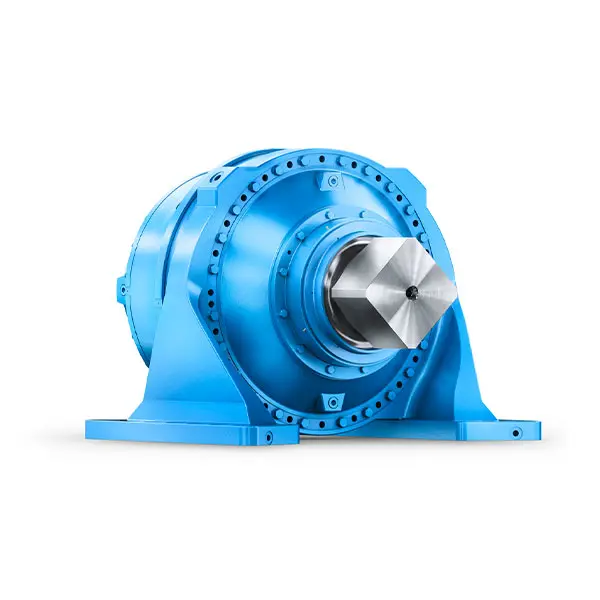 Efficient and compact – FLENDER Gear Units for Sugar Mills
 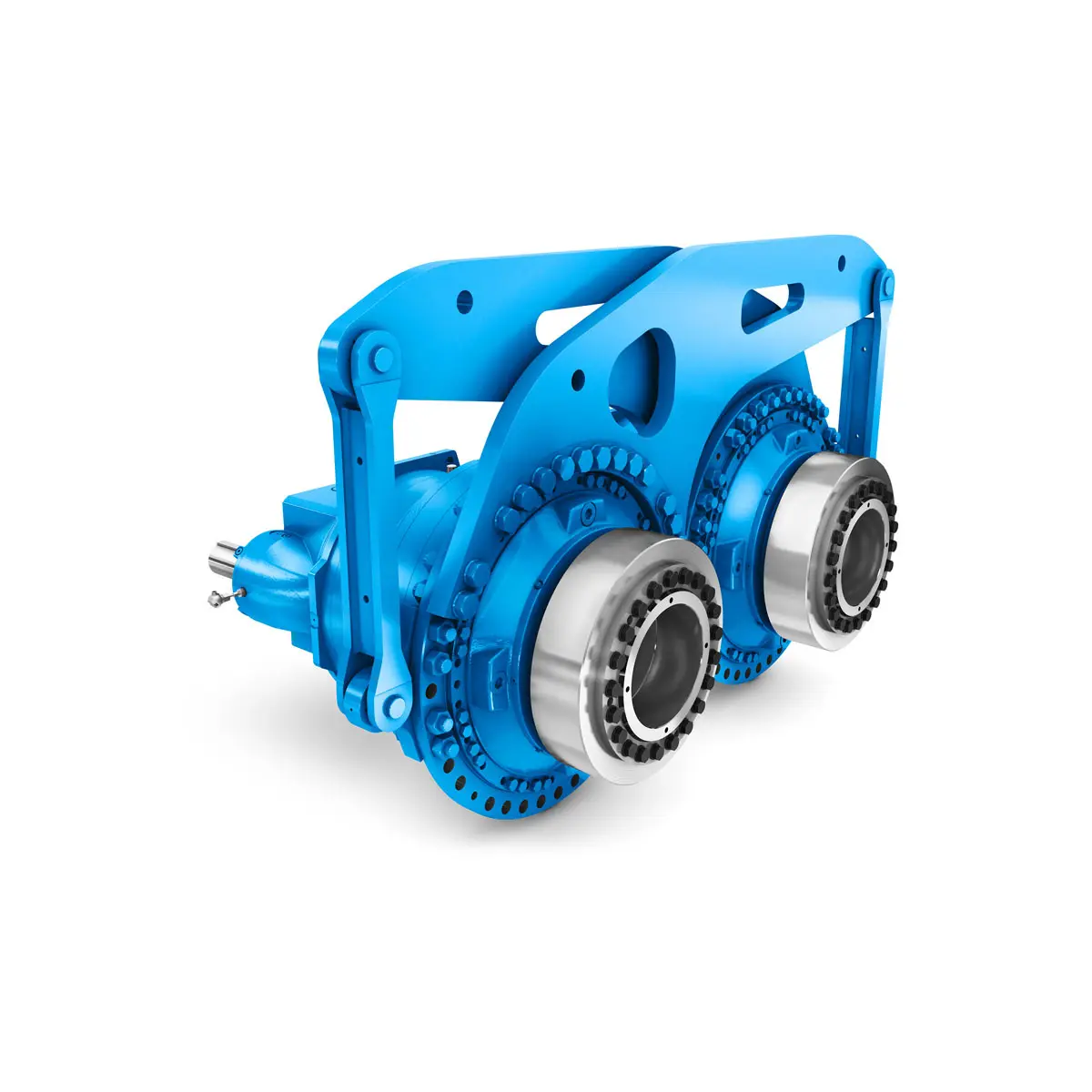 Extremely strong. Extremely compact. Extremely stressable.
 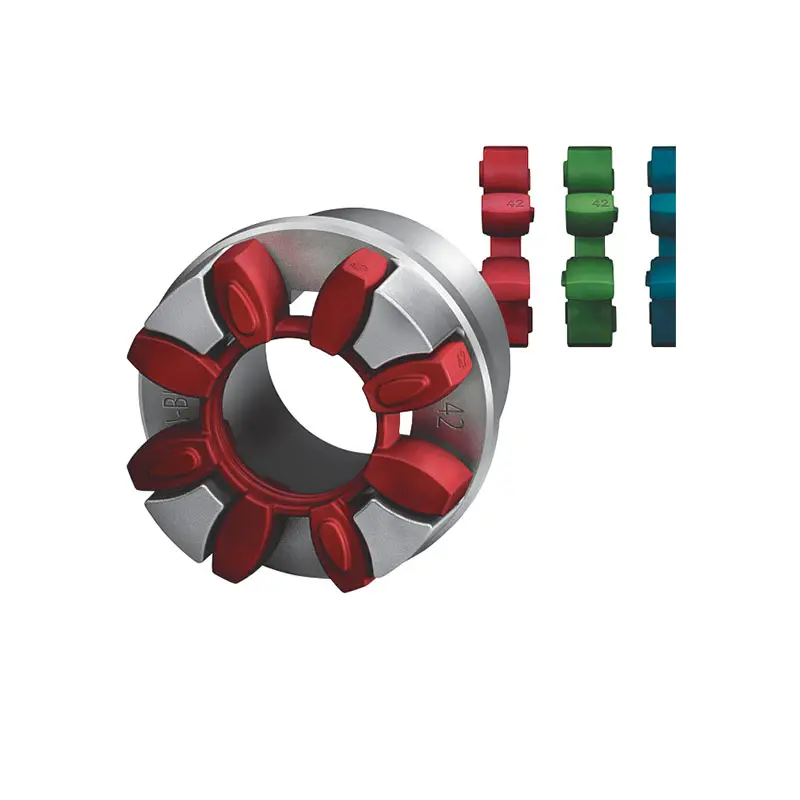 FLENDER Coupling
 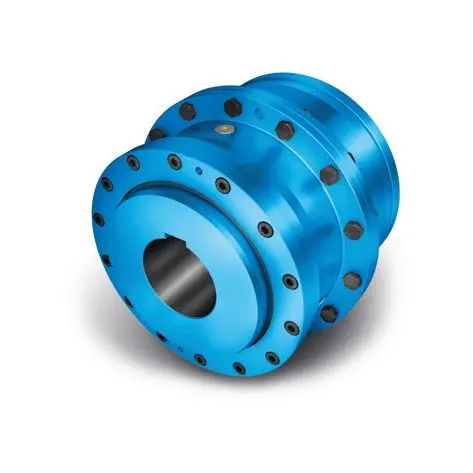 ZAPEX ZW Torsionally Rigid Gear Coupling
 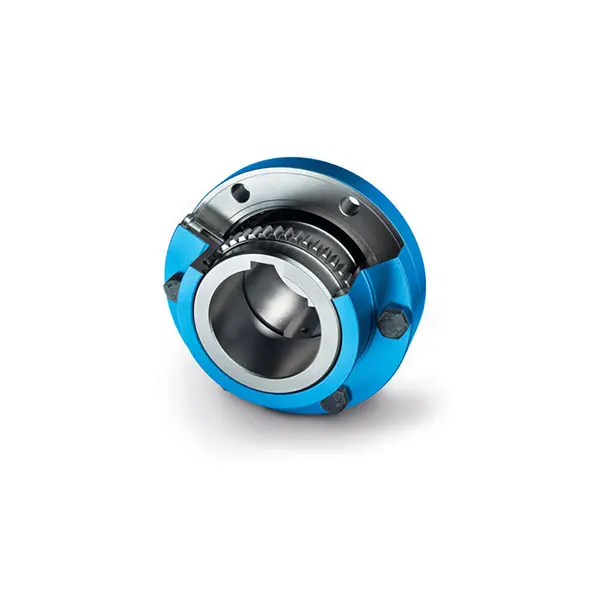 ZAPEX ZN Torsionally Rigid Gear Coupling
 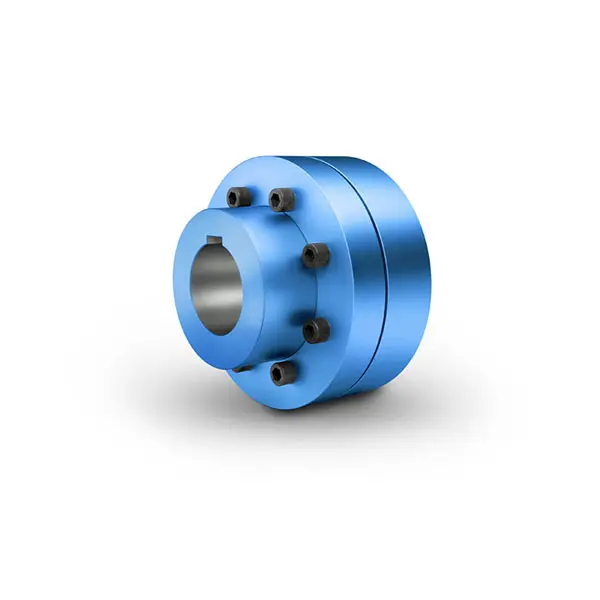 N-EUPEX Flexible high performance Coupling
 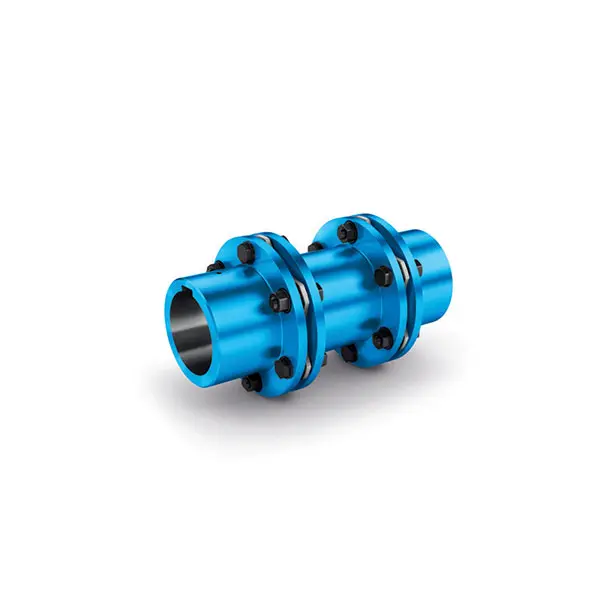 N-ARPEX Torsionally Rigid All-Steel Coupling
 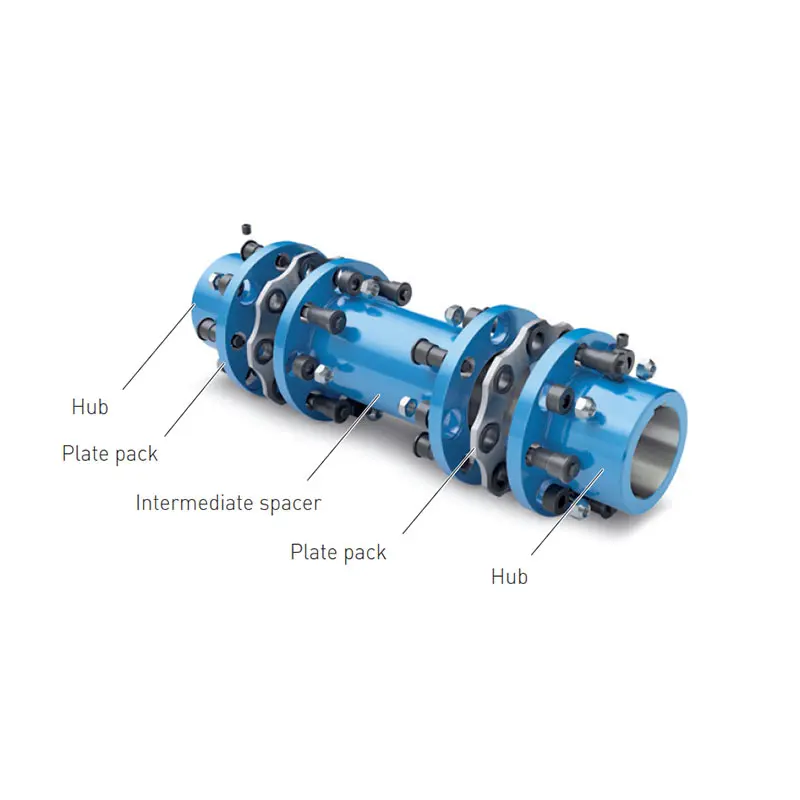 ARPEX Torsionally Rigid All-Steel Coupling Spare and Parts
 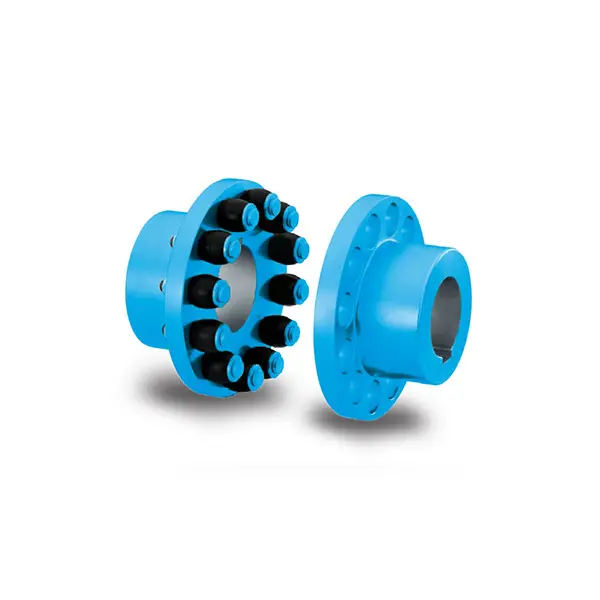 RUPEX Flexible high performance Coupling
 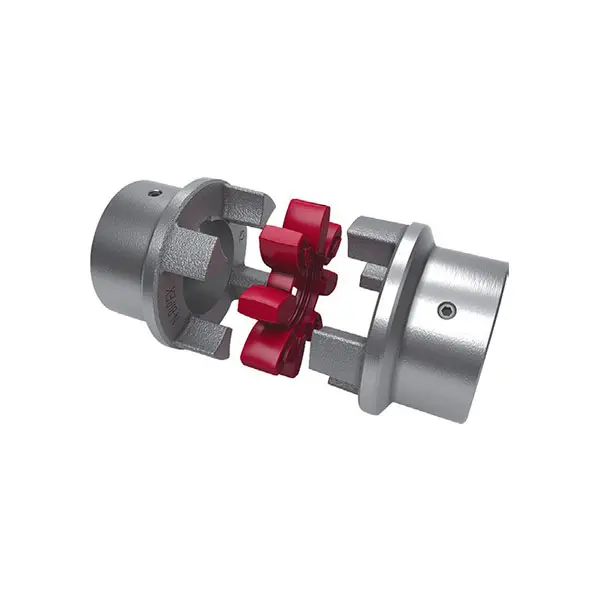 N BIPEX Flexible high performance coupling
 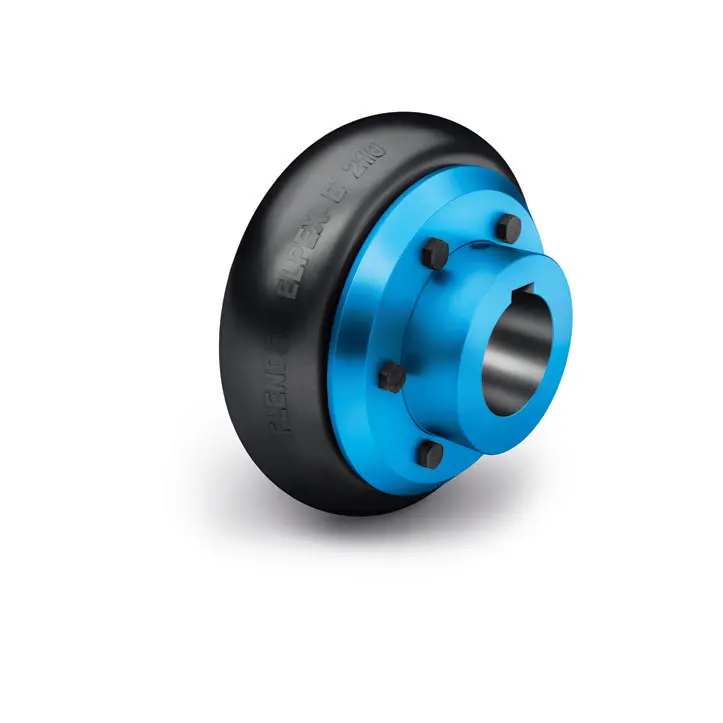 ELPEX B Highly Flexible Coupling
 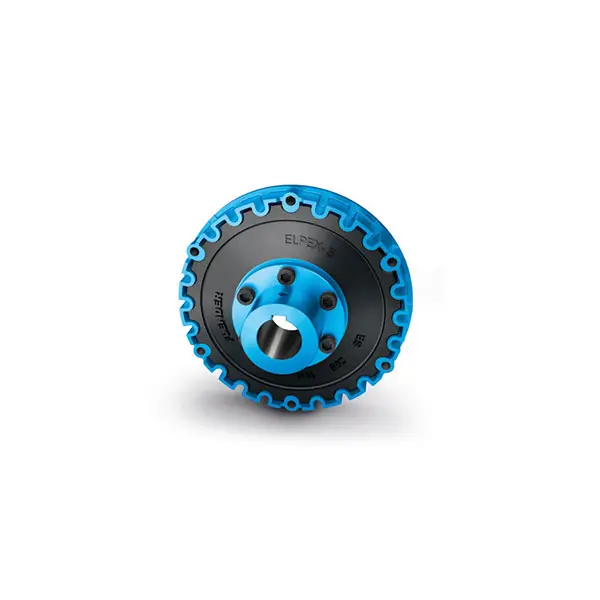 ELPEX S Highly Flexible Coupling high performance
 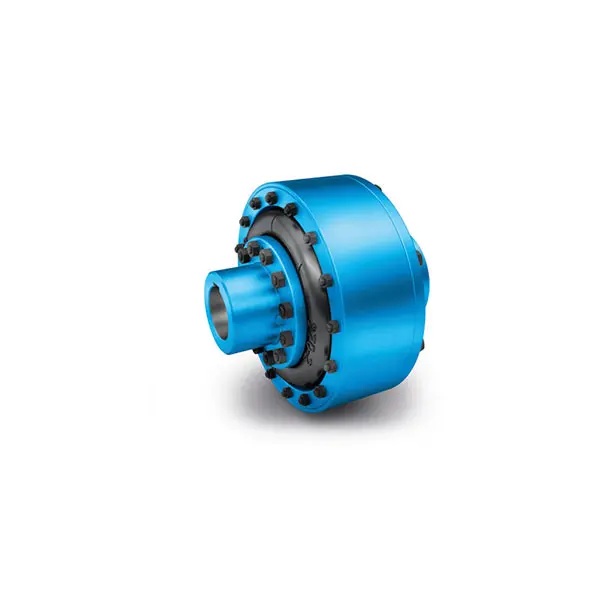 ELPEX Highly Flexible Coupling high performance
 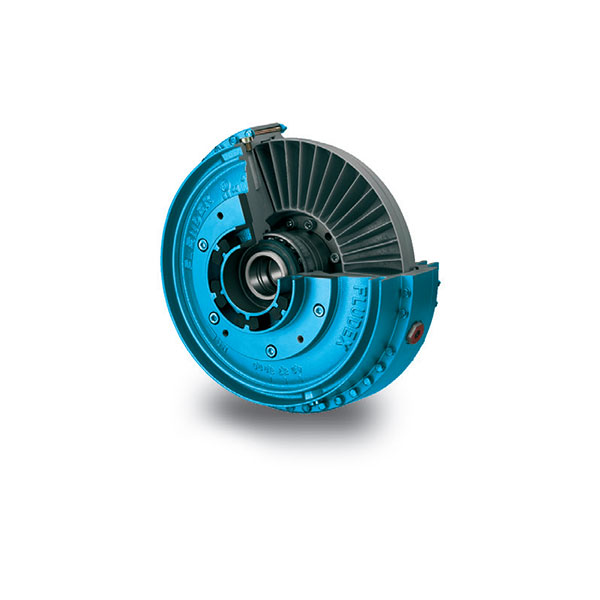 FLUDEX Fluid Coupling high performance
 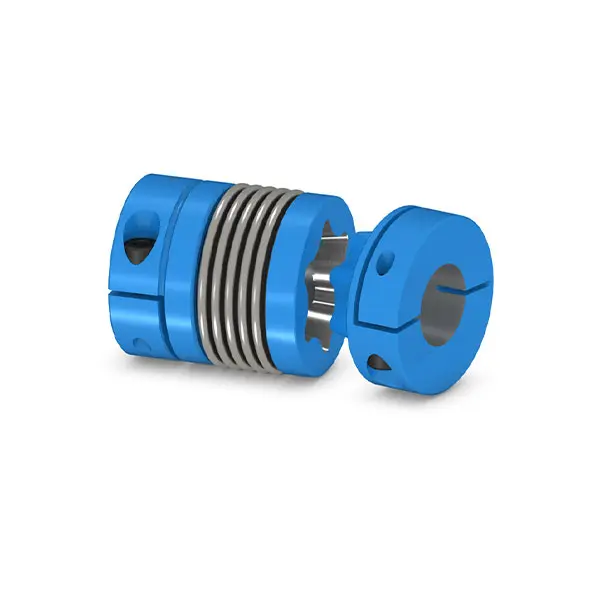 SIPEX Backlash free Coupling high performance
 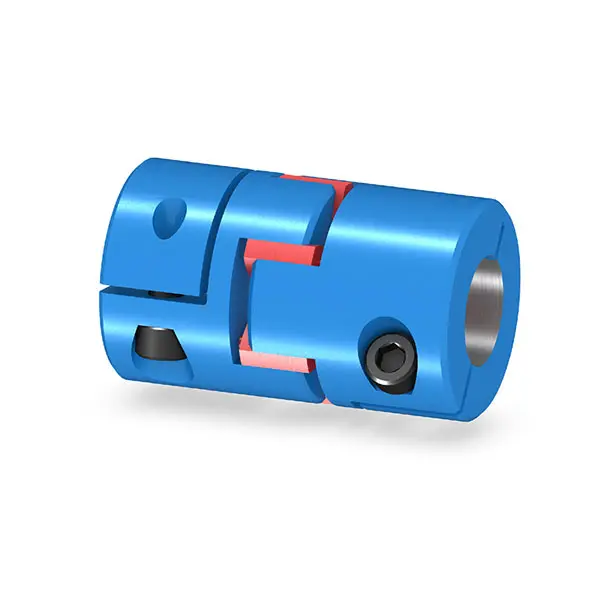 BIPEX S Backlash free Coupling high performance
 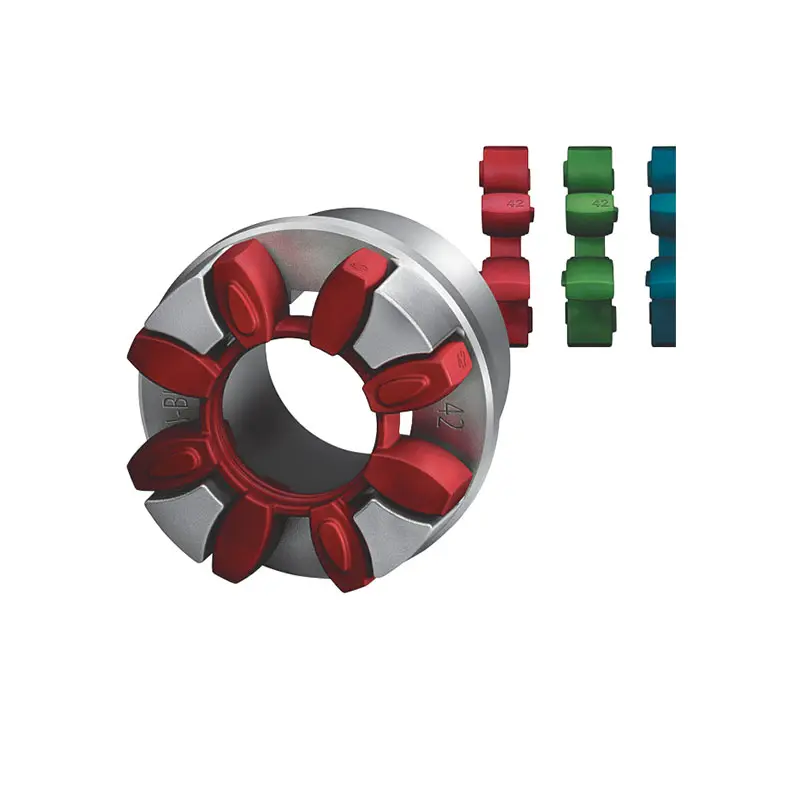 FLENDER Coupling Spare Parts high performance
 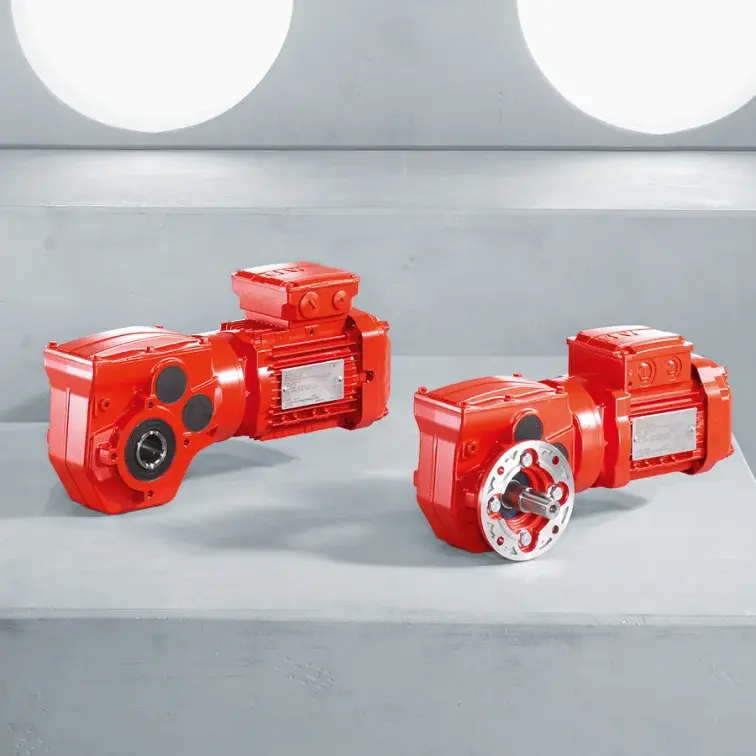 SEW Gearmotor
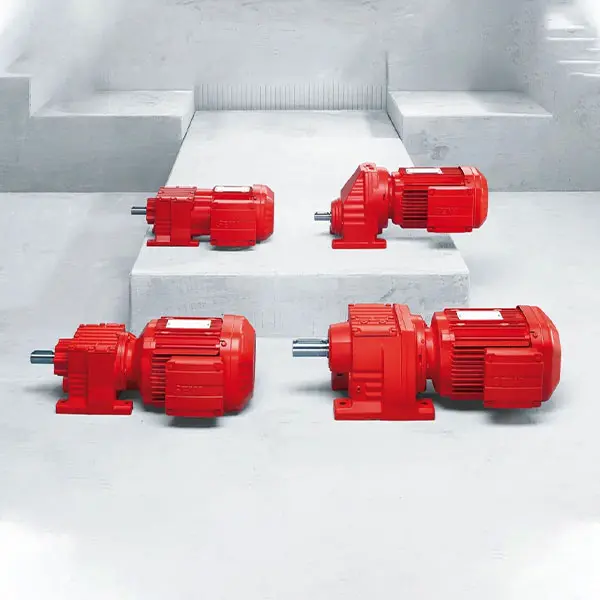 R Series Helical Gearmotor low voltage
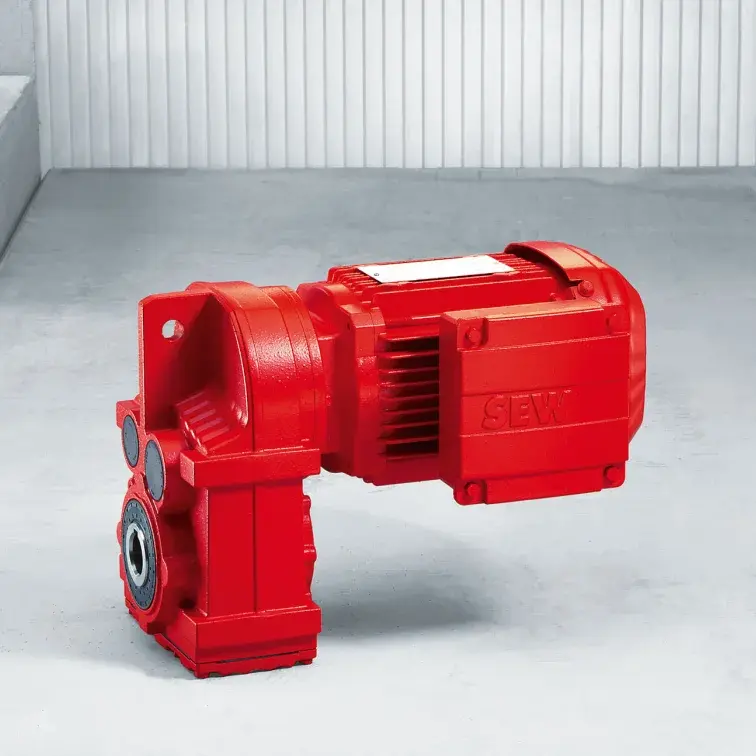 F Series Parallel Shaft Gearmotor low voltage
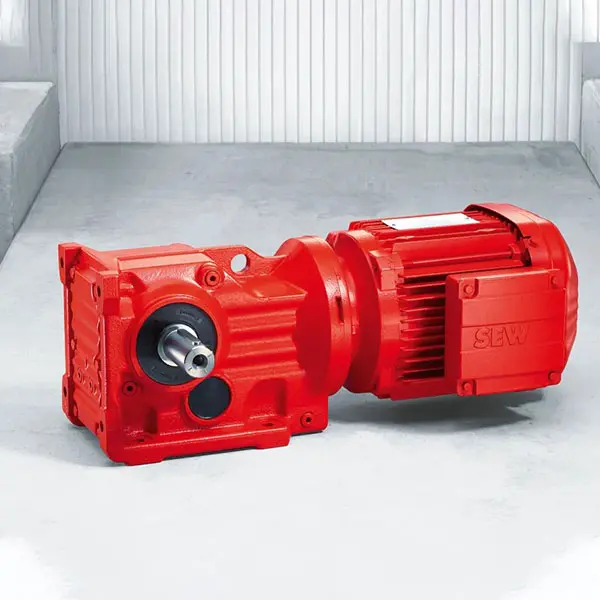 K Series Helical Bevel Gearmotor low voltage
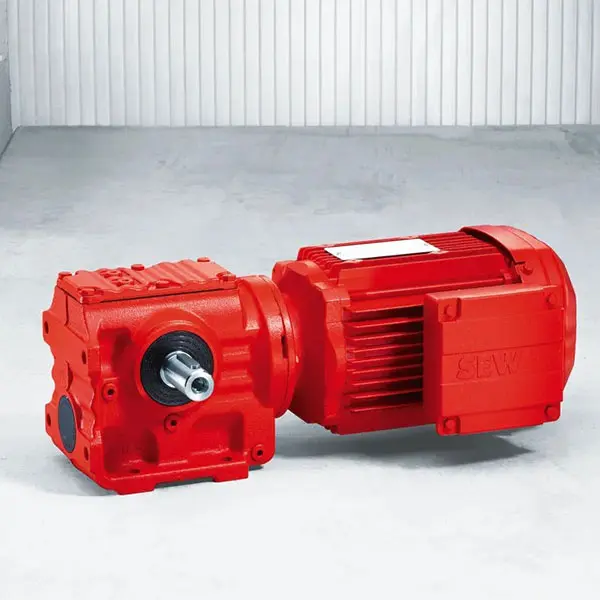 S Series Helical Worm Gearmotor low voltage
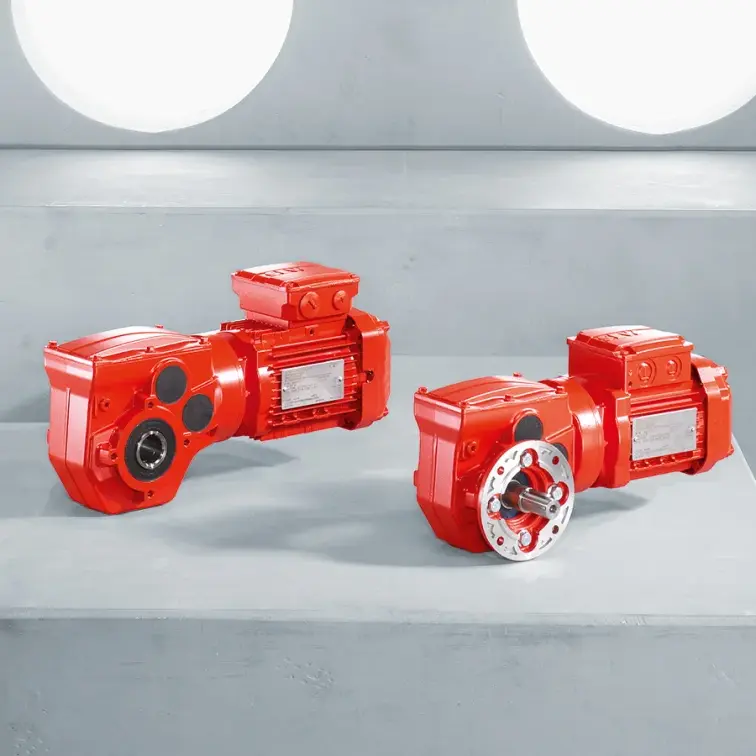 W Series SPIROPLAN® Right Angle Gearmotor