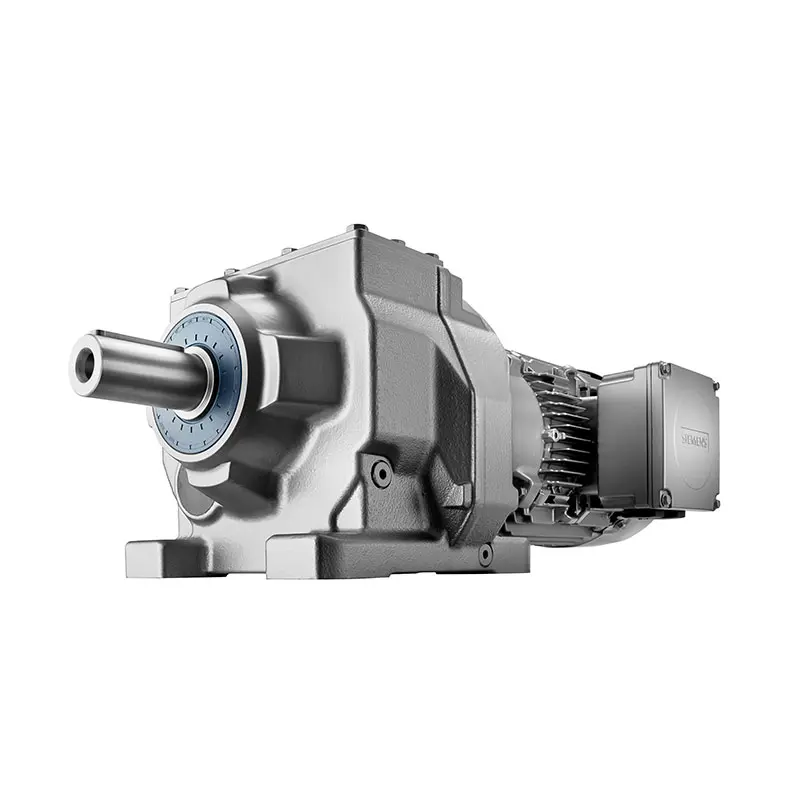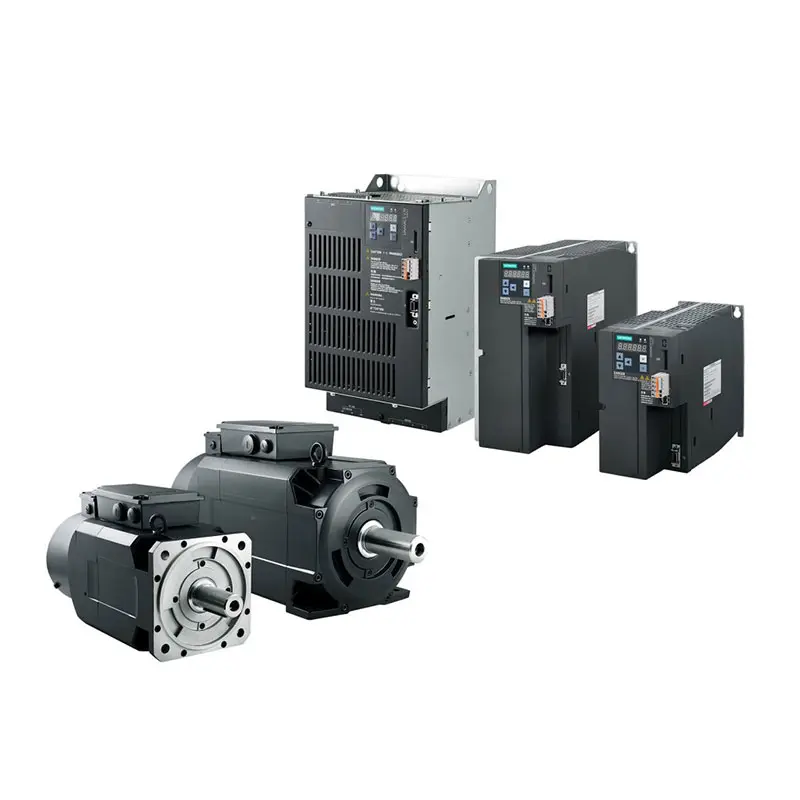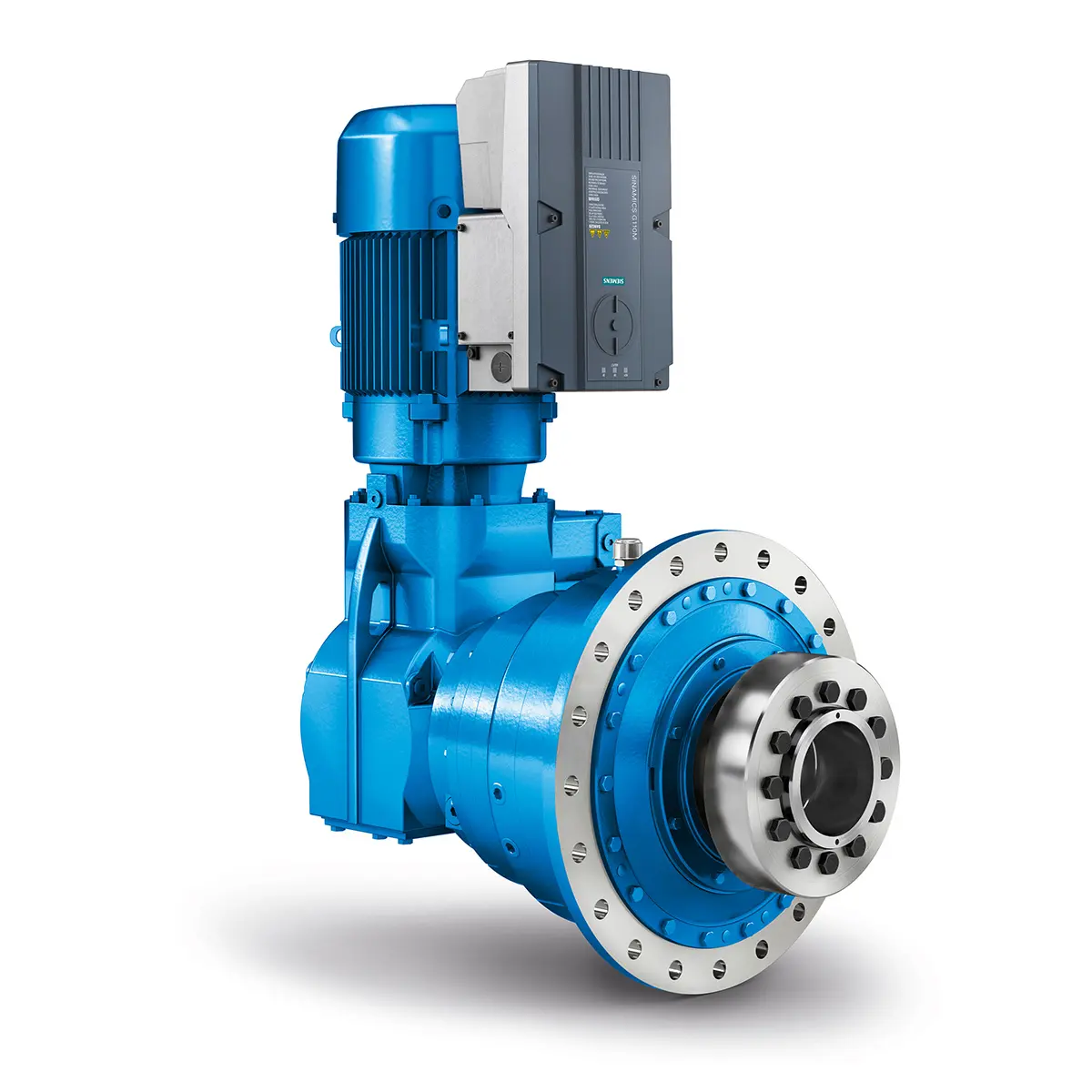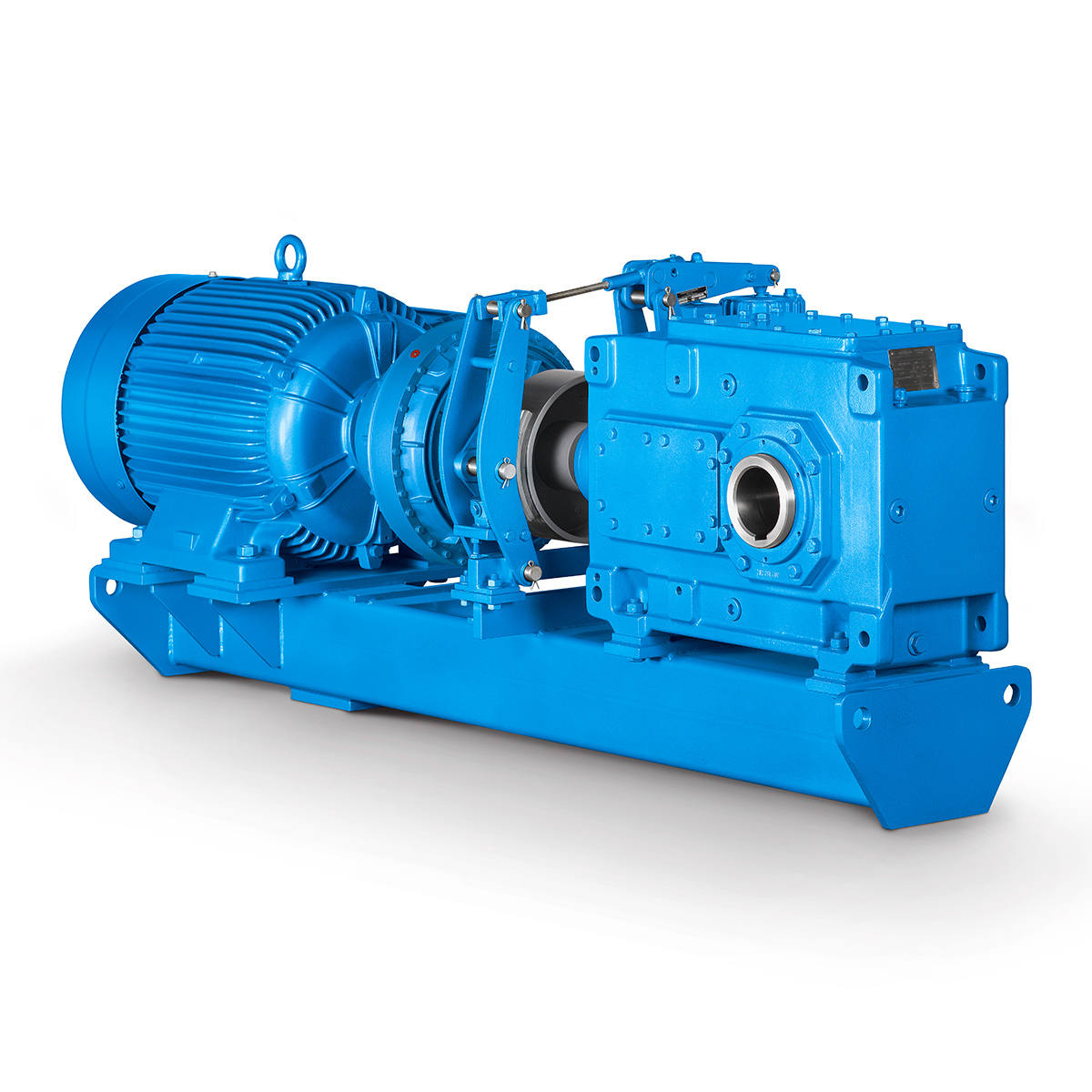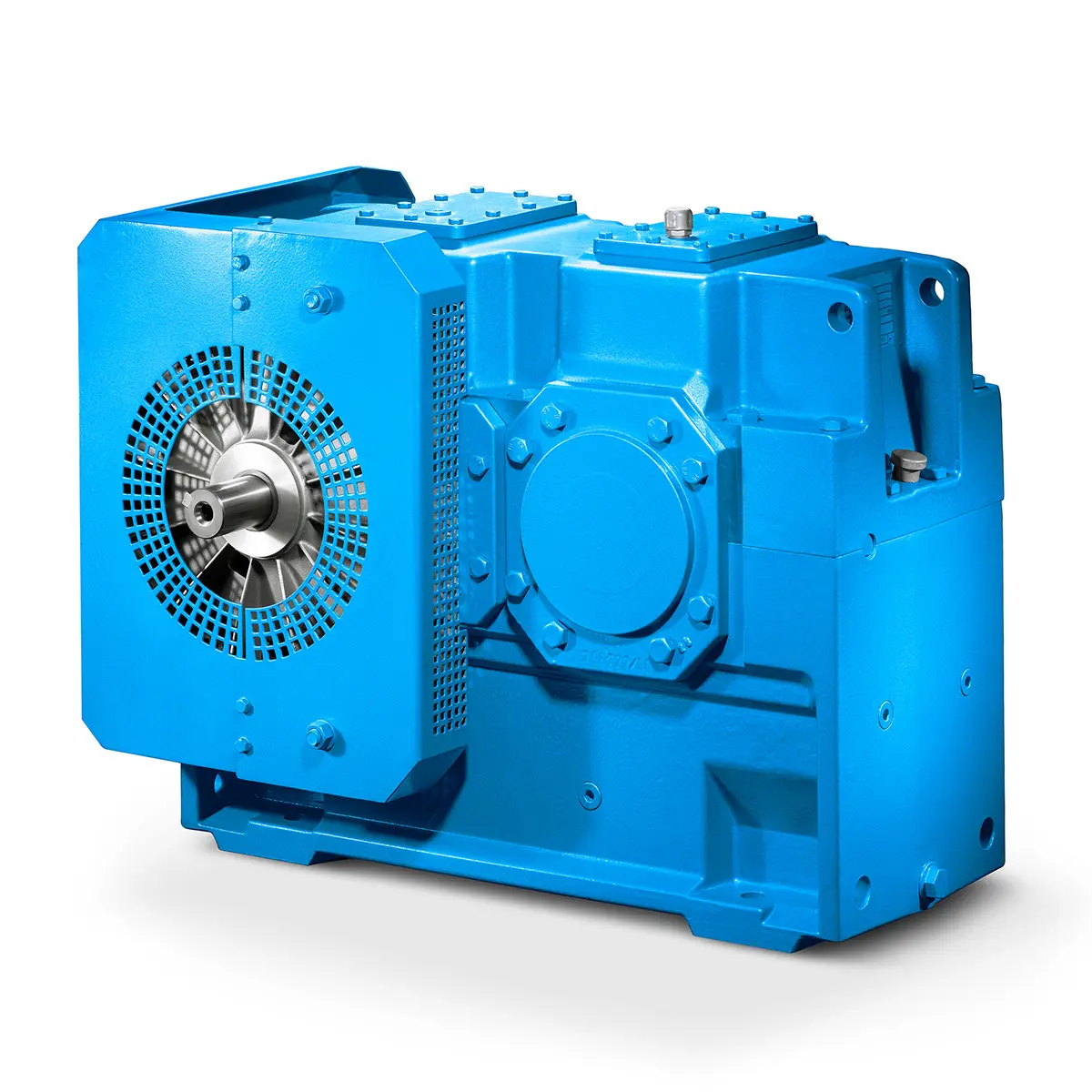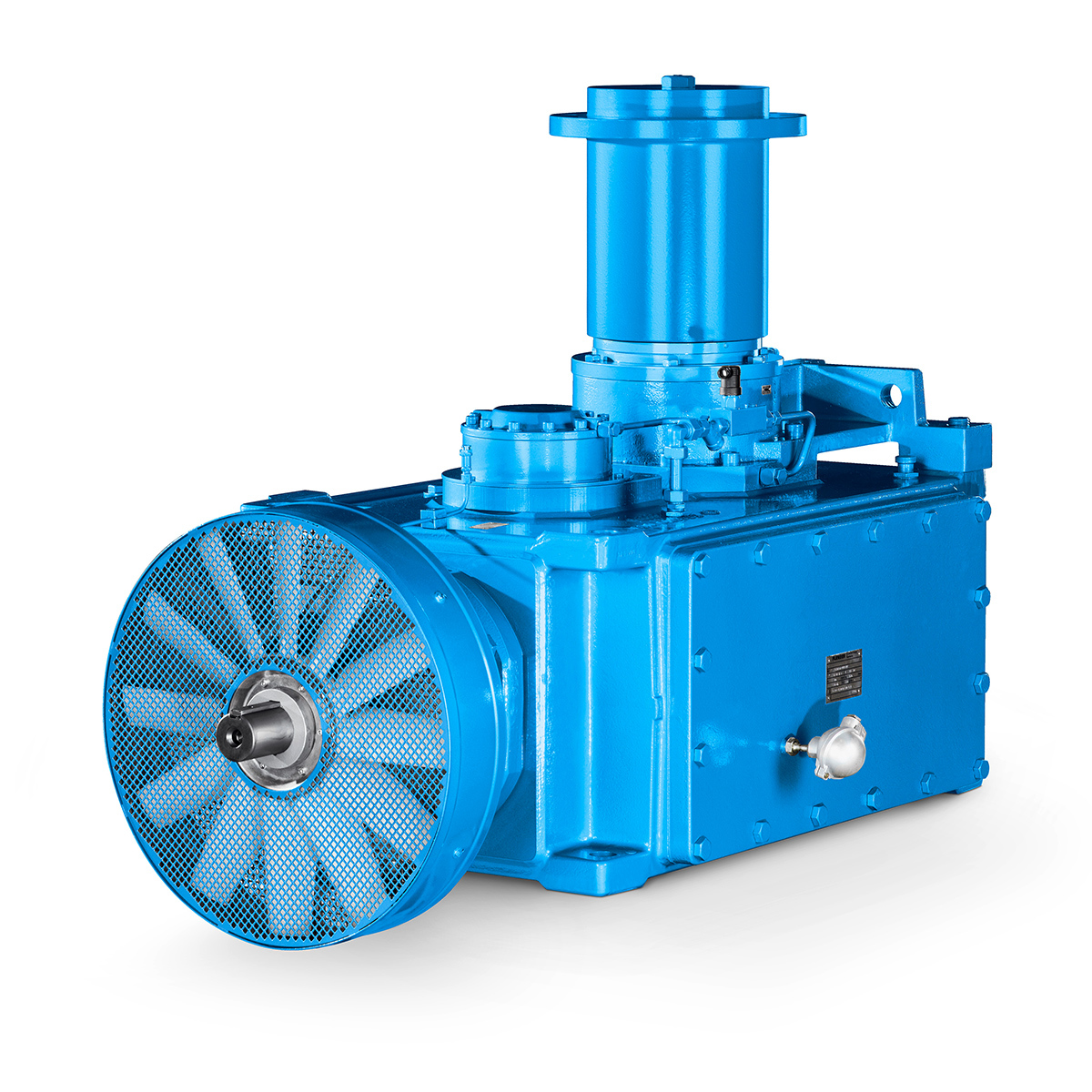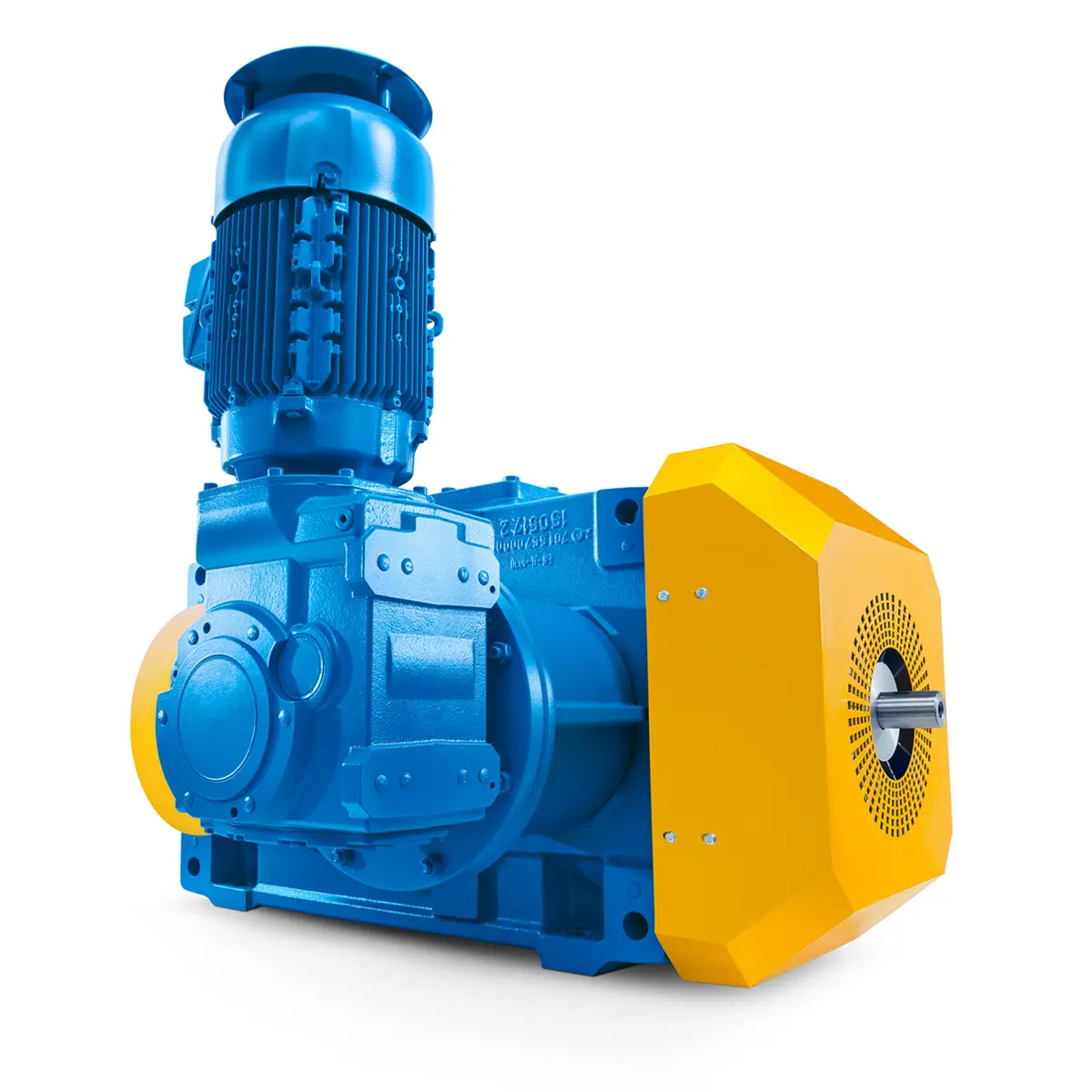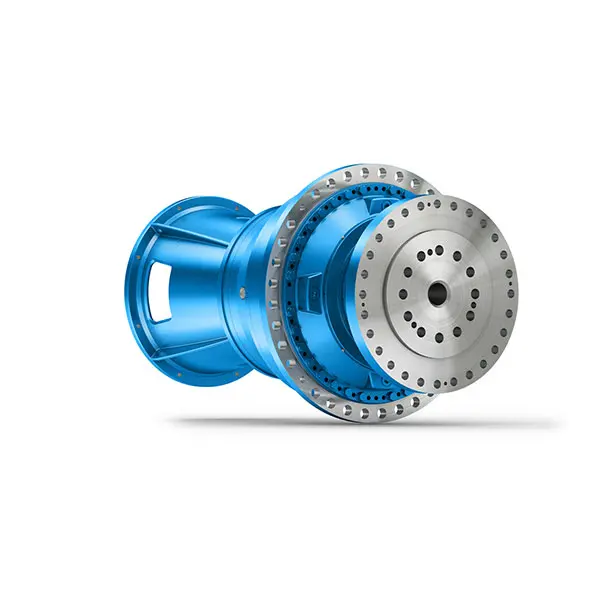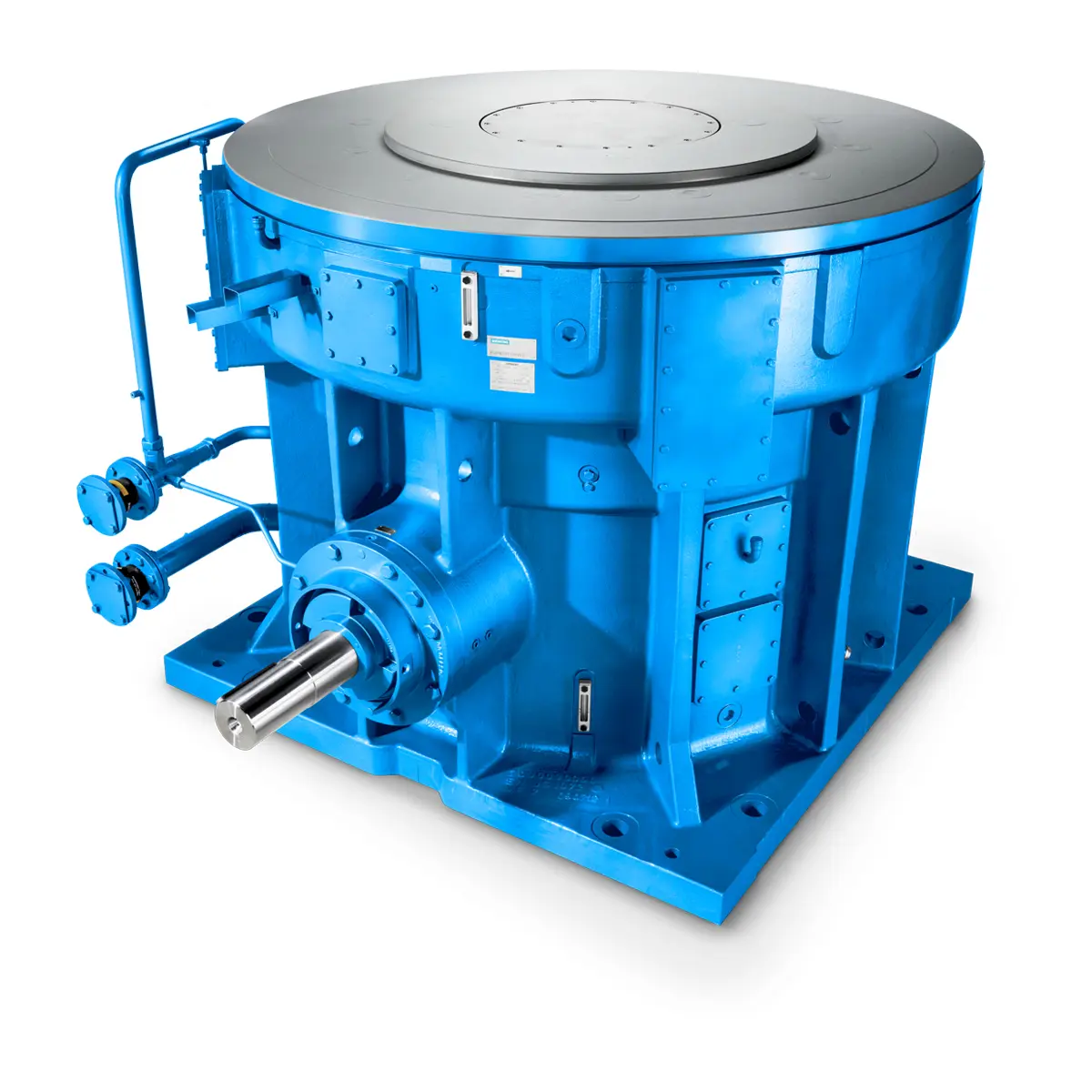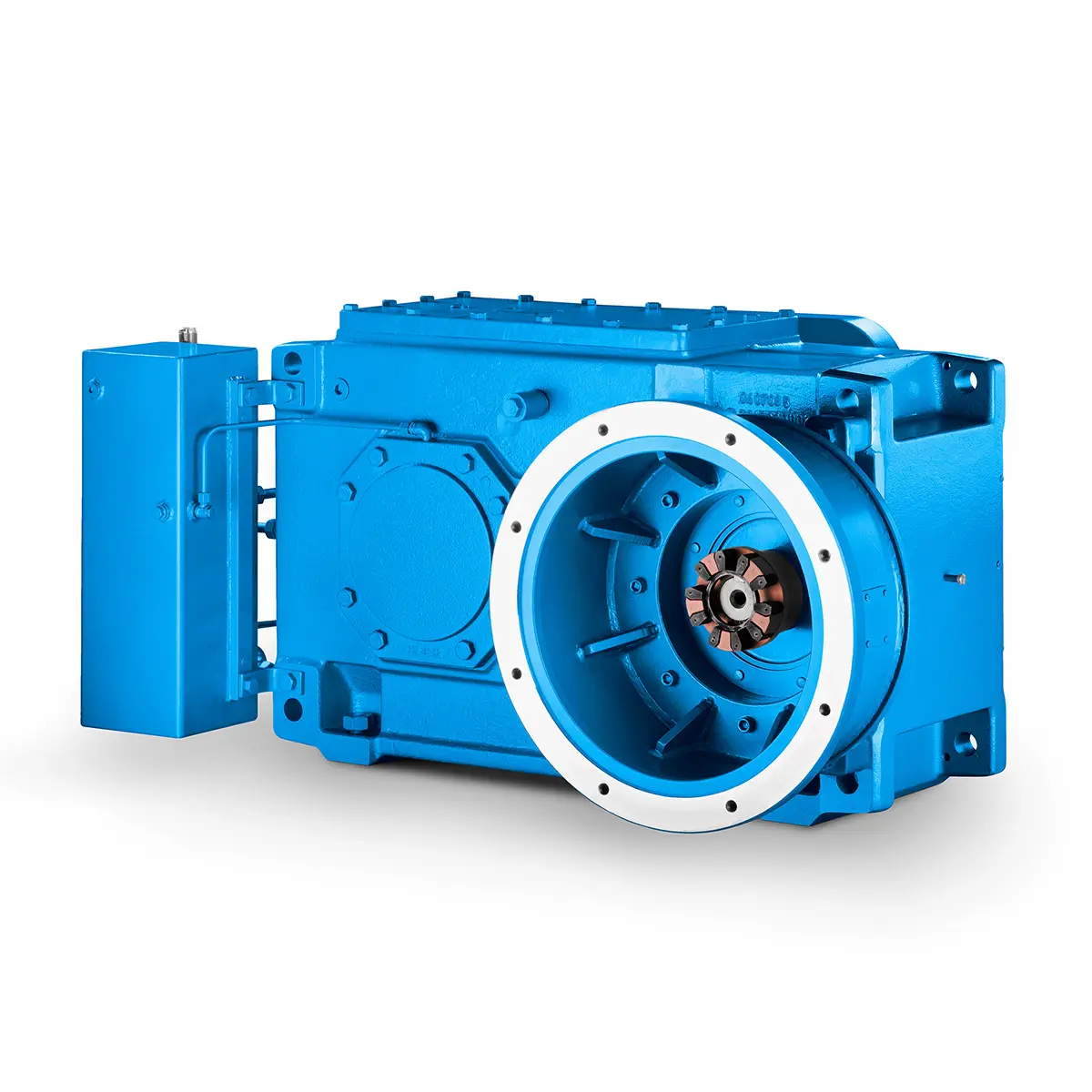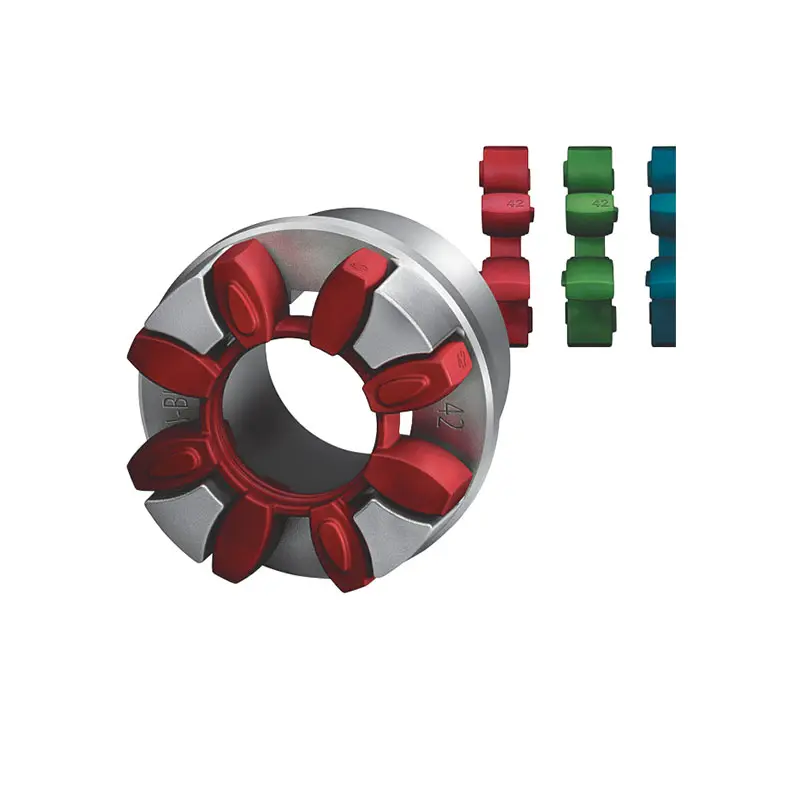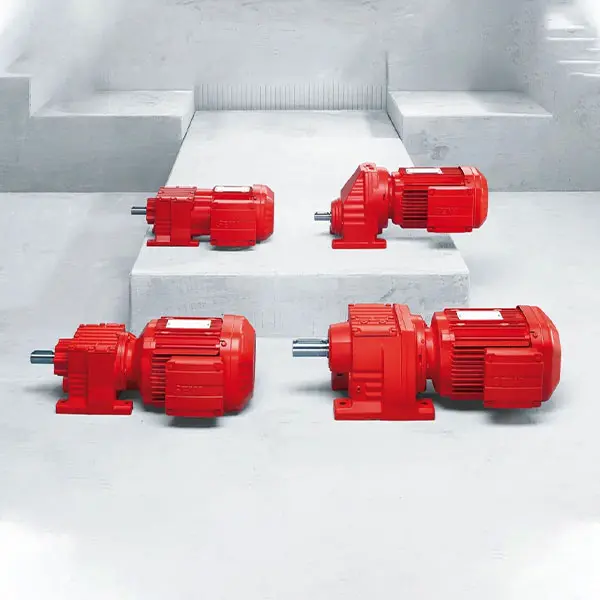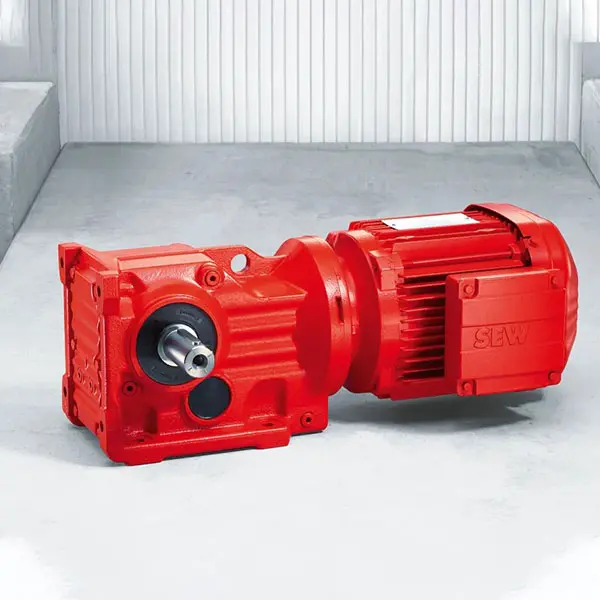
SIEMENS Helical Gearmotor Low Voltage
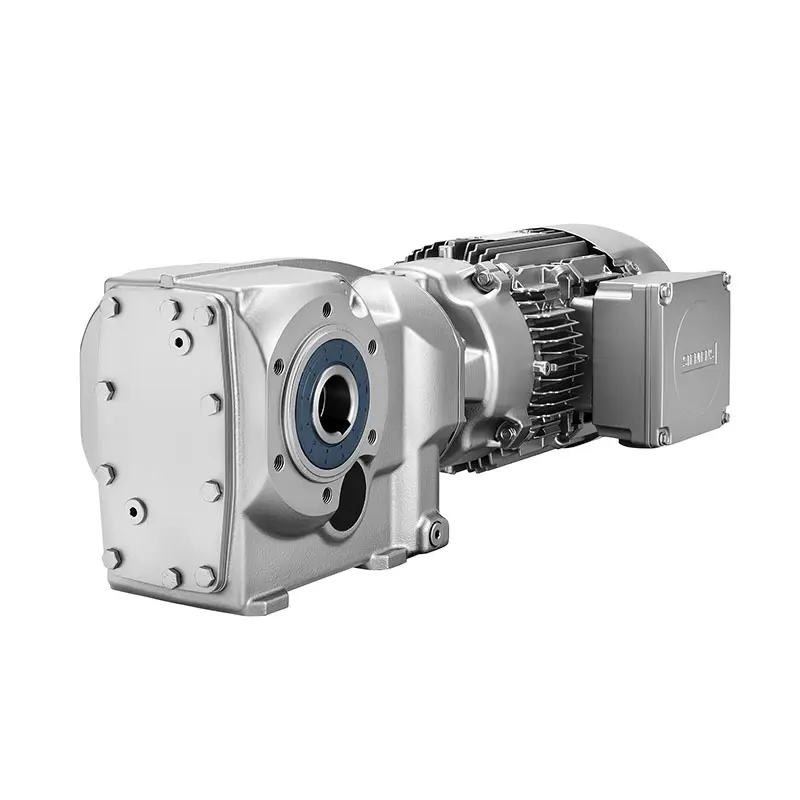
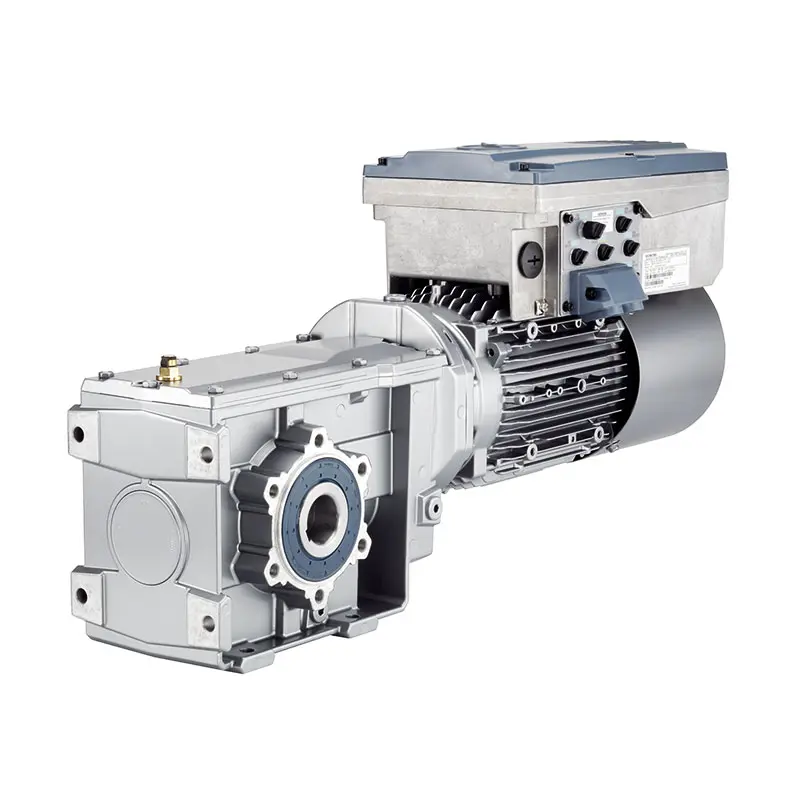
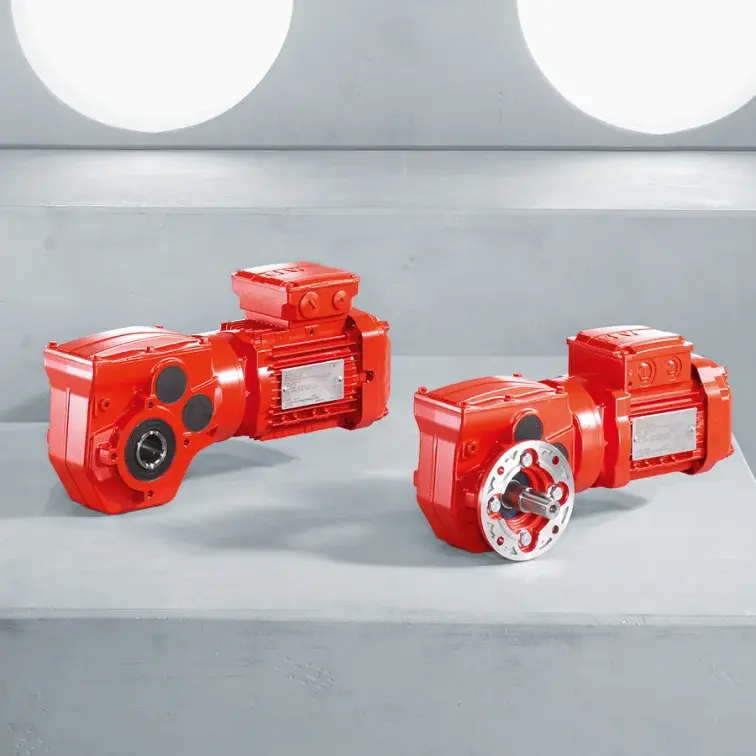
SIEMENS Bevel Helical Gearmotor
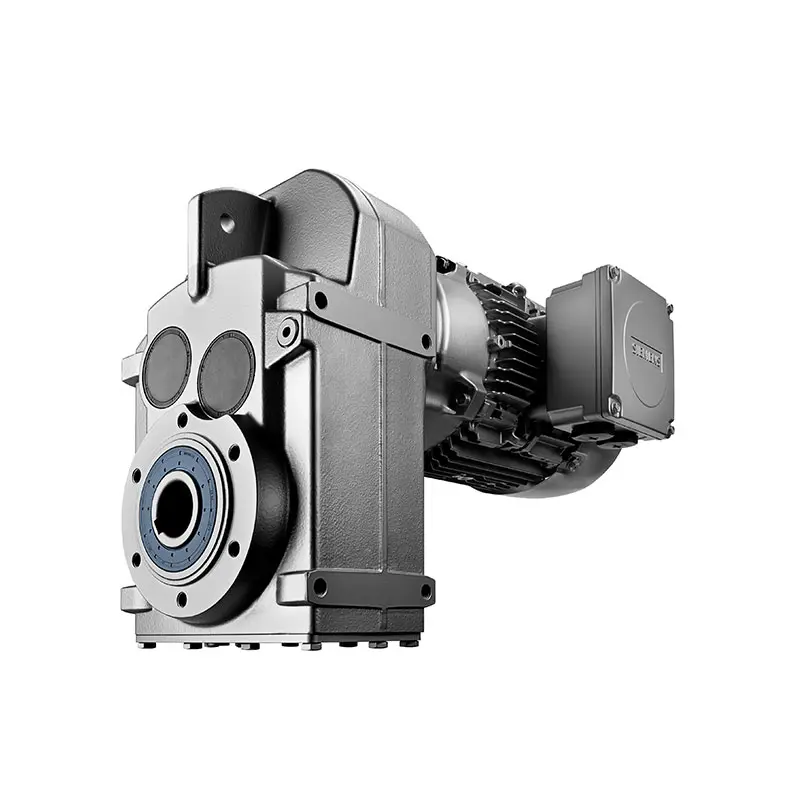
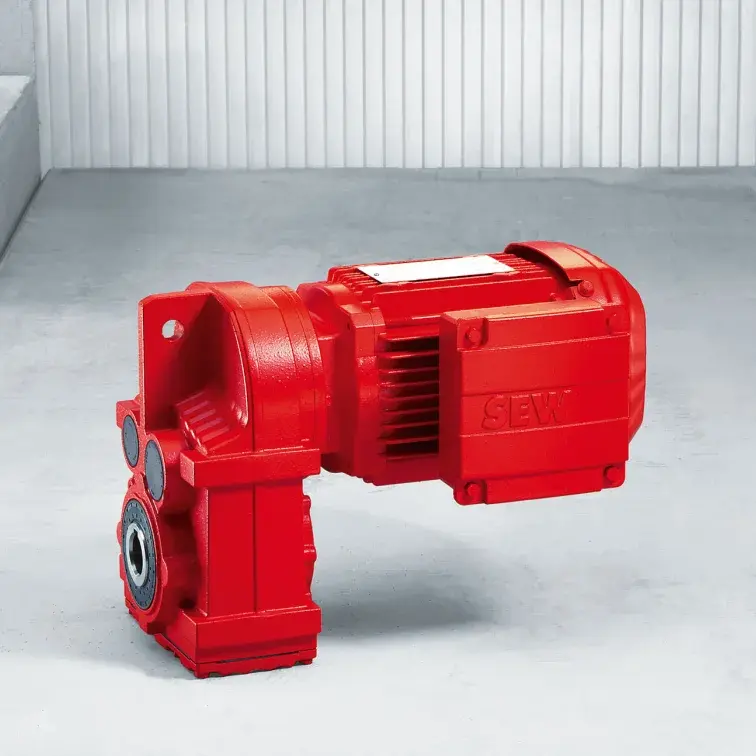
SIEMENS Parallel Shaft Gearmotor
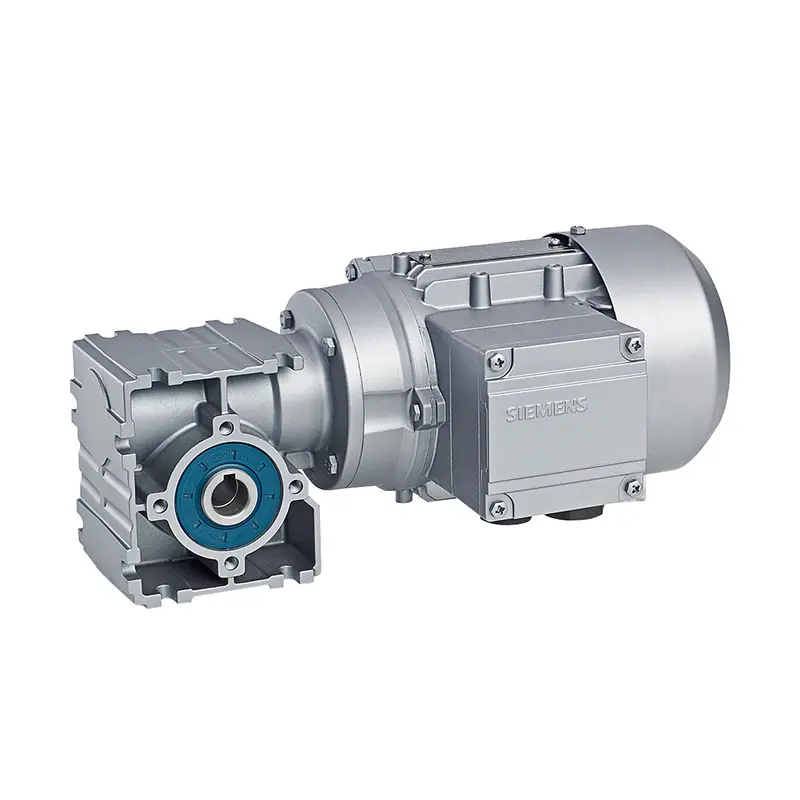
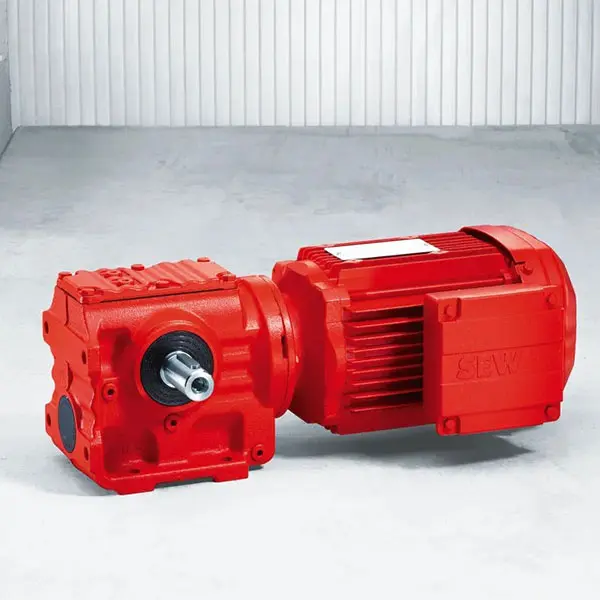
SIEMENS Worm Gearmotor Low Voltage
SIEMENS With Servo Motor Gearmotor
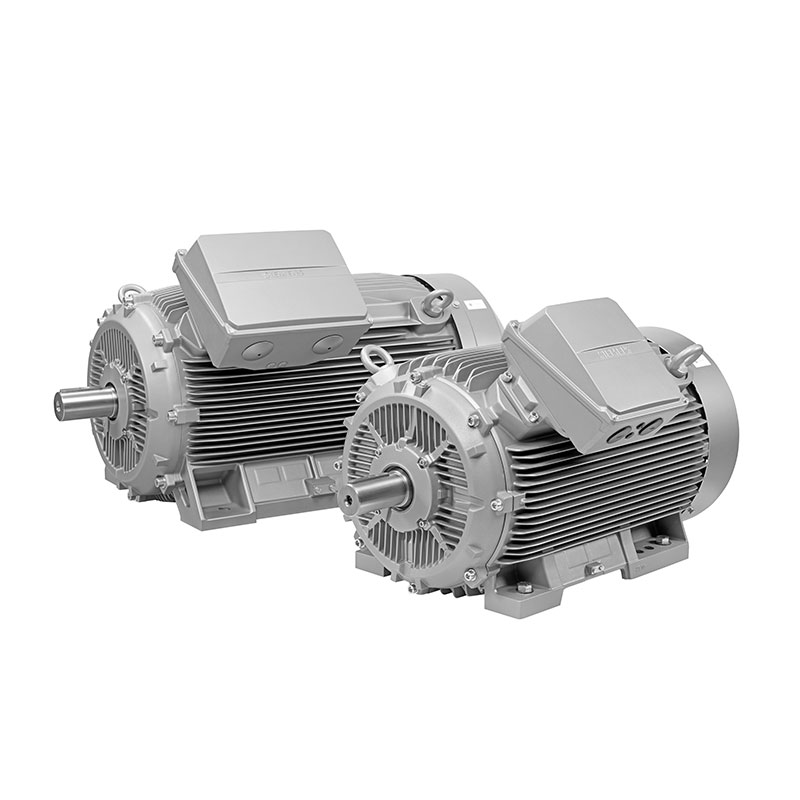
SIEMENS Low Voltage Motor Low Voltage
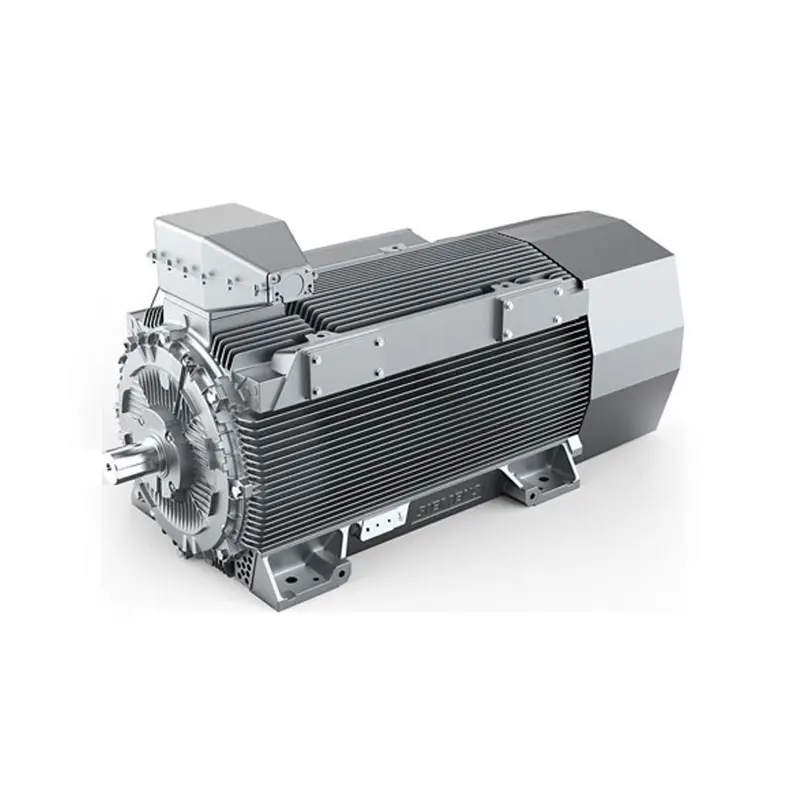
SIEMENS High Voltage Motor Low Voltage
SIEMENS Marine Motor Low Voltage
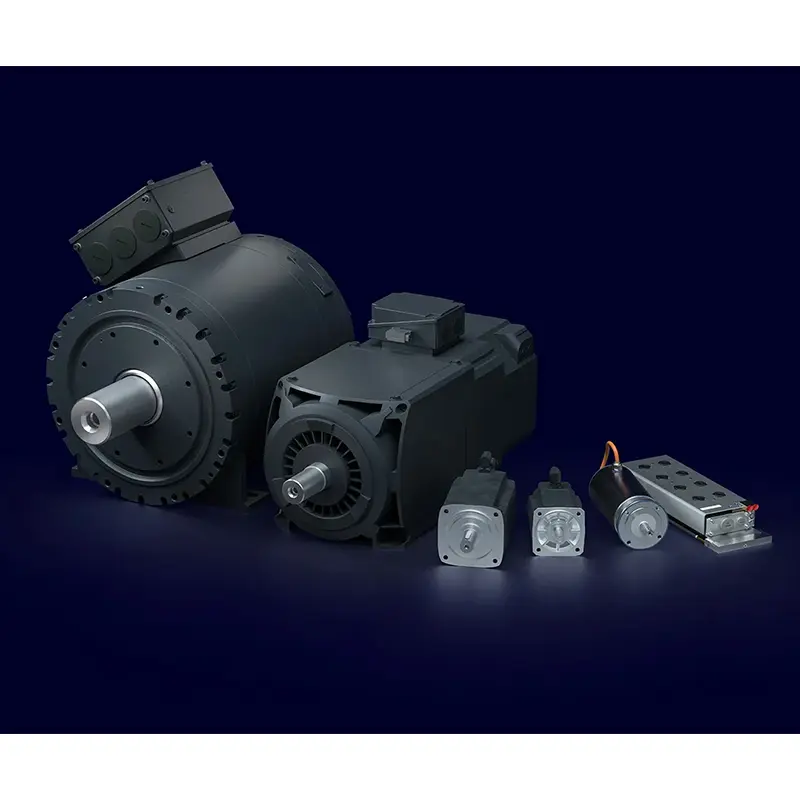
SIEMENS Servo Motor Low Voltage
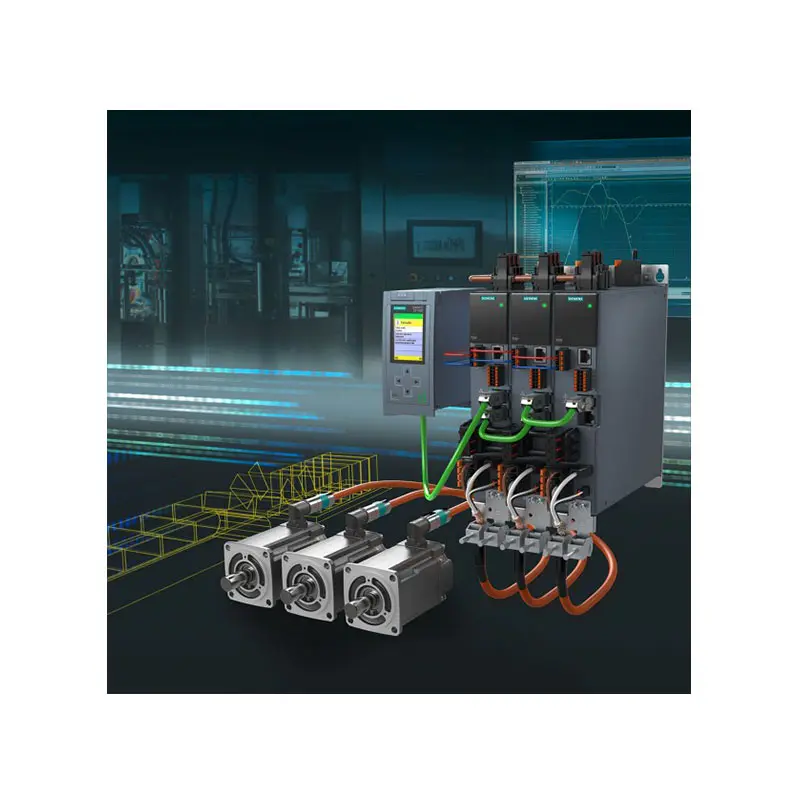
SIEMENS SINAMICS S210 Low Voltage
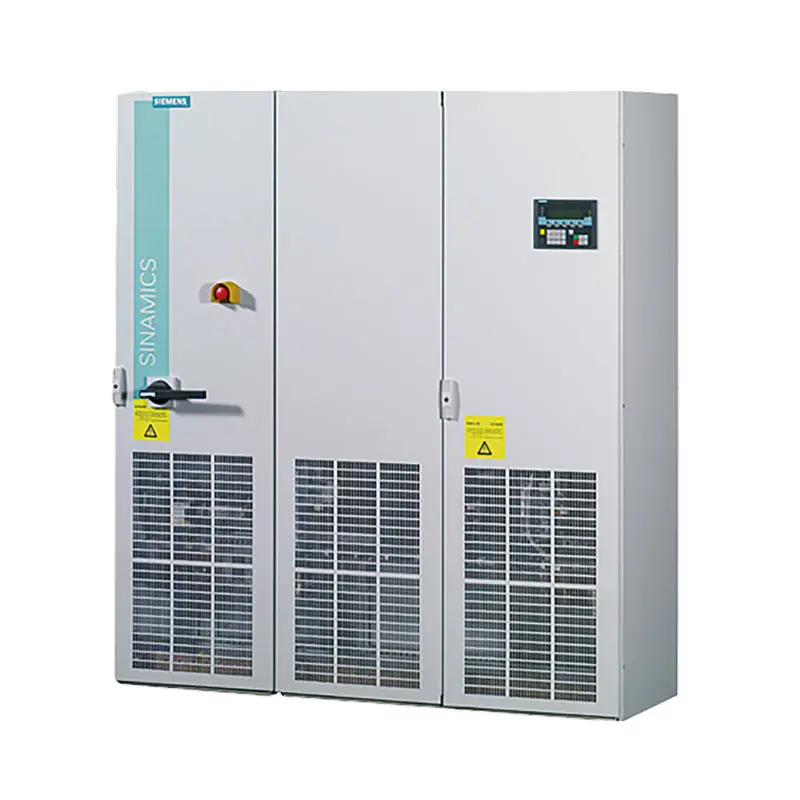
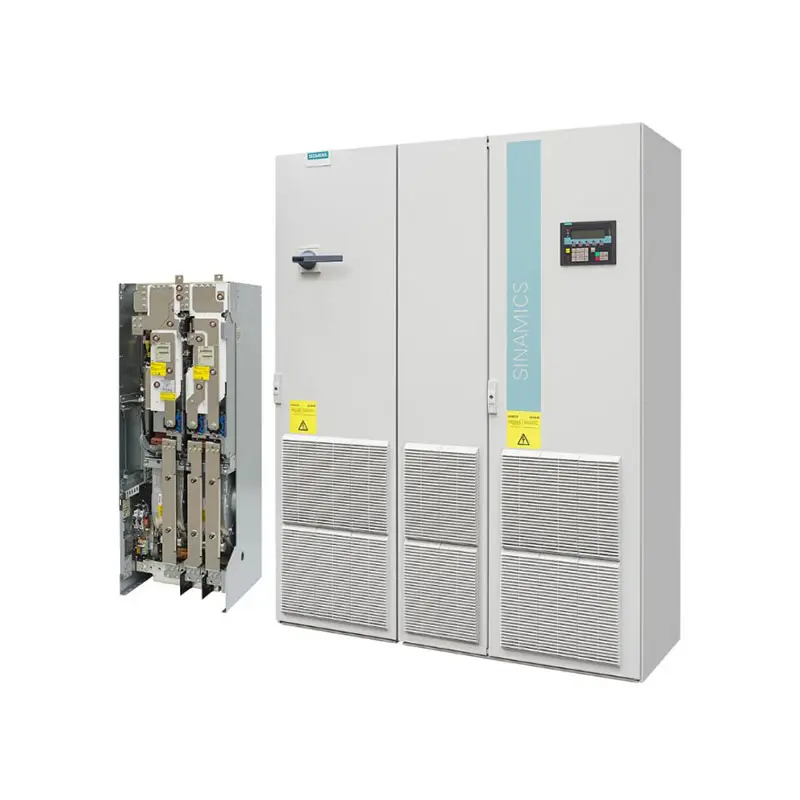
SIEMENS SINAMICS S150 Low Voltage
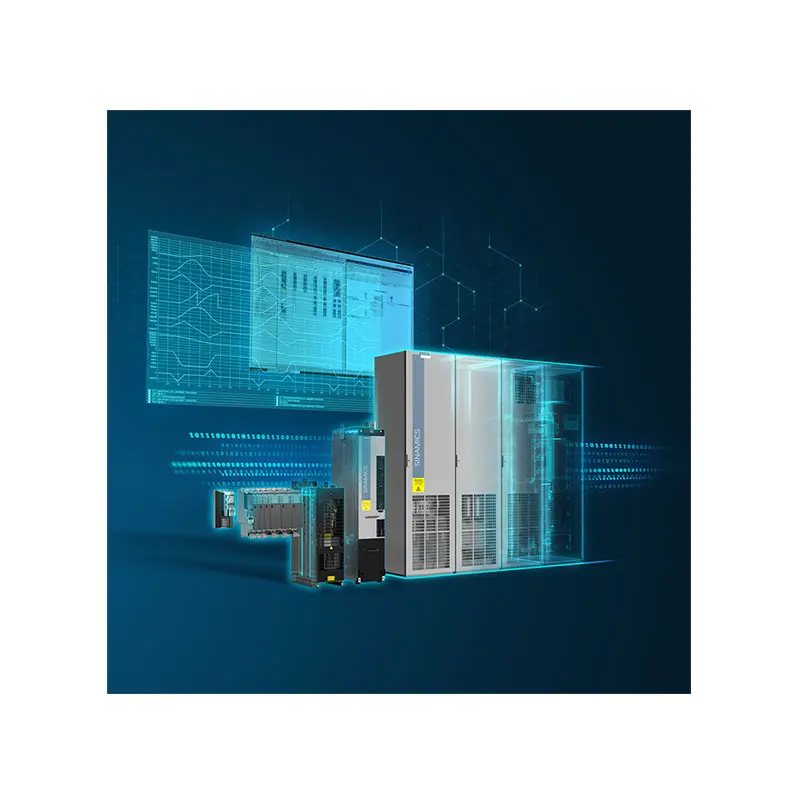
SIEMENS SINAMICS S120 Low Voltage
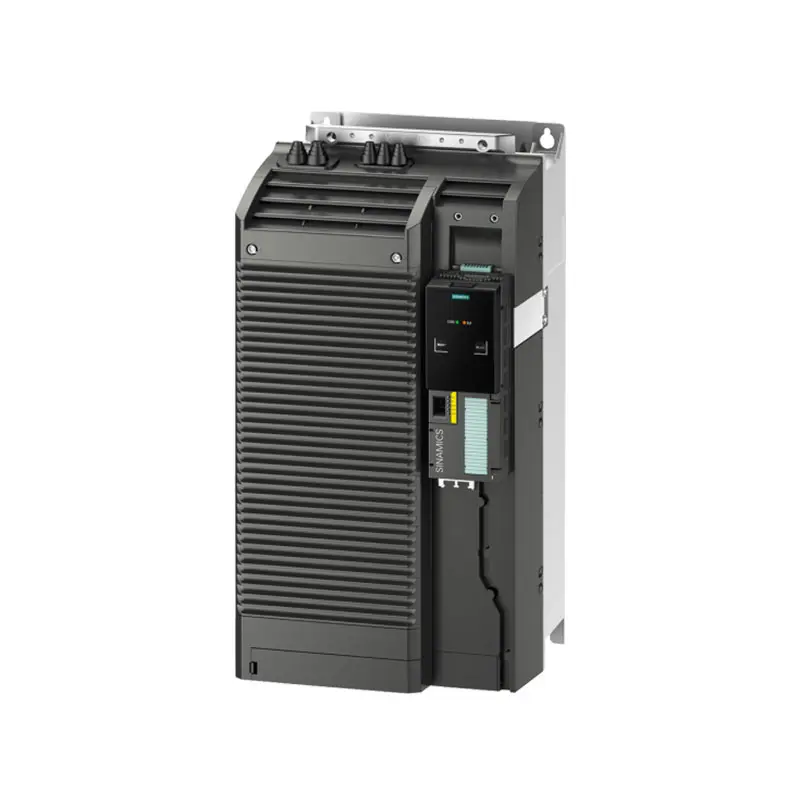
SIEMENS SINAMICS G130/G150
SIEMENS SINAMICS G120 Low Voltage
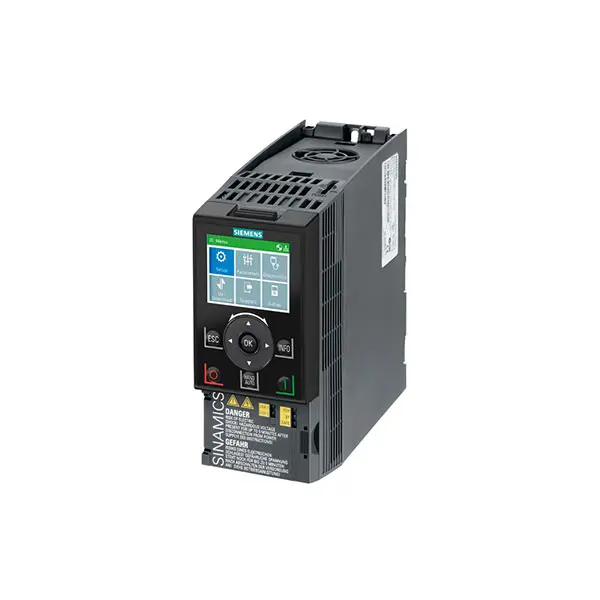
SIEMENS SINAMICS G120C Low Voltage
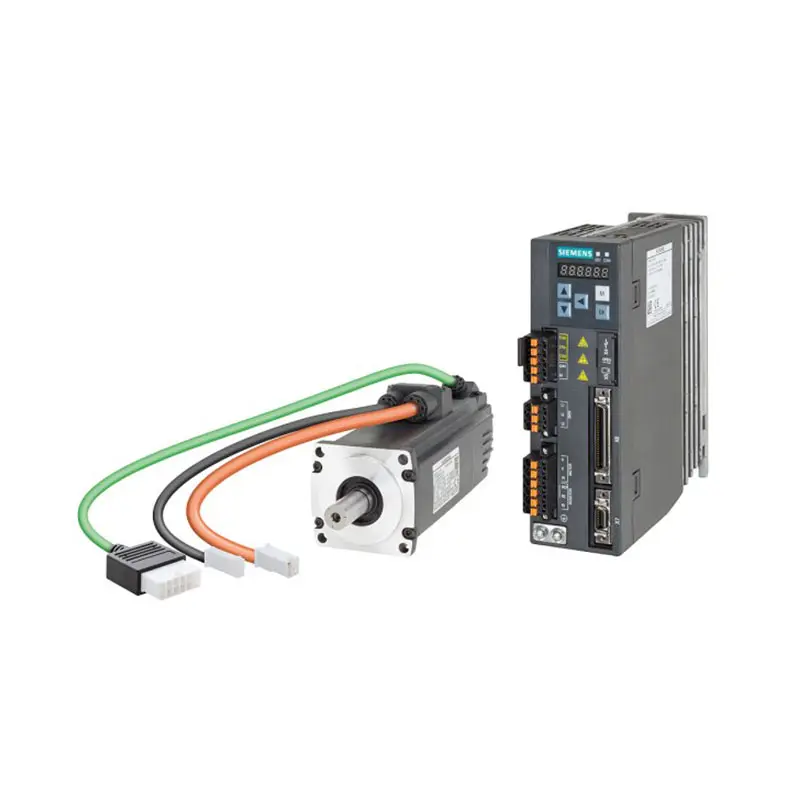
SIEMENS SINAMICS V90
SIEMENS SINAMICS V70 Low Voltage
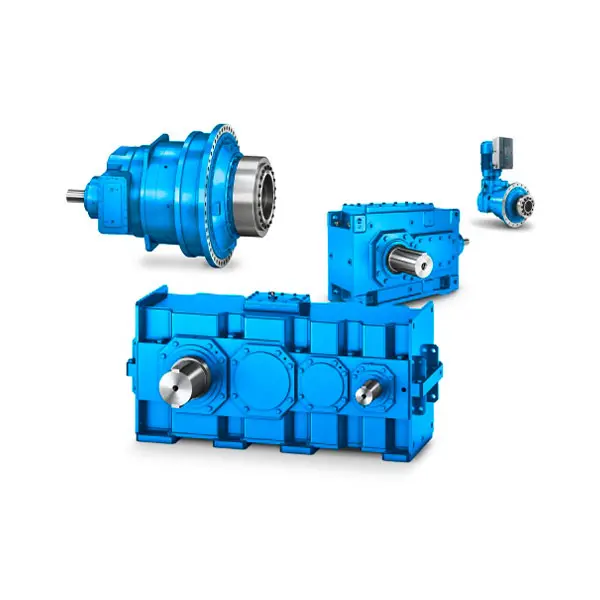
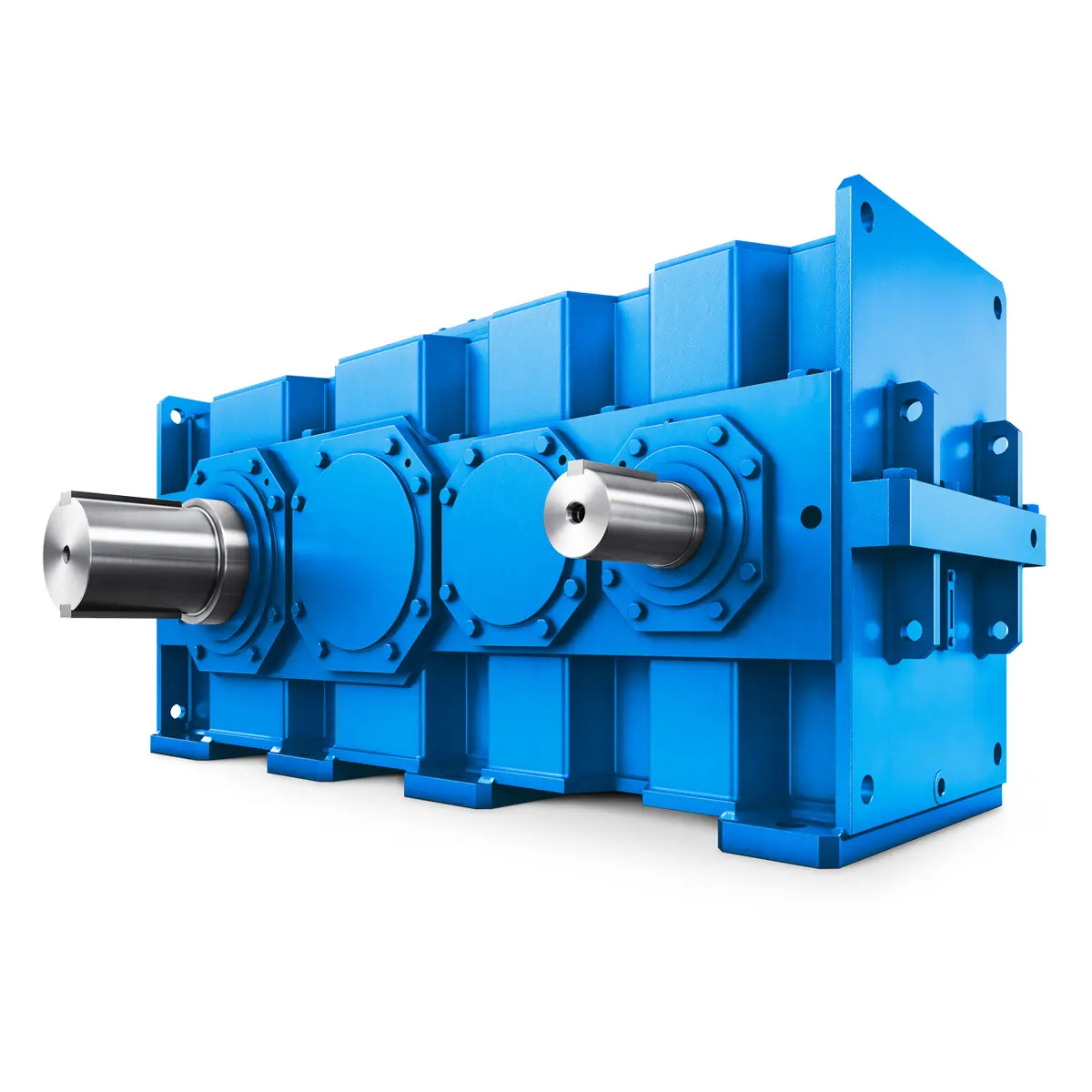
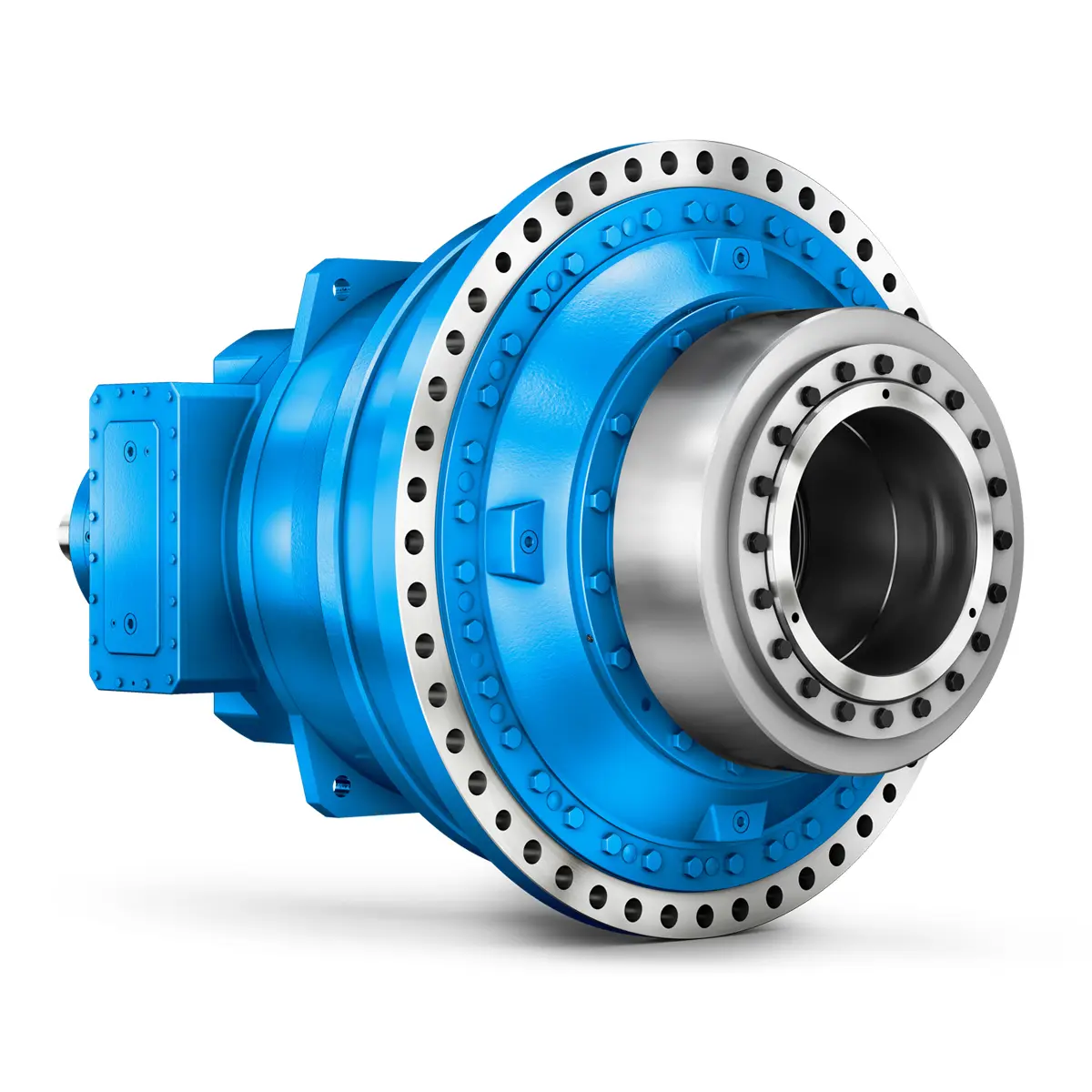
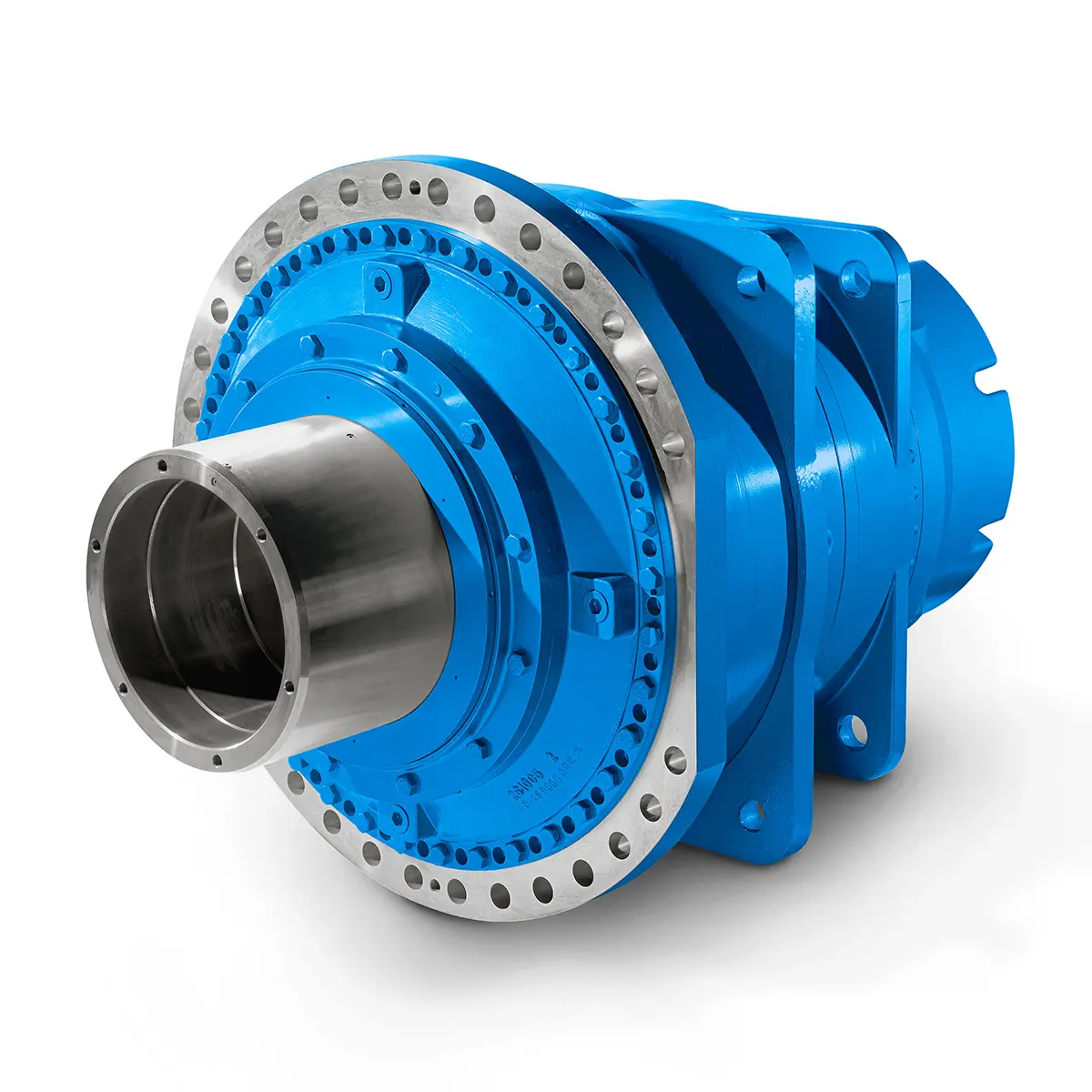
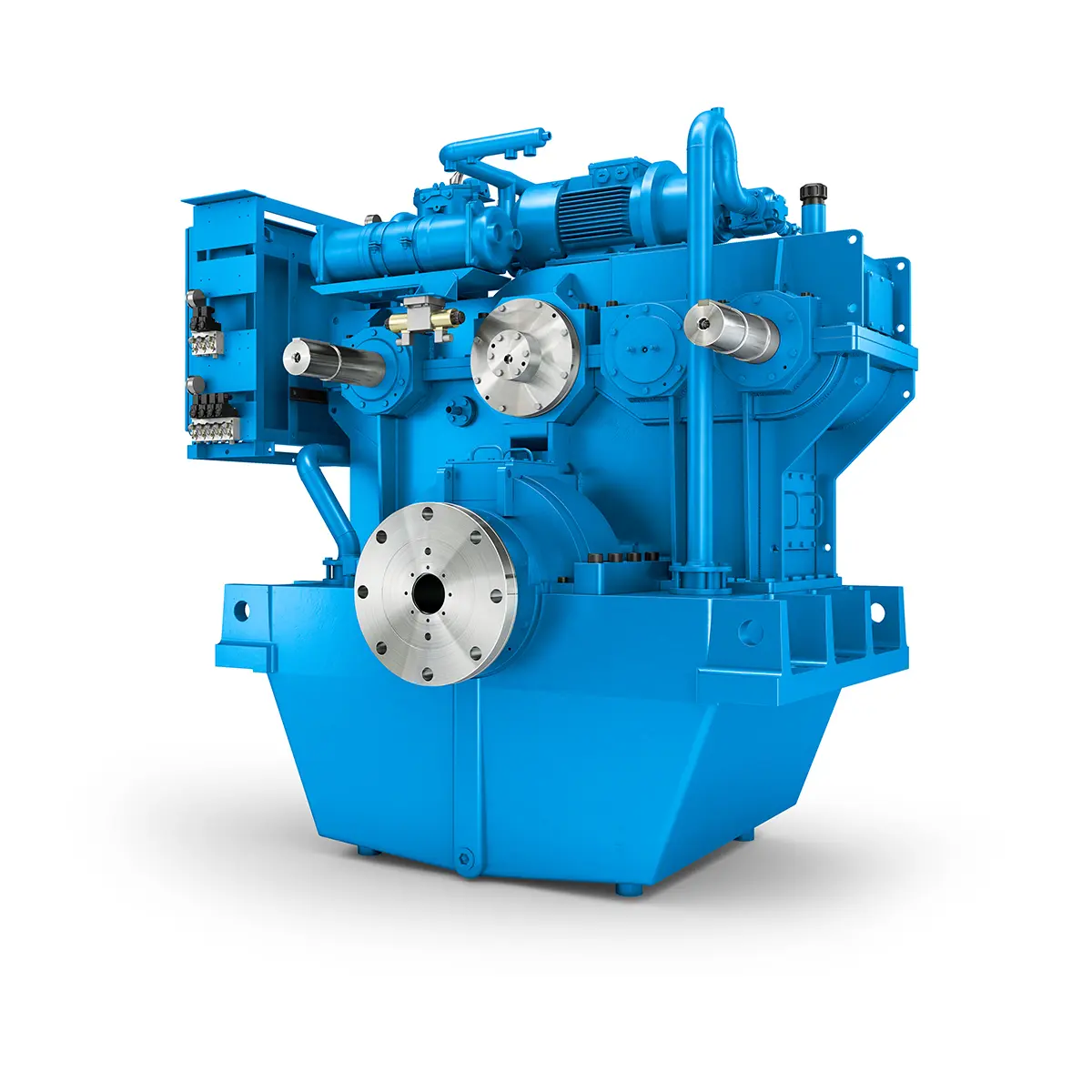
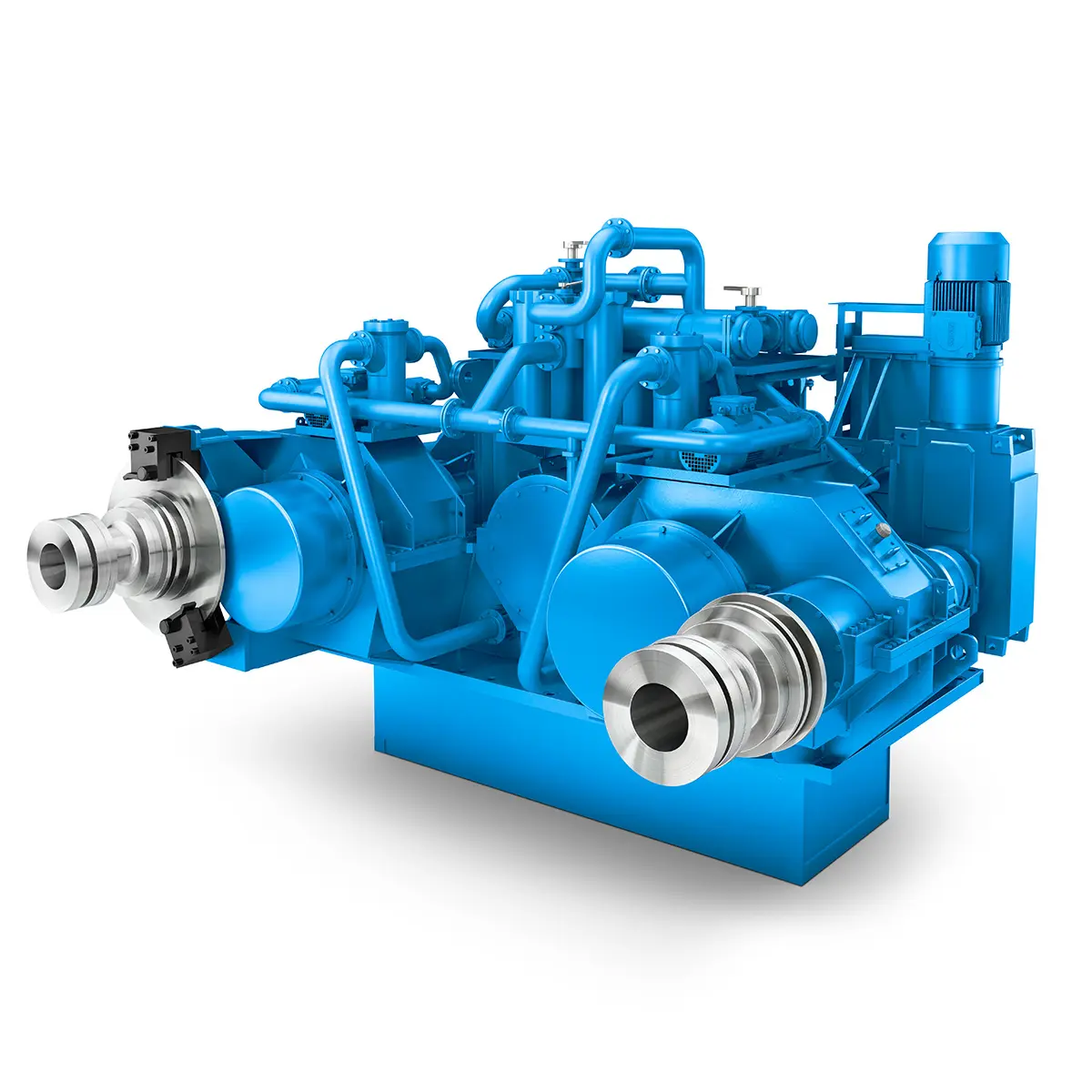
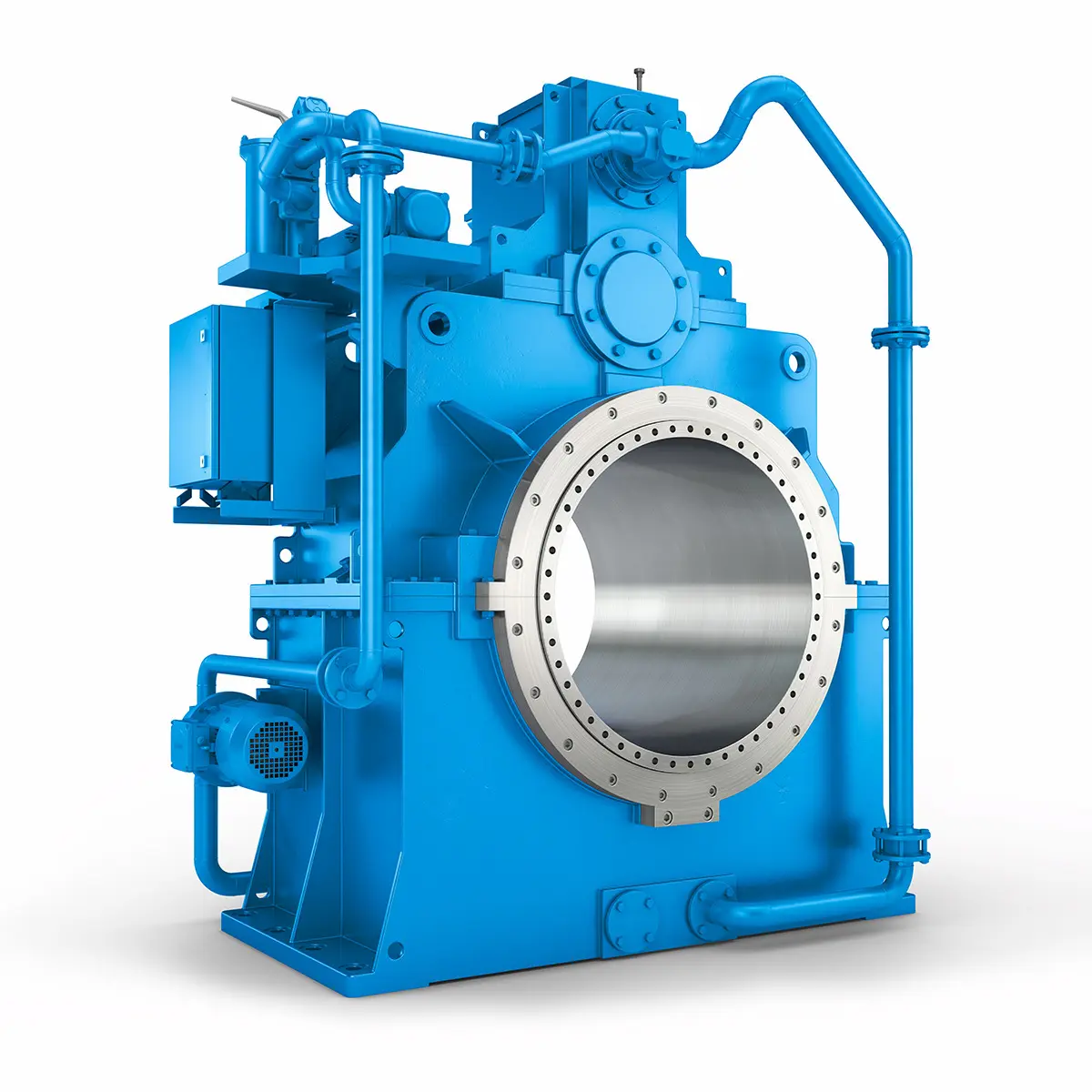
FLENDER Gear Unit
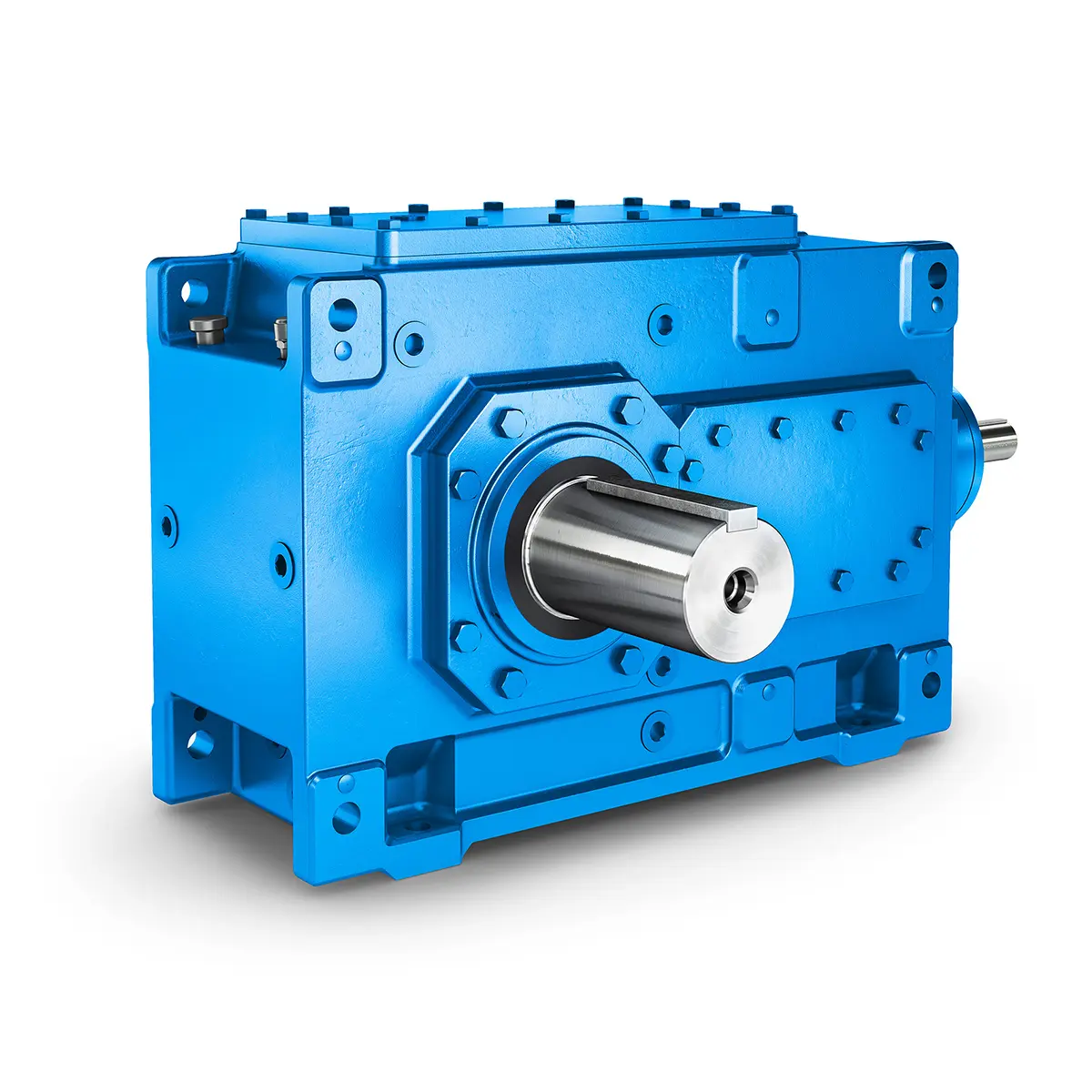
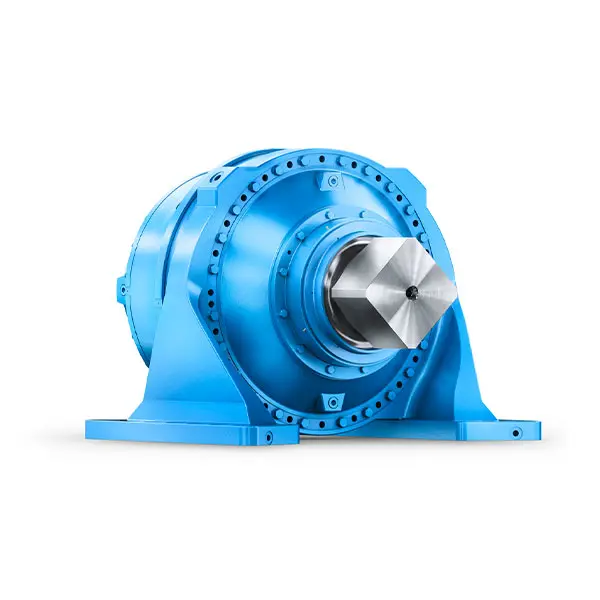
FLENDER Helical Gear Unit
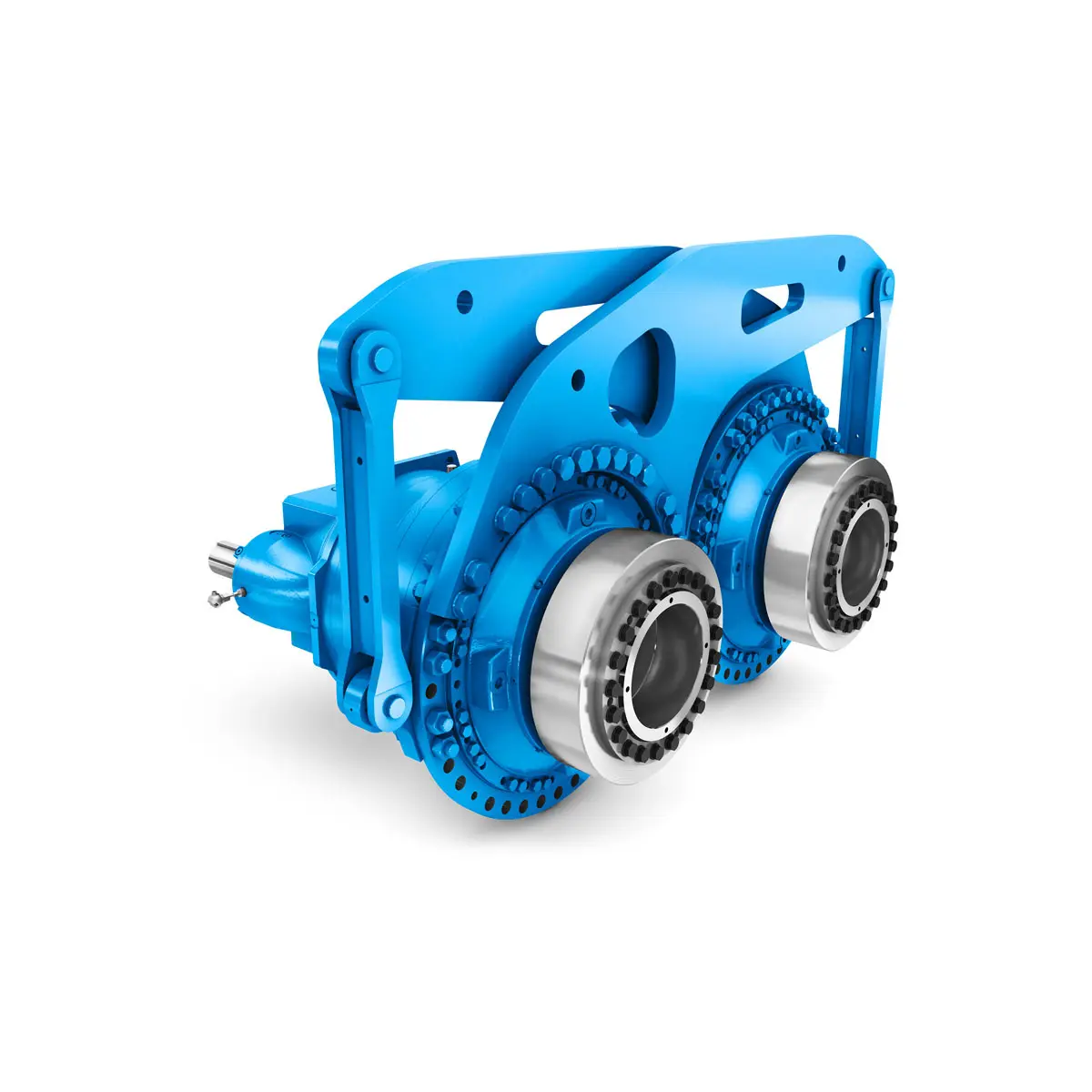
Flender gear units for lifting and luffing gears
FLENDER Gear Unit gearunit gearbox
Optimal Drive Solution For Maximum Performance
Strongly operating against biodegradable constituents
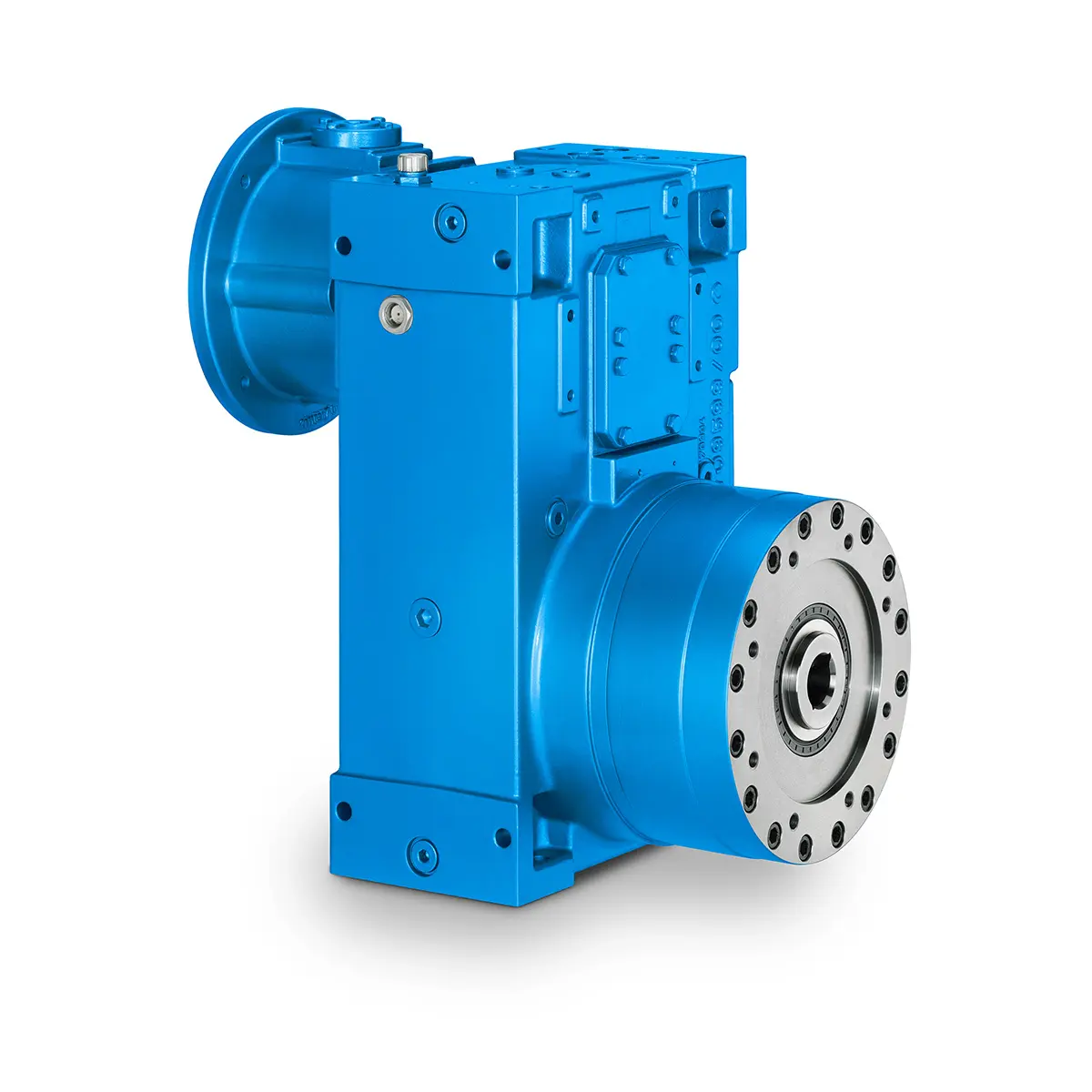
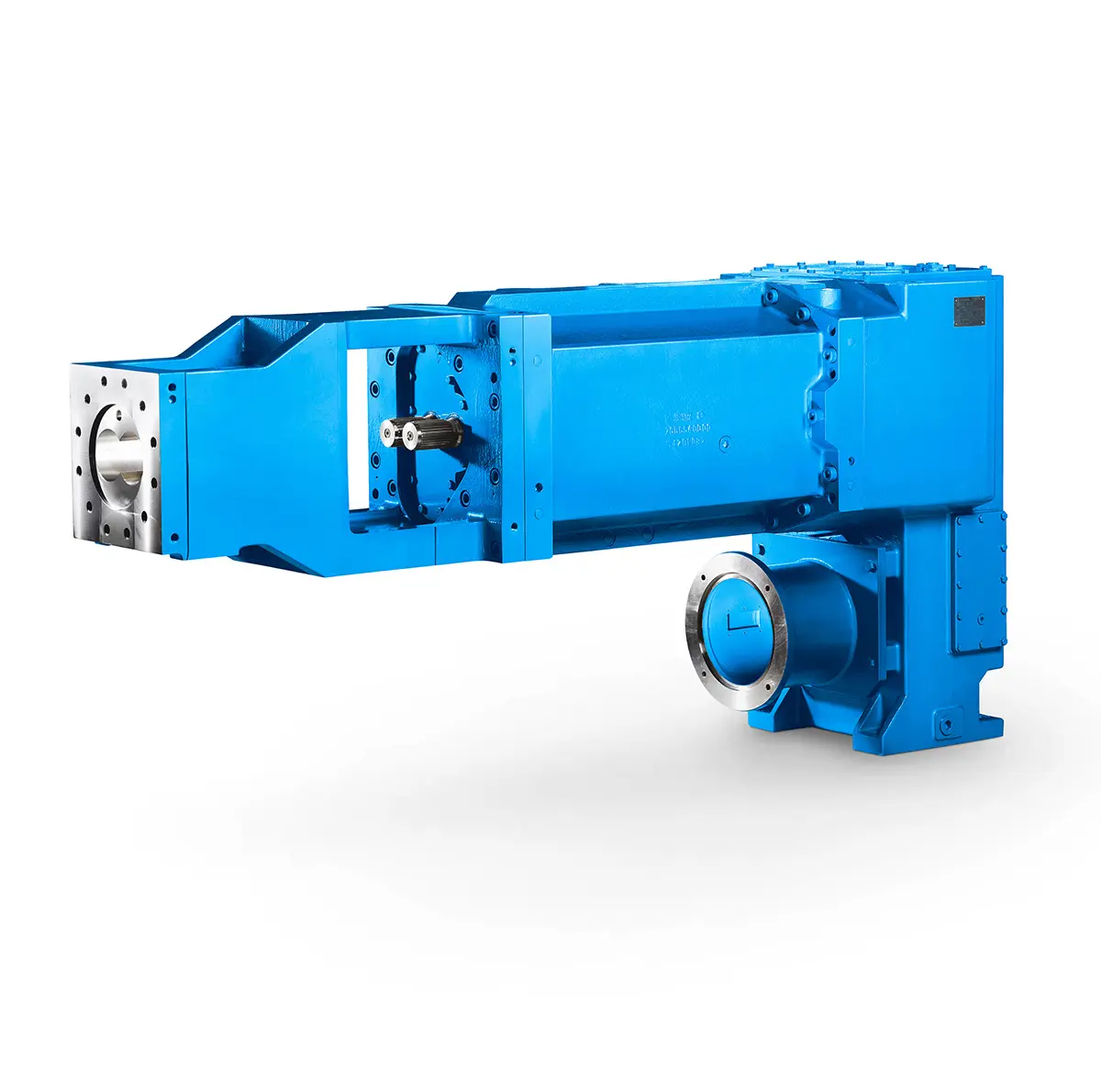
SINGLE SCREW Special industry dedicated gearunit gearbox
Playmaker In The Premium League
Conveyor belts gearunit gearbox
Paper And Pulp Preparation Sections
Operational Reliability Even In Case Of The Highest Ventilation Forces
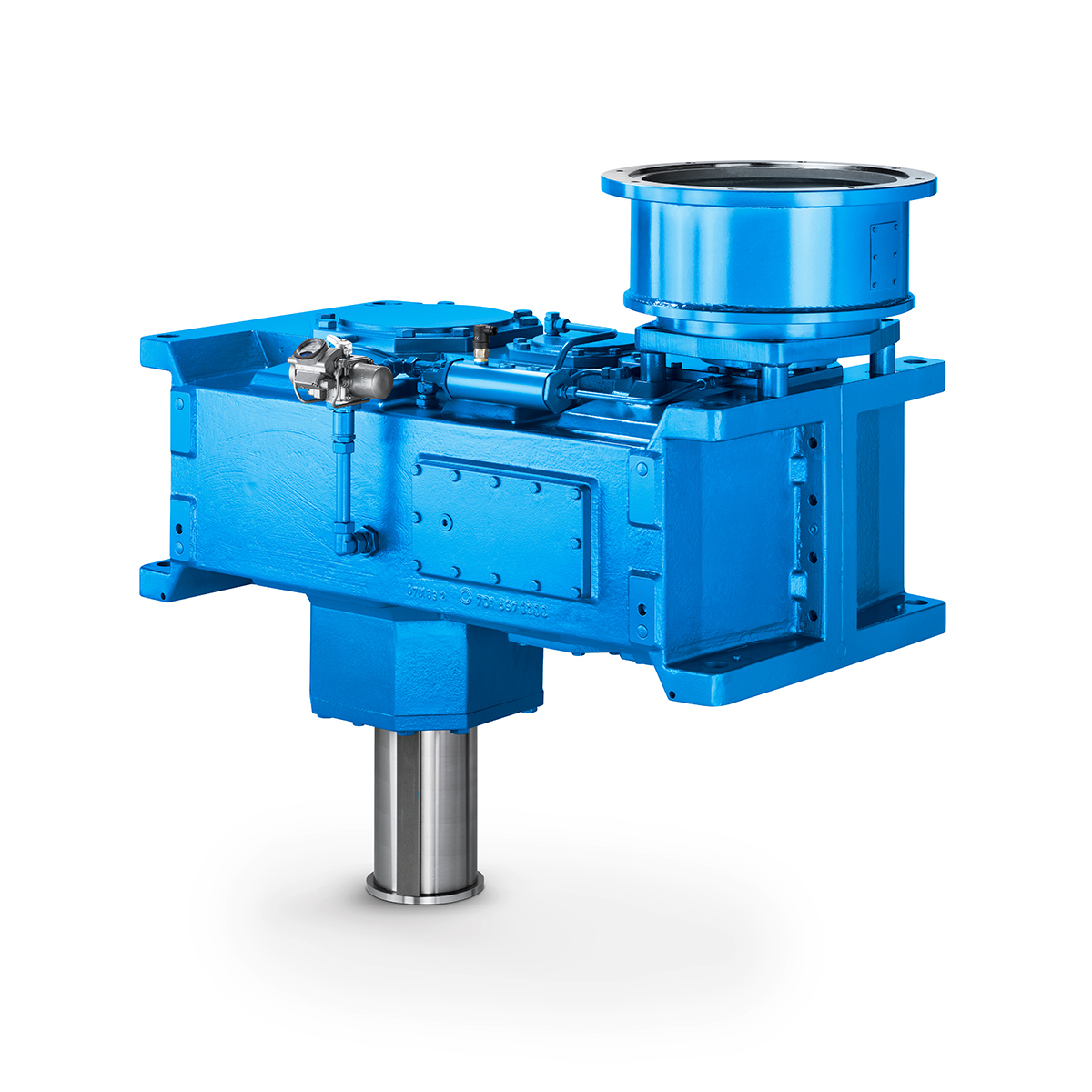
Reliable Gear Units For High Performance Vertical Conveyors 59/200
Maximum power density – PLANUREX 3 L individual drives for your sugar cane mill
The proven all rounder gearunit gearbox
Stirs and stirs and stirs gearunit gearbox
Flexibility on Board gearunit gearbox
The right gearbox for all Multi-Engine Ships
Reliable Power Generation on board
Maximum performance level, fast deliverable
Efficient and compact – FLENDER Gear Units for Sugar Mills
Extremely strong. Extremely compact. Extremely stressable.
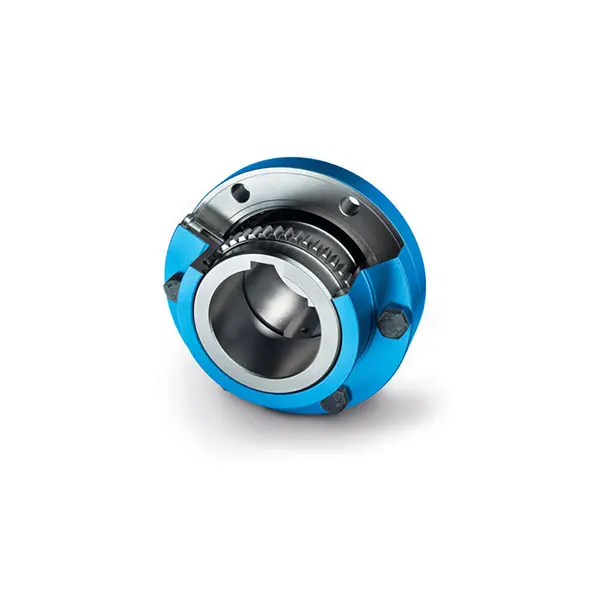
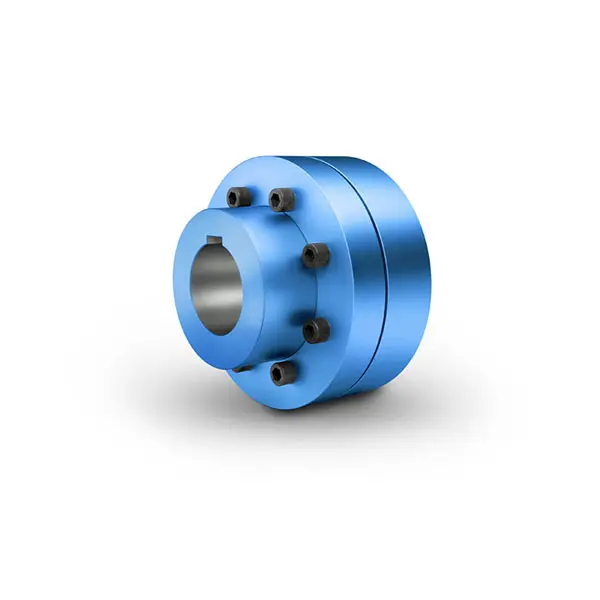
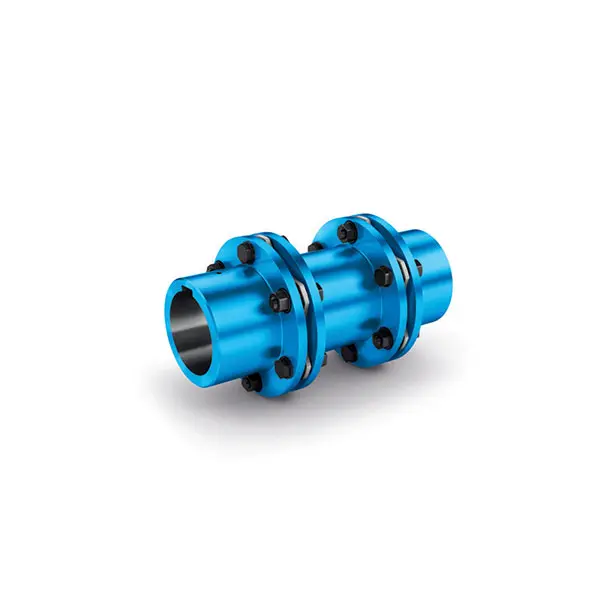
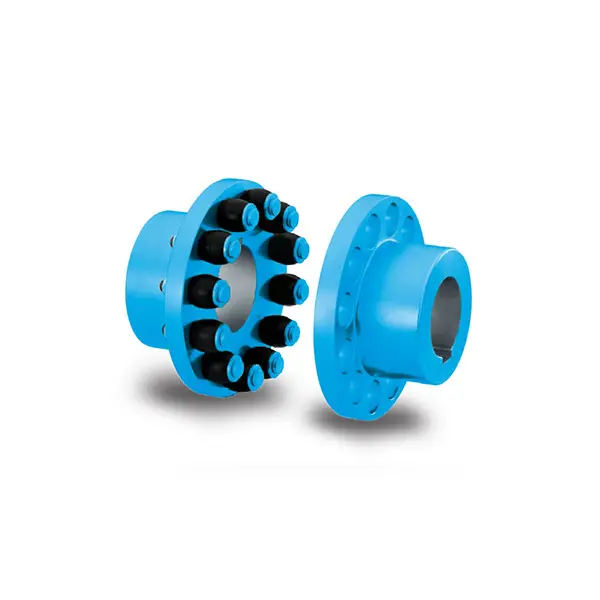
FLENDER Coupling
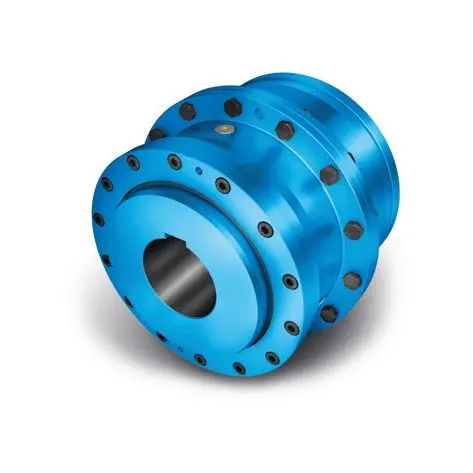
ZAPEX ZW Torsionally Rigid Gear Coupling
ZAPEX ZN Torsionally Rigid Gear Coupling
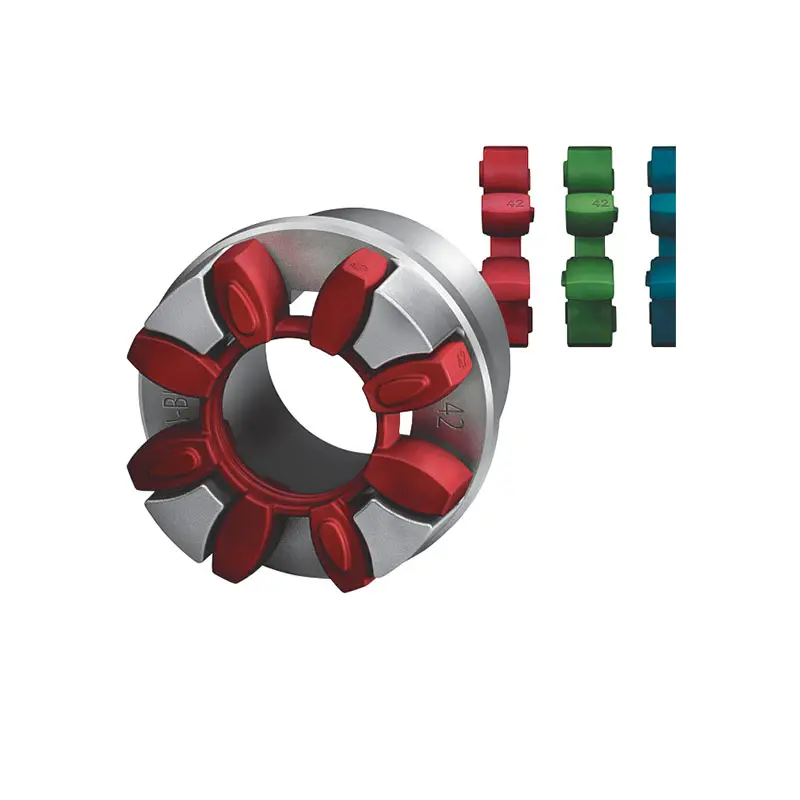
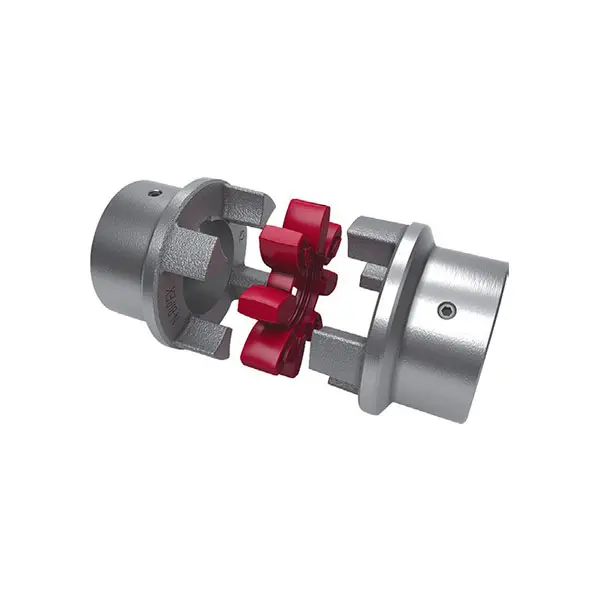
N-EUPEX Flexible high performance Coupling
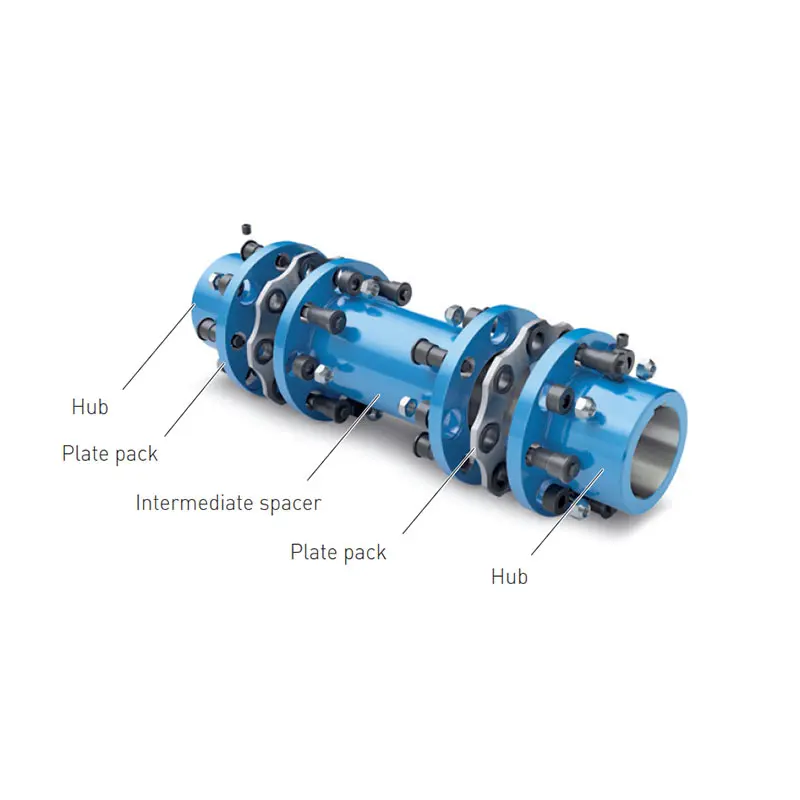
N-ARPEX Torsionally Rigid All-Steel Coupling
ARPEX Torsionally Rigid All-Steel Coupling Spare and Parts
N-EUPEX DS Flexible High Performance Coupling
RUPEX Flexible high performance Coupling
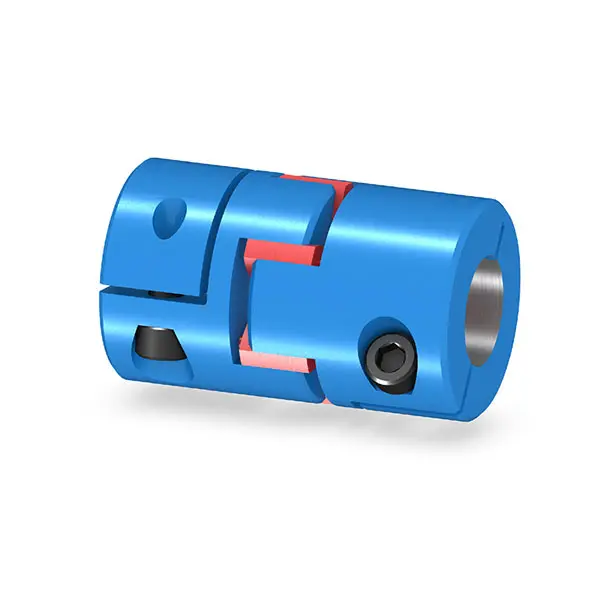
N BIPEX Flexible high performance coupling
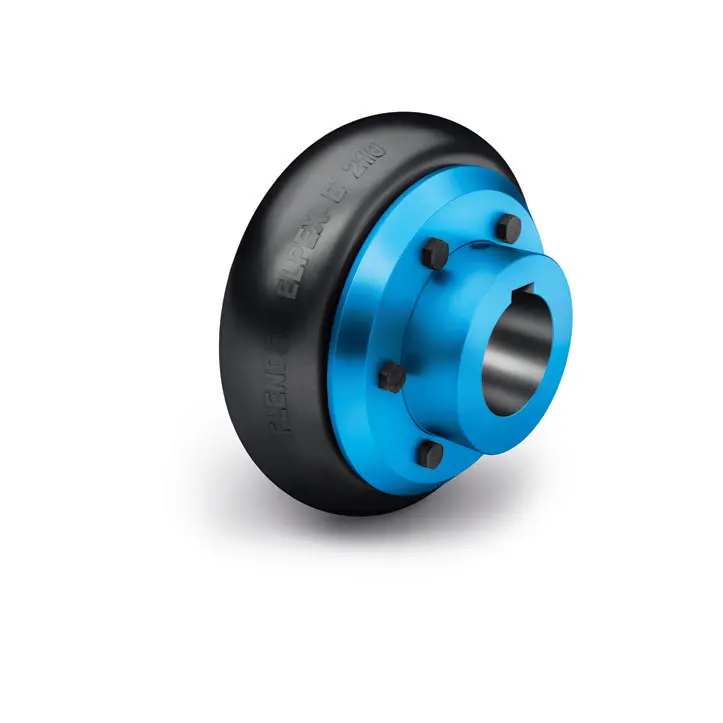
ELPEX B Highly Flexible Coupling
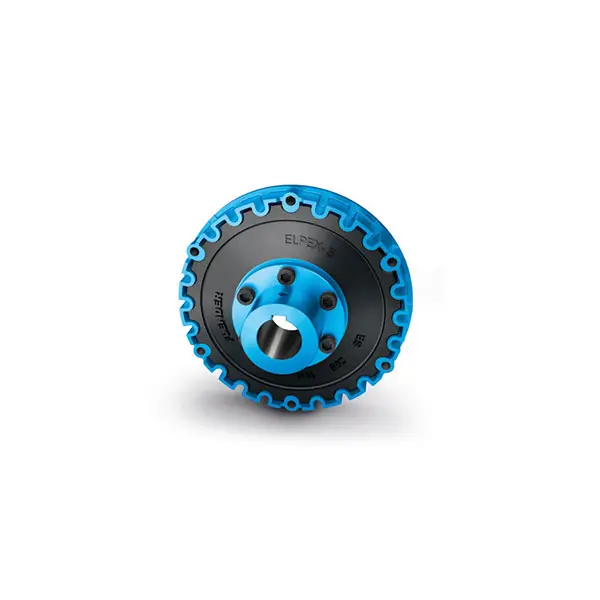
ELPEX S Highly Flexible Coupling high performance
ELPEX Highly Flexible Coupling high performance
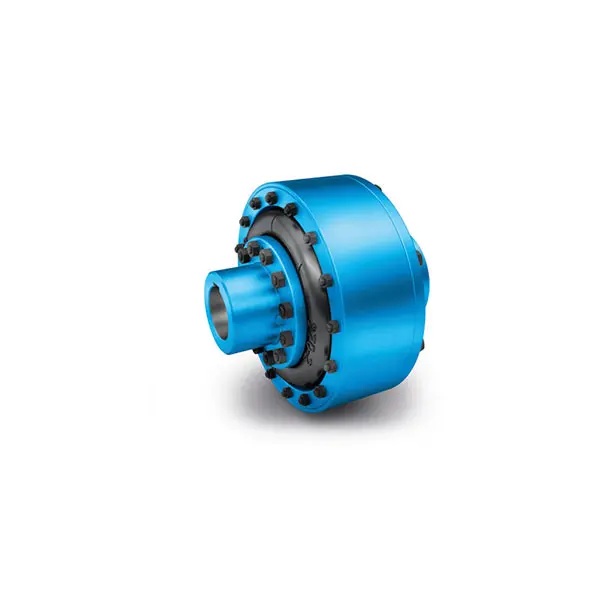
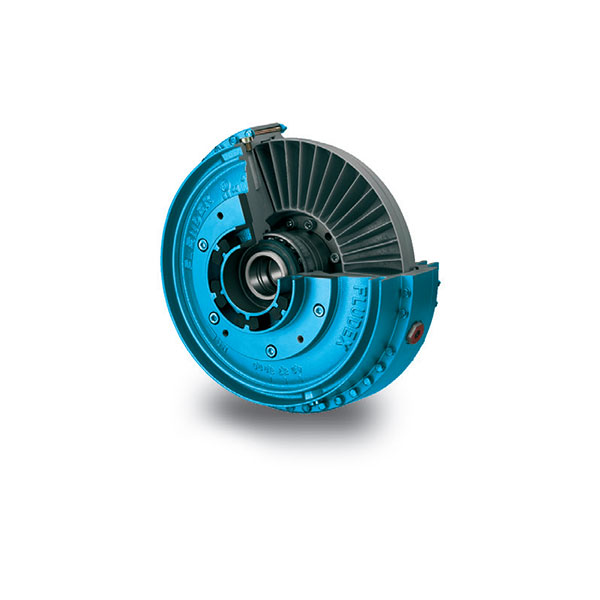
FLUDEX Fluid Coupling high performance
SIPEX Backlash free Coupling high performance
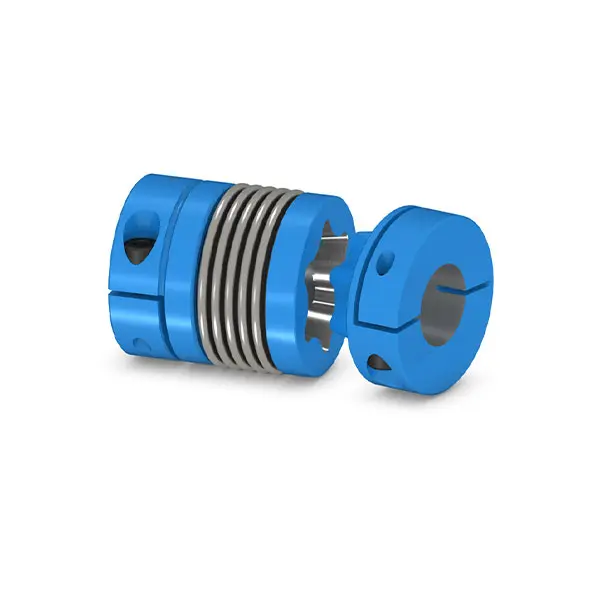
BIPEX S Backlash free Coupling high performance
FLENDER Coupling Spare Parts high performance
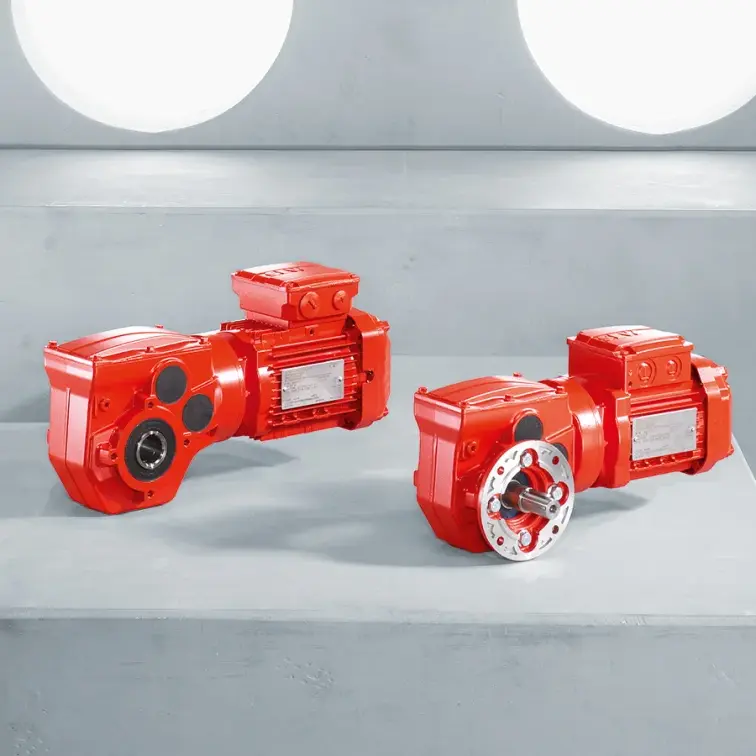
SEW Gearmotor
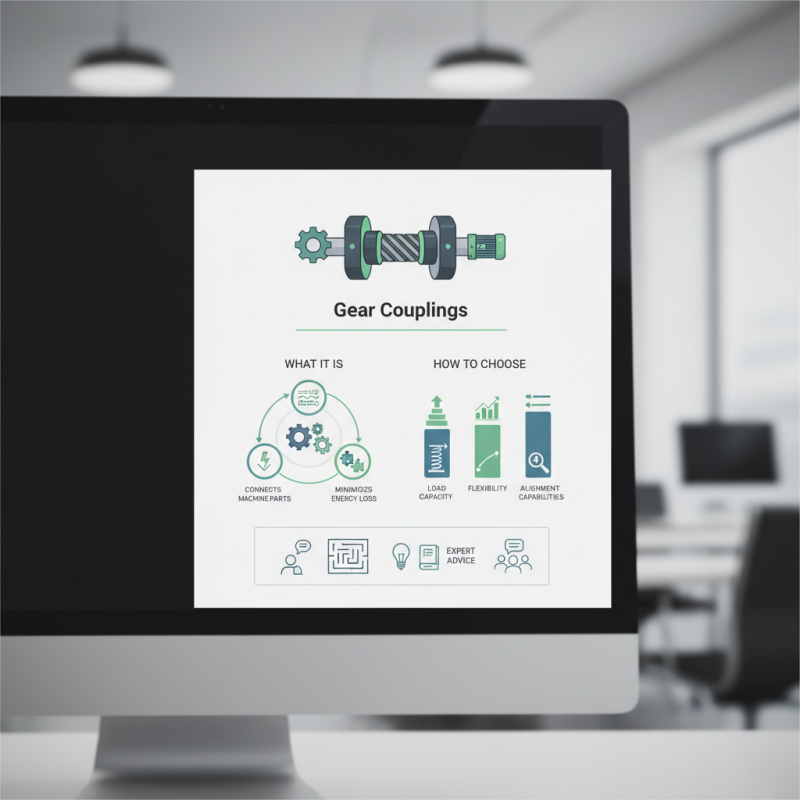
When considering mechanical power transmission, choosing the right component is critical. Gearflendercoupling plays a vital role in ensuring smooth operation. These couplings connect different machine parts while minimizing the loss of energy. Understanding their features can lead to better performance and longevity in various applications.
Selecting the best Gearflendercoupling involves knowledge of several factors. The load capacity, flexibility, and alignment capabilities must be assessed. Each application may present unique challenges. An improper choice can lead to inefficiencies and potential failures.
Some users may find the selection process daunting. Seeking expert advice can help clarify which type best suits specific needs. Often, the experience shared by practitioners can guide others toward a more successful outcome. An informed choice can greatly enhance operational reliability and equipment efficiency.
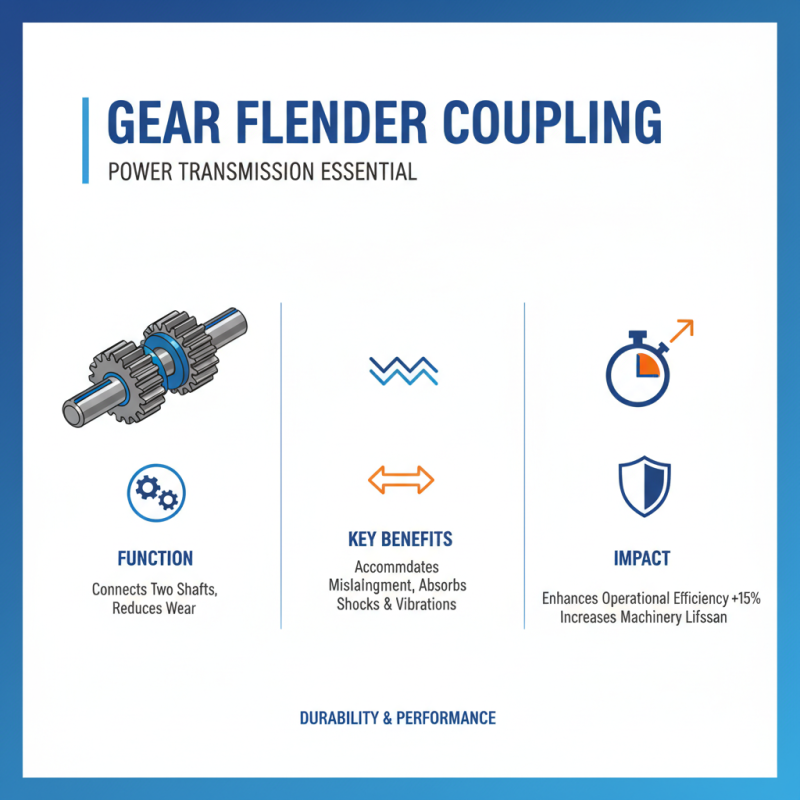
Gear Flender coupling is essential in power transmission. It connects two shafts effectively, reducing wear and tear. This coupling type serves to accommodate misalignment, absorbing shocks and vibrations. The durability of gear couplings is significant, improving the overall lifespan of machinery. Research shows that proper coupling can enhance operational efficiency by up to 15% under ideal conditions.
The functionality of Gear Flender coupling lies in its design. It consists of gear teeth that mesh, providing robust torque transfer between shafts. Many industries utilize these couplings, including manufacturing and construction. According to the American Gear Manufacturers Association, proper gear alignment can prevent up to 50% of mechanical failures. Despite their advantages, selecting the right type of coupling is critical, as miscalculations can lead to operational inefficiencies and increased maintenance costs.
Understanding specific requirements is vital. Consider load capacity, speed, and environmental conditions when selecting a coupling. Not all applications will benefit from a gear coupling. Some setups may need flexible couplings instead. Industry reports indicate that misuse of gear couplings is common, often due to inadequate analysis of the operational environment. It's important to continuously reassess applications to ensure optimal coupling performance.
Gear Flender couplings are essential components in mechanical systems. They provide flexible connections between rotating shafts. In the market, several types of Gear Flender couplings are available, each suitable for different applications. These include parallel, angular, and axial misalignment types. The choice of coupling affects efficiency and performance.
In recent industry reports, nearly 35% of downtime in machinery can be attributed to misalignment issues. Thus, selecting the right coupling is critical. For applications requiring high torque, gear couplings are recommended. They offer durability and can withstand heavy loads. On the other hand, elastomeric couplings are often preferred for their vibration-damping properties. They can absorb shocks and are ideal for high-speed operations.
Consider the specifics of your application. The operating environment plays a key role in coupling selection. For instance, corrosive environments demand couplings with protective coatings. Attention to factors like shaft diameter and torque requirements is necessary. A mismatch can lead to premature failure. The decision is not always straightforward; reflect on the long-term implications of your choice. An informed selection process can minimize maintenance costs and increase operational reliability.
When selecting Gear Flender Couplings, several factors warrant careful consideration. One primary aspect is the torque requirements of your application. Verify how much torque is needed for efficient operation. This will help in identifying a coupling that can handle that load without failure.
Another critical factor is the alignment between connected shafts. Misalignment can lead to premature wear or breakage. Assess shaft misalignment tolerances to ensure you choose a coupling that can accommodate these variations.
**Tips:** Consider vibration levels in your machinery. High vibrations can strain couplings, affecting their performance. Evaluate the environment too. The presence of dust, moisture, and chemicals can influence the materials and design you choose.
Lastly, pay attention to maintenance needs. Some couplings require regular inspection and lubrication. Others may be designed for minimal upkeep. Understanding this can save time and cost in the long run. Opting for low-maintenance options might be smarter in demanding applications.
| Factor | Description | Examples |
|---|---|---|
| Load Capacity | The maximum load that the coupling can transmit without failure. | Light, Medium, Heavy Duty |
| Speed Rating | The maximum speed at which the coupling can operate effectively. | Up to 3000 RPM, 3000 to 6000 RPM, Above 6000 RPM |
| Temperature Range | The operational temperature range suitable for the coupling's materials. | -40°C to 60°C, 60°C to 100°C, 100°C to 150°C |
| Material | The material the coupling is made from, which affects its durability and performance. | Aluminum, Steel, Plastic |
| Ease of Installation | How easy it is to install the coupling in a system. | Simple, Moderate, Complex |
| Maintenance Requirements | The level of maintenance needed to keep the coupling functioning properly. | Low, Moderate, High |
| Alignment Types | The types of shaft alignment supported by the coupling. | Angular, Parallel, Combination |
| Vibration Dampening | The coupling's ability to absorb vibrations during operation. | Yes, No |
Gear Flender couplings offer numerous advantages that make them a preferred choice in various industrial applications. One of the most significant benefits is their ability to accommodate misalignment. In real-world scenarios, misalignment can occur due to thermal expansion or mechanical wear. According to industry reports, up to 30% of machinery failures stem from misalignment issues. Gear Flender couplings can handle such misalignments without compromising performance, thus enhancing overall system reliability.
Moreover, these couplings are known for their high torque capacity. They efficiently transmit power between shafts while minimizing energy loss. Research indicates that systems using Gear Flender couplings can achieve up to a 10% increase in efficiency compared to traditional coupling methods. This efficiency translates to lower energy costs and reduced wear on connected components. Implementing them in machinery can lead to longer service life and less frequent maintenance, which is crucial for maintaining productivity in a competitive market.
However, selecting the right type of Gear Flender coupling can be challenging. Factors such as application load, speed, and environmental conditions must be considered. Missteps in the selection process can lead to operational inefficiencies and increased downtime. It’s imperative to evaluate the specific requirements carefully, as a mismatched coupling can contribute to mechanical failure and costly repairs in the long run.
Proper maintenance of Gear Flender couplings is crucial for their longevity and efficiency. Regular inspections can help detect wear and tear early. Reports indicate that improper maintenance can lead to a 30% increase in failure rates. Daily monitoring of alignment and lubrication levels is essential. Using the correct lubricant reduces friction and heat, which enhances lifespan significantly.
Another important aspect is the environmental conditions. Gear Flender couplings exposed to extreme temperatures can deteriorate faster. A study found that exposure to high humidity levels can decrease lifespan by up to 25%. Keeping the coupling clean and free from debris is vital. Dirt accumulation can cause premature failure.
Training staff on proper coupling care is often overlooked. Many technicians lack the knowledge of best practices. Basic education can drastically lower maintenance costs. Engaging with industry guidelines can enhance reliability. Small adjustments and careful observation can lead to significant improvements in performance and durability.