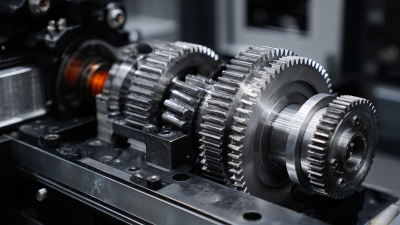
What is a Planetary Reducer and How Does it Work?
A Planetary Reducer is a crucial component in various mechanical systems. It is designed to reduce the speed of an input shaft while increasing torque. This function makes it essential in applications such as robotics and manufacturing. Understanding how a Planetary Reducer operates can enhance both efficiency and productivity.
The design typically involves a central sun gear, planetary gears, and a ring gear. Each component plays a significant role in the gear train. The interaction between these gears allows for smooth transmission of power. However, not all designs are flawless. Some may face wear and tear due to prolonged use, leading to operational inefficiencies.
It is vital to select a high-quality Planetary Reducer for specific applications. Understanding the intricacies can help prevent costly downtime. Proper maintenance and regular inspections ensure optimal functioning. Ultimately, a well-chosen Planetary Reducer can bring remarkable benefits to various engineering fields.

What is a Planetary Reducer?
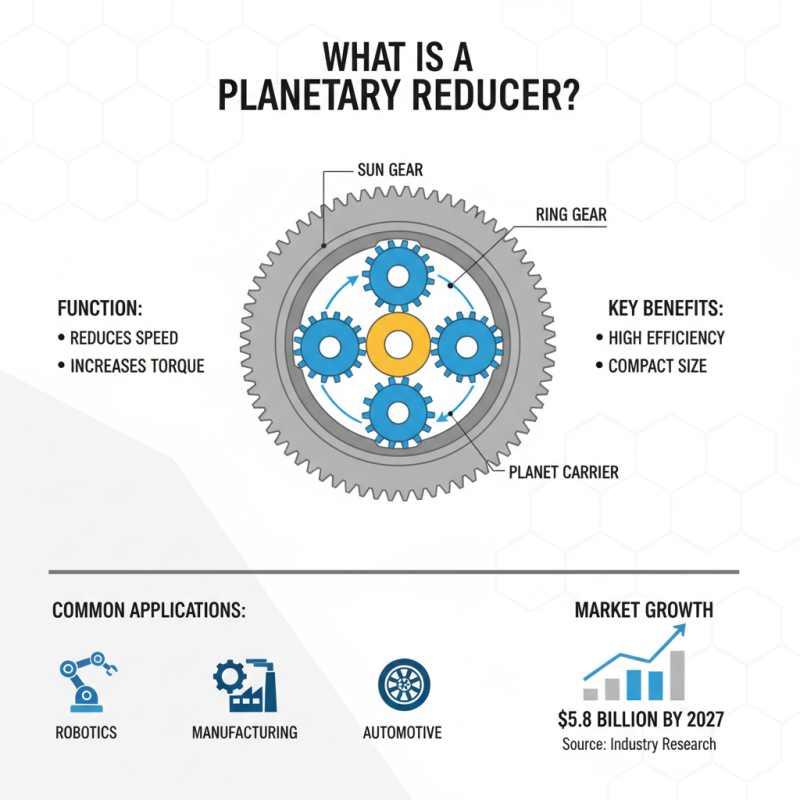
A planetary reducer, also known as a planetary gear reducer, is an essential component in many mechanical systems. It uses a set of gears to reduce speed and increase torque. This design allows for high efficiency and compact size, making it popular in robotics, manufacturing, and automotive applications. According to industry research, the planetary gearbox market is expected to reach $5.8 billion by 2027, demonstrating its growing importance.
The core operation of a planetary reducer involves three main components: the sun gear, planet gears, and the ring gear. These gears work together to create a stable torque output while reducing the input speed. This configuration not only enhances performance but also contributes to longer equipment life. In practical terms, a 3:1 ratio means that the output speed is one-third of the input speed, elevating torque by three times. However, achieving optimal performance requires careful selection of materials and precise engineering.
Despite their advantages, planetary reducers can present challenges. Variations in load and speed can lead to wear and tear over time. Additionally, inadequate lubrication may cause increased friction, impacting efficiency. It is critical to monitor these systems regularly to avoid costly breakdowns. Ensuring the right setup and maintenance can significantly extend the lifespan of these reducers.
Key Components of a Planetary Reducer
Planetary reducers are essential components in various mechanical systems. They enhance torque while significantly reducing speed. A planetary reducer typically consists of three main components: the sun gear, planet gears, and the ring gear. Each has a specific role in achieving efficiency.
The sun gear is at the center. It drives the system by rotating and engaging with the planet gears. These planet gears rotate around the sun gear while also engaging with the stationary ring gear. This interaction creates a compact design, allowing for high torque transfer in a smaller footprint. According to industry reports, a planetary gear system can offer up to a 97% efficiency rate under optimal conditions.
Another crucial part is the gear ratio. The gear ratio determines the speed reduction and torque increase. For example, a common gear ratio of 4:1 allows for four times the torque output while reducing speed to a quarter of the input. However, manufacturers must consider factors such as wear and material fatigue, which can affect longevity and performance. Proper maintenance is vital to address these challenges and ensure reliability.
How Does a Planetary Reducer Function?
Planetary reducers are essential components in machinery, found in robotics and various industrial applications. They help in reducing speed while increasing torque. This is achieved through a system of gears arranged in a planetary configuration. The design allows for multiple gears to operate simultaneously, distributing load evenly and enhancing efficiency.
The functioning of a planetary reducer involves several key parts: the sun gear, planet gears, and the ring gear. The sun gear is driven by the input motor. As it turns, the planet gears rotate around it, engaging with the ring gear on the outer rim. This interaction results in reduced output speed and increased torque. When correctly calibrated, they can significantly improve machine performance. However, engineering variations in these systems can lead to inefficiencies or failures. Fine-tuning requires skill and experience in gear ratios and material selection.
Understanding the mechanics of planetary reducers provides insight into their reliability. Each configuration may have unique characteristics. Addressing inefficiencies often involves trial and error. Incorrect gear sizes or misalignment can cause problems. Regular maintenance becomes crucial for optimal functionality. Analyzing performance metrics helps identify trends that indicate needed adjustments.
Planetary Reducer Efficiency Chart
This chart displays the torque efficiency of a planetary reducer at different speed levels. As the speed increases, the efficiency tends to decrease, highlighting the performance characteristics of planetary reducers in various applications.
Applications of Planetary Reducers in Industries
Planetary reducers play a crucial role in various industries, notably in robotics and manufacturing. These devices are engineered to reduce speed while increasing torque, which is essential for precise operations. For instance, in automation, robotic arms require exact movements to perform tasks efficiently. A study by Research and Markets estimates the global planetary gearbox market will reach $7.1 billion by 2025, highlighting its increasing demand.
In the automotive sector, planetary reducers are equally important. They enhance the performance of electric vehicles by improving efficiency. The International Energy Agency reported that electric vehicle sales surged by 40% in 2020 alone. This surge indicates a growing reliance on technologies that optimize performance and energy consumption. However, the complexity in integrating these reducers can sometimes lead to inefficiencies or increased maintenance needs, raising questions about their long-term sustainability.
Manufacturing industries also leverage planetary reducers for conveyor systems and material handling. These applications require reliable equipment that can withstand heavy loads. According to a recent market analysis, 65% of manufacturers report that equipment downtime is a significant concern. While planetary reducers can mitigate some of these issues, factors such as installation errors and incorrect sizing can lead to performance setbacks. Industry professionals must continually evaluate these systems for optimal operation.
Advantages of Using Planetary Reducers Over Other Gear Systems
Planetary reducers stand out as a preferred choice in industrial applications. Their unique design allows for compactness and high efficiency. Unlike traditional gear systems, they distribute load evenly across the gears. This minimizes wear and tear, leading to longer life spans. Additionally, they can provide high torque outputs while maintaining a smaller size.
These systems excel in applications where space is a premium. They’re often found in robotics, automotive, and aerospace industries. The ability to achieve significant speed reduction with precision is a key advantage. Users often find them easier to integrate due to their modular nature. However, there may be challenges during installation and alignment that require attention.
While the efficiency is clear, the initial cost can be higher than simpler gear systems. It’s important to weigh the long-term benefits against upfront investments. Not every project may require such advanced technology. Understanding specific needs can prevent over-engineering. Planetary reducers offer distinct advantages, but they require careful consideration before use.

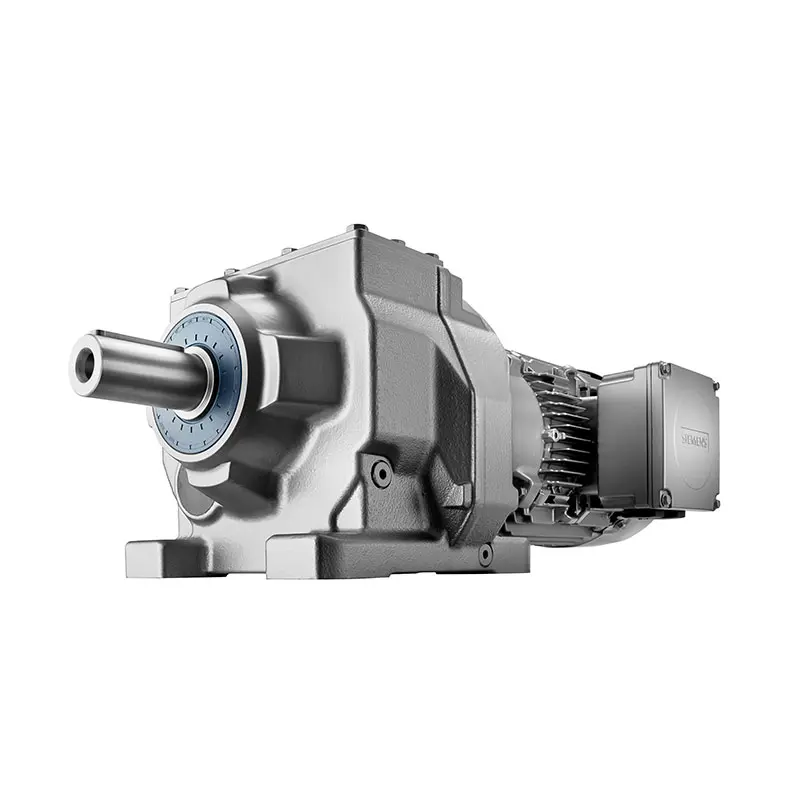 SIEMENS Helical Gearmotor Low Voltage
 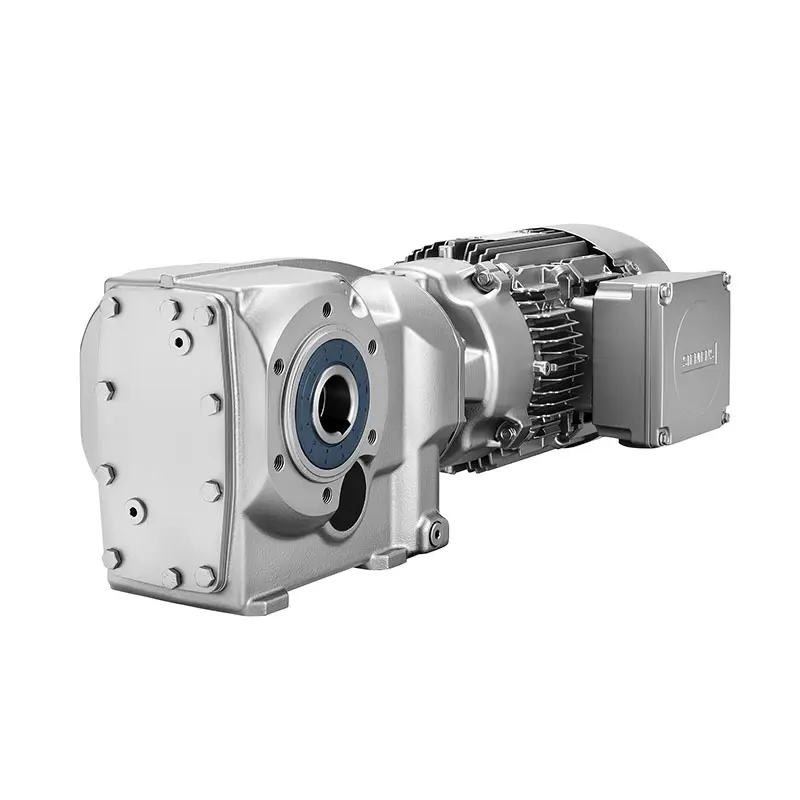 SIEMENS Bevel Helical Gearmotor
 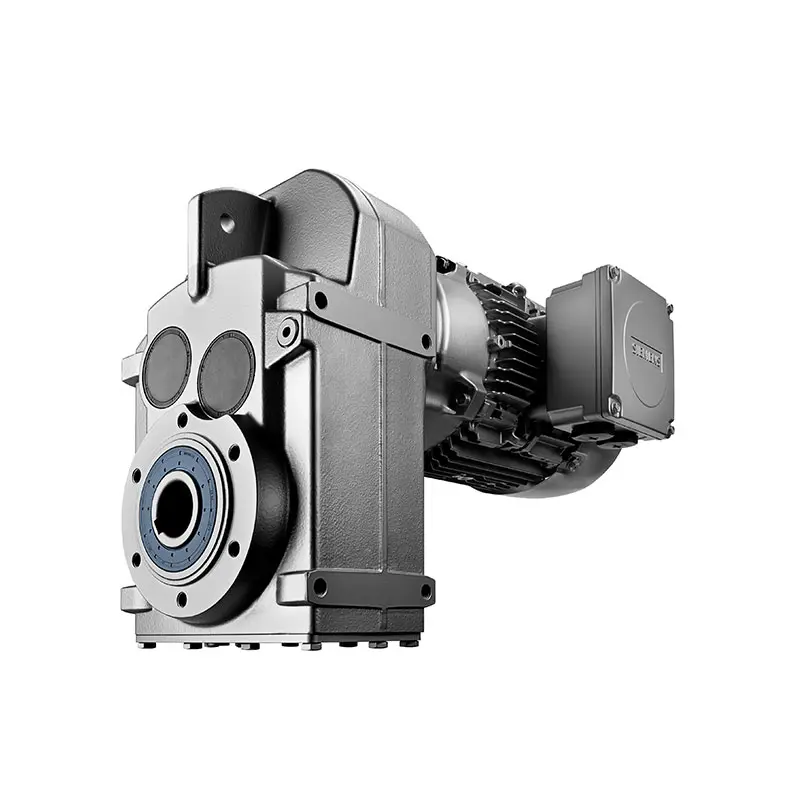 SIEMENS Parallel Shaft Gearmotor
 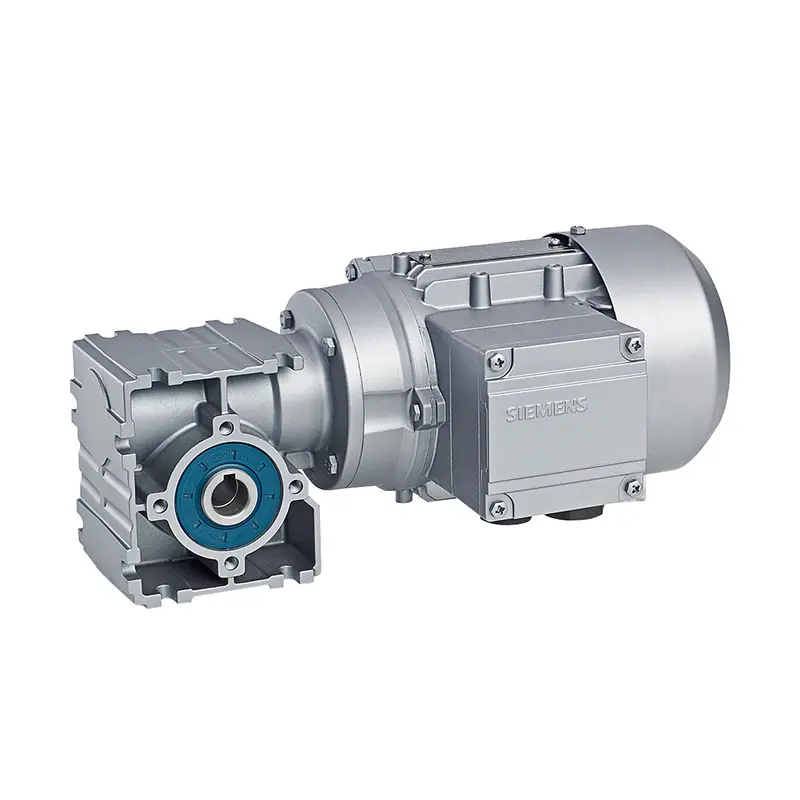 SIEMENS Worm Gearmotor Low Voltage
 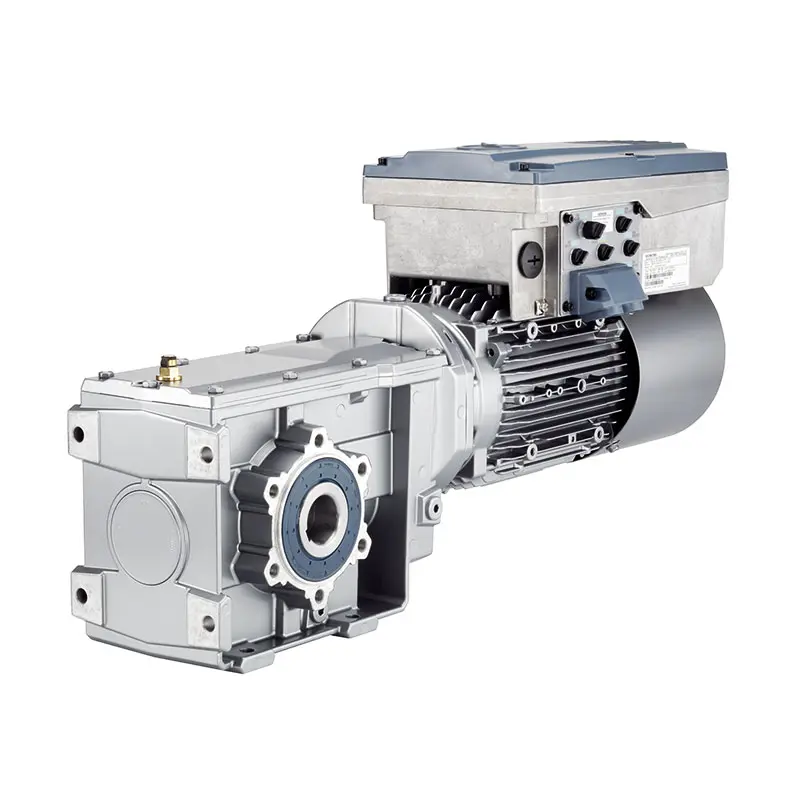 SIEMENS With Servo Motor Gearmotor
 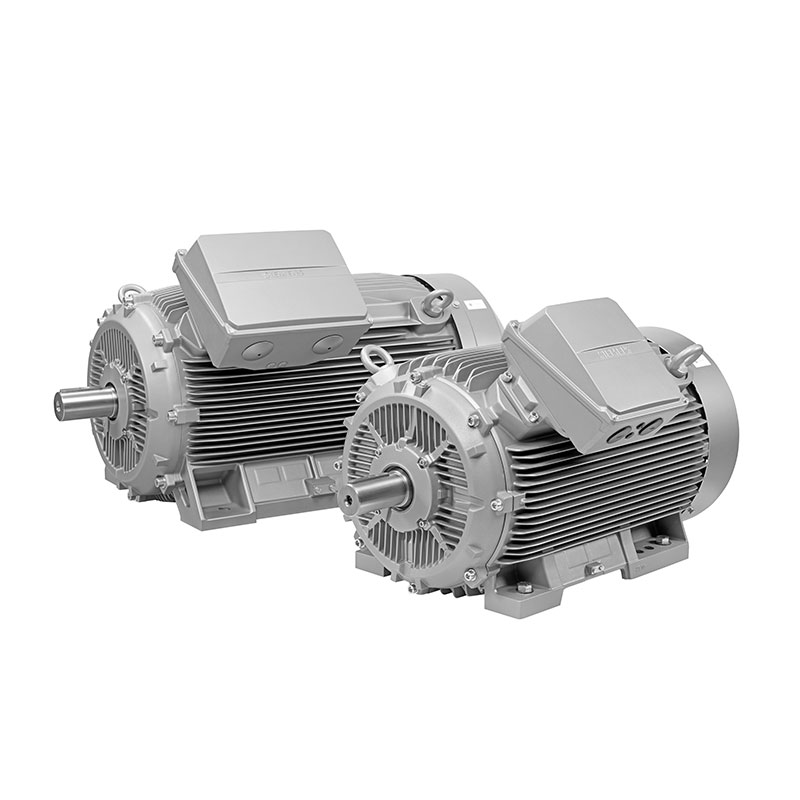 SIEMENS Low Voltage Motor Low Voltage
 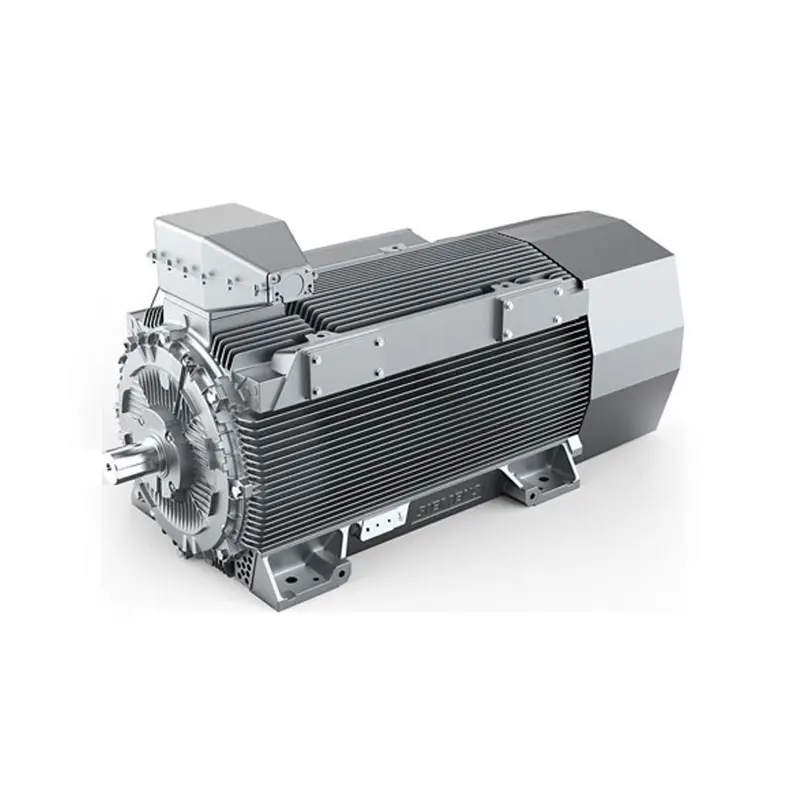 SIEMENS High Voltage Motor Low Voltage
 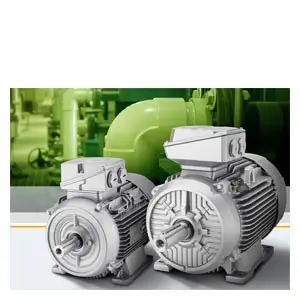 SIEMENS Marine Motor Low Voltage
 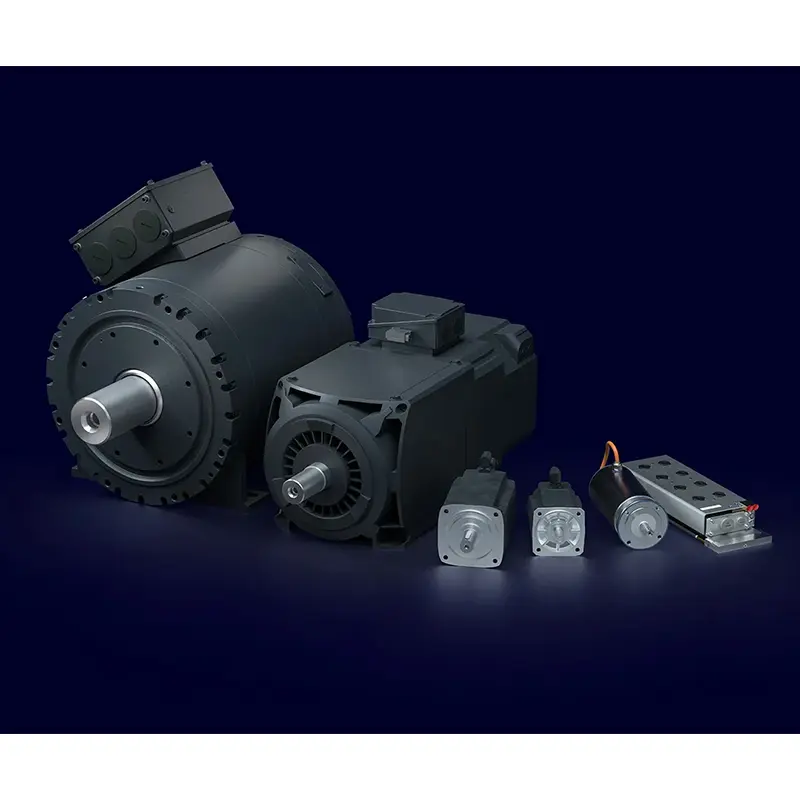 SIEMENS Servo Motor Low Voltage
 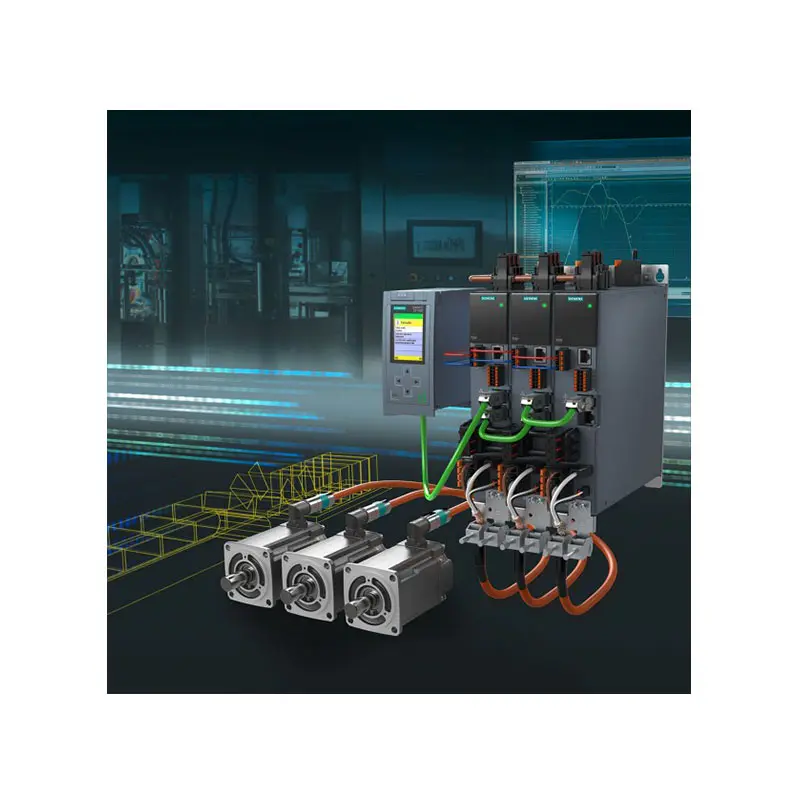 SIEMENS SINAMICS S210 Low Voltage
 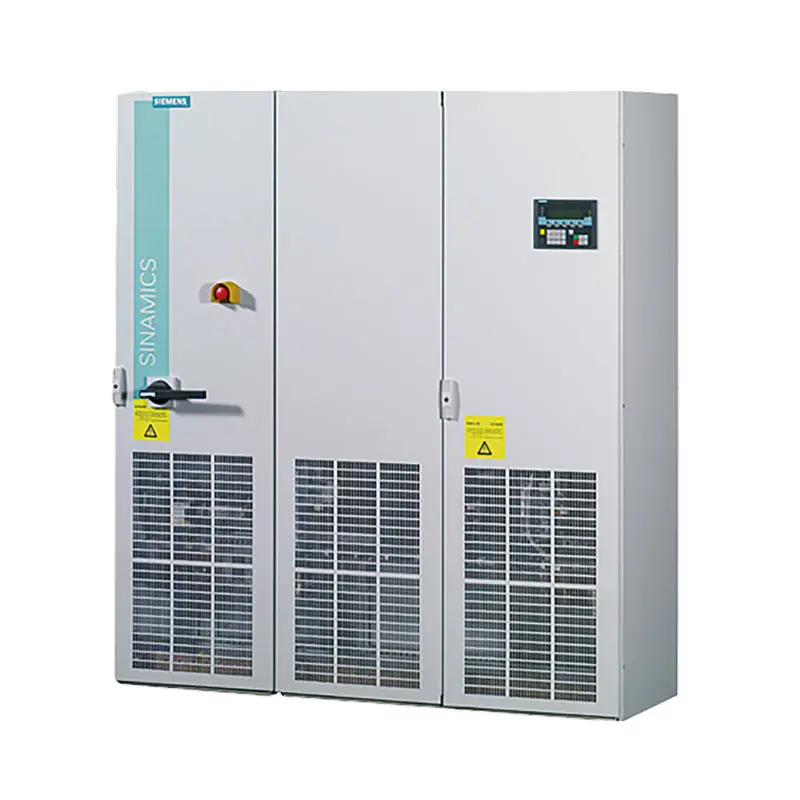 SIEMENS SINAMICS S150 Low Voltage
 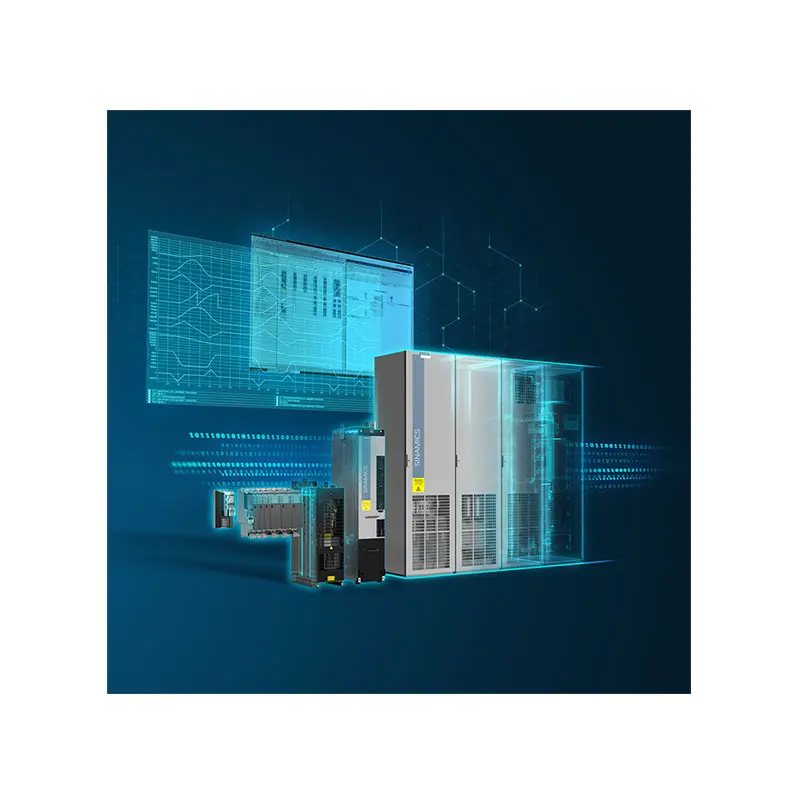 SIEMENS SINAMICS S120 Low Voltage
 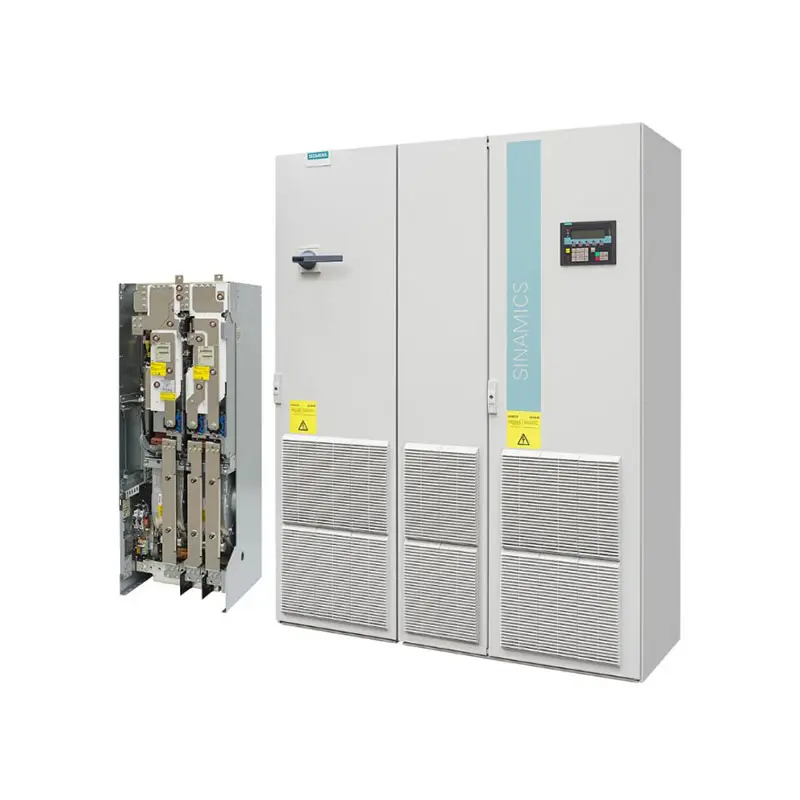 SIEMENS SINAMICS G130/G150
 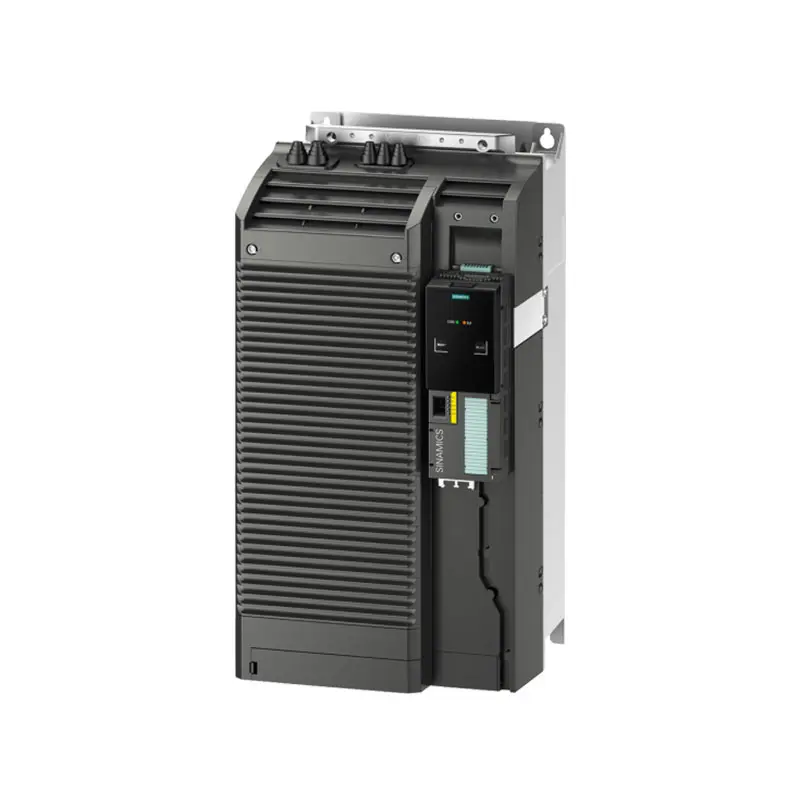 SIEMENS SINAMICS G120 Low Voltage
 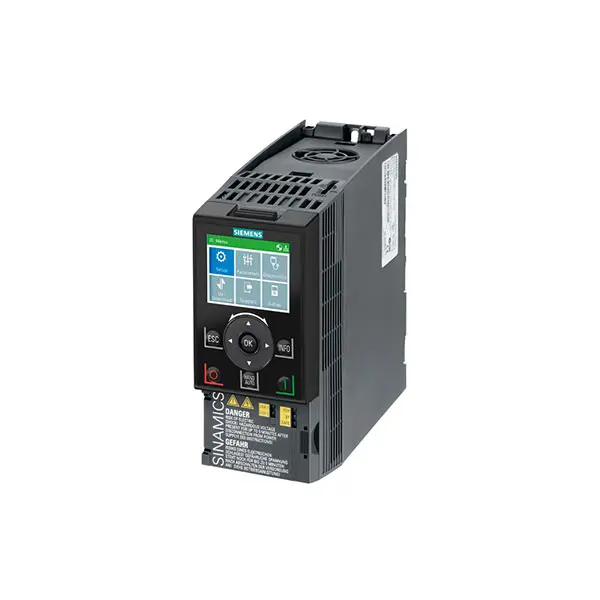 SIEMENS SINAMICS G120C Low Voltage
 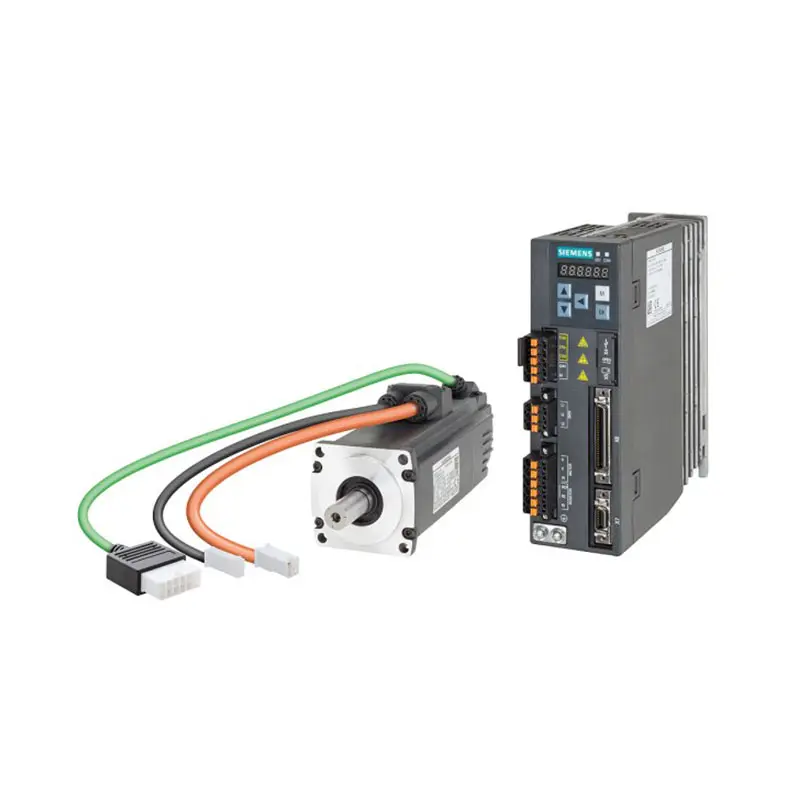 SIEMENS SINAMICS V90
 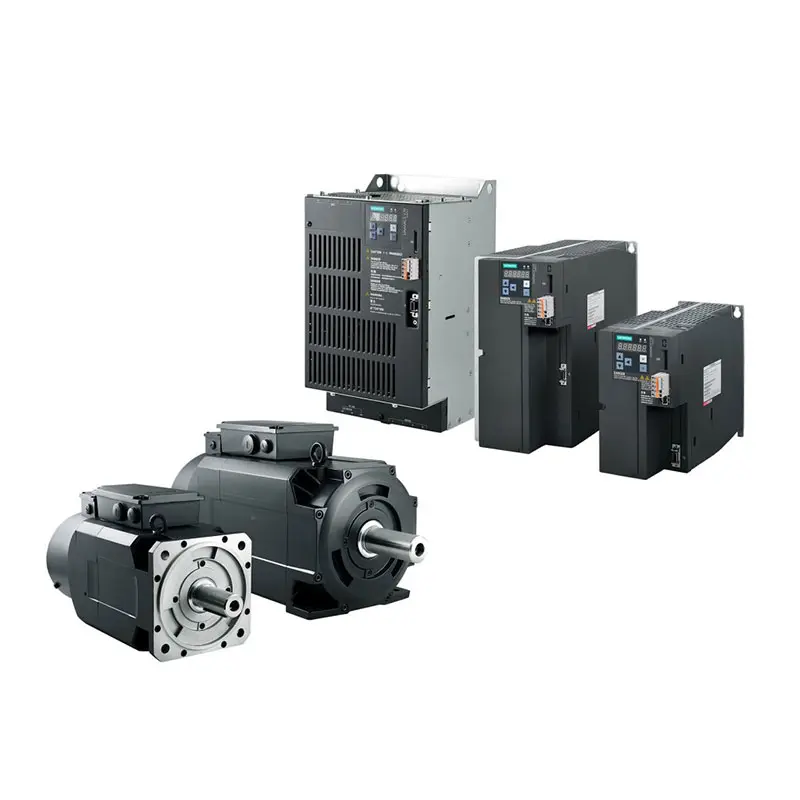 SIEMENS SINAMICS V70 Low Voltage
 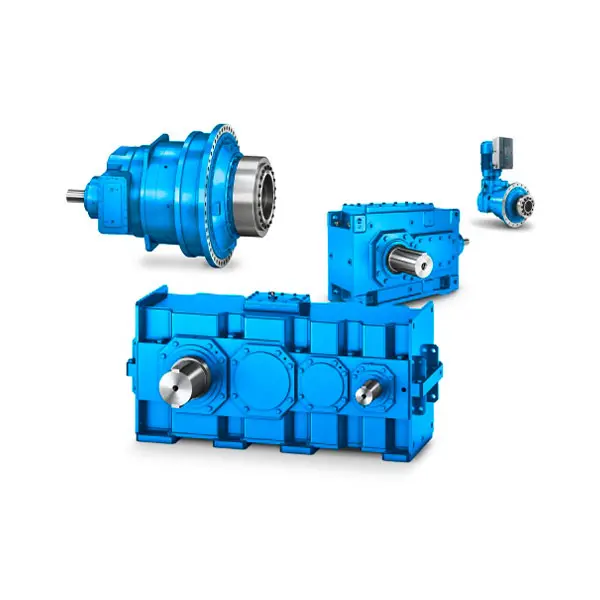 FLENDER Gear Unit
 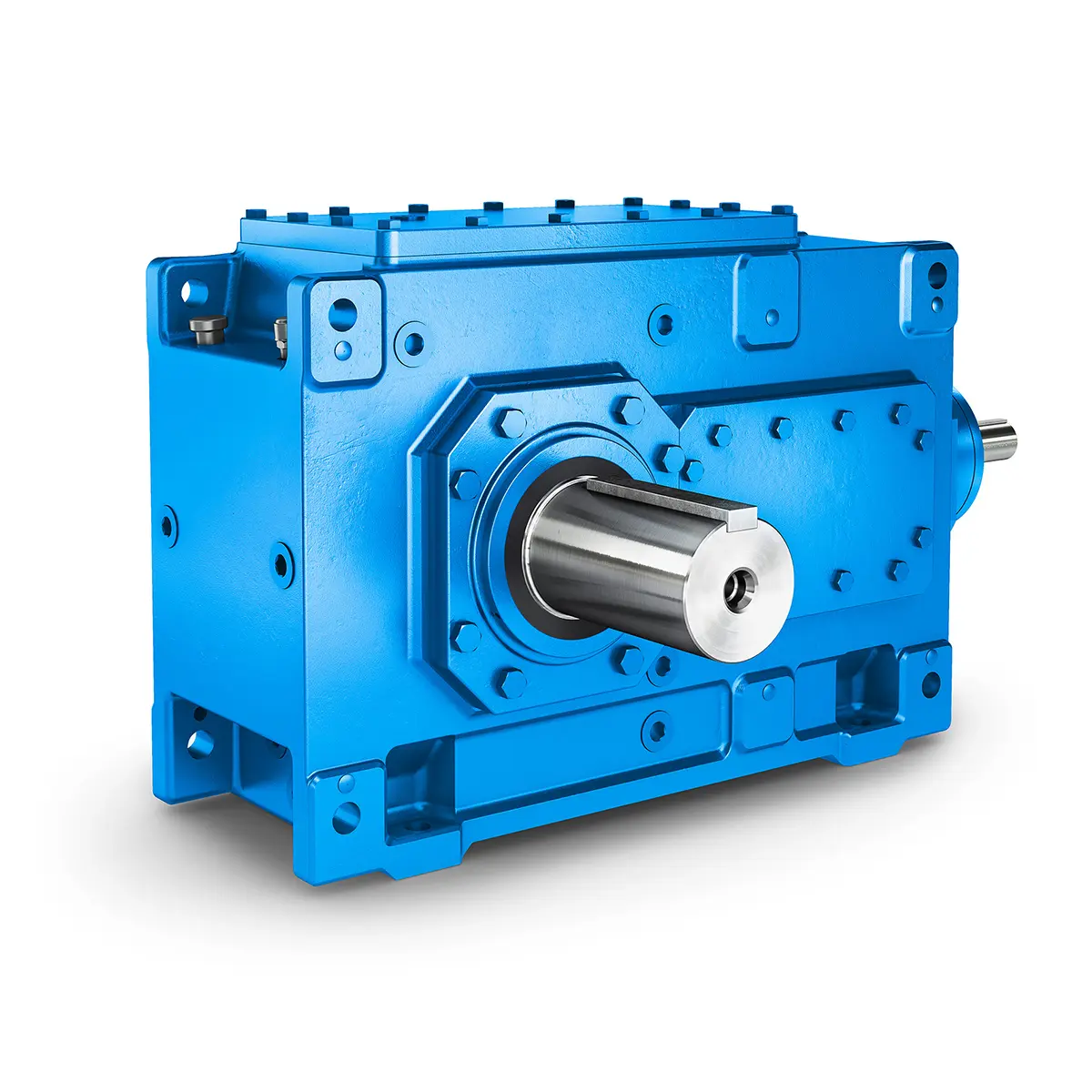 FLENDER Helical Gear Unit
 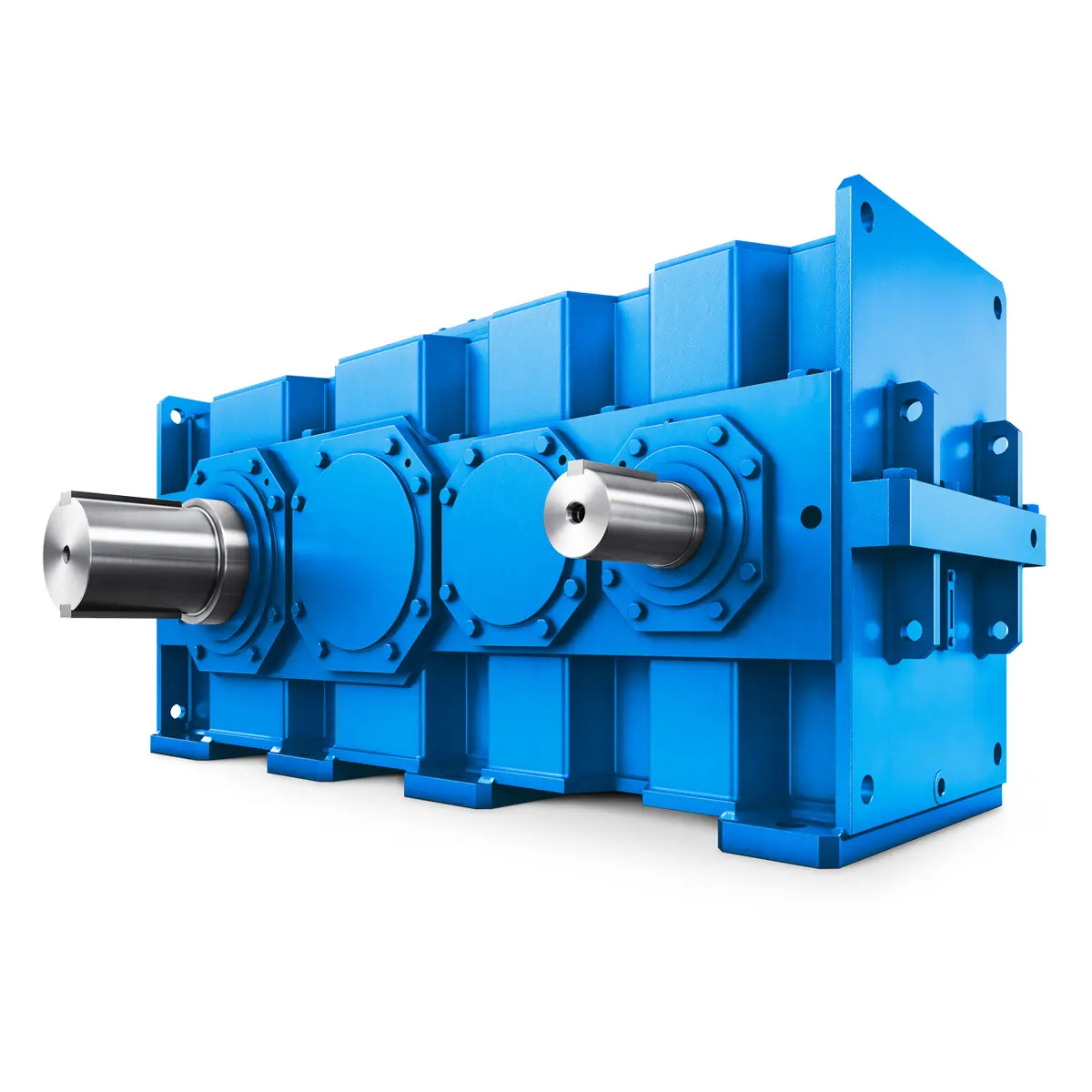 Flender gear units for lifting and luffing gears
 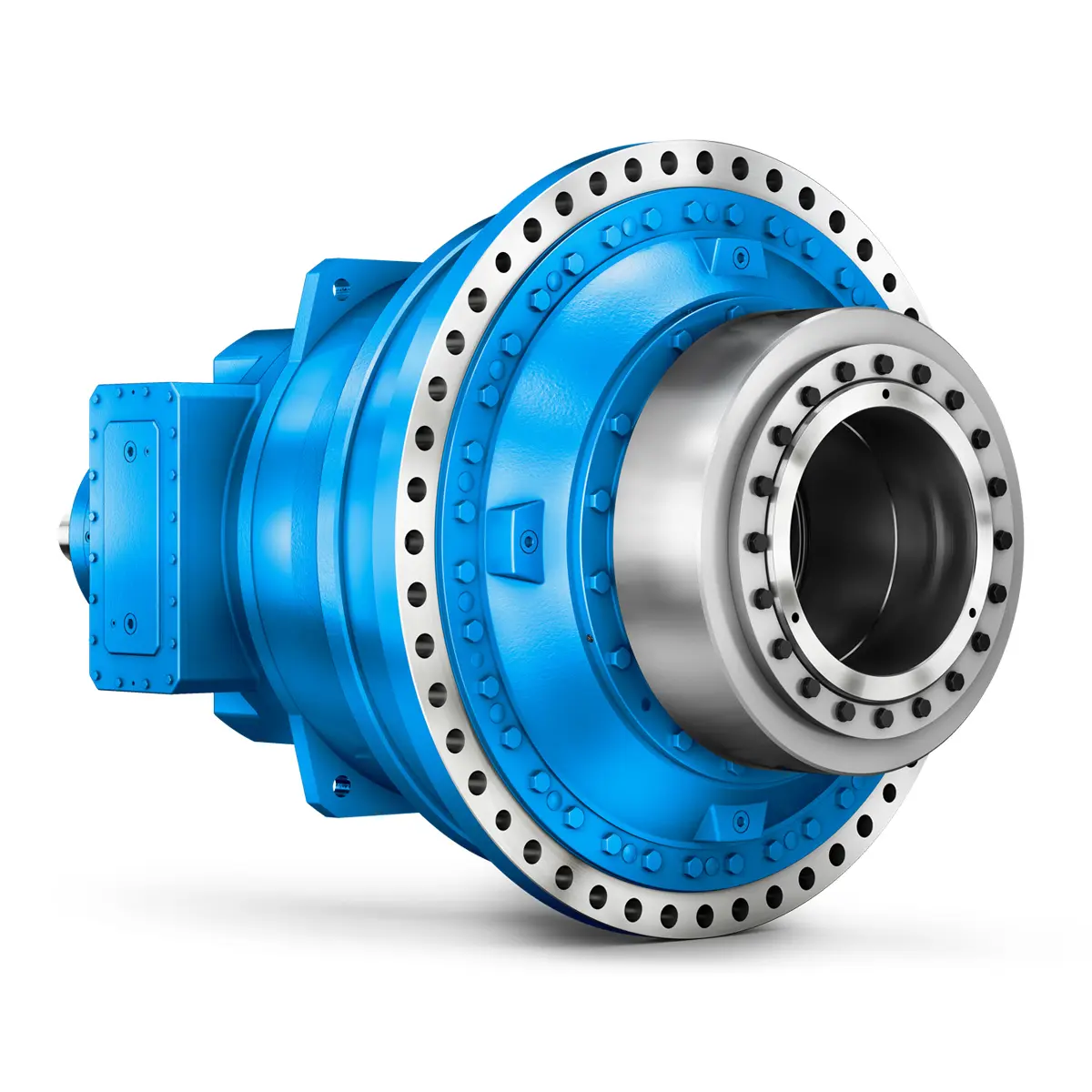 FLENDER Gear Unit gearunit gearbox
 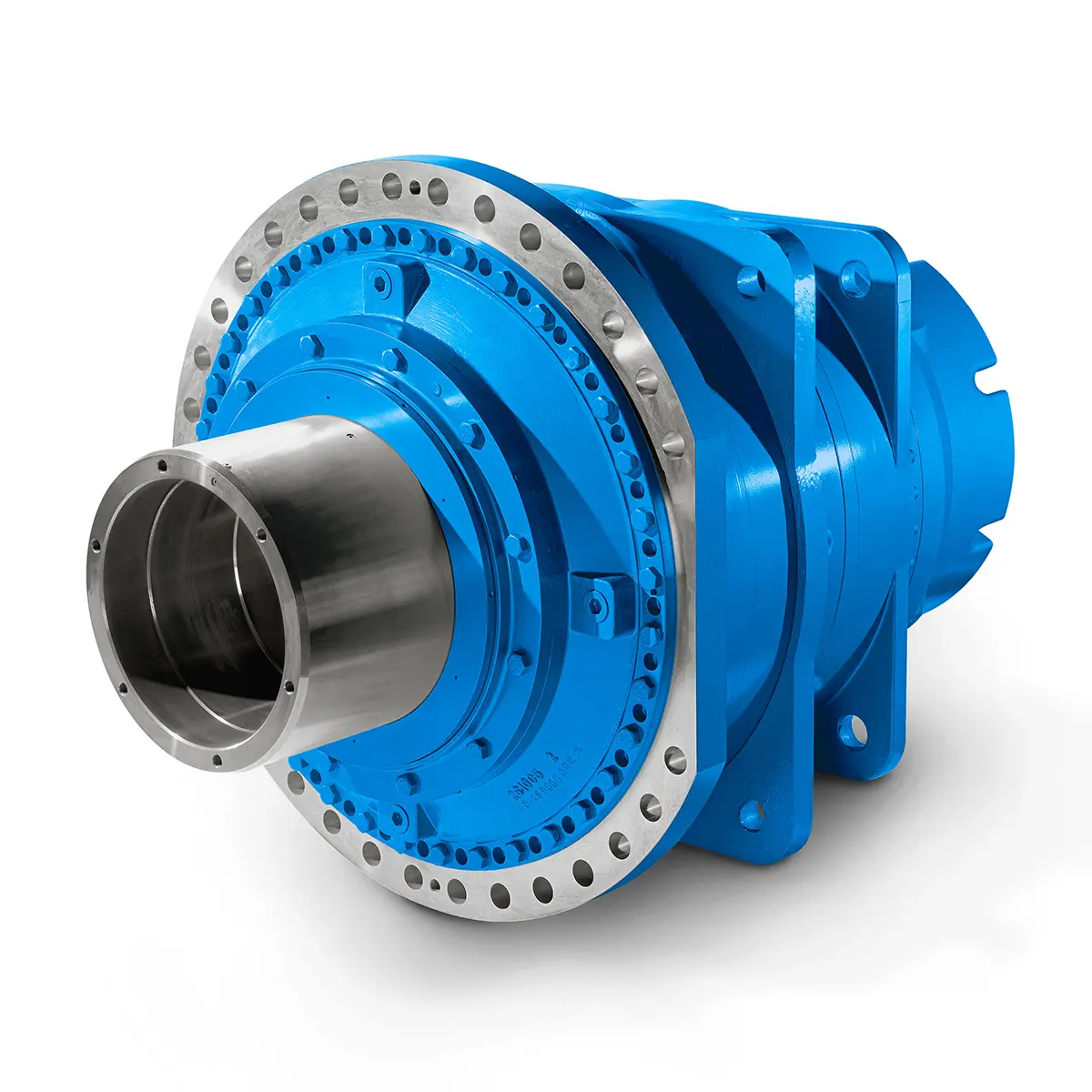 Optimal Drive Solution For Maximum Performance
 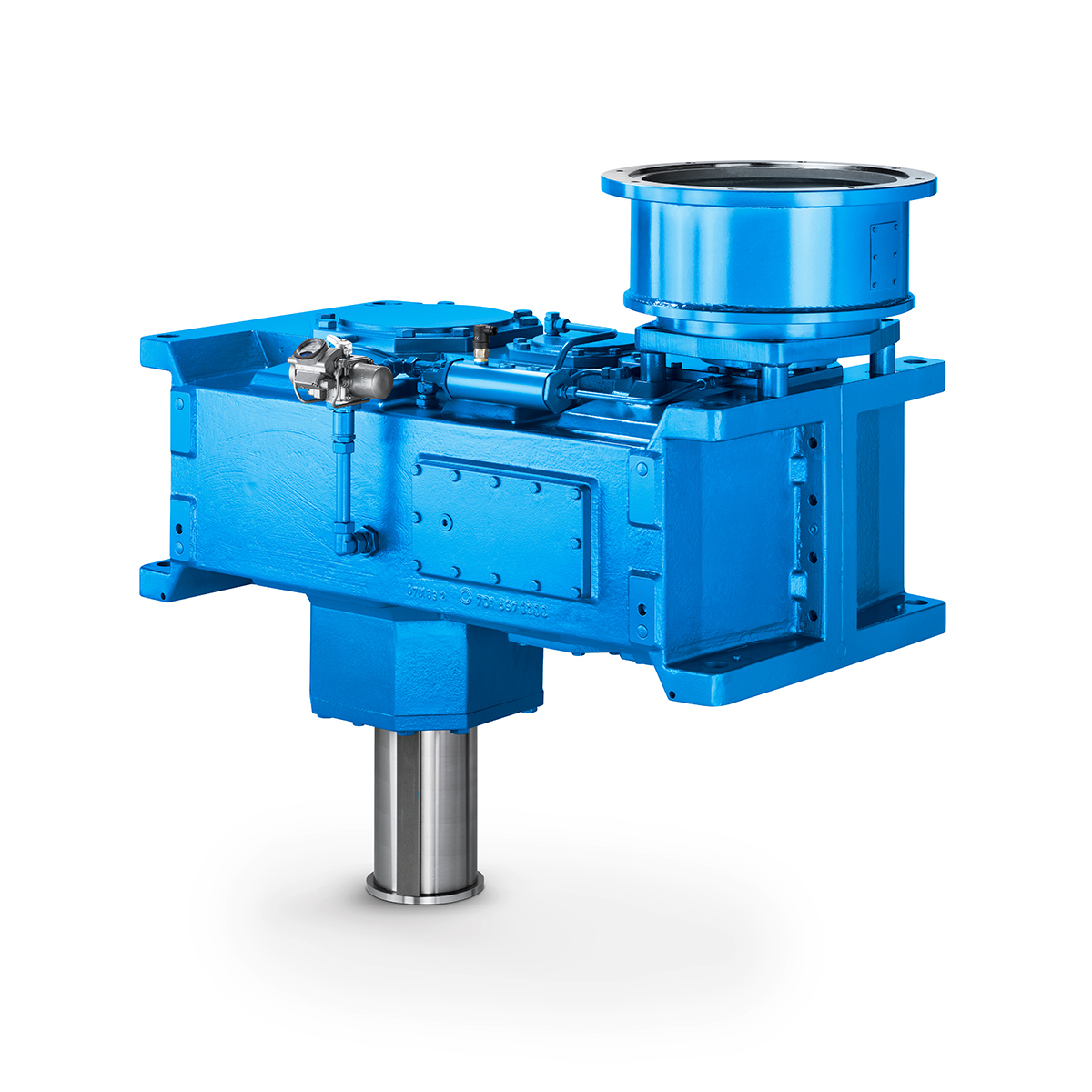 Strongly operating against biodegradable constituents
 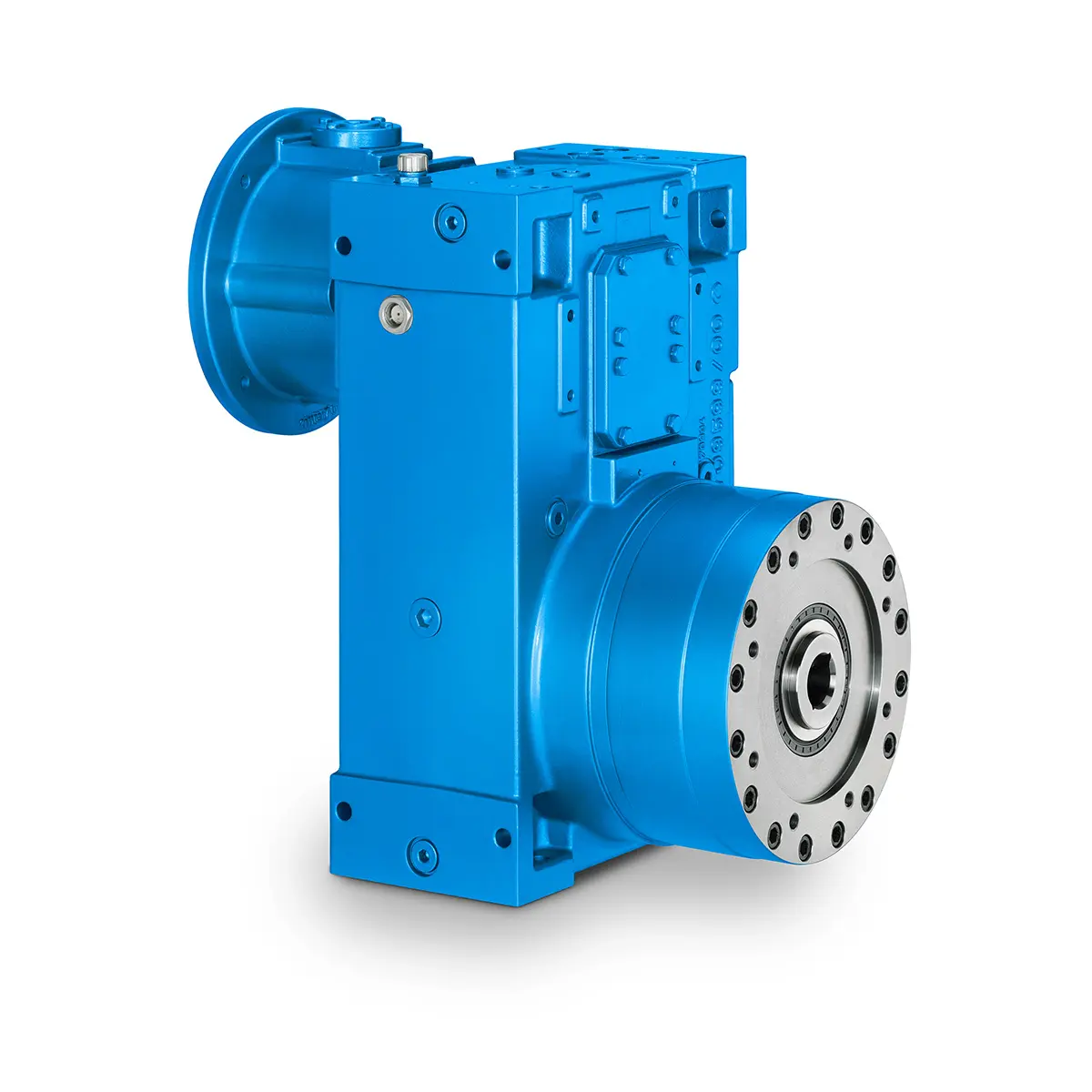 SINGLE SCREW Special industry dedicated gearunit gearbox
 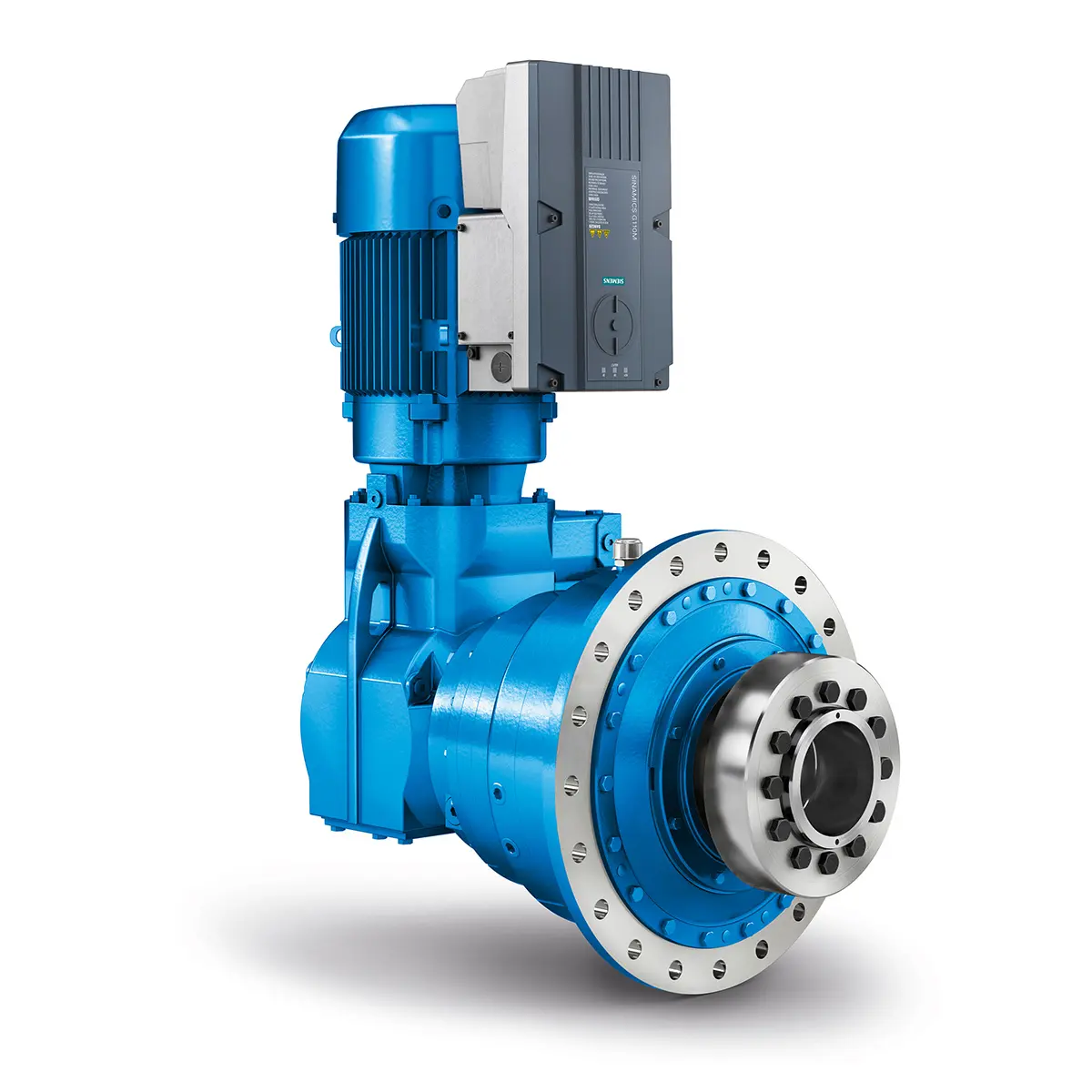 Playmaker In The Premium League
 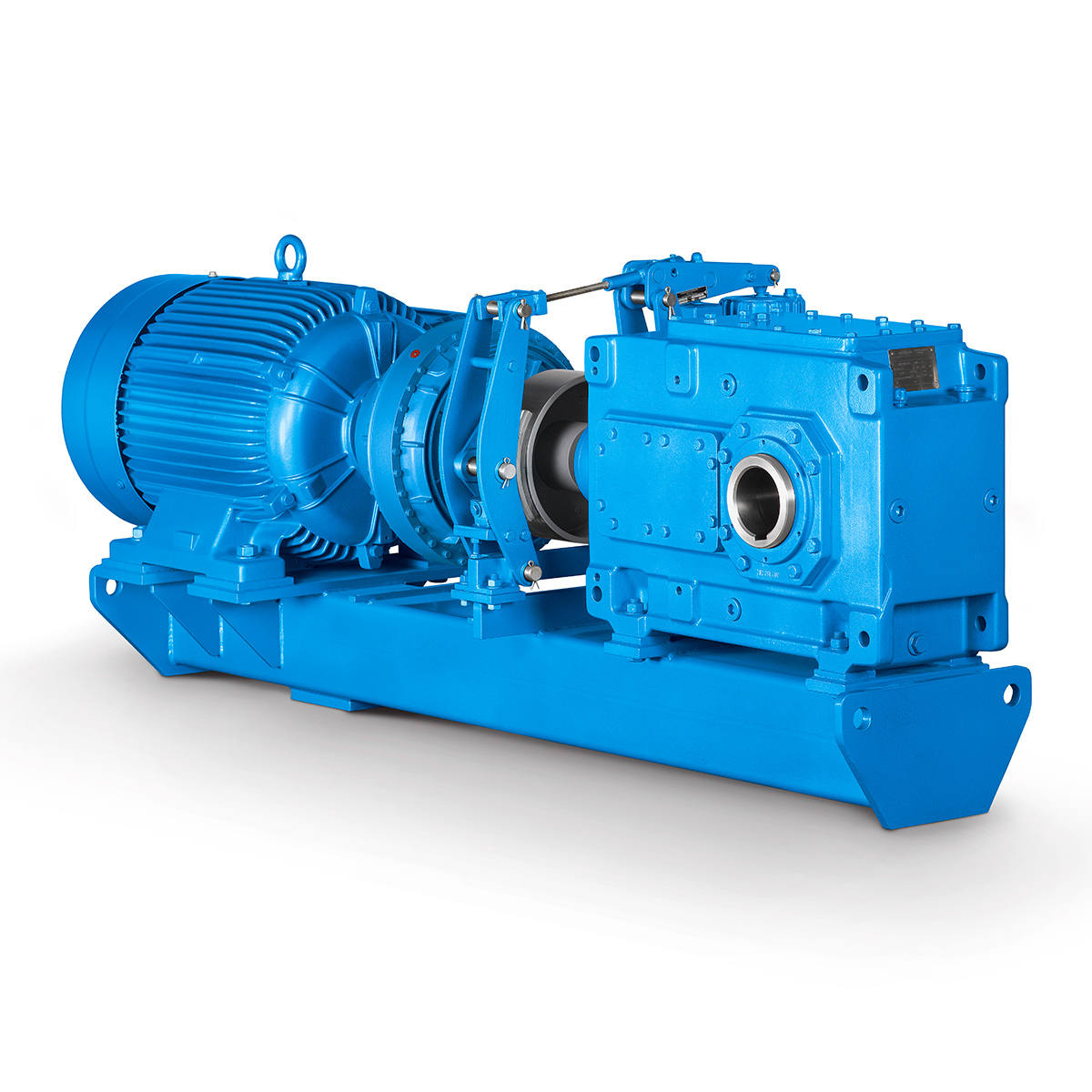 Conveyor belts gearunit gearbox
 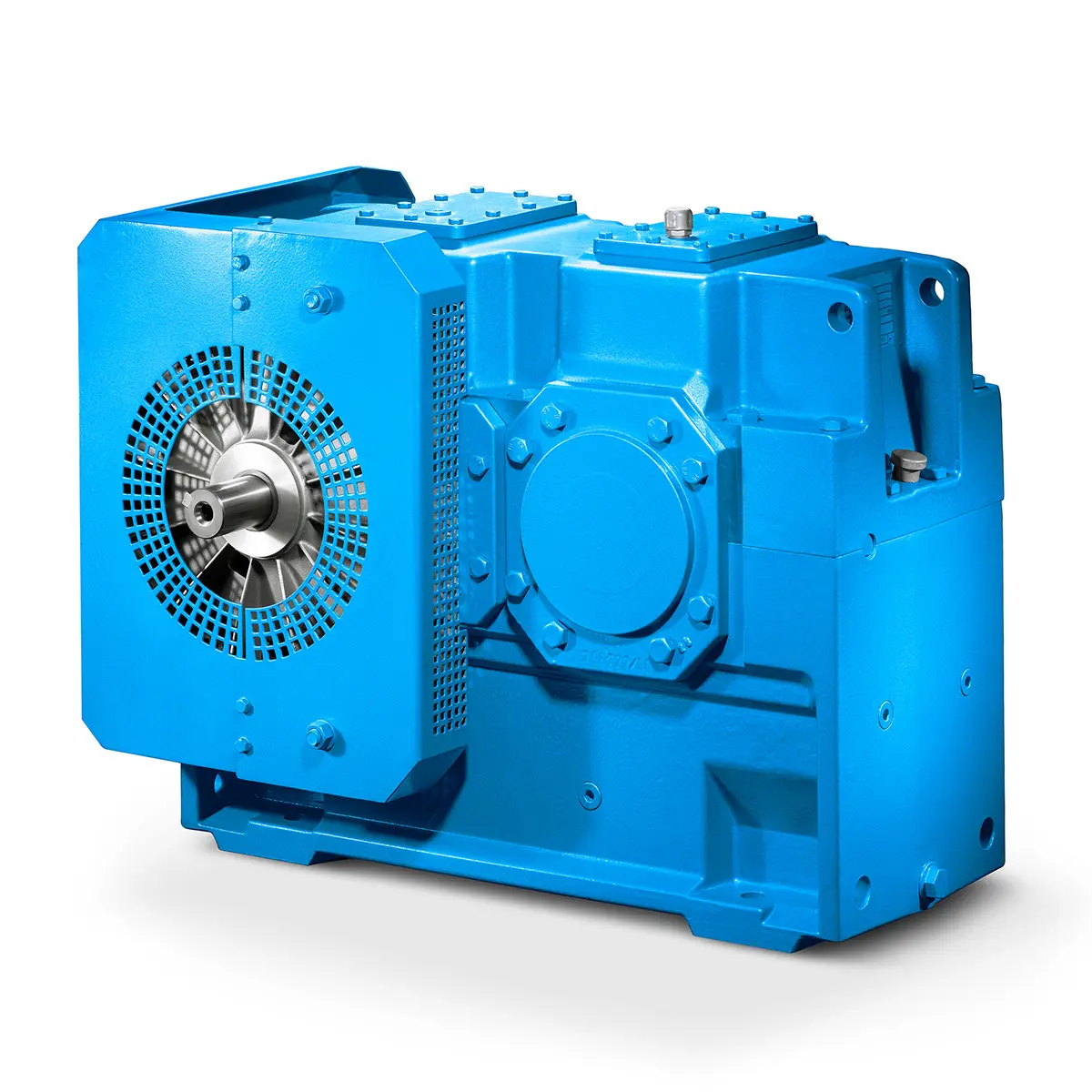 Paper And Pulp Preparation Sections
 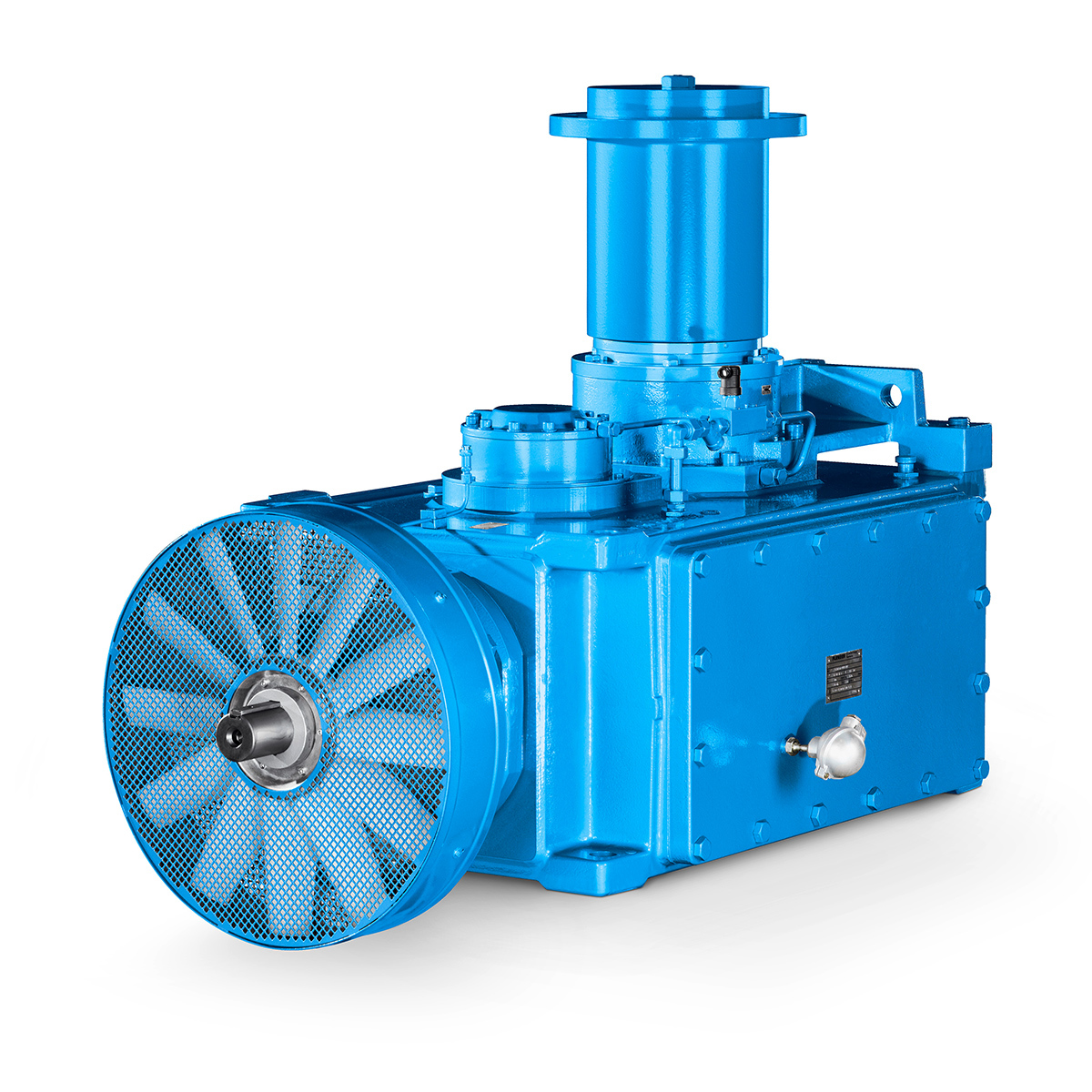 Operational Reliability Even In Case Of The Highest Ventilation Forces
 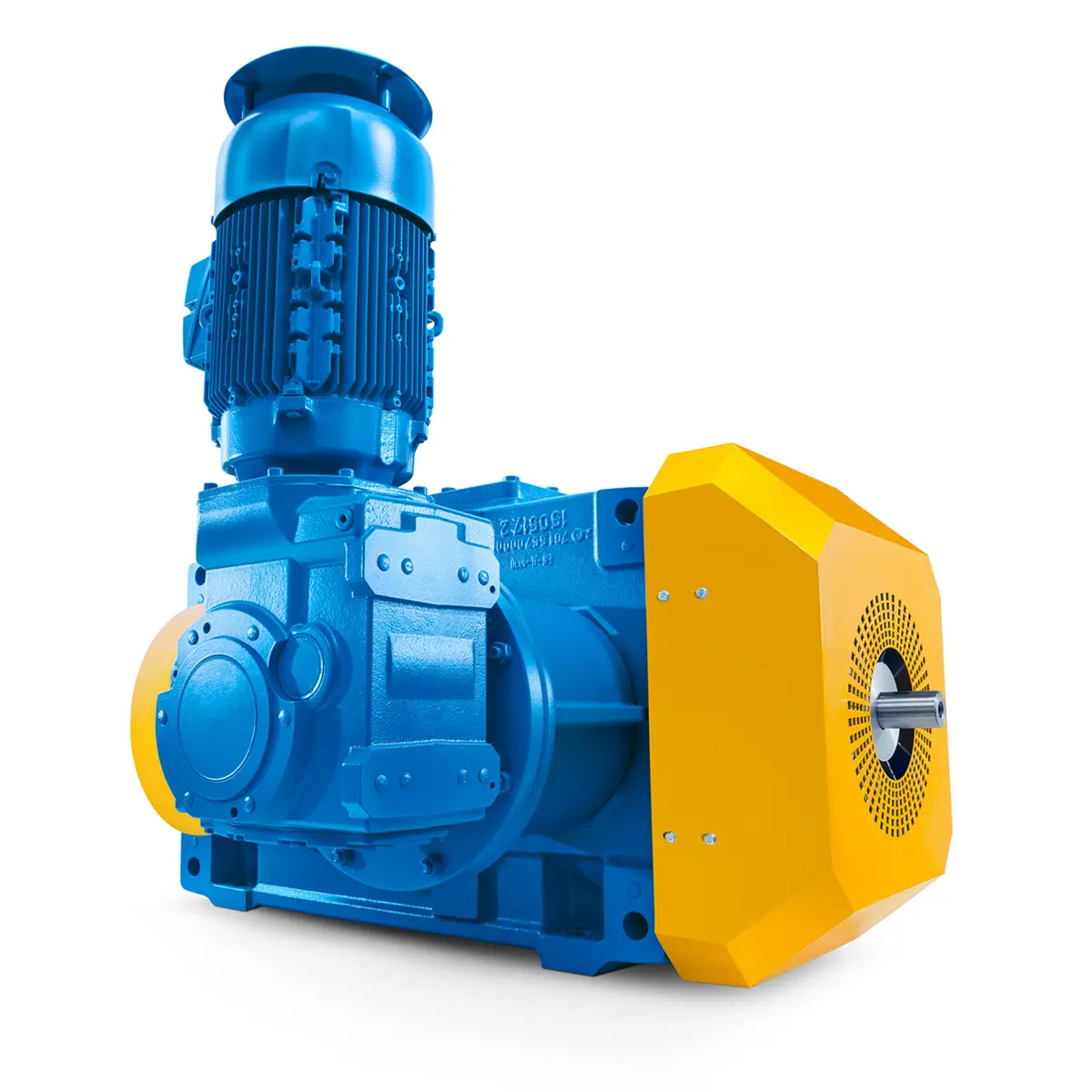 Reliable Gear Units For High Performance Vertical Conveyors 59/200
 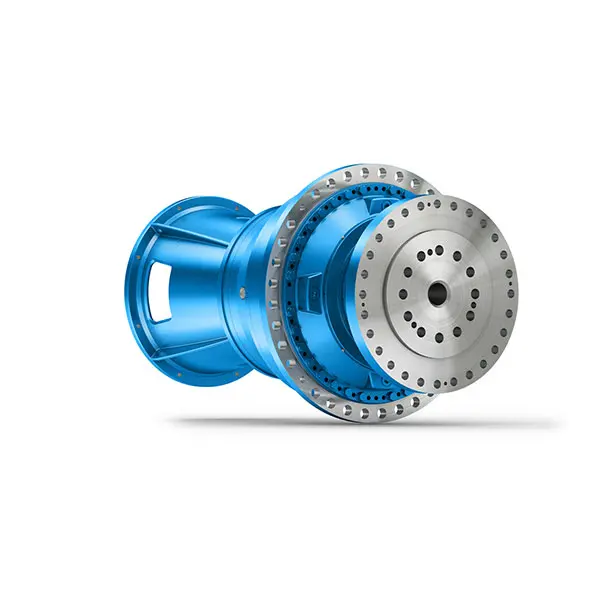 Maximum power density – PLANUREX 3 L individual drives for your sugar cane mill
 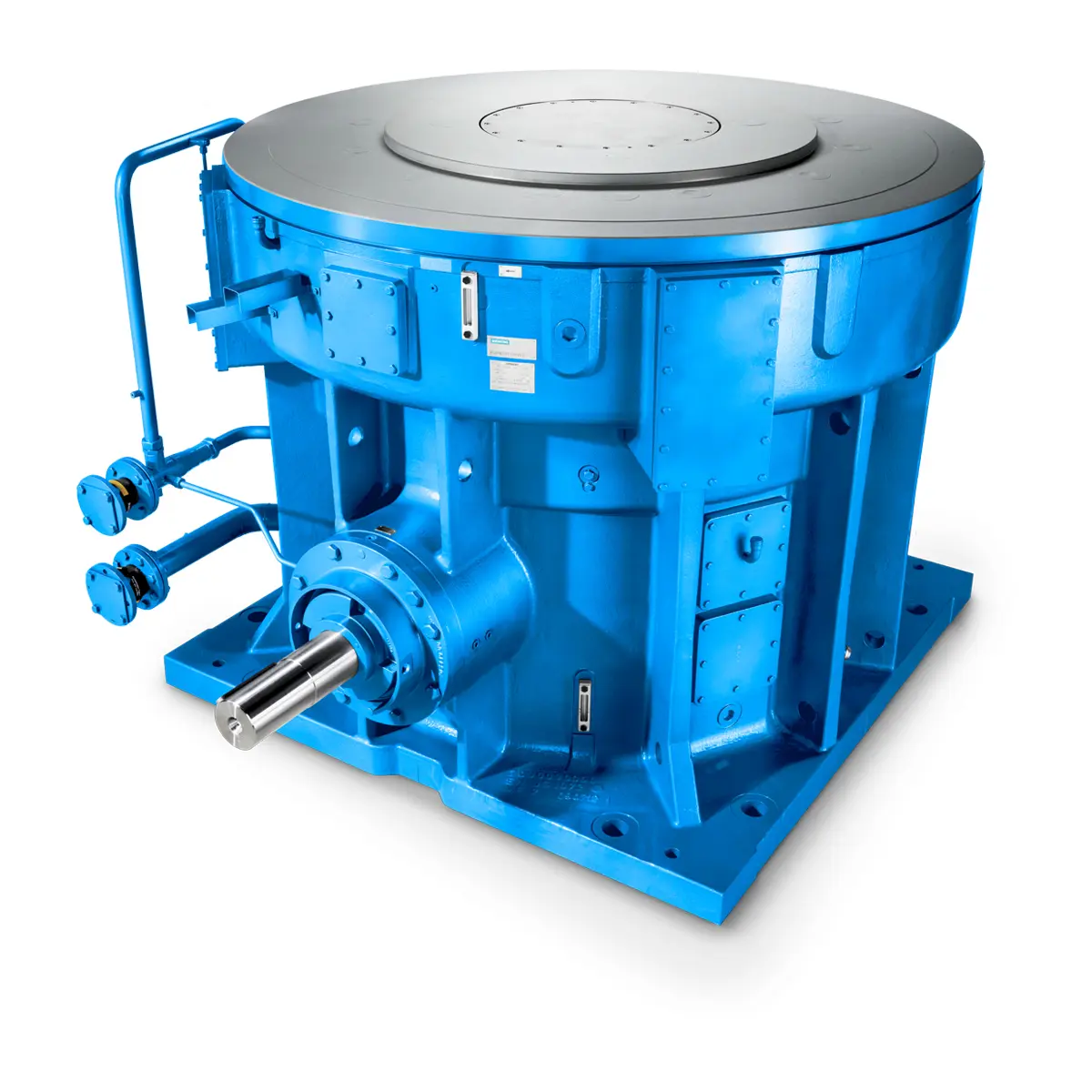 The proven all rounder gearunit gearbox
 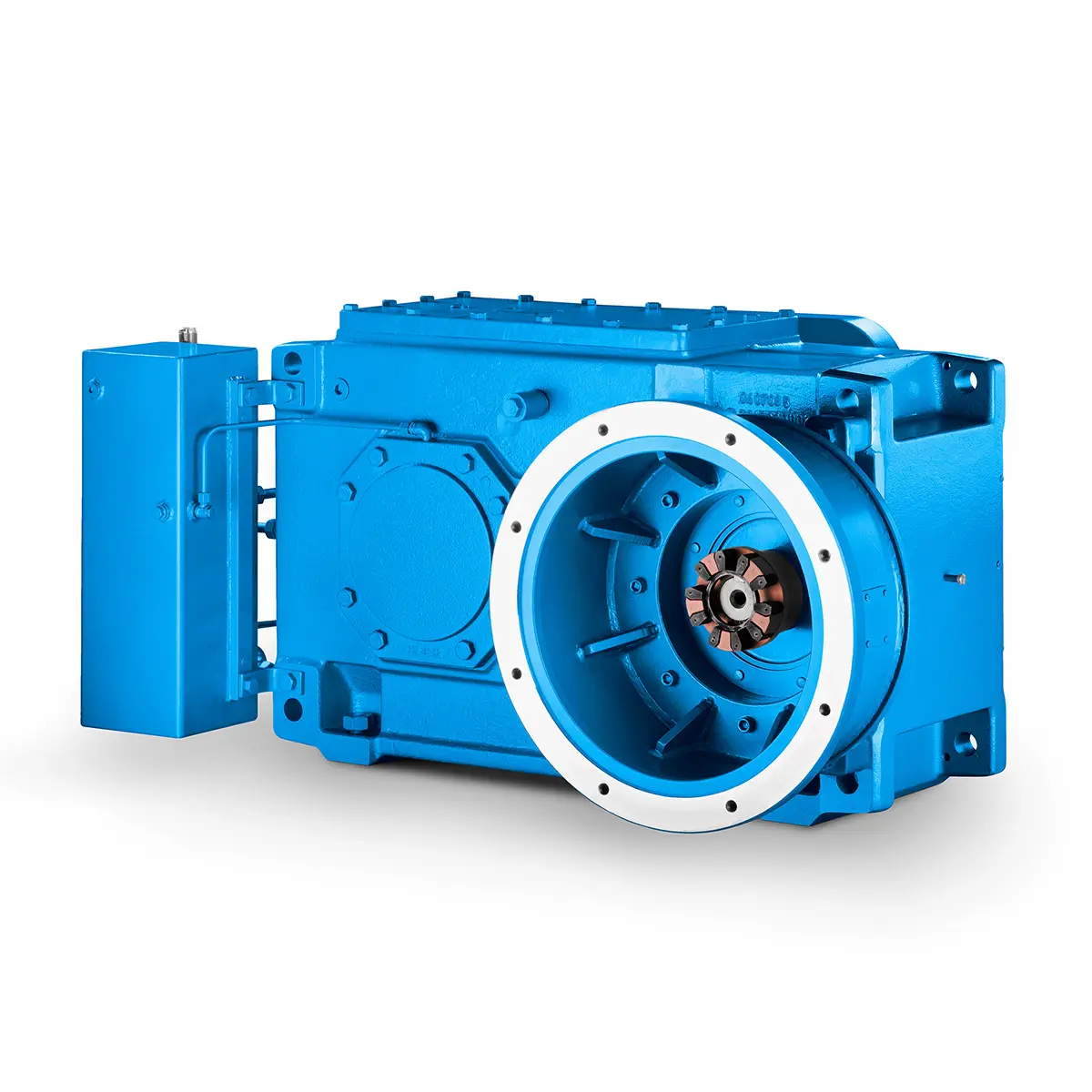 Stirs and stirs and stirs gearunit gearbox
 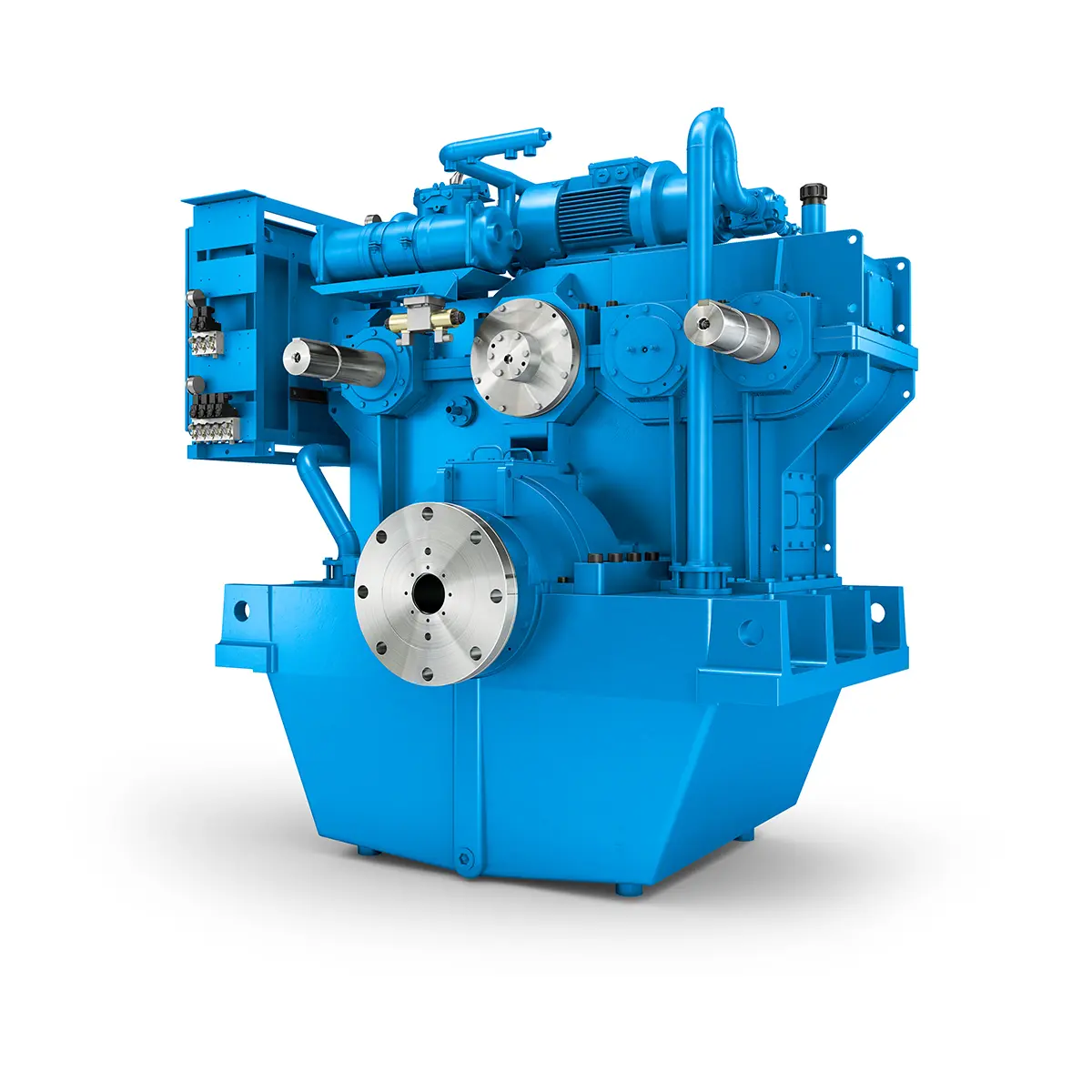 Flexibility on Board gearunit gearbox
 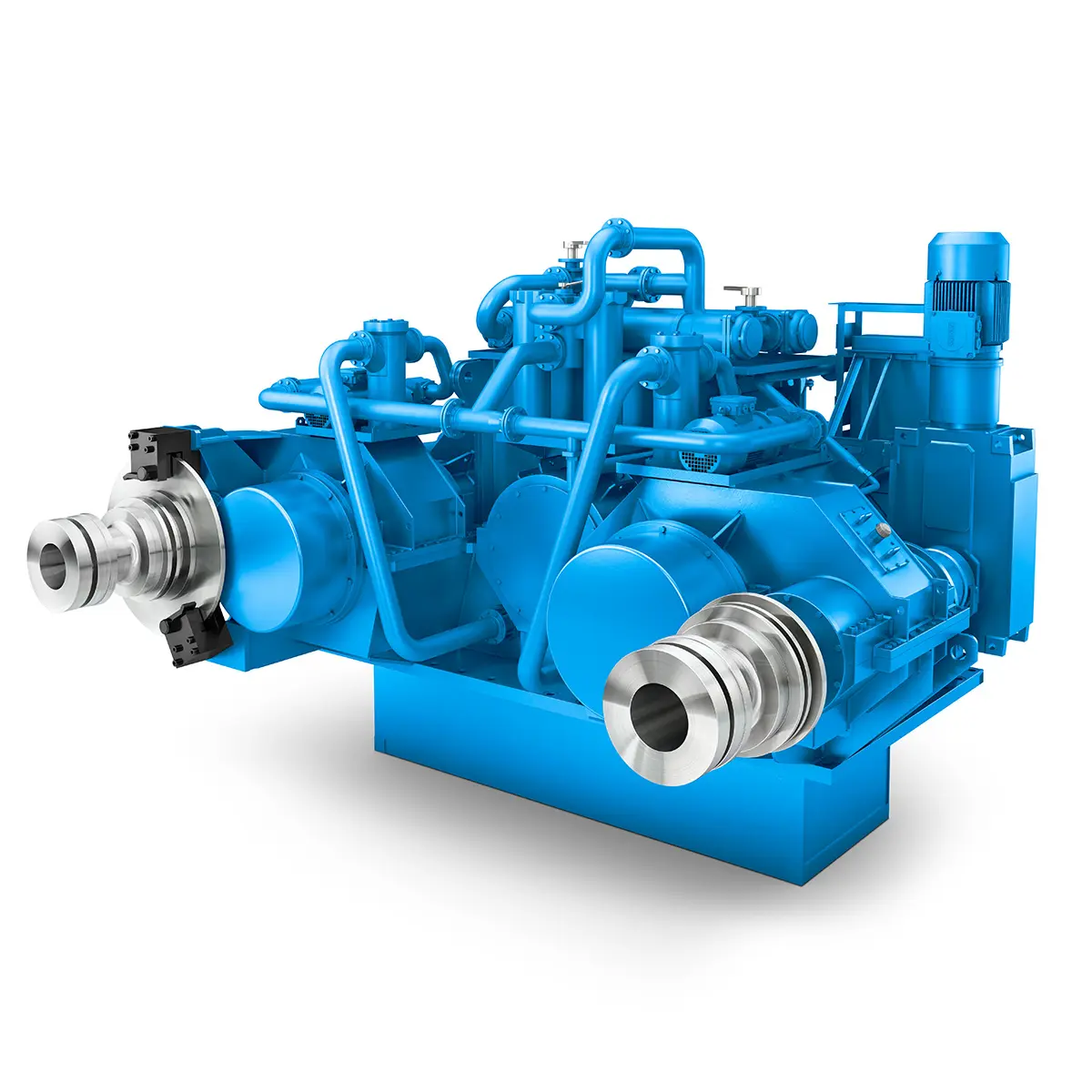 The right gearbox for all Multi-Engine Ships
 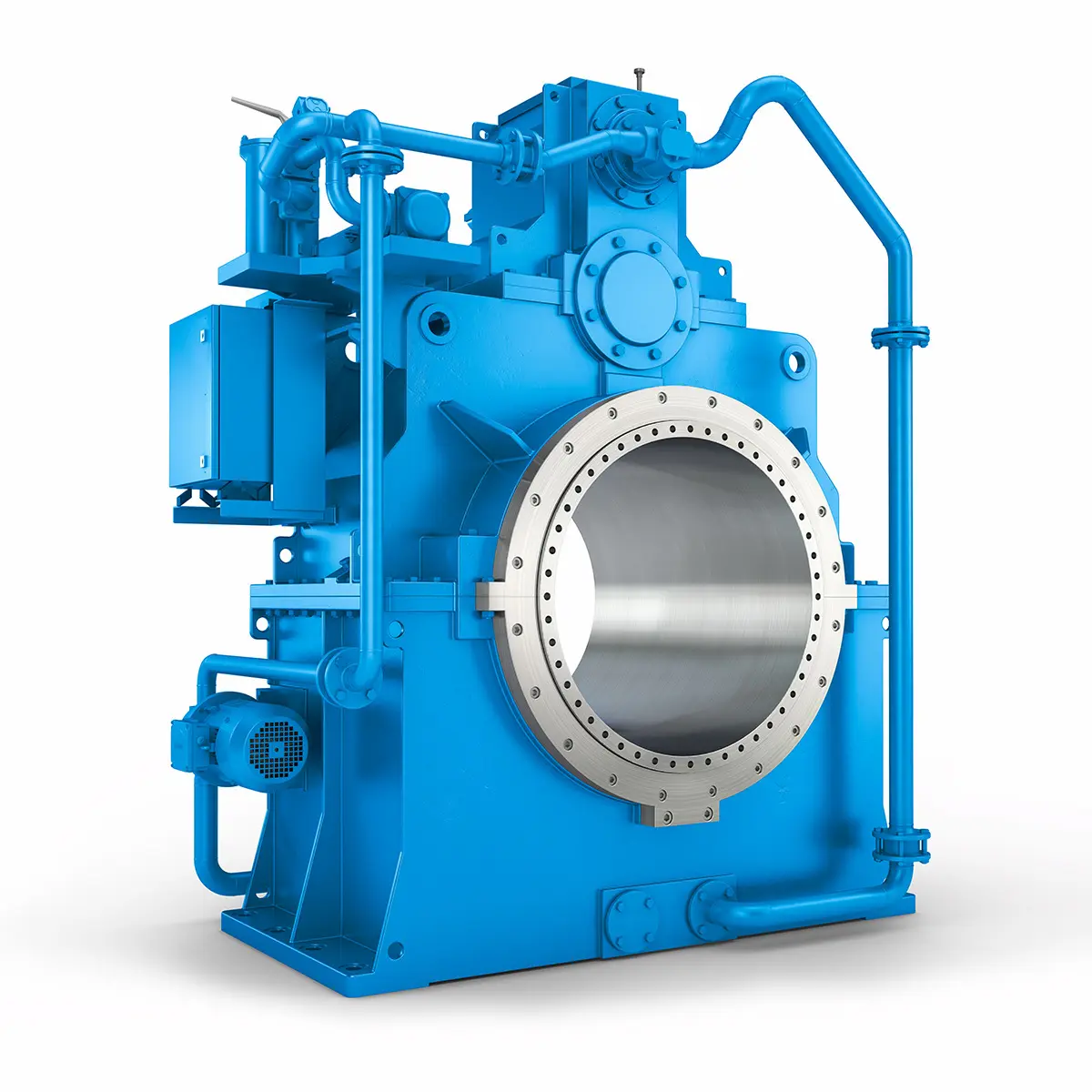 Reliable Power Generation on board
 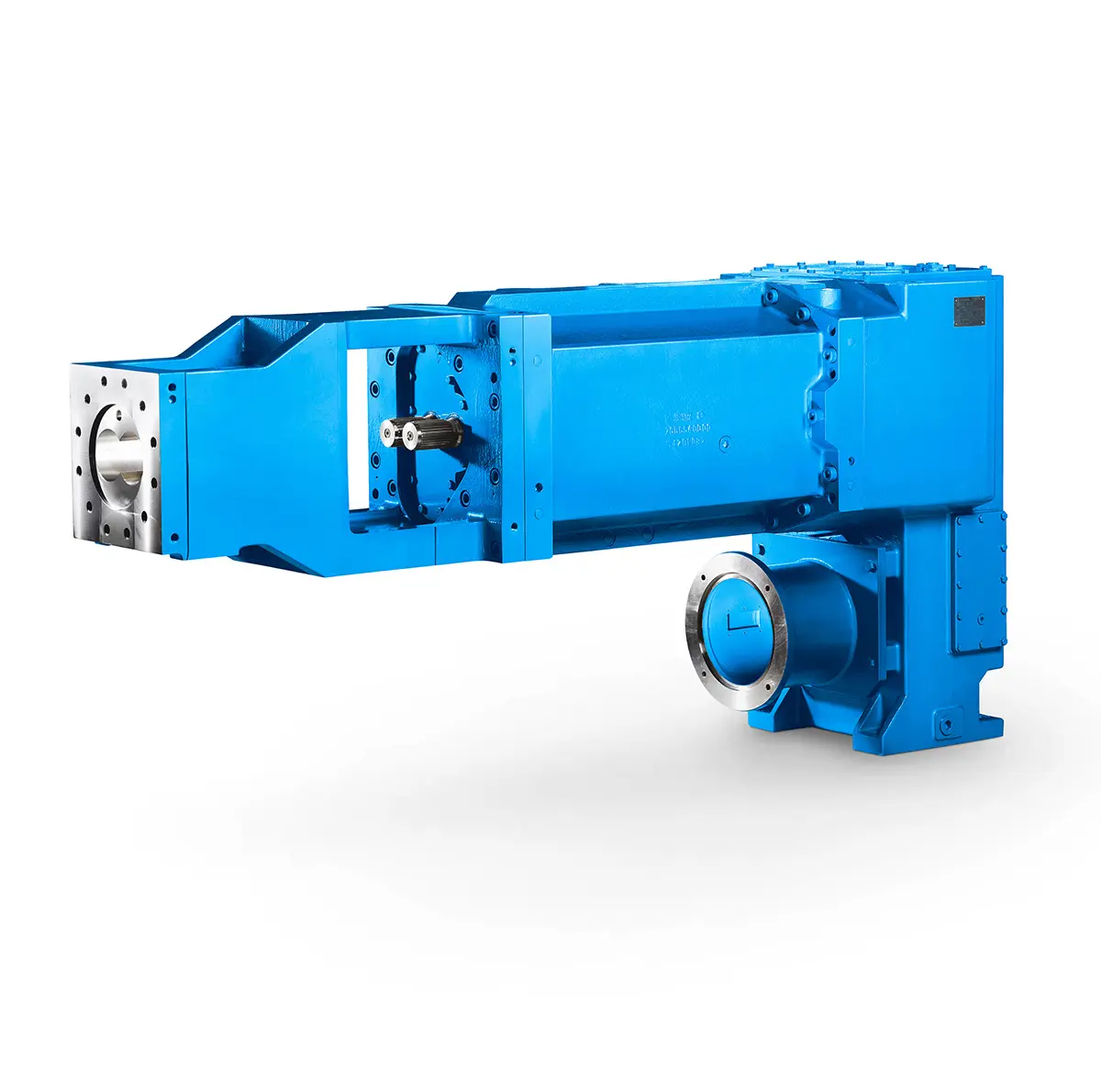 Maximum performance level, fast deliverable
 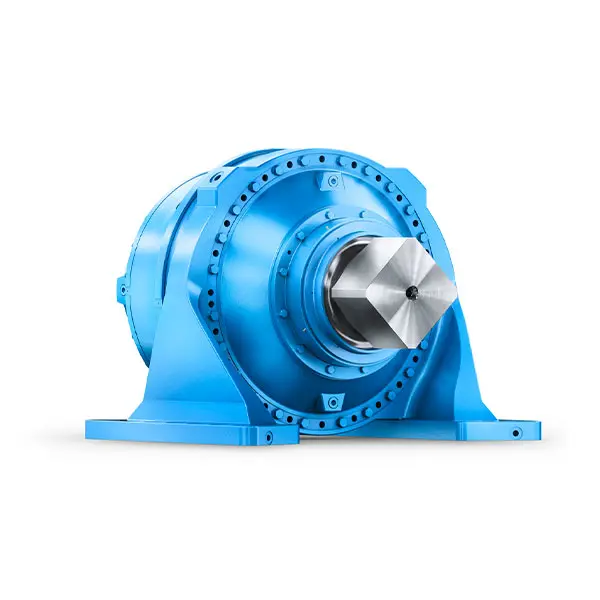 Efficient and compact – FLENDER Gear Units for Sugar Mills
 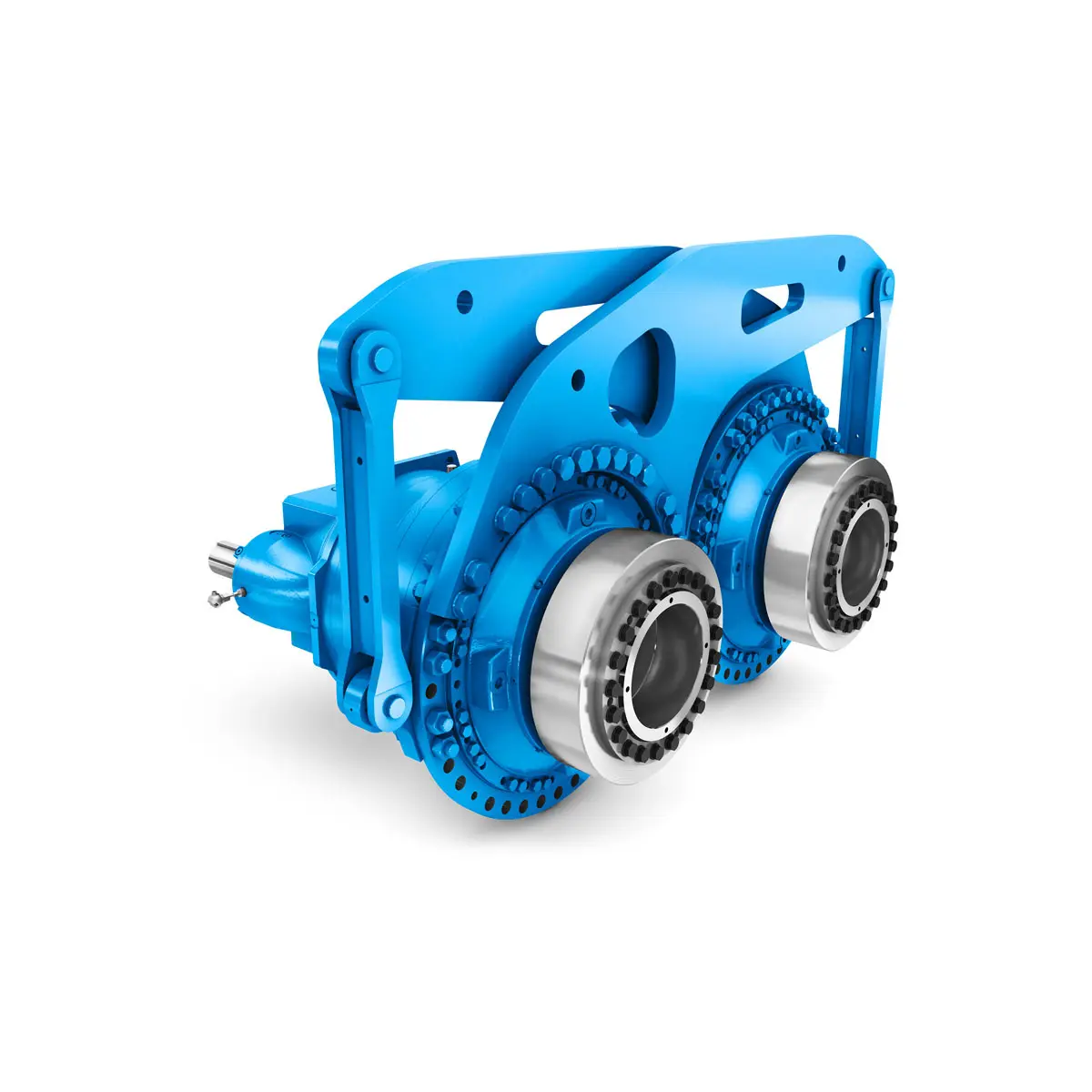 Extremely strong. Extremely compact. Extremely stressable.
 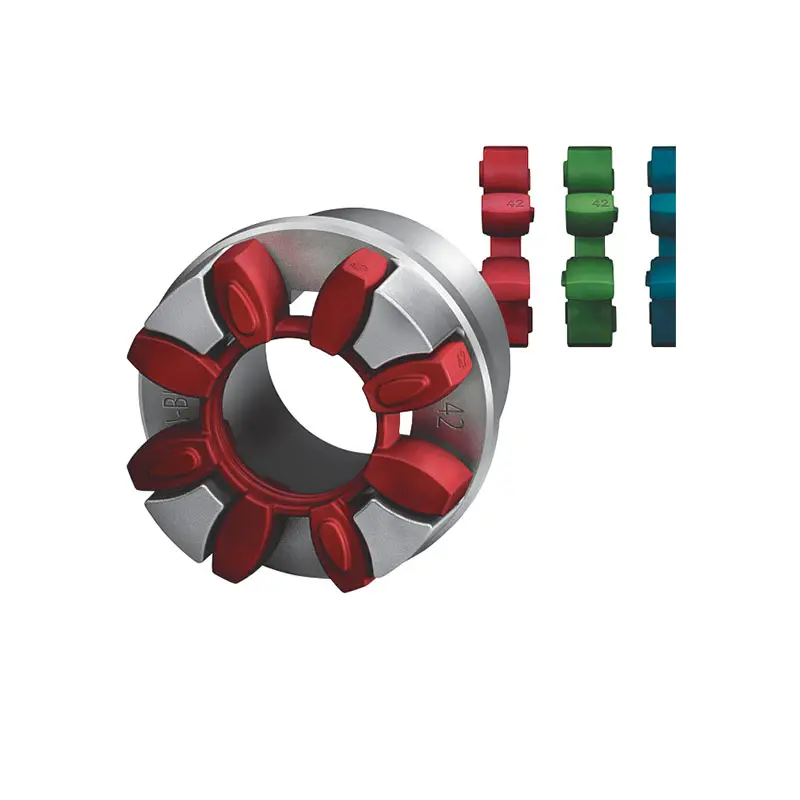 FLENDER Coupling
 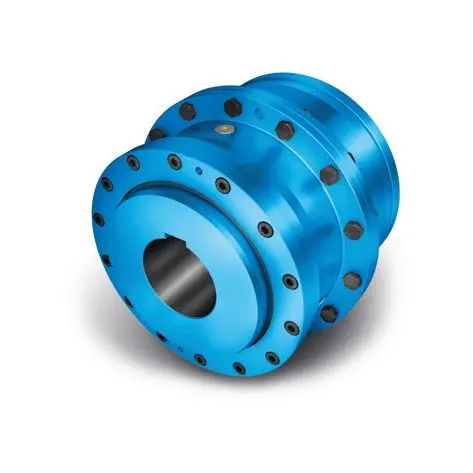 ZAPEX ZW Torsionally Rigid Gear Coupling
 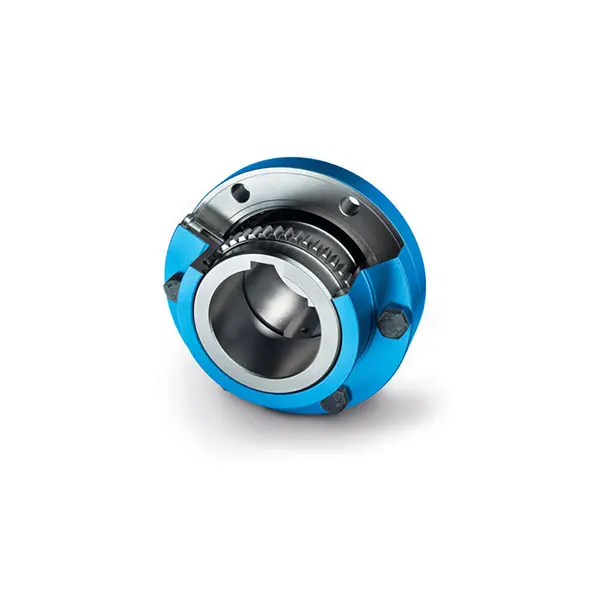 ZAPEX ZN Torsionally Rigid Gear Coupling
 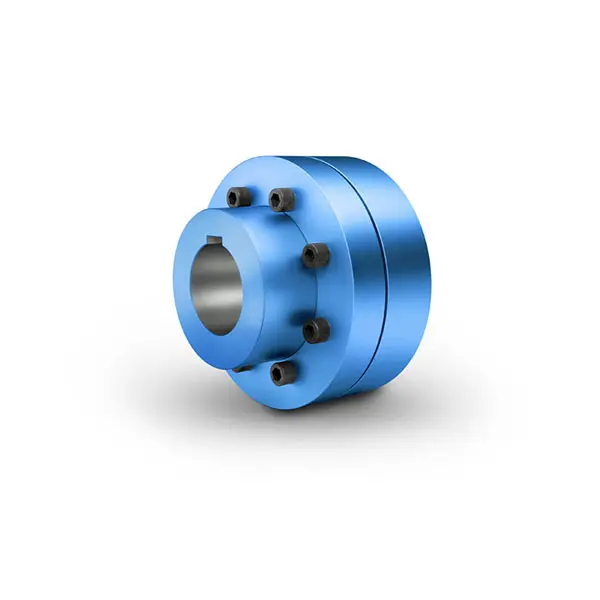 N-EUPEX Flexible high performance Coupling
 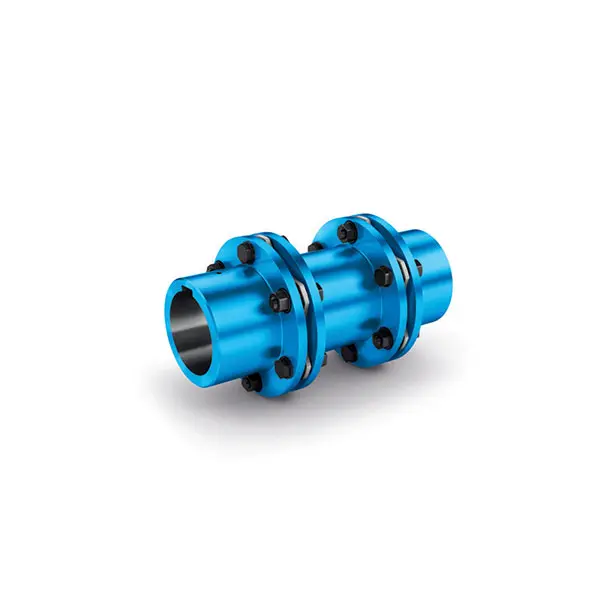 N-ARPEX Torsionally Rigid All-Steel Coupling
 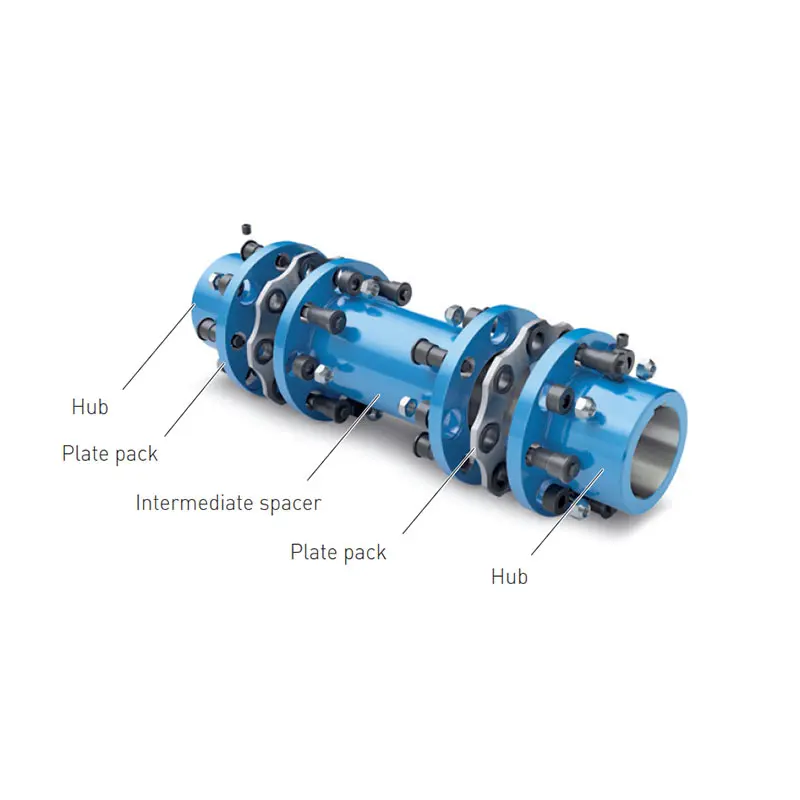 ARPEX Torsionally Rigid All-Steel Coupling Spare and Parts
 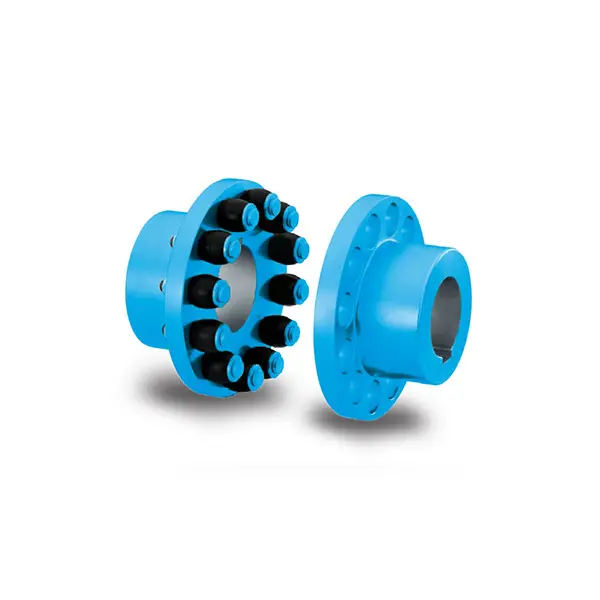 RUPEX Flexible high performance Coupling
 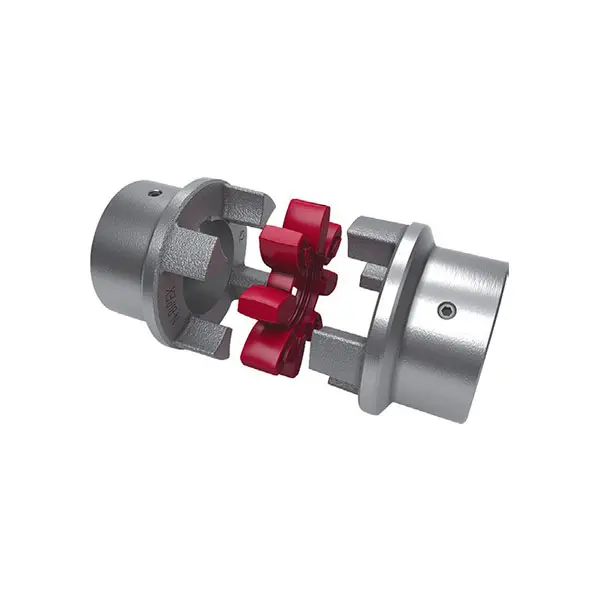 N BIPEX Flexible high performance coupling
 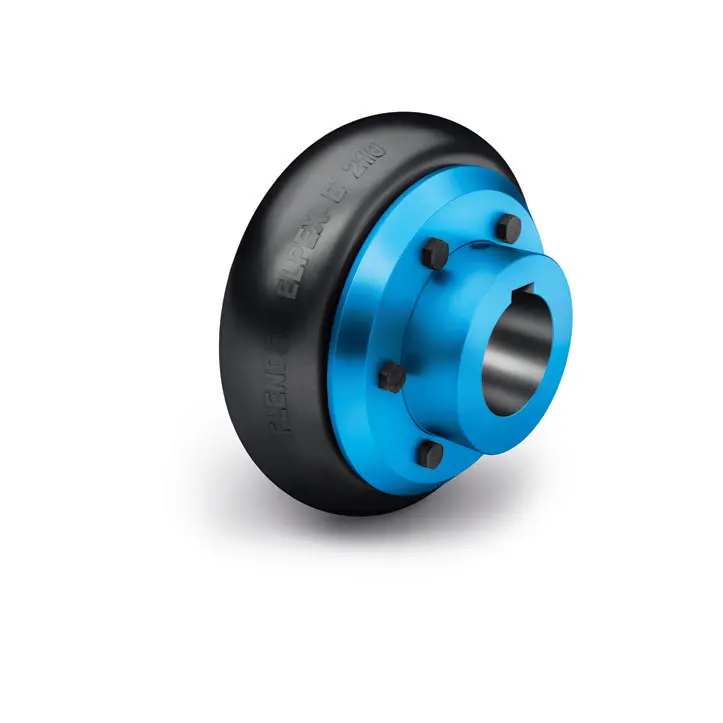 ELPEX B Highly Flexible Coupling
 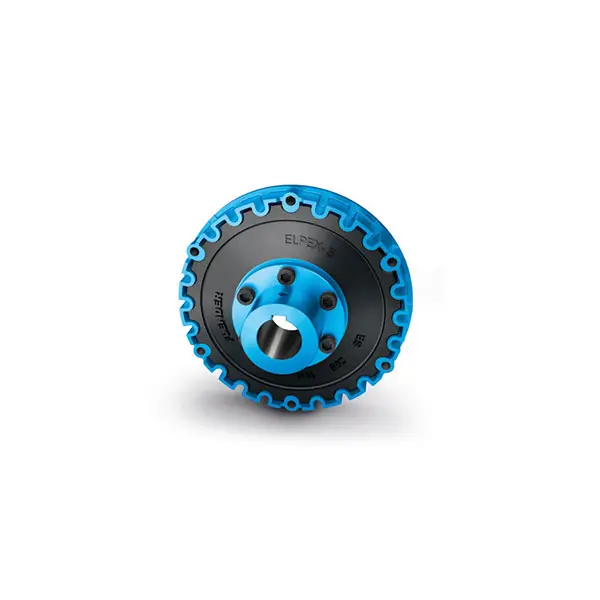 ELPEX S Highly Flexible Coupling high performance
 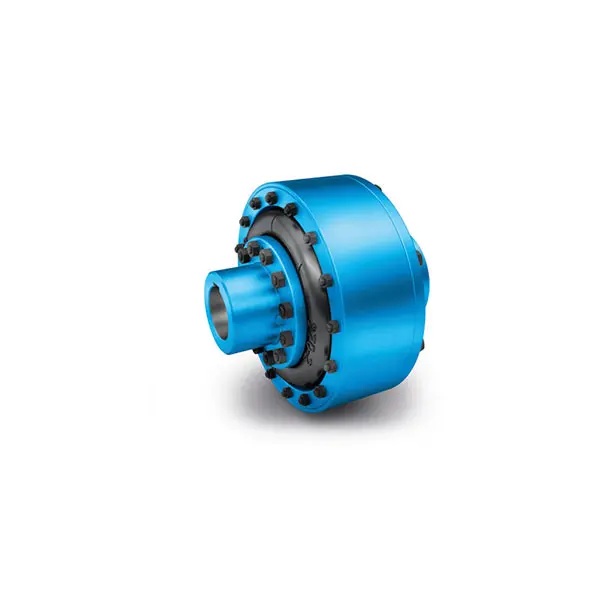 ELPEX Highly Flexible Coupling high performance
 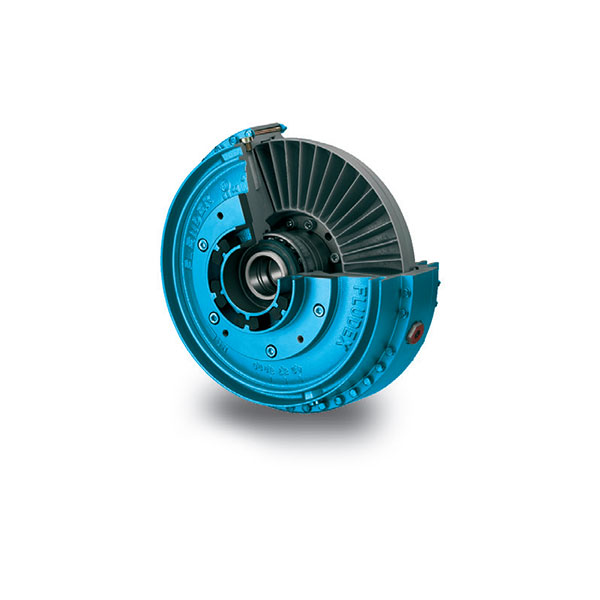 FLUDEX Fluid Coupling high performance
 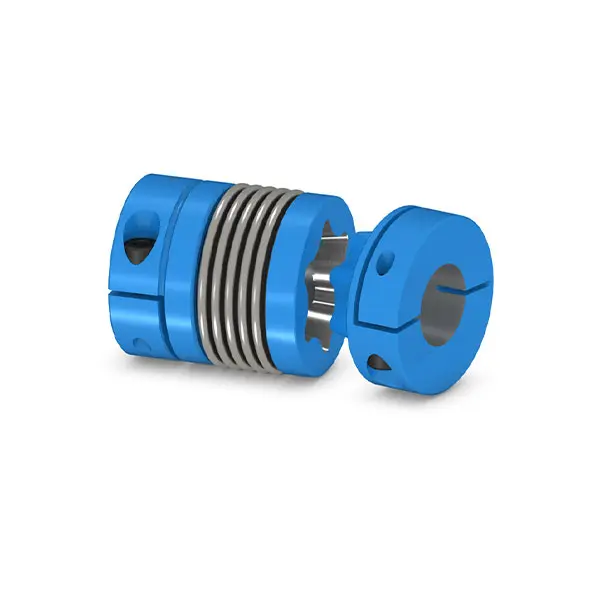 SIPEX Backlash free Coupling high performance
 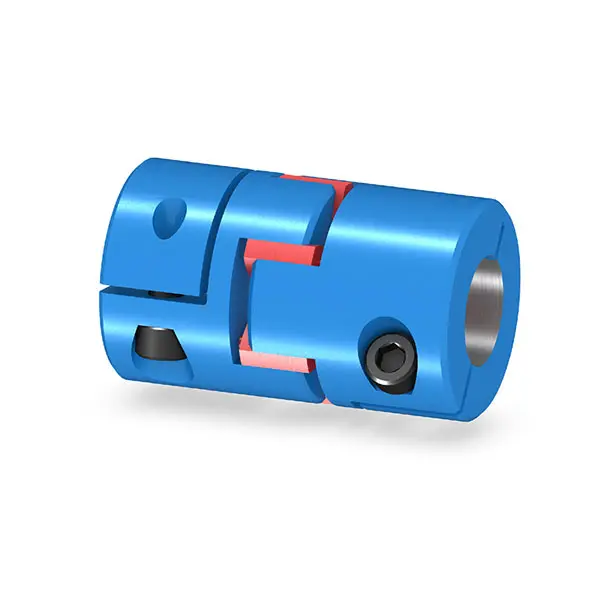 BIPEX S Backlash free Coupling high performance
 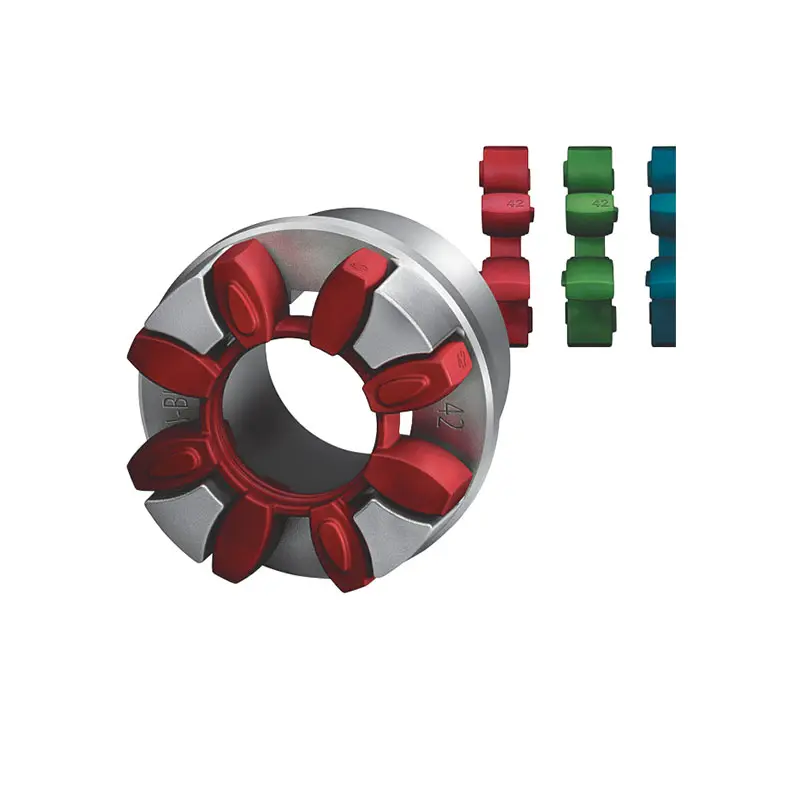 FLENDER Coupling Spare Parts high performance
 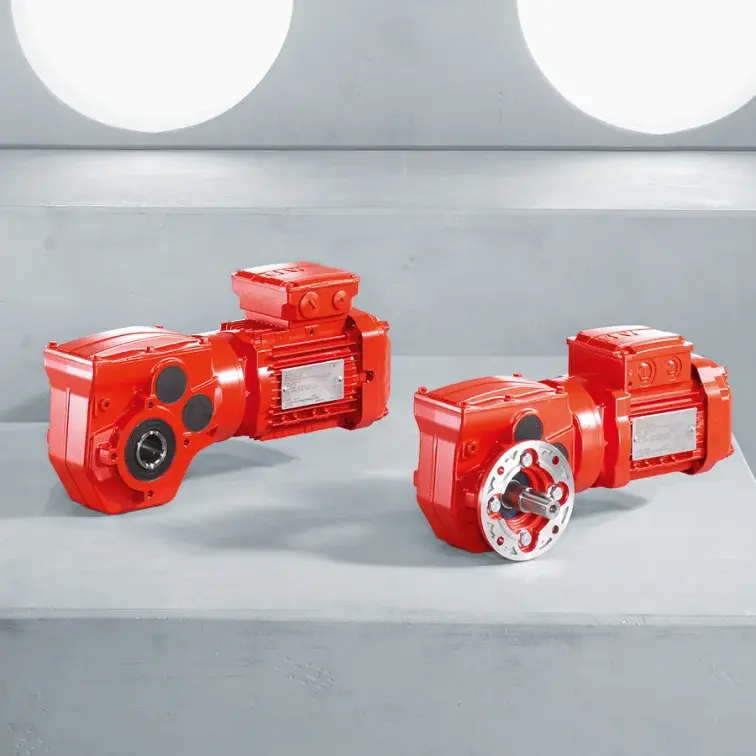 SEW Gearmotor
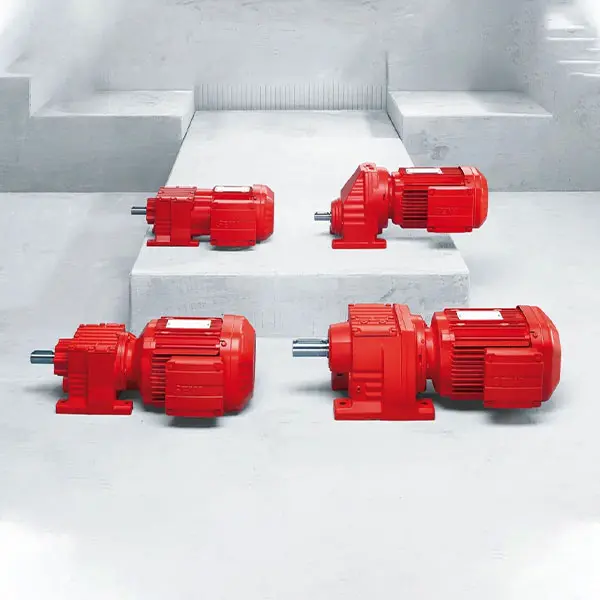 R Series Helical Gearmotor low voltage
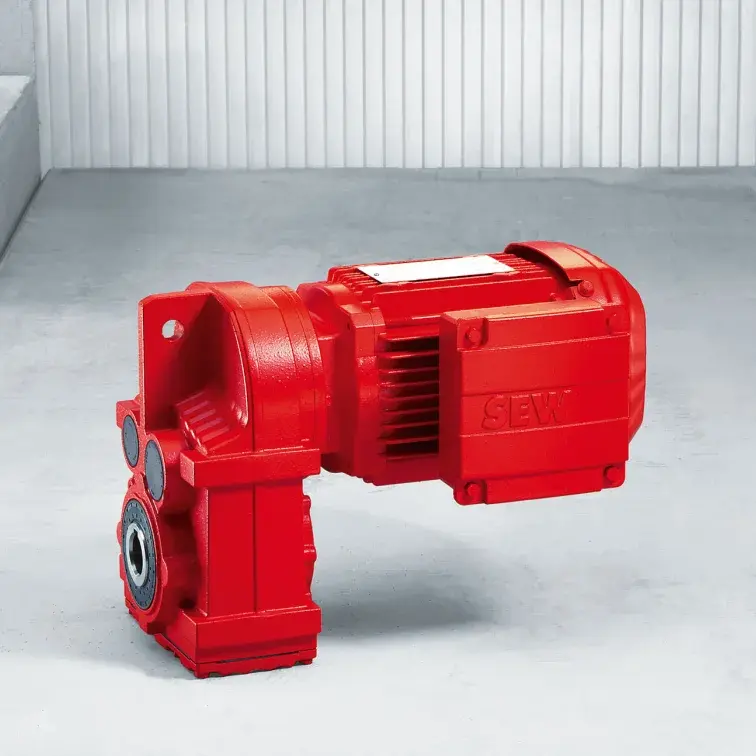 F Series Parallel Shaft Gearmotor low voltage
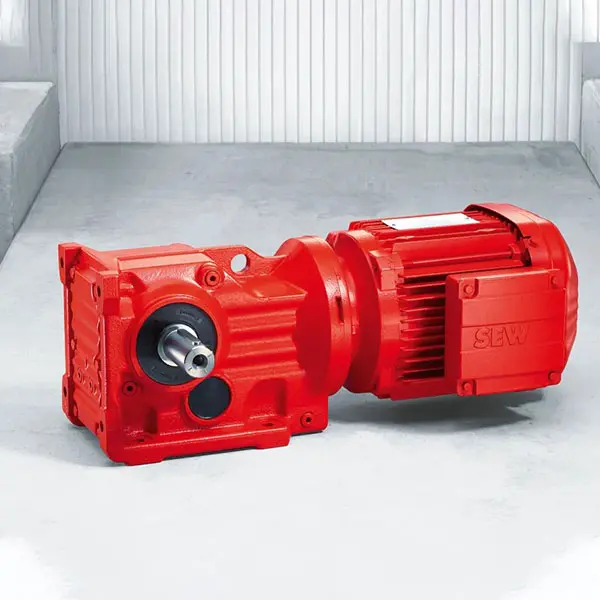 K Series Helical Bevel Gearmotor low voltage
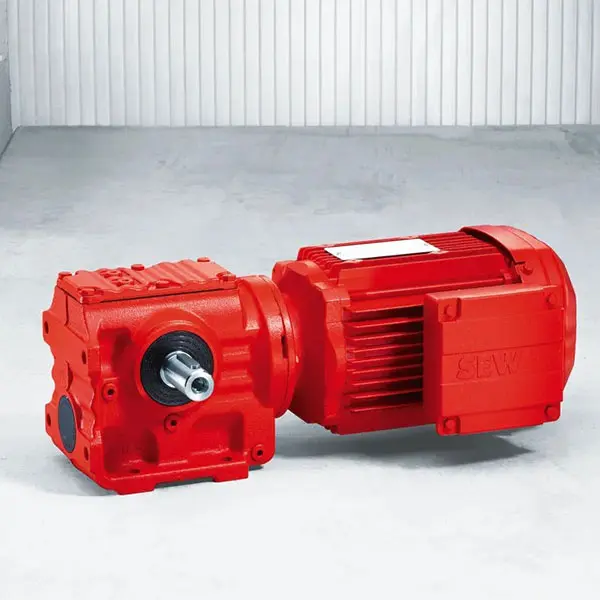 S Series Helical Worm Gearmotor low voltage
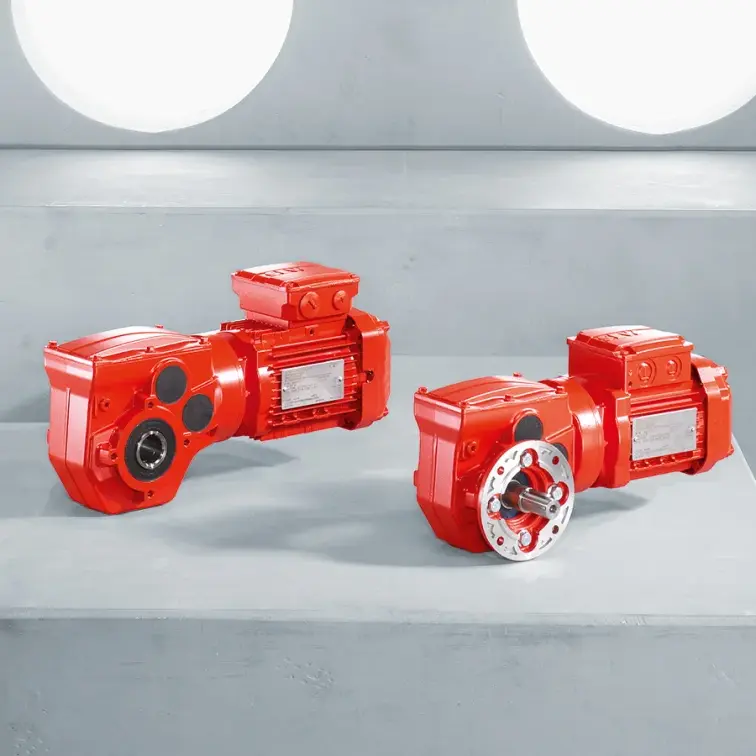 W Series SPIROPLAN® Right Angle Gearmotor