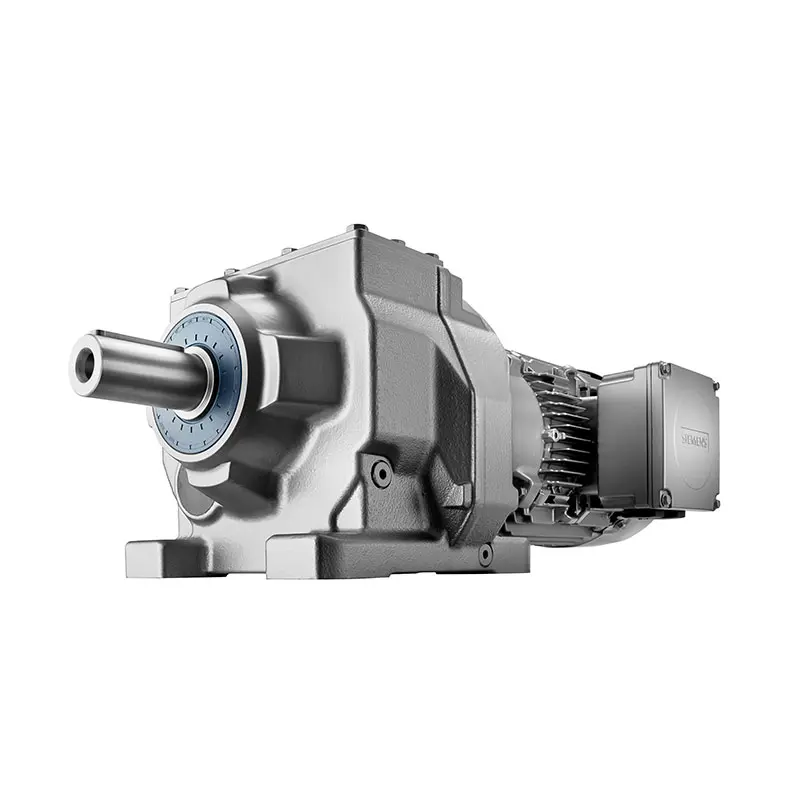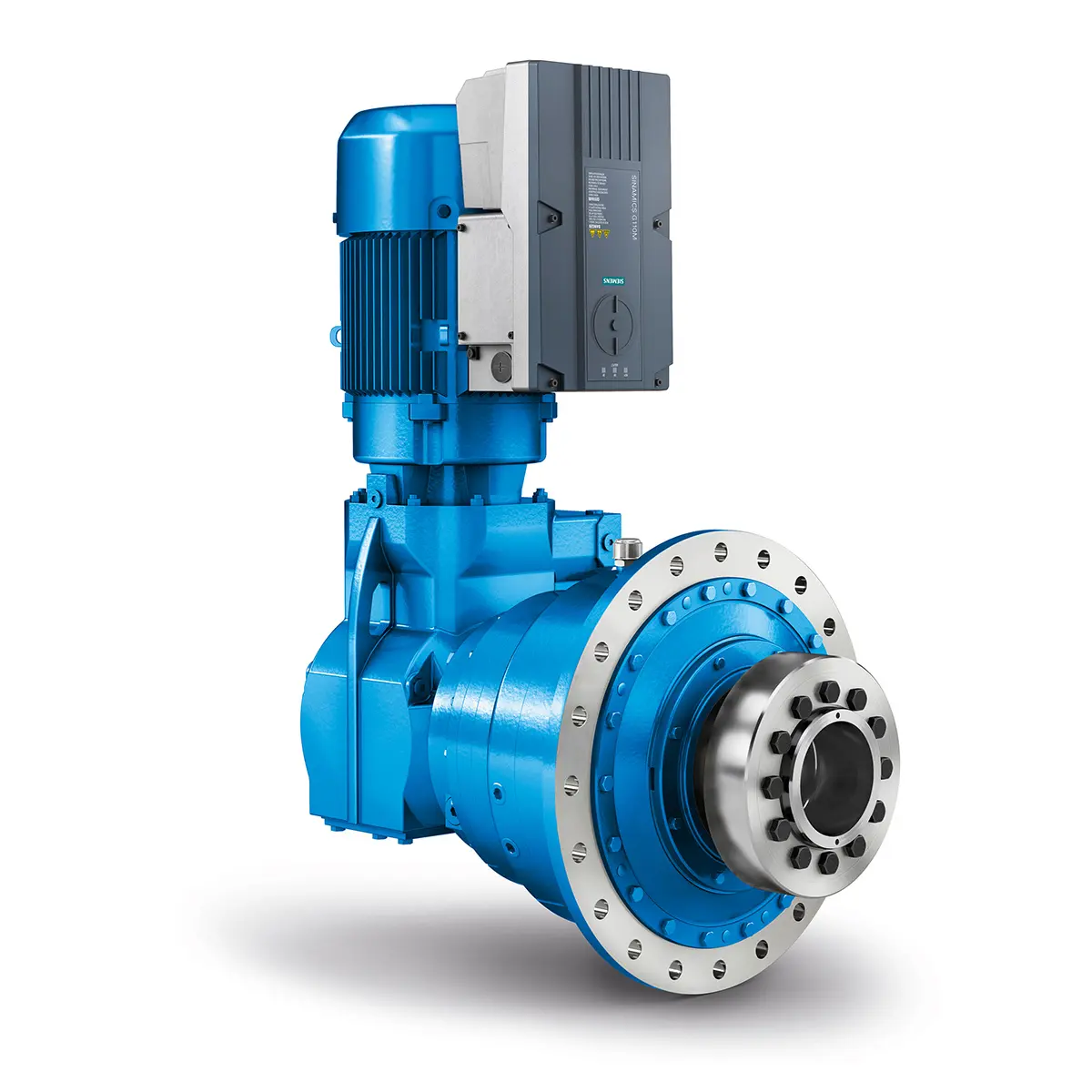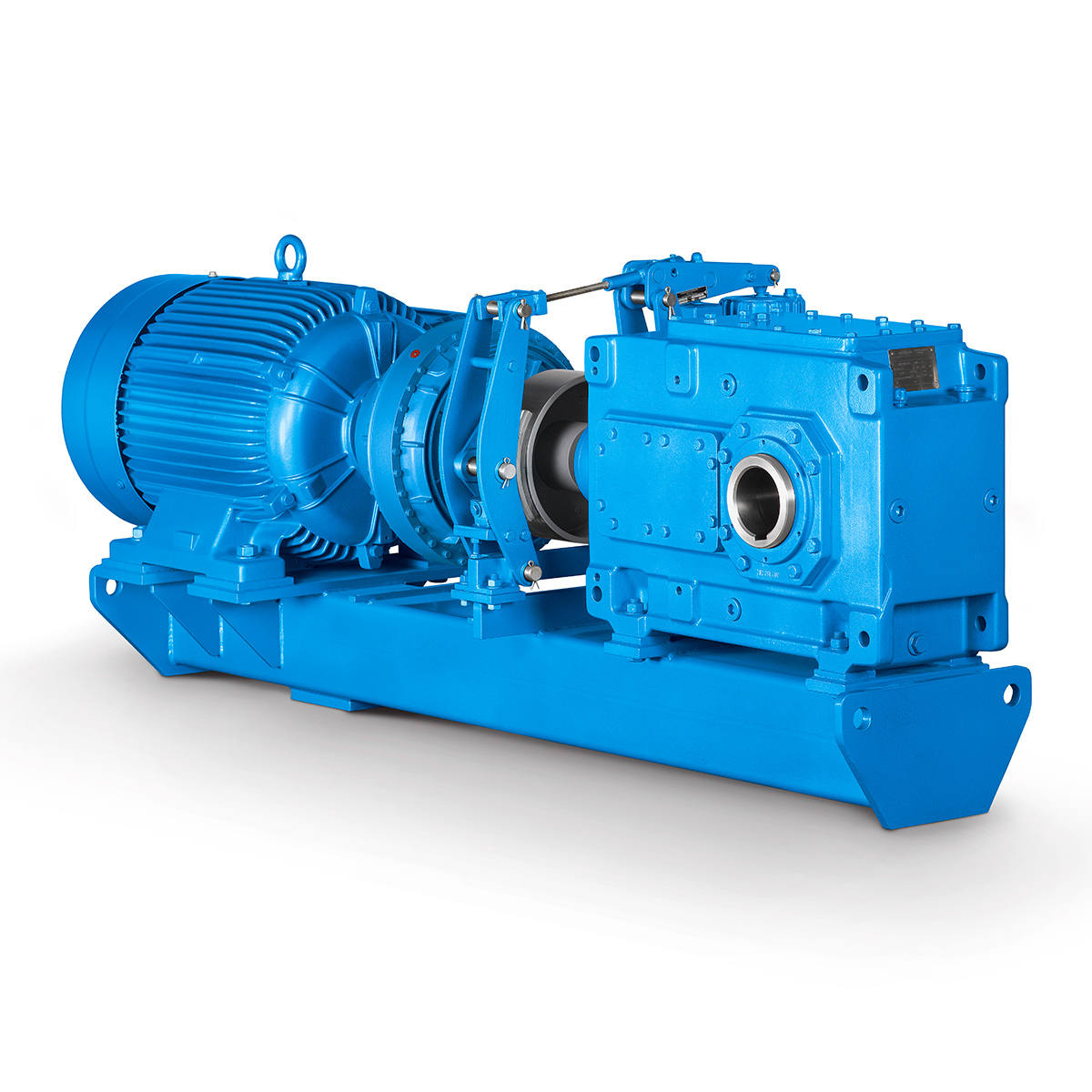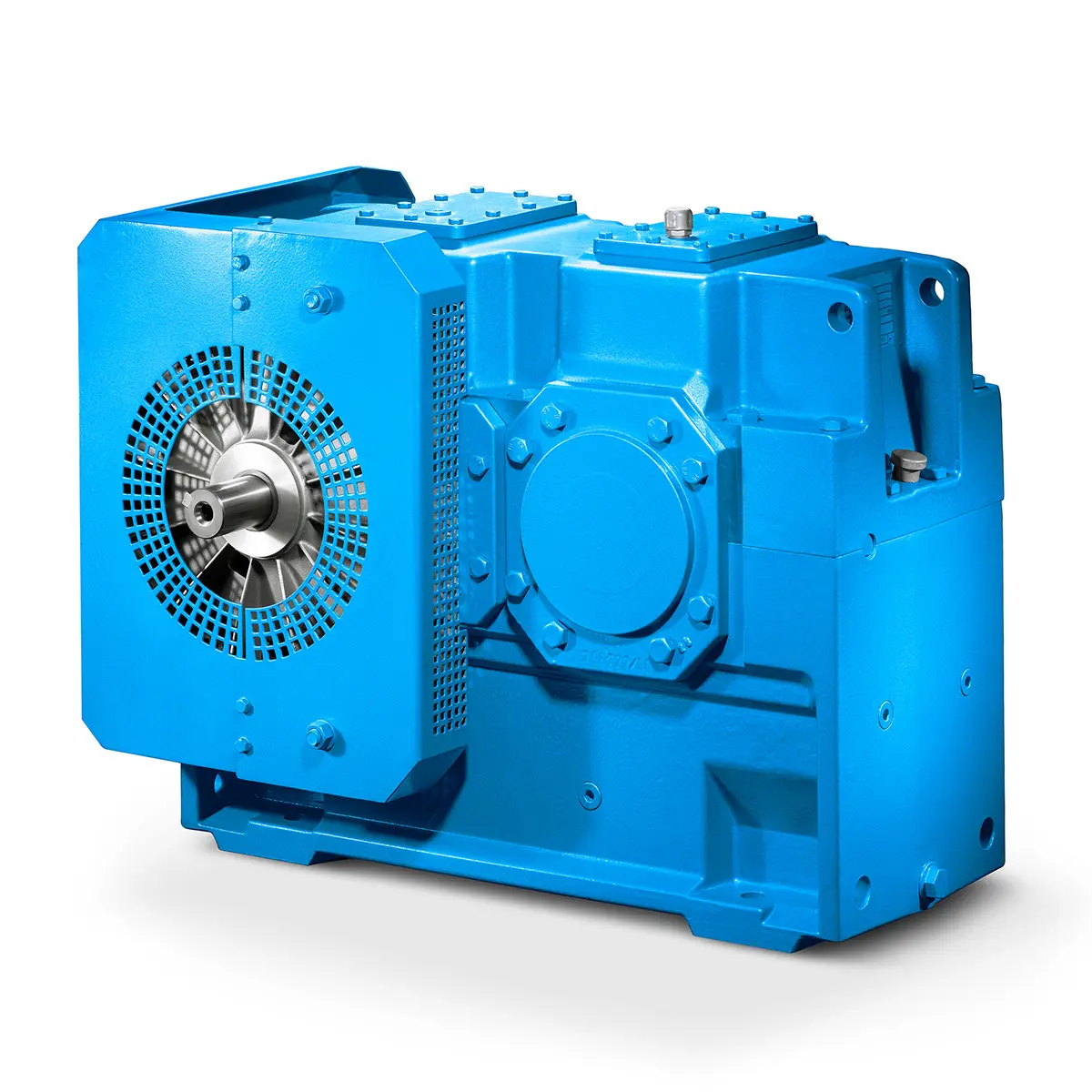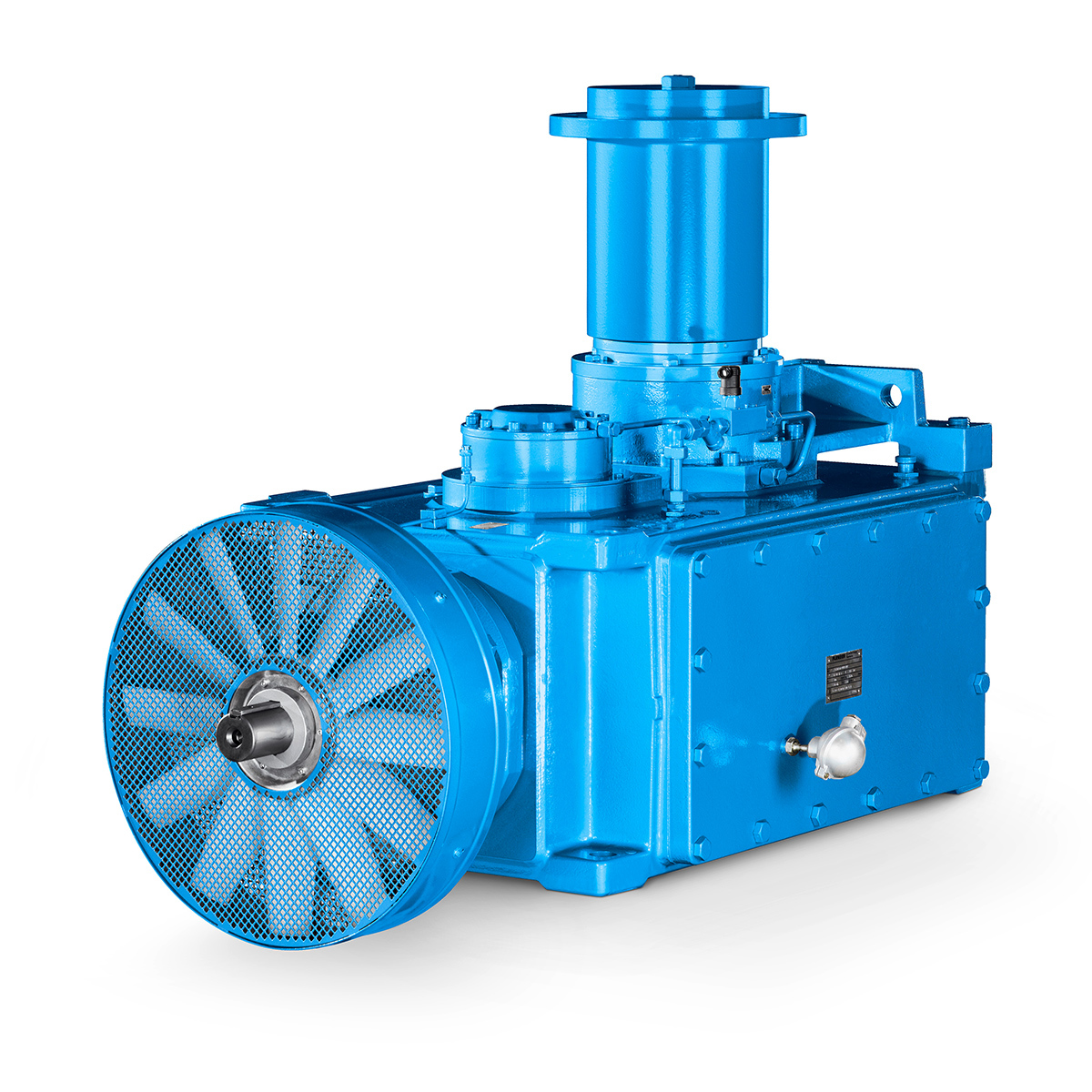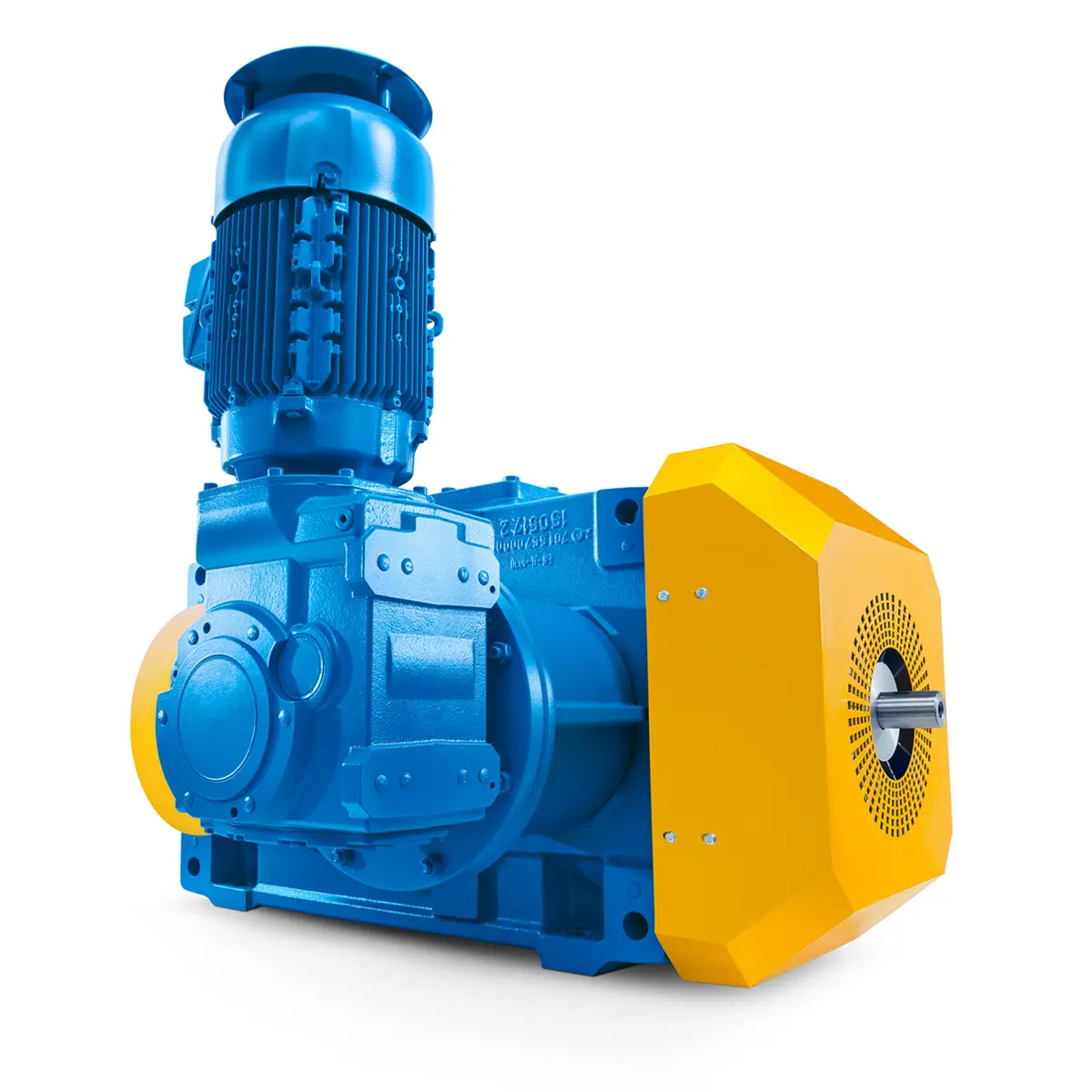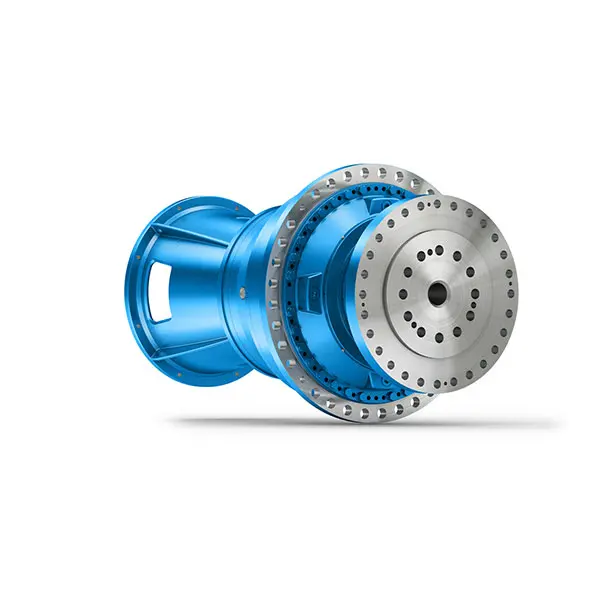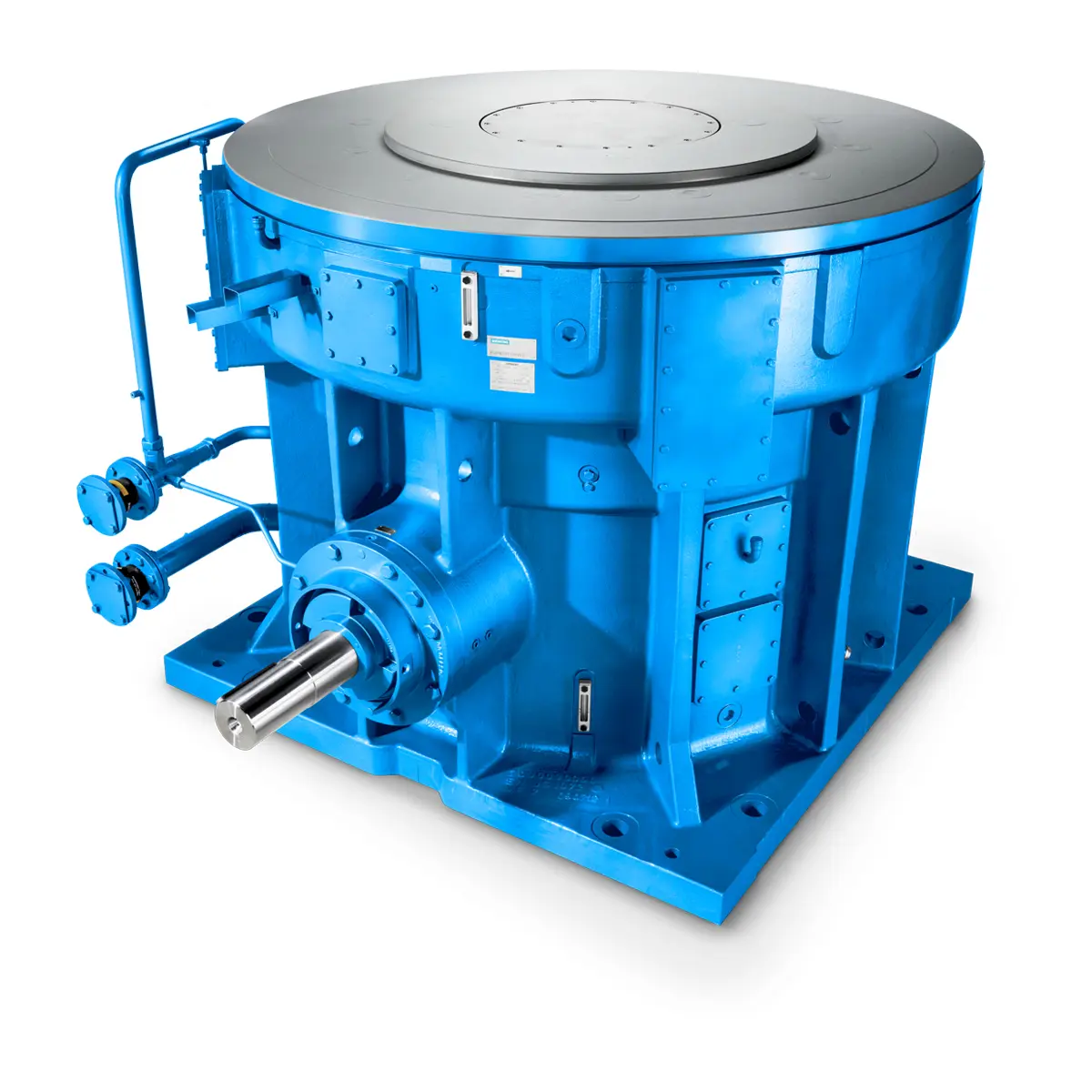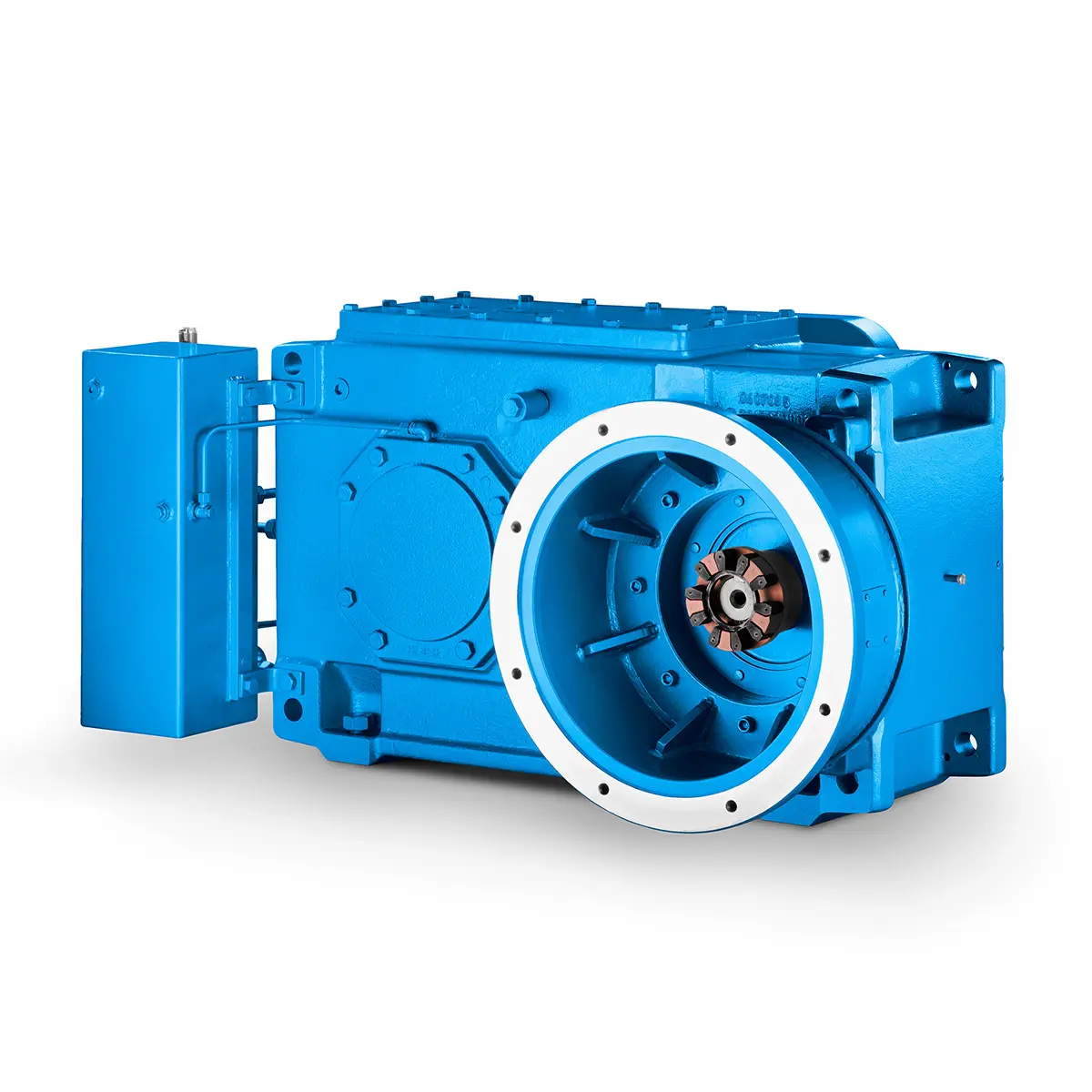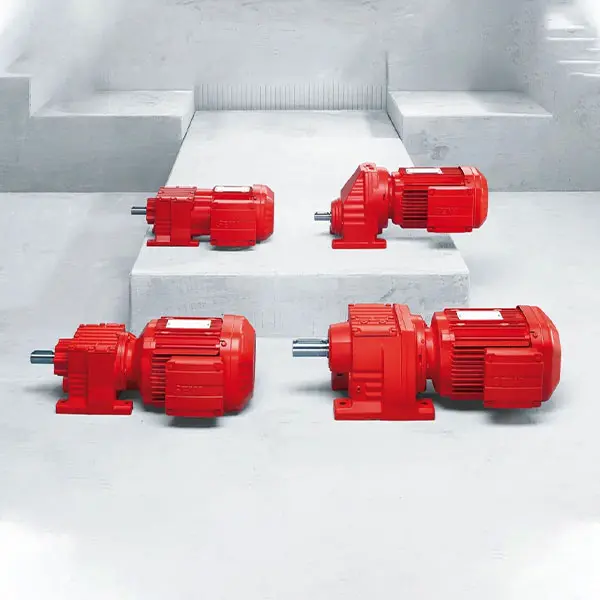
SIEMENS Helical Gearmotor Low Voltage
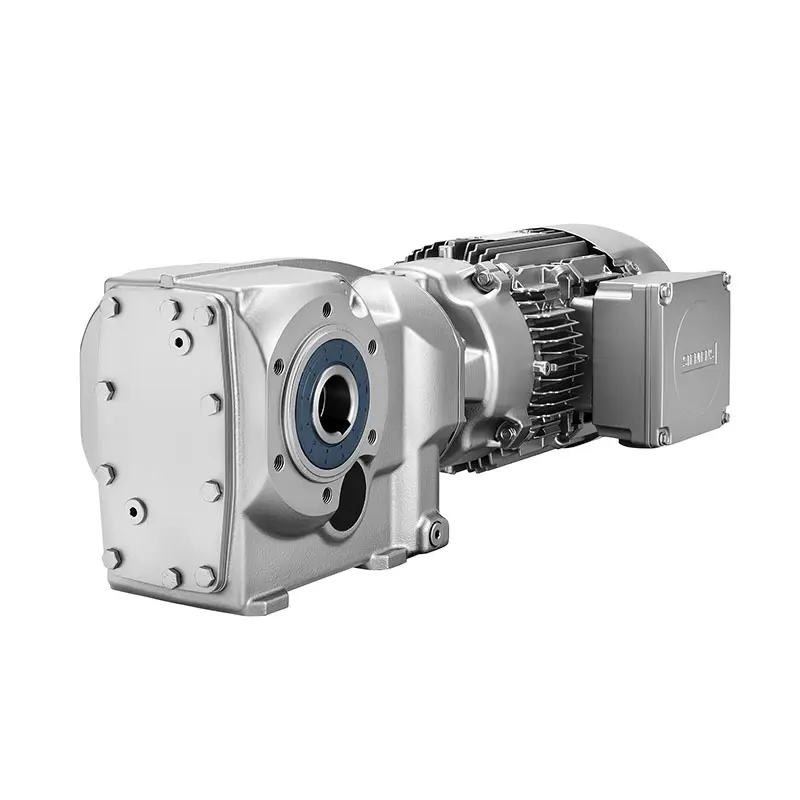
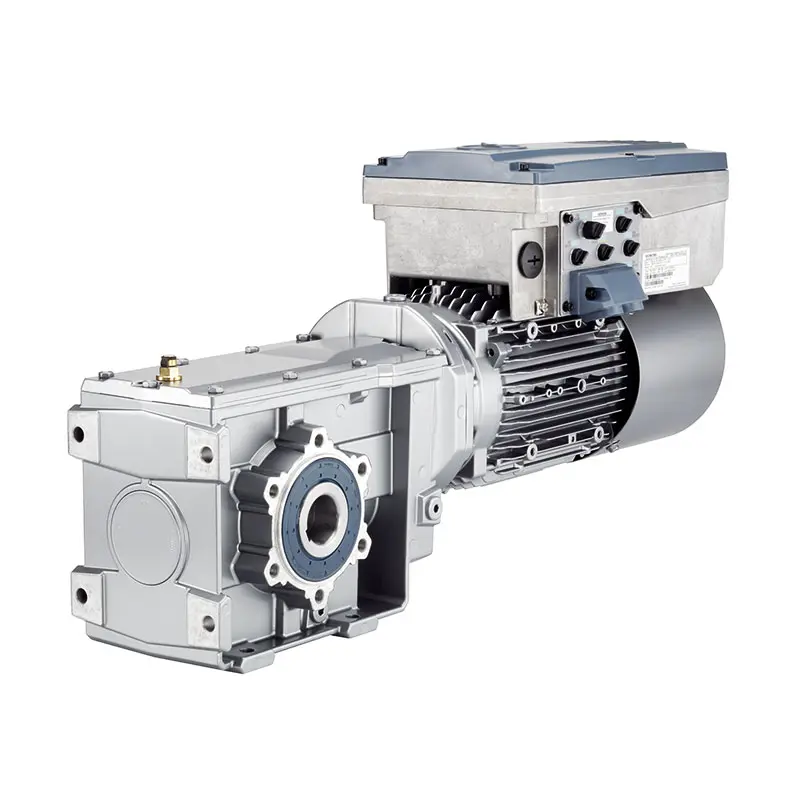
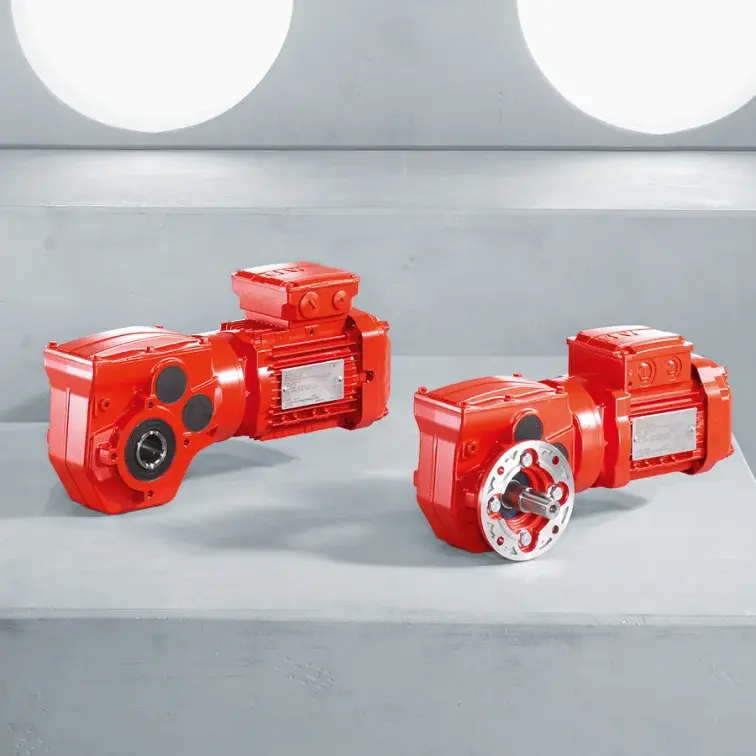
SIEMENS Bevel Helical Gearmotor
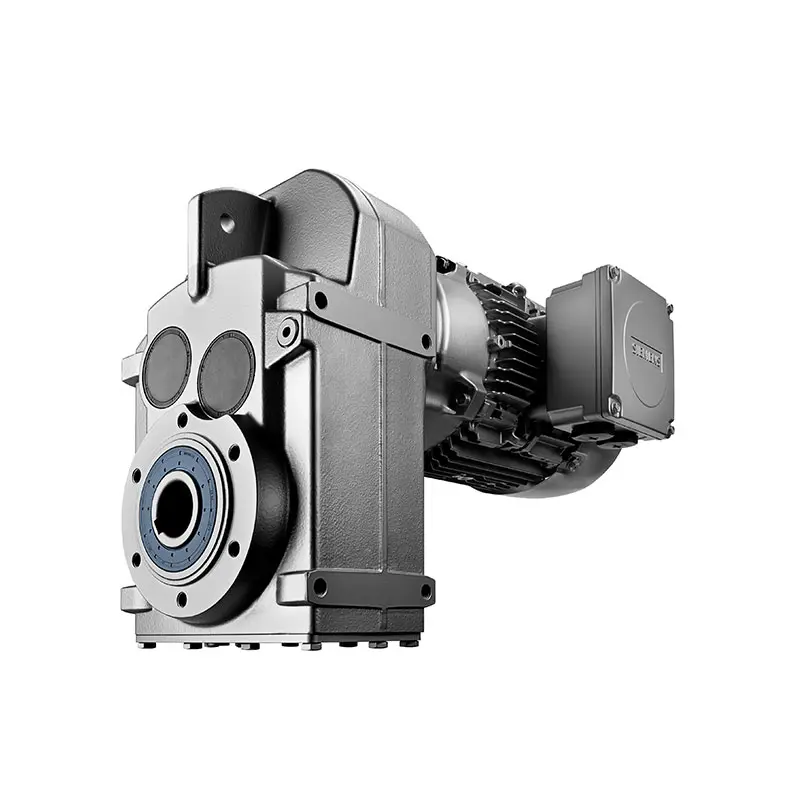
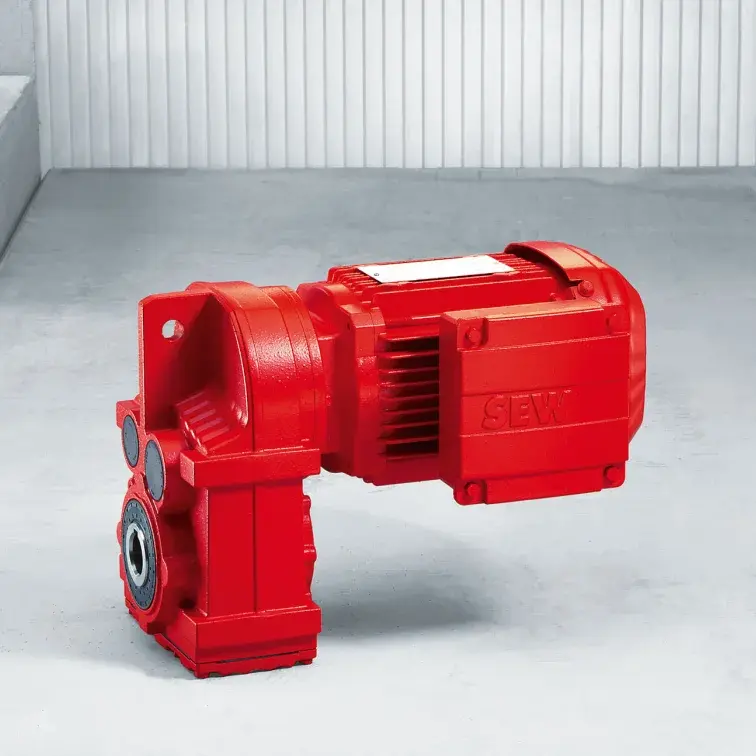
SIEMENS Parallel Shaft Gearmotor
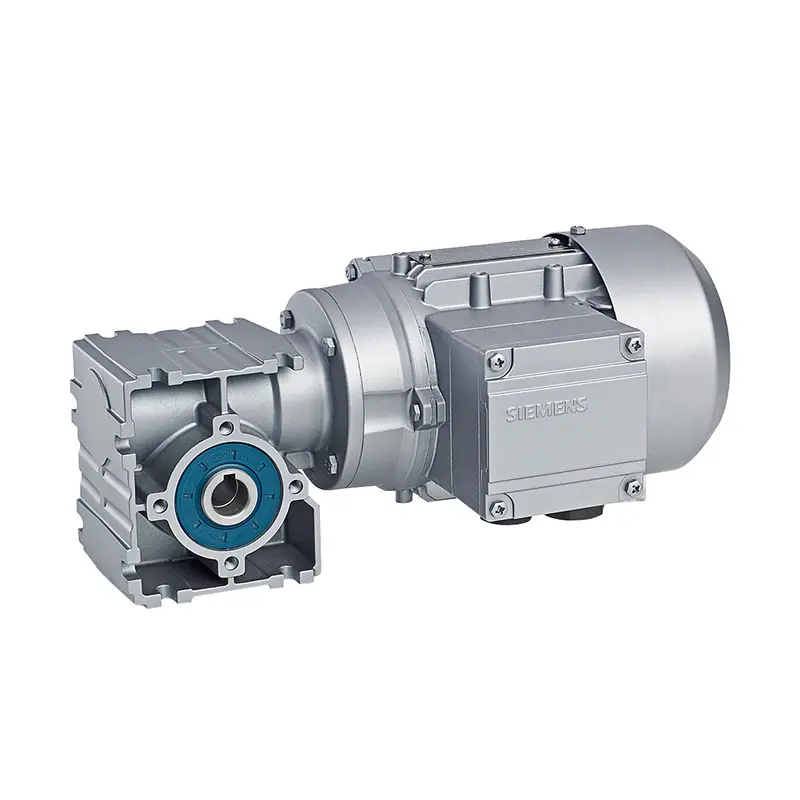
SIEMENS Worm Gearmotor Low Voltage
SIEMENS With Servo Motor Gearmotor
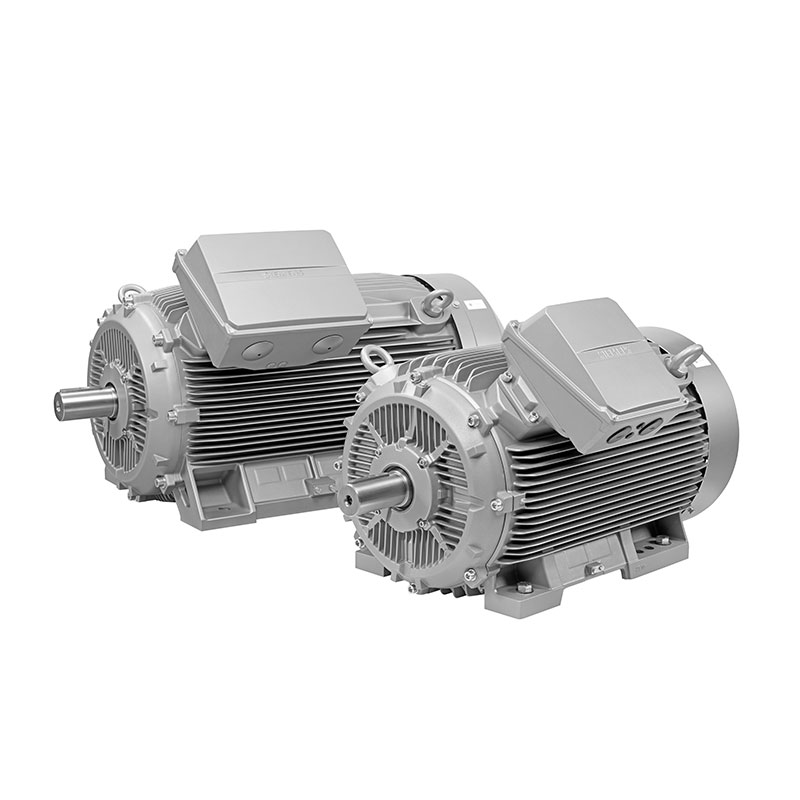
SIEMENS Low Voltage Motor Low Voltage
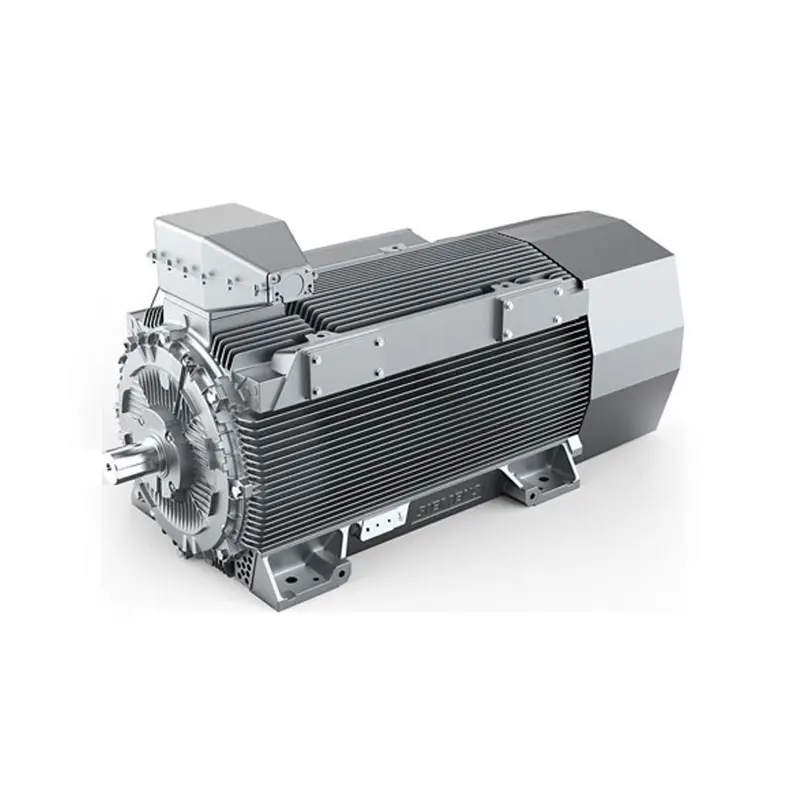
SIEMENS High Voltage Motor Low Voltage
SIEMENS Marine Motor Low Voltage
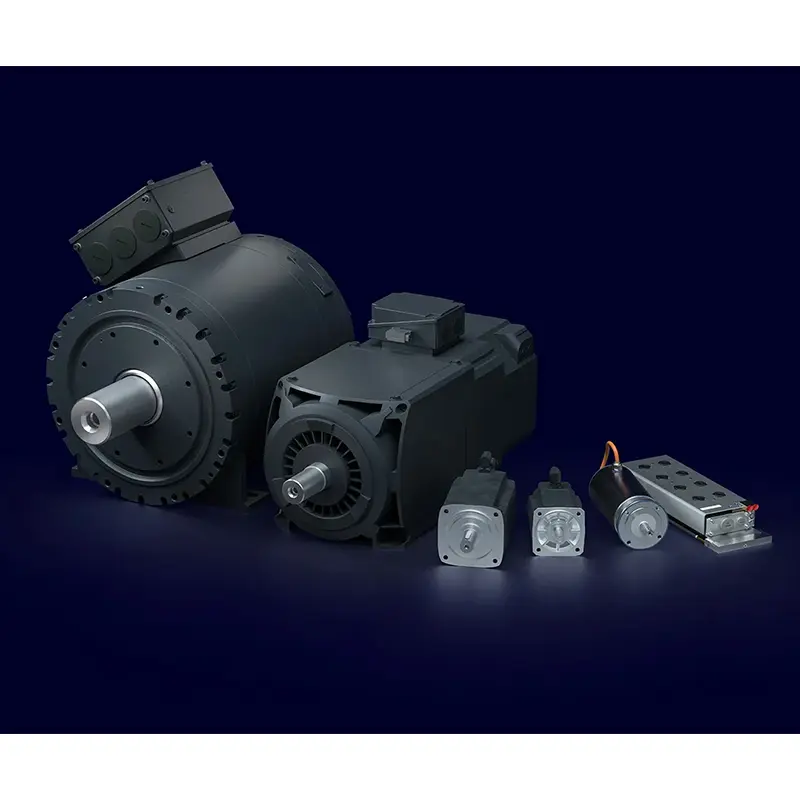
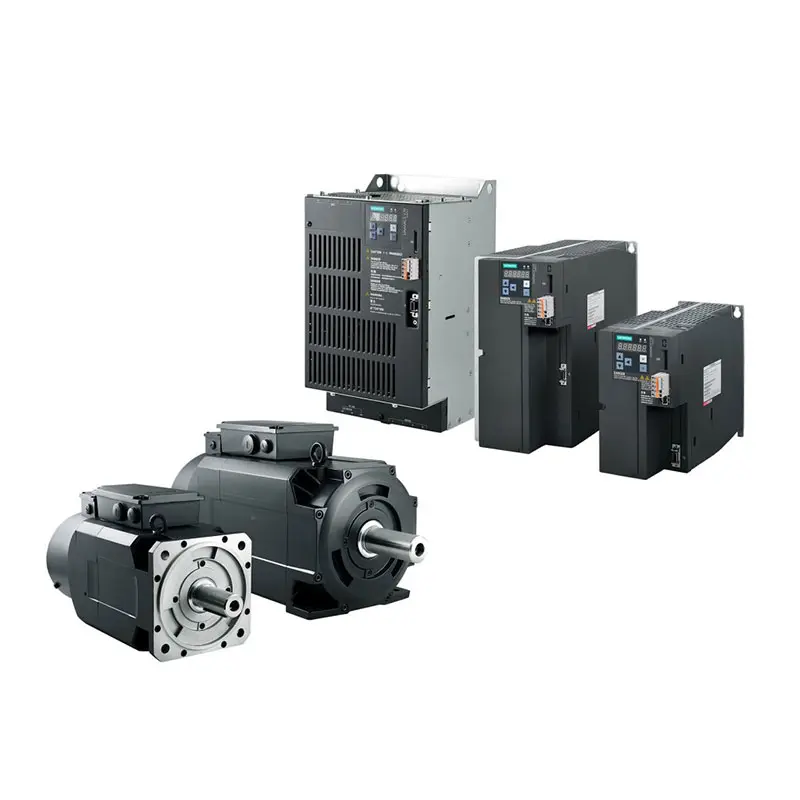
SIEMENS Servo Motor Low Voltage
SIEMENS SINAMICS S210 Low Voltage
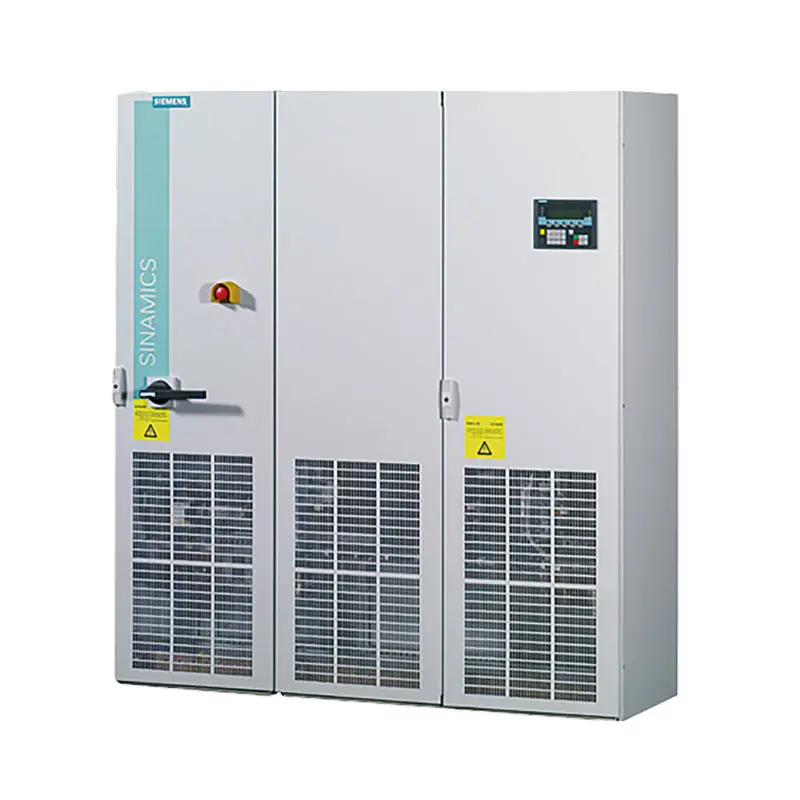
SIEMENS SINAMICS S150 Low Voltage
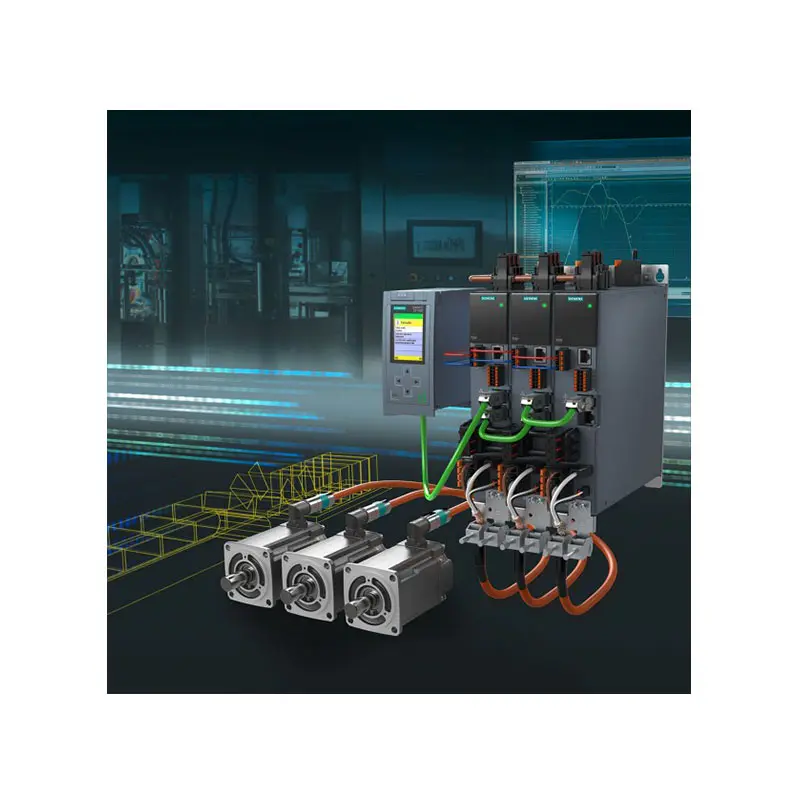
SIEMENS SINAMICS S120 Low Voltage
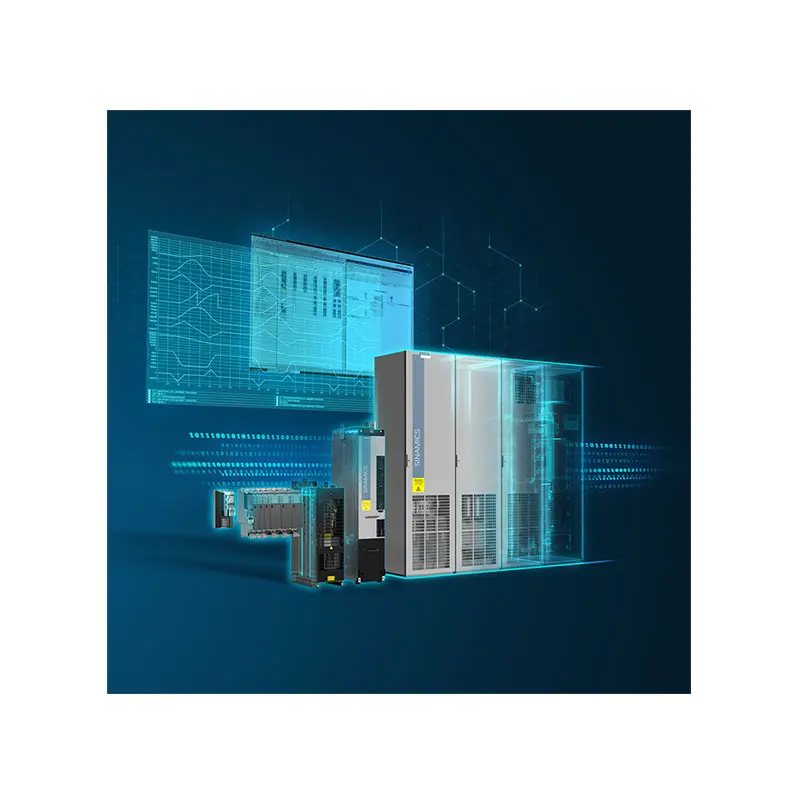
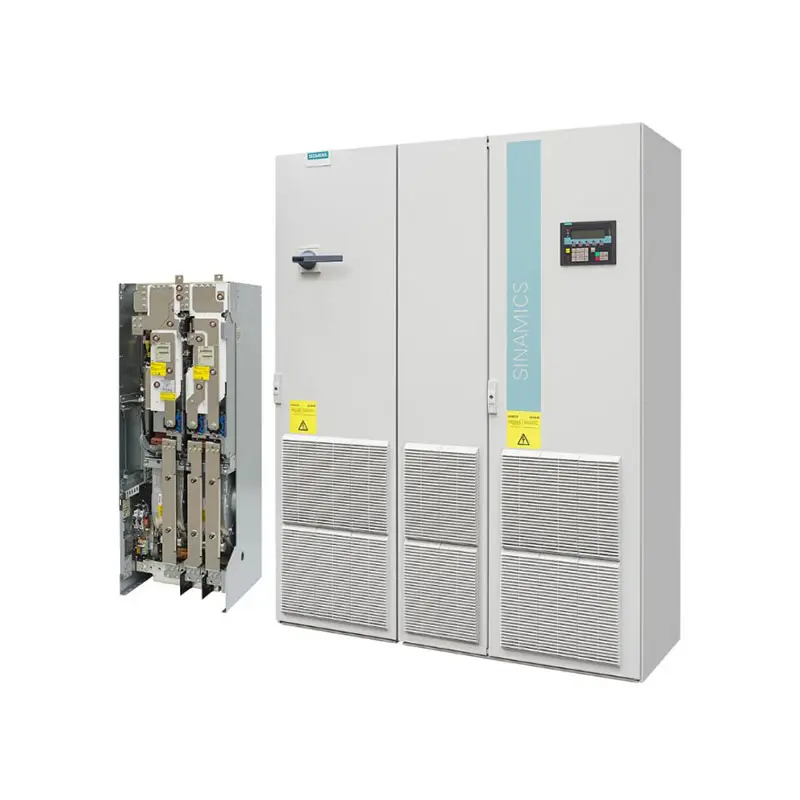
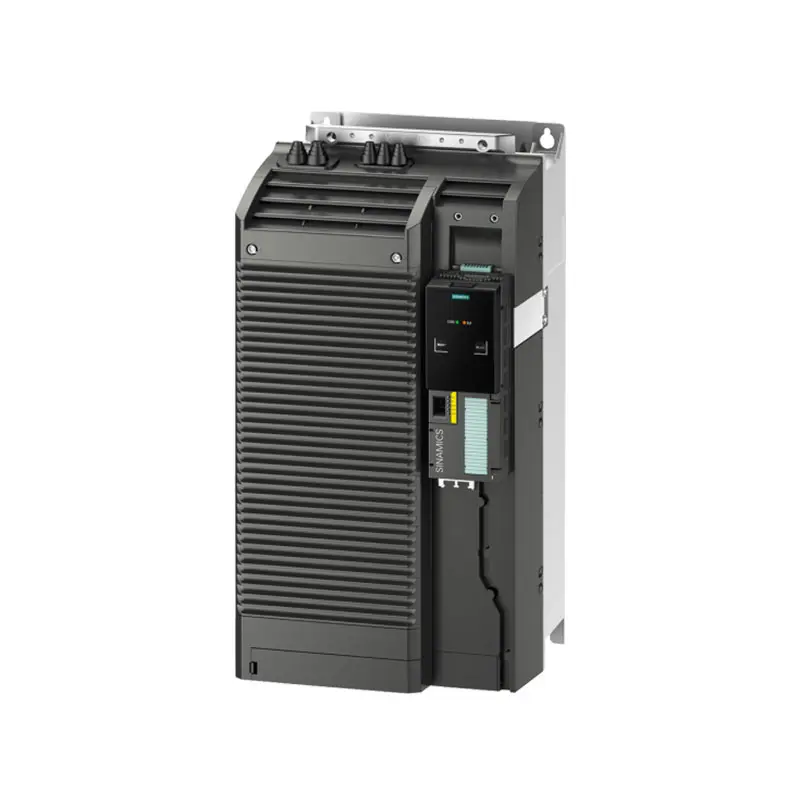
SIEMENS SINAMICS G130/G150
SIEMENS SINAMICS G120 Low Voltage
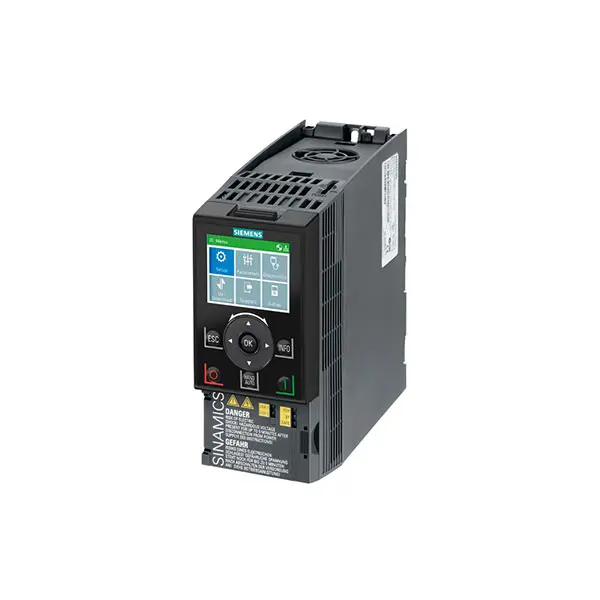
SIEMENS SINAMICS G120C Low Voltage
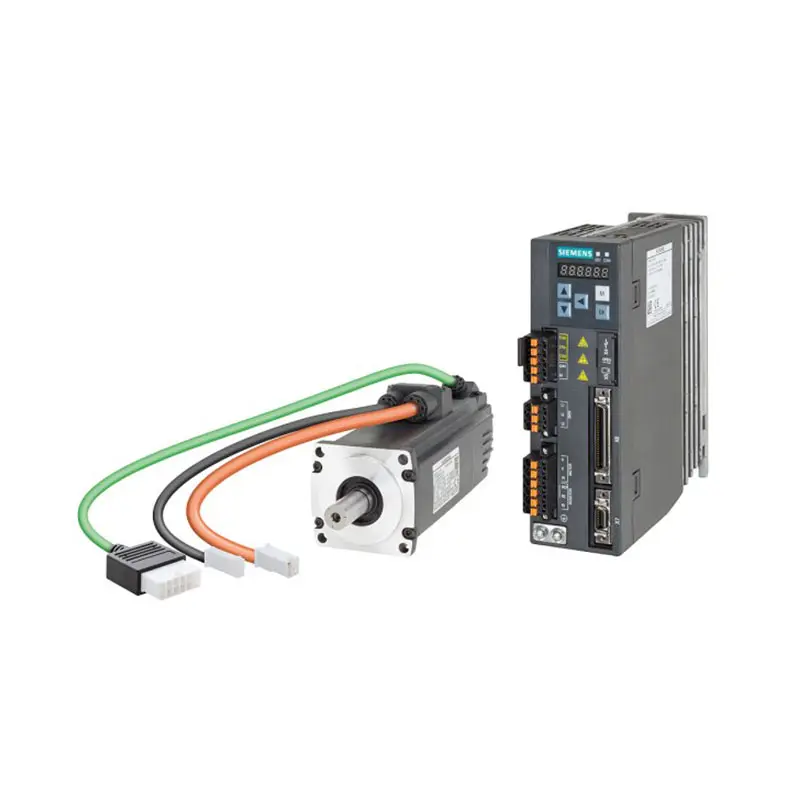
SIEMENS SINAMICS V90
SIEMENS SINAMICS V70 Low Voltage
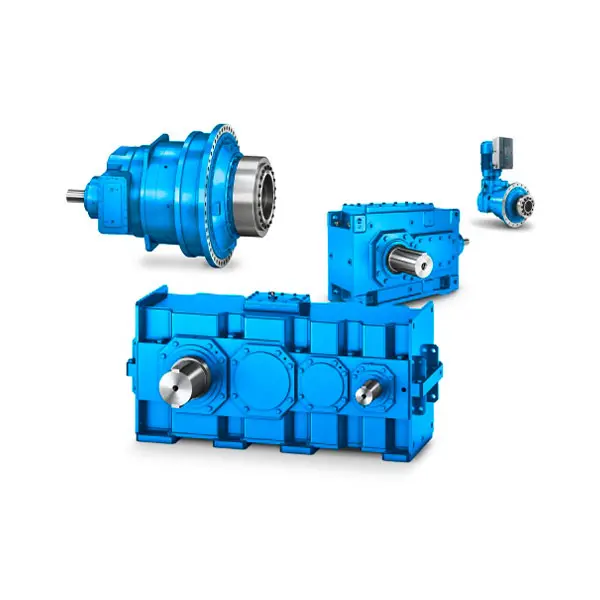
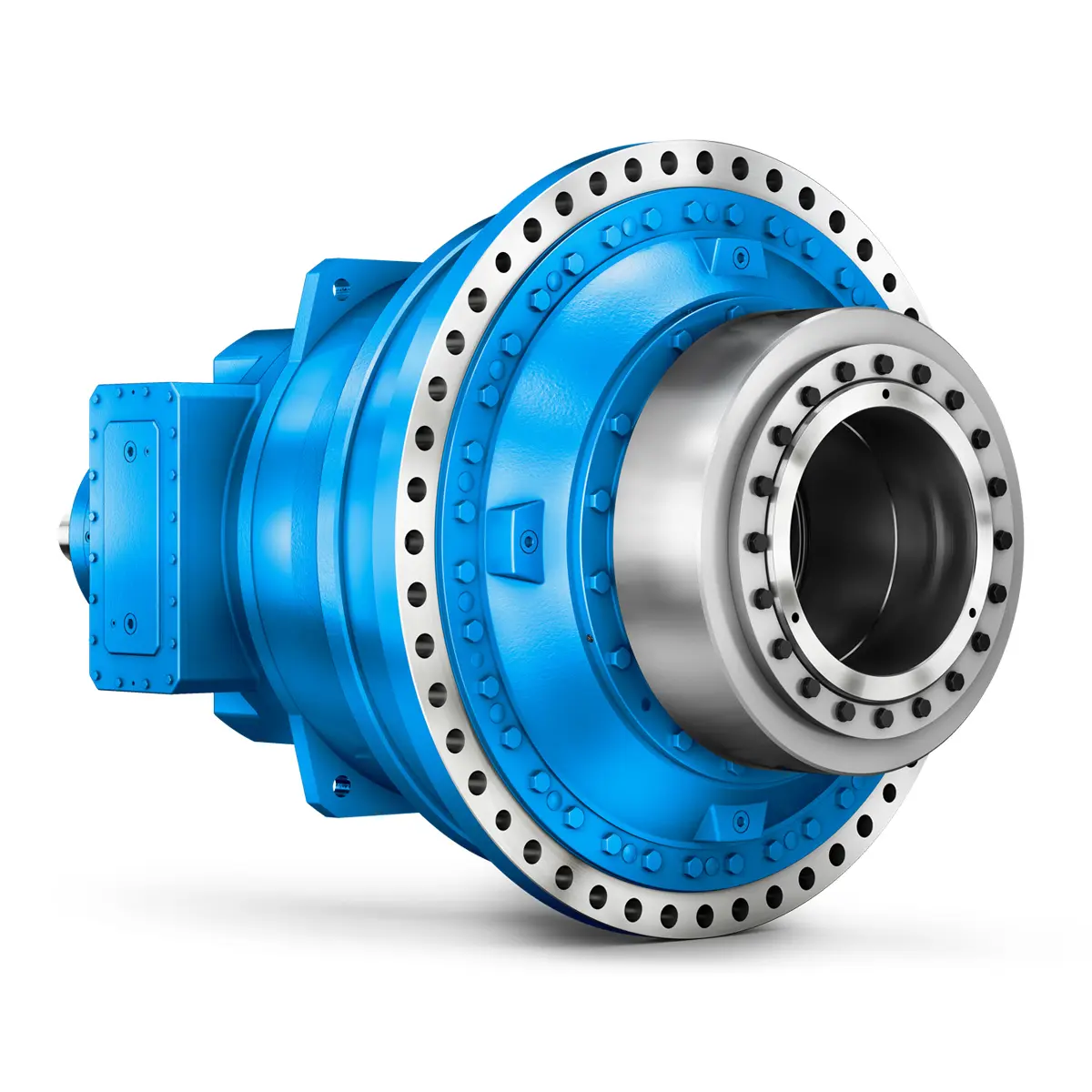
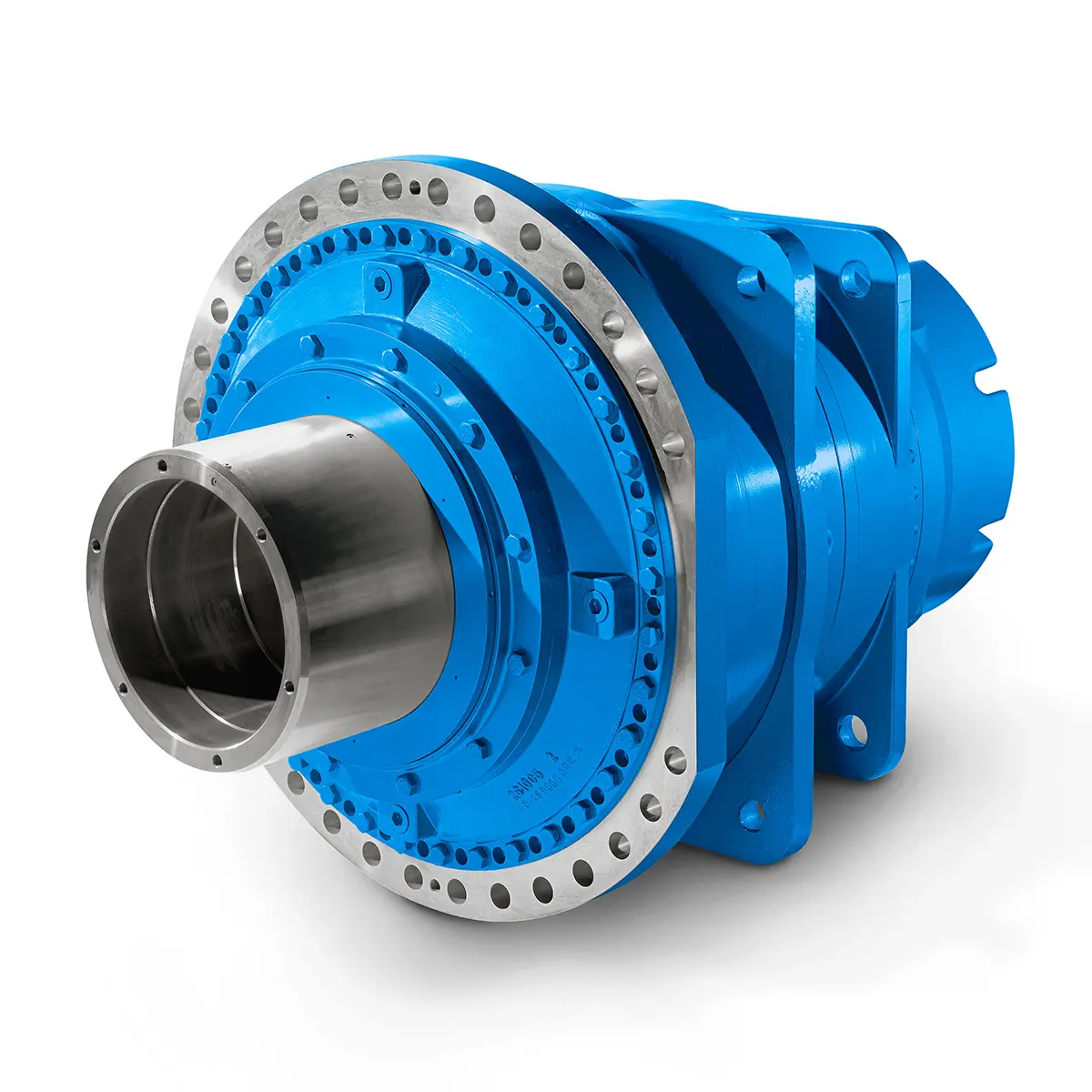
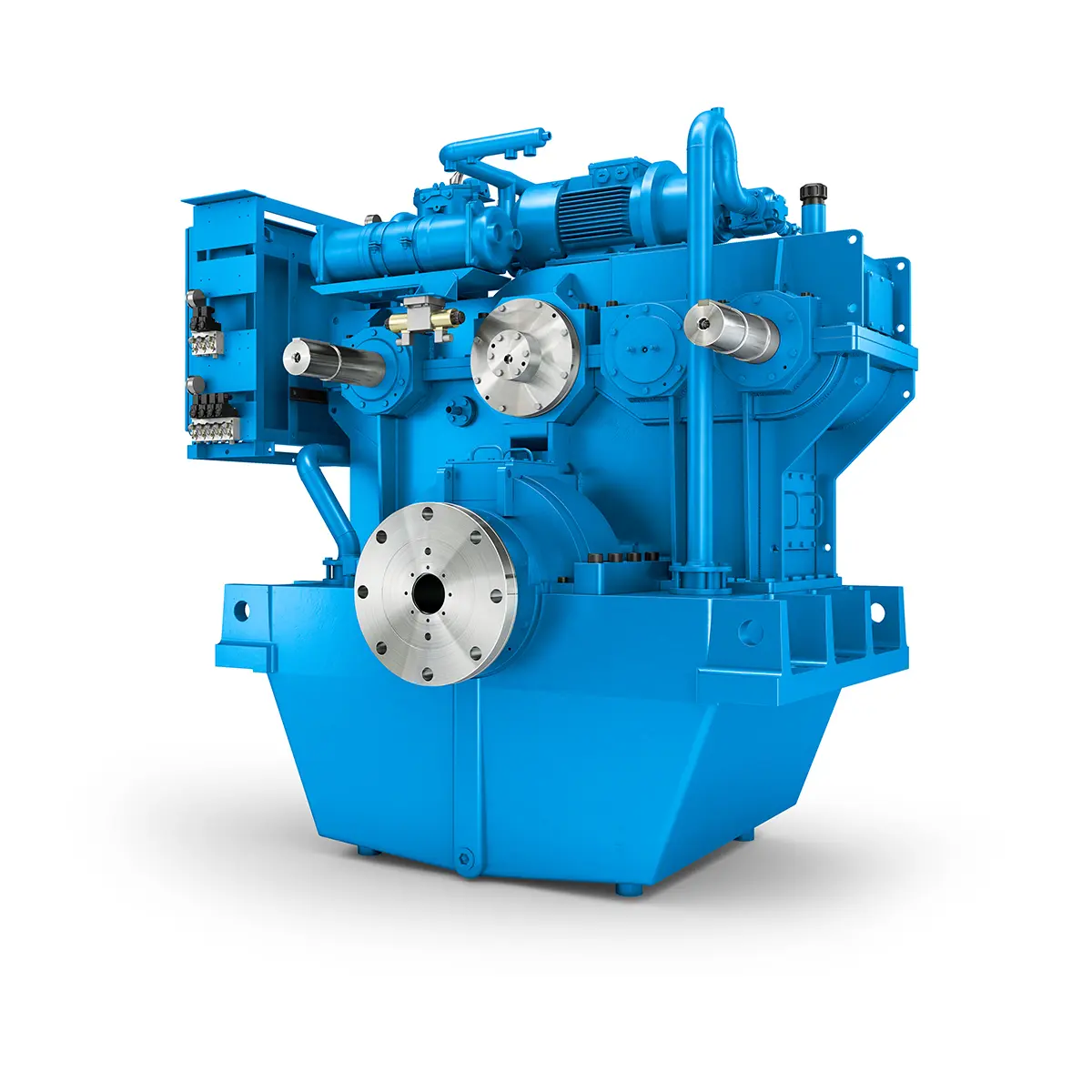
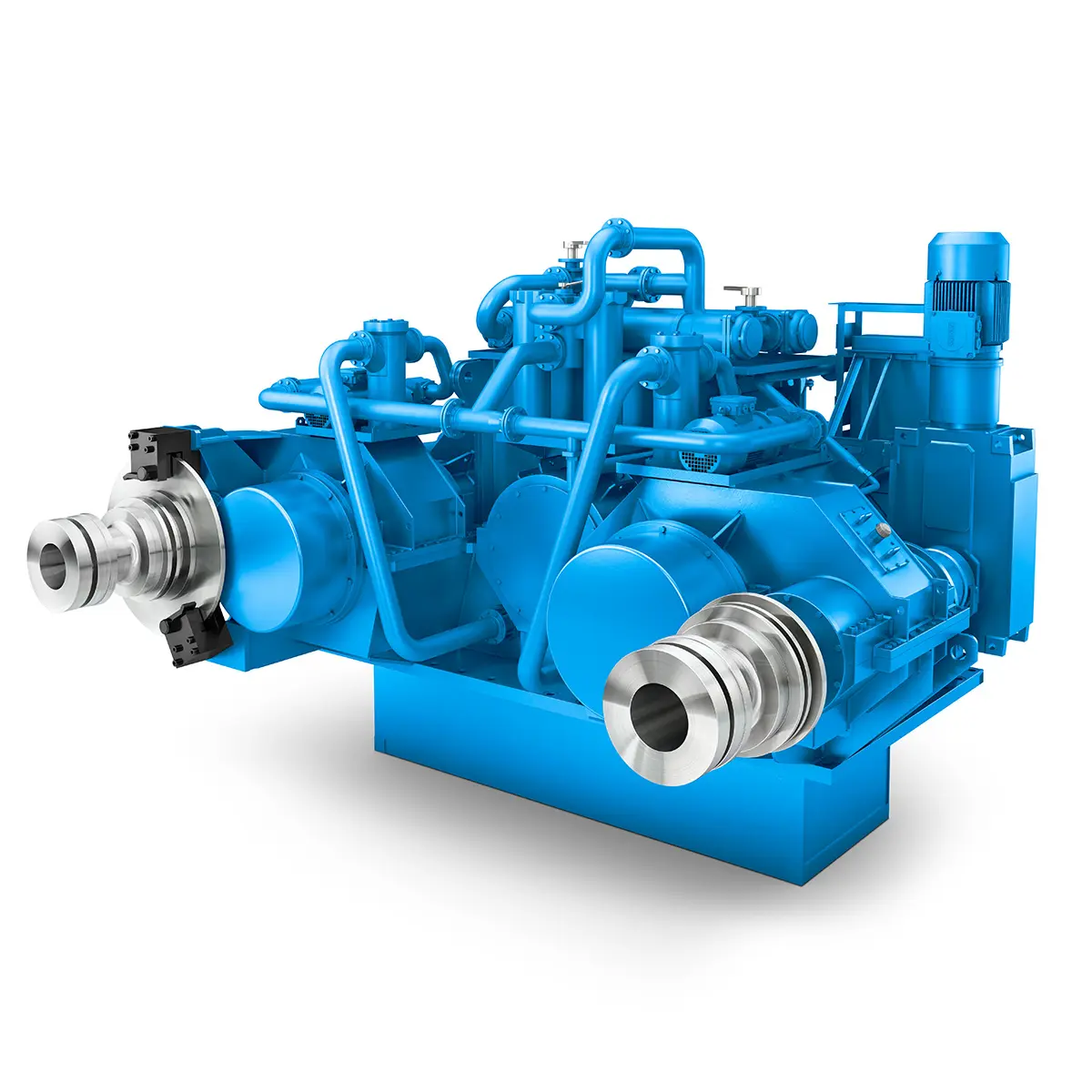
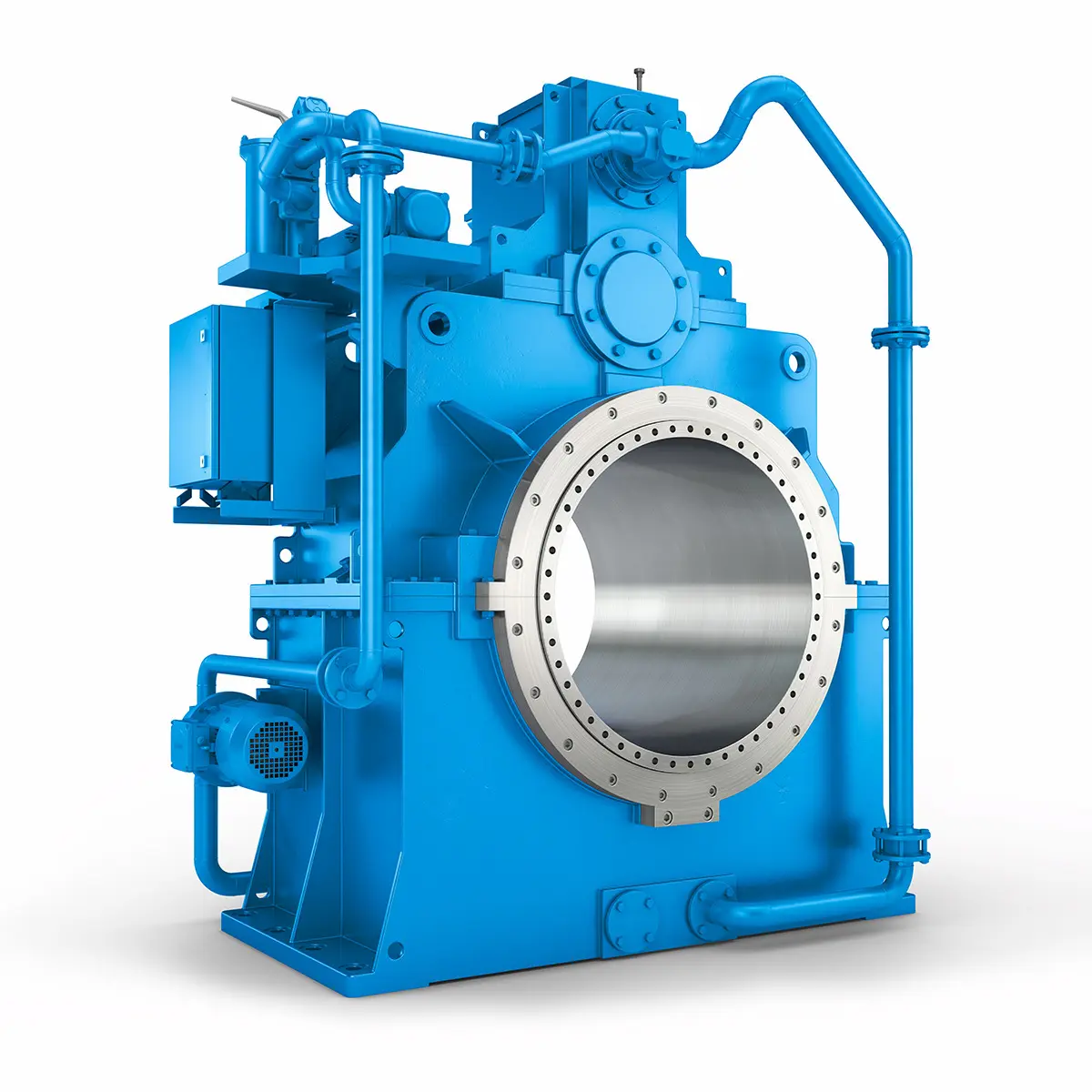
FLENDER Gear Unit
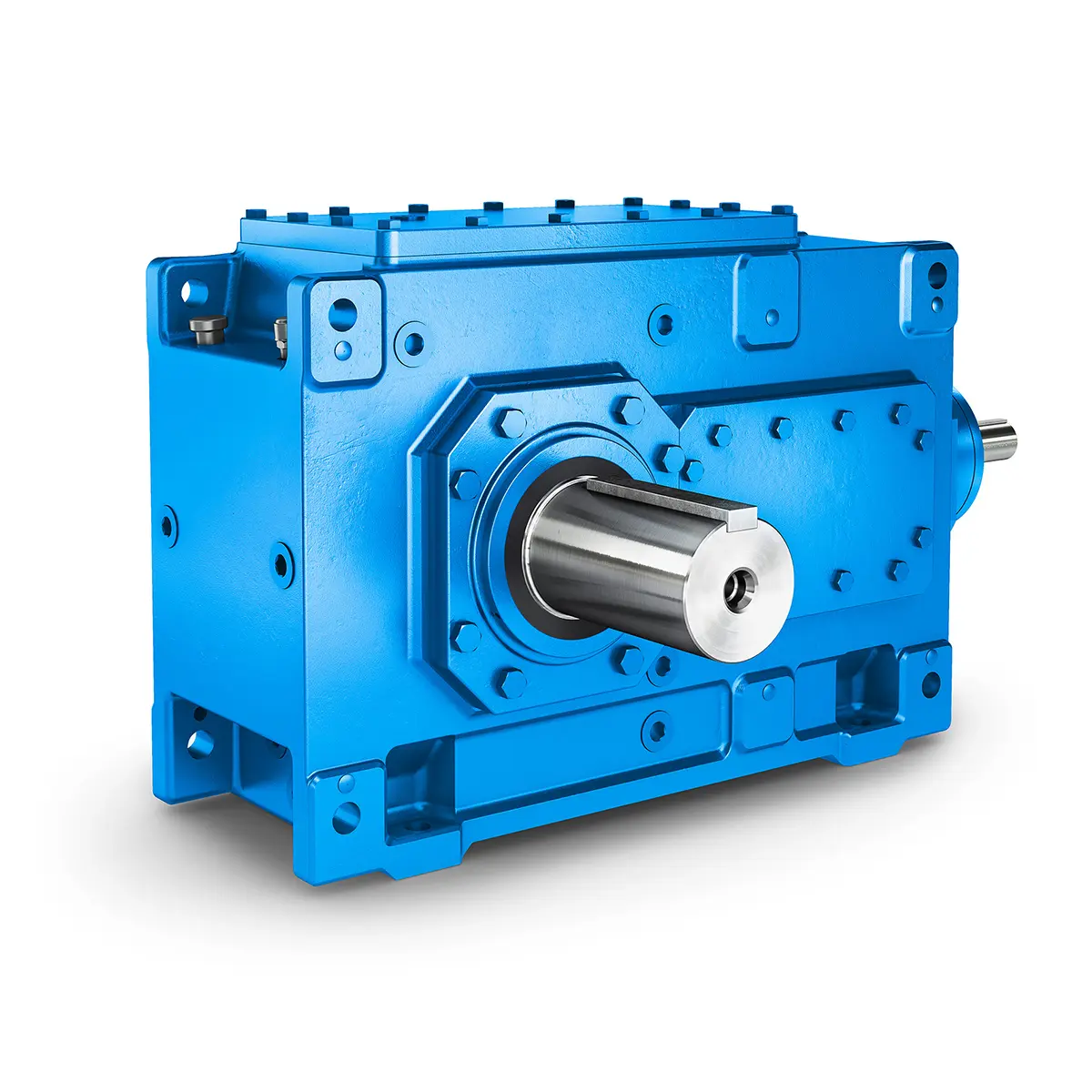
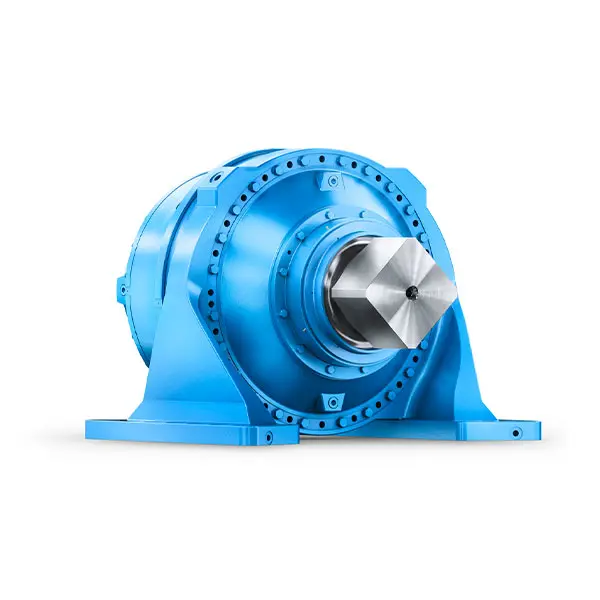
FLENDER Helical Gear Unit
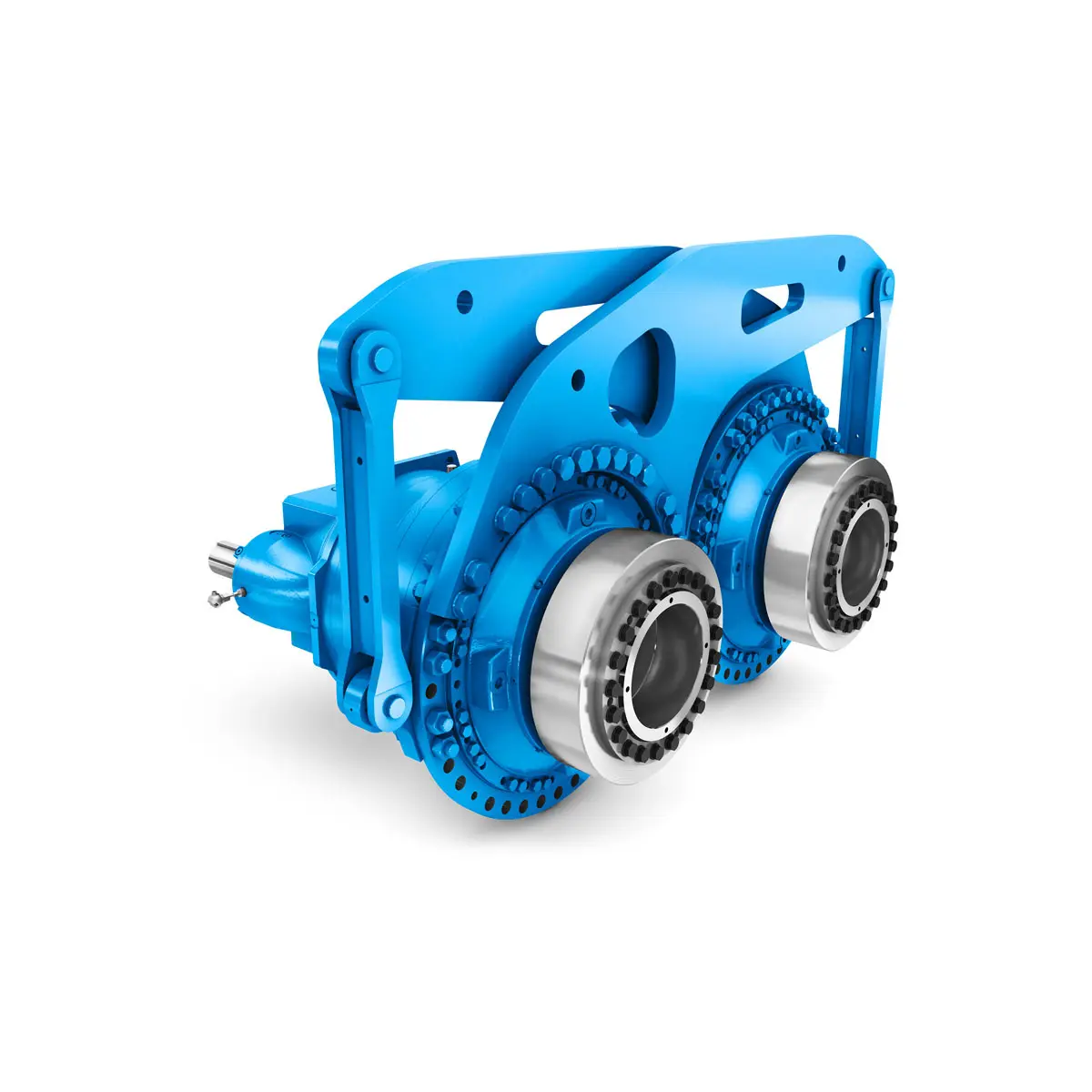
Flender gear units for lifting and luffing gears
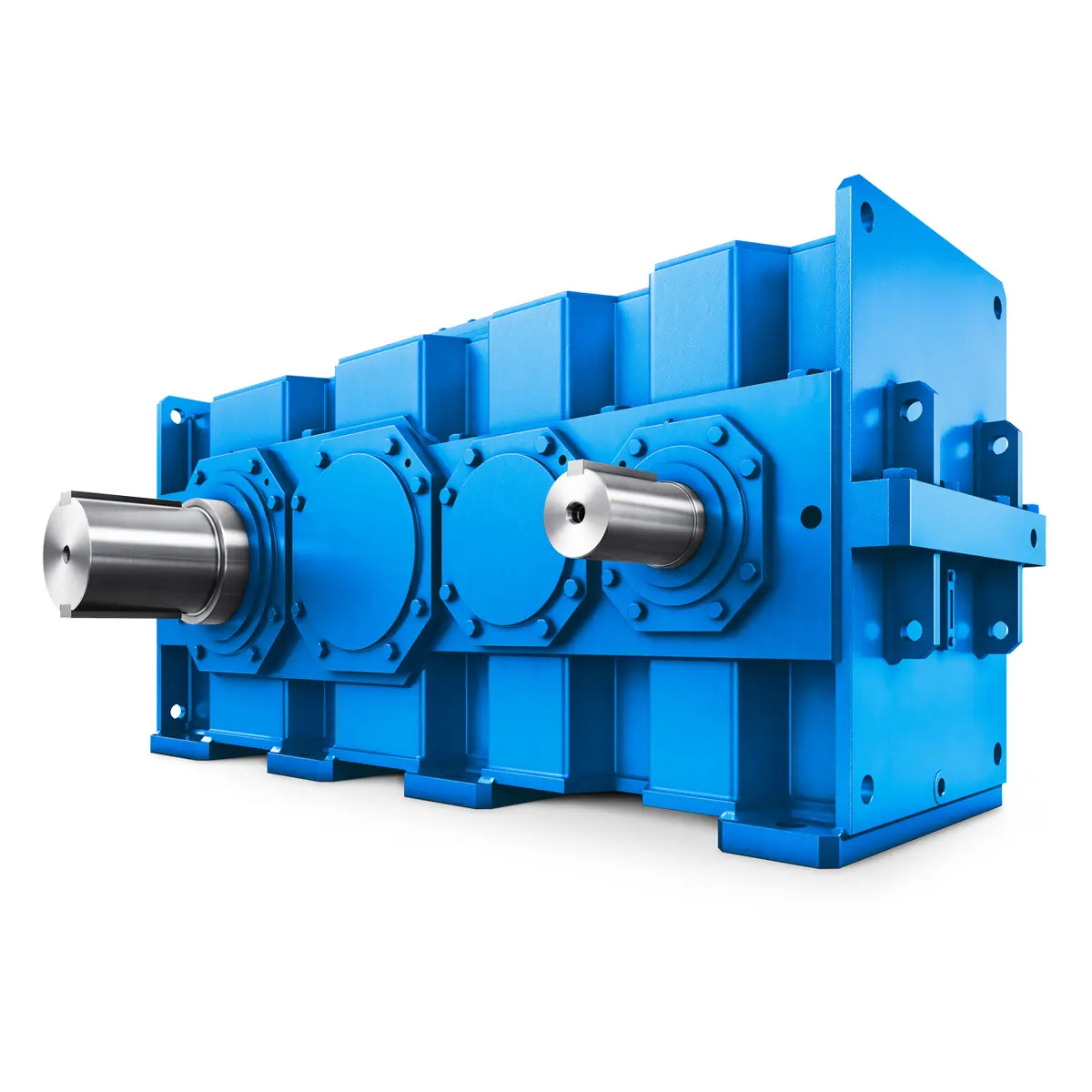
FLENDER Gear Unit gearunit gearbox
Optimal Drive Solution For Maximum Performance
Strongly operating against biodegradable constituents
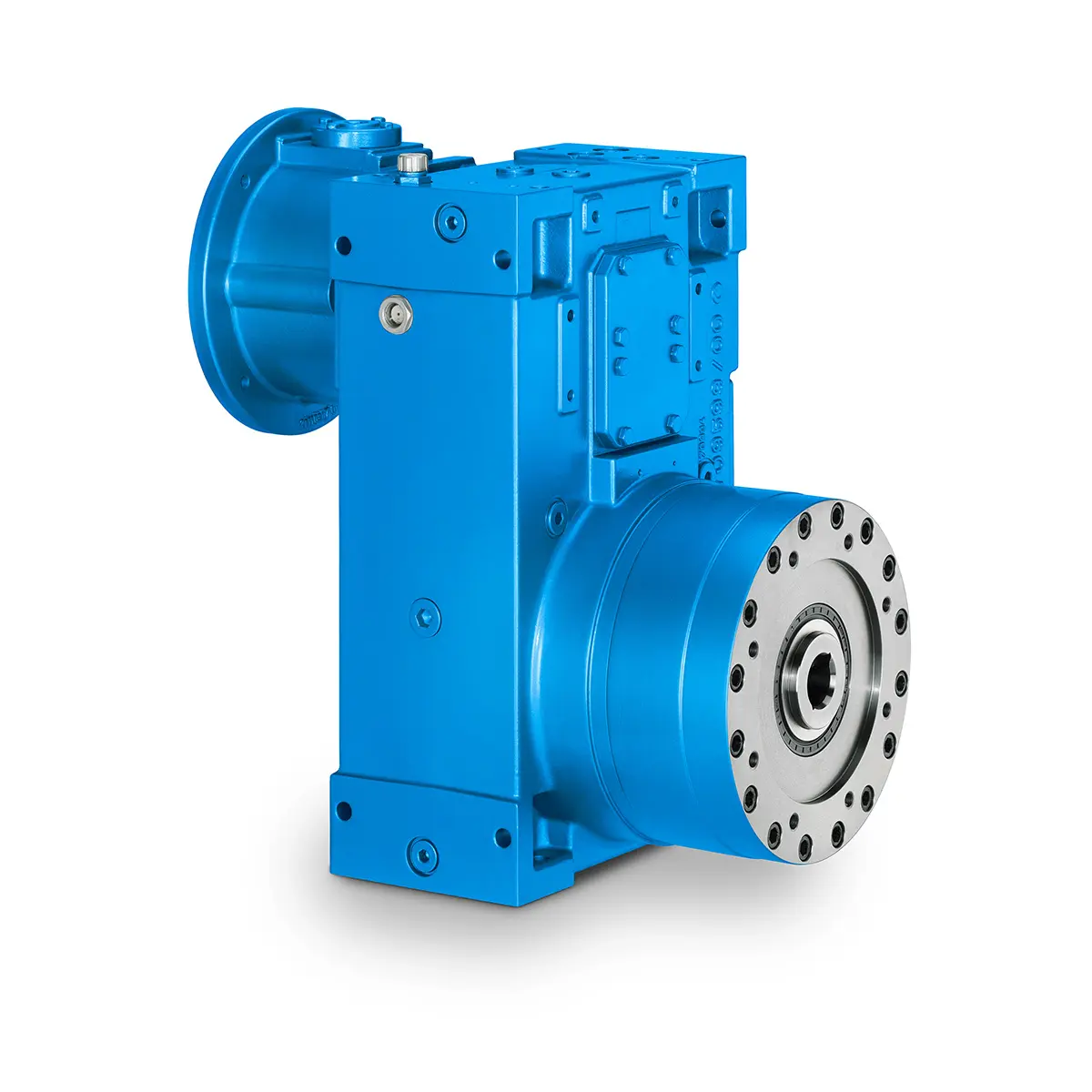
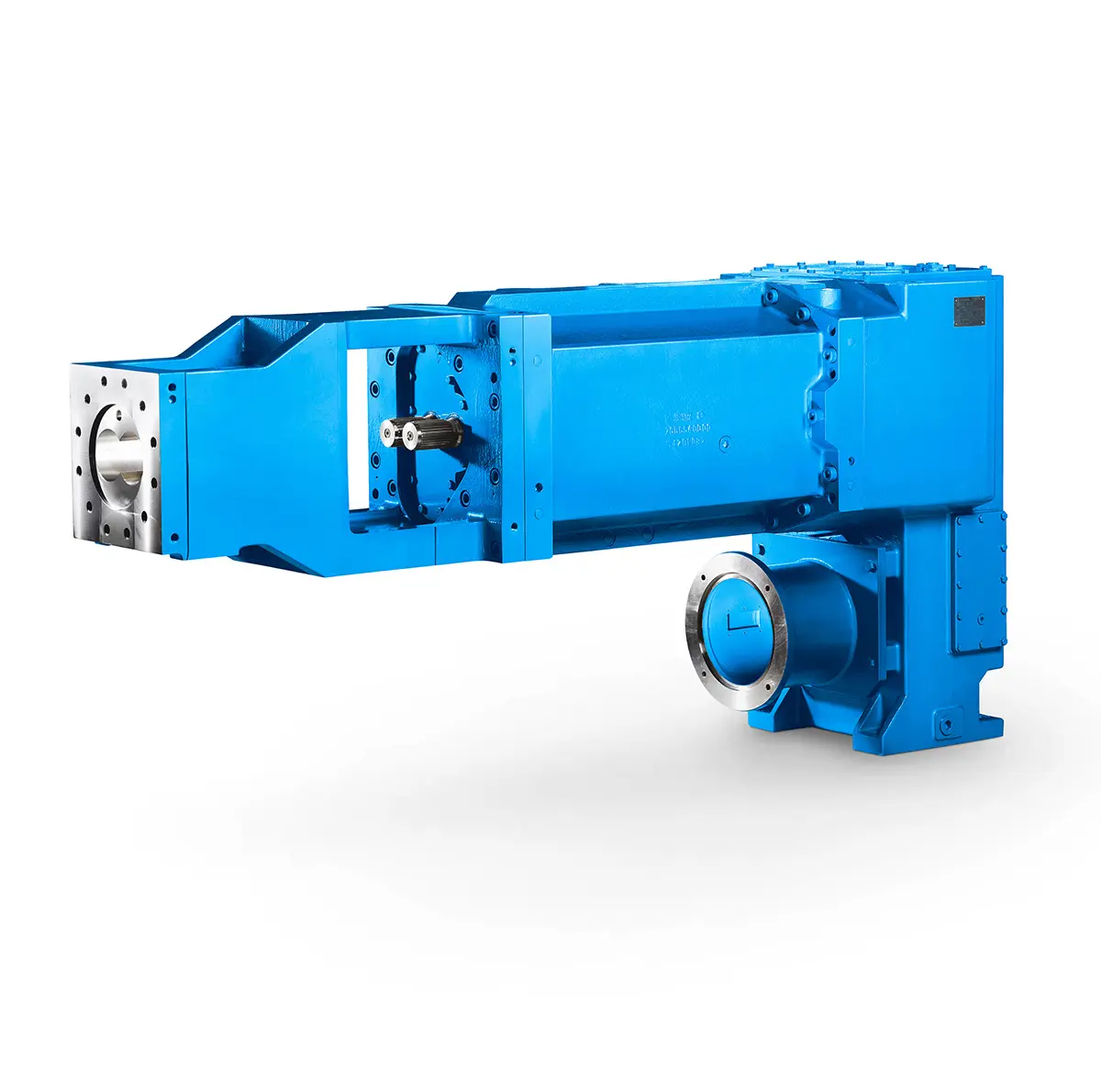
SINGLE SCREW Special industry dedicated gearunit gearbox
Playmaker In The Premium League
Conveyor belts gearunit gearbox
Paper And Pulp Preparation Sections
Operational Reliability Even In Case Of The Highest Ventilation Forces
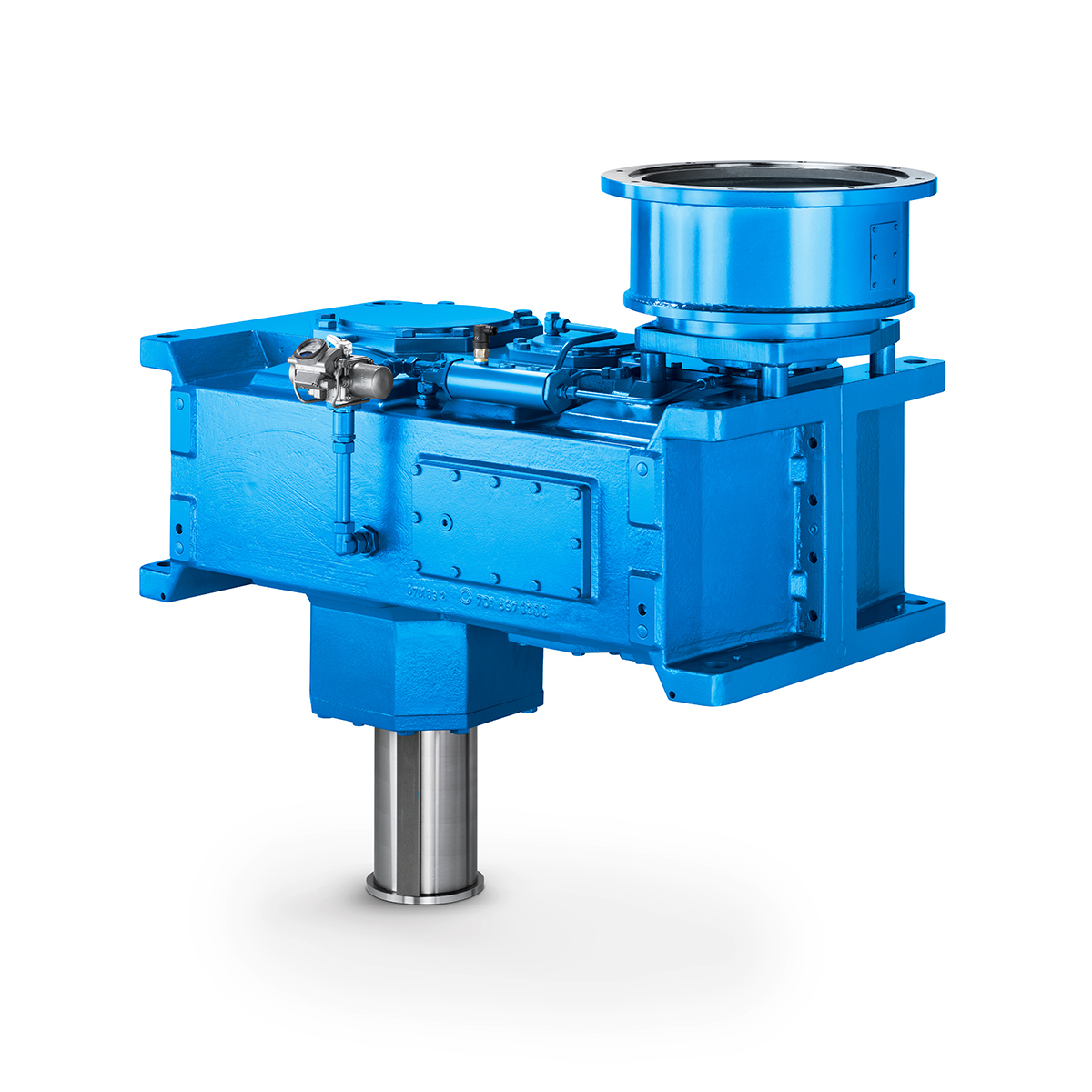
Reliable Gear Units For High Performance Vertical Conveyors 59/200
Maximum power density – PLANUREX 3 L individual drives for your sugar cane mill
The proven all rounder gearunit gearbox
Stirs and stirs and stirs gearunit gearbox
Flexibility on Board gearunit gearbox
The right gearbox for all Multi-Engine Ships
Reliable Power Generation on board
Maximum performance level, fast deliverable
Efficient and compact – FLENDER Gear Units for Sugar Mills
Extremely strong. Extremely compact. Extremely stressable.
FLENDER Coupling
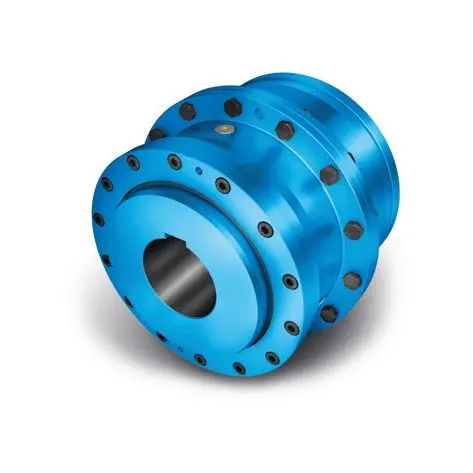
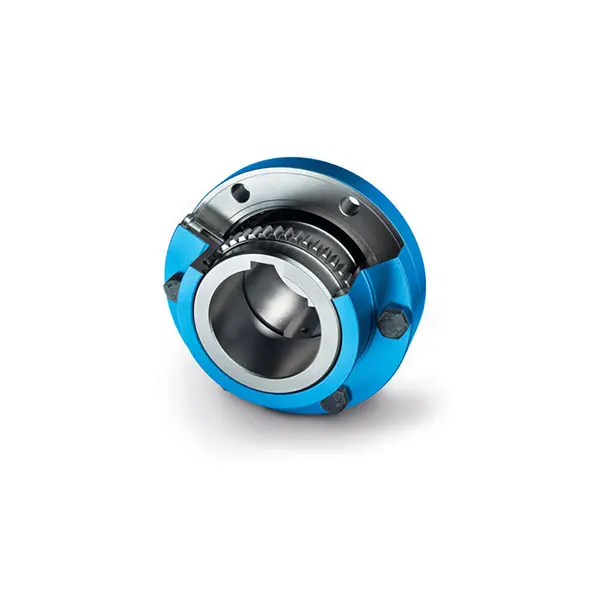
ZAPEX ZW Torsionally Rigid Gear Coupling
ZAPEX ZN Torsionally Rigid Gear Coupling
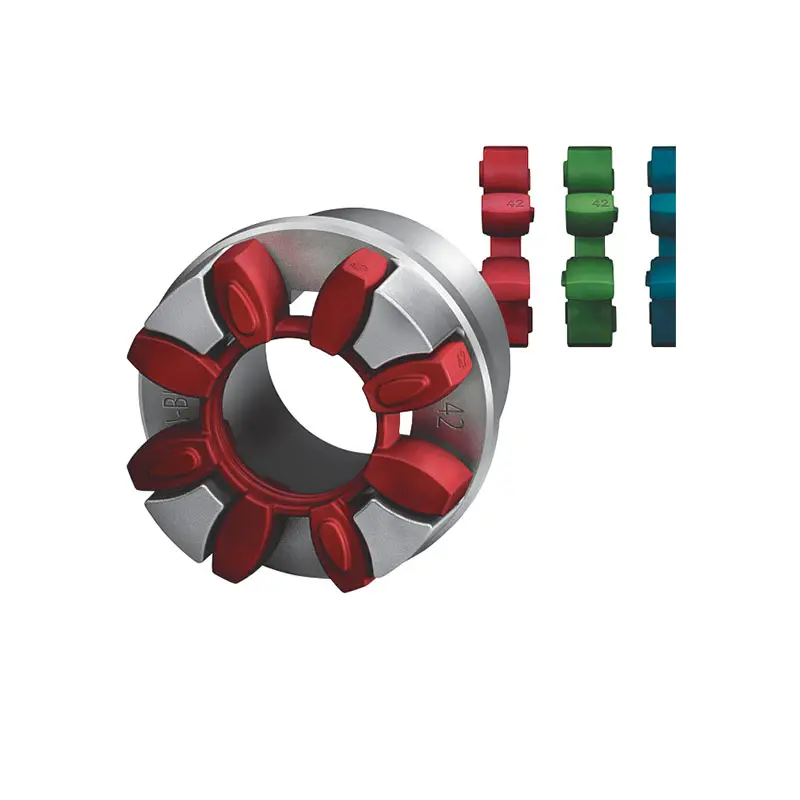
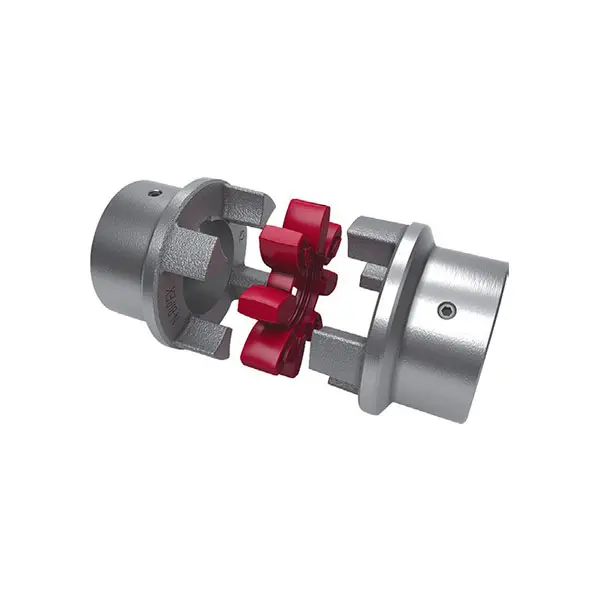
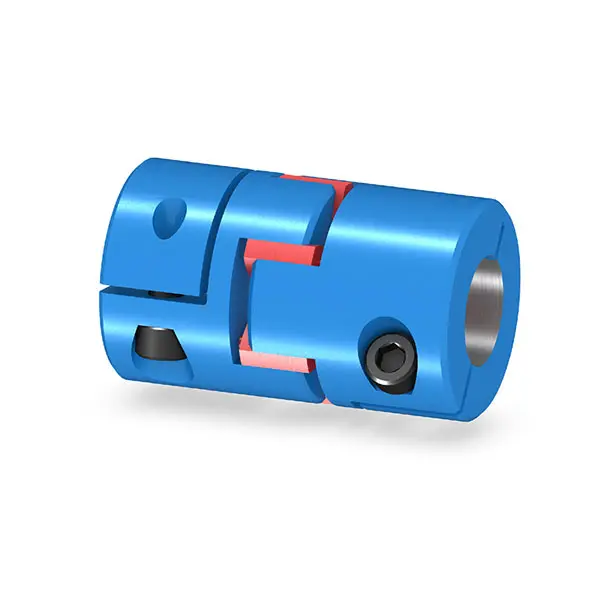
N-EUPEX Flexible high performance Coupling
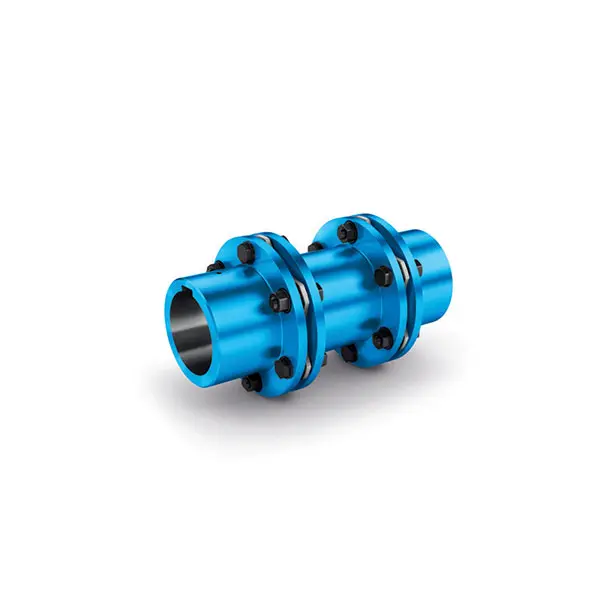
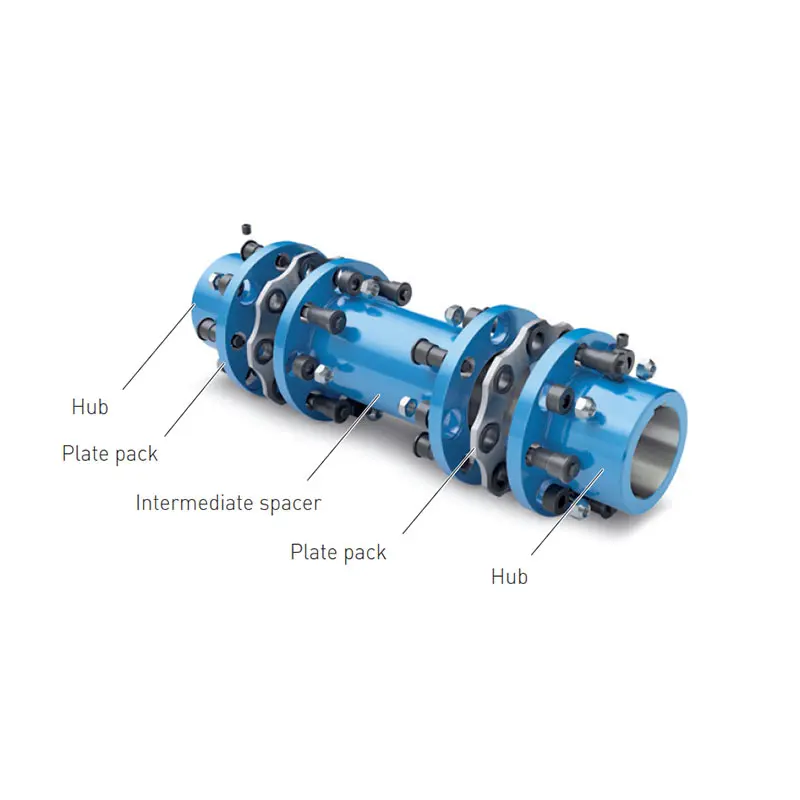
N-ARPEX Torsionally Rigid All-Steel Coupling
ARPEX Torsionally Rigid All-Steel Coupling Spare and Parts
N-EUPEX DS Flexible High Performance Coupling
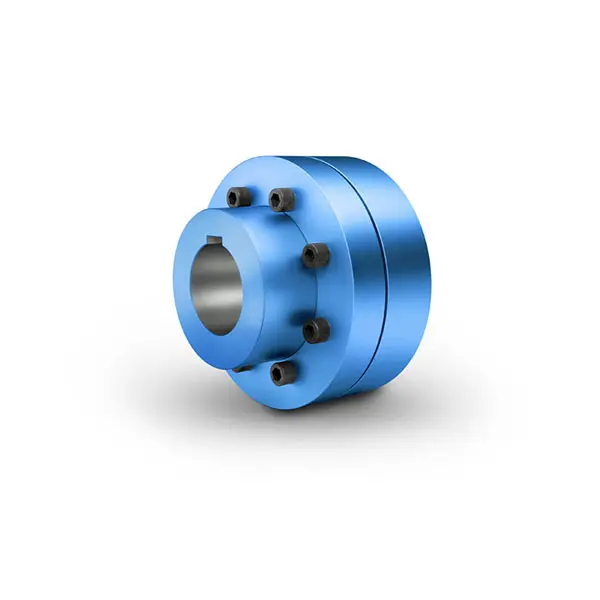
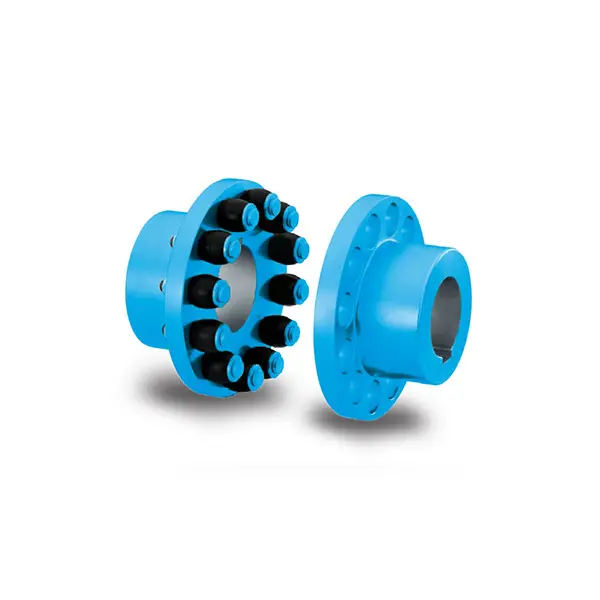
RUPEX Flexible high performance Coupling
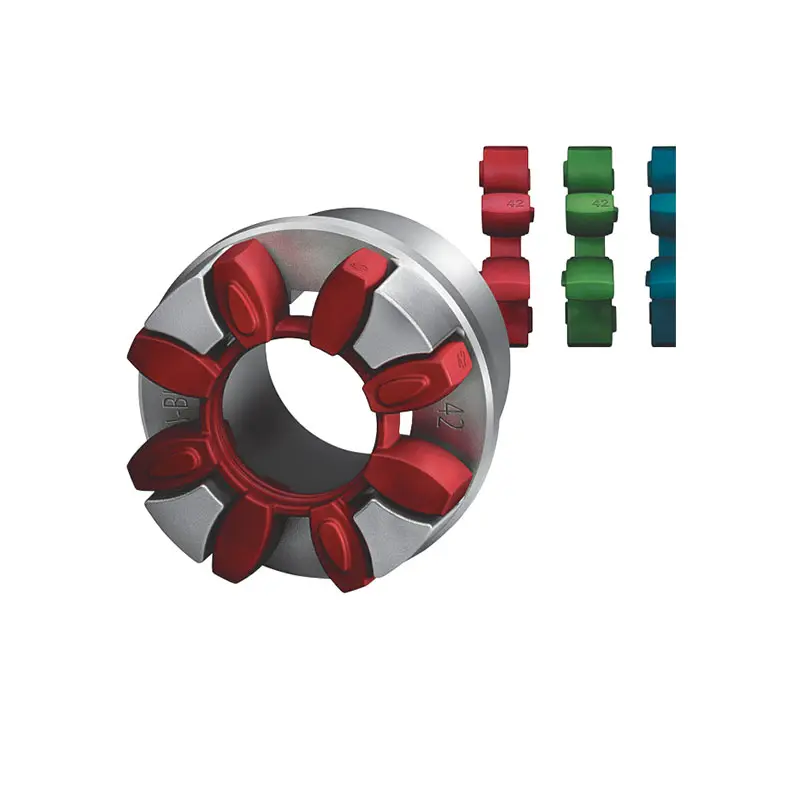
N BIPEX Flexible high performance coupling
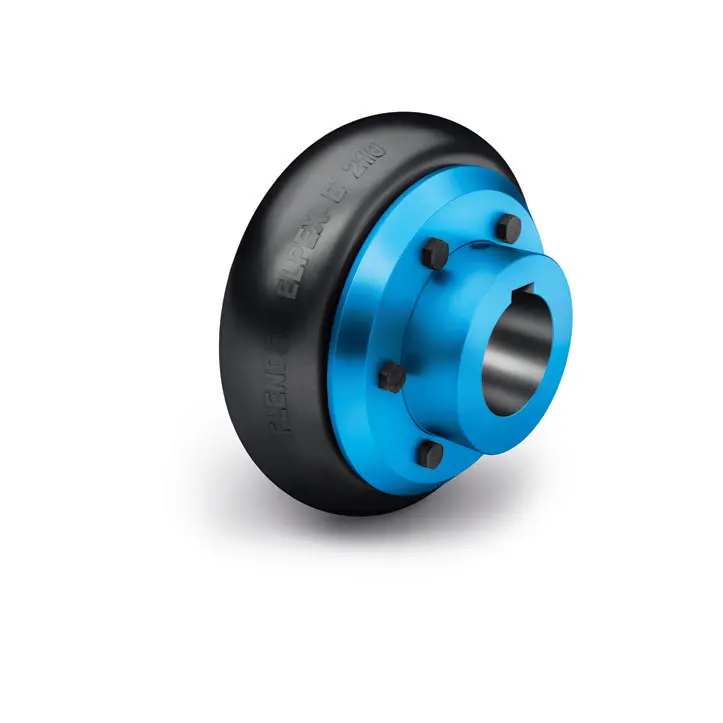
ELPEX B Highly Flexible Coupling
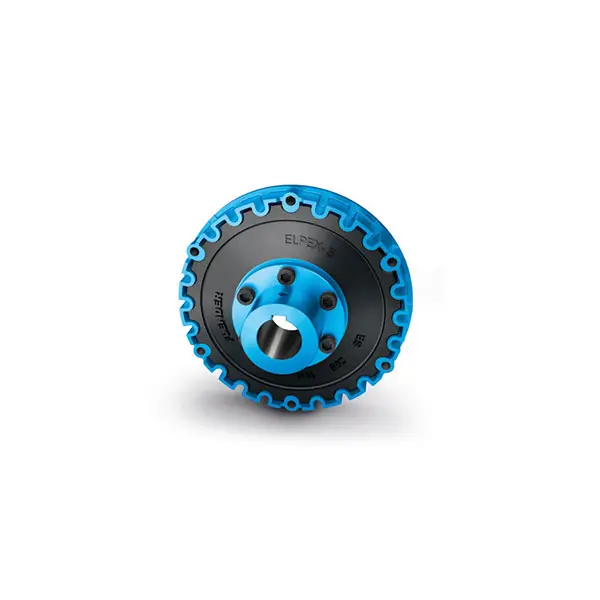
ELPEX S Highly Flexible Coupling high performance
ELPEX Highly Flexible Coupling high performance
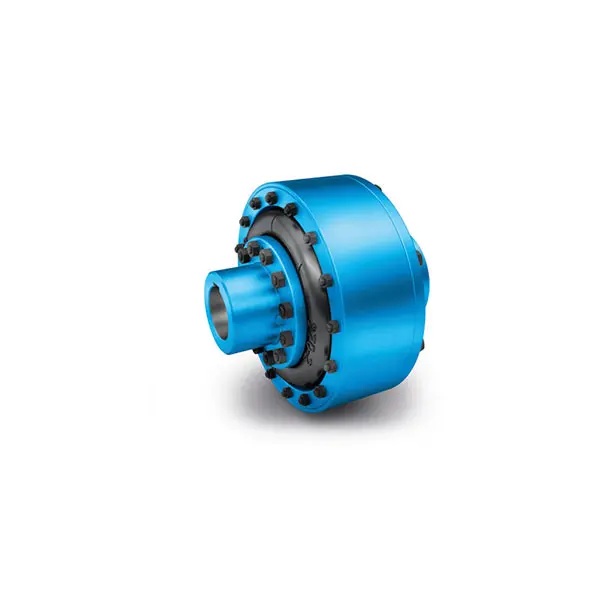
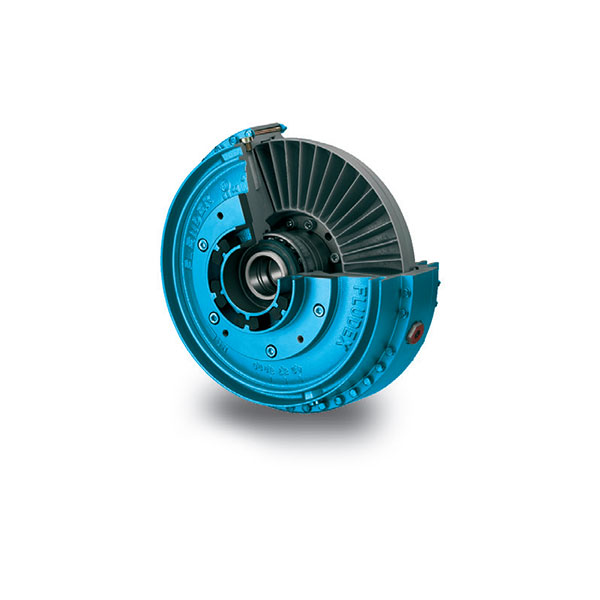
FLUDEX Fluid Coupling high performance
SIPEX Backlash free Coupling high performance
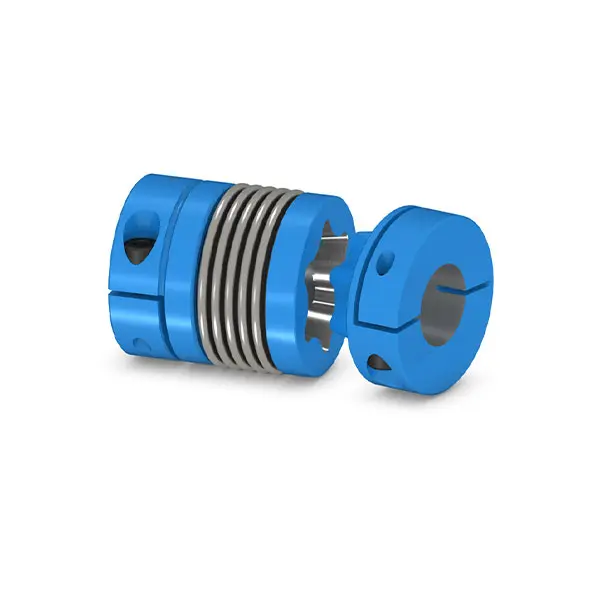
BIPEX S Backlash free Coupling high performance
FLENDER Coupling Spare Parts high performance
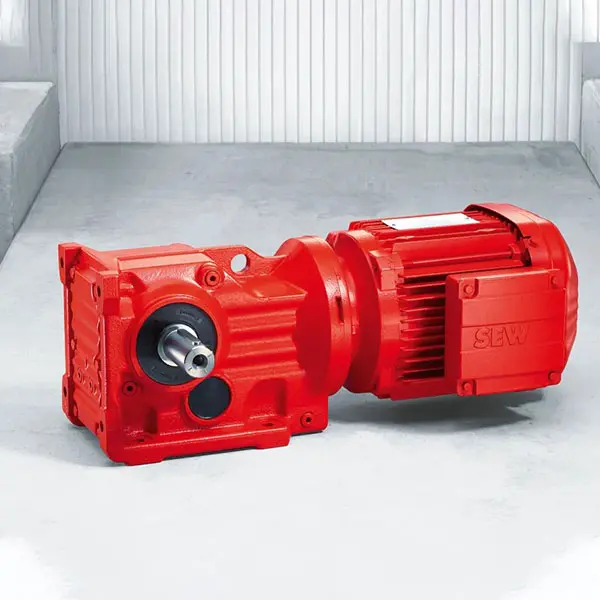
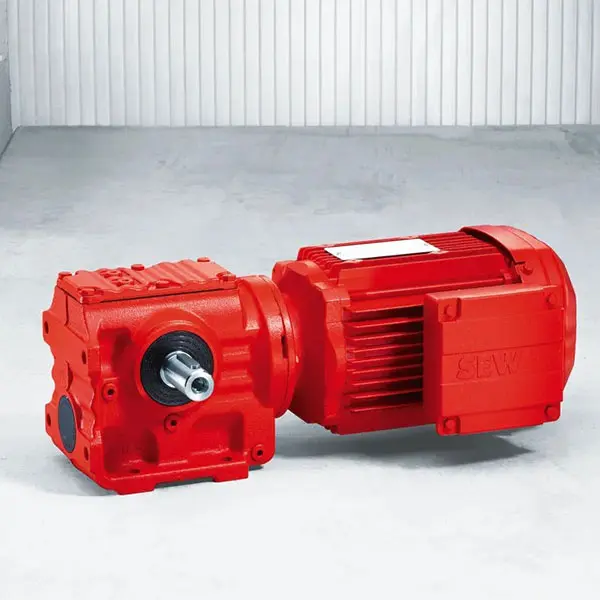
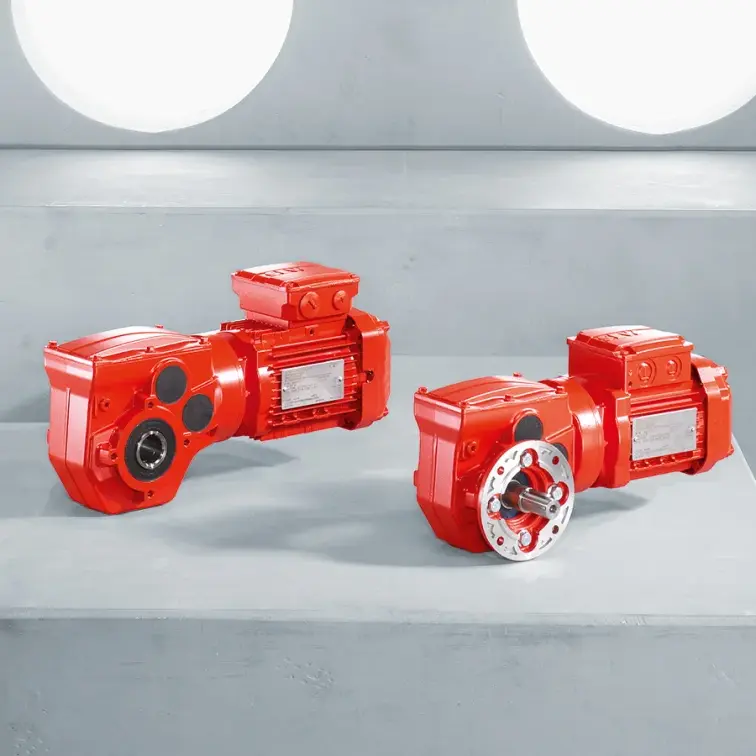
SEW Gearmotor
Choosing a supplier for a Neupex Coupling involves more than comparing prices. Buyers need the correct size, torque capacity, speed rating, and configuration for their equipment. A mismatch can cause vibration, wear, or avoidable downtime. Details matter.
Global purchasing adds practical questions. Can the supplier confirm product specifications? Are drawings and installation guidance available? What are the stated lead times, shipping options, and after-sales support arrangements? These checks help buyers assess a quote beyond its headline price. They also make supplier comparisons more consistent, especially when projects involve several sites or maintenance teams.
This guide reviews five supplier options for international buyers. It focuses on useful selection factors, including product knowledge, documentation, communication, and delivery capabilities. Supplier information can change, and availability may vary by region. Verify current details directly before placing an order. A polished website is not proof of technical expertise, and a low price may leave important questions unanswered. That is worth remembering.
The aim is not to declare one supplier best for every application. Instead, the article offers a practical starting point for comparing options and preparing informed questions. Confirm compatibility with the equipment manufacturer or a qualified engineer when requirements are unclear. Good sourcing takes a little checking. One detail may still be missed, so keep the final specifications in writing.
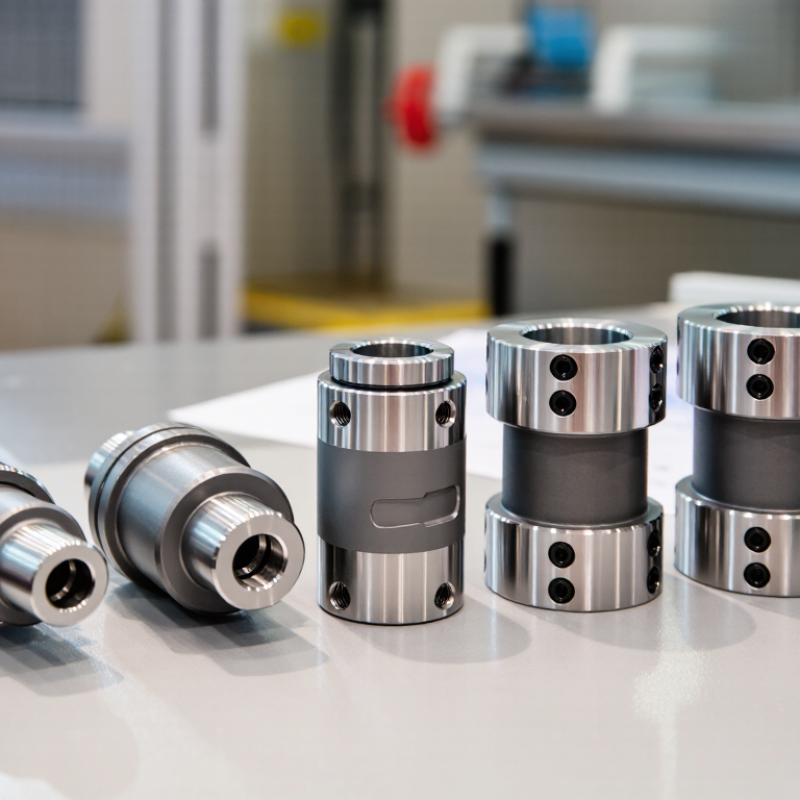
Flexible couplings connect rotating shafts while helping accommodate minor misalignment and vibration. Their design typically combines hubs with a flexible element, such as elastomer or engineered polymer. The element can soften shock loads and reduce noise, but it also wears over time. Material choice matters. Heat, oil mist, dust, and repeated starts can change service life. In pumps, conveyors, and compact machinery, the right coupling should match shaft diameter, torque, speed, and available installation space.
Product features worth checking include rated torque, allowable misalignment, operating temperature, and ease of replacement. A split or sleeve-style element may simplify maintenance where access is limited. However, a flexible coupling cannot correct severe shaft misalignment. That assumption causes trouble. Inspect the shafts, confirm dimensions, and follow the equipment maker’s alignment procedure. Actual performance depends on the full drive system, not one catalog figure.
Tips: Measure both shafts before ordering, and record keyway dimensions. Check the surrounding temperature and likely contaminants. Leave enough room to inspect or replace the flexible element. If vibration remains after installation, recheck alignment and mounting stiffness; the coupling may not be the only cause. A small measurement error can still lead to a frustrating fit.
A reliable supplier should explain how a coupling matches your operating conditions, not just send a price. Share shaft diameters, torque, speed, misalignment, temperature, and duty cycle. Ask for drawings, material certificates, dimensional inspection records, and clear tolerances. A 20 mm bore that is slightly off can complicate installation and create vibration. Paperwork can look perfect. Verify the details.
Check whether the supplier can show repeatable quality across production batches. Request sample inspection results and ask how defects, revisions, and replacement parts are handled.
The U.S. Department of Energy’s industry sourcebook estimates that motor-driven systems use about 68% of electricity in U.S. industry. That figure is not a coupling-efficiency claim, but it underscores why alignment and maintenance deserve attention.
Ask for test evidence relevant to your application, rather than broad performance promises.
Global sourcing also depends on delivery visibility. The World Bank’s 2023 Logistics Performance Index assessed 139 economies across six areas, including tracking and timeliness. Use those measures as prompts: Can the supplier provide shipment milestones, export packaging details, and realistic lead times?
Compare total landed cost, not unit price alone. One awkward point: even a strong audit cannot predict every production delay.
Consider a trial order before committing to large volumes, and record what the supplier actually delivers.
International buyers comparing Neupex coupling suppliers need more than a low unit price. A capable supplier should confirm torque, shaft dimensions, operating speed, temperature, and expected misalignment before recommending a model. These details help prevent a coupling that fits on paper but vibrates after installation. Request dimensional drawings, material information, and inspection records. Details matter.
A practical shortlist can include five supplier types: a direct manufacturer with export experience, a regional industrial distributor, a custom machining specialist, a stocking wholesaler, and an engineering-led supplier. Each serves overseas buyers differently. Manufacturers may provide production details, while distributors can offer local stock and faster communication. Custom specialists are useful when standard dimensions do not match existing equipment. Still, verify that any proposed changes suit the actual load and operating conditions.
Compare quotation terms, packaging, lead times, and technical support before placing an order. Ask how the supplier checks dimensions and handles damaged or incorrect parts. A sample or small trial order can reveal fit and finish before a larger purchase. It is tempting to treat a polished catalogue as proof of quality; it is not. I would also ask for clear answers in writing, since vague replies can become costly across time zones.
A strong Neupex coupling supplier should offer more than one standard size. Compare bore options, hub designs, materials, and availability of custom machining. A broad range helps match couplings to different shaft layouts and operating conditions. Still, a long catalogue means little if key items stay out of stock. Ask for current lead times, not just a product list.
Quality is easier to assess through specific records. Request material specifications, dimensional tolerances, inspection reports, and traceability details. Check how the supplier handles sample approval and replacement parts. Market coverage matters too: regional warehouses can shorten delivery, while export experience may simplify packaging and technical communication. Compare these points across five shortlisted suppliers. No checklist catches everything. A sample fit test can reveal small alignment issues that paperwork misses.
Tips: Send the same shaft dimensions, load details, and operating environment to every supplier. This makes quotations easier to compare. Ask which coupling details require confirmation before production. Keep one concern open: published quality claims do not always show how consistently each batch is checked.
This buyer-evaluation framework assigns 30% weight to product range, 25% to quality evidence, 20% to market coverage, 15% to customization, and 10% to lead time. These are suggested evaluation weights—not supplier-specific scores or verified rankings.
5 Best Neupex Coupling Suppliers for Global Buyers
What to Check Before Ordering Neupex Couplings Internationally
Before requesting a quotation, send the supplier your shaft diameters, keyway dimensions, operating speed, torque, and expected misalignment. A coupling that fits the drawing may still fail under heat, vibration, or frequent starts. Ask for a dimensioned drawing, material specifications, allowable operating limits, and inspection records. Check whether the quoted model matches your application, not just its nominal bore size. Small details matter.
Confirm the delivery terms, export packaging, lead time, and what happens if goods arrive damaged or out of specification. UNCTAD’s Review of Maritime Transport 2024 reports that shipping carries over 80% of global trade by volume. That makes transit protection and clear handover responsibilities practical purchasing checks, not paperwork extras. Request photos of the actual packing method and confirm whether corrosion protection suits your route and storage conditions.
Ask for traceable test documents and written confirmation of tolerances before payment. Compare quotations on the same technical basis; a lower price may exclude a key, fasteners, or inspection. The World Bank’s Logistics Performance Index 2023 highlights customs, tracking, and delivery reliability as core supply-chain measures. Use those same questions when assessing an overseas supplier. I would still verify critical dimensions on receipt; paperwork can be tidy while a real part is not.